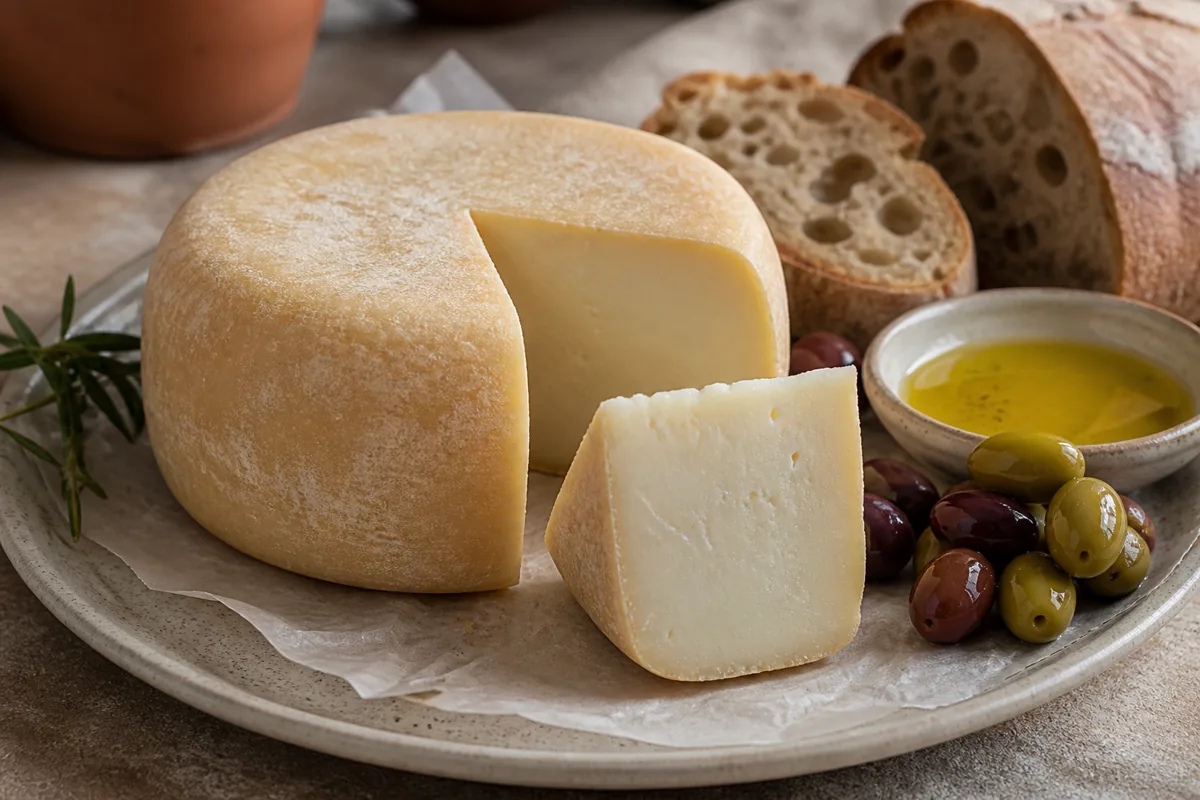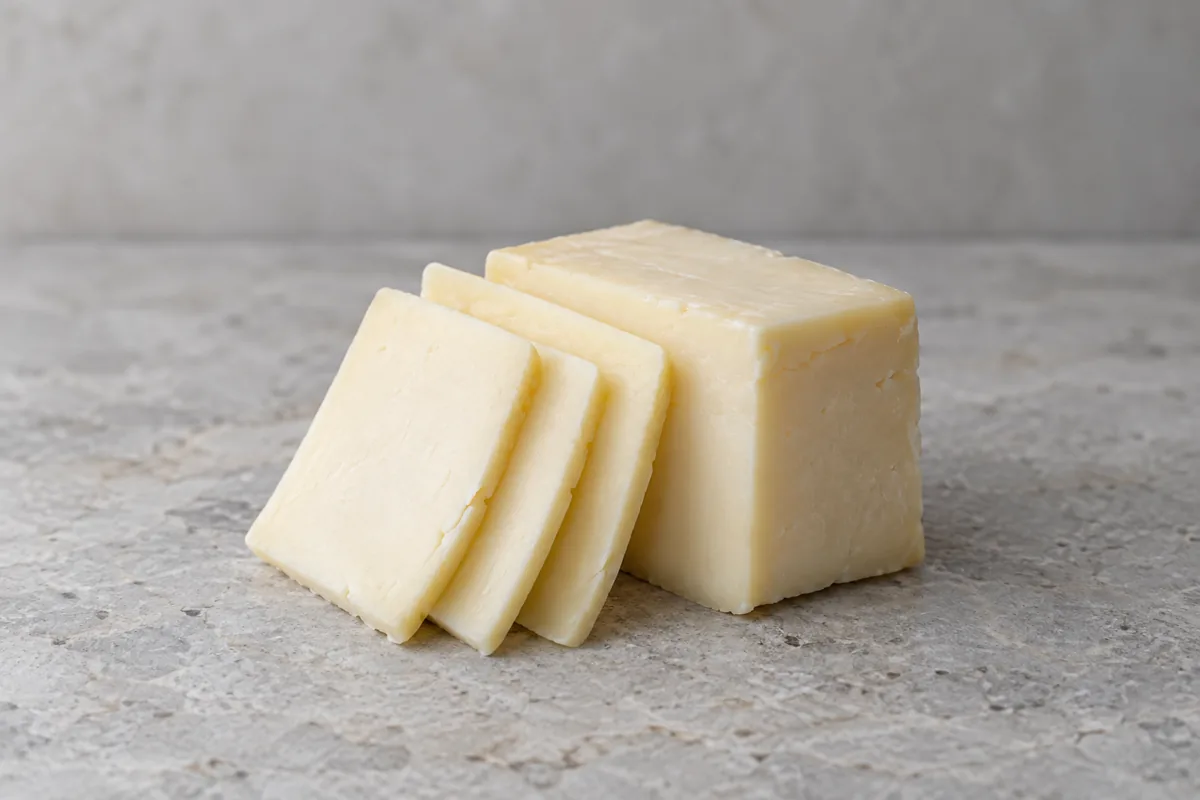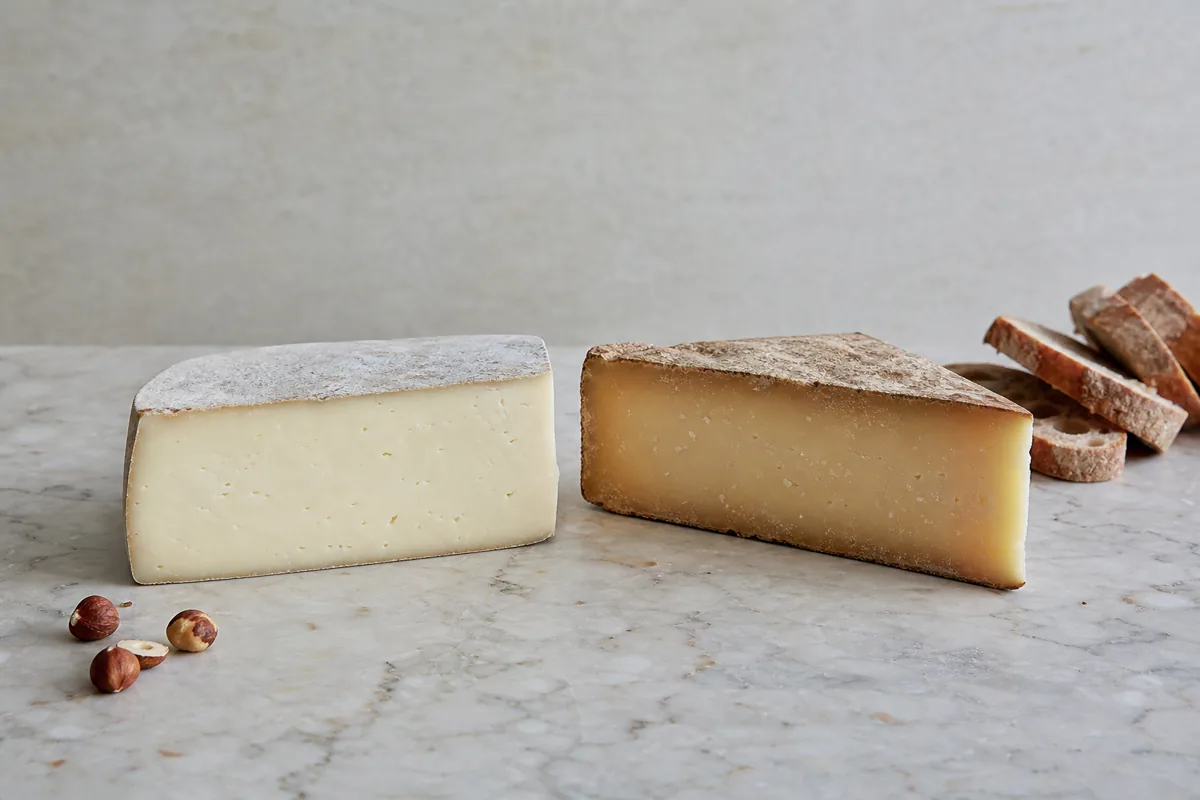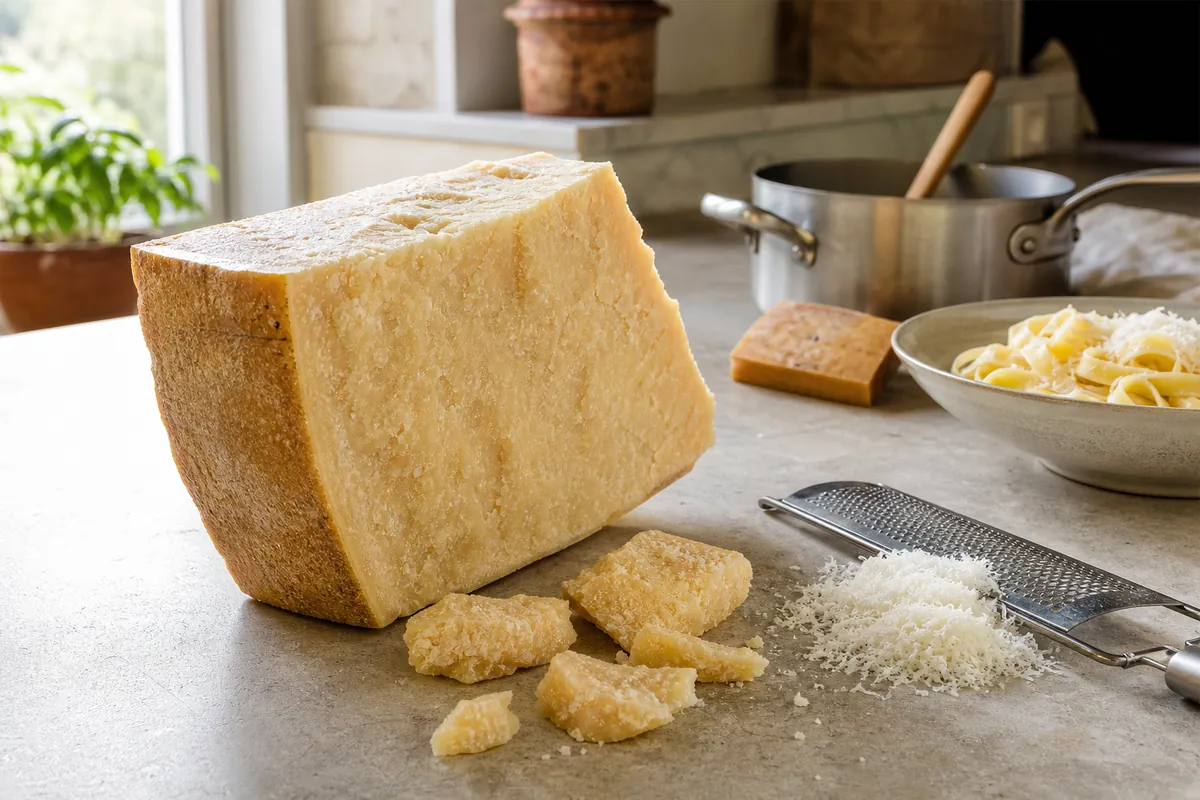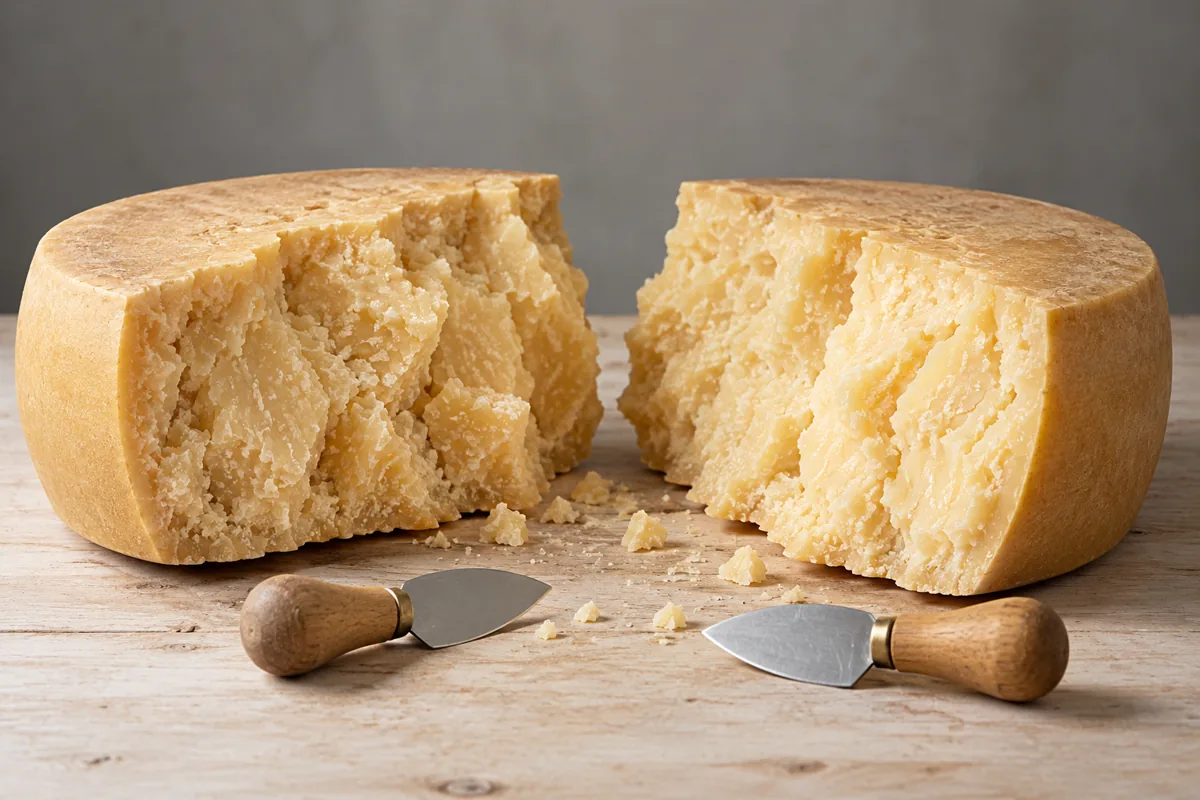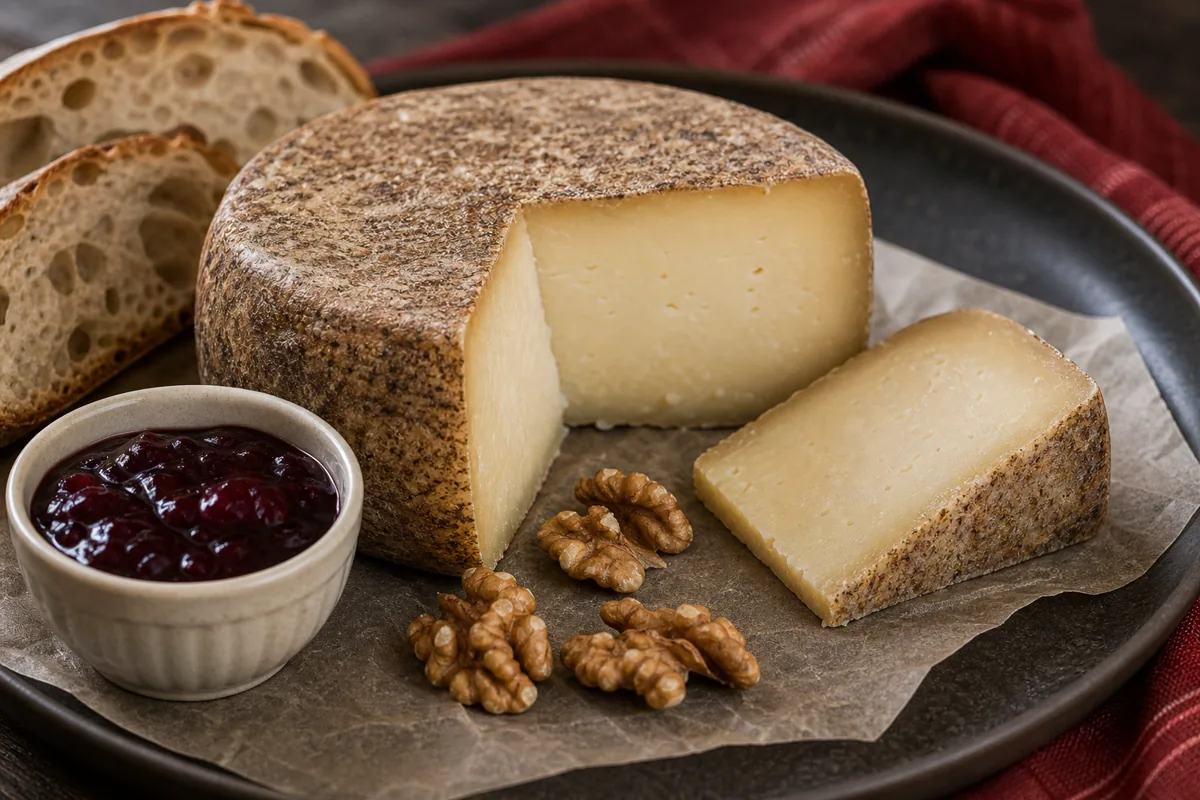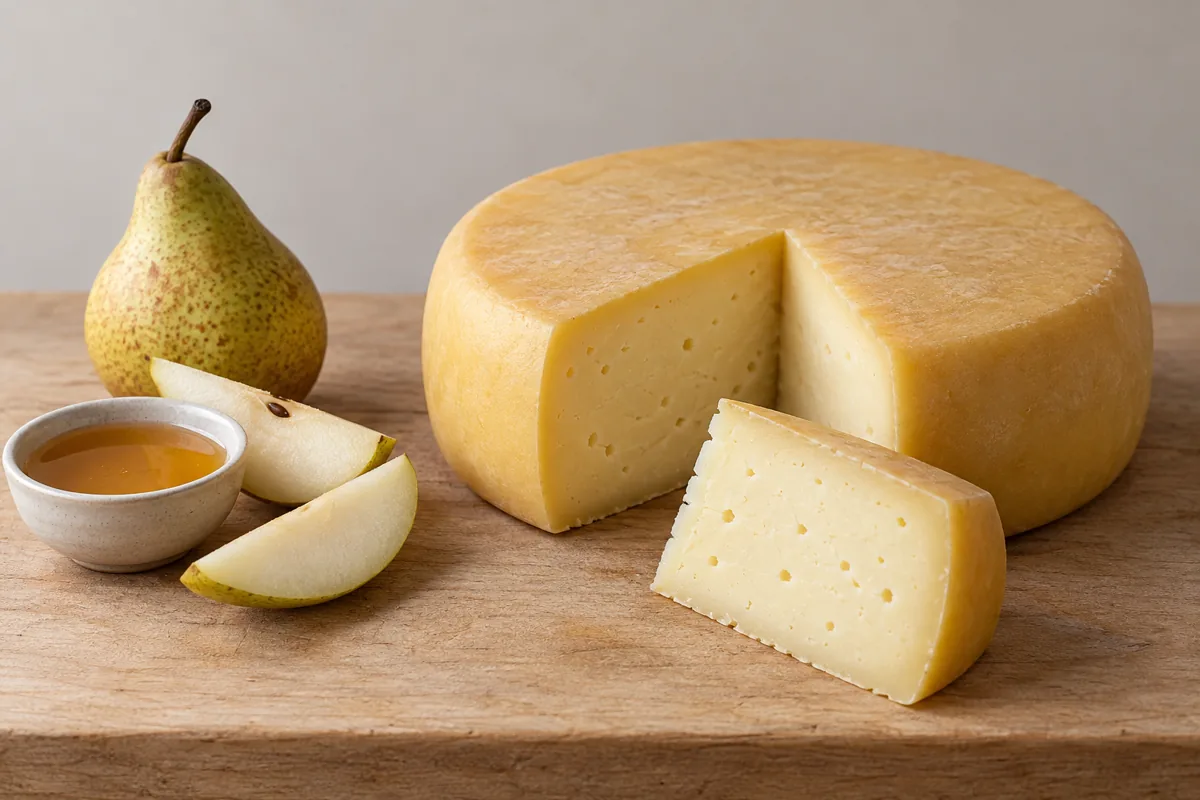
Pecorino Toscano is a protected Italian cheese made only from whole sheep's milk in Tuscany and a few neighbouring towns. It comes in two types: a soft cheese ripened for at least 20 days and a semi-hard one ripened for at least four months.
In This Article
What Is Pecorino Toscano?
Pecorino means "of sheep" in Italian, according to Wikipedia, so the name already says what the cheese is made from.
The EU's single document for the name calls the cheese ancient, with extensive historical evidence that it existed in Etruscan times, and says it spread over the centuries in the Maremma, an area that lies mostly in Tuscany.
Traditionally the cheese went by names that pointed to where it came from or by the general term toscano, and the document says its largely common features led to a single production standard and the designation Pecorino Toscano.
The production specification fixes the wheel's shape and size, and an amendment that the EU Official Journal published on 28 April 2026 widens the ranges.
The Consortium's 2022 specification still lists the older limits, so a wheel of up to 3.5 kg fits both texts, while a heavier one fits only the 2026 wording.
The 2022 text also said the side must never exceed half the diameter. The 2026 wording drops that sentence and keeps the preference for taller heels, in proportion to the diameter, in the semi-hard type.
Where Can It Be Made?
The milk, the cheesemaking and the ripening must all happen inside one area: the whole of Tuscany, plus two towns in Umbria and eleven in Lazio.
The Umbrian towns are Allerona and Castiglione del Lago. The Lazio towns are Acquapendente, Onano, San Lorenzo Nuovo, Grotte di Castro, Gradoli, Valentano, Farnese, Ischia di Castro, Montefiascone, Bolsena and Capodimonte.
The EU document adds that the cheese stays in the area until it reaches its marketable age, which is 20 days for the soft type and four months for the semi-hard type.
The sheep's diet is set too. The specification says it must consist mainly of green fodder or hay from the area's natural pastures, with extra hay and simple concentrated feeds allowed.
The EU document lets up to 30% of the feed's dry matter, counted over a year, come from outside the production area.
It treats that outside share as a derogation and gives the reason: sudden changes in climate have brought excessive rain while hay dries, which spoils it, and excessive heat, which cuts the fodder grown to be used fresh or as hay.
Every step is recorded. Breeders, collection centres, dairies, ripeners, packers and portioners sit on lists kept by the control body, and dairies must keep milk for Pecorino Toscano in separate, identified tanks.
Both texts also give a social reason for tying the cheese to the area: the farms use marginal land that would otherwise be progressively abandoned.
How Is Pecorino Toscano Made?
The specification allows the milk to be used raw or heat-treated up to pasteurization. Dairies may add native, natural or selected lactic cultures.
The Consortium keeps a library of cultures selected from the area's sheep's milk. The EU single document words the rule more narrowly: only indigenous starter cultures from the strain collection are allowed.
Calf or vegetable rennet sets the milk at 33 to 38°C, and the curd must form within 20 to 25 minutes.
The cut is where the two types part ways. The curd is broken to the size of a hazelnut for the soft cheese and to a grain of corn for the aged one.
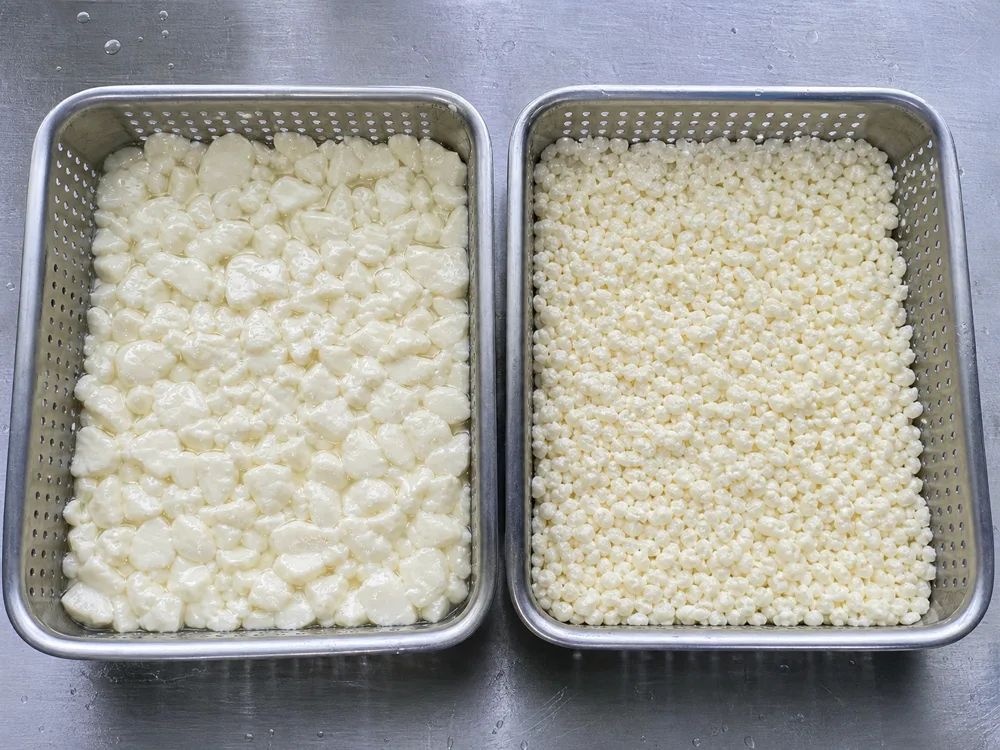
The curd may then be cooked at 40 to 42°C for 10 to 15 minutes before it goes into moulds to drain. The whey is pushed out by pressing by hand or by steaming.
Salting is done dry or in brine of 17 to 19% salt. Per kilogram of cheese, it lasts at least eight hours for the soft type and at least 12 hours for the aged type.
Because the time counts per kilogram, a 1 kg soft wheel stays in the salt for at least 8 hours and a 2 kg aged wheel for at least 24 hours.
The wheels then ripen at 5 to 15°C and 75 to 95% relative humidity, and the rind may be treated with an anti-mould.
Fresh vs Aged Pecorino Toscano
Fresh Pecorino Toscano ripens for at least 20 days, and the Consortium says ripening normally runs on to 45 or 60 days. The aged type needs at least four months, which the Consortium gives as 120 days, and can go on for up to a year.
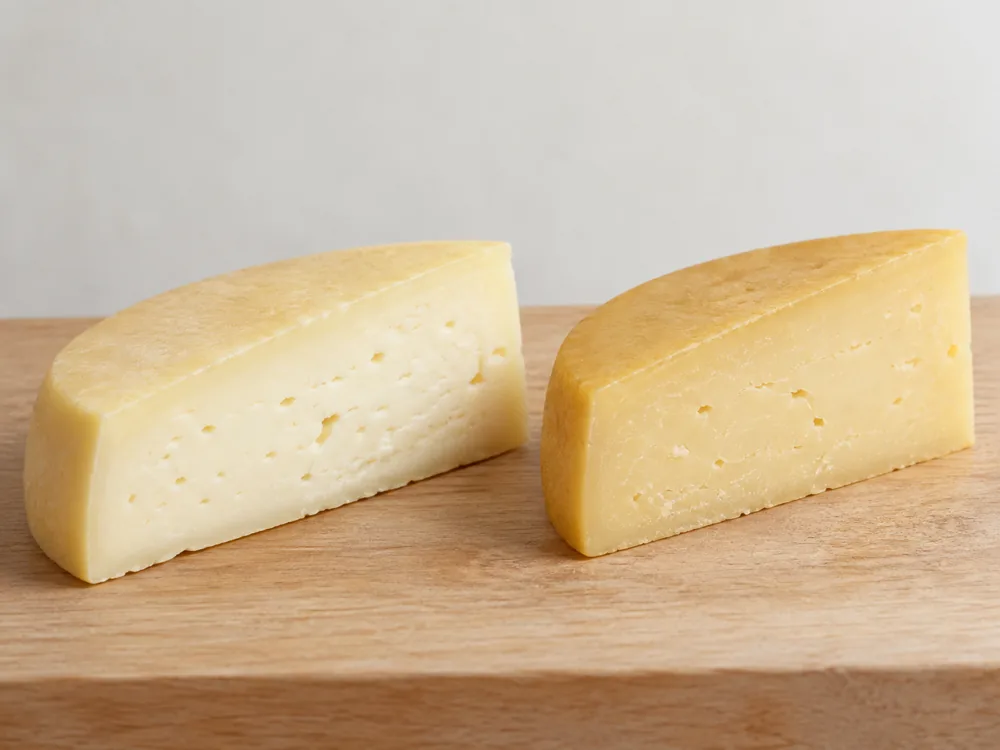
The Consortium's product pages, the specification and the EU document describe the two types in slightly different words, so the table keeps each one.
| Point | Fresh (soft) | Aged (semi-hard) |
|---|---|---|
| Ripening | At least 20 days (specification); often extended to as much as 45 or 60 days (Consortium) | At least 4 months (specification); up to a year (Consortium) |
| Rind | Thin, yellow, uniform, smooth and soft (Consortium) | Thin, yellow, uniform, smooth and compact (Consortium) |
| Paste colour | White to pale yellow (Consortium); slightly straw white (specification) | Pale straw yellow (Consortium); slightly straw or straw yellow (specification) |
| Texture | Soft; when chewed, not stretchy, solid without being hard (Consortium) | Compact and tenacious (specification); compact and firm when cut (EU document) |
| Holes | Several irregular, well-spread holes (Consortium) | Some irregular, well-spread holes (Consortium); small, unevenly spread eyes (EU document) |
On holes, the Consortium calls them well distributed while the EU document says the semi-hard cheese may have unevenly distributed small eyes, so a few small holes are part of both descriptions.
Rind colour does not separate the two types. The Consortium describes both rinds as thin, yellow, uniform and smooth, and the specification says the colour may depend on the treatments the cheese has had.
What the Consortium does set apart is the rind's feel: soft on the fresh cheese, compact on the aged one.
What Do Stagionato, Semistagionato and Riserva Mean?
The EU single document names the soft type Pecorino Toscano tenero and the semi-hard type Pecorino Toscano stagionato, and a label must show either Pecorino Toscano DOP or Pecorino Toscano DOP stagionato among its most prominent words.
The 2026 amendment adds two optional terms: semistagionato for soft cheese matured for at least 60 days and riserva for mature cheese matured for at least eight months.
| Term | Minimum ripening | Cheese it describes | Status |
|---|---|---|---|
| Tenero | 20 days | Soft type | Name of the soft type |
| Semistagionato | 60 days | Soft cheese | Optional term |
| Stagionato | 4 months | Semi-hard type | Name of the semi-hard type |
| Riserva | 8 months | Mature cheese | Optional term |
These terms put a number on the Consortium's remark that fresh cheese normally ripens for 45 or 60 days: a soft wheel sold at 45 days has no extra term, while one that reached 60 days may call itself semistagionato.
Because both extra terms are optional, a label without them does not show that a cheese is younger than the age they mark.
A riserva has ripened for twice the semi-hard minimum, and the Consortium says the aged cheese's dried fruit and hay notes can increase with longer ripening.
What Does Pecorino Toscano Taste Like?
The Consortium calls the fresh cheese sweet and clean, with a delicate smell of butter and hay. It says the milky aroma fades as the cheese ripens and gives way to a more intense, structured taste.
For the aged cheese, the Consortium describes a strong yet soft taste and a smell of dried fruit and hay that grows with longer ripening.
- Consortium, fresh: sweet and clean taste; delicate butter and hay aroma; soft to the touch.
- Consortium, aged: strong yet soft taste; dried fruit and hay aroma that grows with age.
- EU single document: an intense, fragrant flavour in the product description, and a mild flavour that is never strong in the section on the link with the area.
Why Is Pecorino Toscano Mild?
The EU single document gives a reason for the mildness: the mostly strong flavour of sheep's milk is made milder by the climate and pastures, which have a positive effect on the animals' lives and therefore on their production.
It says the sheep are fed on pasture almost all year round, taking flavours and fragrances from wild and cultivated plants.
The document credits the processing as well. It keeps the milk's character by using the same temperatures as milk inside the udder, the traditional calf rennet, minimum salting and maturation temperatures that respect the starter cultures' natural activity.
The same document's product description calls the flavour intense and fragrant, so the two words do not conflict: mild is measured against the usual strong flavour of sheep's milk.
How to Use Pecorino Toscano
The Consortium presents Pecorino Toscano as a table cheese, fresh or aged, and also as an ingredient, grated or in flakes. The EU single document says it may be marketed whole, in portions cut from the wheel or grated.
| Use | How It Works |
|---|---|
| Plain | The Consortium suggests eating it on its own with bread. |
| With something sweet | Jams, honey or fruit mostarda, in the Consortium's kitchen notes. |
| Antipasto | The Consortium says Italian meals often open with it alongside cured meats. |
| Grated or flaked | Added to dishes as an ingredient, starting with Tuscan recipes, according to the Consortium. |
As a filling, the Consortium names focaccia, savoury pies, ravioli and tortelli, and rolled meat or vegetable involtini.
Before the 2026 amendment, the EU single document tied use to ripening: the cheese was matured for a short or long period depending on whether it was meant as a table cheese or for grating. The amended wording keeps only that the cheese is used as a table cheese or for grating.
Read in order, the earlier wording suggests short ripening for the table and long ripening for grating, yet the Consortium calls both types table cheeses.
Pecorino Toscano vs Pecorino Romano
Wikipedia describes Pecorino Romano as a hard, salty cheese often used for grating over pasta.
| Point | Pecorino Toscano | Pecorino Romano |
|---|---|---|
| Milk | Whole sheep's milk from the production area (specification) | Sheep's milk (Wikipedia) |
| Texture | Soft when fresh, semi-hard when aged (specification) | Hard and very crumbly (Wikipedia) |
| Minimum age | 20 days fresh, 4 months aged (specification) | 5 months or more (Wikipedia) |
| Where made | Tuscany plus named towns in Umbria and Lazio (specification) | Sardinia, Lazio or the province of Grosseto (Wikipedia) |
| Wheel | 15 to 30 cm across, 7 to 20 cm high, 0.75 to 10 kg (EU document) | 25 to 35 cm across, 25 to 40 cm high, 20 to 35 kg (Wikipedia) |
| Rind | Yellow, up to deep yellow (EU document) | Thin and ivory-coloured (Wikipedia) |
| Rennet | Calf or vegetable (specification) | From sheep raised in the production area (Wikipedia) |
| Milk set at | 33 to 38°C (specification) | 38 to 40°C (Wikipedia) |
| Curd cut to | Hazelnut (soft) or grain of corn (aged) (specification) | Grain of rice (Wikipedia) |
| Cooking | Optional, 40 to 42°C for 10 to 15 minutes (specification) | Cooked to no more than 48°C (Wikipedia) |
A Romano wheel weighs at least 20 kg, which is twice the heaviest Toscano wheel the 2026 text allows and more than five times the 2022 limit of 3.5 kg.
The curd marks the other gap. Wikipedia gives Romano a rice-grain curd cooked to no more than 48°C, while the Toscano specification cuts to hazelnut or corn-grain size and makes the 40 to 42°C cook optional.
Rennet matters for a strict diet. Wikipedia says Romano must use rennet from sheep raised in its production area and is therefore not suitable for vegetarians, while the Toscano specification allows vegetable rennet.
The two areas overlap in the Tuscan province of Grosseto, so a sheep's milk cheese from there could carry either name. Only the protected name and mark on the cheese tell you which one it is.
What Goes With Pecorino Toscano?
The Consortium lists twelve partners for Pecorino Toscano, and only one is tied to a type: onion compote, which it pairs with the aged cheese.
| Pairing | Why It Works |
|---|---|
| Pears | On the Consortium's pairing list, with no type named. |
| Honey | On the Consortium's pairing list and in its kitchen notes. |
| Fava beans | On the Consortium's pairing list, with no type named. |
| Walnuts | On the Consortium's pairing list, with no type named. |
| Olives | On the Consortium's pairing list, with no type named. |
| Onion compote | The one pairing the Consortium ties to aged Pecorino Toscano. |
The rest of the list is figs, mostarda, rocket, bread, chilli pepper and sun-dried tomatoes.
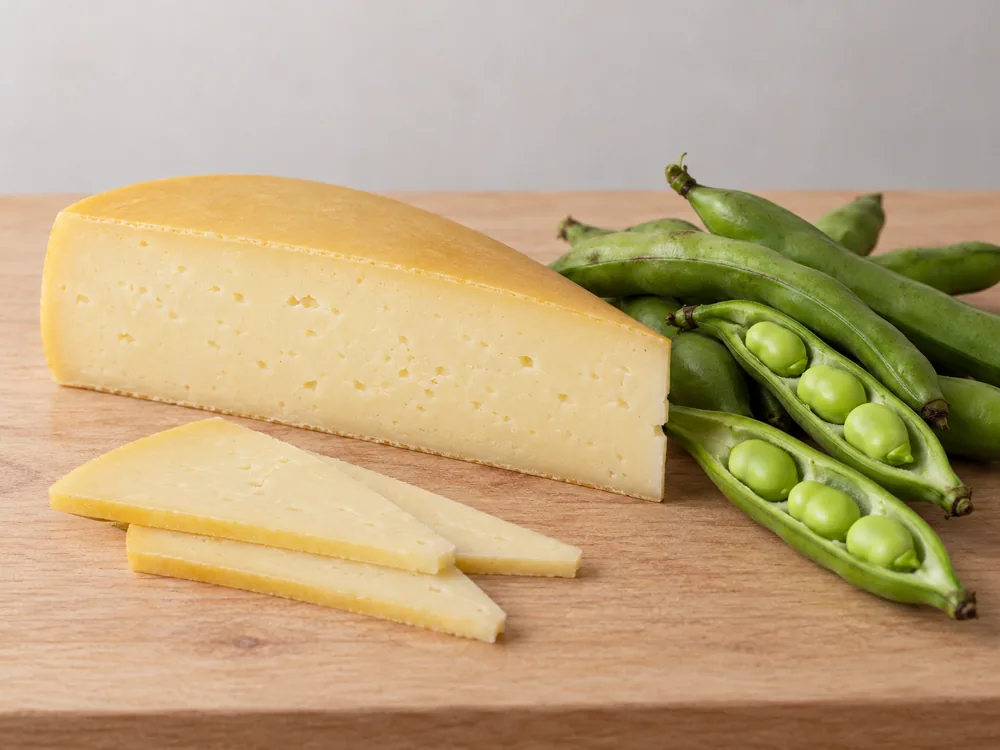
Fava beans have an Italian precedent outside that list: Wikipedia's entry on Pecorino Romano records that Roman families traditionally eat pecorino with fresh fava beans on May Day, on an excursion into the Roman Campagna.
How to Buy Pecorino Toscano
The EU single document and the specification set what a Pecorino Toscano label must show, and the checklist below follows them.
The method of marking a wheel is where the texts part ways. The 2022 specification and the Consortium's pages call for ink on the soft type and fire on the aged type, while the 2026 amendment removes the ink requirement and says only that the mark goes on the heel.
A wheel marked under the older text can still be told apart by ink or fire, but the amended rule no longer requires either.
Portions can also be packed outside the production area. The number on the pack must then identify the dairy or the maturer, not the packager.
Shape is a weaker clue than the label. Cheese meant only for slicing, dicing or grating may be made in other shapes, to limit processing waste, as long as it keeps to the weight and height rules.
The EU document also allows the name on cheese sold whole, in portions cut from the wheel or grated, and every such pack must carry the label wording.
Milk and rennet are the two points the rules leave to the maker: the specification allows raw milk or milk heat-treated up to pasteurization, and calf or vegetable rennet, though the EU document calls calf rennet the traditional choice.
The specification is the rule every DOP maker follows, so a raw-milk wheel and a wheel made with vegetable rennet are both allowed. For a strict diet or a pregnancy, check the label or ask the maker which milk and rennet a wheel used.
A label must show Pecorino Toscano DOP or Pecorino Toscano DOP stagionato among its most prominent words, with the colour logo and the maker's identification number. Milk and rennet remain the maker's choice.
How Much Lactose and Fat Does Pecorino Toscano Have?
The Consortium cites a recent study that found about 0.4 g of lactose per 100 g in fresh Pecorino Toscano and none in wheels ripened for more than four months. It adds that the label of the aged cheese also states this.
The Consortium explains that lactic bacteria feed on lactose, so there is almost no lactose in medium and long-ripened cheeses.
For fat, the specification gives a share of the dry matter: at least 45% for the fresh cheese and at least 40% for the aged one. Because water is left out of that figure, it does not tell you the grams of fat in 100 g of cheese.
Is Pecorino Toscano Safe During Pregnancy?
It depends on the milk, because the specification allows both raw and pasteurized milk for either type.
The NHS lists pasteurised or unpasteurised hard cheeses, such as cheddar, gruyère and parmesan, as safe. It also lists pasteurised semi-hard cheeses, such as edam, and pasteurised soft cheeses.
For raw milk, the NHS says any foods made from unpasteurised milk, such as soft ripened goats' cheese with a white coating on the outside, must be thoroughly cooked. A raw-milk Pecorino Toscano of the fresh, soft type falls under that line.
The NHS does not name Pecorino Toscano or say where an unpasteurised semi-hard cheese sits, so its lists do not settle a raw-milk aged wheel.
The CDC lists soft cheese made from unpasteurized milk as a riskier choice, and pasteurized soft cheese heated to an internal temperature of 165°F or until steaming hot as a safer one. It also lists unheated cheese sliced at a deli as riskier, and deli-sliced cheese heated to 165°F or until steaming hot as safer.
Listeria is the reason the milk question matters for a raw-milk wheel: the CDC says pregnant women are 10 times more likely to get a Listeria infection. The NHS says unpasteurised or soft ripened dairy foods may contain listeria, which can cause miscarriage or stillbirth, or make a newborn baby very unwell.
The NHS list of cheese safe during pregnancy also covers any cheese cooked until steaming hot, including soft or blue cheese.
SOURCES & REFERENCES
What Else Do People Ask About Pecorino Toscano?
The Consortium calls the fresh cheese sweet and clean with a butter and hay aroma. It describes the aged cheese as strong yet soft, with a dried fruit and hay aroma.
At least 20 days for the fresh type, which the Consortium says normally runs to 45 or 60 days. The aged type needs at least four months and can ripen for up to a year, and the 2026 amendment adds optional terms for soft cheese from 60 days (semistagionato) and mature cheese from eight months (riserva).
Under the 2026 amendment, 15 to 30 cm across, 7 to 20 cm high and 0.75 to 10 kg. The 2022 specification gave 15 to 22 cm, 7 to 11 cm and 0.75 to 3.5 kg.
No. Wikipedia describes Romano as a hard, salty grating cheese, and the two differ in wheel size, curd size and rennet.
Not always. The specification allows raw milk or milk heat-treated up to pasteurization.
It depends on the maker. The specification allows calf or vegetable rennet, so only the maker can say which one a wheel used.
The Consortium reports about 0.4 g per 100 g in fresh cheese and none in cheese ripened for more than four months.