16 articles Updated October 2026
Comparisons
Side-by-side breakdowns to help you choose between similar cheeses.

Start here
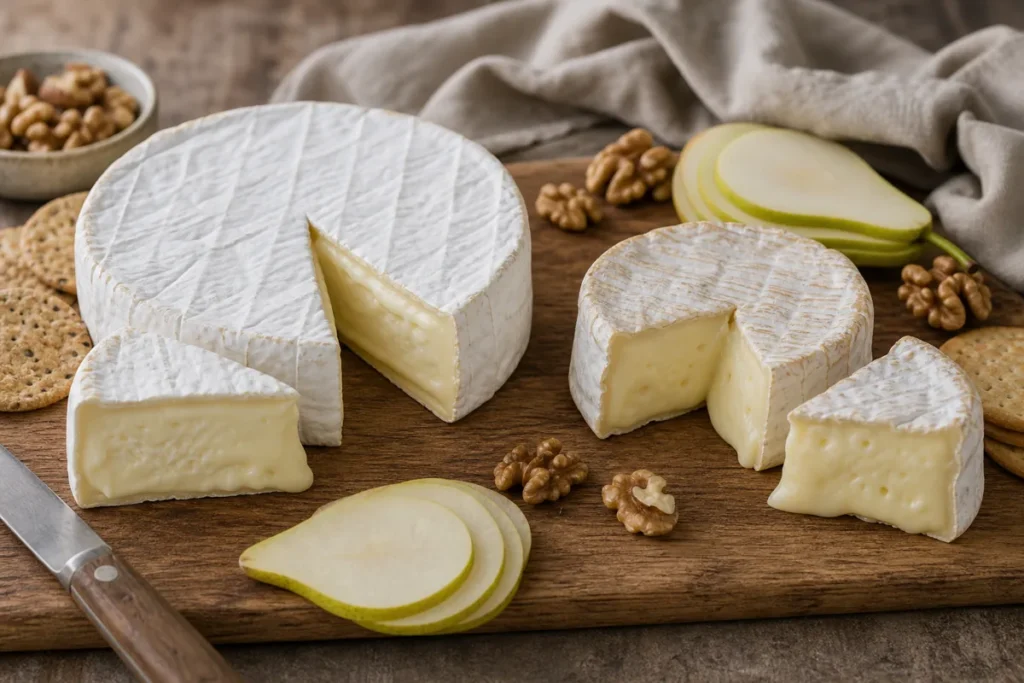
Brie vs Camembert: Flavour, Labels and Baking Choices
Compare Brie and Camembert by the actual product: protected names, size, ripeness and baking format. Learn why neither name alone guarantees a milder cheese.
Read the article →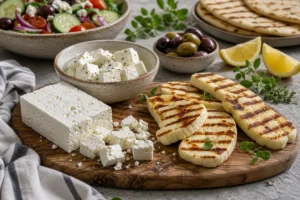
Feta vs Halloumi: Which One Does Your Dish Actually Need?
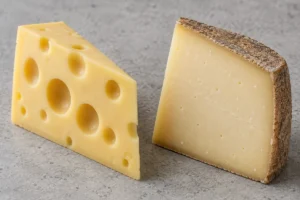
Emmental vs Gruyere: Flavor, Melt, and Which Swiss Cheese to Buy
Browse by cheese style
Soft and fresh cheeses 8 articles
- Brie vs Camembert: Flavour, Labels and Baking Choices
- Brie vs Goat Cheese: Flavor, Texture, and Which Soft Cheese to Buy
- Brie vs Mozzarella: Melt, Stretch, and Which Soft Cheese to Buy
- Cream Cheese vs Mascarpone: Richness, Tang, and Best Uses
- Feta vs Halloumi: Which One Does Your Dish Actually Need?
- Goat Cheese vs Feta: Tang, Texture, and Which Cheese to Buy
- Mozzarella vs Burrata: Texture, Freshness, and Which Cheese to Buy
- Ricotta vs Cottage Cheese: Texture, Protein and Lasagna
Melting cheeses 5 articles
Two cheeses that look alike and cook differently
These pairs sit next to each other in the case and behave nothing alike once heat or salt is involved.
More comparisons, A to Z
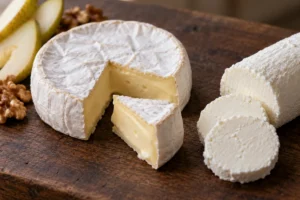
Brie vs Goat Cheese: Flavor, Texture, and Which Soft Cheese to Buy
Brie is a cow's-milk cheese with an edible white rind; goat cheese is tangy…
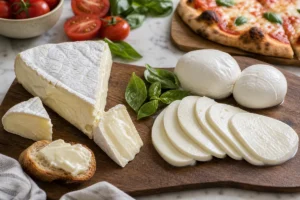
Brie vs Mozzarella: Melt, Stretch, and Which Soft Cheese to Buy
Brie softens from its rind inward and goes gooey; mozzarella is stretched curd that…
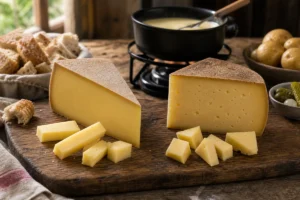
Comte vs Gruyere: Flavor, Fondue, Aging, and Best Uses
Comté ages from 4 months and Gruyère from 5, both from raw cow's milk…
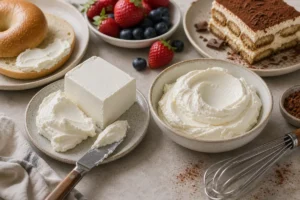
Cream Cheese vs Mascarpone: Richness, Tang, and Best Uses
Cream cheese is cultured and firmer; mascarpone is acid-set cream with more fat. Compare…
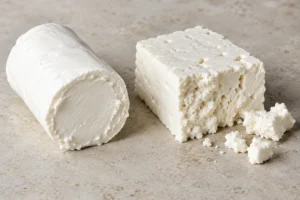
Goat Cheese vs Feta: Tang, Texture, and Which Cheese to Buy
Feta is Greek brined sheep's milk cheese with up to 30% goat's milk; goat…
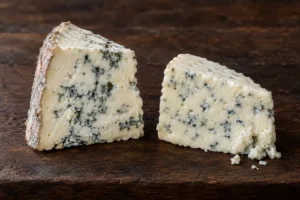
Gorgonzola vs Roquefort: Blue Cheese Flavor and Best Uses
Gorgonzola is pasteurised cow's-milk blue, mild as Dolce or sharp as Piccante; Roquefort is…
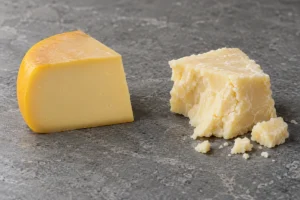
Gouda vs Cheddar: Flavor, Melt, and Which One to Use
Gouda's washed curd ages toward caramel, while cheddared Cheddar turns sharp and crumbly. Compare…
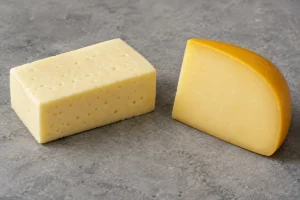
Havarti vs Gouda: Which One Melts Better and Ages Longer?
Havarti is a Danish washed-curd cheese sold at about three months, while Gouda runs…
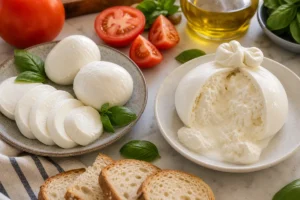
Mozzarella vs Burrata: Texture, Freshness, and Which Cheese to Buy
Burrata is a mozzarella pouch filled with cream and torn curd. Compare the PGI…
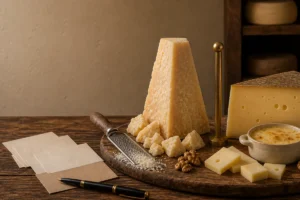
Parmesan vs Gruyère: Flavor, Melt, and Which Grating Cheese to Buy
Parmesan finishes a dish as dry grains and Gruyère melts into it. Compare how…
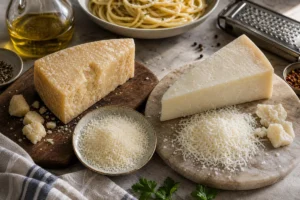
Parmesan vs Pecorino: Salt, Grating Power, and Which One to Use
Parmesan is cow-milk and milder; one Pecorino Romano label has about 1.9 times the…
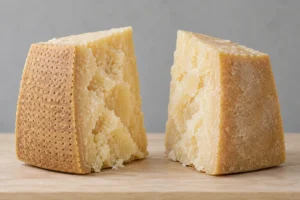
Parmigiano-Reggiano vs Parmesan: Rules, Flavor, and Value
Parmigiano-Reggiano is a protected raw-milk Italian cheese aged 12 months or more; US Parmesan…
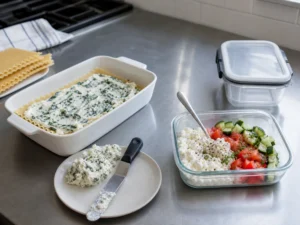
Ricotta vs Cottage Cheese: Texture, Protein and Lasagna
Compare ricotta and cottage cheese for lasagna, fillings and snacks, with equal-weight nutrition from…


