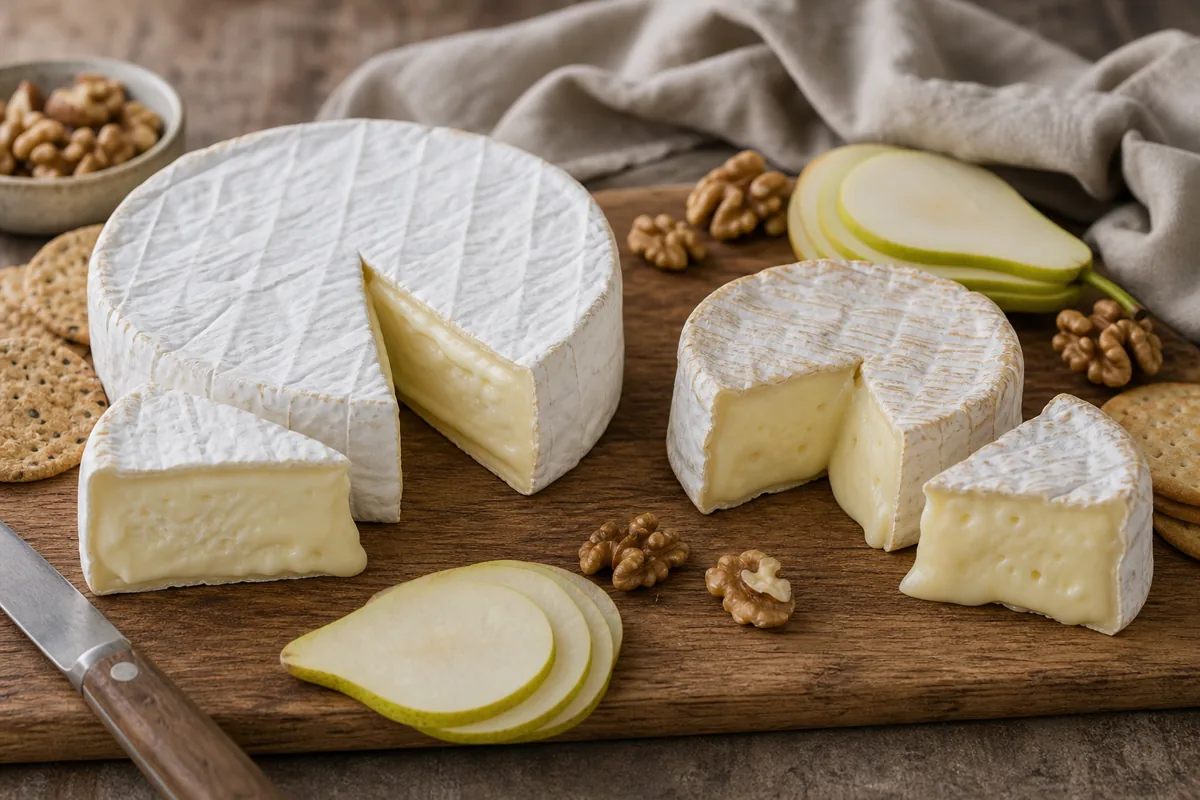
Comparison

Brie vs Camembert: Flavor, Texture, and When to Use Each

Brie is milder, creamier, and more available. Camembert is smaller, more intense, and the better choice for baking whole. Both are bloomy-rind French cheeses made from cow's milk, but they are not interchangeable once you understand where each one shines.

We tested both side by side across five applications. This is one of the most searched entries in our head-to-head cheese matchups, and the full flavor difference comes down to milk fat, wheel size, and aging cave environment.

The Brie flavor profile leans mild and buttery, while Camembert pushes toward earthy and funky. Here is exactly when to reach for each one.

Brie Camembert

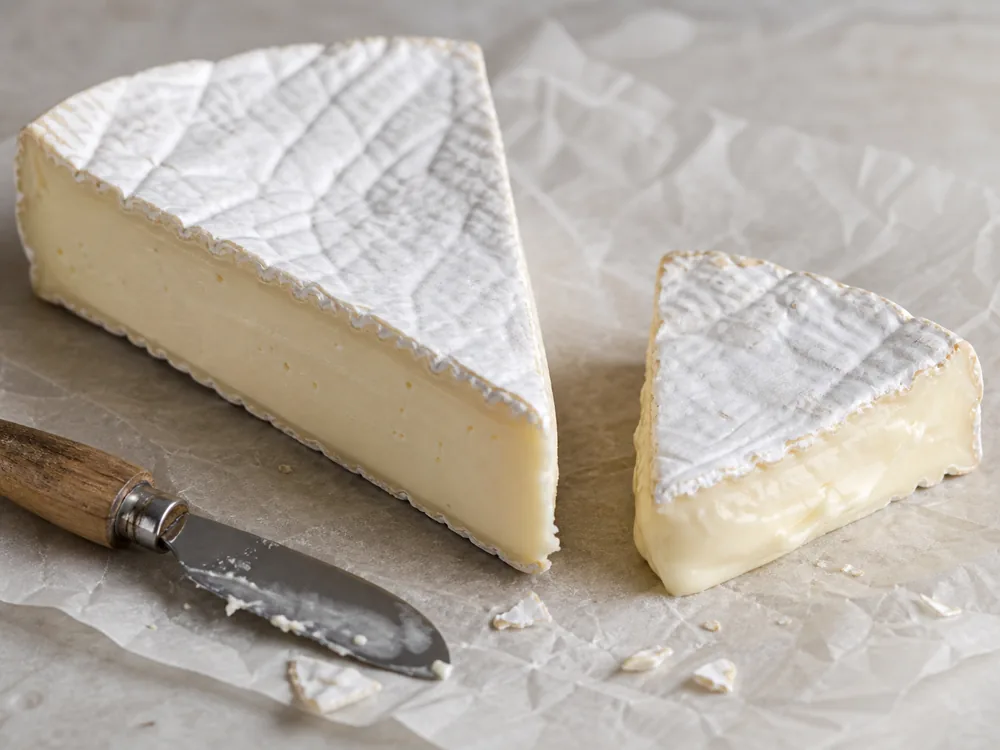
The size difference is more important than it looks. A Brie wheel can weigh three kilograms, and you buy a wedge of it. Camembert comes as a single 250g round, the right portion size for one to two people.

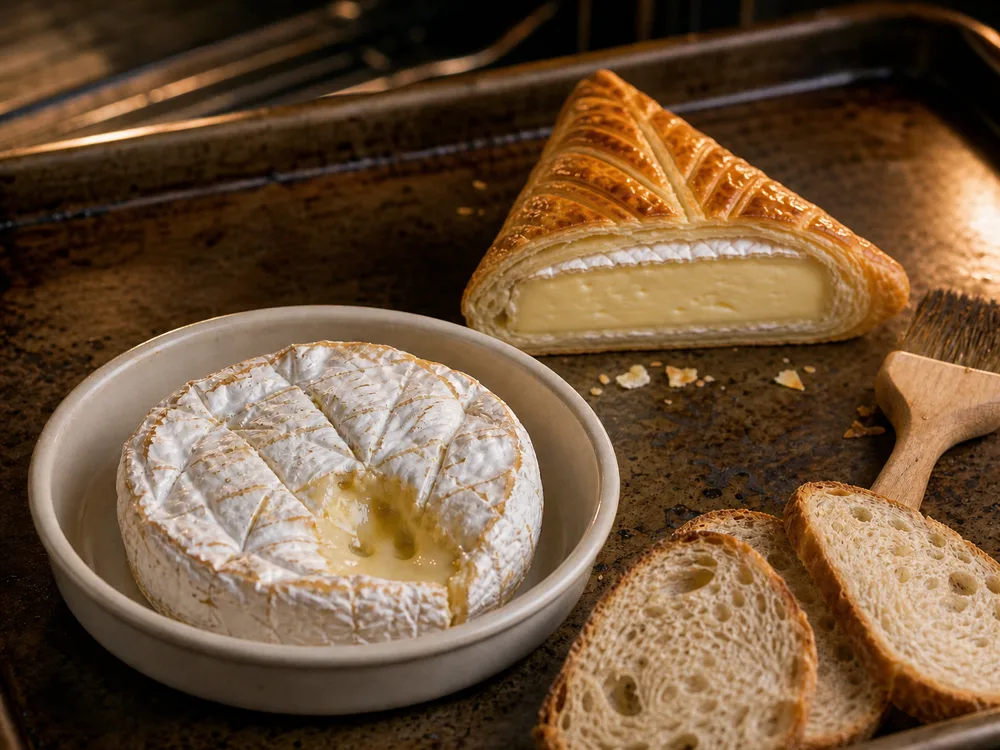
That individual-wheel format is what makes baked Camembert a practical dish. Baking a wedge of Brie produces the same molten center, but it lacks the crust to contain itself.

NOTE

Most supermarket Camembert sold globally is pasteurized. Authentic Camembert de Normandie AOP must be made from raw milk, which gives it the farmyard depth that distinguishes it from mass-produced versions.

Brie and Camembert Flavor Compared

Young Brie tastes mild and buttery with a faint mushroom note from the white Penicillium candidum mold on the rind. As it ripens toward the center, the flavor deepens and a slight ammoniated edge develops near the rind.

Camembert starts more intense. Even at peak ripeness, it carries a more pronounced earthiness with barnyard and mushroom notes that Brie rarely reaches. The smaller wheel means the rind covers proportionally more of the paste, so the mold-derived flavor penetrates further inward.

The fat difference matters for texture more than flavor. Brie's 60% FDM content gives it a richer, more flowing paste at room temperature. Camembert at 45% FDM is slightly firmer and less runny even when fully ripe.

  • Brie flavor: mild, buttery, faint mushroom, gentle finish
  • Camembert flavor: earthy, barnyard, deeper mushroom, more pronounced
  • Brie texture: richer and more flowing at 60% FDM fat content
  • Camembert texture: slightly firmer at 45% FDM, less runny when ripe

Both cheeses should be served at room temperature. Cold from the fridge, both taste rubbery and flat. Give them 30-45 minutes on the counter before serving.

Brie and Camembert Rind Differences

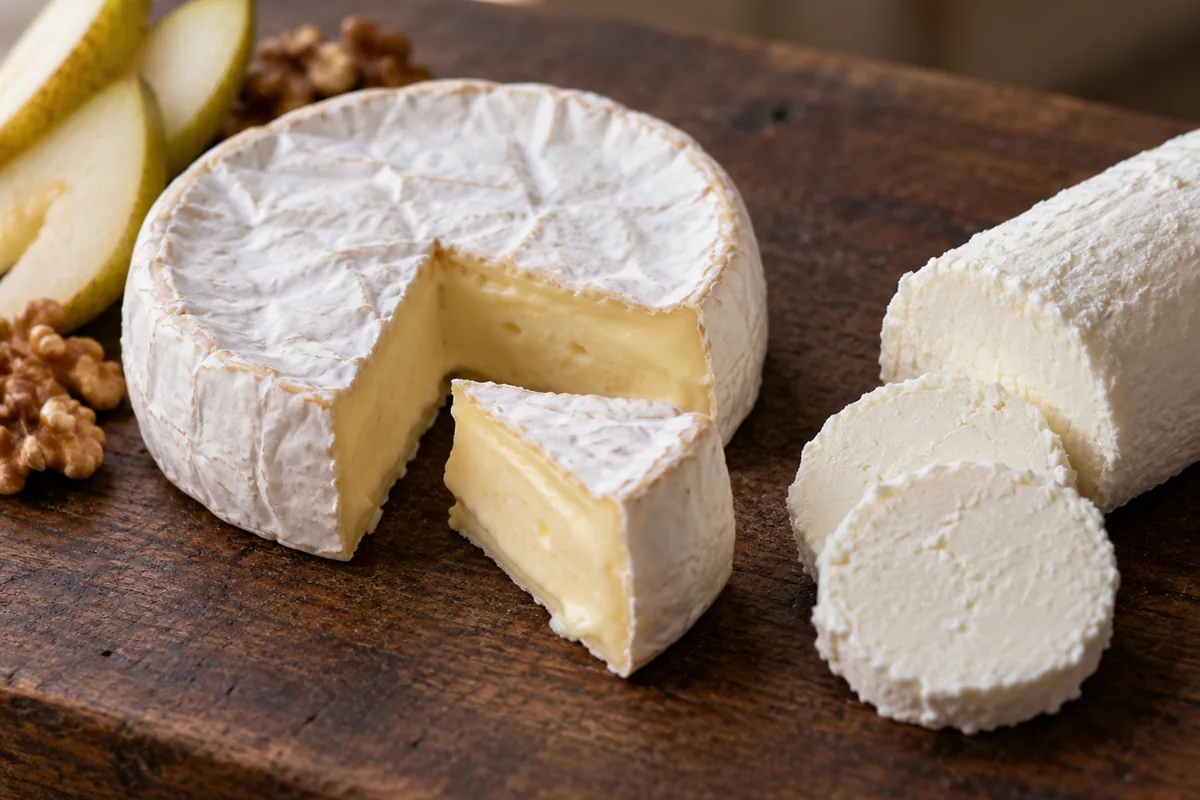
Camembert's rind is fully edible and is a core part of the eating experience. It carries more flavor than Brie's rind and contributes the earthy, mushroomy character that makes Camembert distinctive on a board.

Brie's rind is also edible, but it is thinner and milder. Some people find the rind slightly bitter near the edge of an over-ripe Brie wheel. The paste closer to the center is where most of the eating quality lives.

  • Brie rind: thinner, milder, sometimes slightly bitter when overripe
  • Camembert rind: thicker relative to paste, earthier, more mushroomy
  • Both edible: Penicillium candidum is a safe food-grade mold
  • Rind-to-paste ratio: higher in Camembert due to smaller wheel size

A key difference: authentic Camembert de Normandie AOP must be made from raw milk. That raw milk brings the bacterial complexity that gives real Norman Camembert its farmyard depth. Most supermarket Camembert sold globally is pasteurized and milder.

✓ PROS
✗ CONS

The pro/con list above reflects the core trade-off. Brie is the easier cheese to love and the easier cheese to use. Camembert rewards the extra effort of finding a good one.

For a cheese board where Brie or Camembert anchors the soft cheese spot, either works. Pairing one with aged Cheddar or a semi-hard alpine cheese adds contrast.

TIP

When building a mixed board, pair Brie with something bold like aged Cheddar or a blue cheese. Camembert is already bold enough to anchor a board on its own alongside mild accompaniments like fresh bread and fruit.

Best Uses for Brie

Brie's mild, buttery flavor makes it the more versatile of the two. It pairs with a wider range of accompaniments and sits alongside stronger cheeses without competing.

These are the applications where Brie genuinely outperforms Camembert:

  • Cheese boards with varied intensity: Brie's mildness anchors without overwhelming
  • Baked brie en croute: the pastry crust benefits from Brie's flowing paste
  • Sandwiches and panini: milder flavor complements fillings without dominating
  • Fruit pairings: Brie's butter notes work with both sweet and acidic fruits
  • Champagne and sparkling wine: Brie's fat content cuts through carbonation cleanly

At parties or casual gatherings, Brie is the lower-risk choice. Most guests will eat it without hesitation. We cover the best Brie wine matches in a separate guide that ranks eight options by season and occasion.

Best Uses for Camembert

Camembert earns its place in specific situations where its character is an asset. Baked whole Camembert is the clearest example of this.

Place the round in its wooden box (remove the paper), score the top rind, add garlic and thyme, and bake at 375°F (190°C) for 20 minutes. The result is a molten cheese fondue in a self-contained edible vessel.

  • Baked whole: the defining Camembert preparation
  • Charcuterie boards where a strong soft cheese is intentional
  • Normandy-style accompaniments: cidre, apple slices, crusty baguette
  • Pairing with washed-rind or blue cheese to build a bold board
  • Raw with earthy accompaniments: walnuts, dark honey, bitter greens

If you are building a board for cheese enthusiasts, a genuine Camembert de Normandie AOP makes a stronger statement. Adding a nutty alpine Gruyère alongside it gives the board a semi-hard counterpoint.

Brie FDM
Fat in dry matter gives Brie its rich, flowing paste
Camembert FDM
Lower fat content creates a firmer, less runny texture
Camembert wheel
Individual portion size that makes baking whole possible

These three numbers capture the physical differences that matter most in the kitchen. The fat gap drives the texture difference. The wheel size drives the baking difference.

Price differences between supermarket and AOP versions are significant. For everyday cooking, the pasteurized versions perform well. For a special occasion board where the cheese is the centerpiece, the AOP versions justify the cost.

One thing to know about AOP Camembert: raw milk products have import restrictions in the US. Aged fewer than 60 days, raw-milk Camembert de Normandie AOP cannot legally be sold in the US market.

BRIE VS CAMEMBERT PERFORMANCE SCORES

These scores reflect the core trade-off. Brie wins on versatility because its mild profile fits more situations. Camembert wins on intensity because it delivers more flavor per bite.

Seasonality matters less for flavor and more for practicality. Both cheeses are available year-round, but serving temperature management changes with ambient conditions.

If you decide on Brie and need a swap for another cheese on the same board, our substitute guides rank the best alternatives by use case. For long-term storage of either cheese, the proper wrapping method extends fridge life by a week or more.

Brie vs Camembert Verdict: Which to Choose

There is no all-purpose winner. The right choice depends on the situation.

THE BOTTOM LINE
  • Choose Brie when: hosting a crowd, building a mixed board, or pairing with sparkling wine
  • Choose Camembert when: baking whole, serving with cider, or impressing cheese lovers
  • Both work for: sandwiches, sauces, and any recipe calling for soft bloomy-rind cheese

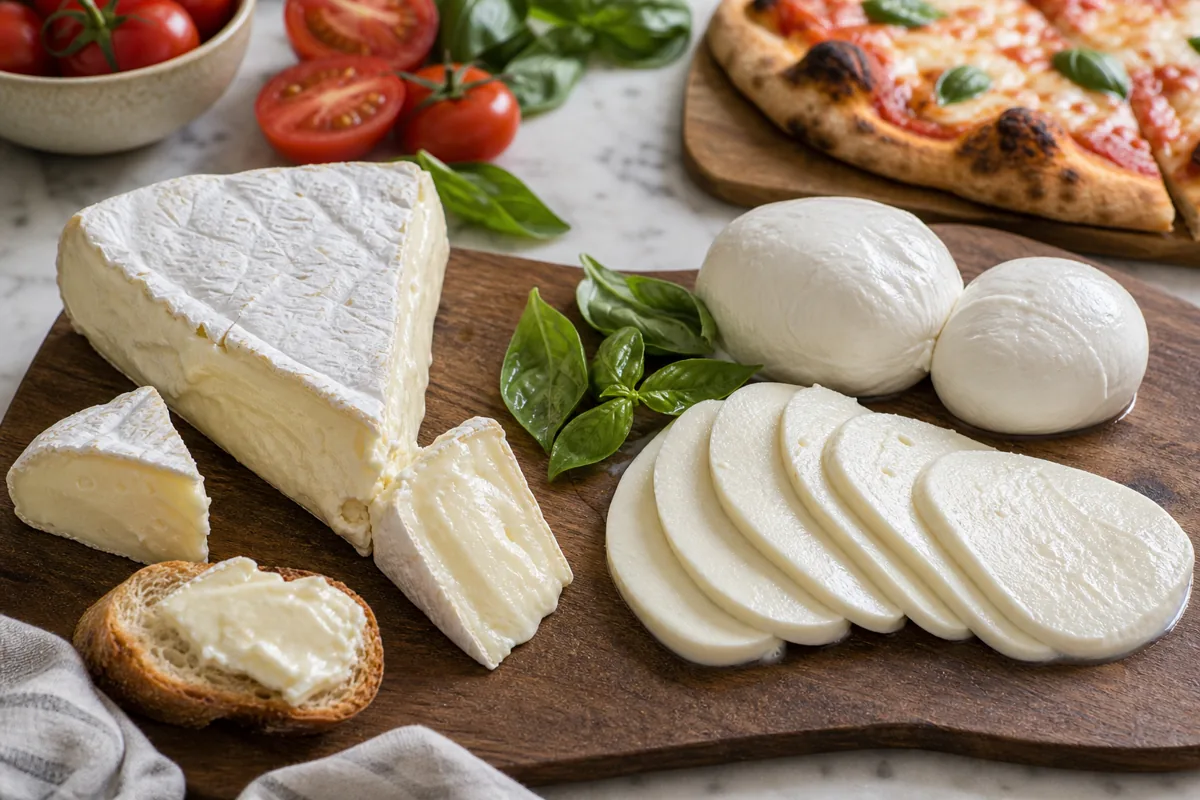
For a first-time buyer choosing between the two at a supermarket: start with Brie. It is as approachable as fresh mozzarella but with more complexity. Once you know what you enjoy, try a pasteurized Camembert alongside it.

For confident cheese eaters: seek out a Camembert de Normandie AOP from a specialist importer. It is a different experience from anything labeled "Camembert" in a standard supermarket case. Both cheeses pair well with the top melting cheeses on a mixed board where you want one soft and one semi-hard option.

SOURCES & REFERENCES

1.
Camembert de Normandie: Cahier des charges de l'AOP
Institut National de l'Origine et de la Qualité (INAO), 2019 PDO
AOP production rules confirming raw milk requirement, Norman breed milk sourcing, and 250g individual wheel format for Camembert de Normandie.

2.
Brie de Meaux: Cahier des charges de l'AOP
Institut National de l'Origine et de la Qualité (INAO), 2018 PDO
AOP specification confirming the Seine-et-Marne origin zone, raw cow's milk requirement, and 60% FDM minimum fat content for Brie de Meaux.


Brie vs Camembert FAQ

The questions below cover the most common points of confusion between the two cheeses.

Brie is milder, creamier, and comes in a larger wheel that you buy by the wedge. Camembert is smaller (250g individual round), earthier in flavor, and more intense. Both have white bloomy rinds and soft, creamy paste. The flavor difference is most noticeable when eating them plain at room temperature.

In most baked and cooked applications, yes. Both melt similarly and have comparable moisture content. The one exception is whole-baked Camembert, which requires the individual round format. A wedge of Brie cannot replicate that presentation. For raw eating and boards, the flavor difference will be noticeable.

Brie works on more boards because its mild flavor does not compete with other cheeses. Camembert is the better choice when you want a bold soft cheese as a centerpiece. For mixed boards with varied intensity, Brie anchors the soft-cheese spot cleanly. For a smaller board for experienced cheese eaters, Camembert makes a stronger statement.

Yes. Both rinds are edible white Penicillium candidum mold. Camembert's rind contributes more flavor, earthy and mushroomy, and is considered an integral part of the eating experience. Brie's rind is milder and thinner. Some people trim it from over-ripe Brie where it can develop a bitter edge.

Both cheeses exist in pasteurized and raw-milk versions. Pasteurized Brie and pasteurized Camembert are generally considered safe during pregnancy. Raw-milk versions, including Brie de Meaux AOP and Camembert de Normandie AOP, should be avoided. The soft, moist texture makes them higher-risk for Listeria than hard aged cheeses. Check with your healthcare provider.

WRITTEN BY