Cheese Profile

Coulommiers: How to Read the Chalky Center Line

Coulommiers sits between Brie and Camembert in size, rind presence, and ripening speed. Learn how to buy it well, serve it, and spot the stage you want.

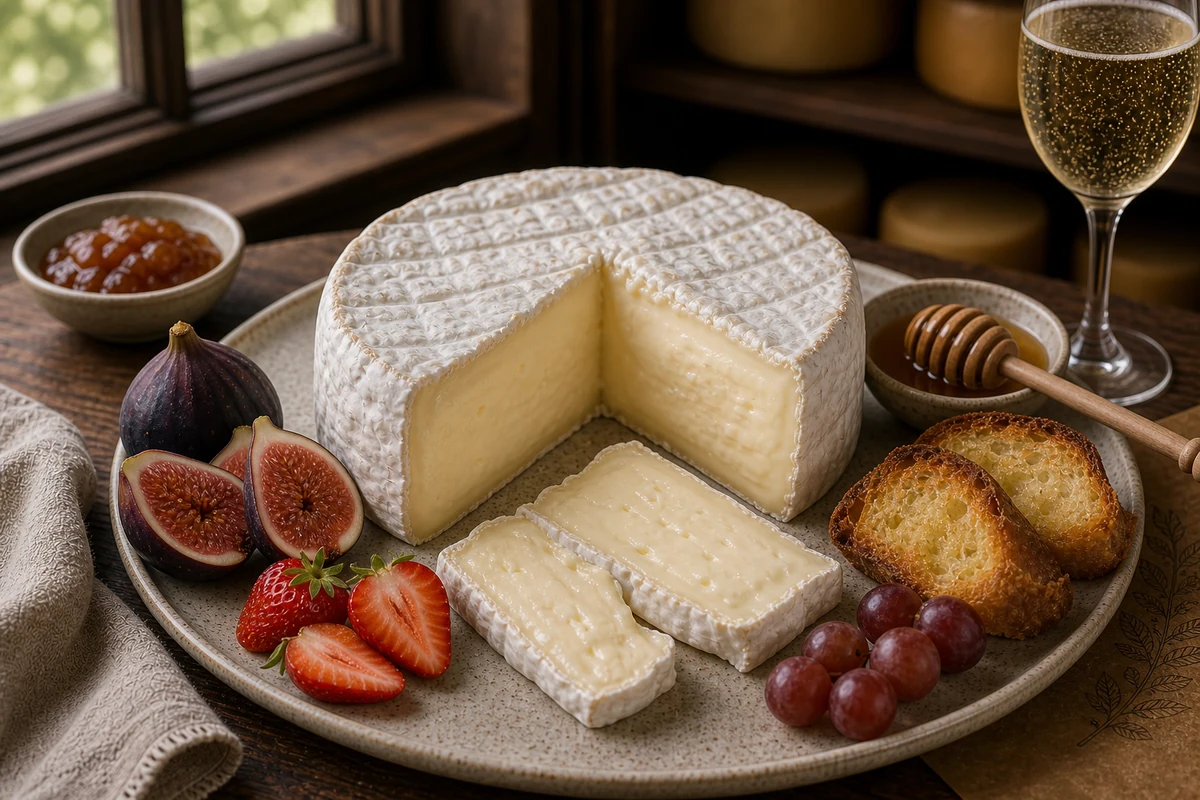
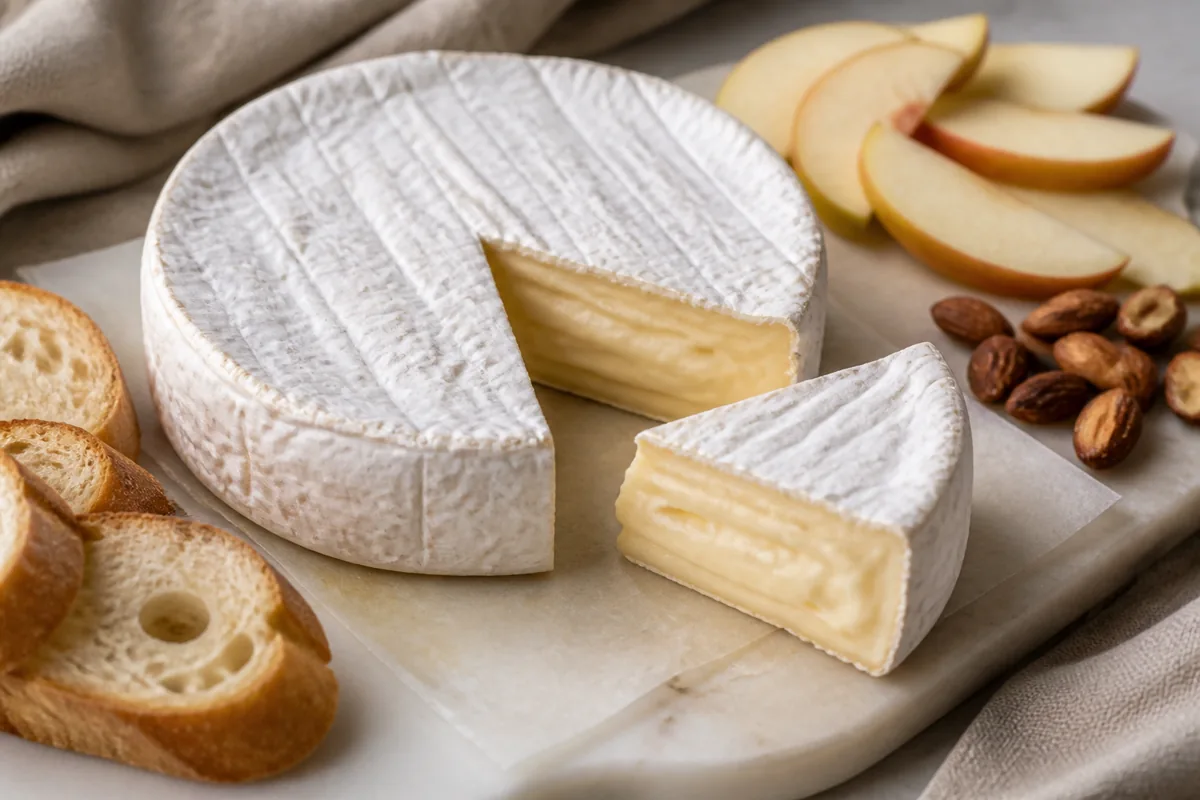
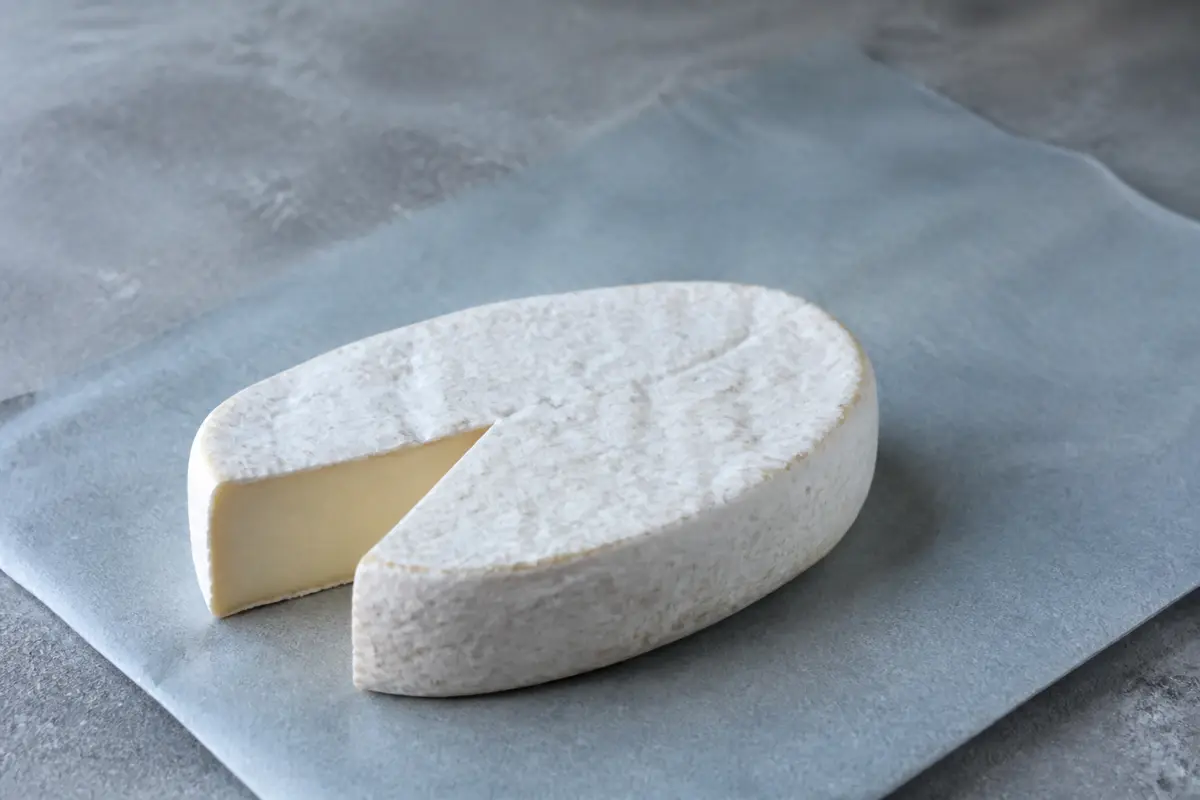
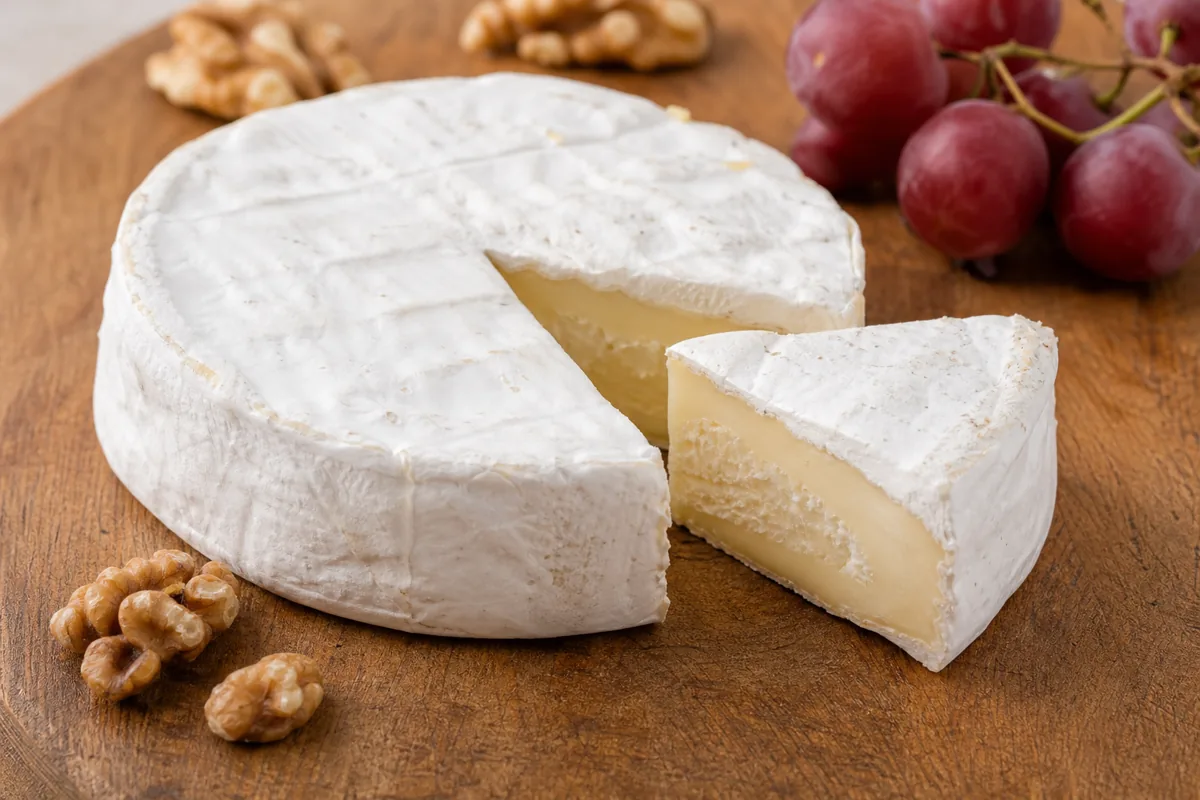
Round of Coulommiers with bloomy rind and supple ivory paste - Coulommiers cheese | KnowTheCheese
KEY FACTS
TYPEBloomy-rind soft cheese
ORIGINÎle-de-France, France
AGINGAbout 3 to 5 weeks
MILKCow's milk
SIZEBetween Brie and Camembert
MOATHigher rind-to-paste ratio than Brie

Coulommiers is the French soft-ripened cheese that explains why wheel size changes flavor, not just appearance. Among soft French wheels, it sits between Brie and Camembert in scale, and that middle size gives it a distinct ripening curve with more rind presence than Brie but less force than Camembert.

That makes Coulommiers more than a regional footnote. It is the cheese to buy when Brie feels too broad and Camembert feels too assertive, yet you still want a true soft-ripened table cheese rather than a triple-cream shortcut.

This profile covers what Coulommiers is, how its size changes the bite, what good ripeness looks like, and how to choose it against Brie, Camembert, and richer soft-rind alternatives.

What Is Coulommiers?

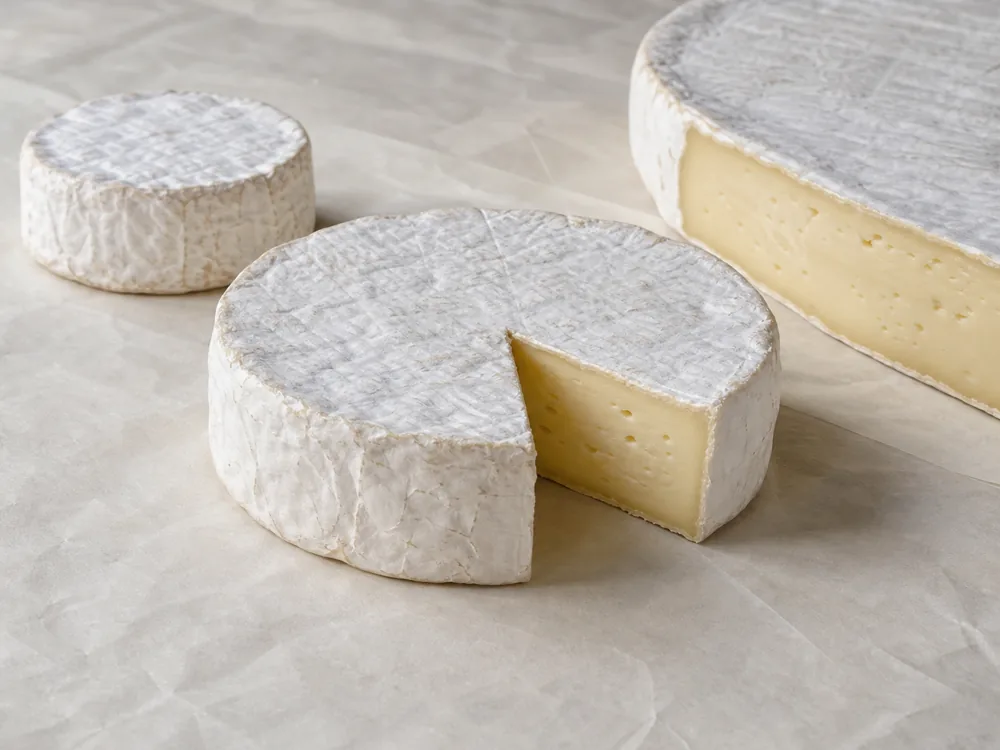
Coulommiers wheel between smaller Camembert and larger Brie sizes - Coulommiers | KnowTheCheese
Coulommiers sits between Camembert and a full Brie wheel in diameter, giving each wedge a distinct center-to-rind balance.

Coulommiers is a cow's milk bloomy-rind cheese from the Brie region of France, traditionally associated with the town of Coulommiers in Seine-et-Marne. It uses the same broad white-rind family logic as Brie, but the smaller wheel shows how French cheese regions can turn format into flavor.

The key practical fact is simple. A smaller wheel means more rind per bite, which means the mushroomy, earthy side gets to the center faster than it does in a large Brie wheel.

Most modern Coulommiers rounds sit around 12 to 15 cm across and roughly 3 cm thick. That format gives you enough paste for creaminess, but not enough distance for the rind to stay quiet.

The Codex description gives a more useful identity test than the loose phrase "small Brie." It describes a flat cylinder weighing at least 300 g, with a maximum height of about 5 cm and a body that runs from near white to light yellow.

The paste should feel soft under thumb pressure without crumbling.

Gas holes are generally absent, although a few small openings or splits can occur. A wheel filled with regular round holes or a dry, brittle center does not match the expected style.

The rind develops through surface mould ripening and should have a soft white covering, although Codex allows occasional red, brownish, or orange spots that differ from wet gray growth, spreading discoloration, or structural collapse.

French retail Coulommiers is commonly made from cow's milk, either raw or pasteurized depending on the producer. Read the label rather than assuming milk treatment from the regional name.

Codex permits a whole flat cylinder or sectors cut from that form, so a wedge can still be genuine Coulommiers even when the shop does not sell complete rounds. A whole wheel simply gives you more evidence about diameter, sidewall condition, and the way ripening has progressed across the center.

  • Family: A Brie-style bloomy-rind cheese, but not just a small Brie with a different label.
  • Format: Usually larger than Camembert and smaller than traditional Brie, with a flatter table size around 350 to 500 g.
  • Rind effect: More rind-to-paste contact than Brie, so the interior picks up earthier notes sooner.
  • Texture path: Young rounds can still show a firmer center, while ripe rounds soften quickly toward the middle.
  • Retail role: More common at specialty counters than at mass supermarkets, especially outside France.

This format gives Coulommiers a different balance from the broader Brie family.

It also stops short of the smaller, more concentrated wheel, so you can taste the rind clearly without giving it every bite.

TextureSoft, creamy, and increasingly supple toward the center
RindThin white bloomy rind with clear mushroom character
AromaCream, mushrooms, mild cellar notes
FlavorButtery, tangy, and more earthy than Brie
Best roleBoard cheese with more character than mild Brie

Coulommiers belongs near Brie, but it ripens and eats like a smaller wheel with a more noticeable rind.

What Does Coulommiers Taste Like?

Brie can stay milkier and broader because its larger format slows the rind's influence on each bite. Coulommiers ripens on a tighter schedule, so the white rind gives the paste more of a mushroom and cellar edge without making it aggressively pungent.

The flavor feels more focused because cream and butter still lead while the rind matters more than it does in a very mild Brie sold young for mainstream retail.

The balance is worth naming. Creaminess still leads, but the savory and bitter notes rise far enough that Coulommiers feels more deliberate and less neutral than supermarket Brie.

  • Butter note: Soft and cultured, but not as overtly rich as a triple-cream cheese.
  • Mushroom note: More obvious than in mild Brie because the rind-to-paste ratio is higher.
  • Tang level: Slightly brighter than many crowd-pleasing Brie wedges, especially near the rind.
  • Finish: Gentle earth and a mild bitter edge help keep the cheese from reading flat.

The difference shows most clearly in the rind-side bite. A wedge from a large Brie can taste mostly like cream, while Coulommiers makes the white rind part of the main flavor.

Taste the center and rind edge separately when you first cut the wheel. The center shows milk, cultured acidity, and texture, while the edge reveals how far the mould-driven ripening has changed the paste.

A young center can taste cool, lactic, and restrained.

As the cheese ripens, proteins break down from the surface inward and the paste becomes more yielding and savory. The mushroom note integrates with butter and cream instead of sitting apart as a rind flavor.

Ammonia can develop when a bloomy rind has ripened too far or remained wrapped without enough air, and a brief whiff that fades after opening differs from a sharp persistent smell that dominates the cut cheese.

TIP

If you want to teach a mixed crowd what the rind adds without jumping all the way to a stronger Camembert, Coulommiers is often the cleaner teaching cheese. It keeps the family resemblance but makes the rind easier to notice.

That is the sweet spot. Coulommiers brings enough mushroom and cellar character to feel intentional, but it still stays friendly on a mixed board.

How Does Coulommiers Ripen?

Coulommiers rewards shoppers who watch the center and edge separately because the smaller wheel can shift from neat slices to soft spread more quickly than expected.

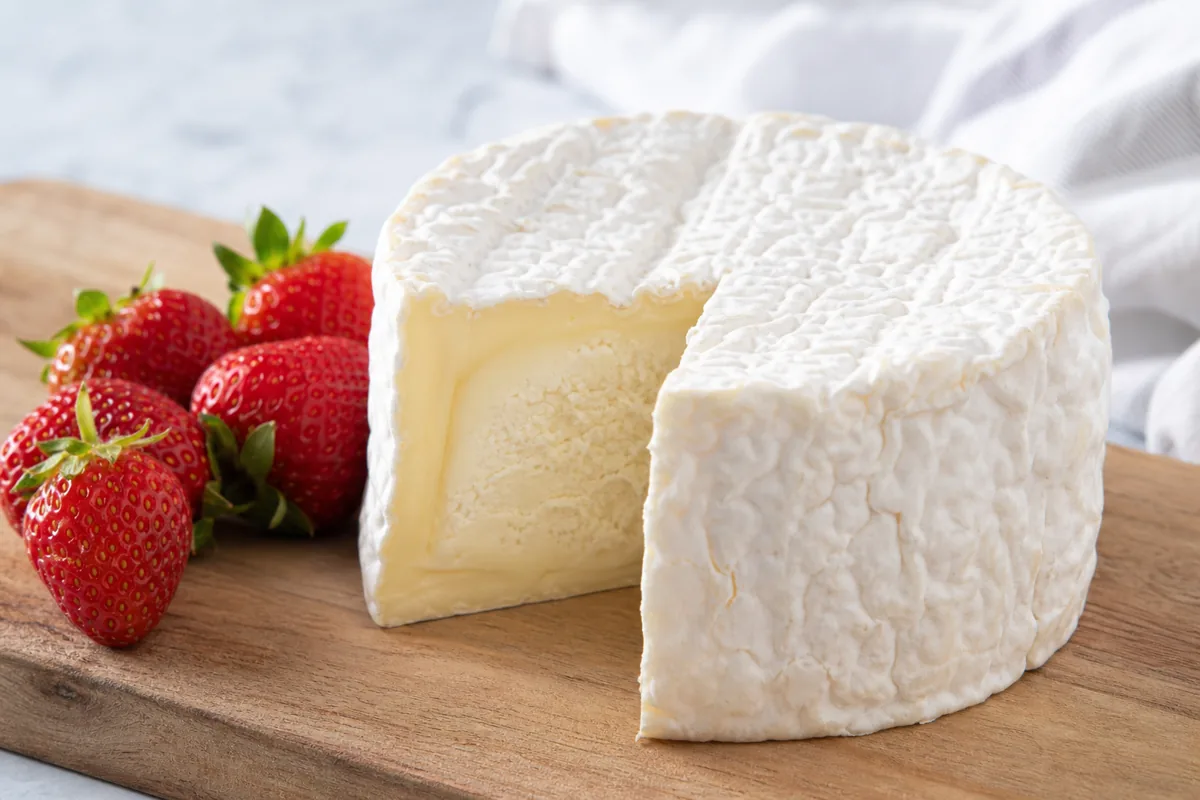
The center line tells the truth. A pale, chalky stripe through the middle means the round is young, while a glossy and even paste means the rind has worked farther inward.

Surface cultures drive that progression. Codex identifies Penicillium camembertii and Penicillium caseicolum as the main organisms behind rind formation and maturation from the outside toward the center.

That direction explains the texture bands in a young cut wheel.

The paste just under the rind softens first, while the center remains firmer and paler. With more time, the soft band expands inward until only a narrow chalky line remains or the paste becomes even from edge to center.

Codex describes a normal ready-to-eat ripening process beginning from about 10 days at 10 to 16°C, depending on the maturity required. Farmhouse and retail products may receive longer affinage, so that figure describes the process standard rather than a universal age printed on every package.

Young round
The center is still slightly firmer and chalkier, with more milk and less cellar influence. Best if you want tidy wedges and a quieter rind.
Board sweet spot
The center softens noticeably, the rind blends more smoothly into the bite, and the cheese spreads more easily after 45 minutes at room temperature. This is the best stage for most service.
Further ripened
The center loosens more, the rind edge grows more mushroomy, and the overall profile tastes closer to a smaller, more assertive soft-ripened wheel.

Use-by dates and counter condition matter because a round near the end of its retail window may be excellent tonight but too soft for a board planned two or three days later.

Buy the stage you can use, not the most romantic stage on the counter. A runny Coulommiers can be perfect tonight and wrong for a weekend board.

How to Read the Center Line

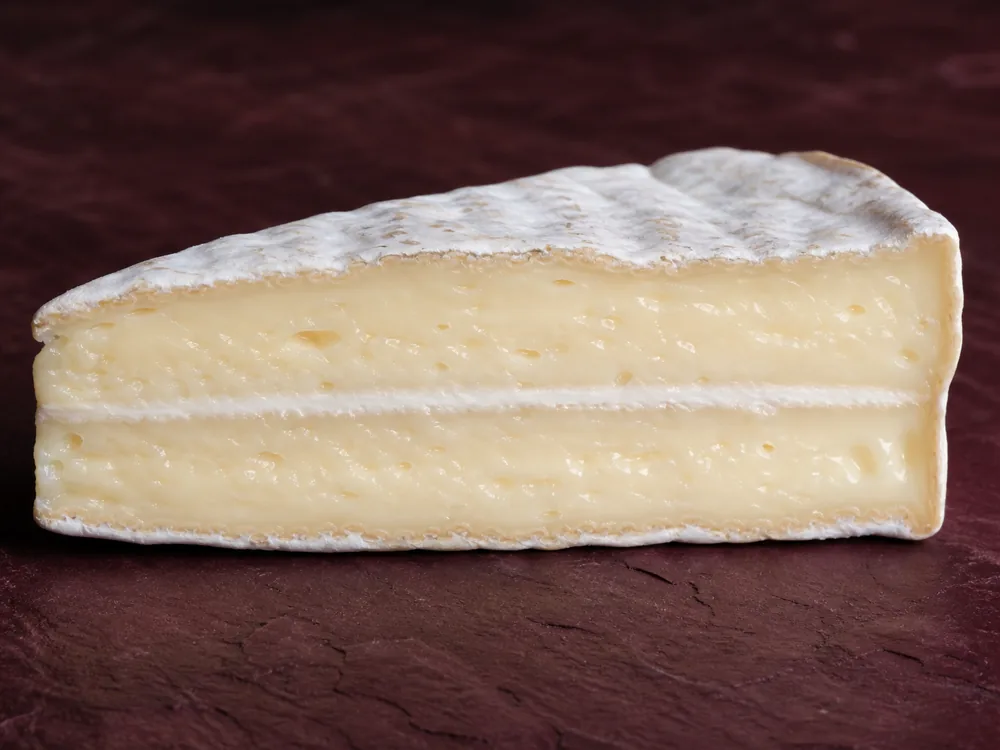
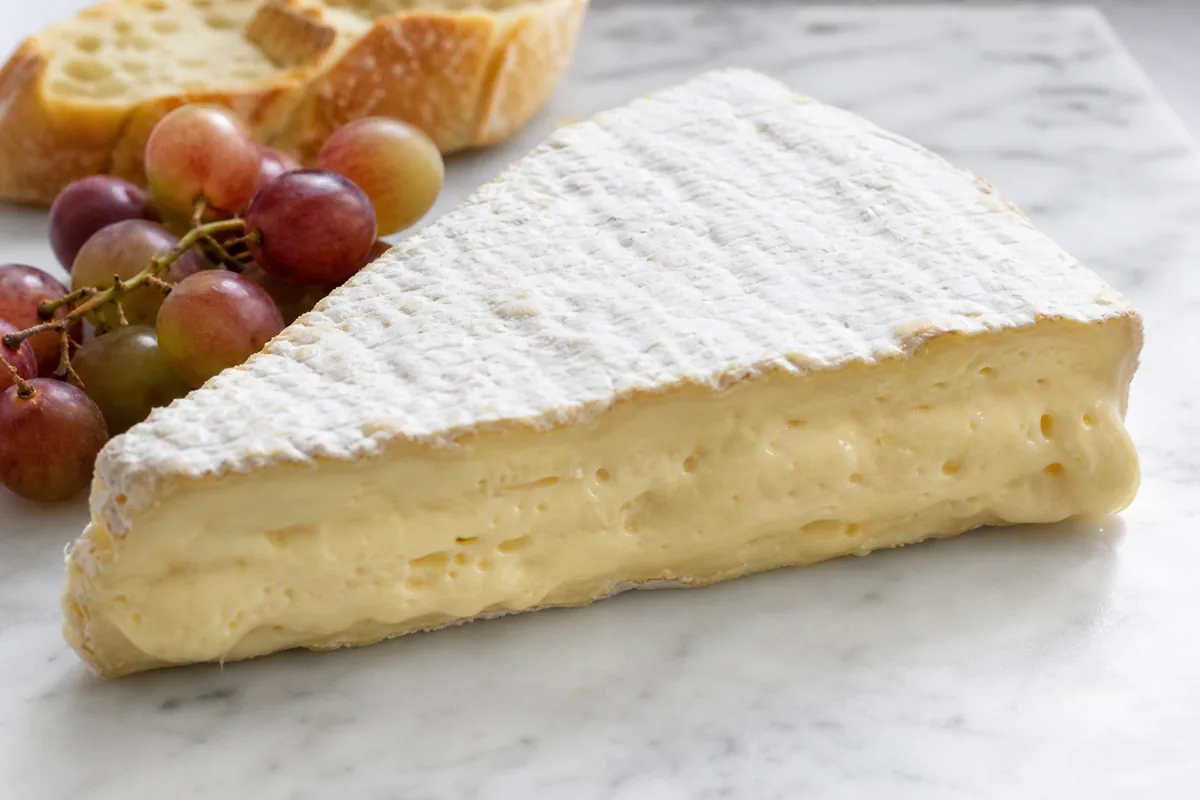
Ripe Coulommiers with a thin chalky center line - Coulommiers | KnowTheCheese
A thin chalky band shows that the center is still catching up while the paste near the rind has softened.

The line from rind to center is the best ripeness cue because it shows whether you should slice the cheese, spread it, or serve it immediately.

  • Chalky center: Choose this for cleaner wedges, quieter flavor, and a board that needs to sit neatly.
  • Softening center: Choose this for the best mix of cream, mushroom, and spreadable texture.
  • Bulging edges: Use tonight if the aroma is clean, because the round may lose structure quickly.
  • Ammonia smell: Walk away if the smell is sharp and persistent after the cheese breathes.

Give the round about 45 minutes out of the refrigerator before serving. Cold paste hides the center-line cue and makes the rind taste more separate from the cream.

A broad chalky core is not automatically a defect. Buy it when you need tidy wedges, a mild center, or two to three days of additional refrigerator time before service.

A thin central band is the most flexible stage.

It gives you a soft rind-side paste, enough firmness for clean cutting, and a center that will continue to relax while the wedge warms. A fully even, glossy cut face suits spreading and immediate service but offers less margin for storage.

Pressing the outside cannot show every layer through paper, so inspect the visible face and ask when a cut portion was opened rather than relying only on softness at the edge.

The white rind is edible when it is clean and the cheese has been stored correctly. Keep it on each wedge for the intended mushroom contrast, or trim a small portion at the table for someone who finds the rind too bitter rather than removing it from the whole wheel.

How to Serve Coulommiers

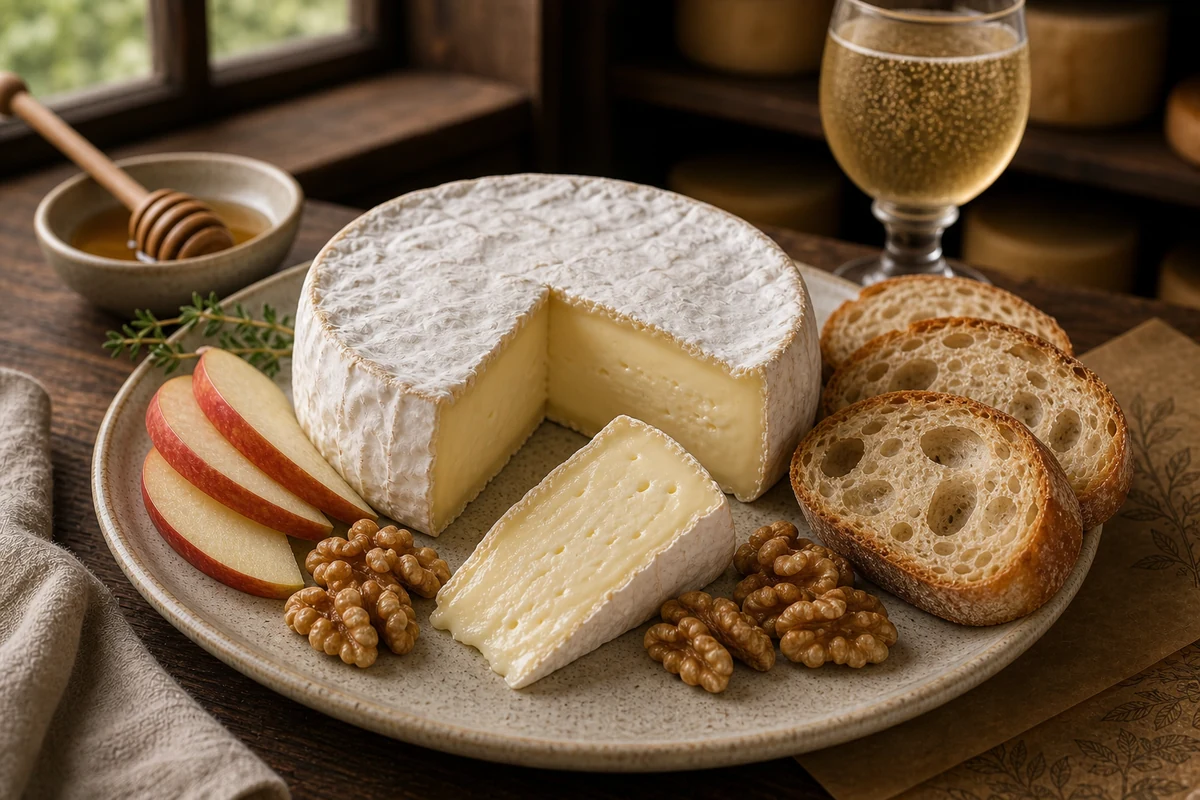
Coulommiers is best when the board needs a soft-ripened cheese with a little more detail than an easy supermarket Brie. It brings enough mushroom character to create contrast, but it still plays well with fruit, bread, and lighter wines that refresh the rind.

  • Best board slot: Use it as the middle soft-ripened cheese when one side of the board is mild and the other side is richer, like a richer triple-cream.
  • Best bread match: Plain baguette or neutral crackers keep the rind and cream in balance.
  • Best fruit match: Apples, pears, and grapes sharpen the finish without burying the mushroom note.
  • Avoid heavy jams: Thick chutneys and sugary preserves can flatten the cheese and make the rind taste dull.

Place it near mild fruit and plain bread rather than next to smoked meat. The board should let the rind speak, because that is what you paid for.

Cut the wheel into narrow wedges from center to rind so each portion contains the same ripeness gradient. Slicing only the soft edge leaves later servings with a chalkier center and gives guests different versions of the cheese.

Use a thin clean knife and wipe it between cuts.

A ripe wheel can drag across the blade and tear the rind, while a cool knife produces cleaner portions. If the cheese has become very soft, serve it with a small spreader instead of forcing precise wedges.

For a 350 g wheel, begin with eight narrow wedges and cut smaller only if the board includes several other cheeses. This preserves the center-to-rind path in every portion and prevents guests from taking only the soft outer band.

Use Coulommiers in a tart, quiche, or baked potato only when its rind and mushroom character belong in the dish, since heat removes the center-line texture that makes a well-ripened wheel interesting on a board.

Coulommiers vs Brie and Camembert

Coulommiers only makes sense if you take the wheel size seriously. A smaller wheel gives the rind more influence over each slice, so the mushroom note and soft-ripened edge show up faster than they do in a broad Brie wheel.

At the same time, Coulommiers does not usually hit as hard as Camembert because each wedge carries more central paste. That middle position can feel more expressive than supermarket Brie without concentrating the rind as strongly as a small Camembert.

  • Faster ripening: Less distance from rind to center means the paste softens more quickly and more evenly.
  • More rind presence: Each bite includes a higher share of rind influence than a large Brie slice of similar thickness.
  • Shorter timing margin: A Coulommiers that sits too long can move from ideal to overly soft faster than shoppers expect.
  • Better for smaller tables: The format suits people who want a French soft-ripened cheese with real personality but do not need a big party wheel.

That size logic is the real buying lesson. You are not just buying a smaller Brie.

You are buying a cheese whose shape changes the texture curve and the amount of rind that reaches the fork.

This also explains why pre-cut pieces can disappoint. Once the round is cut, you lose the clean read of the center line and the exposed paste dries faster.

Choose Brie for a larger, milder wheel and choose Camembert for a smaller format with more rind in each portion and a stronger earthy finish.

Choose Coulommiers when the table needs a complete wheel for several people but you still want the rind to remain easy to taste. The 300 to 500 g range also suits a smaller gathering better than a traditional large Brie.

The name Brie covers many formats and milk treatments, while Camembert can refer to generic products or protected Camembert de Normandie. Read the exact label instead of treating the three names as fixed points on one universal scale.

Choice Format cue Choose it when
Brie Broad wheel or large wedge with more central paste You need mild creaminess and portions for more guests
Coulommiers Flat 300 to 500 g wheel with a moderate rind-to-paste ratio You want the rind clearly present without making it dominant
Camembert Small round with rind close to every cut surface You want a more concentrated earthy and mushroom finish

The table compares format rather than fixed flavor intensity, so use wheel size as the first filter and the actual cut face as the final check because milk treatment, cultures, age, and storage still change the result.

How to Buy Coulommiers

Buy Coulommiers from a busy specialty counter when possible, because freshness and stage matter more here than they do with harder cheeses. The best rounds have a clean white rind, a gentle give under light pressure, and no wet collapse at the edges.

Outside France, you may see Coulommiers only at better cheese counters, seasonal imports, or shops that already handle several soft-ripened French wheels.

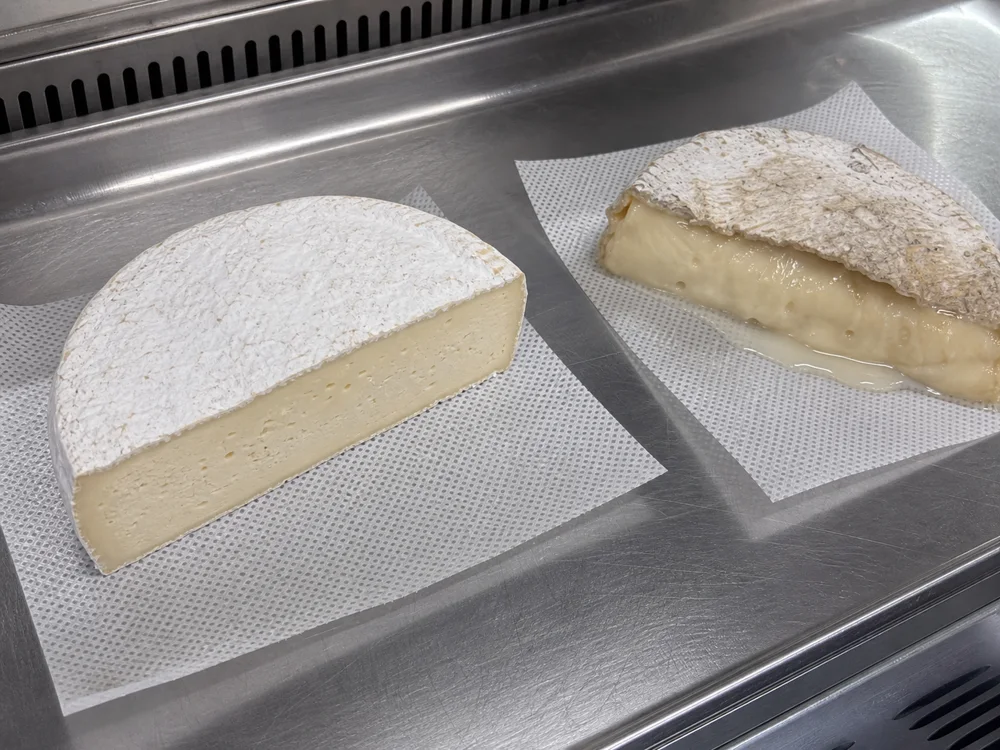
Fresh and overripe Coulommiers halves compared on a refrigerated cheese tray - Coulommiers | KnowTheCheese
Choose the clean dry rind and upright sidewall on the left; reject a collapsed, discolored wheel leaking cloudy whey like the example on the right.

The comparison image isolates the cues that matter at purchase. A good round keeps an upright sidewall and a dry, even rind, while an overripe or poorly held wheel can slump, sweat, darken, and release cloudy liquid.

Ask for the milk treatment, packing date, use-by date, and intended service stage. Raw-milk and pasteurized versions both exist, and a cheesemonger should not use softness alone as proof that a wheel is ready.

Check the declared weight when format matters.

A 320 or 350 g retail wheel fits the expected compact format, while a very small round may eat more like Camembert and a large wedge may simply be Brie sold under loose shelf wording. Codex sets 300 g as the minimum for a whole Coulommiers flat cylinder.

Keep the package cold on the way home and follow its storage temperature. One Lactalis food-service product specifies 4 to 8°C and prompt consumption, while local food-safety guidance may call for a colder refrigerator, so the package and your jurisdiction should control.

A small amount of clear moisture can come from temperature change, but reject a wheel with cloudy liquid, package swelling, or a sidewall sliding away from the rind even when the printed date has not passed.

Once home, wrap a cut face in breathable cheese paper or wax paper and place it in a covered refrigerator box so it does not dry out or perfume nearby food. Plastic pressed tightly against a bloomy rind can trap condensation and speed surface deterioration.

STORAGE GUIDE
Whole or wrapped round
Use by the printed date or counter guidance
35-40 F / 2-4 C
Cut portion
3-5 days for best texture
35-40 F / 2-4 C
Room-temperature service
45 minutes before serving
Counter service only, then refrigerate leftovers

The storage card matters because Coulommiers can outrun your plan faster than a large Brie wheel can. Once cut, the rind and exposed paste lose balance quickly if the cheese sits too long.

BUYING TIPS
Choose by service date
Buy a slightly younger round if you need it to last a few days. Buy a softer round if the board is for tonight.
Check the rind condition
A dry clean white rind is a better sign than a sweating edge or a collapsed sidewall.
Favor counter advice
A good cheesemonger can tell you whether the round is in a neat-slice stage or a softer spread stage, which matters more than a generic label.
Do not freeze it
Freezing damages the texture and blunts the soft-ripened character that gives Coulommiers its point.

Handle leftovers with the same service date in mind. A cut Coulommiers is still good cheese, but it no longer behaves like an intact round.

✓ DO
Let Coulommiers warm before serving so the center loosens and the rind integrates.
Use neutral bread or fruit so the mushroom note stays readable.
Finish cut portions within a few days for the best balance.
✗ DON'T
Do not treat it like a long-hold refrigerator cheese.
Do not bury it under sweet jam or spicy charcuterie.

The best purchase is the round whose center, rind, and service date all suit the meal you actually planned.

Replace Coulommiers by Wheel Size or Rind Intensity

The closest substitutes split by direction. Some match the family shape, while others match the softness or richness but not the precise rind balance.

  • Brie substitute choices: Best when you want the same family with a milder, broader, and easier-to-find wheel.
  • Camembert: Best when you want more rind presence and a stronger soft-ripened statement.
  • Fromager d'Affinois: Best when your priority is creamy approachability rather than classic rind development.
  • Saint-André: Best when your real goal is extra richness more than wheel-size nuance.

The tradeoff is clear. Brie is milder, Camembert concentrates the rind more strongly, and Coulommiers gives you a middle-sized wheel with a noticeable but balanced rind.

If you already know you want more butterfat than rind, choose Délice de Bourgogne or Brillat-Savarin instead of expecting Coulommiers to taste like a triple-cream cheese.

Use Brie when availability and crowd comfort matter most. Use Camembert when you want more rind force, and use Brillat-style cheeses when richness matters more than Brie-region identity.

Fromager d'Affinois can replace the soft texture and mild flavor without reproducing the same rind balance, while a small mild Brie is often the easiest practical replacement when Coulommiers is unavailable.

When substituting in a baked dish, match total weight and rind intensity before matching diameter. A richer double- or triple-cream cheese can make the filling looser and heavier, while a small Camembert can add more earthiness than the original recipe expected.

Soft-Ripened Moisture Sets the Label and Pregnancy Check

Coulommiers is a rich soft cheese, though not in the triple-cream class. That gives it enough fat to feel satisfying in small wedges while still keeping more of the classic milk-and-rind balance than the richest French soft cheeses.

Codex places the reference range for milk fat in dry matter at 40 to 50 percent, with a minimum of 40 percent. That dry-matter figure is different from the fat percentage printed for the cheese as sold because finished cheese still contains substantial water.

Compare nutrition labels by equal serving weight.

Calories, total fat, saturated fat, protein, and sodium vary with moisture and formulation, so the approximate per-ounce figures below are planning values rather than a substitute for the current package.

  • Moderate richness: Rich enough for a board centerpiece, but less calorie-dense than triple-cream soft cheeses.
  • Useful protein: More of a balanced cheese-course option than a pure cream-delivery cheese.
  • Soft-cheese caution: Pasteurization and cold handling matter more than the romance of the regional story.
  • Small portions work: The cheese is best as a deliberate wedge, not as an oversized spread slab.
CHECK THE LABEL
Pasteurized Coulommiers is the safer option for pregnancy, but it is still a soft-ripened cheese that should come from a cold, clearly dated source and be eaten promptly after opening.

SOURCES & REFERENCES

1.
Codex Alimentarius and FAO primary
Standard of identity, used for the composition and naming limits this profile states.
2.
Président France producer
Producer page, used for maker identity and how this cheese is made and sold.
3.
Fermes Laitières et Fromagères d'Île-de-France producer-association
Producer association, used for the production rules and maker list this profile states.
4.
Lactalis Foodservice France producer
Producer page, used for maker identity and how this cheese is made and sold.
5.
Fromagerie Vaubernier producer
Producer page, used for maker identity and how this cheese is made and sold.

Coulommiers FAQ

These are the quick shopper questions that usually come up before buying a round.

Coulommiers tastes buttery, creamy, and mildly mushroomy, with more rind presence than a very mild Brie but less force than Camembert. The smaller wheel helps the rind influence reach the center faster, which gives the cheese a more focused soft-ripened profile.

Not really. It belongs to the Brie family, but the size changes how the cheese ripens and how much rind character reaches each bite. That gives Coulommiers a distinct place between Brie and Camembert rather than making it only a scaled-down Brie.

Coulommiers is usually larger and a little less assertive. Camembert tends to bring more concentrated rind character and a louder earthy note, while Coulommiers stays in a more moderate soft-ripened lane.

Plain baguette, apples, pears, and dry sparkling or crisp white wines work well because they support the cream and sharpen the finish without covering the rind. Heavy jam and smoky meats usually fight the cheese more than they help it.

Use it within about 3 to 5 days for the best texture and flavor balance. Rewrap it in cheese paper or wax paper, keep it cold, and let it warm before serving so the center softens properly.