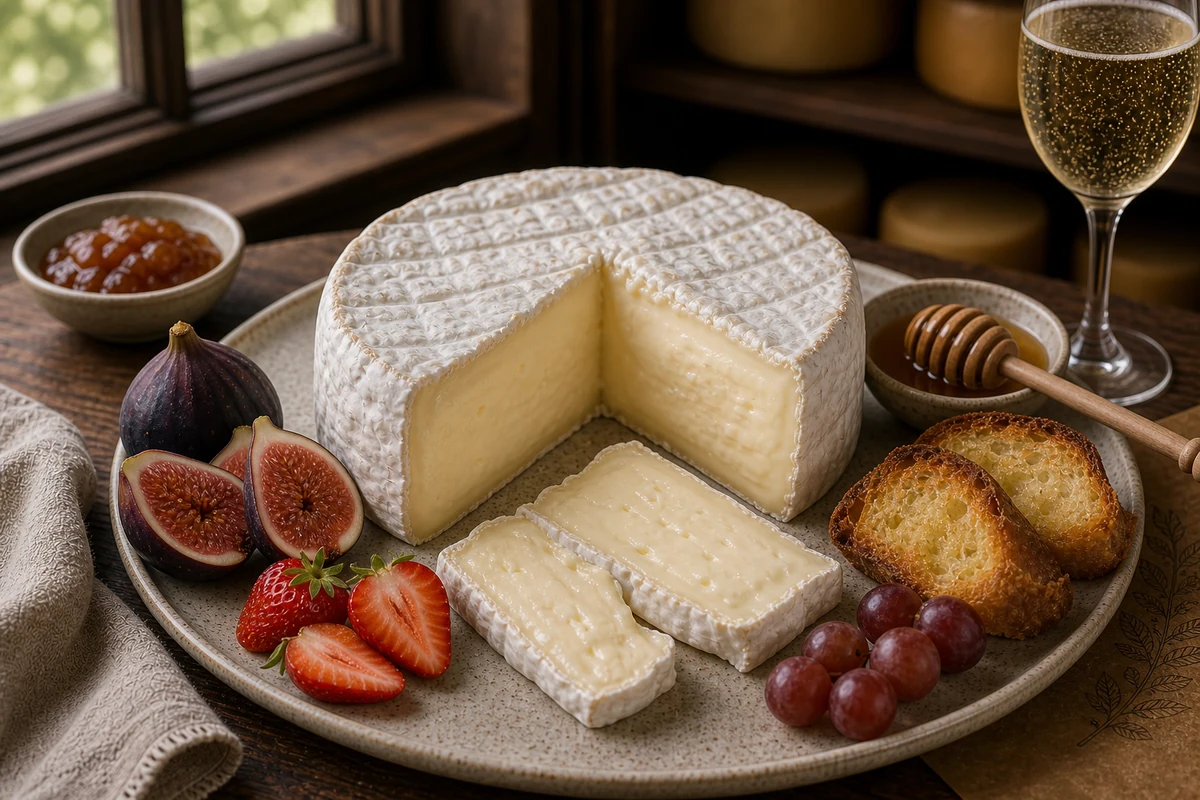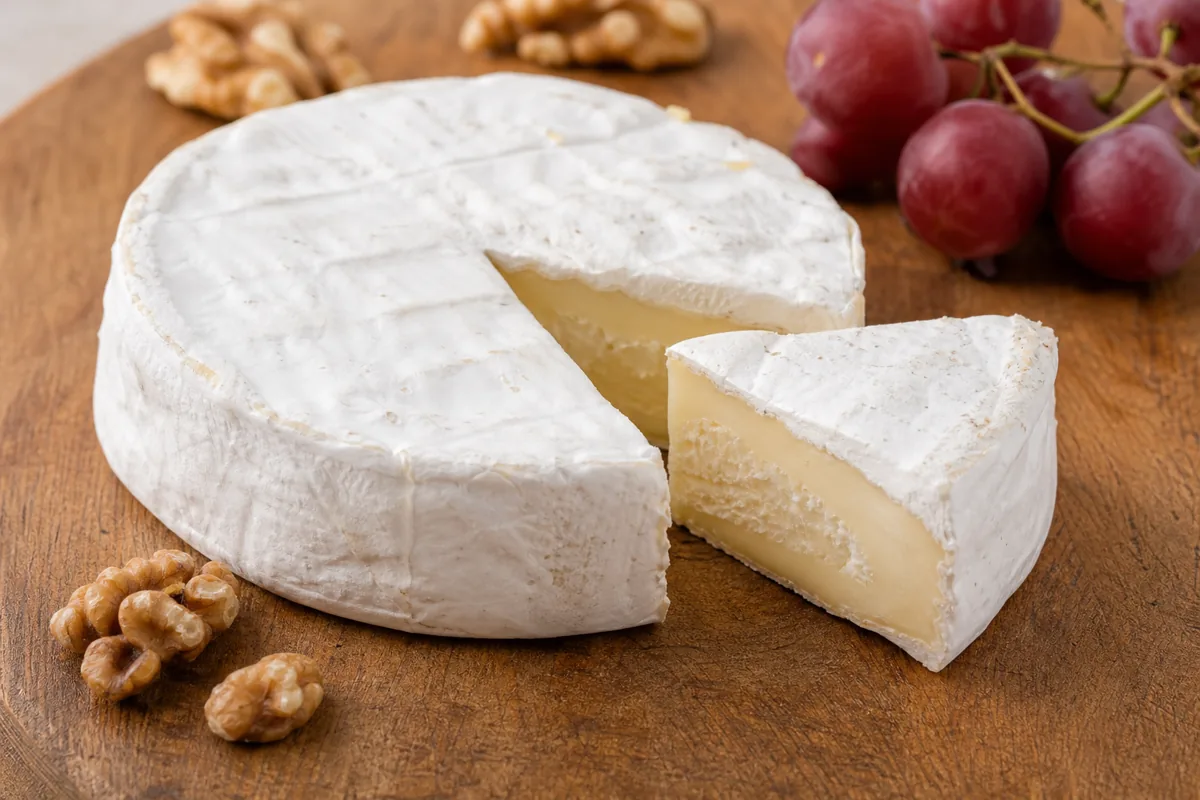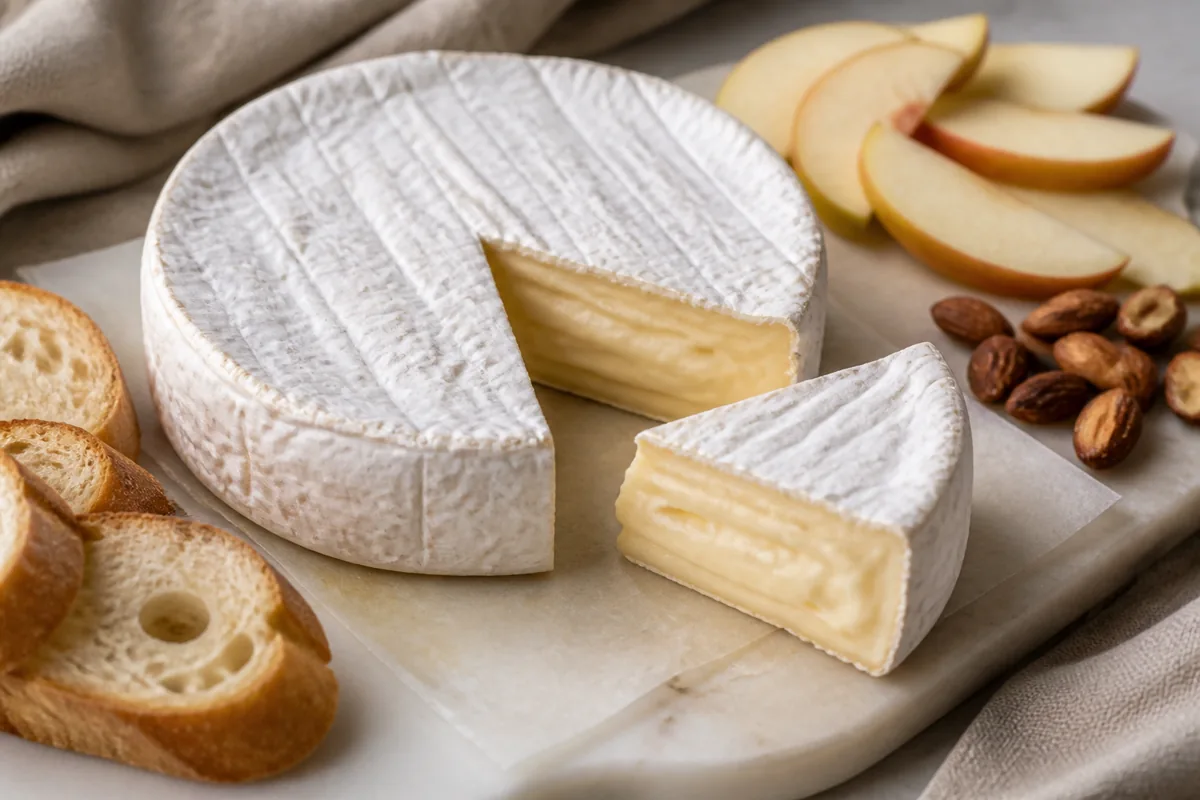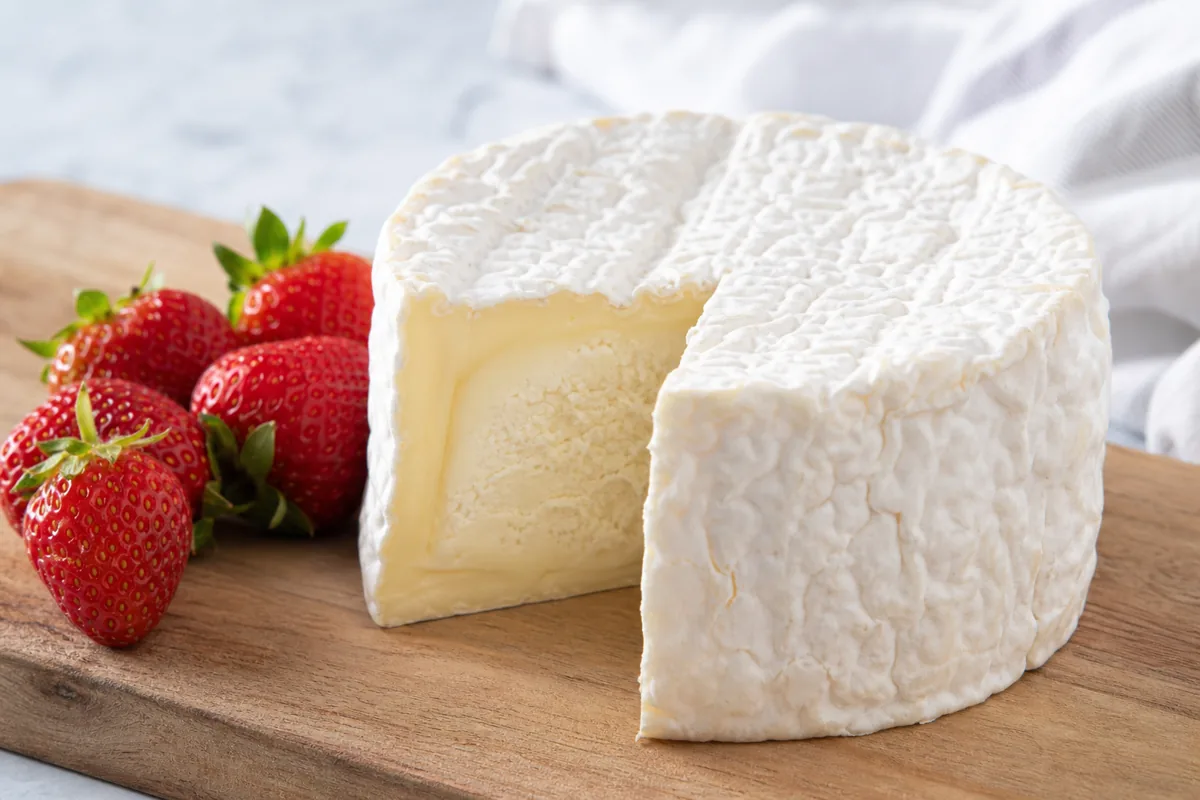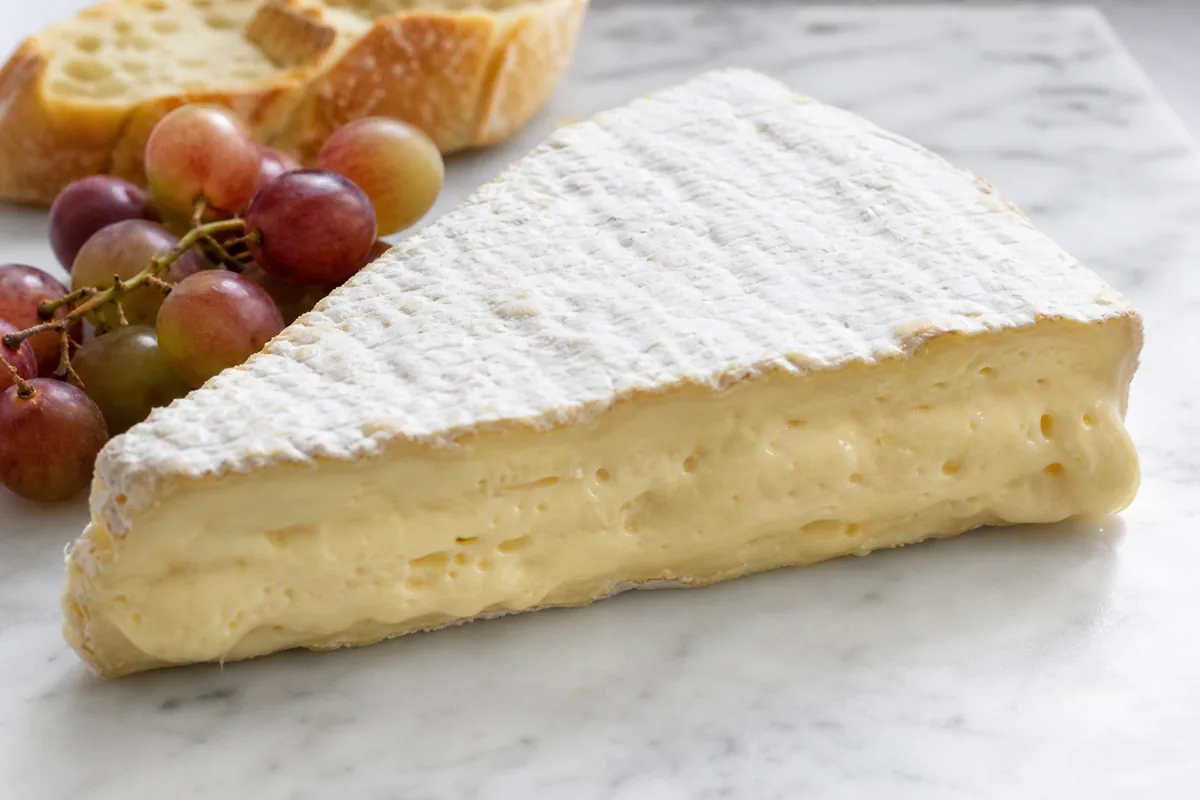
Délice de Bourgogne is Fromagerie Lincet's triple-cream soft cheese from Burgundy. The current producer records describe a white bloomy rind, an ivory paste, mushroom and cream aromas, and a creamy texture with a slightly tangy, salty finish.
Choose it when you want the rich soft-cheese place on a board, a salad, or hot toast. Check the package size and milk statement as you buy because Lincet sells the cheese in more than one format.
In This Article
What Délice de Bourgogne is
Jean Lincet created Délice de Bourgogne in 1975, according to the producer's technical sheet. Lincet makes it in Saligny, in France's Burgundy region, from pasteurized cow's milk and cream.
The same sheet classifies it as a triple-cream soft cheese with a bloomy rind. That description identifies the style, while the Lincet name and package identify the specific product.
- Maker: Fromagerie Lincet.
- Place: Saligny in Burgundy, France.
- Milk: Pasteurized cow's milk and cream on the producer's 2 kg technical sheet and current 200 g shop listing.
- Rind: A fluffy white surface.
- Paste: An even ivory interior with a creamy texture that softens easily.
Délice de Bourgogne and Brie can occupy the same place on a board, but the names do not describe the same cheese. Délice is Lincet's cream-enriched triple-cream product, so a generic Brie label does not establish the same recipe or maker.
How Does Délice de Bourgogne Taste and Ripen?
The producer describes cream and butter flavors over a slightly acidic, lactic, and salty base. Its mushroom aroma comes from the bloomy rind, while the paste provides the smooth dairy character.
Temperature changes the texture you perceive. A chilled piece feels firmer, while a short rest on the serving plate lets the paste soften, so use touch and appearance rather than a fixed number of minutes.
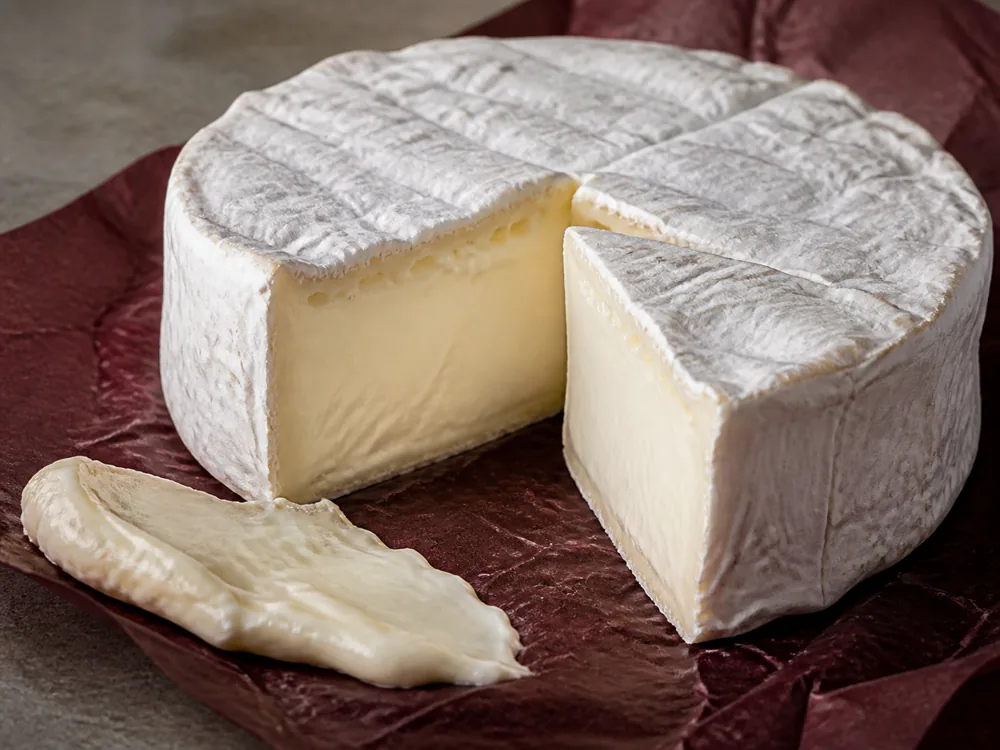
A white rind and ivory interior match the producer's stated appearance. If the wrapper is damaged, the use-by date has passed, or the cheese has spent too long warm, follow the seller's guidance or discard it rather than trying to judge safety from aroma alone.
Which Formats Does Délice de Bourgogne Come In?
Lincet documents a 2 kg wheel and lists a 200 g ripened round in its January 2026 shop order form. A specialty counter may also sell a wedge cut from a larger wheel, so the piece in front of you may not match the small round shown online.
Read the actual label for the maker, weight, pasteurization statement, date, and storage instructions. Those details are more reliable than assuming every cheese sold under a similar description follows Lincet's specification.
A whole 200 g round works as a compact board cheese. A counter-cut wedge from the 2 kg wheel lets you buy a smaller amount, but the exposed face needs careful wrapping and handling.
How to serve it
Lincet recommends Délice de Bourgogne on a cheese platter, in a salad, or on toast warmed in the oven. Those uses take advantage of its creamy paste without asking it to provide the structure of a firm cooking cheese.
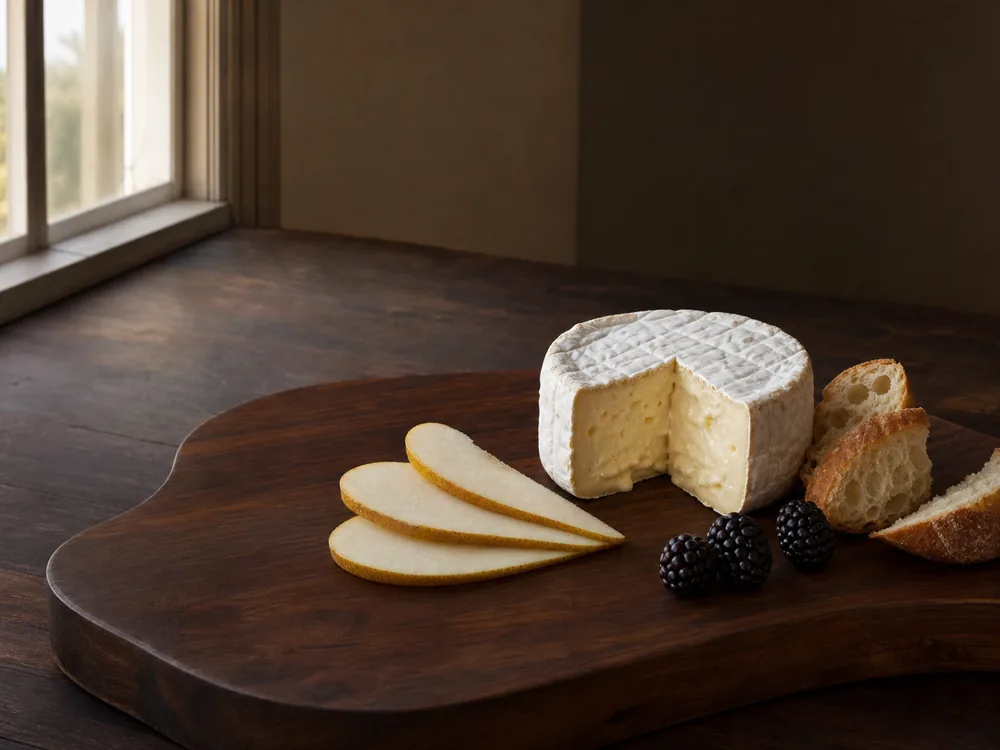
For a board, cut through the rind so each portion includes both rind and paste. Keep the accompaniments simple, such as baguette, pear, or berries, so the cheese remains easy to distinguish from the rest of the board.
The producer suggests dry white Burgundy, including Meursault or Chablis, as well as Crémant de Bourgogne. Their dry profile suits a cheese whose main flavors are cream and butter.
How Should You Store Délice de Bourgogne Safely?
Keep Délice de Bourgogne refrigerated at 40°F (4°C) or below and follow the date and instructions on its package. A cut counter portion should also carry the seller's label, so keep that information with the cheese.
The FDA's two-hour rule applies to perishable food at room temperature, with a one-hour limit when the air temperature is above 90°F (32°C). Put out only the amount you expect to serve, then refrigerate the remainder promptly.
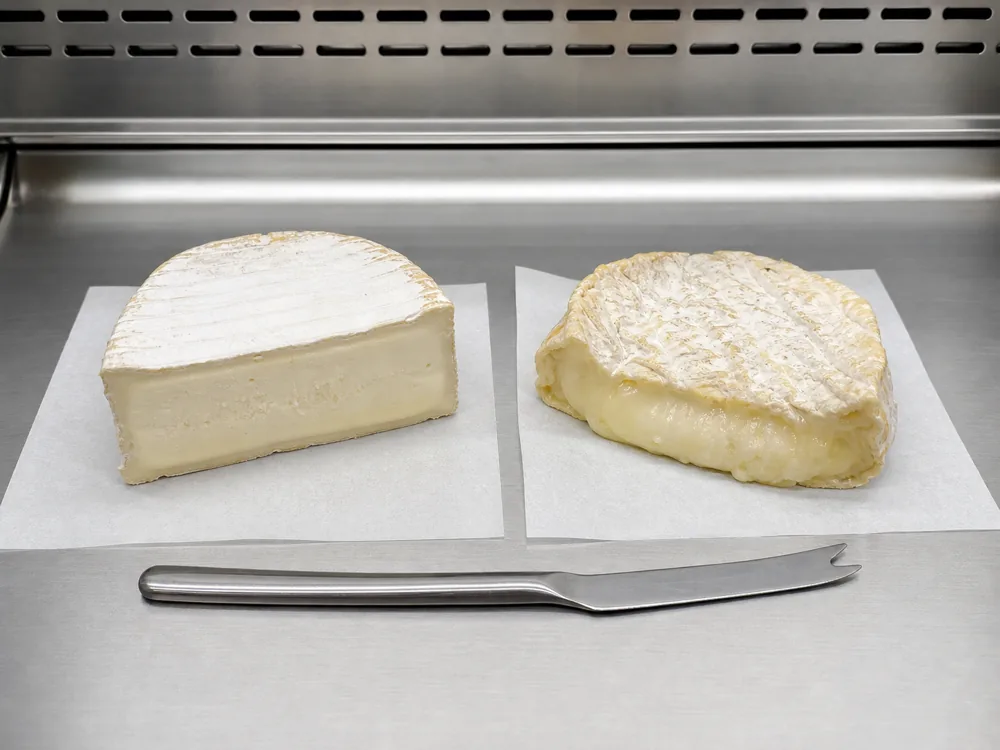
Reseal the original package or wrap a counter-cut piece and place it in a clean covered container. Do not replace the printed date with a universal number of days after opening because package size, the cut surface, and prior handling all change the remaining shelf life.
Is Délice de Bourgogne Safe During Pregnancy?
The current Lincet records identify the 200 g and 2 kg products as pasteurized. Pasteurization does not make cold Délice de Bourgogne fit the current NHS advice for pregnancy because it remains a mould-ripened soft cheese with a white coating.
Check the exact package because products and market labels can change. If you are pregnant, cook the cheese until steaming hot throughout and follow any more specific advice from your clinician.
Which Cheeses Can Replace Délice de Bourgogne?
Choose a substitute according to the job, since a shared white rind does not guarantee the same richness or texture.
- Triple-cream Brillat-Savarin: Choose it when you want another French triple-cream for a cheese board.
- Saint-André: Choose it when you want a small triple-cream round with a bloomy rind.
- Fromager d'Affinois: Choose it when a creamy bloomy-rind cheese fits the board and exact Délice identity is not required.
- A widely available Brie: Choose it when you need a bloomy-rind cheese and can accept less cream enrichment.
For salad or toast, match the texture first. A soft cheese that spreads or melts gently can fill the practical role, while a firm cheese changes both the dish and the way it eats.