398 articles Updated October 2026
Cheese Profiles
Complete profiles for every cheese worth knowing. Origin, flavor, storage, pairings, and substitutes.

Start here
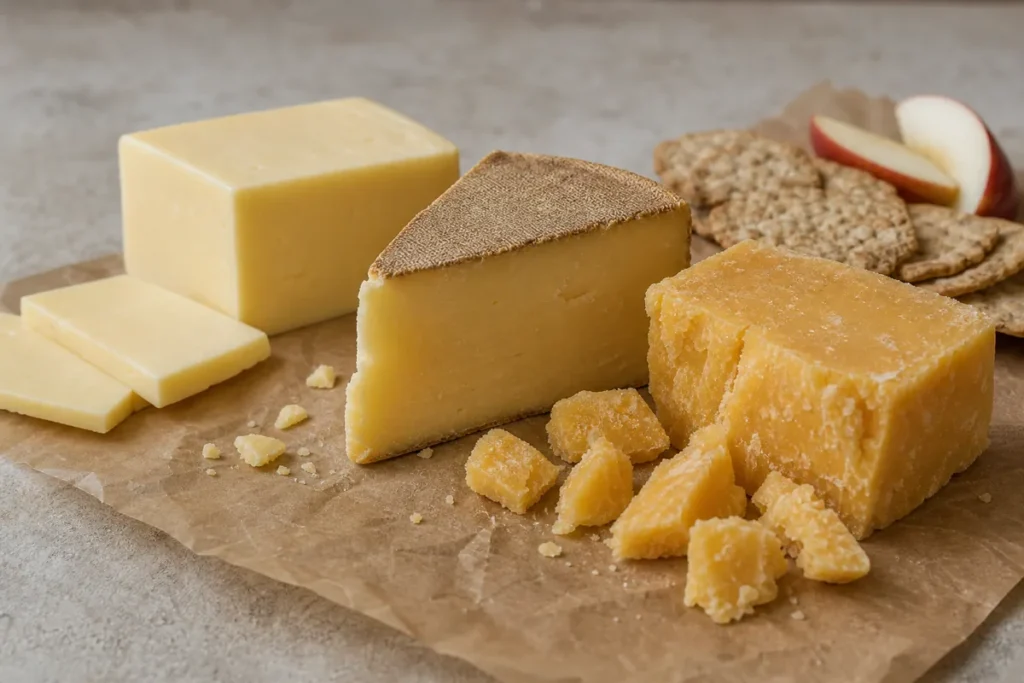
How Does Cheddar Change With Age, Sharpness, Color, and Use?
Cheddar is the world's most-copied cheese style, born in Somerset, England. Flavor profiles, aging grades, uses, pairings, and storage.
Read the article →
What Is Blue Cheese? Choosing a Style, Cooking and Safe Storage
Do Fresh and Low-Moisture Mozzarella Work the Same Way?
Browse by style
Soft and bloomy rind 35 cheeses
- Is Bix Cheese Runny or Firm? Nettlebed's Ripening Triple Cream
- Is Cambozola Cheese a Brie, a Blue, or Both? Classic vs Black Label
- Is Dauphin a Boxed Double Cream or a Maroilles-Family Washed Rind?
- Is the Bridgewater Log the Same Cheese as the Snowball Round?
- What Is Ashley Cheese? MouCo's Ash-Coated Soft-Ripened Cheese
- What Is Baron Bigod Cheese? Product Facts, Serving, Storage, and Safety
- What Is Bath Soft Cheese? How the Square and Red Seal Identify It
- What Is Breakfast Cheese? Why This Fresh Brie Has No Bloomy Rind
Blue cheeses 19 cheeses
- Is Montagnolo a Triple Cream Blue Cheese from Bavaria?
- What Is AmaBlu Cheese? Wedges, Crumbles and Uses
- What Is Asher Blue? A Raw-Milk Georgia Blue With a Natural Rind
- What Is Aura Cheese? Should You Buy Aura or Aura Gold?
- What Is Basajo? A Raw Sheep's Milk Blue Aged in White Passito
- What Is Beauvale Cheese? Is It a Softer Stilton, or a Different Blue?
- What Is Bleu d'Auvergne? How Is the Auvergne Blue Made and Served?
- What Is Blue Cheese? Choosing a Style, Cooking and Safe Storage
Washed rind and alpine 35 cheeses
- Chaumes Cheese: What Makes the Rind Orange, and Which Pack Calls It Edible?
- Is Baguette Laonnaise Raw or Pasteurized? A Maroilles Cousin from Laon
- Is Chällerhocker Hard or Semi-Hard? A Guide to Its Taste, Age and Milk
- What Are the Durrus Cheeses? Classic, Og, Smoked, and Dunmanus
- What Is Aarewasser Cheese? Why Is It Washed with Aare River Water?
- What Is Abbaye de Tamié, and Which Size Should You Buy?
- What Is Abbaye du Mont des Cats Cheese? The Cheese the Monks Actually Make
- What Is Admiral Collingwood Cheese? Ale Wash and Serving
Fresh cheeses 25 cheeses
- Can You Use Mascarpone Beyond Tiramisu? How Its High Fat Works
- Do Fresh and Low-Moisture Mozzarella Work the Same Way?
- How Do Fresh and Aged Goat Cheese Styles Differ in Use and Flavour?
- How Do the Three Ages of Crotonese Cheese Differ?
- How Should You Eat Burrata? Inside Its Creamy Stracciatella Center
- Minas Cheese: Should You Buy Soft Frescal or Firmer Curado?
- Should You Buy Pecorino Toscano Fresh or Aged?
- What Are Cheese Curds? Why They Squeak and How to Store Them
Goat and sheep milk 77 cheeses
- How Does Goat Cheddar Taste? It Depends on the Maker and Age
- How Is Etorki Cheese Different From Ossau-Iraty? A Brand With No Protected Name
- How Old Is Cacio di Bosco al Tartufo? Listed Ages Run 90 Days to 12+ Months
- Is Bosworth Ash Log, a Goat's Milk Log From Innes Cheese, Still Made?
- Is Bryndza Cheese Always Sheep's Milk? How Its PGI and PDO Rules Differ
- Is Cuajada Cheese the Same as Yogurt, and What Milk Does It Use?
- Is Driftwood Cheese Raw or Thermised? White Lake's Ash-Coated Goat Log
- Is Lamb Chopper a Good Melting Sheep Milk Cheese from Holland?
Hard and aged 66 cheeses
- Can You Grate Tezacki Sir Extra Mature? A Hard Croatian Cow's-Milk Cheese
- Crucolo Cheese: Mild Dolce, More Savory Saporito, or Red-Wine Al Vino?
- Does Montasio Change as It Ages? One Name Covers Four Ages
- How Does Cheddar Change With Age, Sharpness, Color, and Use?
- How Does Jarlsberg Cheese Differ from Swiss Emmental?
- Is Maasdam Softer Than Emmental? How the Holes Form and Why
- What Do Abondance's AOP Rules Require, From Cow to Cellar?
- What Does Bella Lodi's Black Rind Tell You Before You Buy?
Narrow it down
Pick a milk or a country and the Cheese Finder opens with that filter already set.
Milk
Country
Once you know the cheese, decide what to do with it
Pairings, swaps, side-by-side calls, and the safety questions readers ask most.
- British Cheeses Cheddar, Stilton, Wensleydale, and the other territorial styles, mapped by county.
- Emmental vs Gruyere Which of the two melts smoother in fondue, and which one tastes stronger in soup.
- Feta Pairings Crisp whites and rose that hold up to brine, plus the olives and herbs that go beside them.
- Cream Cheese Substitutes What to spread, whip, or bake with when the block is missing.
- Best Cheese for a Cheese Board Five to seven cheeses that give a board contrast without repeating a texture.
- Is Cheese Healthy? Protein, calcium, sodium, and fat per ounce, and what a sensible portion looks like.
- Lactose in Cheese Which cheeses run near zero lactose, and why aging and moisture decide it.
More cheese profiles, A to Z
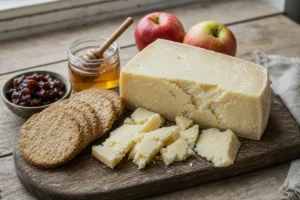
Anster Cheese: Why Does This Raw-Milk Fife Cheese Crumble?
Anster is a raw cow's-milk, Cheshire-style cheese from Fife, Scotland. Why it crumbles, how…
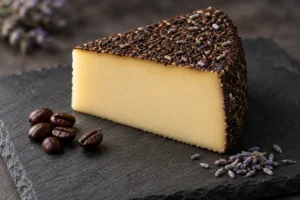
Barely Buzzed Cheese: Does the Coffee-Lavender Rub Make It Sweet?
Barely Buzzed is Beehive Cheese's Utah cheddar rubbed with coffee and lavender. See label…
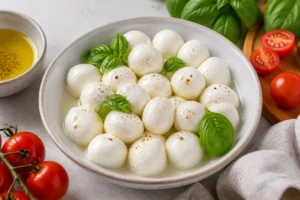
Bocconcini: Which Size, Which Milk, and How Long Do They Keep?
Bocconcini are small balls of fresh mozzarella, usually of pasteurized cow's milk. Sizes by…
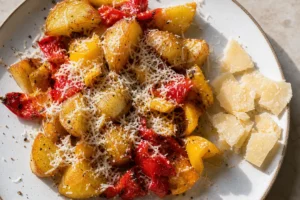
Can You Grate Tezacki Sir Extra Mature? A Hard Croatian Cow's-Milk Cheese
Tezacki Sir Extra Mature is a hard Croatian cow's-milk cheese from Sirana Gligora that…
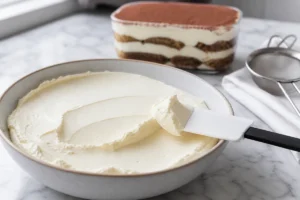
Can You Use Mascarpone Beyond Tiramisu? How Its High Fat Works
Mascarpone is an Italian double-cream fresh cheese with 75% fat in dry matter. The…
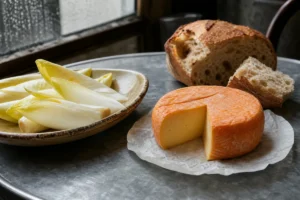
Chaumes Cheese: What Makes the Rind Orange, and Which Pack Calls It Edible?
Chaumes is a pasteurized cow's milk cheese from the Dordogne with an orange rind…
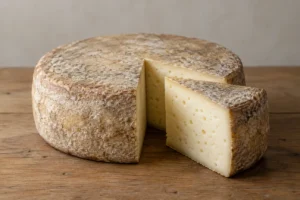
Crucolo Cheese: Mild Dolce, More Savory Saporito, or Red-Wine Al Vino?
Crucolo is a semi-hard cow's milk cheese from Trentino. See how Dolce, Saporito and…
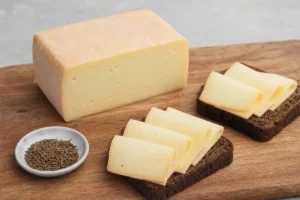
Danbo Cheese: Does It Smell Stronger Than It Tastes, or Are Both Mild?
Danbo is a Danish PGI cow's milk cheese with a smear-ripened rind and a…
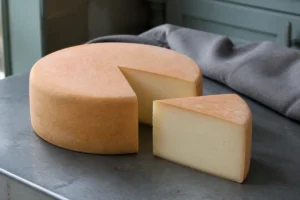
Do Monks Still Make Trappiste de Bricquebec? What Changed in 1961
Trappiste de Bricquebec is a mild Normandy cheese the monks stopped making in 1961.…
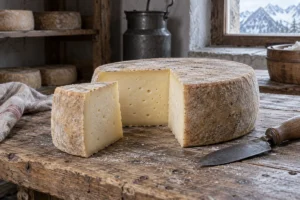
Does Montasio Change as It Ages? One Name Covers Four Ages
Montasio is a PDO cheese from Friuli, made from milk that is never pasteurised…
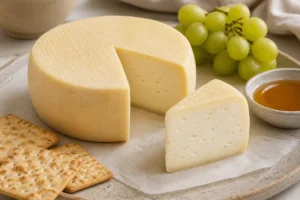
How Do Current Bel Paese Products Differ and What Should You Buy?
Bel Paese is a mild Galbani cheese created in 1906 and sold in formats…
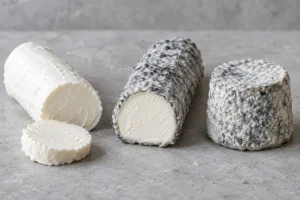
How Do Fresh and Aged Goat Cheese Styles Differ in Use and Flavour?
Goat cheese runs from fresh curd sold at 2 to 7 days to crumbly…
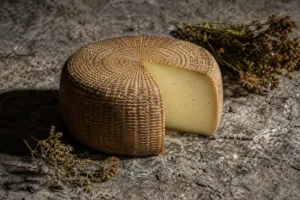
How Do the Three Ages of Crotonese Cheese Differ?
Pecorino Crotonese PDO is Calabria's basket-marked sheep milk cheese, sold fresh, semi-hard or aged.…
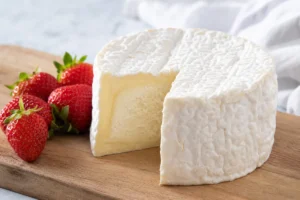
How Do You Read Chaource Ripeness From Rind to Center?
Chaource is a French PDO cheese that ripens from its white rind toward a…
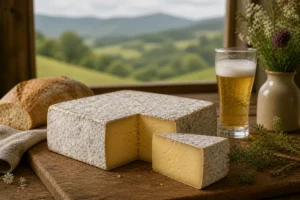
How Do You Tell When Appalachian Cheese Is Ripe? Age Is the Cue
Appalachian is Meadow Creek Dairy's raw cow's-milk cheese from Galax, Virginia, sold at 90…
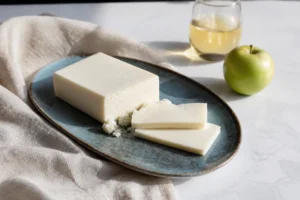
How Does Goat Cheddar Taste? It Depends on the Maker and Age
Goat Cheddar is Cheddar-style cheese made with goat milk. Compare makers' ages, rinds and…
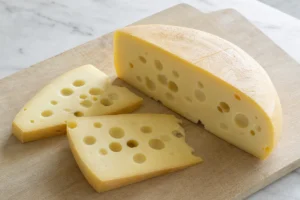
How Does Jarlsberg Cheese Differ from Swiss Emmental?
Jarlsberg is a Norwegian cow's milk cheese made with TINE's own culture. See how…
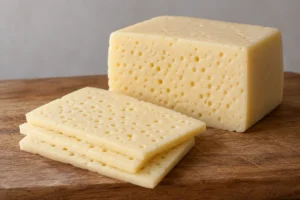
How Is Baby Swiss Different from Swiss? Smaller Holes and Milder Taste
Baby Swiss is an American cow's-milk cheese with small, close-set holes, usually credited to…
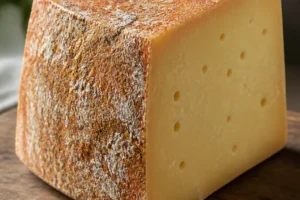
How Is Etorki Cheese Different From Ossau-Iraty? A Brand With No Protected Name
Etorki is a pasteurized Basque sheep's milk cheese with hazelnut and caramel notes. Its…
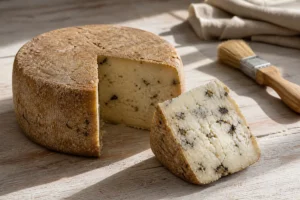
How Old Is Cacio di Bosco al Tartufo? Listed Ages Run 90 Days to 12+ Months
Cacio di Bosco al Tartufo is Il Forteto's pasteurized sheep's milk cheese with truffle.…
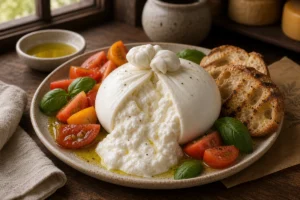
How Should You Eat Burrata? Inside Its Creamy Stracciatella Center
Burrata's creamy center is stracciatella: shredded mozzarella mixed with fresh cream. It lasts only…
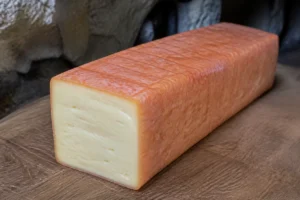
Is Baguette Laonnaise Raw or Pasteurized? A Maroilles Cousin from Laon
Baguette laonnaise is a washed-rind cow's-milk cheese from Laon, a 15 cm bar related…
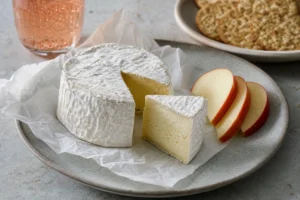
Is Bix Cheese Runny or Firm? Nettlebed's Ripening Triple Cream
Bix is Nettlebed Creamery's 100g pasteurised organic triple-cream cheese: how it softens as it…
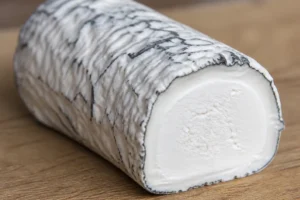
Is Bosworth Ash Log, a Goat's Milk Log From Innes Cheese, Still Made?
Bosworth Ash Log is a raw goat's milk log rolled in salted ash, made…


