Cheese Profile

Explorateur Cheese: Premium Triple-Cream Flavor, Portioning, and Pairings

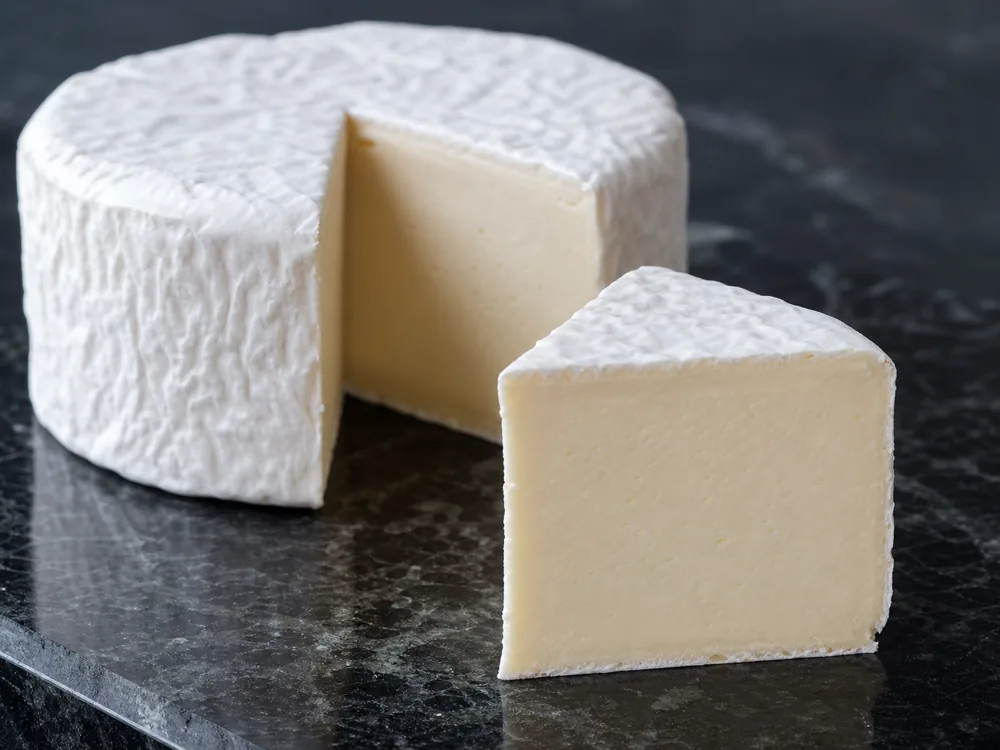
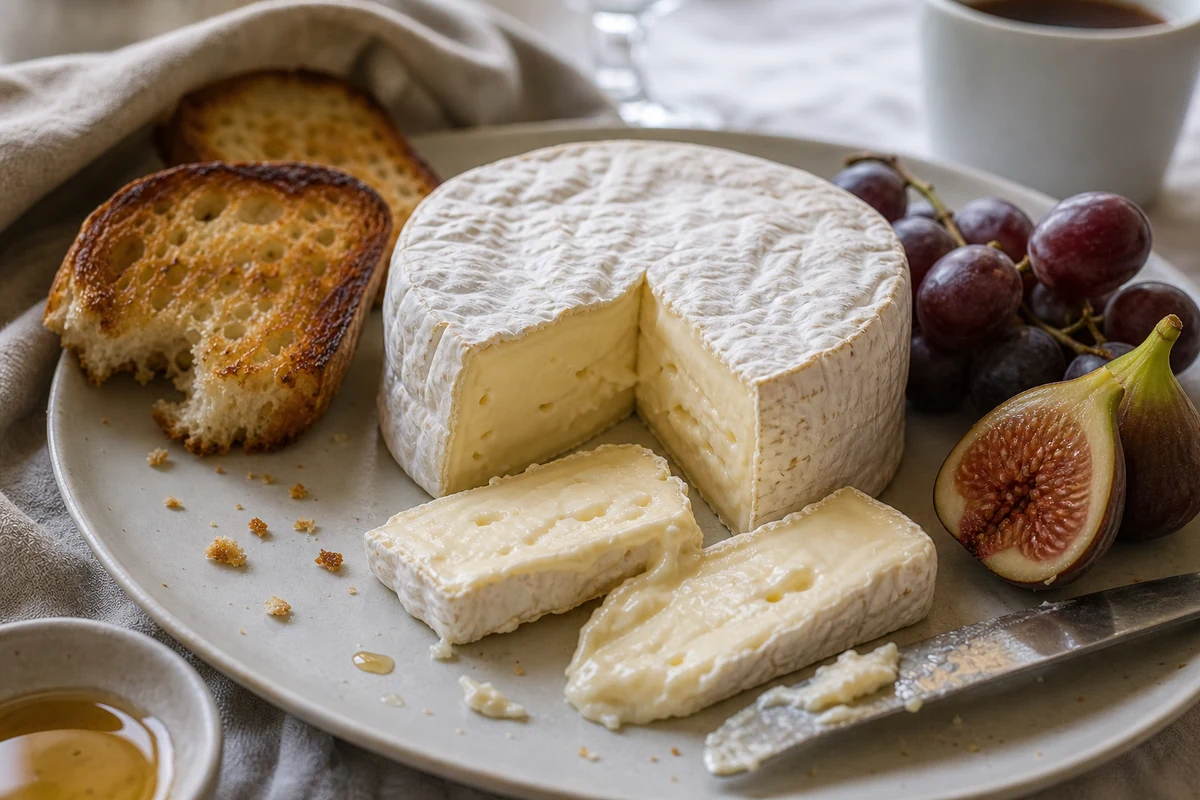
Explorateur is the French triple-cream for people who want richness to feel intentional, not accidental. Inside French triple-cream family, it stands out because the paste feels denser, sweeter, and more dessert-leaning than the easier everyday triple-creams most shoppers know first.

That difference matters at serving time. Explorateur is not the cheese to cut in oversized slabs and hope for the best.

It works best when you portion it carefully, let it warm properly, and build the rest of the board around its weight.

This profile covers what Explorateur is, why it tastes richer than Brie-family soft cheese, when it is worth choosing over Saint-Andre or Brillat-Savarin, and how to serve it without making the whole board feel heavy.

What Explorateur Is and Why It Lives in the Luxury Triple-Cream Lane

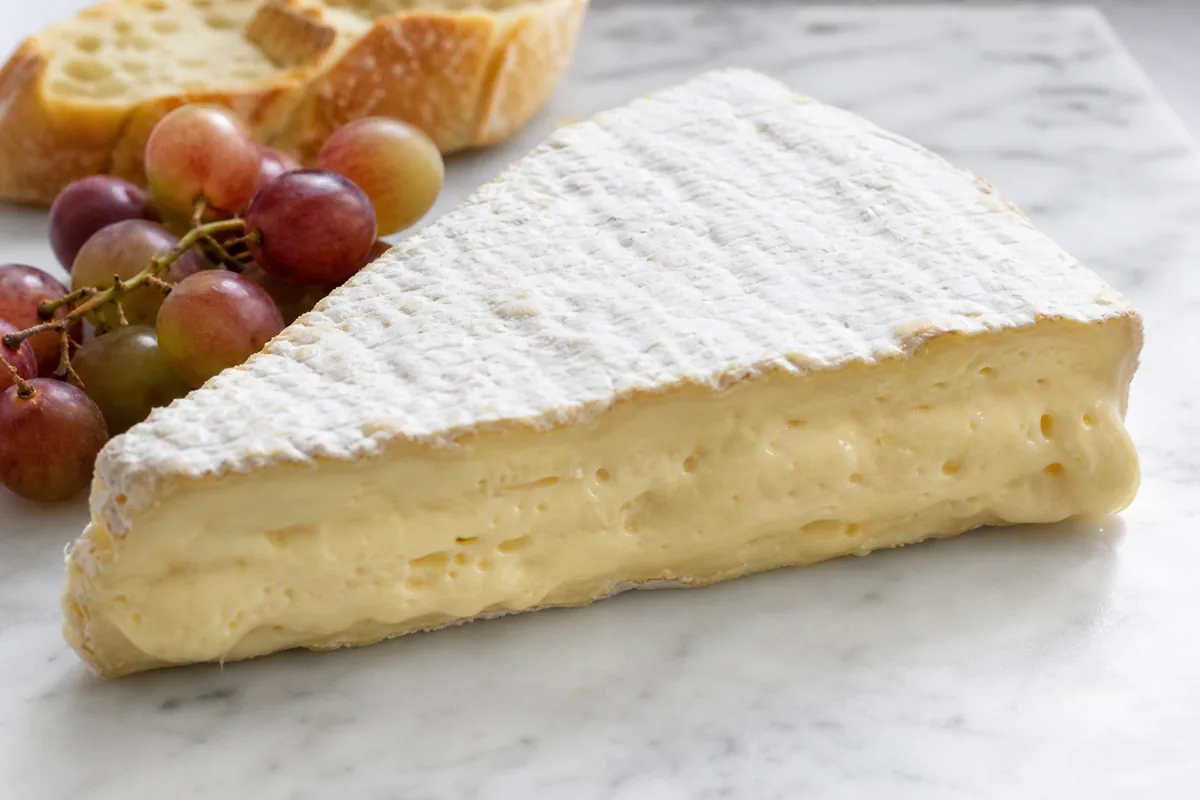
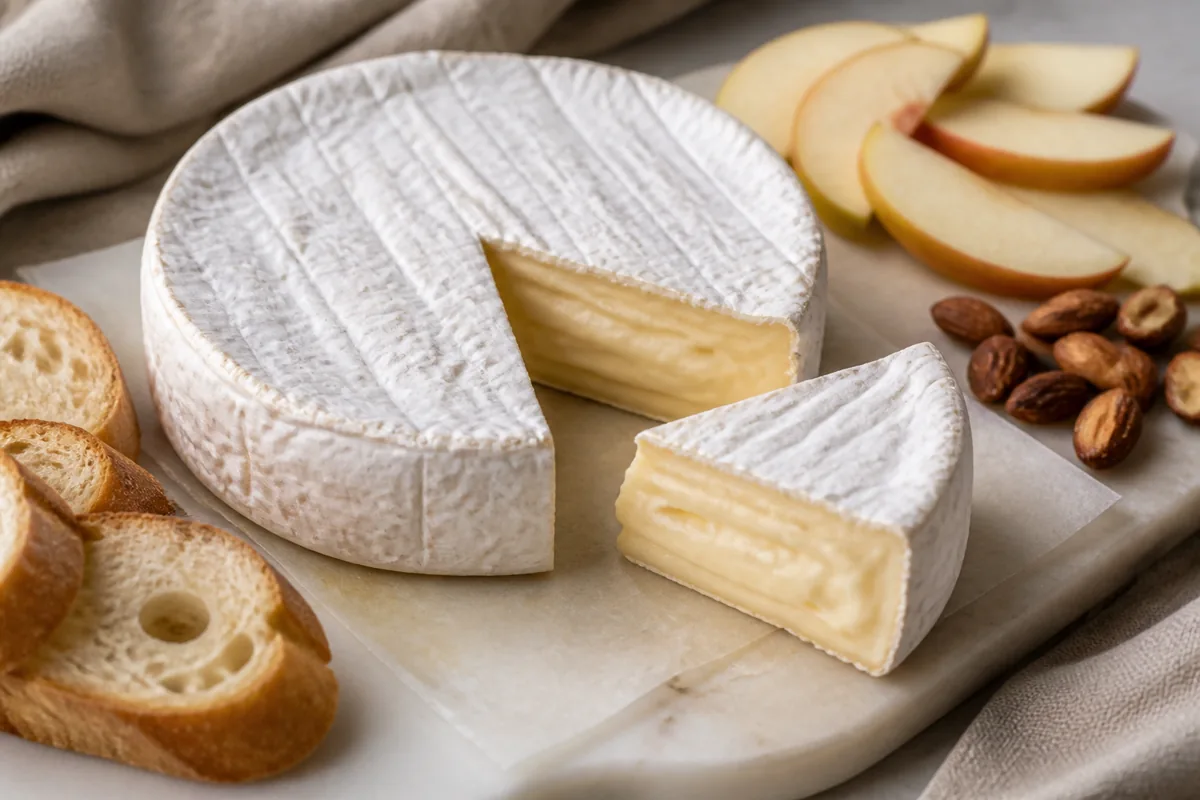
Explorateur is a French triple-cream bloomy-rind cheese made from cow's milk with added cream, then ripened under a white rind. Like other triple-creams, it clears the 75 percent fat-in-dry-matter threshold, but its table identity leans especially hard toward lush texture and a sweet-butter finish.

Remember it later

Planning to try this recipe soon? Save it for a quick find later!

The practical result is a cheese that feels more like a deliberate luxury course than a flexible all-purpose soft-rind wheel. You buy it for a specific kind of indulgence, not because you simply need any soft cheese on the board.

  • Class: Triple-cream, which means the paste is enriched enough to clear the high butterfat threshold that separates this lane from standard Brie-style cheese.
  • Rind style: White bloomy rind with only mild mushroom character, so the center does most of the talking.
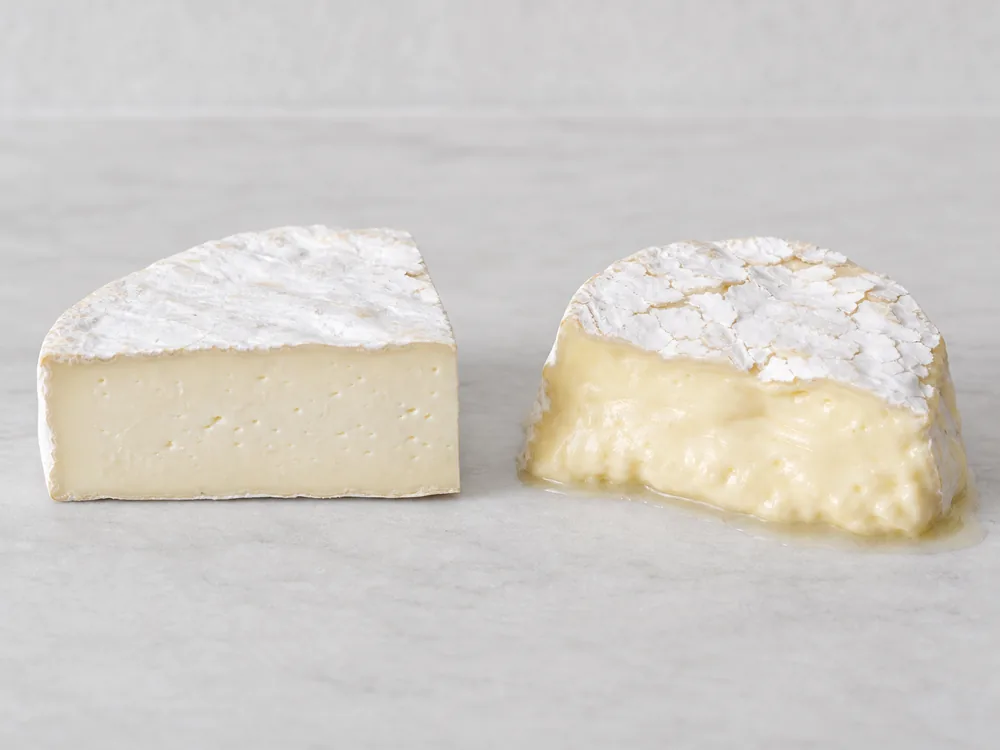
  • Texture path: Dense and creamy when chilled, then softer and more spreadable once it warms.
  • Flavor job: Sweet butter, fresh cream, low tang, and a restrained rind edge rather than earthy complexity.
  • Retail role: Premium specialty-counter soft cheese, usually bought in small wedges because a little goes a long way.

That is why Explorateur belongs in a different decision lane from Saint-Andre's easier retail richness. Both are rich, but Explorateur is usually the denser and more overtly after-dinner option.

It also sits far away from classic Brie softness. Brie can carry more mushroom and everyday board flexibility, while Explorateur concentrates the whole decision around cream.

Why Explorateur Tastes Sweeter and Heavier Than Standard Soft-Rind Cheese

The first bite of Explorateur usually reads sweet-butter rich before it reads mushroomy or earthy. That happens because the center carries so much of the flavor burden, while the rind stays mild enough that it frames the paste instead of steering it.

That balance makes Explorateur feel different from a more lactic cheese like the Delice de Bourgogne style. Delice keeps more freshness in the finish, while Explorateur often leans deeper into cream and density.

FLAVOR PROFILE
SALTYSWEETBITTERSOURUMAMICREAMY
Salty
14
Sweet
28
Bitter
6
Sour
14
Umami
24
Creamy
97

The radar captures the point clearly. Creaminess dominates, sweetness rises more than it does in many soft-rind cheeses, and the rind bitterness stays low enough that the cheese never stops feeling plush.

  • Butter note: Broad and immediate, closer to cultured butter than to a rustic mushroom cellar profile.
  • Tang level: Lower than in many bloomy-rind peers, which is why fruit and sparkling pairings help so much.
  • Rind effect: Mild enough that many bites feel center-driven rather than rind-driven.
  • Finish: Rich and lingering, which is exactly why portion size matters more here than it does with milder soft cheeses.

Compared with Brillat-Savarin's affineur-coded richness, Explorateur often feels simpler but sweeter.

Compared with Fromager d'Affinois, it is clearly richer and much less interested in easy crowd-neutrality.

TIP

If you want one cheese to feel like dessert without actually serving a sweet dish, Explorateur is a strong pick. The key is to slice it smaller than instinct tells you, because the second bite lands much richer than the first.

The Best Version Is Soft and Supple, Not Overripe

Explorateur tastes best when the center has softened but the wheel still holds enough shape to cut neat wedges. Once it crosses into a fully collapsed state, the richness can turn sleepy and the cheese loses the balance that makes the premium price make sense.

The service lesson is simple. Buy Explorateur close to the day you plan to use it, and warm it intentionally instead of trying to rescue a tired wedge at the table.

That portion sensitivity is not a minor serving note. Explorateur can taste elegant in a narrow wedge and exhausting in a thick slab.

The rind should smell clean and soft, not sharp. If the aroma turns ammoniated before the center softens, the wedge has moved past the stage where the premium makes sense.

  • Buy for same-week use: Explorateur does not reward long refrigerator holding after purchase.
  • Warm slowly: Let the paste soften at room temperature instead of pushing it with oven heat.
  • Cut narrow wedges: Small pieces keep the richness from overwhelming the board.
  • Watch the edge: A wet or collapsed rind usually means the cheese will taste heavy rather than luxurious.

Where Explorateur Wins on a Board

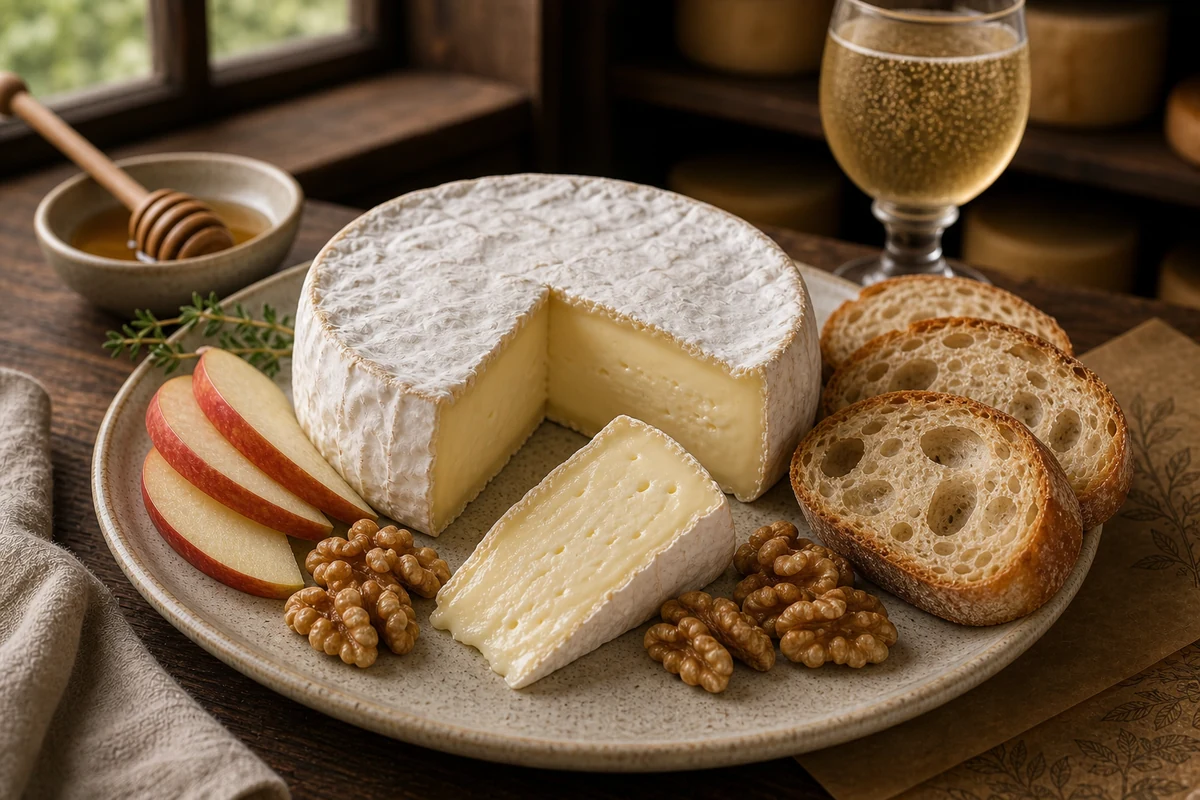
Explorateur wins when the board needs one unmistakably rich cheese and everything else can stay lighter, saltier, or firmer around it. It is strongest as the luxury wedge you talk about, not as a background soft cheese that disappears between crackers.

  • Best board role: Small premium wedge that anchors the rich end of the board.
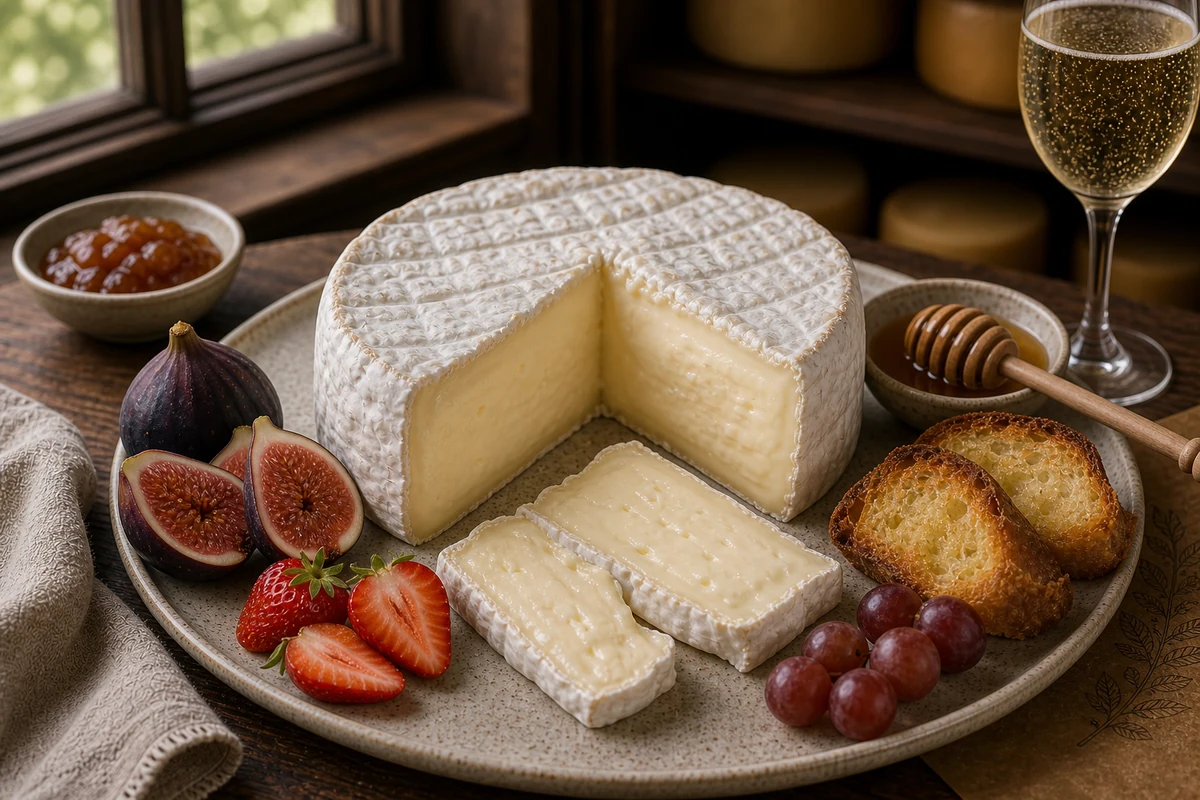
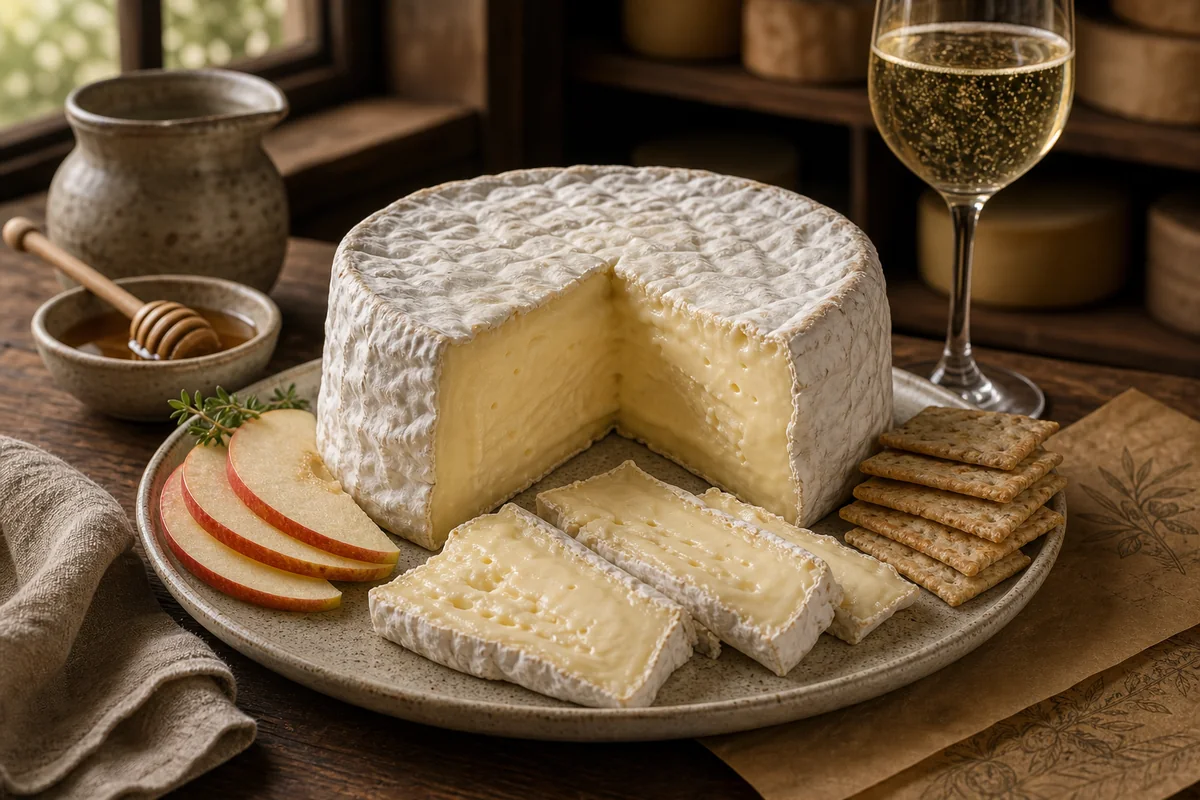
  • Best supporting fruit: Pear, apple, grapes, or berries keep the finish from dragging.
  • Best starch partner: Plain baguette or dry crackers help control portions and absorb the softness cleanly.
  • Avoid overbuilding: Too many jams, nuts, and sweet spreads make the board feel exhausting instead of elegant.

The rest of the board should act like scaffolding. Use something crisp, something acidic, and something firm so Explorateur does not become the only texture guests remember.

A good board might pair it with fresh pear, plain bread, olives, and a firmer aged wedge. A weaker board stacks jam, sweet crackers, and another soft rich cheese beside it.

Pairings That Keep Explorateur from Feeling Too Heavy

Explorateur wants acid, bubbles, and fresh fruit more than it wants forceful red wine or smoky meat. The cheese already brings enough weight on its own, so the best pairings act like punctuation rather than competition.

PairingTypeWhy It Works
ChampagneWineDry bubbles cut the butterfat and keep each bite from feeling sticky on the palate.
CremantWineA more affordable sparkling option that still gives the cleansing acidity rich cheese needs.
PearFoodFresh pear adds water and gentle sweetness without making the board heavier.
StrawberriesFoodBright berries sharpen the finish and reinforce the cheese's dessert-course side.
BaguetteFoodPlain bread supports the soft center without adding more sweetness or fat.
WalnutsFoodA mild bitter note keeps the board from turning too creamy and flat.
  • Avoid big reds: Tannins make rich soft cheese feel metallic or muddy faster than they help it.
  • Avoid sticky jam: Explorateur already leans sweet-butter rich, so it does not need much sugar piled on top.
  • Use meat sparingly: Mild prosciutto can work, but very smoky or spicy charcuterie usually overpowers the point of the cheese.

When in doubt, choose the pairing that makes the second bite easier. Explorateur needs palate reset more than it needs another indulgent partner.

Dry bubbles work because they touch both problems at once. They cut the fat and keep the sweet-butter finish from lingering too long.

Why Portion Size Is Part of the Value Question

Explorateur is one of those cheeses where value depends on how you serve it, not only on the price tag. The cheese is so rich that a small wedge can do the work that a much larger piece of ordinary soft-rind cheese would have to do on a board.

That matters because shoppers often misjudge triple-cream economics. A costly round can still be the right buy if the goal is a few luxurious bites at the center of a board, while a cheaper larger wheel can become wasteful if nobody wants a second heavy serving.

  • Small-portion strength: Explorateur shines when you cut narrow wedges and let the cheese act like a rich accent instead of a main volume cheese.
  • Crowd fit: It works better with guests who already enjoy soft French cheese than with a mixed group that may want a milder more neutral soft slot.
  • Menu role: It pairs best with plain bread, crisp fruit, and restrained extras because the cheese already supplies most of the indulgence.
  • Buying consequence: If you want an easier all-purpose soft cheese, Saint-Andre often stretches further for the money.

The premium only makes sense when you use the cheese deliberately. Explorateur is a portioned luxury purchase, not a volume purchase.

If the guest actually wants a lighter white-rind wheel, ripe Camembert service gives more savory rind drama and less dessert-like density.

That difference changes value. Explorateur can be the right expensive cheese for a small after-dinner course, but the wrong expensive cheese for a large casual board.

Buy less than instinct suggests. Guests who love it will still be satisfied because the finish is long, while guests who prefer lighter cheese will not feel trapped by a huge soft wedge.

How to Buy and Store Explorateur

Buy Explorateur from a high-turn specialty counter when possible, because timing matters more here than bargain hunting.

A fresh wedge in the right stage feels luxurious. A tired wedge feels merely heavy.

The storage card matters because triple-cream texture is fragile. Explorateur does not reward long refrigerator drift, and freezing destroys the soft dense paste that makes the cheese worth buying.

Ask the cheesemonger what day they would serve the wedge. That question gives you better information than asking whether the cheese is simply ripe.

For home storage, wrap the cut face gently and keep the wedge inside a lidded box with a little air space. Tight plastic traps moisture against the rind and makes rich cheese taste tired faster.

If you see the paste slump into the wrapper, move the cheese onto the menu immediately or trim your expectations. Explorateur is best before the texture turns from supple to sticky.

✓ DO
Serve Explorateur in smaller wedges than you would use for Brie.
Warm it before serving so the center softens and the rind integrates.
Build lighter fruit and bread around it instead of piling on sweet extras.
✗ DON'T
Do not expect it to act like a flexible all-purpose cooking cheese.
Do not buy a large wedge without a near-term service plan.

If You Cannot Find Explorateur

The best substitutes depend on whether you care more about richness, freshness, or ease. Few cheeses match all three at once.

  • Saint-Andre: Best when you want the same general luxury lane with broader retail availability and a slightly easier finish.
  • Brillat-Savarin: Best when you want another premium French triple-cream with stronger specialty-counter identity.
  • Delice de Bourgogne: Best when you still want luxury softness but prefer more lactic lift in the finish.
  • Fromager d'Affinois: Best when your real need is creamy crowd-pleasing texture rather than maximum indulgence.

The tradeoff is simple. Explorateur leans hardest into dense sweet-butter richness, while the others each pull the decision toward ease, brightness, or softer approachability.

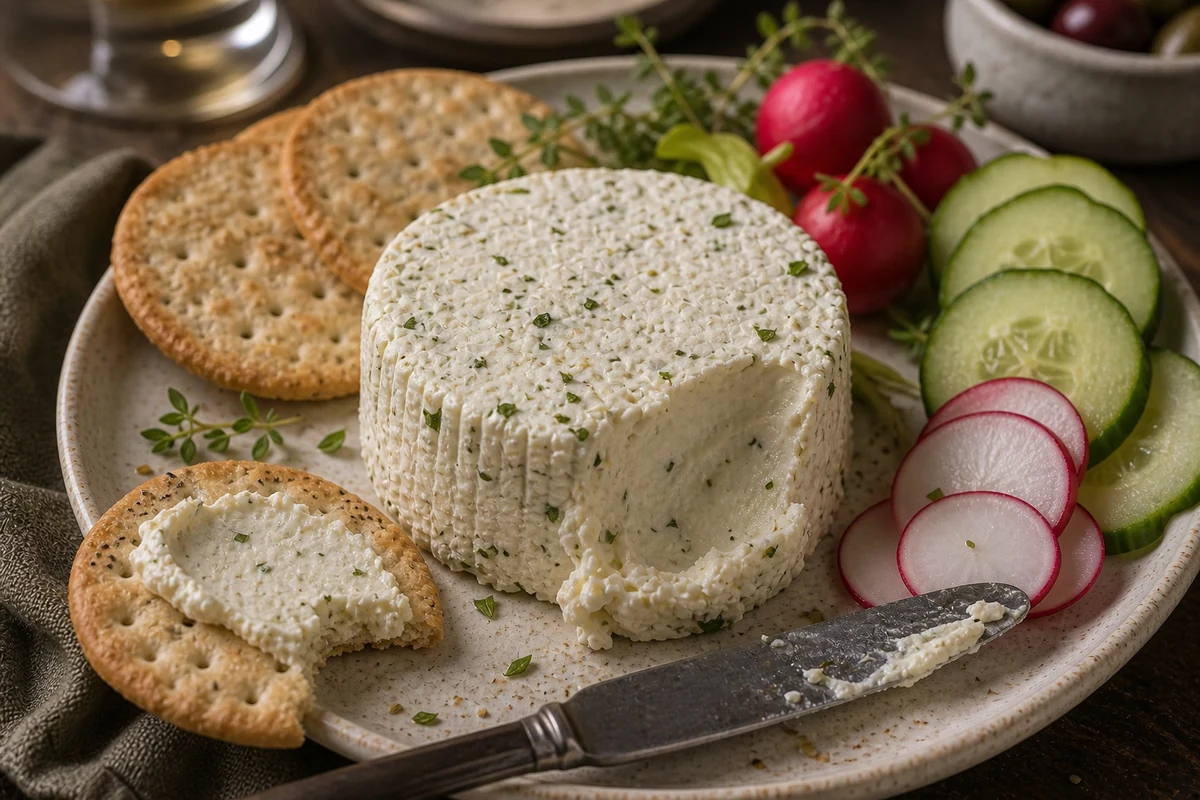
If the real need is a flavored spread, herbed Boursin softness solves a snack-board problem better than a luxury triple-cream does.

If the real need is a dessert-like cheese course, stay close to Explorateur or Brillat-Savarin and reduce the portion. A milder substitute may be easier to serve, but it will not create the same concentrated finish.

Explorateur Nutrition and Pregnancy Notes

Explorateur is a very rich soft cheese, so normal servings are small for a reason. The cheese is built around pleasure and texture, not around volume eating or functional nutrition.

It is also much richer than plain mascarpone creaminess at the table because the rind, salt, and ripening turn the fat into a finished cheese-course bite.

~120
Calories per oz
~4 g
Protein per oz
~10-11 g
Fat per oz
Triple-cream
Style class
  • High fat: Added cream is the whole point of the style, so the calorie density comes with the territory.
  • Small portions work: A small wedge usually satisfies better than a large slab because the finish is long and rich.
  • Soft-cheese caution: Pasteurization and careful cold handling matter more than the romance of the label.
  • Board cheese first: This is best treated as a luxury course cheese, not an everyday snack block.

The nutrition story should reinforce the service story. Explorateur is built for two or three memorable bites, not for the same portion size you might use with a young cheddar.

CHECK THE LABEL
Pasteurized Explorateur is the safer option for pregnancy, but it is still a soft-ripened cheese that should be bought cold, kept cold, and eaten promptly after opening.
SOURCES & REFERENCES
1.
French triple-cream cheese overview
reference
2.
Triple-cream cheese category reference
reference
3.
Soft-ripened cheese care and service guidance
reference

Explorateur FAQ

These are the quick shopper questions that usually come up before someone buys a wedge.

Explorateur tastes rich, buttery, and slightly sweet with a mild bloomy-rind frame. The center does most of the work, so the cheese feels denser and more dessert-leaning than many standard soft-rind cheeses.
No. Both are soft-rind French cheeses, but Explorateur is a triple-cream cheese with much more butterfat and a heavier texture. Brie usually tastes lighter, less dense, and more broadly soft-ripened.
Saint-Andre is often easier and slightly lighter in feel, while Explorateur tends to read denser, sweeter, and more deliberately indulgent. Both are rich, but Explorateur is usually the smaller-portion luxury play.
Dry sparkling wine is usually the safest pairing because it cuts the butterfat and keeps the finish clean. Crisp whites also work well, while heavy tannic reds often make very rich soft cheese feel muddy.
Use it within about 3 to 5 days for the best texture. Rewrap it in cheese paper or wax paper, keep it cold, and let it warm before serving so the center softens properly.