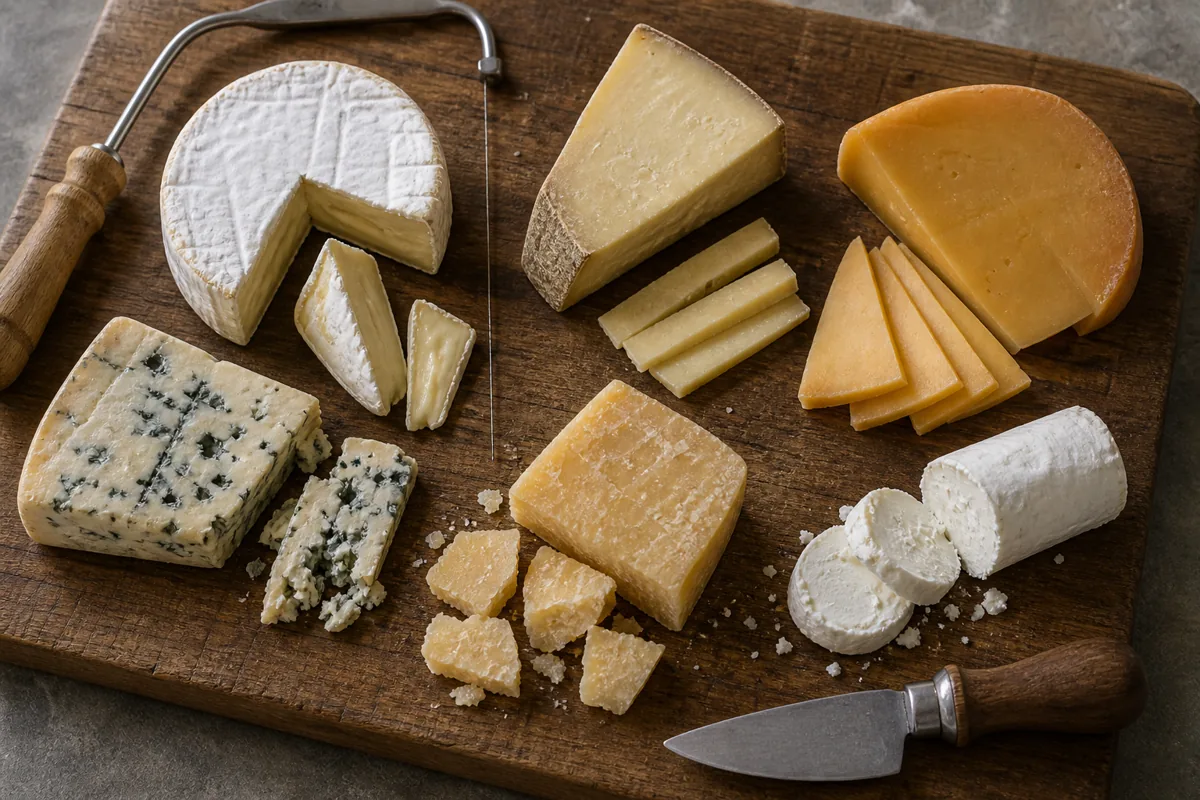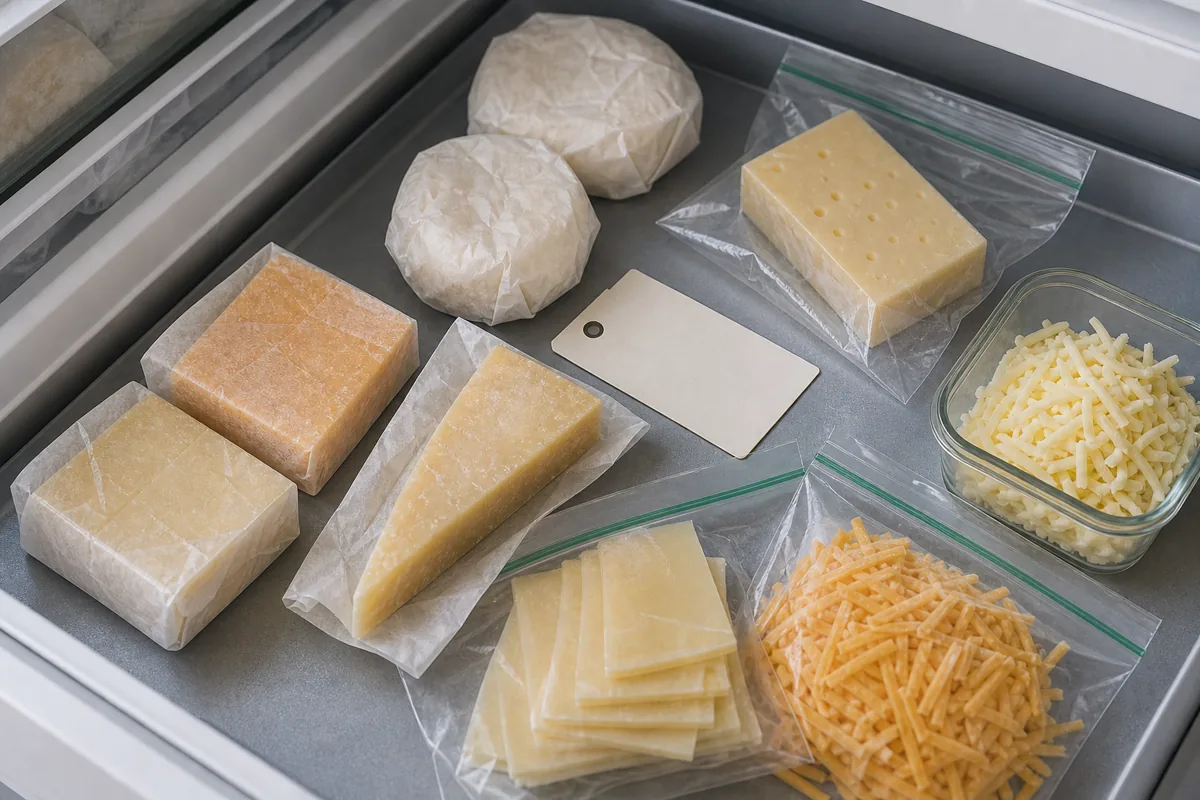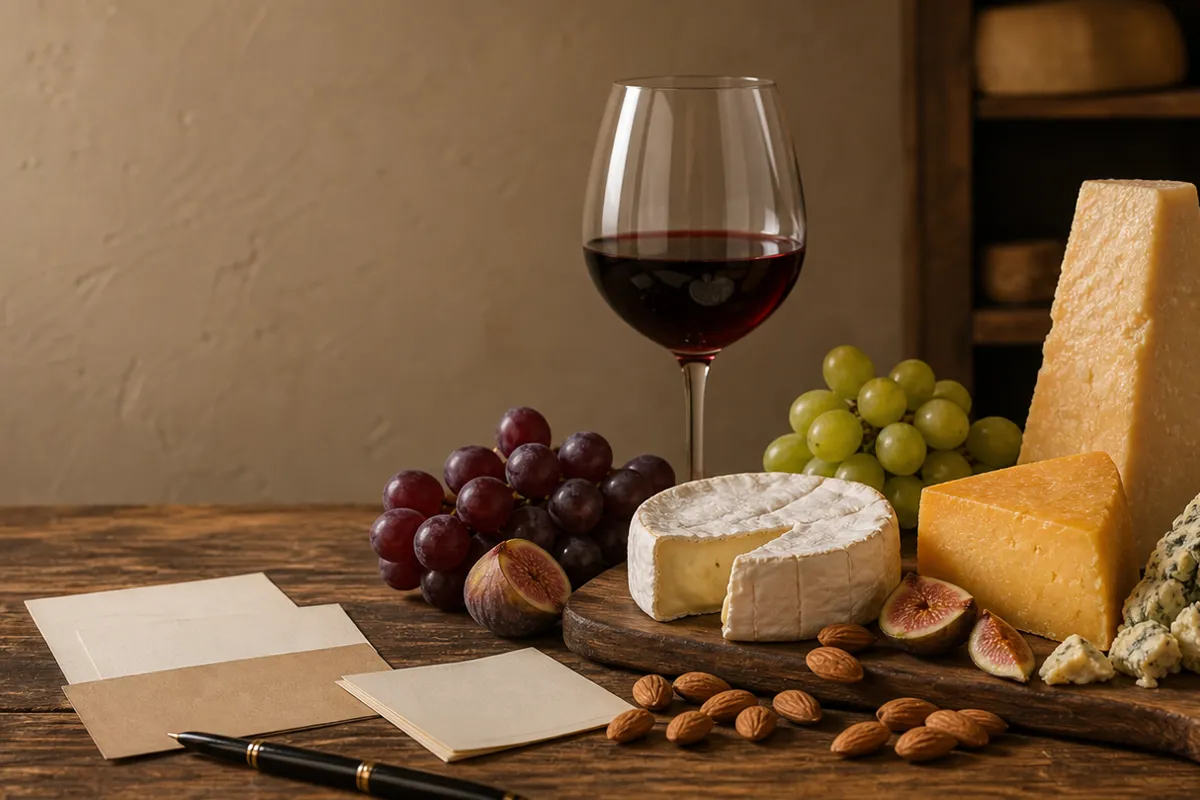
A ripe Brie, a sharp cheddar and a salty blue need separate consideration. Rather than buying a bottle for an entire mixed board immediately, decide which cheese you most want to enjoy with the wine.
In This Article
Should You Start with the Cheese or the Bottle?
If you are buying wine for cheese, note the cheese's name, maturity and any added flavour such as smoke or truffle. Those details help you find a more relevant suggestion than a chart that groups every soft cheese together.
If you already have the wine, look for a pairing suggested for that bottle or producer. The grape name alone leaves out differences between wines, so keep the bottle's full name when asking a shop for advice.
For example, Beringer recommends its 2023 Private Reserve Chardonnay with triple-cream Brie. That gives you a specific combination to consider without turning all Chardonnay and all Brie into interchangeable products.
You can also begin with a cheese you already enjoy. A familiar Brie makes it easier to decide whether adding the wine improves the combination for you.
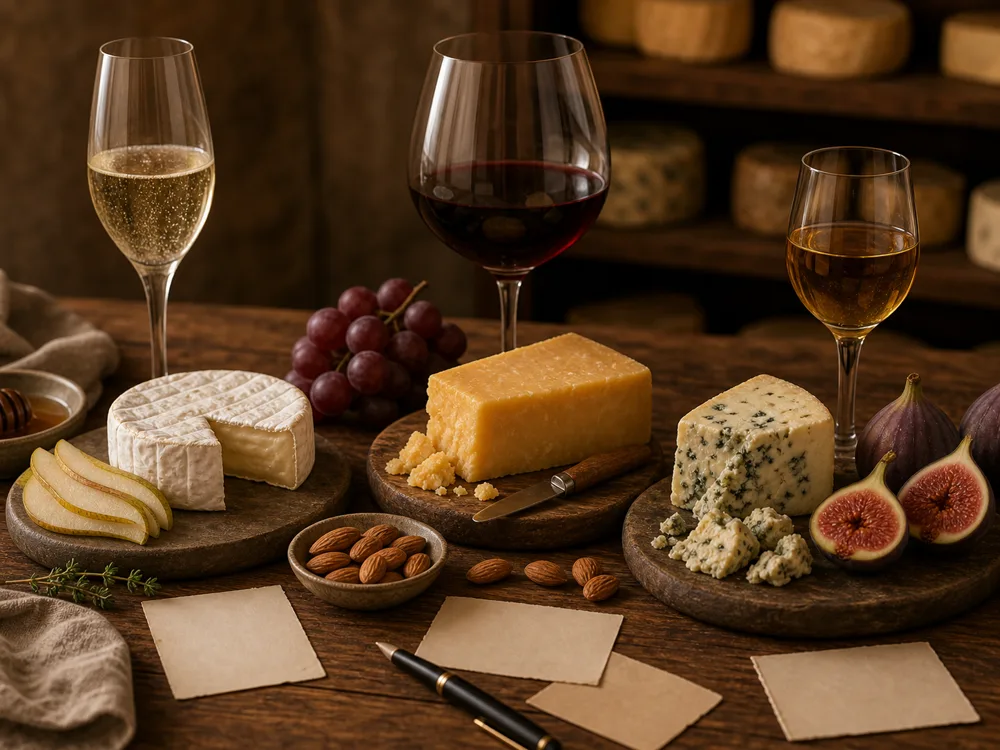
Which Producer Pairings Should You Try First?
These examples come from the producers named below. They are starting points for shopping and tasting, not results from a KnowTheCheese trial or a guarantee that a substitute bottle will taste the same.
| Cheese | Wine suggestion | Who recommends it |
|---|---|---|
| Triple-cream Brie | 2023 Private Reserve Chardonnay | Beringer |
| Aged Gouda or sharp cheddar | 2022 Knights Valley Cabernet Sauvignon | Beringer |
| Quicke's Mature Cheddar | Sharpham Pinot Noir | Quicke's, in its Sharpham pairings |
| Stilton | Vintage Port | Taylor's |
The two cheddar suggestions also show why there is no single required red wine for the category. For more choices based on the cheese's age and flavour, see wine pairings for cheddar.
When a listed vintage is unavailable, ask the retailer about the current bottle before treating it as an exact replacement. Likewise, replacing a mature cheddar with a smoked one changes what you are trying, even if both labels say cheddar.
Beringer's page includes a third pairing: its 2021 Private Reserve Cabernet Sauvignon with bold aged cheeses such as Parmigiano Reggiano. That example shows the same grape covering both an aged Gouda and cheddar suggestion and a harder, drier Italian format, which means the wine's vintage and the cheese's maturity are doing more work than the grape variety alone.
Taylor's page names five cheeses alongside Vintage Port: Stilton, Cashel Blue, Roquefort, Gorgonzola, and Saint Agur Blue.
A creamier blue such as Gorgonzola Dolce will sit differently against the port than a firmer, more pungent Stilton.
The Quicke's and Sharpham page lists four pairings in total, also matching Sharpham Elderflower Sparkling with goat's milk cheese and Sharpham Sparkling Blanc with Quicke's Devonshire Red Clothbound.
How Do You Taste and Adjust a Wine-Cheese Pairing?
Try a small sip of wine on its own, then a bite of cheese and another sip. Compare what you notice rather than trying to confirm a rule: can you still taste both, and do you enjoy the finish?
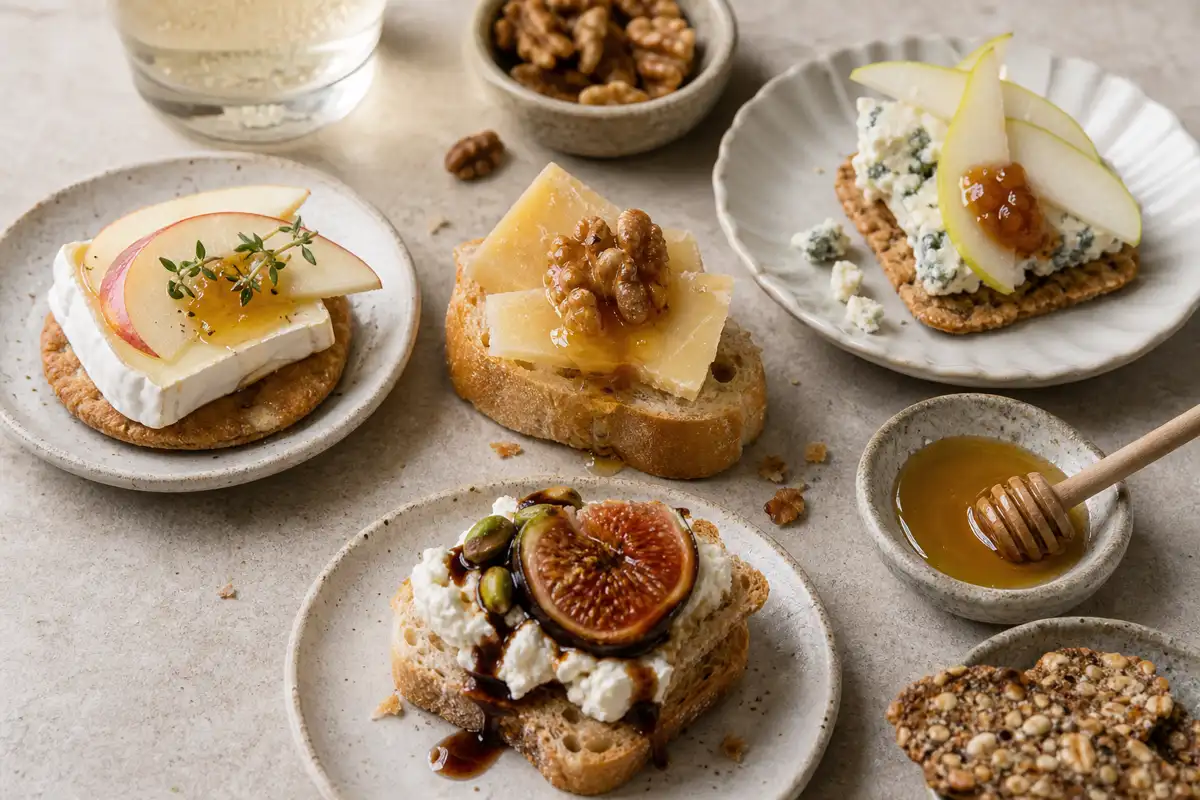
Keep the first comparison simple, with plain bread or a cracker if you want a base. Add chutney, honey or fruit afterwards so you can tell whether it is the cheese, the accompaniment or their combination that changes your impression.
- One flavour disappears: try a smaller bite of the stronger-tasting item or compare the wine with another cheese on the board.
- The finish is unpleasantly bitter or drying: try another bottle or cheese rather than persisting because a chart calls the pairing correct.
- A garnish dominates: taste without it before replacing the wine. A large spoonful of sweet chutney creates a different comparison from plain cheese.
- You prefer each on its own: serve them separately. A pairing does not have to improve both for you to enjoy either one.
Make a brief note of the actual cheese and bottle if you find a combination you like. That is more useful for buying it again than remembering only that the wine was red or the cheese was aged.
How Should You Serve a Mixed Board Safely?
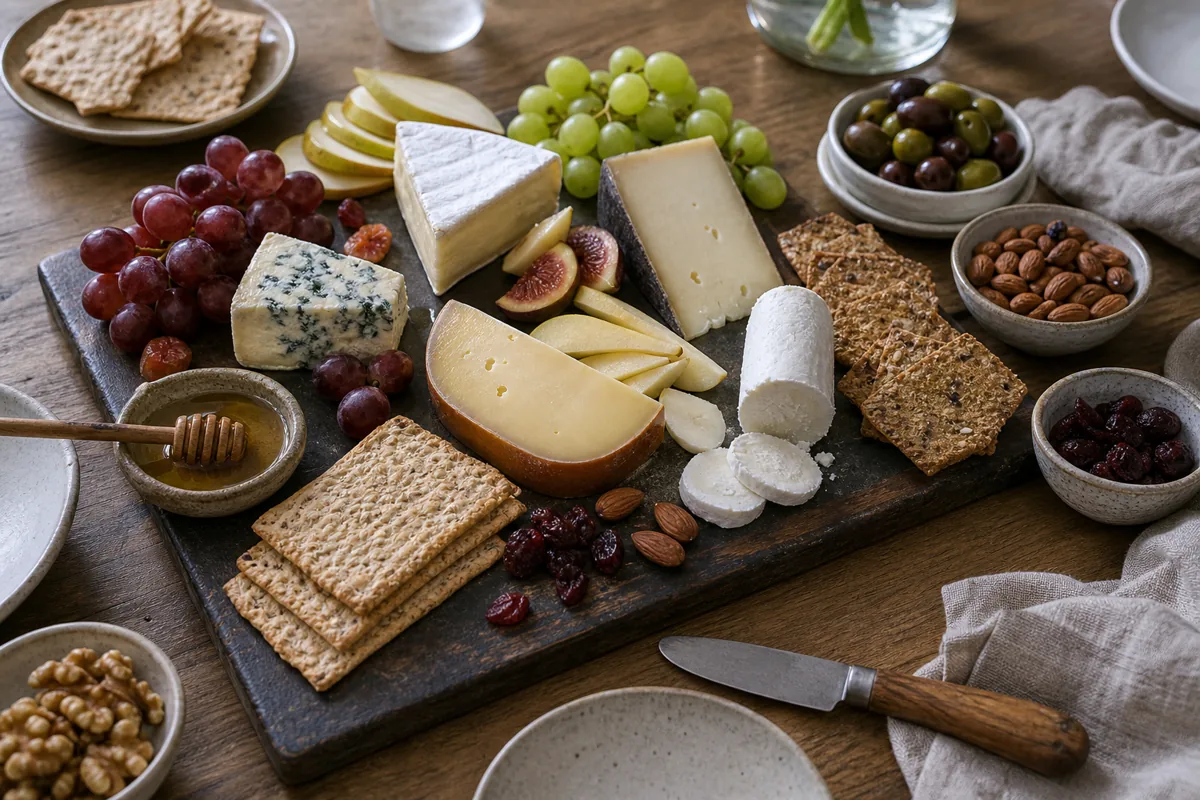
For several cheeses, let people choose which combination they enjoy instead of assigning one compulsory wine to every piece. Water and a non-alcoholic drink can sit alongside the wine, and a cheese board can still offer variety without a separate bottle for each cheese.
Beringer's guide suggests about 2 oz of cheese per person as an appetiser, or 3 to 4 oz if the board is the main event.
Follow the bottle's serving advice and the cheese label's storage instructions. Put out small portions of perishable cheese and keep replacements refrigerated until needed, rather than leaving the whole supply out during a long gathering.
Beringer also recommends using a separate knife for each cheese and setting the board out about 30 minutes before guests arrive. A cheese still cold from the fridge has a firmer texture and releases less aroma than one brought to room temperature first.
FDA buffet guidance limits unrefrigerated perishable food to two hours, or one hour above 90 F (32 C). Count preparation and serving time together, keep cold food at 40 F (4 C) or below, and discard food that exceeds those limits.
The FDA also recommends replacing nearly empty serving dishes with freshly filled ones rather than continuously topping them up.
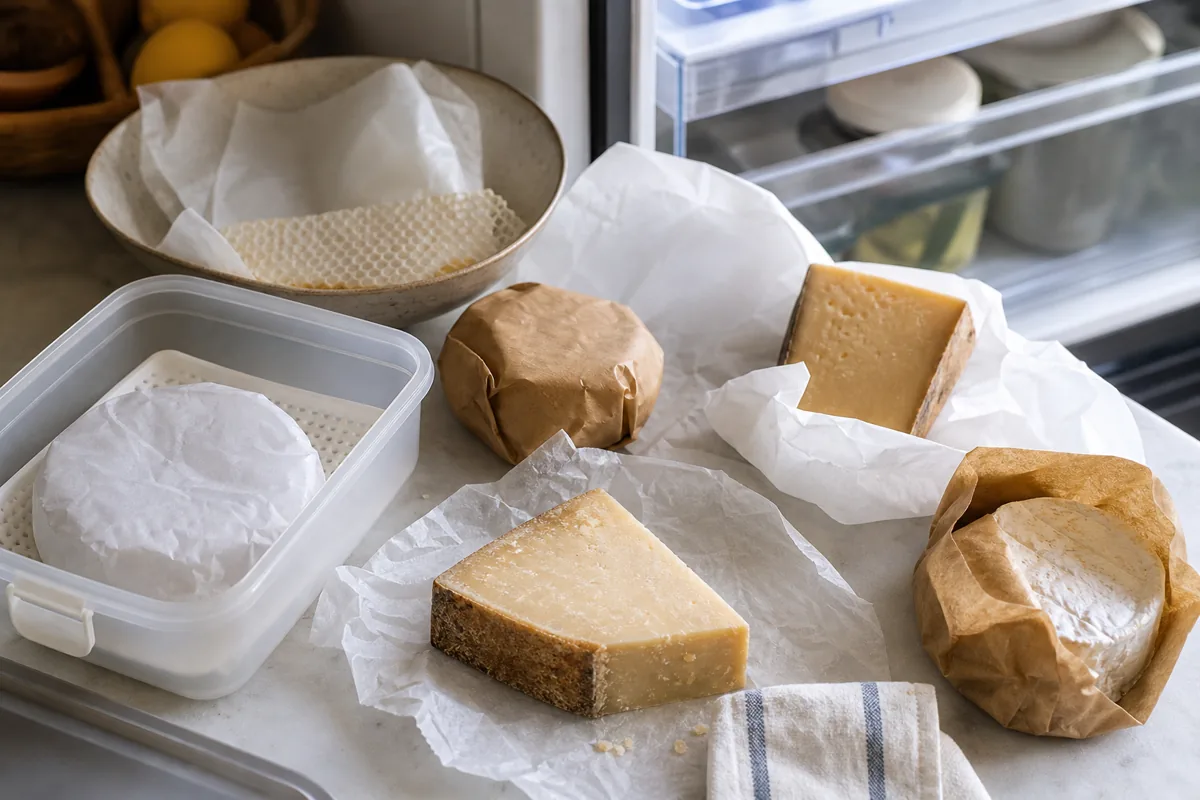
Bring replenishments out on a fresh platter instead of adding them to food already on the table. Refrigerate safely handled leftovers promptly, with wrapping suited to the cheese.