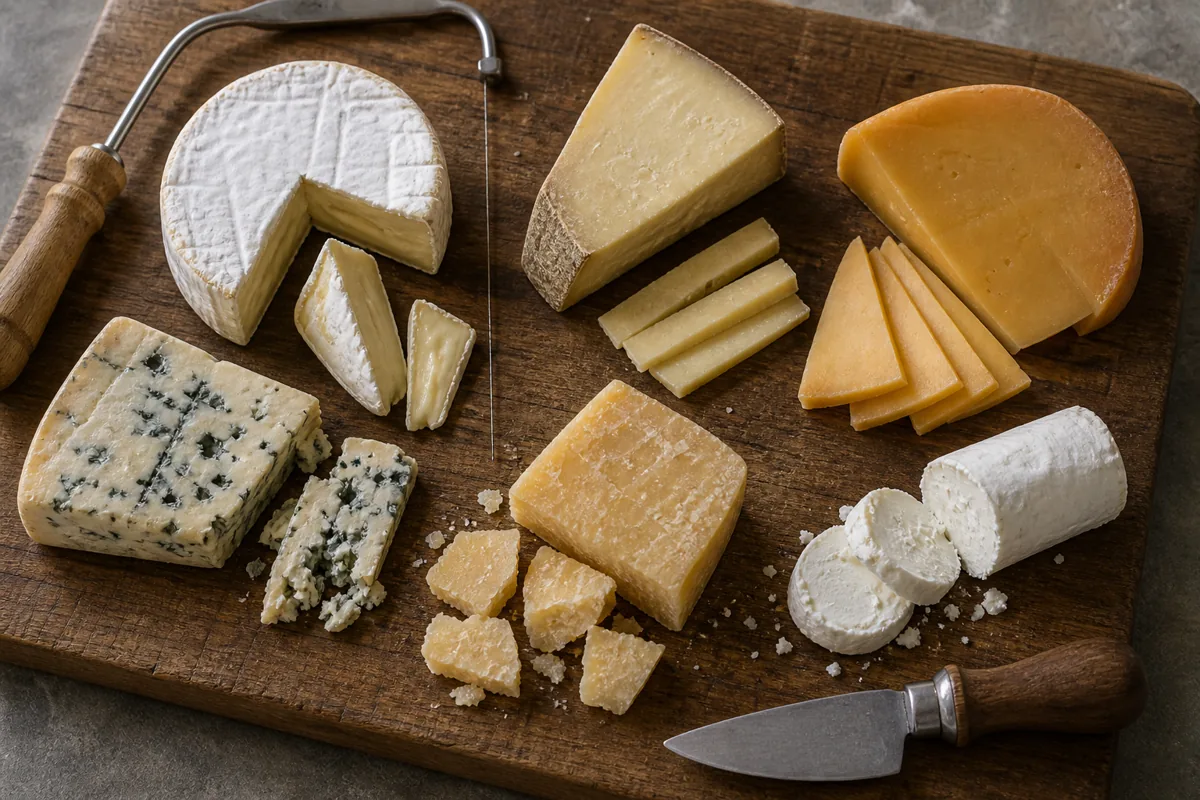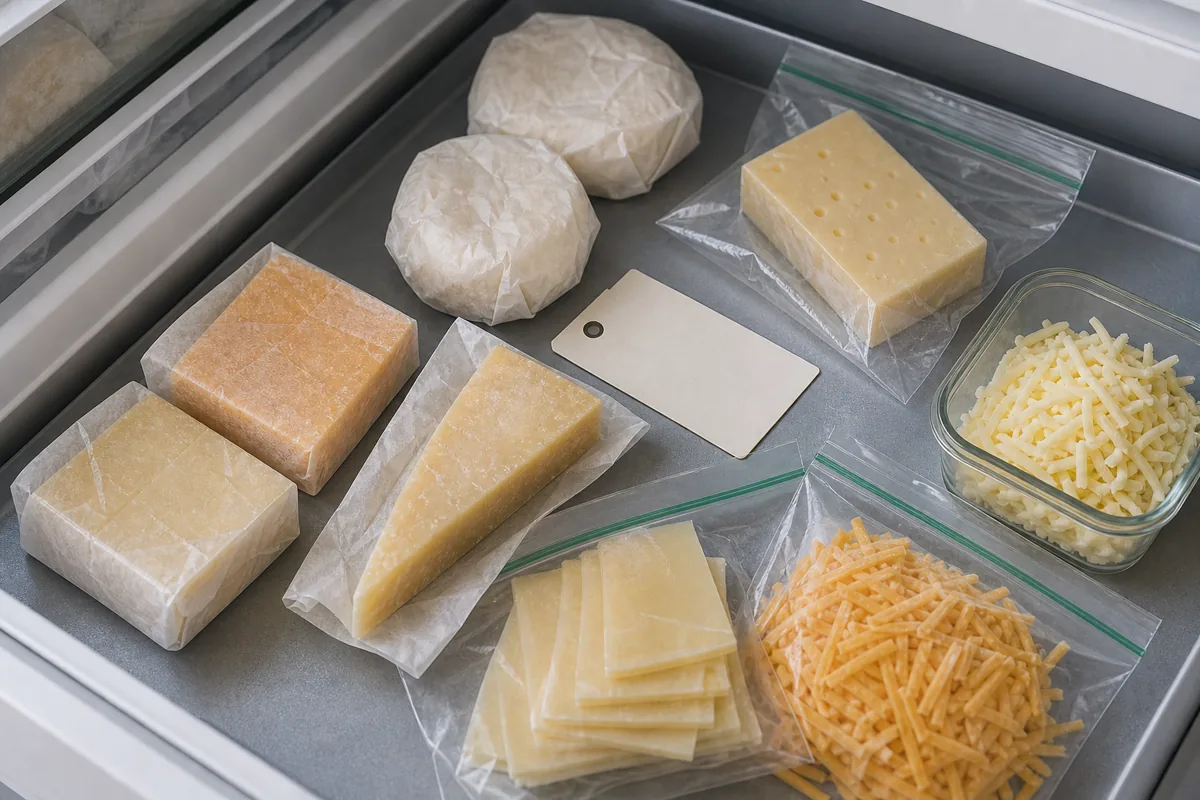
Freezing is most useful when you have more cheese than you can use soon and can accept a change in texture. It cannot make spoiled or mishandled food safe again.
In This Article
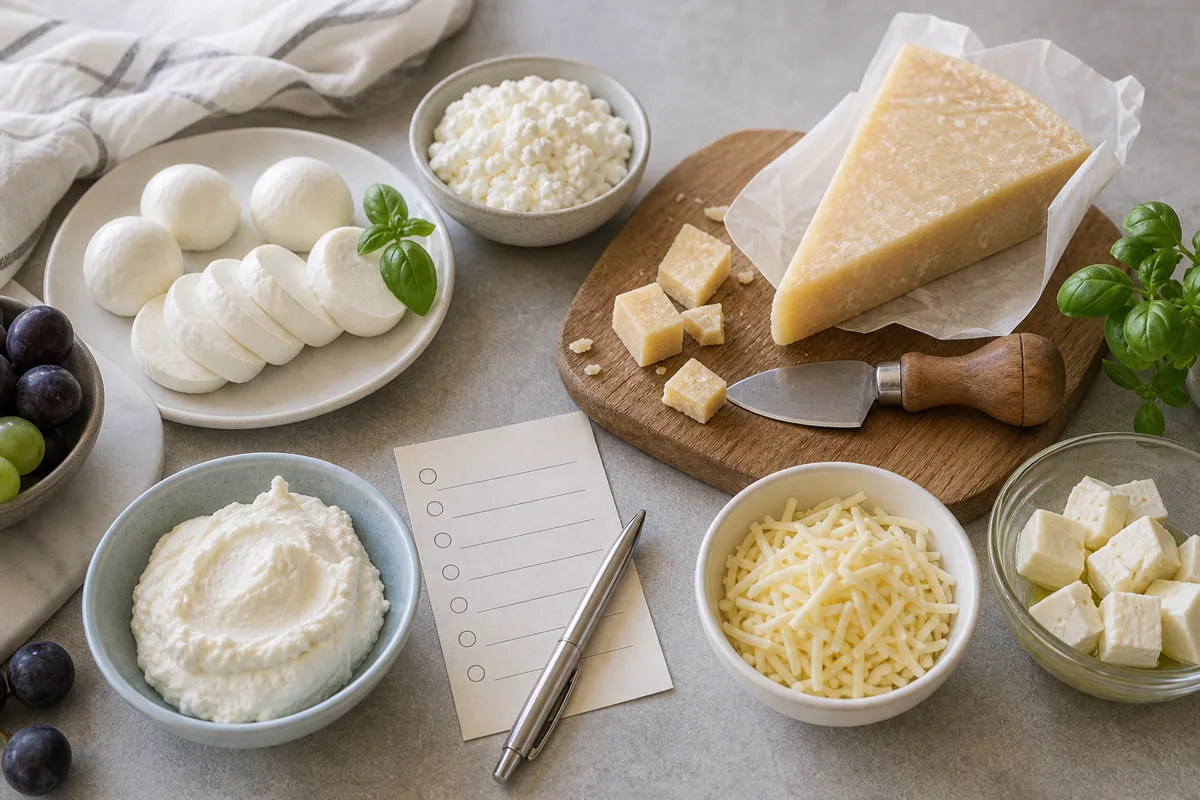
Which Cheeses Are Worth Freezing?
The National Center for Home Food Preservation says hard and semi-hard cheese can be frozen, although it can become crumbly or mealy.
Its guidance identifies cheddar and Swiss as examples, with flavour retained despite the texture change.
That makes a leftover firm block a reasonable candidate for grating or cooking later. If you need neat, flexible slices for sandwiches, freeze a small portion first rather than committing the entire block.
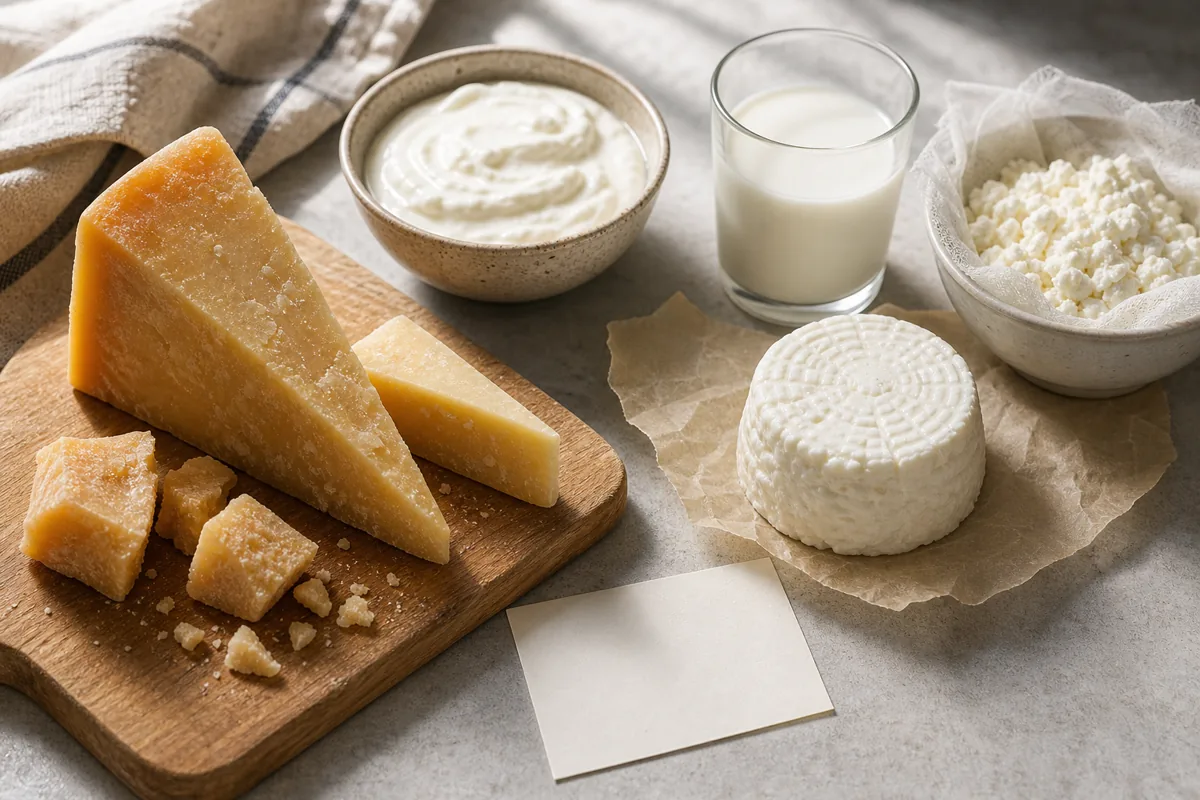
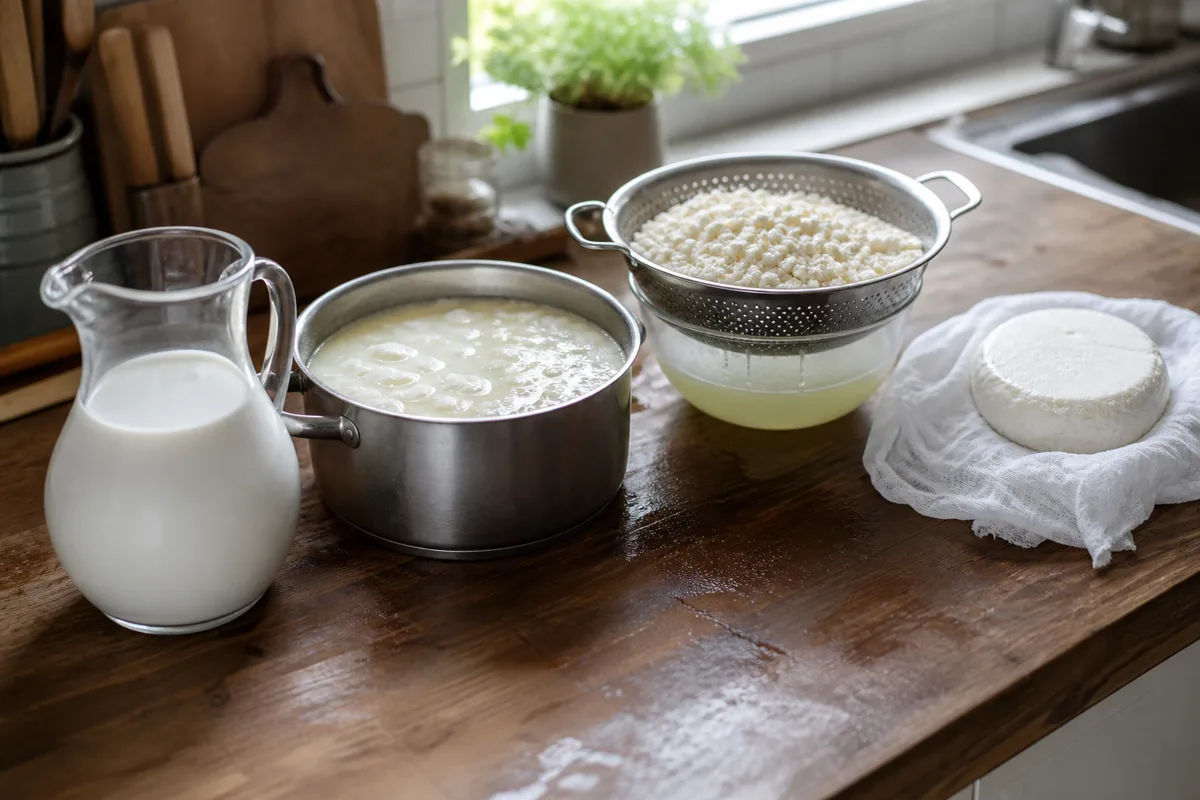
Cream cheese, cottage cheese and ricotta do not freeze well, according to the same guidance.
Do not assume that putting a thawed tub into a cheesecake or smooth sauce will hide any separation or graininess.
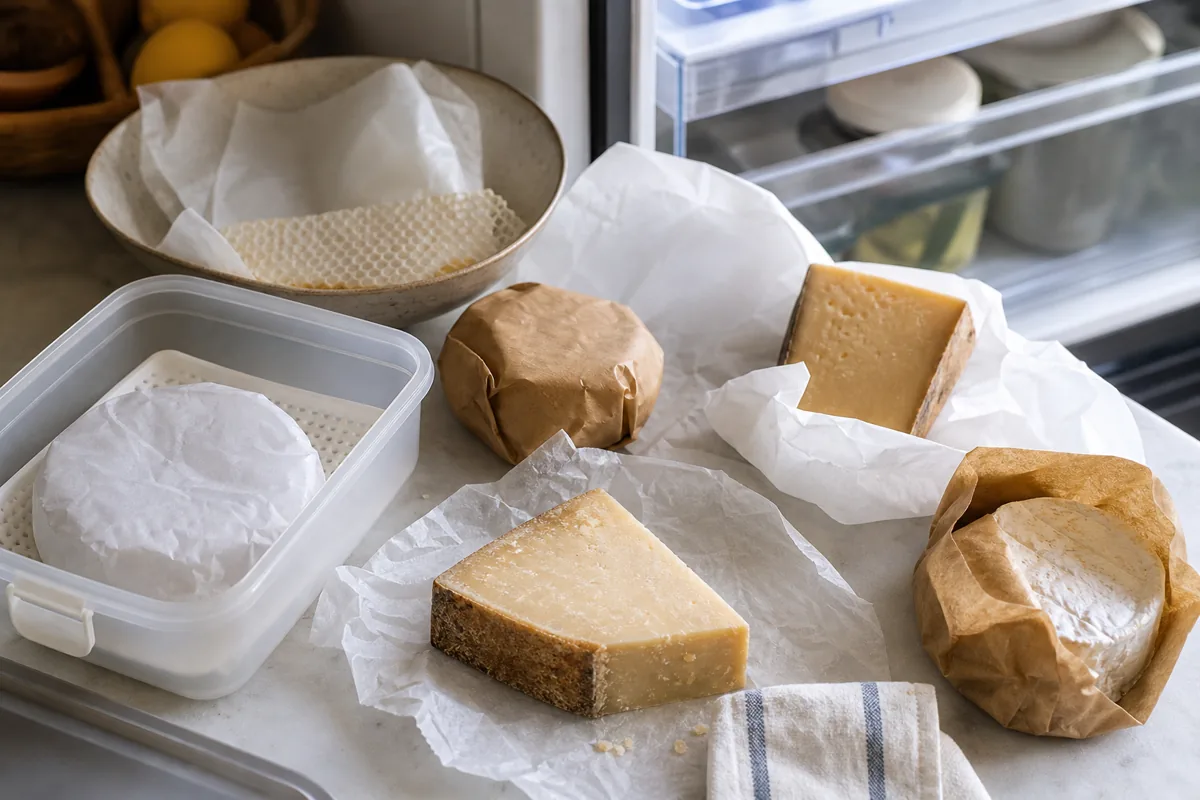
The guidance also lists a freezer storage period for soft cheese such as Brie, so soft cheese is not categorically forbidden from the freezer. The question is whether a changed texture is acceptable for the way you intend to serve it.
For a cheese whose main appeal is its fresh, smooth texture, buying a smaller amount or using it sooner may be more useful. Follow a maker's specific freezing instructions when available, especially for fresh cheese sold in liquid.
How Should You Portion and Pack Cheese?
Decide how much you are likely to use in one meal before packing. Separate portions save you from thawing a large block just to take a few slices.
- Prepare the form you need. Leave cheese in small blocks or grate it before freezing if you expect to use it grated. Separate slices with suitable food wrapping if you want to take them out individually.
- Choose freezer packaging. Use moisture-vapour-resistant freezer bags, wrapping or containers. Ordinary paper alone is not enough protection for long storage.
- Close the package carefully. Wrap blocks closely and remove excess air from bags before sealing. Leave enough space in a rigid container to close its lid securely.
- Label each portion. Write the cheese name and freezing date, and keep any relevant product instructions. A note such as grated cheddar for a topping can help you use the portion you intended.
- Freeze promptly. Keep the freezer at 0°F (-18°C) or below and use an appliance thermometer to check it.
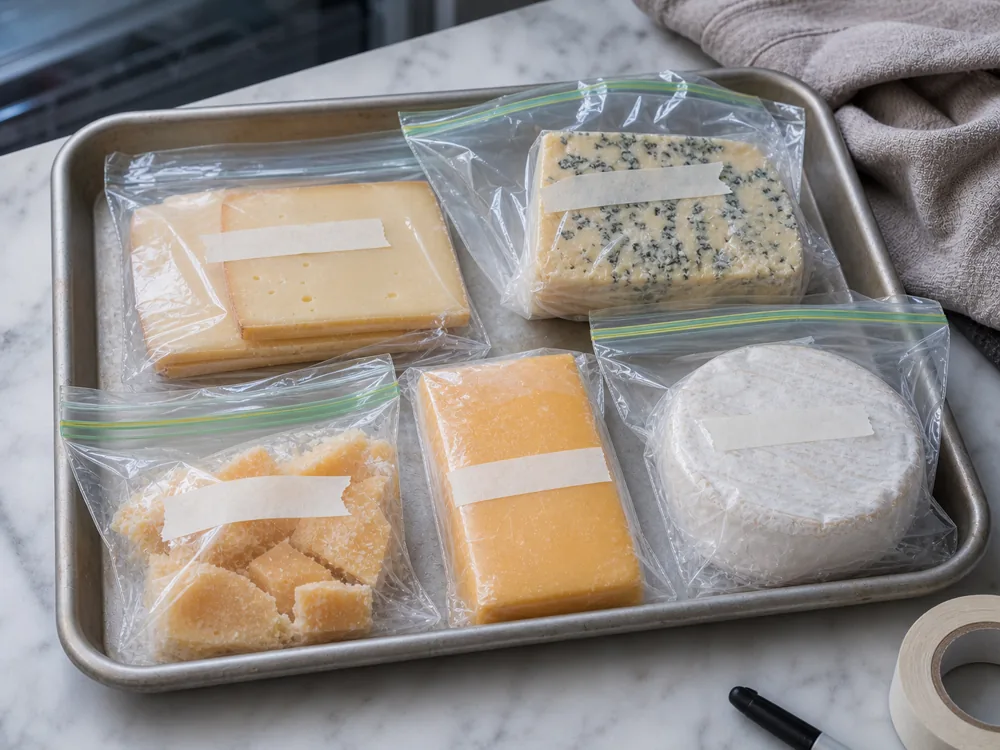
The National Center for Home Food Preservation warns that cardboard cartons used for products such as cottage cheese are not sufficiently moisture-vapour-resistant for long freezer storage unless lined with suitable freezer material. A container being convenient does not make it freezer packaging.
How Long Can Cheese Stay Frozen?
NCHFP lists six months for both hard cheese such as cheddar or Swiss and soft cheese such as Brie.
USDA distinguishes quality from safety: food that was safe when frozen and stays continuously at 0°F or below can remain safe indefinitely. Freezing does not reliably kill harmful microbes, which can become active again after thawing.
The freezing date helps you rotate portions, but it does not erase how the cheese was handled beforehand.
If you are unsure whether it was kept safely, freezing it is not a way to settle that uncertainty.
How Should You Thaw Frozen Cheese?
Move the wrapped portion to a tray in a refrigerator at 40°F (4°C) or below. Allow time for it to thaw there rather than leaving it on the counter.
The time depends on the size and form of the portion: a thick block needs longer than a flat bag of grated cheese, so move a block to the fridge earlier and check that it has thawed through before you slice it.
Take out only what you expect to use and follow any product-specific after-thaw instructions.
A crumblier firm cheese may still be useful as a topping or in a cooked dish. It does not follow that every frozen cheese will make a smooth sauce, so choose the recipe with the changed texture in mind.
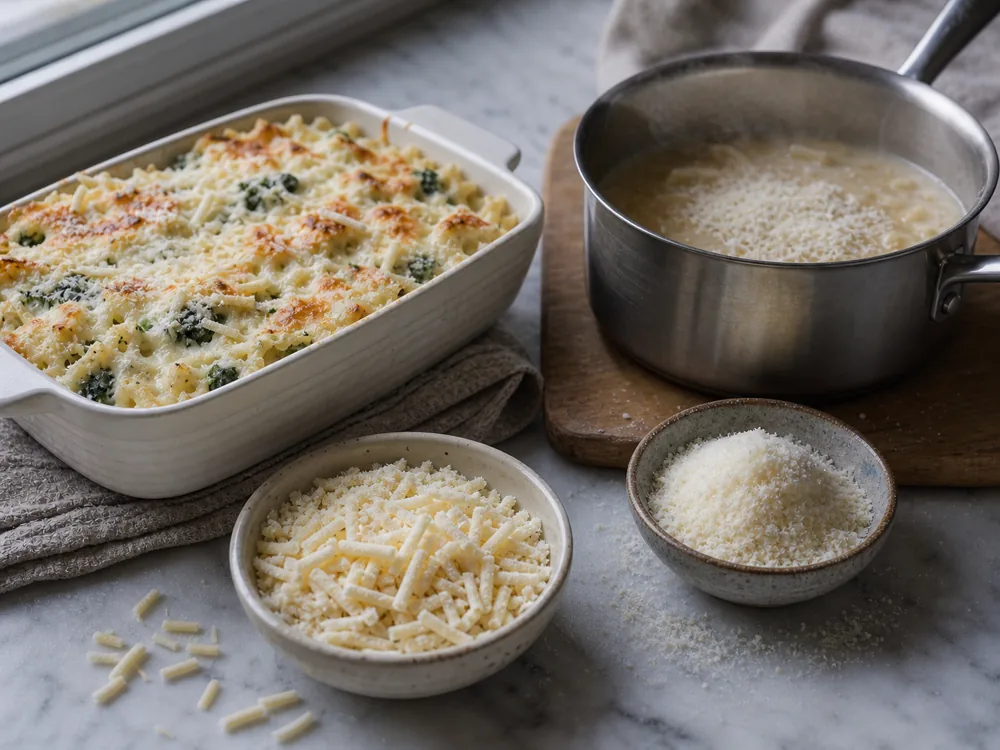
If a recipe calls for adding frozen shreds directly, follow that recipe's cooking instructions. Melting cheese is not by itself proof that the whole dish has reached a safe temperature.
For refrigeration and signs of spoilage, see storing cheese after opening. Keep quality changes such as crumbliness separate from questions about safe handling.
Can You Refreeze Thawed Cheese?
USDA says food thawed safely in the refrigerator can be refrozen without cooking, although quality may decline. Repeated freezing is therefore a texture concern, not an automatic safety prohibition.
That permission does not apply to food that has been left out too long. FDA's household guidance limits perishable food at room temperature to two hours, or one hour when the temperature is above 90°F (32°C).
Small packages remain the easier choice because you can leave the unused portions frozen. They reduce handling and make it less likely that you will need to decide what to do with a partly used thawed block.