Mozzarella is the fresh cheese most shoppers recognize first because it appears in pizza, caprese, baked pasta, sandwiches, and snack formats. It belongs to the Italian stretched-curd family, where heat and pulling shape the final texture.
The important split is not just buffalo milk versus cow's milk. Fresh brined mozzarella and low-moisture cooking mozzarella behave like different kitchen tools, even though both come from the same pasta filata idea.
- Pick fresh mozzarella for cold serving, caprese, and short eating windows.
- Pick low-moisture mozzarella for pizza, baked pasta, and reliable stretch.
- Pick smoked or semi-aged forms when you want more flavor and less water.
In This Article
What Is Mozzarella?
The name of the family says what happens to the curd. This is a pasta filata cheese.
The curd is heated in hot water, then stretched and kneaded by hand or machine until smooth and elastic.
The name comes from the Neapolitan verb mozzare, meaning "to cut off." It describes how cheesemakers pinch each ball from the stretched mass.
The cheese originates in the Campania region of southern Italy. Water buffalo have grazed its coastal plains since at least the 12th century.
True buffalo milk mozzarella carries the DOP (Denominazione di Origine Protetta) designation, granted by the European Union in 1996. Production must occur within a zone covering parts of Campania, Lazio, Apulia, and Molise.
Outside Italy, almost all mozzarella is made as cow's milk mozzarella, called fior di latte in Italian. It follows the same pasta filata method but yields a milder, less fatty result.
Mozzarella di Bufala Campana is a short-window cheese, so freshness is part of its identity rather than a marketing extra. The DOP specification treats packaging liquid, storage temperature, and sale timing as part of the product, not as afterthoughts.
That urgency is what makes genuine bufala different from aged protected cheeses from Italy's rich dairy tradition. Parmigiano Reggiano gains value from long aging.
Mozzarella loses its best texture when it sits too long.
What Is the Difference Between Buffalo and Cow's Milk Mozzarella?
Fresh buffalo mozzarella has a milky, lightly tangy flavor with a faint animal richness. Buffalo milk carries roughly twice the fat of cow's milk.
That extra fat explains the porcelain-white color and the buttery depth you taste even without dressing. Cow's milk mozzarella (fior di latte) is milder and cleaner, which is why pizza chefs prefer it for predictable melt behavior.
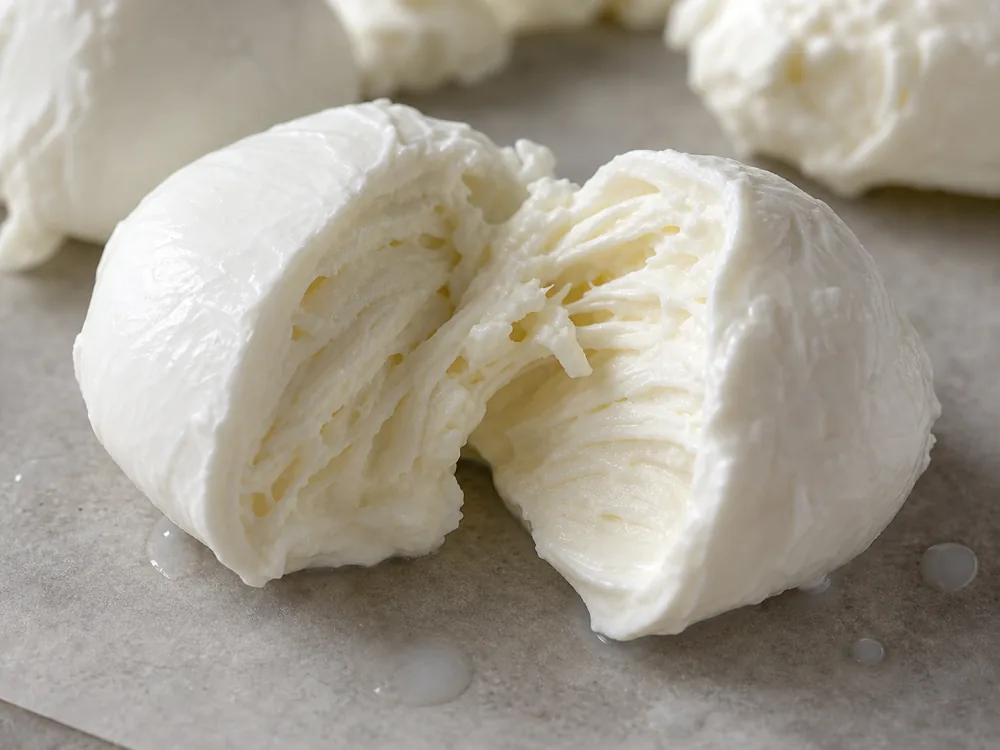
This describes fresh cow's milk mozzarella. Buffalo varieties taste noticeably richer and a little more sour.
The difference comes from higher fat content and the natural lactic cultures present in bufala production.
Texture varies sharply by form. Fresh mozzarella tears in clean fibrous layers when pulled apart.
Low-moisture mozzarella is denser and firmer when cold, but melts into the long ropey pull that defines American-style pizza. Overheating it past 130 degrees F (54 degrees C) breaks the protein structure and produces greasy pools rather than smooth melt.
- Fresh mozzarella: soft, wet, tears in layers, mild tang, best eaten cold or barely warmed
- Fior di latte: milder than bufala, slightly firmer, good all-purpose fresh or cooked
- Low-moisture mozzarella: firm when cold, excellent melt and stretch, holds up under high heat
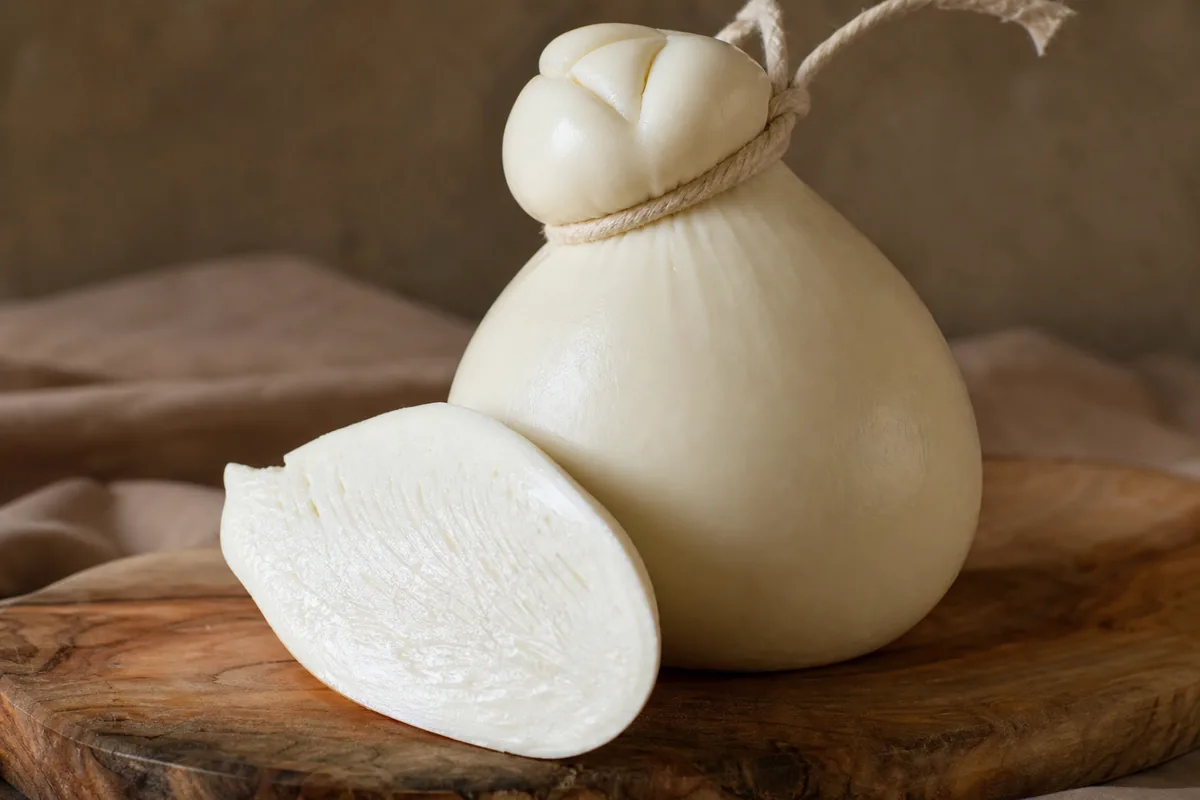
- Smoked mozzarella (scamorza affumicata): firmer body, golden rind, woodsmoke flavor that adds depth to baked pasta and grilled dishes
For high-heat stretch, low-moisture block mozzarella outperforms fresh in every practical test.
Fresh mozzarella releases excess water under oven heat and can make crusts soggy if not drained first.
Should You Buy Fresh or Low-Moisture Mozzarella?
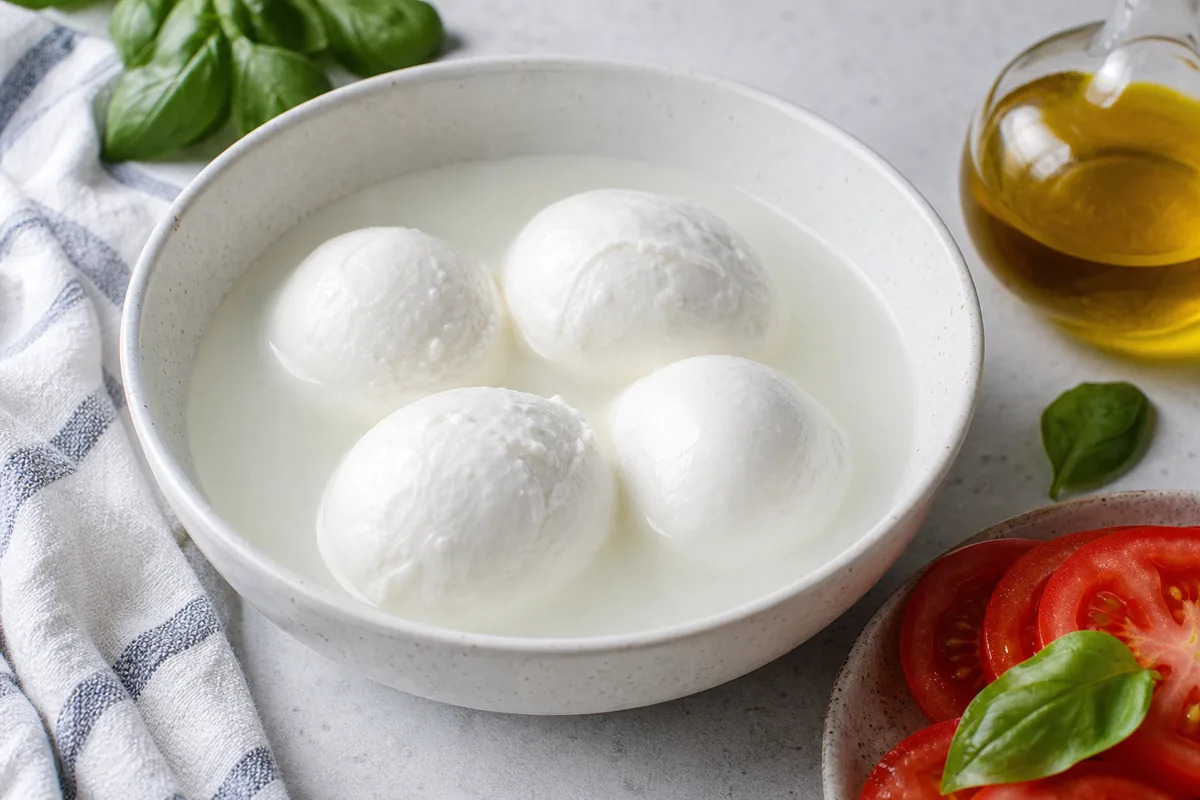
The biggest mozzarella mistake is treating fresh and low-moisture forms as interchangeable. Fresh mozzarella is a brined table cheese with high water and a short eating window.
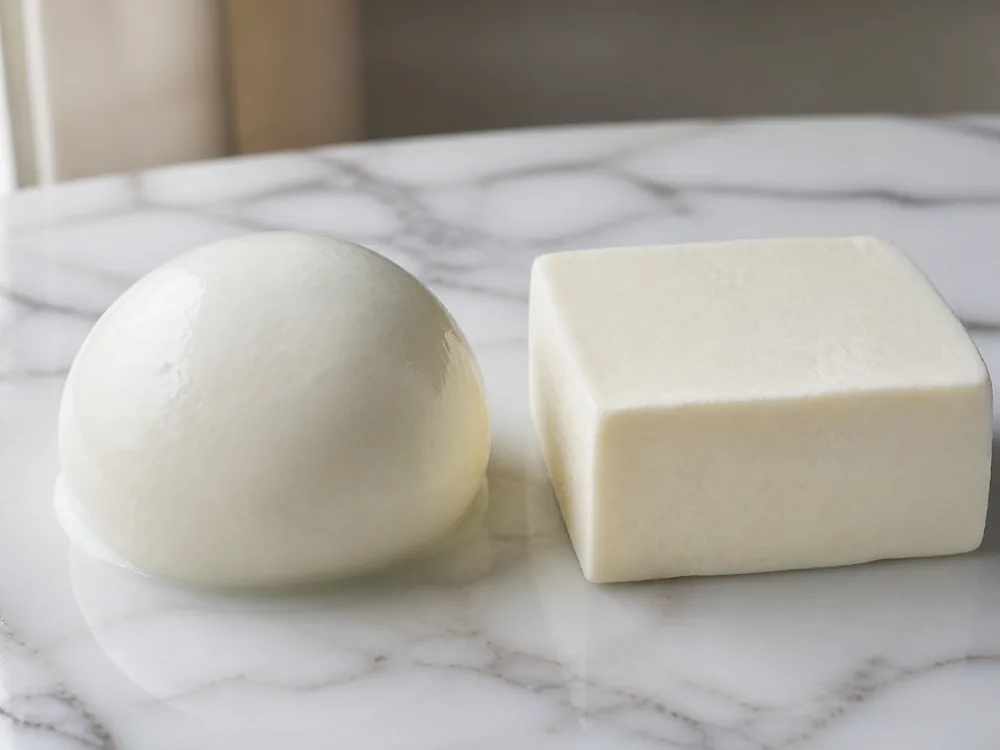
Low-moisture mozzarella is a cooking cheese designed to melt, stretch, brown, and survive longer storage.
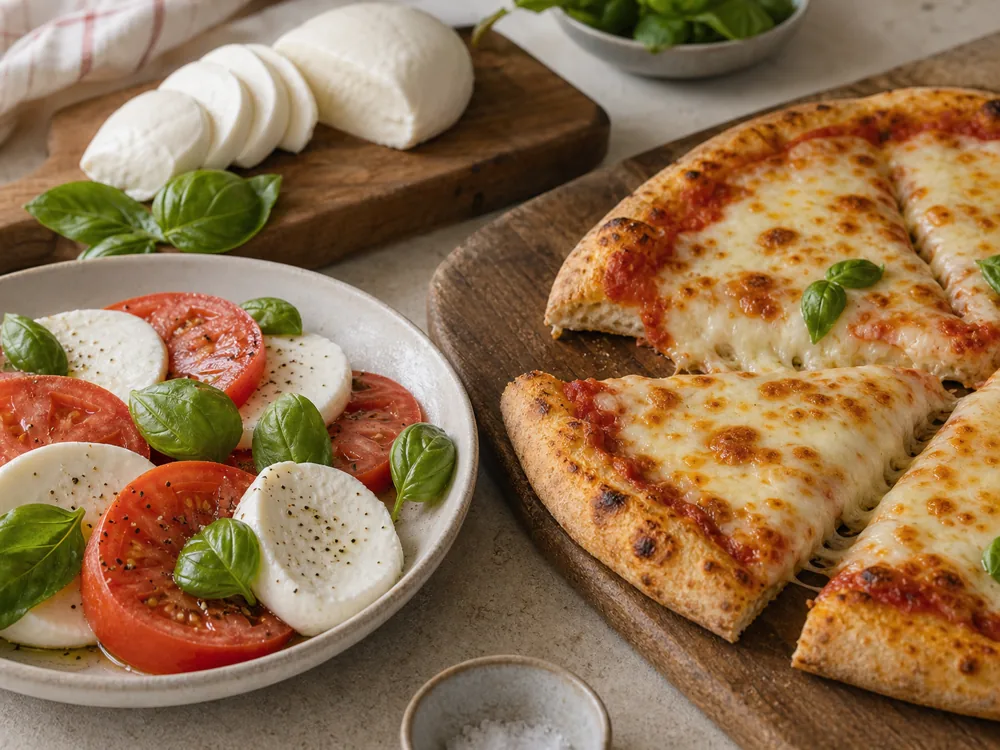
If you are making caprese, choose fresh mozzarella because the brine, soft curd, and mild tang are the point. If you are making pizza, choose low-moisture mozzarella because less water means a crisper crust and a cleaner cheese pull.
| Form | Best job | Main risk | Buying cue |
|---|---|---|---|
| Fresh in brine | Caprese, antipasto, room-temperature serving | Watery pizza and short fridge life | Clean brine, soft weight, pasteurized label when needed |
| Low-moisture block | Pizza, baked pasta, hot sandwiches | Dry flavor if part-skim or overheated | Whole-milk block, not pre-shredded when melt matters |
| Pre-shredded | Convenience pizza and quick weeknight bakes | Starch coating dulls melt and browning | Use when speed matters more than texture |
The form also changes how you judge freshness. Fresh mozzarella should smell clean and milky, feel heavy for its size, and sit in clear to lightly milky liquid.
Low-moisture mozzarella should be firm, evenly colored, and free from trapped moisture inside the package.
For a pizza night, the useful compromise is whole-milk low-moisture block mozzarella grated just before baking. It keeps enough fat for stretch and browning, but it does not flood the dough the way undrained fresh mozzarella can.
How Is Mozzarella Made?
The pasta filata process is unlike any other cheesemaking technique. Most cheese curds are pressed and aged.
Mozzarella curds are acidified first, then worked while hot.
Acidification happens through natural whey cultures or by adding citric acid. Then the curds go into water at 170-180 degrees F (76-82 degrees C) and are worked until smooth and plastic.
This hot-working step aligns the protein chains in parallel. That alignment creates the fibrous, layered structure you see when you pull fresh mozzarella apart.
Want to try the pasta filata method at home? A 30-minute mozzarella kit with citric acid and rennet costs about $10. The curd heating and stretching step takes 10 minutes and needs a thermometer. The result is not DOP-level, but it is genuinely satisfying to make.
Once formed, the balls are cut to size. Sizes range from walnut-sized bocconcini to full 500g rounds.
Each ball goes immediately into cold, salted brine to stop cooking and set the shape. Salt absorption during brining is the only seasoning the cheese receives.
Low-moisture mozzarella goes through one more step. The fresh curd is drained and worked into a firmer cheese so the finished product lands above 45% moisture but not above 52% moisture by weight under the U.S. standard.
That legal moisture range is why low-moisture mozzarella browns, stretches, and stores differently from brined fresh mozzarella. It is not just fresh mozzarella with less packaging liquid.
Which Mozzarella Should You Use for Pizza?
The right form matters as much as the cheese itself. Fresh mozzarella shines cold or at room temperature.
Low-moisture belongs anywhere heat and stretch are the goal.
| Use | How It Works |
|---|---|
| Pizza | Low-moisture block or shredded. High heat (450-550 F). Brown spots are acceptable and desirable on Neapolitan-style. |
| Caprese Salad | Fresh bufala or fior di latte, room temperature, torn not sliced. Olive oil and basil only. |
| Baked Pasta | Low-moisture in lasagna, baked ziti, stuffed shells. Holds structure through long bake times. |
| Sandwiches | Fresh mozzarella in Caprese panini. Low-moisture in hot subs and melts. |
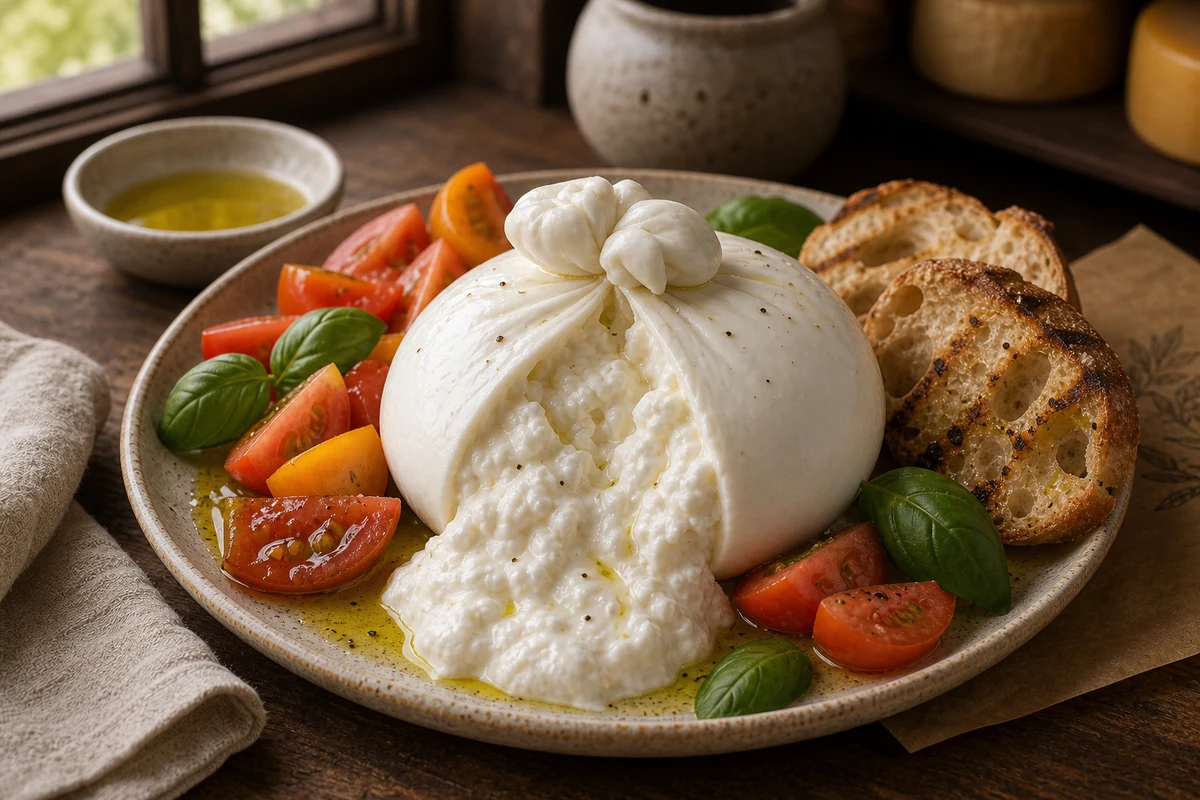
| Burrata Alternative | Fresh mozzarella is the outer shell of burrata. Its pull-apart texture makes it a workable replacement when burrata is unavailable. |
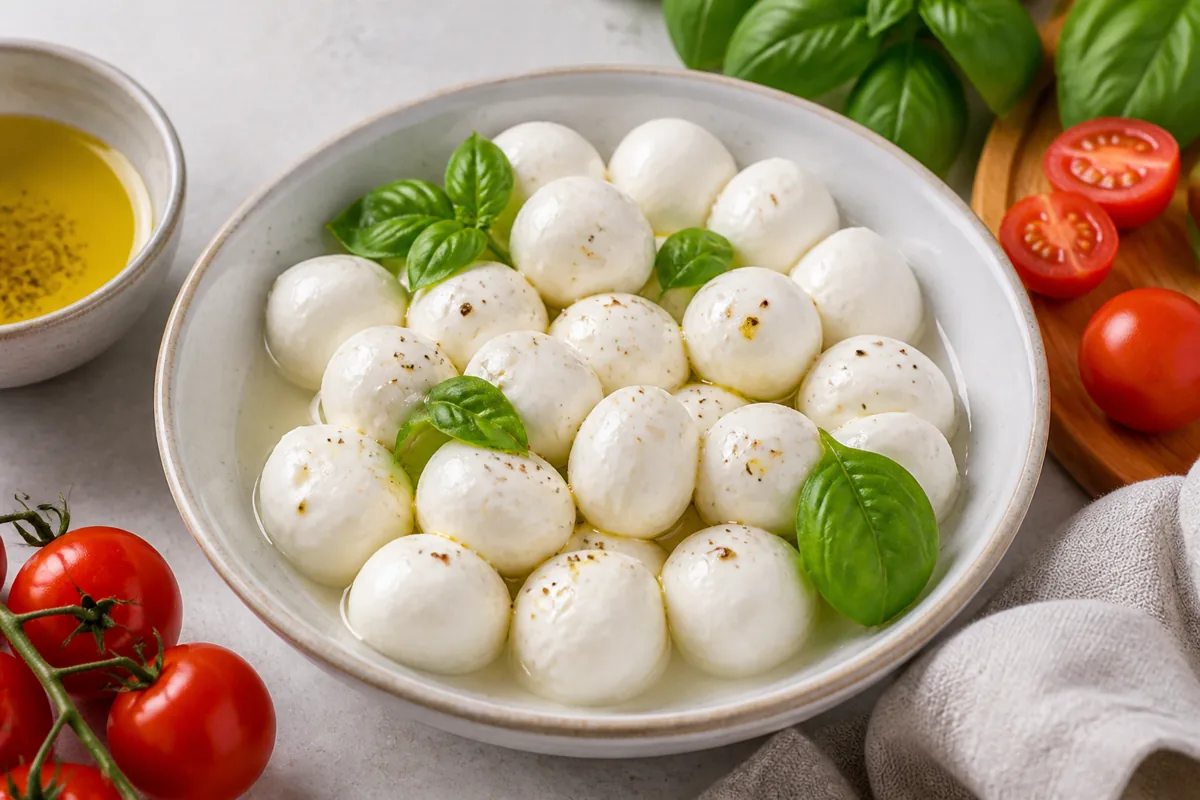
| Cheese Boards | Bocconcini or ciliegine skewered with cherry tomatoes and basil. A classic antipasto element. |
Always bring fresh mozzarella to room temperature before serving. Cold mozzarella tastes bland and rubbery.
Fifteen minutes on the counter opens up the flavor and softens the texture to the ideal tender bite.
For hot applications, pat fresh mozzarella dry with paper towels before adding it to pizza or pasta. Excess brine moisture will steam rather than melt, washing out flavor and wetting the dish.
On a home pizza, fresh mozzarella works only when you control the water. Tear it into pieces, drain it on towels, and add it late enough that the cheese warms and softens without soaking the crust.
Low-moisture mozzarella can go on earlier because it has already given up much of that water during production.
For baked pasta, the best pattern is low-moisture mozzarella inside the dish and a smaller amount on top. Cubes inside give pockets of stretch, while a grated top layer browns.
Fresh mozzarella on top can work, but it needs space between pieces so moisture can evaporate.
Low-moisture mozzarella melts and stretches well at pizza-oven temperatures. It is also one of the mildest cheeses on any board.
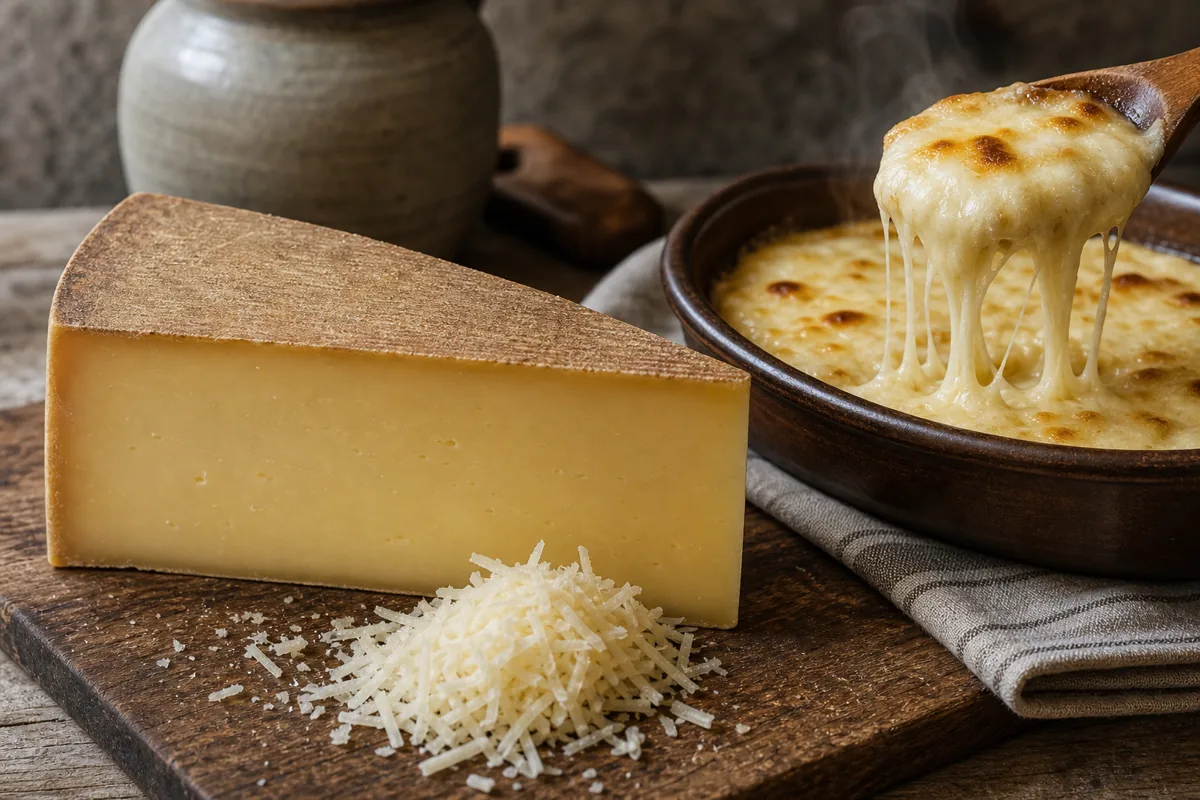
That mildness is exactly why it pairs so well with bold toppings, acidic tomatoes, and fresh herbs. If you want something sharper with similar melt, Gruyere adds nutty depth.
What Goes Well With Mozzarella?
That mild, milky base pairs best with ingredients that bring acidity, brightness, or herbal contrast. It does not compete with accompaniments.
It absorbs and reflects them. That makes pairing mozzarella more about building contrast than matching intensity.
| Pairing | Type | Why It Works |
|---|---|---|
| San Marzano Tomatoes | Food | The classic pairing. High acidity and natural sweetness cut through the fat. Use raw for caprese, cooked for pizza sauce. |
| Fresh Basil | Food | Anise and clove notes in basil complement the milky creaminess without overpowering it. |
| Extra-Virgin Olive Oil | Food | Drizzled over fresh mozzarella, it carries fat-soluble flavor compounds from the cheese. Use a grassy, peppery oil. |
| Pinot Grigio | Wine | High acidity and green apple notes cut through the fat. The lean body does not overwhelm a mild cheese. |
| Light Chianti | Wine | Sangiovese's natural acidity and cherry fruit complement the milky tang without tannin weight that would clash. |
| Prosciutto di Parma | Food | Salt and funk from the cured ham contrast directly with the clean freshness of bufala. A classic antipasto combination. |
Avoid full-bodied tannic reds with fresh mozzarella. Tannins from a Barolo or Cabernet Sauvignon strip the milky character and leave a metallic aftertaste.
Sparkling whites and dry roses are often the better match for fresh bufala than any still red. High-acid white wines work with fresh, mild cheeses because they cut dairy fat without adding tannin.
How Do You Store Mozzarella?
Storage method depends entirely on which form you have. Fresh and low-moisture mozzarella behave like two different products for refrigerator life.
Most storage guides miss one key fact: brine is acidic by design. The low pH slows bacterial growth and preserves the elastic texture.
If you make your own brine, use salted water only. Do not add vinegar or lemon juice, which makes the surface of the cheese grainy and sour within hours.
Opened fresh mozzarella is not a cheese to keep pushing for one more week. If the liquid turns thick, the surface feels slimy, or the smell shifts from milky to sour, discard it.
With a high-moisture fresh cheese, a small price saved is not worth a bad storage gamble.
Brine storage rules matter for fresh mozzarella because wrapping removes the liquid that keeps the curd tender. The principles for low-moisture mozzarella apply to most semi-firm cheeses too.
How Do You Pick the Right Mozzarella?
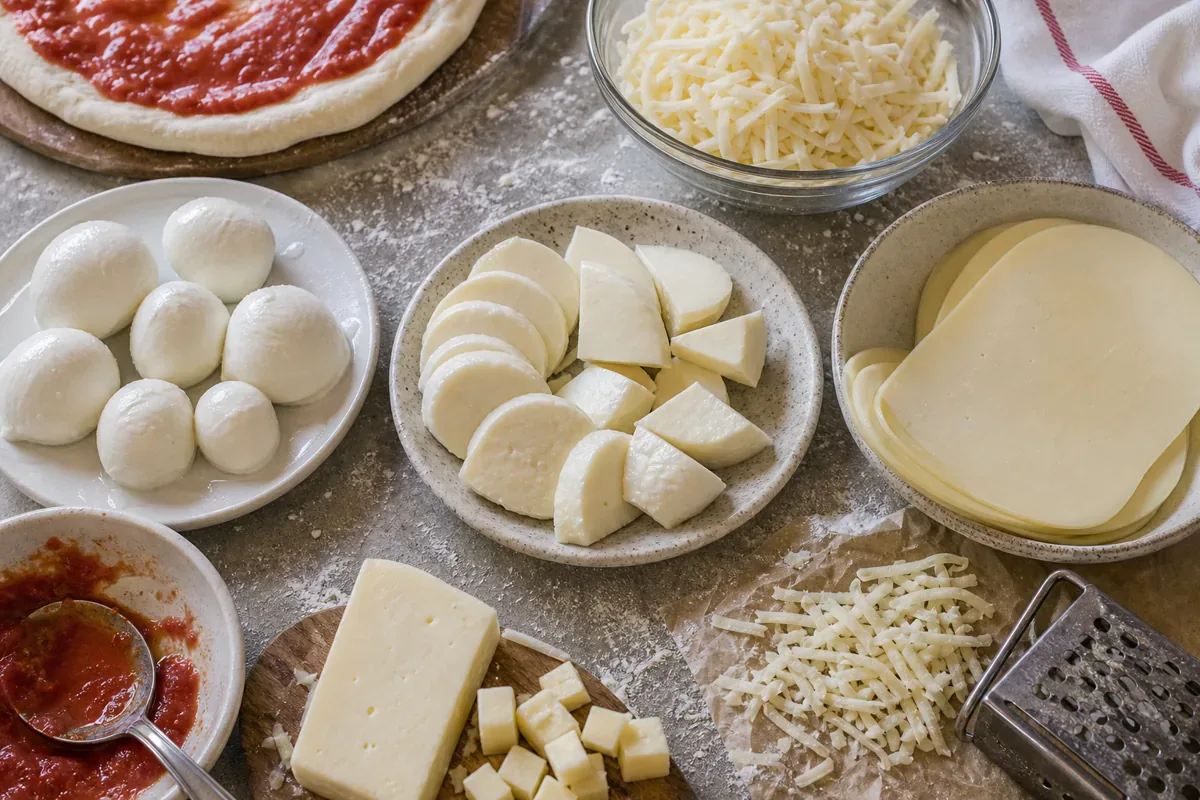
At a supermarket, mozzarella occupies at least three sections. Fresh balls sit in the deli case packed in water.
Vacuum-packed low-moisture blocks live near the deli slices. Pre-shredded bags are in the dairy aisle.
Each form has a distinct use case. Buying the wrong one is the most common mozzarella mistake.
Pizza mozzarella and branded pizza-mozzarella blocks are low-moisture mozzarella. Treat names like pizza mozzarella as melt-performance and moisture cues, not as a separate cheese from mozzarella.
Label language matters more than the picture on the bag. "Fresh mozzarella" usually signals brine or whey and a short use window.
"Low-moisture" signals a firmer cooking cheese. "Part-skim" signals lower fat, which can help calorie counts but often gives a drier melt than whole-milk mozzarella.
- For caprese: buy fresh balls in clean brine and use them quickly.
- For pizza: buy low-moisture whole-milk blocks and grate them yourself.
- For baked pasta: use low-moisture cubes or slices so the dish does not turn watery.
- For DOP bufala: check the origin mark and plan to eat it the same day.
For pizza, whole-milk low-moisture block gives the best combination of melt, browning, and stretch. Part-skim melts adequately but browns faster and can dry out before the center softens.
Specialty shops sometimes carry provola alongside fresh mozzarella. Provola is a pear-shaped semi-aged variant of the same pasta filata family.
It makes an excellent substitute in cooked dishes when you want a firmer texture and more developed flavor. Burrata and mozzarella texture separates cleanly at the cut face because burrata carries cream inside.
For DOP bufala, do not buy only from the word "buffalo." The protected product should carry the full Mozzarella di Bufala Campana name and the DOP mark.
A non-DOP buffalo mozzarella can still be good, but it does not prove the same origin, feed, milk, and production controls.
What Can You Substitute for Mozzarella?
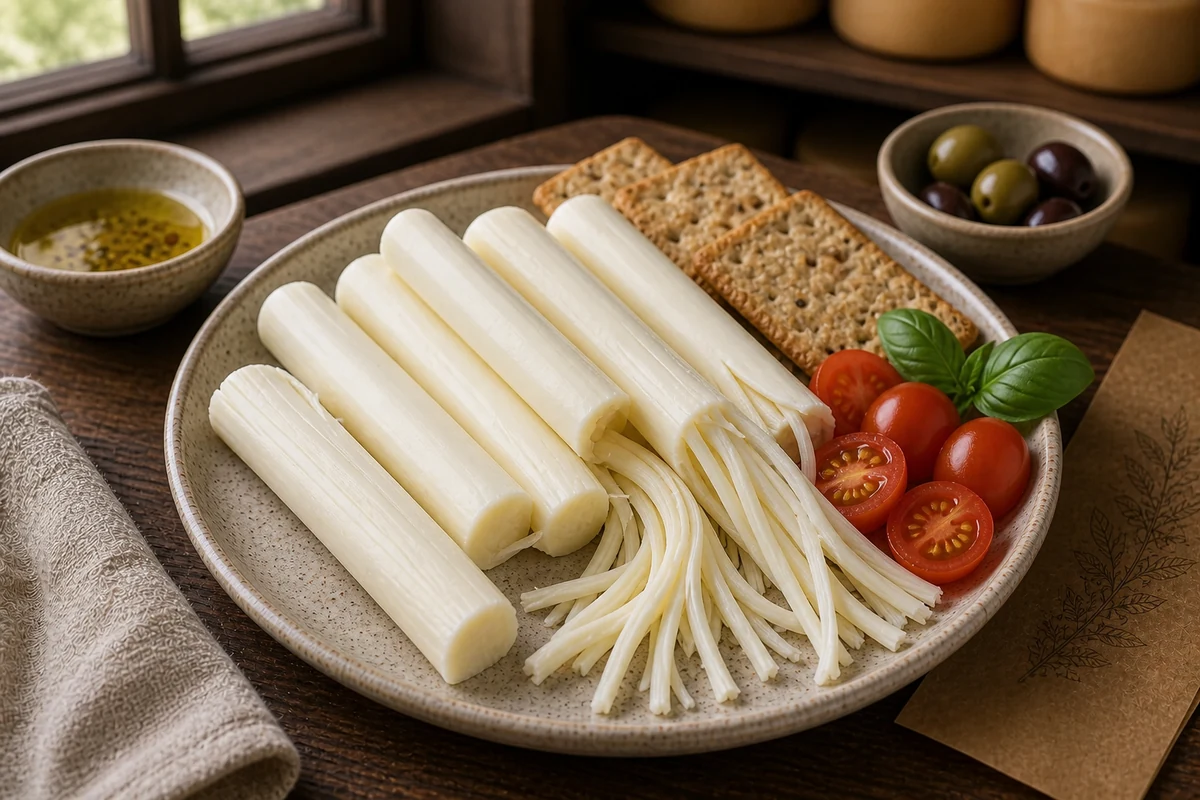
When fresh mozzarella is unavailable, provolone and young Fontina are the closest matches in melt behavior and mild flavor. String cheese is technically a low-moisture mozzarella product and melts correctly in a pinch.
For pizza applications, low-moisture pizza cheese shows exactly where mozzarella sits against provolone, Fontina, and Gruyere under high heat.
For cold applications like caprese, burrata is the natural upgrade. It shares the same outer shell as fresh mozzarella, with a creamier center.
Provolone and Oaxaca swaps work best when you need stretch, while ricotta and feta move the dish toward fresh dairy instead.
Is Mozzarella Healthy?
Water is why the numbers stay low. It runs lower in calories and fat than most aged cheeses.
Fresh whole-milk mozzarella and low-moisture mozzarella are nutritionally distinct products, so the form you buy changes the numbers meaningfully.
Low-moisture mozzarella runs 15-20% higher in calories per ounce. The same protein and fat occupy less volume after moisture removal, which concentrates the numbers.
Part-skim low-moisture drops to roughly 72 calories and 4.5g fat per ounce. That makes it one of the lowest-calorie cooked-cheese options at most pizza counters.
Calcium is a genuine strength. One ounce provides about 11% of the recommended daily intake.
These figures come from the USDA FoodData Central database.
The health tradeoff is format, not the mozzarella name by itself. Fresh mozzarella is portion-friendly because it is high in moisture and mild enough to eat in small amounts.
Low-moisture mozzarella is easier to overuse because it grates, melts, and disappears into pizza or baked pasta.
Fresh mozzarella stays safest when you keep it cold, keep it submerged, and use it quickly after opening. For pregnancy, the CDC lists mozzarella made with pasteurized milk as safer, unheated cheese sliced at a deli as riskier, and pasteurized soft cheeses heated to an internal temperature of 165°F or until steaming hot as safer.
- Choose pasteurized fresh mozzarella during pregnancy.
- Discard opened fresh mozzarella if the brine smells sour or the surface feels slimy.
- Use low-moisture blocks when you need longer fridge life and lower water release.
Burrata's cream center shortens its eating window even more than fresh mozzarella, so buy it for same-day serving.
Is All Mozzarella DOP?
The DOP name Mozzarella di Bufala Campana applies to buffalo-milk cheese made within its protected production area. It does not cover cow's milk fior di latte, low-moisture blocks, or shredded pizza cheese.
For cooking and safety claims, we separate legal product standards from kitchen advice. The FDA low-moisture mozzarella standard supports the moisture and pasteurized-ingredient wording, USDA FoodData Central supports the nutrition snapshot, and CDC pregnancy guidance keeps the pasteurization advice cautious.
- Use DOP records for buffalo milk, protected zone, product identity, and packaging-liquid claims.
- Use FDA standards for low-moisture mozzarella composition and pasteurized dairy ingredients.
- Use public-health sources when the claim affects pregnancy, raw milk, or deli-counter risk.
SOURCES & REFERENCES
Which Mozzarella Questions Do Shoppers Ask?
The questions below split along the same line the whole article does, between the fresh ball and the low-moisture block.
Fresh mozzarella is sold submerged in brine or whey and has a soft elastic texture. It must be used within a few days of opening.
Low-moisture mozzarella has had most of its water removed, giving it a firmer texture and a longer shelf life.
Fresh is best for cold dishes. Low-moisture is the right choice for pizza and baked pasta.
For caprese and cold preparations, yes. Buffalo mozzarella has a richer flavor with a creamier texture and distinctive tang.
For pizza and cooked applications, the difference is largely lost under heat. The higher price of DOP bufala is not justified for cooking.
You can freeze low-moisture mozzarella, but only for cooked applications after thawing. Freezing breaks the elastic protein structure, so thawed mozzarella crumbles rather than slices cleanly.
Never freeze fresh mozzarella. The high water content forms ice crystals that permanently destroy the texture.
Fresh mozzarella lasts 5-7 days when kept submerged in its original brine. Once removed from the liquid, eat it within 1-2 days.
If the brine level drops, top it up with 1 teaspoon of salt per cup of cold water.
DOP stands for Denominazione di Origine Protetta, the EU designation for protected-origin products. On mozzarella, it means Mozzarella di Bufala Campana DOP: made from registered water buffalo milk within a defined zone in southern Italy.
A product labeled "buffalo mozzarella" without the DOP mark may be made outside this zone or with different methods.