Cheese Profile

Queso Oaxaca Cheese

QUESO OAXACA QUICK FACTS
OriginMexico
MilkCow milk
TextureStringy, elastic, pull-apart
RindNone
AgingFresh to very young
Fat ContentModerate
PDO / DOPNone
FlavorMild, milky, lightly salty
AvailabilityLatin markets and many supermarkets
PriceModerate

Queso Oaxaca belongs in our Mexican cooking cheeses because it is the Mexican cheese to choose when stretch matters.

It pulls into strands, melts smoothly, and keeps a mild milk flavor that lets fillings and salsa lead.

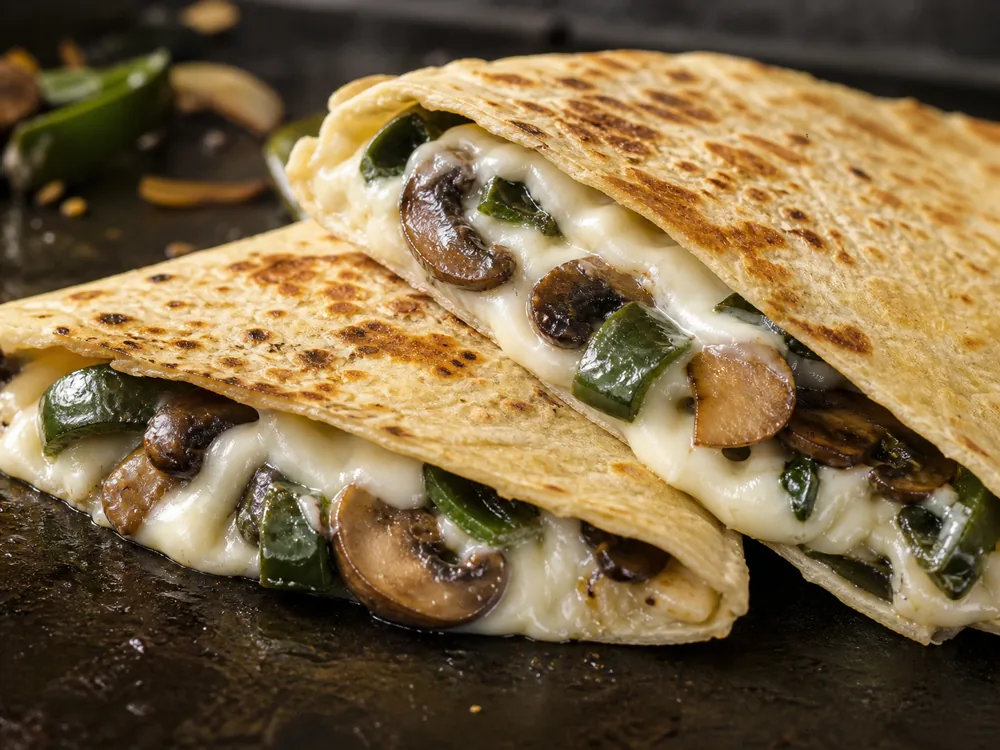
Use it for quesadillas, tortas, tacos, chiles rellenos, and any dish where visible cheese pull is part of the pleasure.

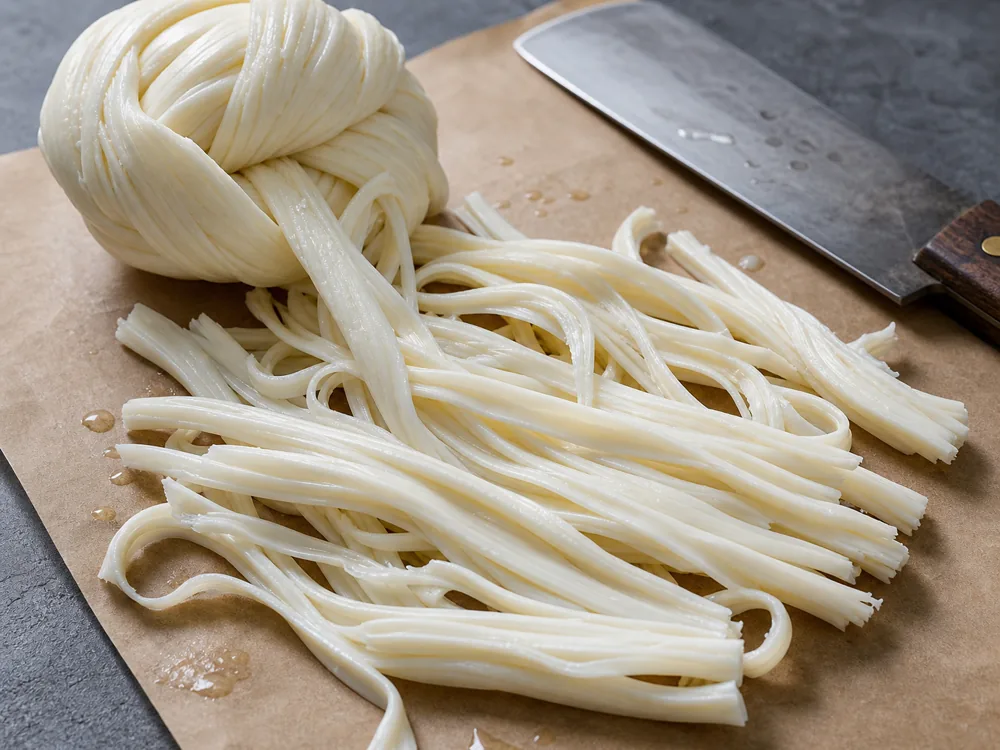
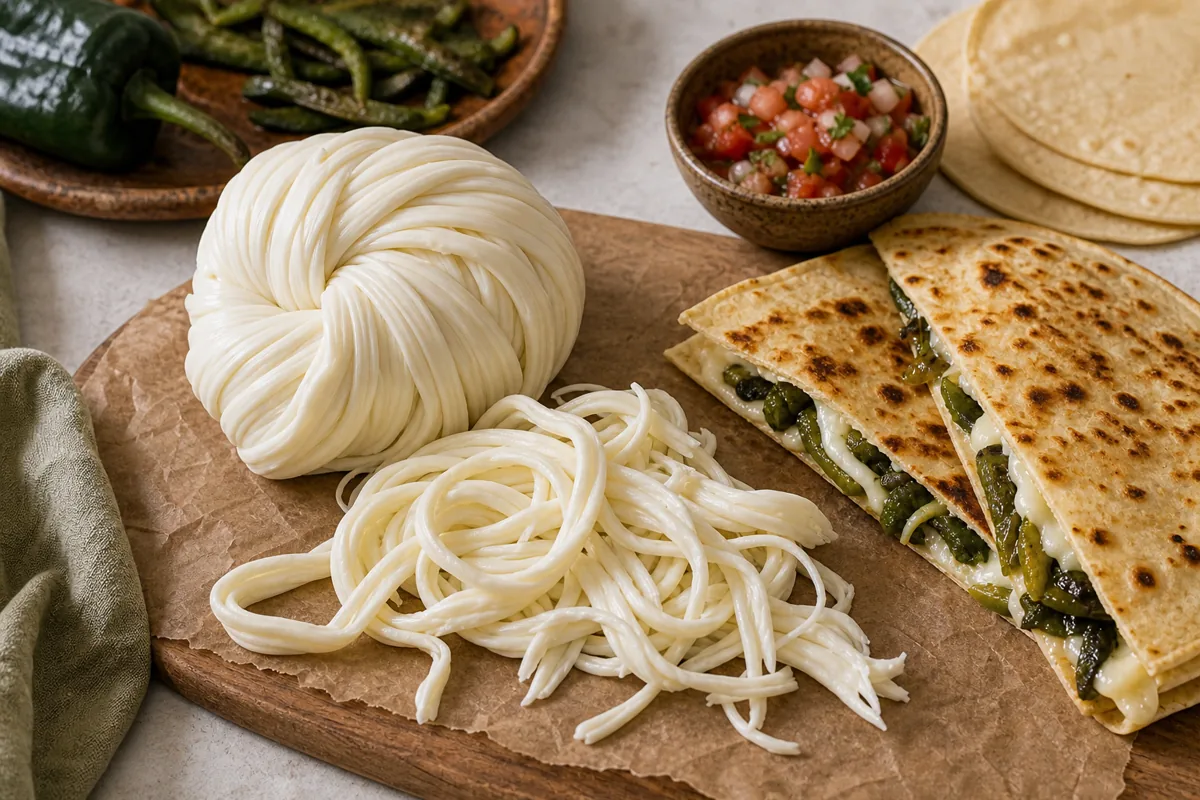
The wound shape is a storage format for strands. Peel it and you understand the cheese faster than if you cut it into cubes.

Oaxaca is valuable because it can stretch without making a dish taste sharp. That keeps the focus on corn, beans, chiles, and salsa.

It is also a good reminder that Mexican cheeses do not all do the same job. Some crumble, some grill, some season, and Oaxaca pulls.

What Queso Oaxaca Is

Its job is texture first. The cheese turns heat into pull, which is why it feels so satisfying in folded tortillas and warm sandwiches.

Remember it later

Planning to try this recipe soon? Save it for a quick find later!

That stretch should not be confused with strong flavor. Oaxaca is intentionally gentle so toasted corn, beans, chiles, herbs, and salsa can stay in focus.

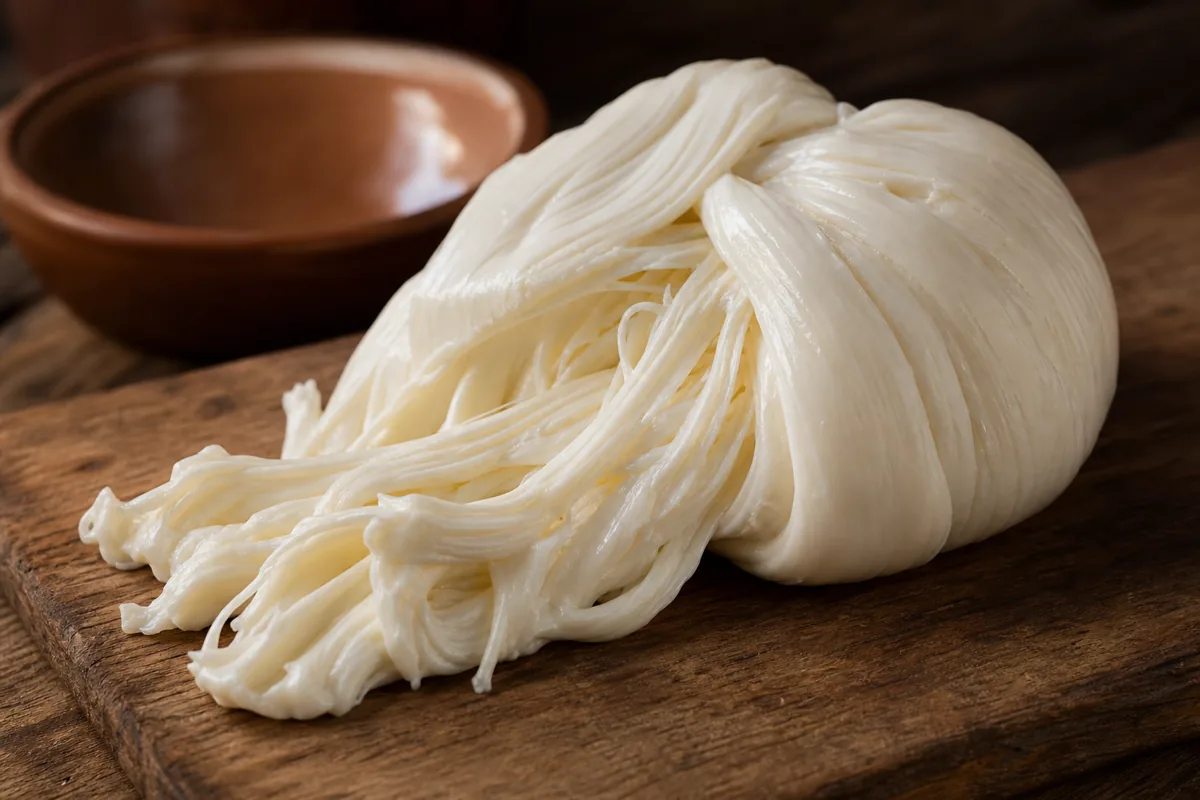
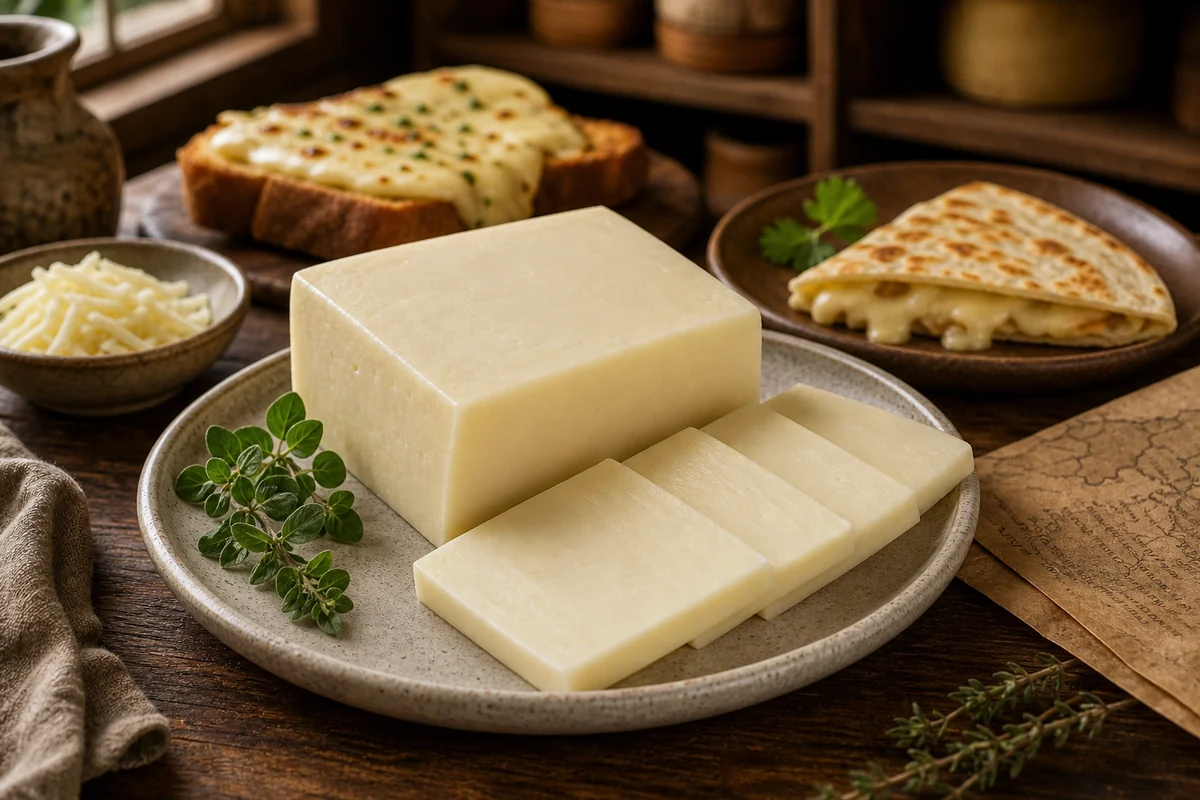
Queso Oaxaca is a stretched-curd cow milk cheese from Mexico. The curd is heated, pulled into ribbons, and wound into a ball or rope.

Its behavior is closer to a stretchy Italian-style melt than to crumbly Mexican cheeses.

It does a different job from a cool fresh crumble, which usually stays loose and bright.

Use a salty finishing cheese instead of Oaxaca's warm stretch.

For a spicy American-style melt, a chile-studded Jack style is the better direction. Oaxaca is milder and cleaner.

  • Style: Mexican stretched-curd cheese
  • Texture: Pull-apart strands
  • Best role: Quesadillas and melted fillings
  • Avoid: Long dry heat that toughens the surface

The cheese should pull apart in ribbons before it melts. That hand-pulled texture is the reason Oaxaca feels different from plain shredded white cheese.

When melted, Oaxaca should look glossy and elastic. If it turns watery, the cheese may be too fresh for the application or the heat may be too high.

Fresh Oaxaca should taste lightly salty, not briny. Too much salt makes the melt feel heavy in quesadillas.

The texture should stretch in warm strands but still chew softly. Rubbery Oaxaca often means the cheese was overheated or old.

If the dish tastes bland, fix the filling rather than blaming the cheese. Oaxaca is intentionally mild so other ingredients can lead.

Queso Oaxaca Flavor and Texture

The best bite is warm enough to pull but not so hot that the strands toughen. Once overheated, the chew can become rubbery and the milk flavor fades.

Hand-pulled strands also season food more evenly than a thick block. They melt into pockets instead of forming one heavy layer.

Queso Oaxaca tastes mild, milky, and lightly salty. The flavor should be clean enough to support fillings rather than compete with them.

Texture is the main sign of quality. A good ball peels into strands and melts into an elastic layer without turning greasy.

Compared with low-moisture mozzarella, Oaxaca can taste a little fresher and saltier. Compared with Monterey Jack, it has more pull.

QUESO OAXACA FLAVOR PROFILE
SALTYSWEETBITTERSOURUMAMICREAMY
Salty
52
Sweet
30
Bitter
5
Sour
18
Umami
26
Creamy
68

If the cheese snaps dry instead of separating into ribbons, it may be old or poorly stored.

The stretching step is practical, not decorative. It lines up the curd so the finished cheese pulls when heated or torn.

Because Oaxaca is young, it does not have aged complexity. Its value is milk flavor, texture, and the way it carries fillings.

The stretching process is similar in logic to pasta filata cheeses. Heat and motion change the curd structure before it is shaped.

That structure is fragile once the cheese dries. A dry surface can still melt, but the pull becomes shorter and tougher.

Good Oaxaca is young, so it is not supposed to have cellar flavor. Its freshness is part of the style.

How Queso Oaxaca Is Made

The stretched-curd structure is the reason Oaxaca behaves differently from crumbly Mexican cheeses. It is built to soften into strands, not to scatter dry over finished food.

Freshness matters because the strands are moisture dependent. The longer the cheese sits open, the shorter and tougher the pull becomes.

Queso Oaxaca is made by stretching warm curd until the proteins align into long strands.

Those strands are wound into balls, braids, or ropes. That shape helps preserve the pull-apart texture.

Because it is young and moist, it should be kept cold and used promptly after opening.

The make process explains why hand-pulling works better than chopping. Thin strands melt faster and more evenly.

For quesadillas, use enough cheese to connect the tortilla and filling but not so much that every bite becomes rubbery.

For chiles rellenos, Oaxaca gives the classic soft center. Drain the roasted pepper well so the cheese does not sit in excess liquid.

For quesadillas, scatter strands evenly and leave a small border. Cheese at the very edge can leak before the tortilla seals.

For tortas, Oaxaca works best with warm fillings. The residual heat softens the cheese without needing a separate broiler step.

For dips, combine it with roasted chile, milk, or another cheese. Oaxaca alone can melt beautifully but taste too quiet.

Best Uses for Queso Oaxaca

When using it in a skillet, watch the tortilla or bread more than the cheese. Oaxaca will keep softening as the exterior browns, so patience gives a better pull.

If the filling is wet, drain it first. Extra liquid turns the stretch into a loose center and can make the tortilla steam instead of toast.

For quesadillas, use enough cheese to connect the fillings but not so much that it leaks into the pan. The goal is a sealed, flexible center.

For enchiladas or baked dishes, add Oaxaca where stretch matters. If the sauce already has richness, the cheese can be used more sparingly.

For tacos, warm the cheese separately or use residual heat from the filling. Cold Oaxaca can taste muted and make the tortilla feel heavy.

Use Queso Oaxaca in quesadillas, tacos dorados, tortas, chiles rellenos, and melted cheese dips.

It also fits use cases in our melting cheese guide when the goal is pull rather than sharp flavor.

When stretch matters less than buttery coverage, the northern Mexican melt specialist is often the smarter buy.

Pull the cheese into strands before filling a tortilla. A thick cube can stay cool while the tortilla browns.

UseHow It Works
QuesadillasStrands melt fast and pull cleanly.
TortasMild melt supports meat, beans, and salsa.
Chiles rellenosElastic cheese stays present inside the pepper.
DipsBest when blended with seasoning or a sharper cheese.

For a Midwestern pizza melt, a browned-edge pizza cheese gives a different style. Oaxaca gives a cleaner stretch.

Roasted mushrooms are one of the best partners because they add savoriness without burying the milk flavor.

Salsa verde works after cooking because acidity stays bright. Cooking the salsa into the cheese can make the filling watery.

Pairings and Serving Ideas

Corn is the natural partner because it gives sweetness and toast. Oaxaca fills the space between tortilla and salsa without stealing the meal.

Roasted poblano, squash blossom, mushroom, and refried beans are especially good because each gives the mild cheese a clearer frame.

Queso Oaxaca pairs with roasted peppers, mushrooms, corn, beans, salsa verde, avocado, chorizo, and tortillas.

Because the cheese is mild, the filling should carry seasoning. Let Oaxaca provide melt and texture.

PairingWhy It Works
Roasted poblanoGreen chile flavor gives the mild cheese purpose.
MushroomsEarthy filling balances clean milk flavor.
Salsa verdeAcidity keeps melted cheese lively.
Corn tortillasToasted corn frames the soft melt.
ChorizoSpice and fat make the cheese taste fuller.

Add salsa, lime, or pickled onions after cooking so the cheese stays creamy and the toppings stay bright.

Keep the ball intact until you need it. Every strand you expose dries faster than the wound exterior.

If the cheese is already shredded, use it soon. Pre-pulled Oaxaca loses the supple hand-torn texture quickly.

Storage and Shelf Life

If the package contains brine or moisture pads, follow the producer's handling rather than treating every brand the same. The goal is to keep the cheese supple, not wet.

Keep Queso Oaxaca sealed and cold. Once opened, press wrap against the exposed surface and use it within several days.

Do not shred the whole ball in advance. Pulled strands dry faster than an intact piece.

Discard it if it smells sour, feels slimy, or loses its elastic texture.

STORAGE GUIDE
Freezing
Freeze only for cooked use if texture loss is acceptable.
Room Temp / Serving
Bring small serving portions out shortly before eating.

Follow our opened fresh-cheese method closely when fresh-cheese handling feels uncertain.

A tight ball with visible strands is usually better than a shapeless lump. The structure tells you the cheese was handled for pull.

If the package contains loose liquid, check the date carefully. Oaxaca should be moist, but it should not sit in cloudy fluid.

A good package should show strand structure. If the cheese looks like a smooth white lump, it may not pull well.

Choose smaller packages if you cook for one or two people. Oaxaca is best when opened and used quickly.

Buying Queso Oaxaca

Avoid packages with dry corners, excess loose shreds, or a sour smell. Those signs usually mean the cheese will still melt, but the pull will be disappointing.

For a large meal, buy whole balls and pull them by hand. The texture looks better on the plate and melts more evenly than pre-shredded pieces.

The best purchase is often the package with visible ropes and a recent date. Oaxaca is not a cheese where older usually means better.

Look for a flexible ball, braid, or rope with clean milk aroma. It should feel moist but not wet.

Latin markets often have better turnover than slow supermarket cases.

Avoid dry cracked surfaces, bloated packaging, or cheese that has fused into a rubbery mass.

  • Check the cut face before buying
  • Smell for clean dairy or expected rind aroma
  • Match the age and texture to the dish
BUYING TIPS
Best Value
Flexible Oaxaca from a busy Latin market.
Premium Pick
Fresh rope or braid with clear strands.
What to Avoid
Dry cracks, bloated packaging, sour smell, or rubbery texture.
Where to Buy
Latin markets, supermarket dairy cases, specialty counters.
What to Look For
Elastic pull, clean milk aroma, and no excess liquid.

Low-moisture mozzarella works in many hot dishes, but it can taste more neutral. Add salt or salsa to compensate.

String cheese can work in a pinch for a small quesadilla. It is not traditional, but the pull is closer than many blocks.

Queso Oaxaca Substitutes

Low-moisture mozzarella is the easiest substitute when stretch matters.

Monterey Jack melts smoothly but has less pull. a firm cooking cheese holds shape instead of stretching.

If you want more flavor, blend Oaxaca with a sharper cheese rather than replacing it entirely.

Nutrition and Pregnancy Safety

Queso Oaxaca provides dairy protein, calcium, fat, and sodium.

During pregnancy, choose pasteurized packaged Oaxaca and keep it cold. Our moist-cheese safety guide explains why fresh moist cheeses need extra care.

Use the package date seriously because young stretched cheeses lose quality quickly after opening.

SOURCES & REFERENCES

1.
FoodData Central
USDA

2.
FDA Safe Food Handling
Food Safety

Queso Oaxaca FAQ

These quick answers cover the main buying, cooking, and serving questions.

It is best for quesadillas, tortas, chiles rellenos, and other melted dishes.

Yes. It melts and stretches in a similar way.

Yes, but it is usually better melted.

Low-moisture mozzarella is the easiest substitute.

Pasteurized packaged Oaxaca is the safer choice.