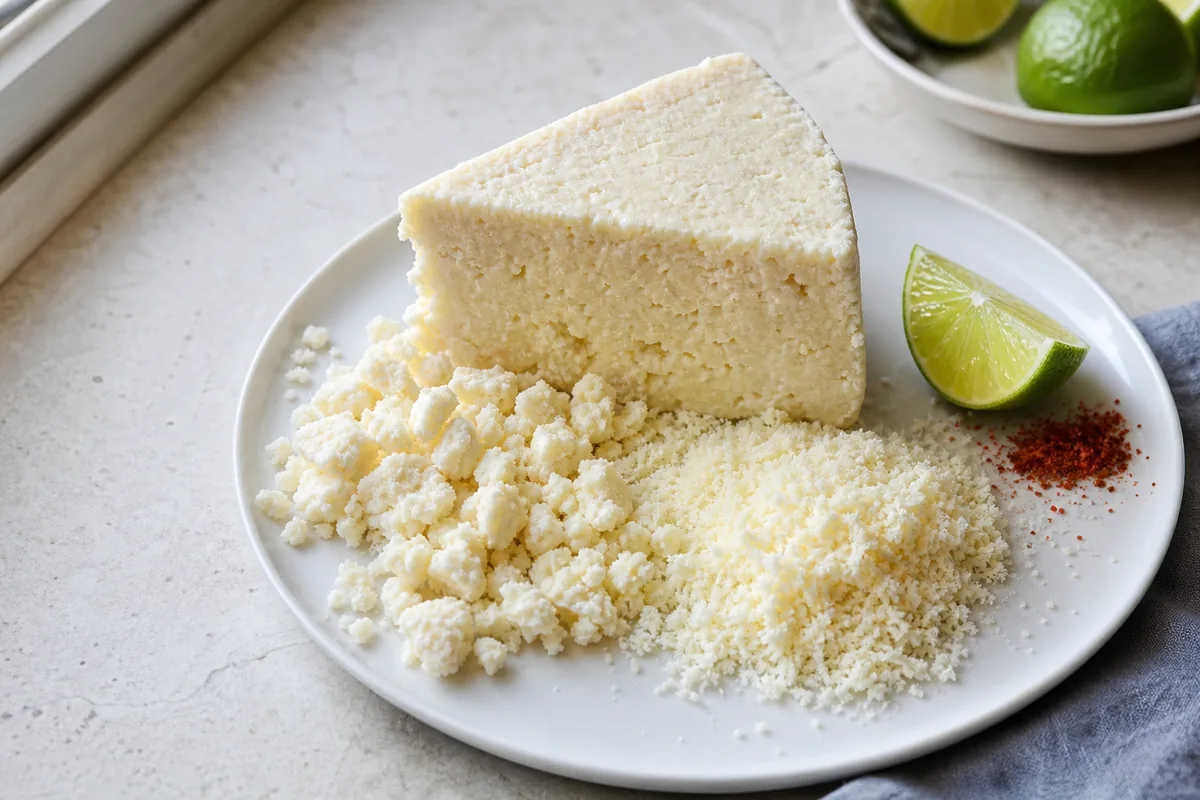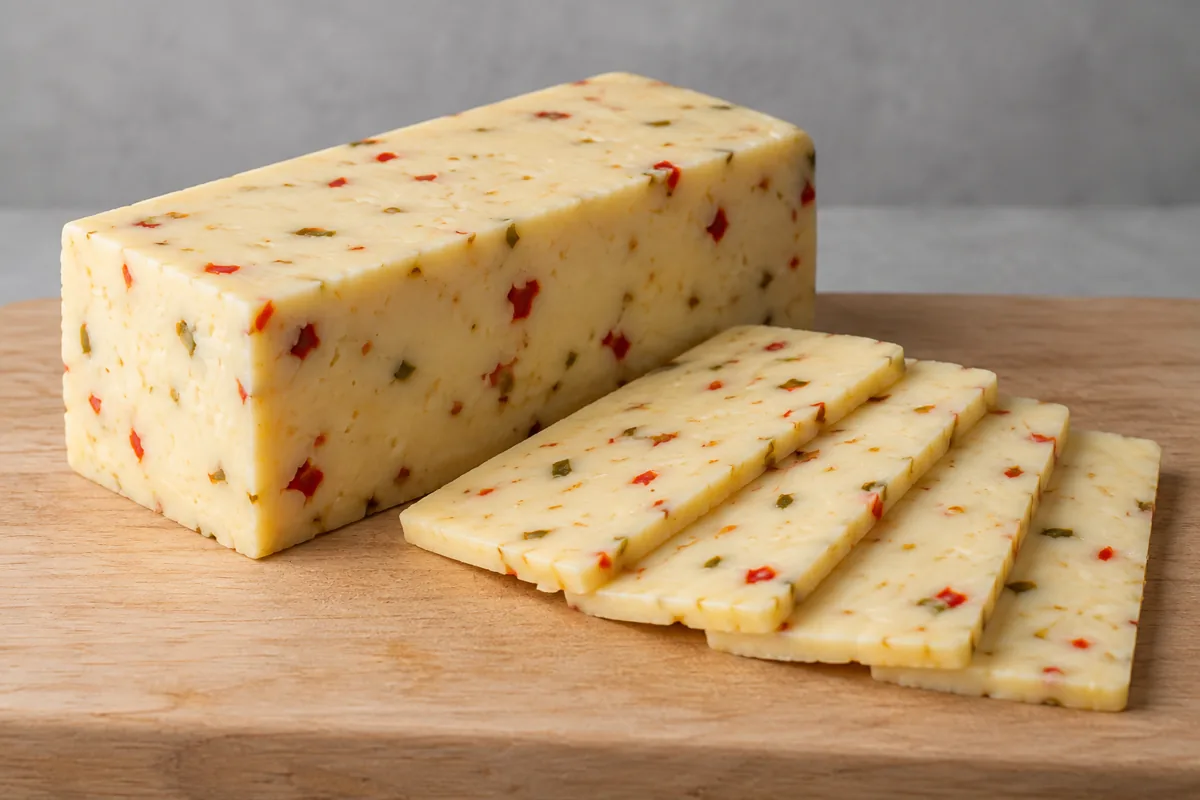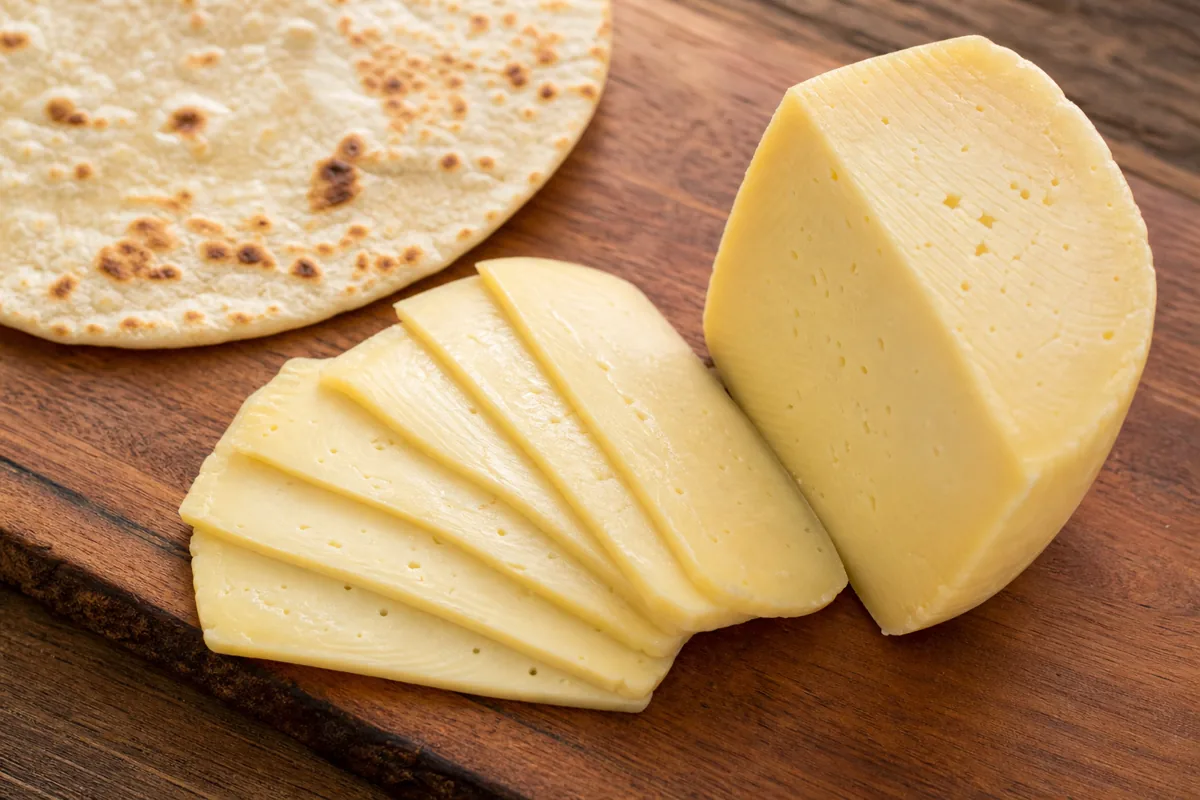
Chihuahua cheese is one of the most useful Mexican melting cheeses because it fills a practical kitchen role. It melts smoothly, tastes buttery without going flat, and sits in the sweet spot between deli cheese and true cooking cheese.
People often meet it through quesadillas or chile rellenos, then lose track of what to buy once they leave a Mexican market. That is where Chihuahua stands apart from other mild American-style melters and from the more elastic pull of string-style Mexican cheeses.
Choose Chihuahua when you want a mild, buttery cheese that melts through a quesadilla or chile relleno. The exact flavor and stretch depend on the producer and how long you heat it.
In This Article
Why Is Chihuahua Cheese Called Queso Menonita?
Chihuahua cheese is a cow's milk cheese from northern Mexico, especially the state of Chihuahua. Many shoppers also know it as queso menonita because Mennonite communities helped shape the region's dairy tradition and cheesemaking style.
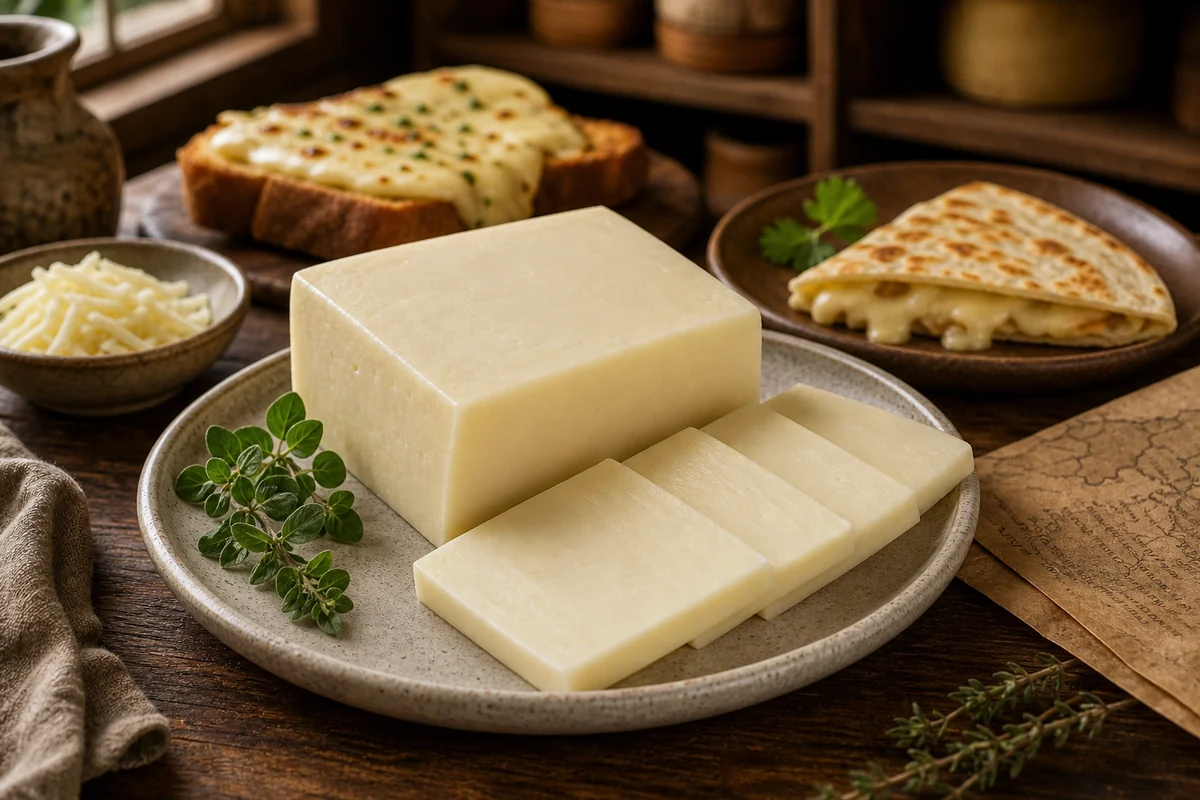
The cheese is usually pale yellow, close-textured, and mildly buttery with just enough tang to stay interesting. It is not a crumbly topping cheese and not a brined fresh cheese.
It is a melting cheese first.
- Main region: northern Mexico, especially Chihuahua
- Alternate name: queso menonita in many markets
- Primary job: smooth melting in hot dishes
- Format: blocks, rounds, deli cuts, or market wedges
That last detail matters because you buy it differently from a crumbly finishing Mexican cheese or from a firmer salting cheese that stays intact under heat.
The regional context matters too. Northern Mexican dairy traditions favored a cheese that could slice, melt, and hold its own in hot flour-tortilla cooking, which is one reason Chihuahua feels so practical compared with more delicate fresh-market cheeses.
A package labeled queso menonita may be Chihuahua-style cheese. Check the maker, milk treatment, and intended cooking use because the names and products vary by region.
Why Queso Menonita and Chihuahua Often Mean the Same Trip to the Counter
Many buyers first meet the cheese under the name queso menonita rather than Chihuahua. That label points back to Mennonite cheesemaking communities in the state of Chihuahua, which is why the two names overlap so often in real shops.
Recognize the style in front of you as a pale, supple cheese meant for hot cooking rather than for brined crumbling or aged grating.
- Queso menonita label: often signals a mild northern Mexican melting cheese.
- Main shopping clue: supple paste and buttery smell matter more than exact spelling on the sticker.
- Typical use: hot tortillas, baked fillings, sandwiches, and breakfast skillets.
- What it is not: a dry grating cheese or a salty finishing crumble.
At the counter, check the maker as well as the name. Campo Holandés sells queso Chihuahua menonita made from pasteurized cow's milk, while other producers may sell a different format under the same style name.
Why Chihuahua Melts So Well
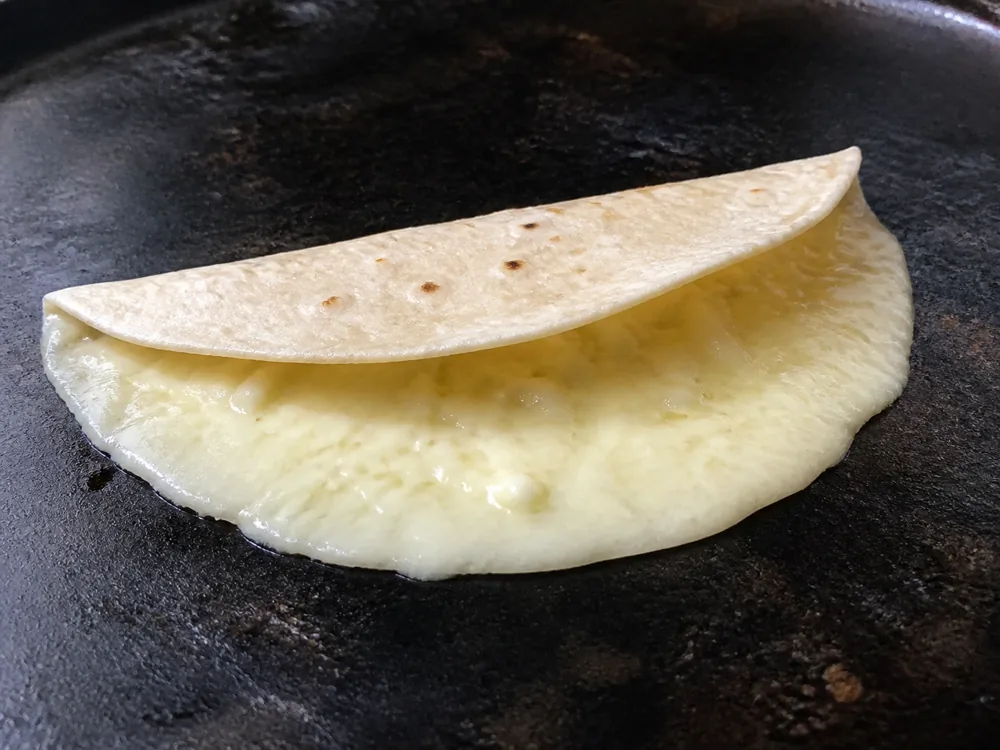
Chihuahua melts well because it holds enough moisture to soften evenly without turning rubbery too fast. It also has a mild fat profile that helps it spread through fillings, folded tortillas, and baked dishes.
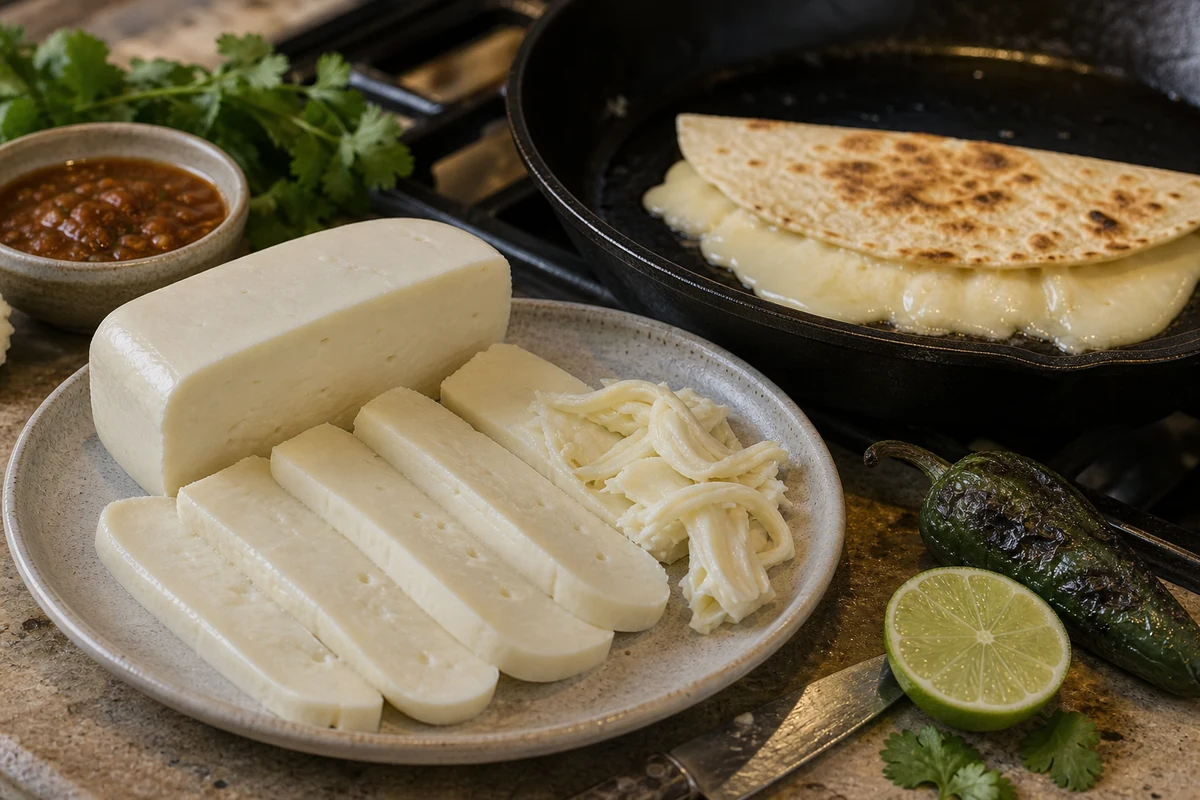
Grating a cold block gives the most even coverage because the small pieces warm at roughly the same pace. Thick slices also work, but they need gentler heat and a little more time before the center relaxes.
Use moderate pan heat and let the tortilla warm with the cheese instead of scorching the outside first.
- Quesadilla strength: softens fast and binds fillings cleanly
- Good browning: can take surface heat without splitting too quickly
- Low aggression: mild flavor lets salsa, meat, or peppers stay present
- Better body than Jack: often tastes fuller and more buttery than plain Monterey Jack
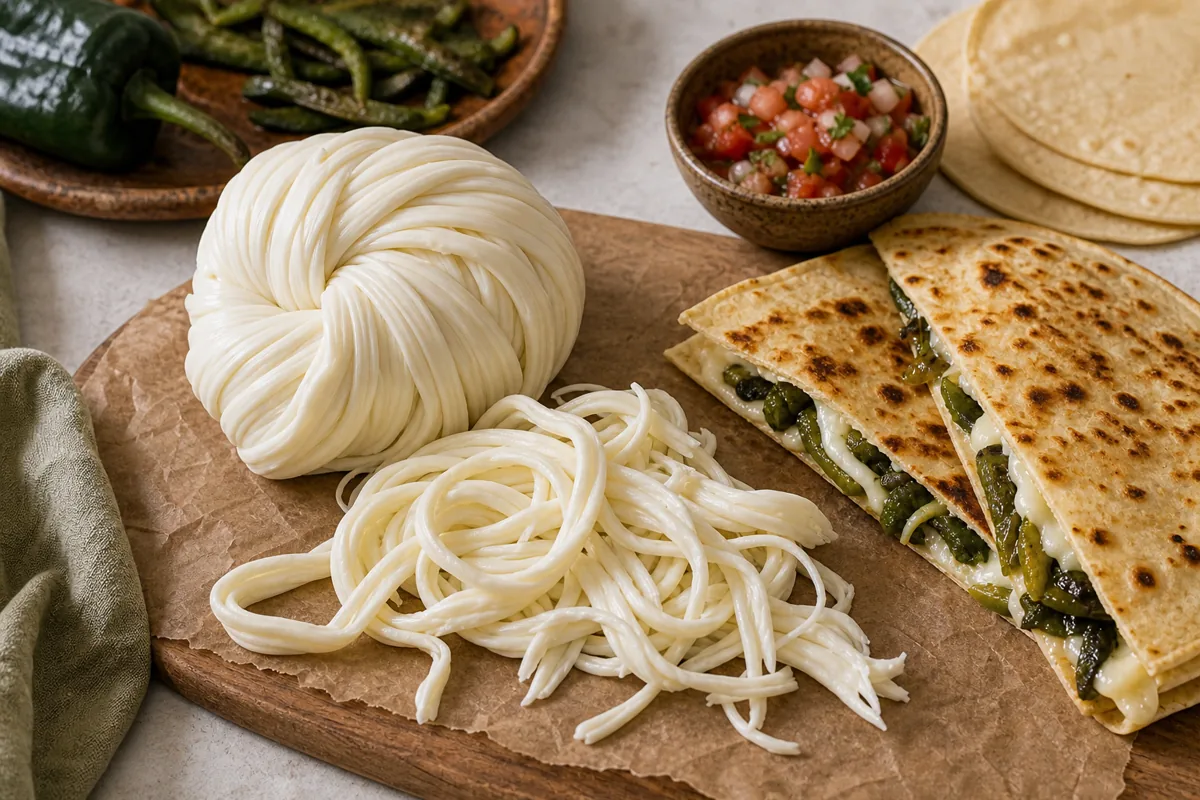
Stretch is not a reliable dividing line. V&V Supremo describes its Chihuahua cheese as having a long stretch when melted, while braided Oaxaca cheese has a visibly stringy structure before it reaches the pan.
What Chihuahua gives back is coverage. The cheese coats the filling more evenly and tends to feel butterier and calmer than Oaxaca once the dish is closed, pressed, or baked.
What Does Chihuahua Cheese Taste Like Cold and Cooked?
Cold Chihuahua tastes mild, milky, and buttery, with a soft tang that keeps it from reading as bland. The texture is pliable and sliceable when chilled, then creamy and even once heated.
When cooked, the creamy note rises and the tang softens. That is why Chihuahua works so well in layered or stuffed dishes.
It also explains why this cheese can disappear on a crowded board. Serve it for utility or comfort, not because you want a sharp tasting-cheese moment.
That mildness is useful in family cooking because the cheese adds body without fighting salsa, beans, eggs, or roasted peppers. It lets the filling stay recognizable while still giving the dish a warm dairy center.
Which Dishes Work Best With Melted Chihuahua?
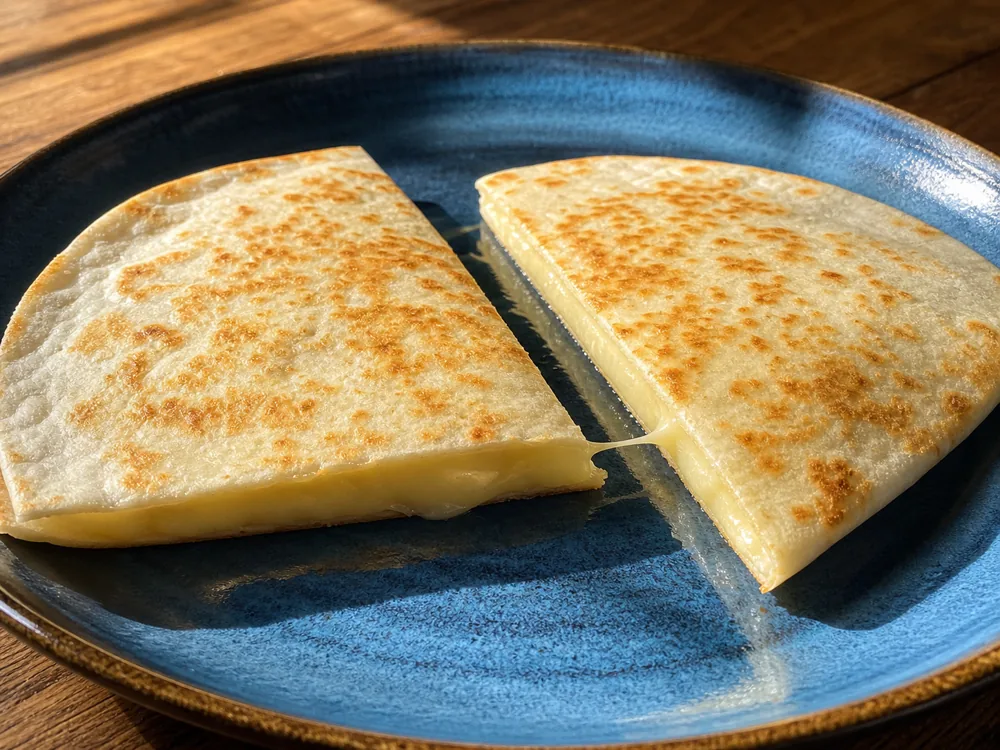
Chihuahua belongs in hot applications that need coverage, softness, and easy pull-apart texture. It is especially strong in quesadillas, enchiladas, baked fillings, and skillet dishes where you want the cheese to fuse ingredients together.
| Use | How It Works |
|---|---|
| Quesadillas | The most natural use. Chihuahua melts into a smooth layer fast and keeps the tortilla from feeling dry. |
| Chile rellenos | Good inside stuffed peppers because it softens evenly without turning watery. |
| Nacho bakes | Works when you want a milder cheese blanket than sharp cheddar provides. |
| Enchiladas | Useful inside the filling and on top when you want softness instead of heavy browning. |
| Breakfast skillets | Mild enough for eggs and potatoes, with better melt than many deli cheeses. |
For burgers and sandwiches, the cheese can still perform well, especially when you want a milder version of burger cheese. It brings more dairy richness than American slices without taking over the whole bite.
If the goal is a sharper edge, though, you are better off with a spicier deli-style melter or a firmer aged cheese that has more salt and bite.
Chihuahua vs Oaxaca, Jack, and Cotija
- Choose Chihuahua: when you want smooth melt and buttery flavor
- Choose Oaxaca: when you want the braided, stringy texture before melting
- Choose Jack: when availability matters and you need a familiar mild block
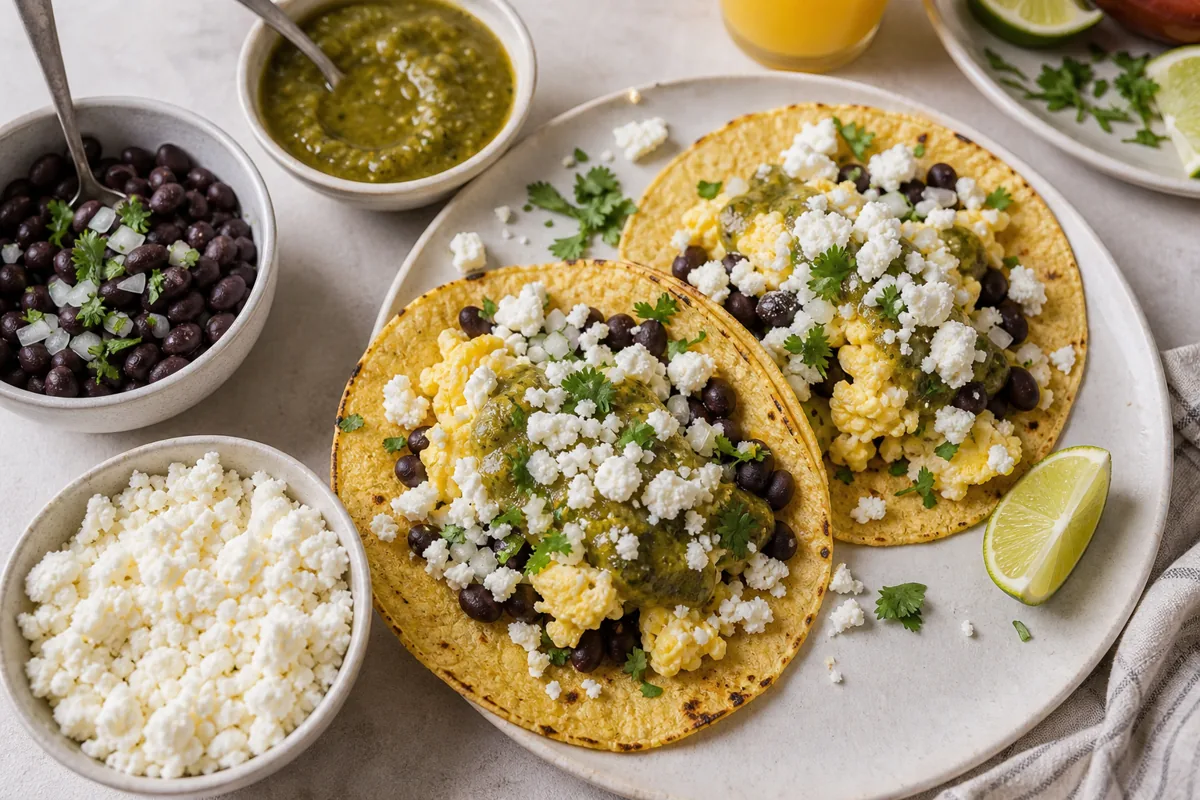
- Choose Cotija: when the job is salty finishing, not melting
That last contrast matters a lot. The crumbly Mexican finishing lane is almost the opposite of Chihuahua in texture and kitchen role.
By contrast, queso blanco tends to keep its shape in the skillet while Chihuahua softens into the filling.
Monterey Jack is an accessible mild substitute, while Oaxaca brings a different stringy curd. Compare the package labels if salt, milk treatment, or a particular melt matters to your dish.
How Do You Spot Fresh Chihuahua at the Counter?
Look for smooth, slightly springy cheese without surface cracking or dryness at the cut edge. Fresh Chihuahua should smell clean and buttery, not sour or stale.
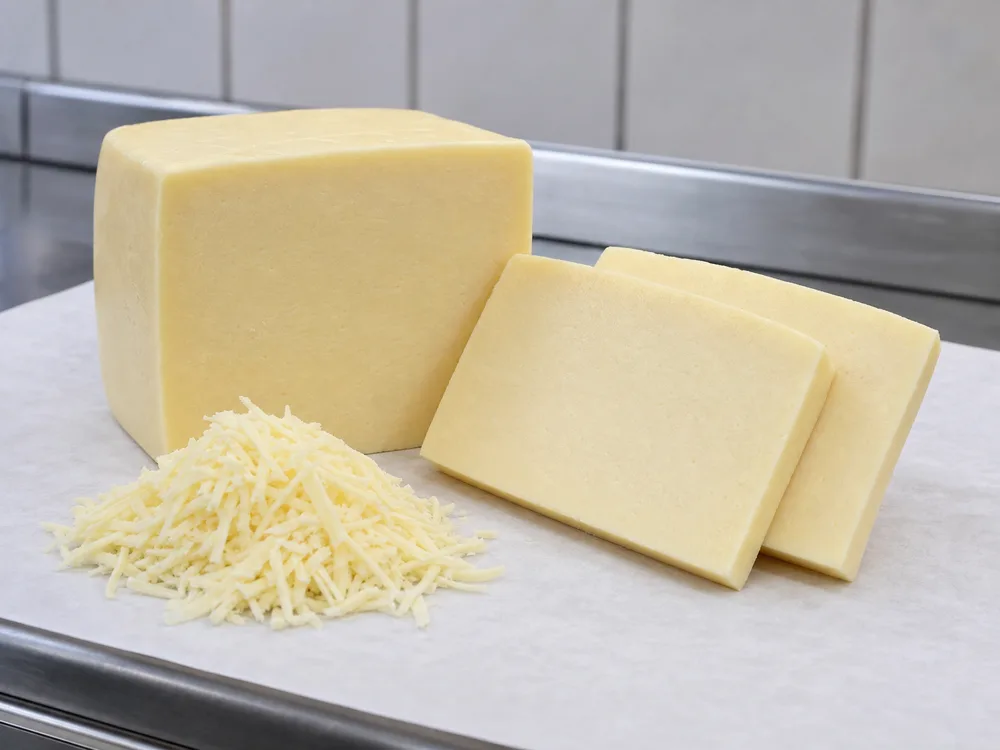
Choose a block when you care about melt because you can judge the cut face and grate only what the dish needs. Pre-shredded cheese is convenient, but the extra exposed surface dries faster and the pieces may not fuse as evenly.
A deli-cut piece should bend slightly before it breaks. Skip a piece with a hardened outer strip, deep cracks, or a sharp fermented smell because those signs point away from the supple texture you are buying Chihuahua for.
For an opened block, wrapping the cut face slows drying. Follow the package's after-opening instructions because wrapping cannot make an old block safe.
If you buy from a market deli case, pay attention to how recently the piece was cut. Chihuahua is forgiving in hot dishes, but older exposed pieces lose the supple body that made the cheese worth choosing in the first place.
- Buy blocks over pre-shredded bags when melt quality matters
- Keep the cut face covered so the cheese does not dry and harden
- Freeze only for cooking if you need extra shelf life
- Use your nose because fresh Chihuahua should smell mellow, not sharp
What Pairs Well With Chihuahua Cheese?
Chihuahua works best with roasted peppers, tomato salsa, tortillas, beans, potatoes, and light cured meats. It likes warmth and starch more than formal cheese-board theater.
| Pairing | Type | Why It Works |
|---|---|---|
| Roasted poblanos | Food | A natural match because the pepper sweetness makes the butter note read more clearly. |
| Beans | Food | The cheese melts smoothly into bean dishes without overwhelming them. |
| Corn tortillas | Food | The classic base for quesadillas and folded hot snacks. |
| Light lager | Beer | Cuts richness without burying a mild cheese. |
| Tomato salsa | Food | Adds brightness and balances the buttery melt. |
| Breakfast potatoes | Food | Comfort-food pairing where melt and starch do the heavy lifting. |
If you want a board-ready wine pairing story, other cheeses make that job easier. Chihuahua is more convincing when it is part of a hot meal than when it is asked to carry a tasting flight alone.
What Do Chihuahua Labels Say About Nutrition and Pregnancy?
Nutrition changes with the producer and portion. One 28 g serving on V&V Supremo's Chihuahua label has 100 calories, 8 g fat, 220 mg sodium, and 180 mg calcium; those figures describe that product, not every block sold as Chihuahua.
If you are pregnant, check the exact milk label and how the cheese was handled. The CDC lists unheated cheese sliced at a deli as riskier and deli-sliced cheeses heated to 165°F (74°C) or until steaming hot as safer, and served cold, Chihuahua is described as a pasteurized supple block cheese, a type its list does not cover, so ask a midwife or doctor.
The NHS lists pasteurised or unpasteurised hard cheeses, pasteurised semi-hard cheeses and pasteurised soft cheeses as safe to eat and says foods made from unpasteurised milk must be thoroughly cooked, and the CDC lists dairy products made from raw milk as riskier.
Use your own package panel for nutrition, particularly if sodium matters. Weigh a serving before shredding it so a handful spread across several tortillas does not hide the amount used.
Choose a labeled Chihuahua block for mild, buttery melt in quesadillas, chile rellenos, or enchiladas. Oaxaca is a braided, stringy cheese before cooking; either one can stretch when hot, depending on the product.
SOURCES & REFERENCES
What Do Cooks Ask About Chihuahua Cheese?
These are the quick kitchen questions that come up most often when people first buy a block.
It tastes mild, buttery, and slightly tangy. The main appeal is smooth melt more than sharp flavor.
No. Chihuahua is smoother and more buttery, while Oaxaca is more elastic and string-like because it is a stretched-curd cheese.
Yes. Quesadillas are one of its best uses because the cheese melts fast and stays soft inside the tortilla.
Monterey Jack is the most practical supermarket substitute. Oaxaca works if you want more pull, and mild mozzarella can help in a pinch.
Yes for cooked use, but not for ideal slicing. The texture gets drier and a little crumblier after thawing.