10 articles Updated October 2026
How-To Guides
Step-by-step guides for storing, serving, and buying cheese.

Start here
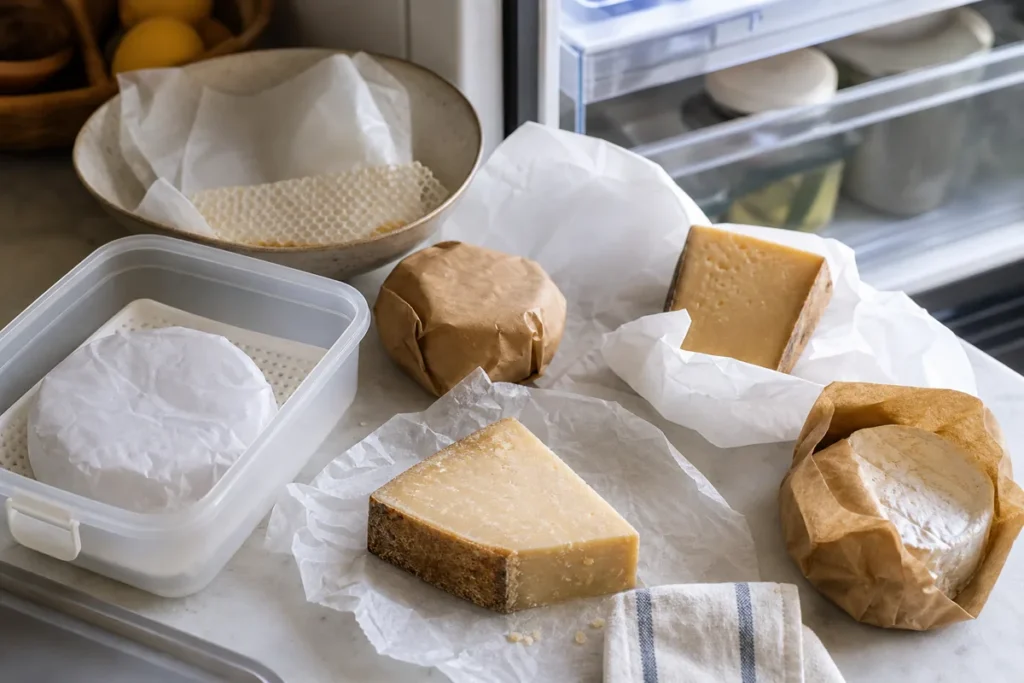
How to Store Cheese: Methods, Tips, and Common Mistakes
Store cheese by type with clear refrigerator times, wrapping advice, mold-trimming limits and serving-temperature rules from food-safety agencies.
Read the article →
Which Cheeses Can You Eat During Pregnancy? Safe and Risky Types
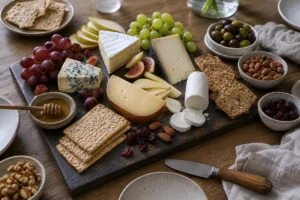
How to Build a Cheese Board: Selection, Layout, and Serving Tips
Browse by task
The constraints readers bring to the counter
Health, tolerance, pregnancy, and board planning come up more than any other questions.
- Build a cheese board that stays balanced How much cheese per guest, and how to space the strong ones out.
- Cheese During Pregnancy What pasteurization and rind style change, with US and UK guidance side by side.
- How cheese fits into a healthy diet Protein, calcium, sodium, fat, and portions in plain numbers.
- Which cheeses run lower in lactose Which cheeses run lower, why aging matters, and where fresh cheeses sit.
More how-to guides, A to Z
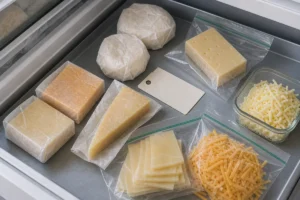
Can You Freeze Cheese? Packing, Thawing and Texture Changes
Freeze firm cheese in useful portions, protect it from air and thaw it in…

How Do You Build the Perfect Cheese Board Bite?
Build cheese bites that are easy to lift and eat. Try named pairing ideas,…
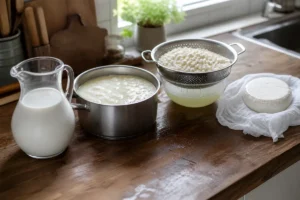
How Is Cheese Made? From Milk and Curd to Different Styles
Learn how acid, rennet, draining and ripening create different cheeses, why not every cheese…
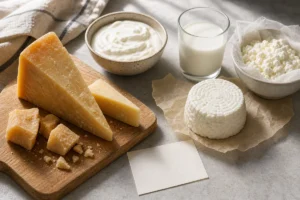
How Much Lactose Is in Cheese? Lower-Lactose Choices and Labels
Compare lower-lactose cheeses, understand lactose-free claims and sugar labels, and learn why milk allergy…
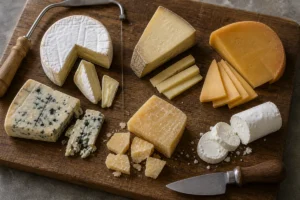
How to Cut Cheese: Wheels, Wedges, Logs and Blocks
Cut wheels into wedges, logs into rounds and firm blocks into useful portions. Choose…

How to Pair Wine and Cheese: Choosing and Comparing Combinations
Choose a wine for the cheese you have, compare named producer suggestions, and adjust…

Is Cheese Healthy? Nutrients, Portions and Label Comparisons
Cheese can provide protein and calcium, alongside sodium and saturated fat. Compare equal portions…


