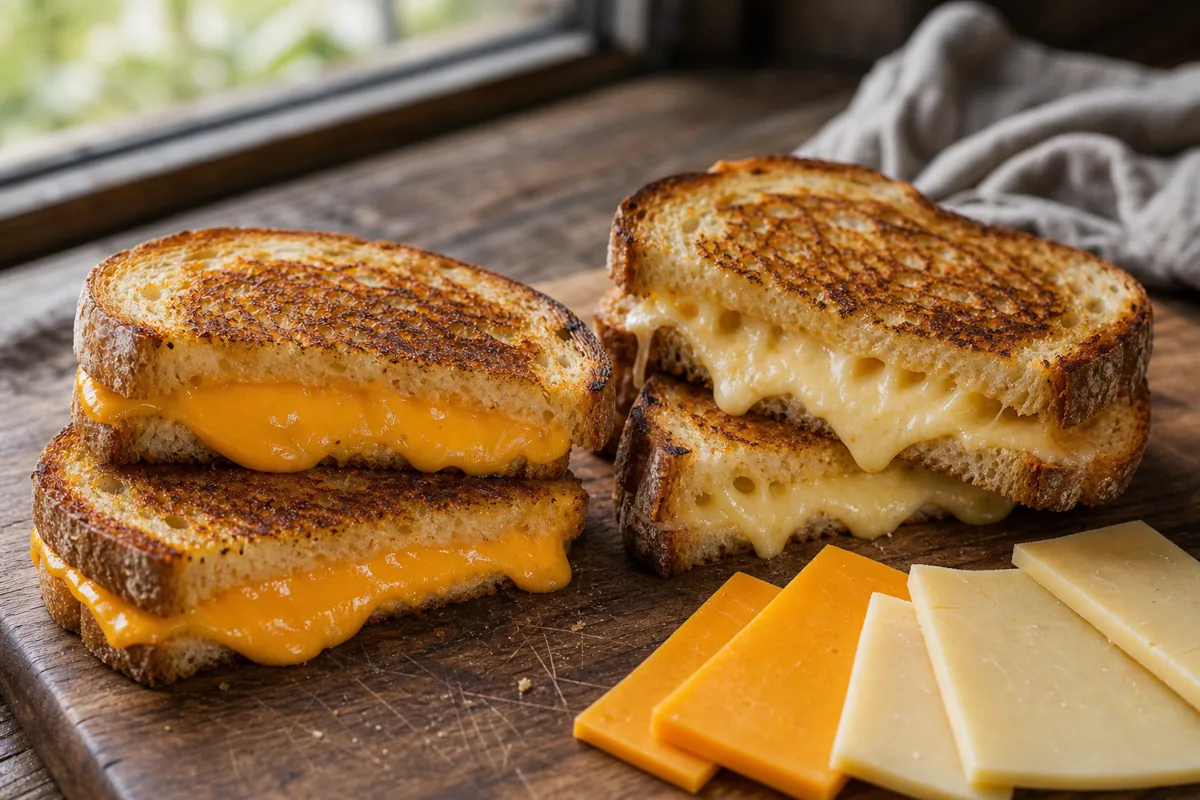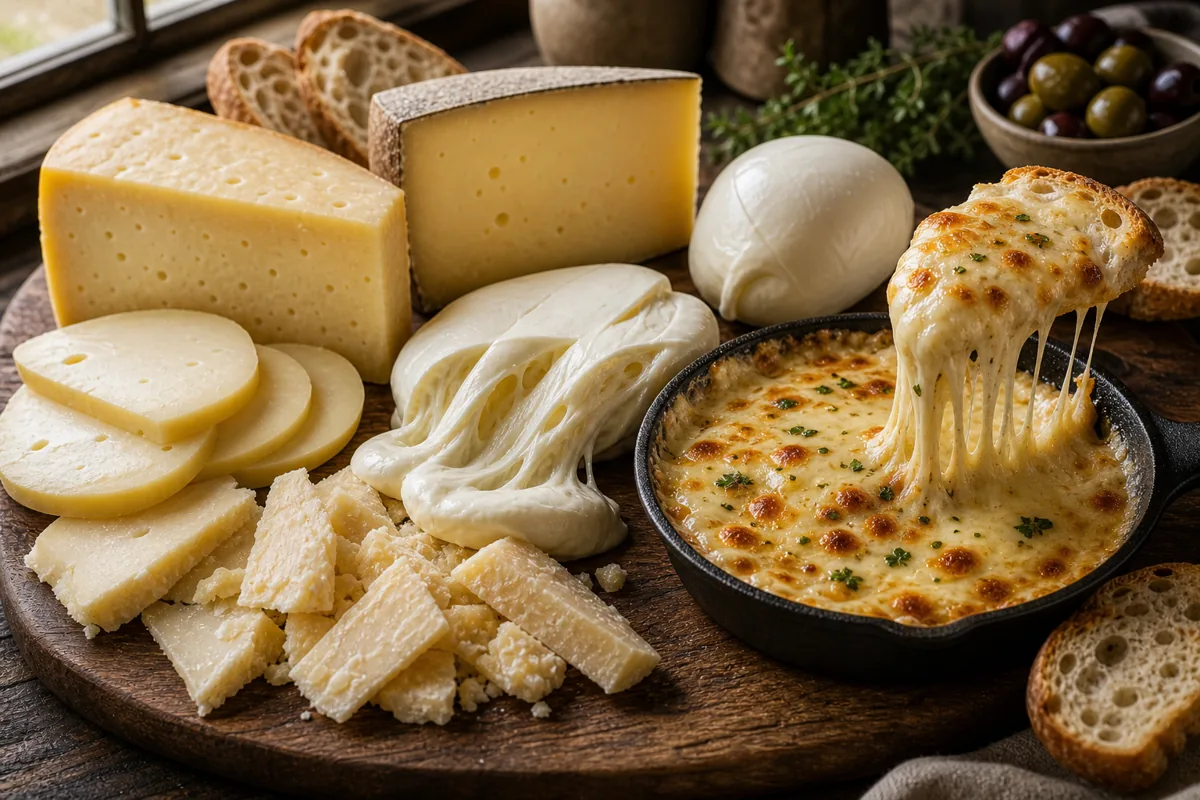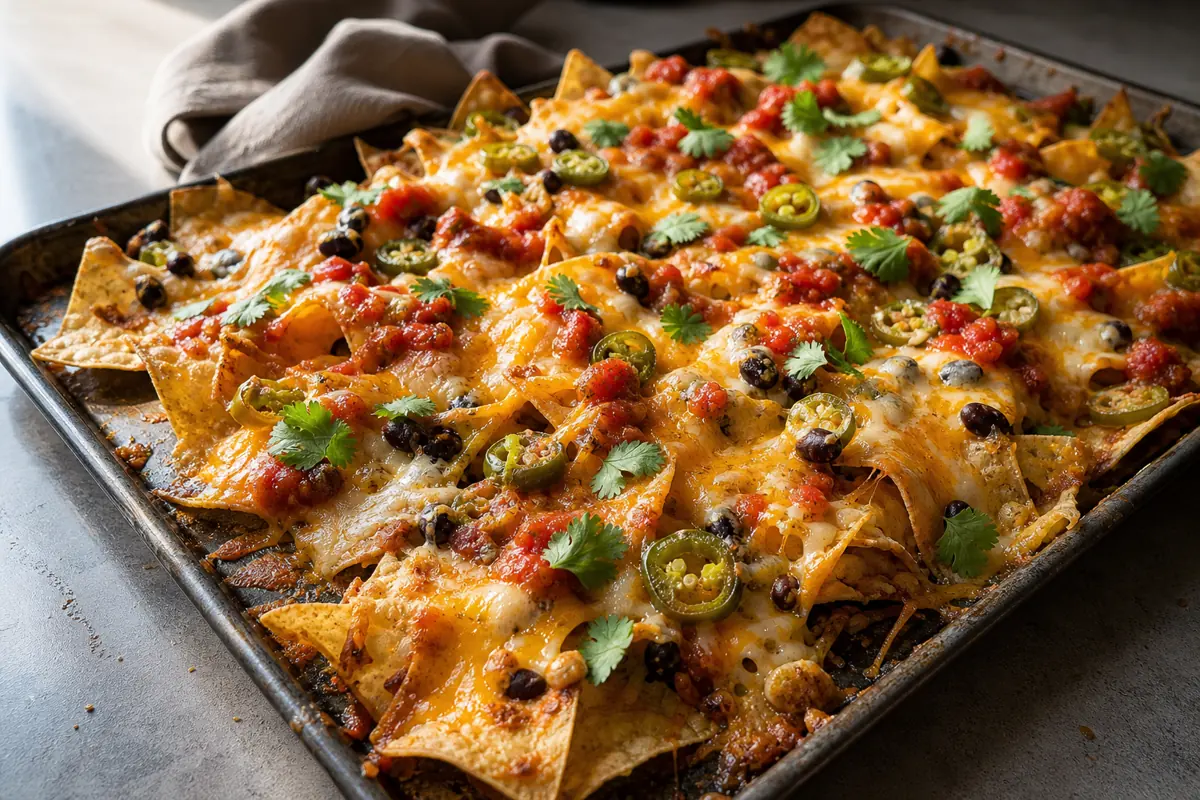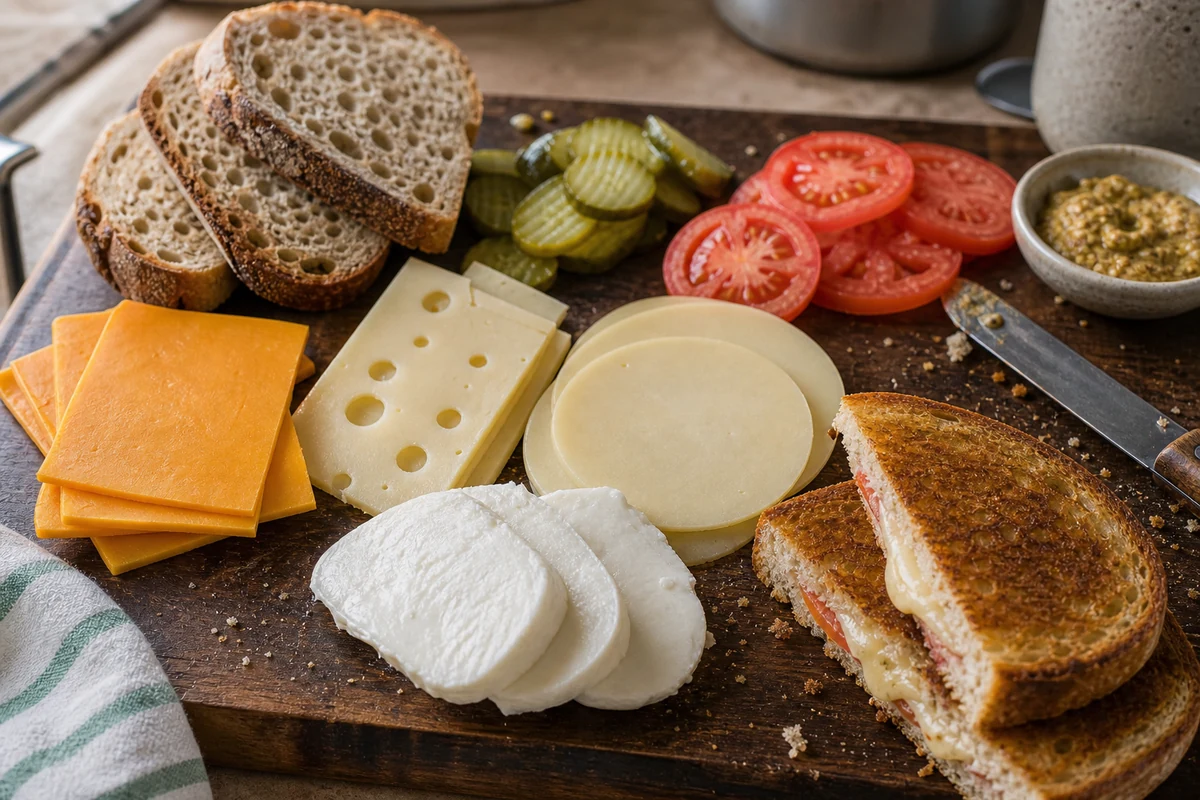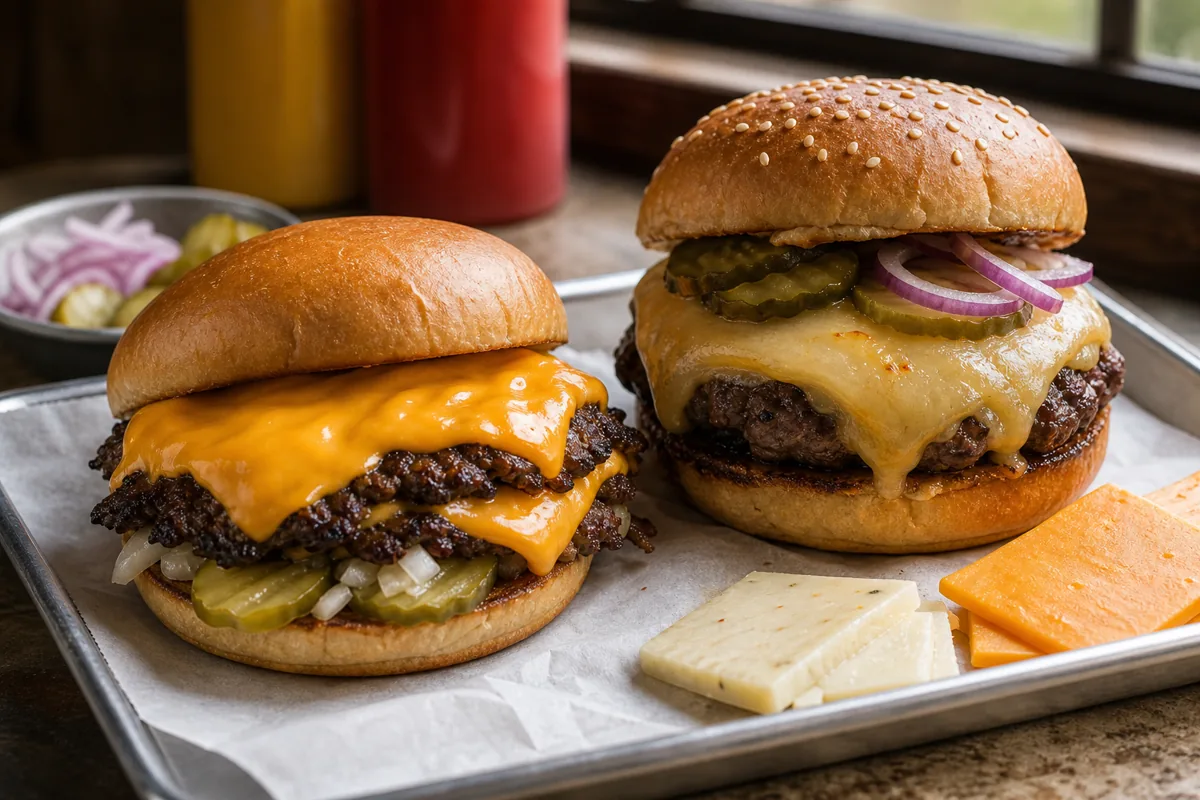
American cheese is still the best cheese for burgers when melt performance comes first. It drapes over the patty fast, stays creamy after the burger leaves the heat, and gives you the least risky result. If you want natural cheese, Monterey Jack is the safest mild melt, cheddar gives the clearest classic burger flavor, and Gruyere is the richest steakhouse-style upgrade.
Burger cheese gets less time than almost any other cooking cheese. Most patties only give the slice 30 to 90 seconds of direct heat, then the cheese has to hold itself together while you add sauce, pickles, onion, and the top bun.
That is why burgers need their own answer rather than general melt behavior. Burgers do not reward long stretch or deep casserole browning.
They reward fast drape, clean coverage, and enough flavor to punch through beef.
We ranked these cheeses by four burger-specific jobs: melt speed, patty coverage, flavor against beef, and hold after the burger leaves the pan or griddle.
The best choice also changes with patty thickness. A smash burger needs instant drape.
A thick pub burger can carry cheddar or Gruyere because the patty holds heat longer. A turkey burger often needs a milder cheese that adds fat without taking over.
In This Article
Why Does American Cheese Still Win on Smash Burgers?
American cheese is still the best single answer because burgers reward drape more than almost anything else. A thin slice softens almost immediately, folds over the patty edge, and stays glossy instead of breaking into grease.
That matters most on smash burgers, where the beef finishes fast and the cheese has no time to negotiate. Processed American slices were built for exactly that short, hot window.
Natural cheeses can beat American on personality, but most of them need either a thicker burger, a lid, or a little more patience. If the question is simply "what works most often," American wins.
The biggest gap in the list is not prestige. It is forgiveness.
American keeps working even when the burger cook is rushed. Cheddar, Gruyere, Swiss, and blue cheese all get better only when the burger build actually gives them a reason.
Burgers reward drape, not pull. A long mozzarella-style stretch looks dramatic, but a burger usually needs the cheese to cling to the patty and stay there through the first bite.
What Are the Four Burger-Cheese Roles That Matter?
Most burger nights fall into four cheese roles. Once you know the role, the choice gets much easier because you stop comparing cheeses that solve different problems.
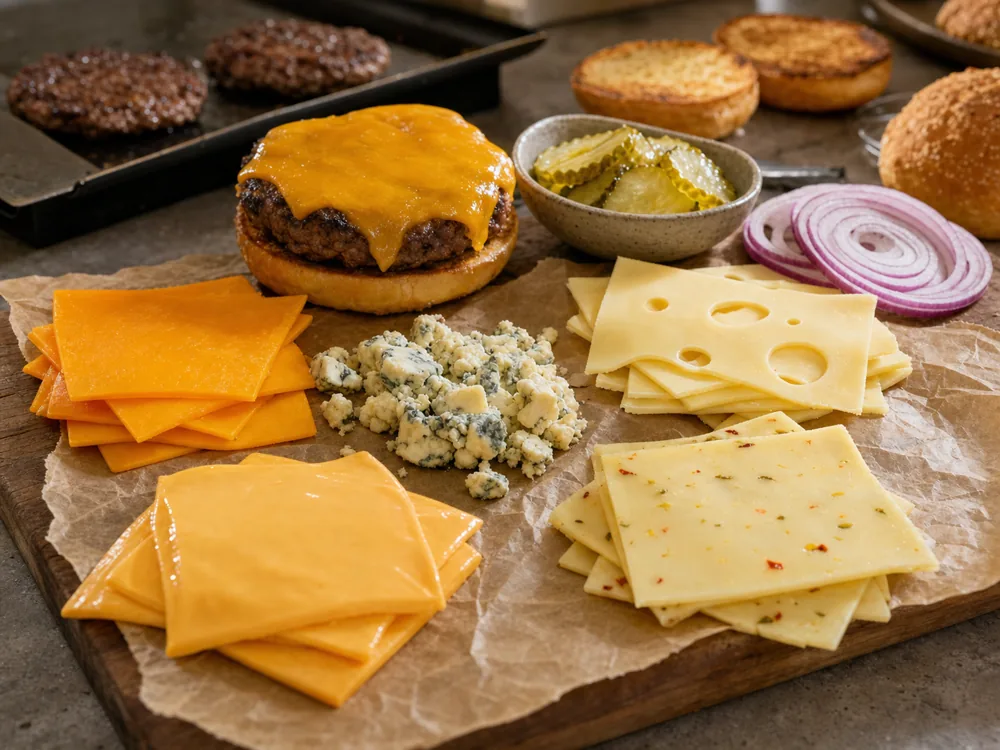
- Fast melt: American cheese for smash burgers and thin patties where speed matters more than complexity.
- Classic bite: Sharp cheddar blocks for burgers that need tang against bacon, pickle, onion, and mustard.
- Mild natural melt: Mild Jack blocks or Muenster when you want real cheese flavor without a loud edge.
- Steakhouse toppings: Nutty Alpine Gruyere, Swiss burger classics, or blue-cheese crumbles when mushrooms, onions, pepper, or bacon are doing part of the work.
These roles overlap, but they do not collapse into one winner. Jack is smoother than cheddar, yet it can taste too quiet on a thick pub burger.
Blue cheese is exciting on beef, yet it can wreck a plain smash burger by pulling attention away from the crust.
That is also why burger cheese is not the same as griddle sandwich cheese. Burgers need enough salt and identity to stand against beef and condiments.
Grilled cheese asks the filling to carry the whole sandwich by itself.
Which Natural Cheeses Actually Earn a Spot on Burgers?
If you want a natural-cheese burger, start by deciding what the American slice is missing for you. Usually the answer is either more flavor, a different topping match, or a less processed finish.
Monterey Jack is the easiest natural upgrade because it melts smoothly and rarely fights the patty. It is especially good on turkey burgers, green chile burgers, and family burgers where a sharp cheese would dominate the bun and sauce.
Cheddar still gives the classic pub-burger bite because it tastes like a burger should taste to a lot of people. The catch is moisture.
A medium or sharp cheddar slice usually works better than a very old dry block, which can oil off before the beef is ready.
Young provolone slices belong in the conversation because they drape more neatly than many people expect, especially with onions, peppers, mushrooms, or Italian-style condiments. They do not hit as hard as cheddar, but they stay tidy.
Young Gouda is a narrower choice, but a useful one. It works when the burger has bacon, barbecue sauce, or sweet onion because the cheese brings a rounder, sweeter finish than cheddar without losing melt completely.
| Burger style | Best cheese move | What it fixes |
|---|---|---|
| Smash burger | American slice | Fast drape before the thin patty overcooks. |
| Thick pub burger | Medium cheddar or Gruyere | More flavor while the hotter patty gives the cheese time to soften. |
| Turkey or chile burger | Monterey Jack, Muenster, or Chihuahua | Gentler melt and added fat without a sharp edge. |
| Mushroom burger | Swiss or Gruyere | Nutty flavor that fits mushrooms and onions better than loud cheddar. |
When Should You Add the Slice and How Thin Should You Cut It?
The right cheese can still fail if the slice goes on at the wrong moment. On burgers, timing matters almost as much as cheese choice because the melt window is so short.
Thin patties want the cheese immediately after the flip. Thicker pub burgers can wait until the final minute because the patty keeps throwing off heat while the second side finishes.
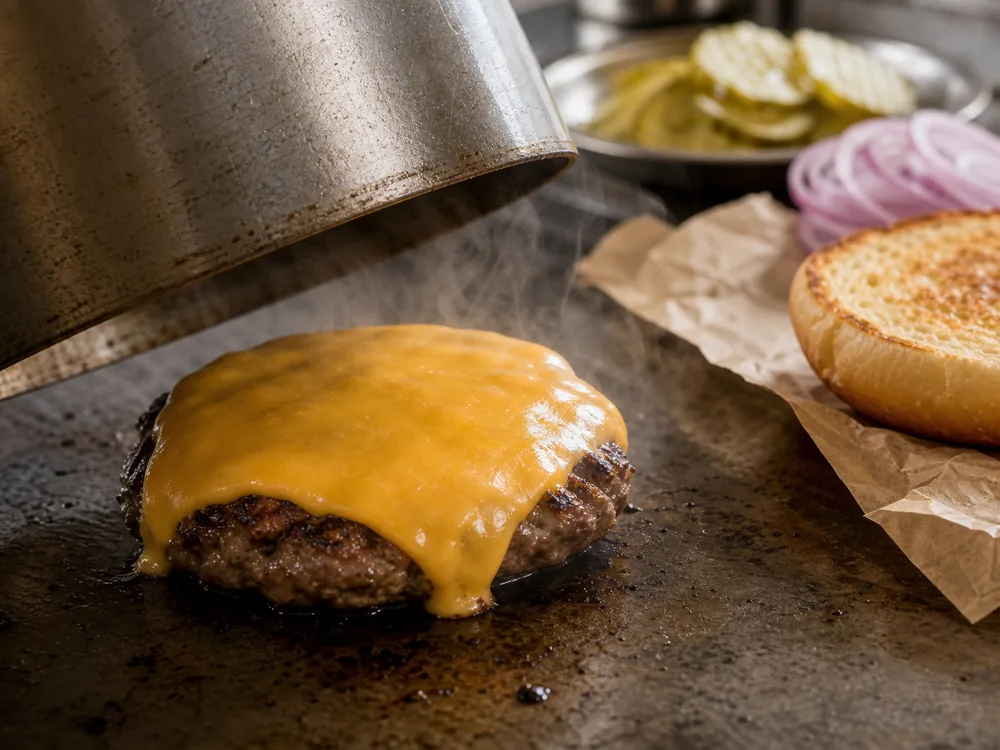
Use a lid for the last 30 to 45 seconds when the cheese needs help. The trapped steam is often the difference between a fully draped slice and a stiff corner hanging off the patty.
Steam does not replace the right cheese, but it buys a natural slice enough time to relax before the burger loses heat.
| Attribute | Good Burger Cheese Setup | Bad Burger Cheese Setup |
|---|---|---|
| Slice thickness | Thin slices or loose shreds | One thick cold slab |
| Heat timing | Added in final 30-90 seconds | Added too early or after the patty rests |
| Texture result | Creamy, clinging, even drape | Rubbery center or oily edge |
| Best use | American, Jack, cheddar, Gruyere | Very aged cheddar, hard grating cheese, wet fresh cheese |
| Patty fit | Matches smash or pub timing | Asks the patty for more heat than it has |
The same rule explains why burgers rarely need a huge cheese stack. Two thin slices melt better than one thick block cut at home.
They also bind sauce and toppings better because the layer settles instead of sitting on top like a cap.
If you cut cheese from a block, aim thinner than a normal sandwich slice. A thick slice may look generous, but it asks the burger for more heat than it has.
Thin slices or loose shreds give natural cheese a better chance to behave like burger cheese instead of a cold topping.
- Thin smash patty: add American or Jack right after the flip so the slice gets the full remaining cook time.
- Thick pub patty: add cheddar, Gruyere, or Swiss during the final minute, then cover briefly if the corners stay stiff.
- Turkey burger: add Monterey Jack or Muenster early enough to bring moisture back into the leaner patty.
- Blue-cheese burger: add crumbles after the patty has color so the cheese warms without turning the whole top salty.
Which Cheese Fits Which Burger Build?
Burger style is the cleanest shortcut when you do not want to overthink the cheese drawer. Different builds want different kinds of help from the slice.
What Cheese Works Best on Smash Burgers?
Use American cheese. Smash burgers live on speed, crust, and edge coverage.
A slower natural cheese can still taste good, but it misses the easiest version of the burger.
Which Cheese Fits a Pub Burger?
Use cheddar first, then Gruyere if the burger carries mushrooms or onions. Cheddar gives the expected tang.
Gruyere gives a richer, more steakhouse-style finish when the toppings lean savory instead of bright.
What Should You Use on Turkey or Chile Burgers?
Use Monterey Jack, Muenster, or mellow Mexican Chihuahua. Lean patties benefit from a gentler cheese that adds fat without turning salty or sharp too fast.
Which Cheese Suits Mushroom and Onion Burgers?
Use Swiss or Gruyere. Both cheeses settle into sauteed mushrooms and onions cleanly, and both taste more natural there than cheddar usually does.
What Tops a Steakhouse Burger?
Use Gruyere when you want a smooth melt, or blue cheese when you want a bold topping. Blue cheese is strongest when bacon, black pepper, and caramelized onion are already framing it.
Use less than you think, because the salt climbs quickly.
Once the burger build is clear, the cheese choice usually shrinks to two or three real answers. That is a better way to shop than treating every burger as a cheddar default.
Which Cheeses Fail on Burgers?
Some cheeses fail on burgers because they ask the wrong question. They may be excellent cheeses, but they do not solve burger problems well enough to justify the trouble.
The usual failures are easy to predict. Some cheeses bring too much water for a bun.
Some stay too firm for the short melt window. Others taste so sharp or salty that the beef disappears behind the topping.
- Feta: brined crumbles that are great inside lamb mixtures or salads, weak as a hot draped topping.
- Parmesan: a hard grating cheese with strong flavor and almost no burger-style melt on its own.
- Fresh mozzarella: too much water for a standard bun unless you drain it hard and build around that choice.
- Very old Gouda or cheddar: deeper flavor, but often too dry or stubborn for fast burger timing.
- Grill-proof slabs: useful as their own burger filling, not as the normal melted topper most people mean.
If a cheese needs a long oven finish, a broiler rescue, or a special bun just to behave, it is probably the wrong burger cheese for a normal weeknight cook.
Blue cheese needs its own warning too. It does work on burgers, but only in a narrow role.
If the beef is already salty and the toppings already heavy, too much blue turns the whole build muddy.
Fresh mozzarella can work on a caprese-style burger if you drain it well and use a sturdy bun, but it is a planned exception, not the default answer. Feta works better folded into lamb or turkey mixtures than melted across the top.
Parmesan-style cheese is better as a seasoning or crisped edge than as the main melt layer.
What Should Your Fridge Hold for Burger Night?
The easiest burger fridge is not a giant assortment.
It is one cheese for guaranteed melt and one cheese for flavor identity. That covers almost every burger most people actually cook.
Best practice is simple: keep American slices for smash burgers and one natural block for thicker or topping-led burgers. Sharp cheddar is the classic second cheese.
Monterey Jack is the easier second cheese if the household likes milder burgers.
- American plus cheddar: best when the house leans toward smash burgers and pub burgers.
- American plus Jack: best when you want easier melt for turkey burgers, chile burgers, and milder burgers.
- Cheddar plus blue cheese: best only when steakhouse burgers happen often enough to justify the stronger second cheese.
That last point matters. A dried-out edge on cheddar or Jack behaves worse in the pan than a fresh cut face.
Good cheese wrapping is not just about shelf life. It changes how the next burger melts.
Fast diner burgers, smash burgers, thin patties
Use: American cheese
It melts fastest, covers the patty cleanly, and keeps the burger creamy with the least effort. Burgers reward drape, and American still handles that job best.
Natural burger builds, thicker patties, topping-led burgers
Use: Cheddar, Monterey Jack, Gruyere, or Swiss depending on the build
Cheddar gives classic bite, Jack gives the safest natural melt, Gruyere upgrades steakhouse burgers, and Swiss fits mushroom-onion builds better than a louder slice.
For most homes, the best two-cheese setup is still American plus cheddar. It covers speed and flavor without turning burger night into a specialty-cheese project.
SOURCES & REFERENCES
What Else Do People Ask About Burger Cheese?
These questions cover the burger-cheese problems that actually show up on the griddle.
American cheese melts best on burgers because it softens quickly, drapes over the patty, and stays creamy after the burger leaves the heat. For natural cheese, Monterey Jack is usually the safest mild melter.
American is better for reliability and speed. Cheddar is better when you want a stronger classic burger flavor and the patty is thick enough to give the slice a little more melting time.
Swiss and Gruyere are the strongest fits for mushroom burgers because their nutty, savory profile lines up with mushrooms and onions better than a sharper burger cheese usually does.
Yes, but it works best as a small topping rather than the full melt layer. Blue cheese makes the most sense on steakhouse-style burgers with bacon, black pepper, onion, or a darker sauce.
Add cheese during the final 30 to 90 seconds of cooking. Thin patties want the slice right after the flip, while thicker burgers can take it during the final minute with a lid to trap steam.