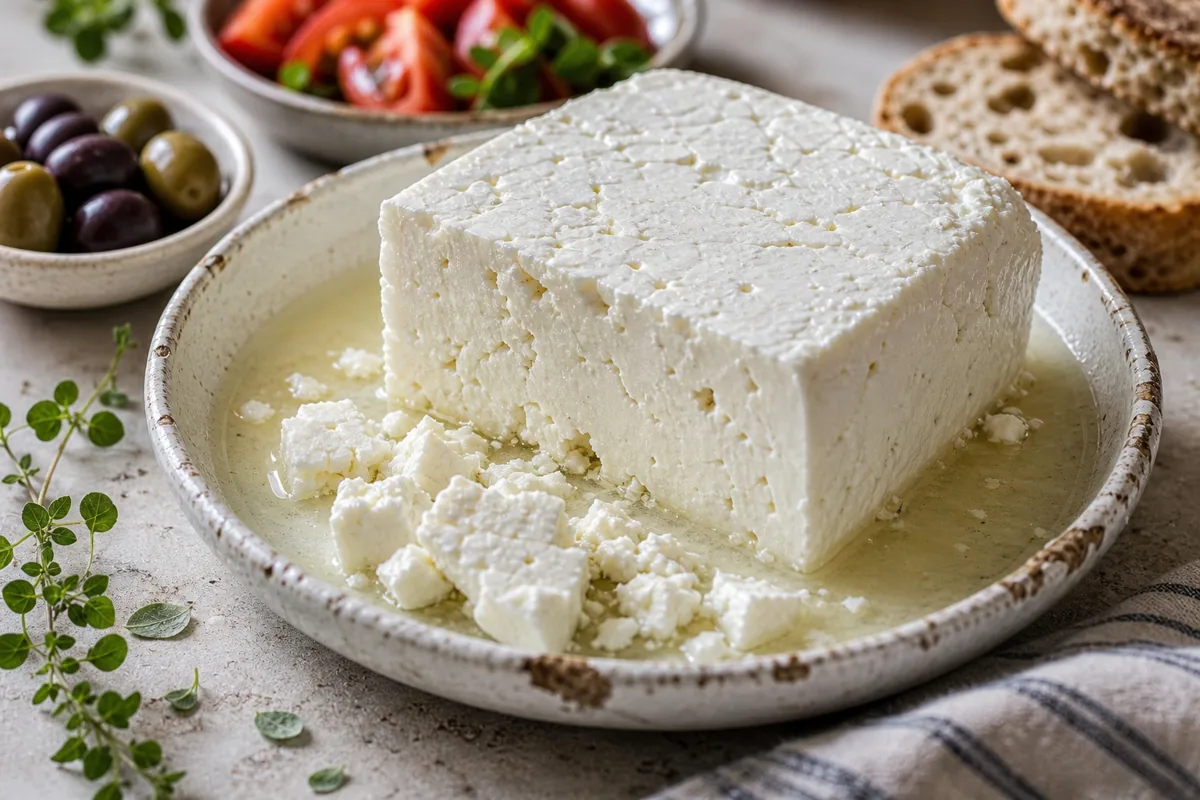
Feta is a salty, tangy white cheese matured in brine. Greek Feta PDO is made from sheep's milk, sometimes blended with goat's milk, and breaks into pieces that work well in salads, vegetable dishes and pastry fillings.
A block gives you the choice of slices, cubes or crumbles.
Once you open it, the useful date is the maker's opened-pack limit: being surrounded by brine does not guarantee weeks of safe storage.
In This Article
What Milk and Origin Does the Feta PDO Require?
PDO feta contains at least 70% sheep's milk, with goat's milk making up no more than 30%. It can be entirely sheep's milk; it cannot be an all-goat or cow's-milk cheese under that designation.
The protected area includes Macedonia, Thrace, Epirus, Thessaly, Central Greece, the Peloponnese and Lesvos. The milk comes from sheep and goats raised in the designated area, so a Greek-looking package alone does not establish PDO origin.
Look for the Feta PDO designation and check the milk ingredients.
An organic feta must also meet separate farming standards; a PDO designation alone does not establish those.
How Is Feta Made and What Does It Taste Like?
Expect a salty bite with a slightly acidic tang. A piece can hold together well enough to cut, then crumble under a fork; the brine is part of its flavour, rather than a liquid added only for shipping.
The European Commission describes curds draining in perforated moulds without pressing. The drained cheese is cut and salted on the surface before brine is added for maturation.
Ripening takes place in two stages, finishing under refrigeration at 2-4 C, with at least two months of maturation in total. The two-month production minimum is not an opened-pack storage allowance.
Should You Buy Feta in Blocks, Tubs or Crumbles?
Choose a block when you want both a slab for a salad and smaller pieces for a filling. Ready-made crumbles save a preparation step when scattered cheese is all the dish needs.
Brine tubs and vacuum packs are both legitimate formats; DODONI also lists cubes and crumbles in its US range. Packaging shape alone therefore cannot tell you whether a cheese meets the PDO rules.
Compare the ingredient lists and the instructions after opening, especially if you use only a little at a time. A larger tub is less useful if you cannot finish it within its stated limit.
DODONI says its feta is ready to eat without washing.
Draining the portion you need keeps packing liquid out of a salad or pastry filling; keep the rest according to the pack's directions.
How Do You Cook with Feta?
Cold feta adds both salt and acidity. In a tomato, cucumber and olive salad, taste the dressed vegetables with a piece of cheese before adding more salt, because the olives and feta already contribute it.
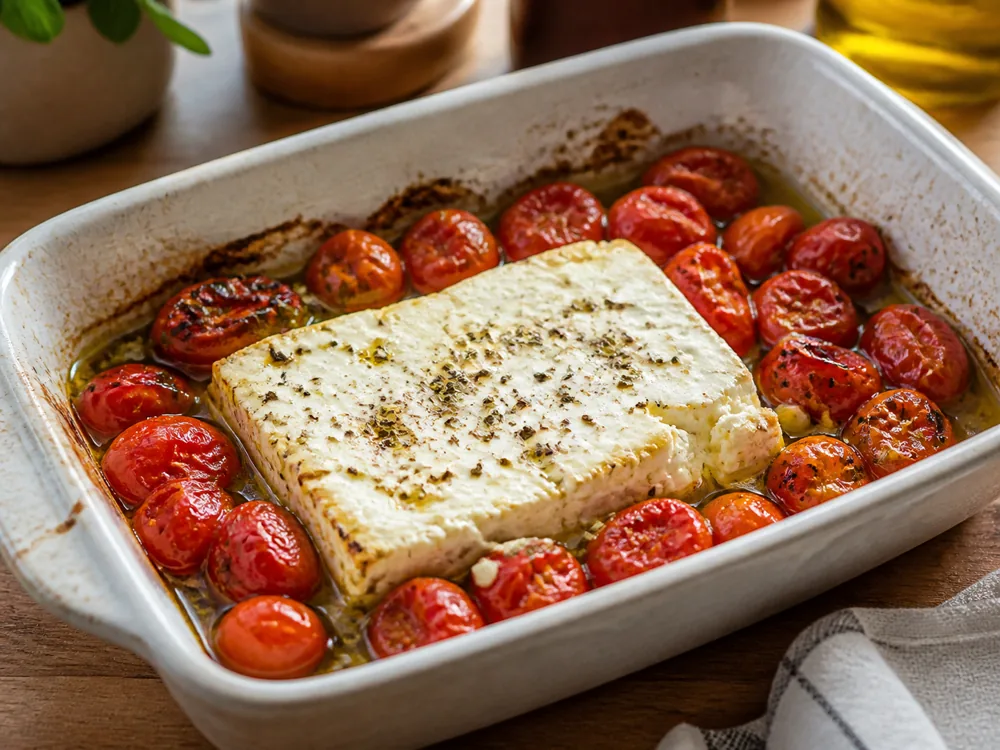
Under heat, feta softens and can be mashed into a creamy sauce. It does not give the long, elastic strands you would expect from mozzarella, so it is a poor choice when a pizza or toast topping needs that stretch.
DODONI's oven-baked bouyiourdi combines feta with tomatoes, peppers, olive oil and a separate grated cheese.
Its covered bake followed by an uncovered finish shows one way to make a hot, spoonable dish; the extra cheese is part of that recipe, not evidence that feta alone forms a stretchy crust.
For spinach pastry or stuffed vegetables, crumbled feta gives distinct salty pieces within the filling. Drain it before mixing so the packing liquid does not wet the pastry or dilute the filling.
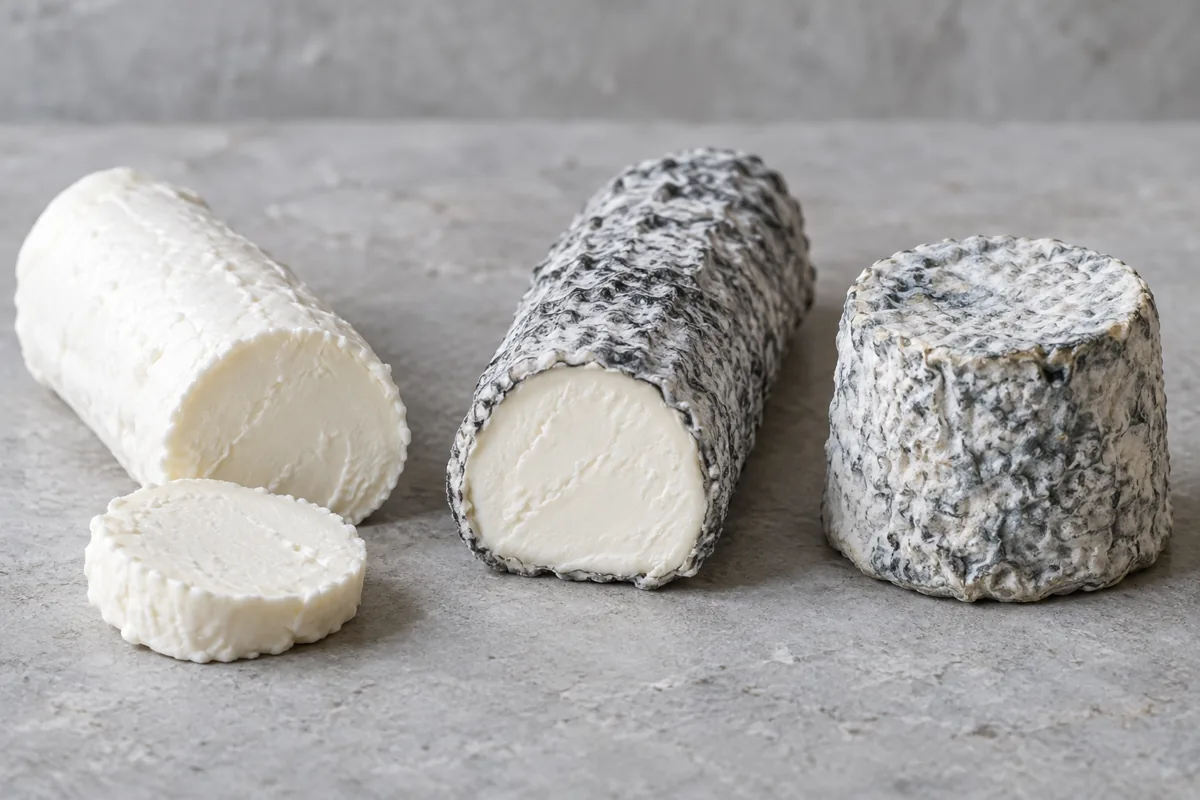
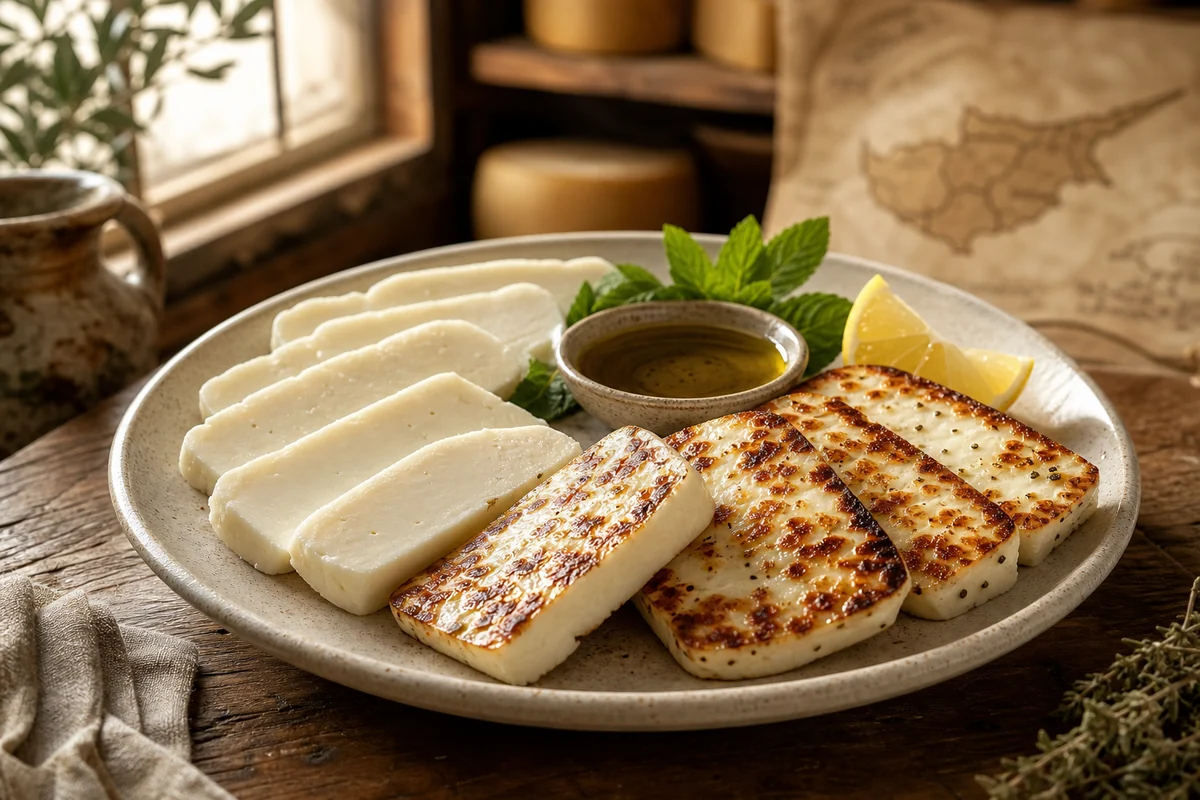
If feta is unavailable, fresh goat cheese can supply tang in a tomato dish, but its softer texture gives a creamier result. A firm grilling cheese such as halloumi suits a seared slab instead; it will not reproduce feta's crumble.
How long does opened feta last?
Follow the opened-pack limit for the product you bought. DODONI's US FAQ, for example, recommends consuming its vacuum-packed feta within four days of opening and its brine-packed feta within eight days.
Those are that maker's recommendations for those formats, not a timetable for every feta. Follow a shorter instruction on your own pack, respect its use-by date where one is given, and refrigerate unopened packs too.
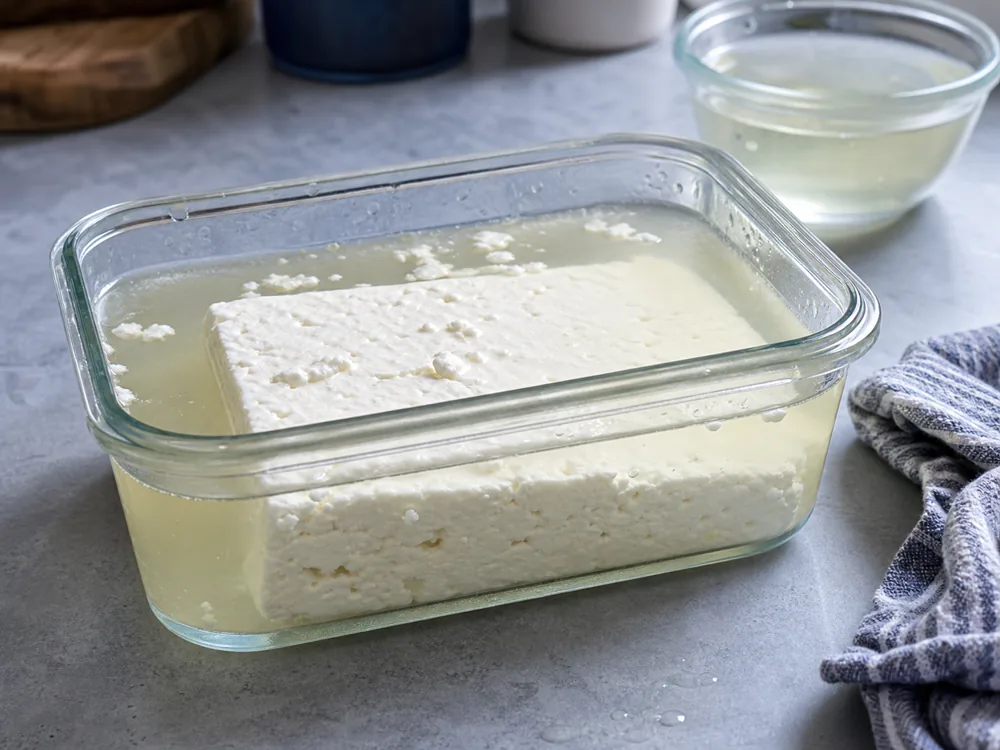
For feta supplied in brine, retain the original liquid and keep the container covered as directed. Use a clean utensil to take out a portion; do not add homemade salt water to claim a new safe storage period.
FDA household guidance sets the refrigerator at 40 F (4 C) or below. Keep the pack colder if its label requires it, and record the opening date so you can follow its limit.
Refrigerate portions within two hours, or one hour when the air is above 90 F (32 C). A bowl of brine does not make feta suitable for an afternoon on a warm buffet.
Discard moldy feta rather than cutting away a spot: USDA advises discarding moldy soft and crumbled cheeses because contamination can extend below the surface.
An ordinary smell or appearance cannot prove that cheese stored too warm is safe.
What Do Feta's Nutrition and Dietary Labels Say?
The figures below come from DODONI's US feta panel for a 28 g serving. That product is made with pasteurized sheep's milk; these numbers do not describe every feta brand, blend or market.
| Nutrient | Amount |
|---|---|
| Energy | 70 calories |
| Protein | 5 g |
| Total fat | 6 g |
| Saturated fat | 4.5 g |
| Sodium | 280 mg |
| Calcium | 100 mg |
| Total carbohydrate | 0 g as declared on the panel |
Compare labels on the same serving weight. Sodium and salt are different measurements, so 280 mg sodium should not be read as 280 mg salt.
A declared zero for carbohydrate is not a product-specific lactose-free certification.
Feta is dairy cheese, and neither sheep's milk nor goat's milk makes it a dairy-free option.
Vegetarian suitability depends on the rennet or enzymes used.
DODONI says its rennet is vegetarian, but that statement does not cover another producer's feta; look for a suitability statement or ask the maker when the label says only enzymes.
Can you eat feta during pregnancy?
CDC specifically lists feta made with pasteurized milk among safer cheese choices during pregnancy. That named exception matters: feta does not need to be treated as though it were every other type of soft cheese.
US guidance treats cheese sliced at a deli separately, listing it as riskier unless heated to 165 F (74 C) or until steaming hot. For a cold feta salad, choose a clearly labelled pasteurized pack and follow its refrigeration and opened-pack instructions.
In the UK, NHS guidance also lists pasteurized feta among cheeses that can be eaten. Unpasteurized soft cheese needs thorough cooking until steaming hot; if you cannot establish the milk treatment, choose a clearly labelled pasteurized alternative.
Neither the PDO name nor the brine establishes pasteurization.
Cooking is not a way to rescue spoiled cheese or ignore a use-by date.