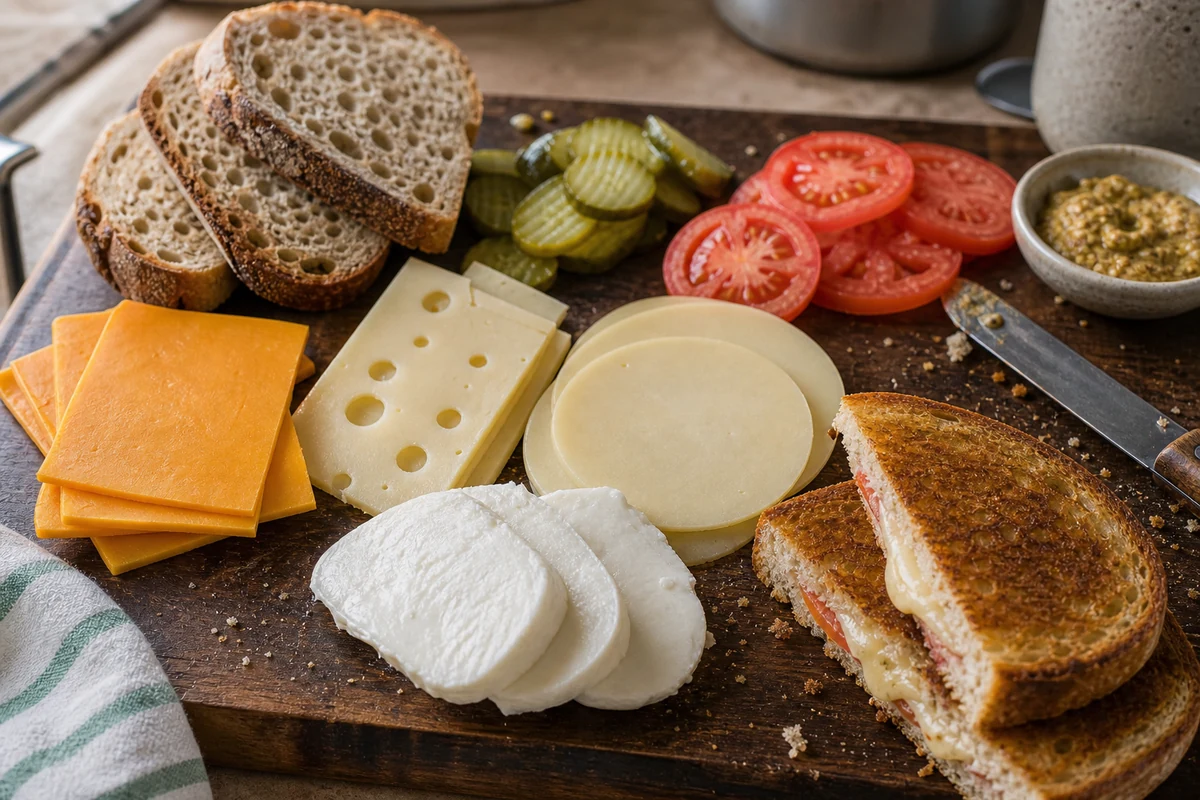
Young provolone is the best all-round sandwich cheese because it works in more cold and hot sandwiches than any other single cheese. When you know the temperature, choose by it: Swiss wins many cold sandwiches because it slices thin and stays tidy, while Gruyere wins many hot sandwiches because it melts cleanly and still tastes like something.
Sandwich cheese does not face one test. A packed turkey sandwich, a grilled cheese, and a cheesesteak are asking for three different kinds of help.
Sandwiches expose sliceability, melt speed, moisture, and bite structure faster than almost any other everyday meal. A cheese that feels excellent on a board can turn awkward once bread, meat, vegetables, and time press against it.
The easiest way to choose better is simple: decide whether the sandwich is cold or hot before you even look at the cheese case. That one move solves a lot of confusion.
After temperature, the next question is pressure. A wrapped lunch needs a slice that stays tidy for hours.
A panini or griddle sandwich needs cheese that softens quickly but does not run out of the bread. A picnic sandwich needs flavor without extra moisture.
In This Article
Why Should You Choose Sandwich Cheese by Temperature First?
Cold sandwiches want control and hot sandwiches want melt. Once you separate those two jobs, a counter full of deli cheese sorts itself into two short lists.
Swiss-style cheese shines cold because it slices thin, stays calm in a lunchbox, and adds enough nuttiness without drowning out turkey, ham, or vegetables. Nutty Alpine Gruyere shines hot because it melts smoothly, tastes fuller than most mild deli cheeses, and still feels composed after the sandwich rests for a minute.
That split also explains why the best sandwich cheese is not simply the strongest cheese. Cold sandwiches punish wet and crumbly textures.
Hot sandwiches punish slow melt and oiling. The winner has to fit the bread and the timing, not just taste good alone.
The one-cheese answer for the whole sandwich category is not Swiss or Gruyere. It is provolone, because provolone crosses more cold and hot sandwich jobs than either specialist winner does.
That crossover value is what makes provolone so useful. It is not the absolute best at every sandwich, but it is the cheese least likely to feel wrong.
This order rewards cheeses that keep doing their job once bread, fillings, and time enter the equation, rather than cheeses that only sound impressive on a board.
The order gives extra weight to real sandwich behavior rather than to generic cheese quality. A wonderful board cheese can still rank badly here if it sweats, squishes, or vanishes between bread.
| Sandwich job | Best cheese lane | What to avoid |
|---|---|---|
| Packed cold lunch | Swiss, provolone, mild cheddar | Wet slices, thick crumbly cheese, strong blue cheese |
| Italian sub | Young provolone | Cheese that fights cured meat, vinegar, and herbs |
| Hot pressed sandwich | Gruyere, provolone, Havarti | Extra-dry blocks that oil before they flow |
| Breakfast sandwich | Muenster, young Gouda, American | Cheese that needs high heat while the egg overcooks |
What Makes the Best Cheese for Cold Sandwiches?
Cold sandwich cheese should not announce itself too loudly. It should slice thin, fold neatly, and stay in the bite instead of sliding out on the first chew.
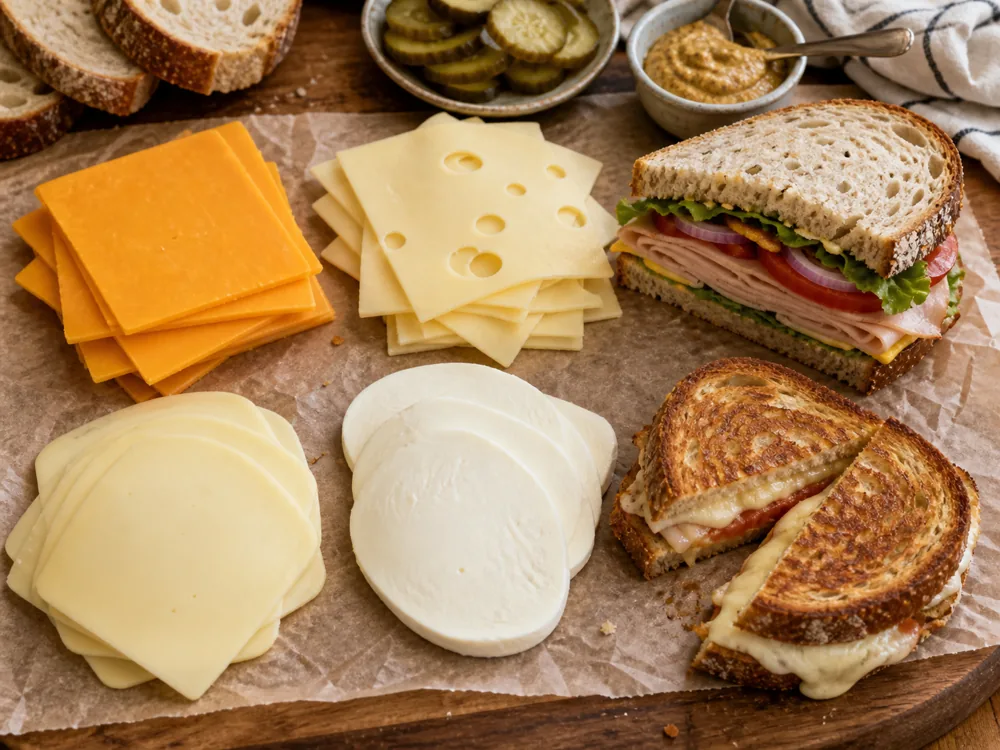
That is why Swiss and young provolone win so often. They are flavorful enough to matter, but they leave room for deli meat, mustard, tomato, lettuce, and bread to still taste like part of the same sandwich.
Slice thickness is the quiet detail.
One thin slice that covers the bread beats a thick slab in the center, because every bite gets some cheese without forcing the fillings to slide. If the sandwich will sit in a lunchbox, thinner slices also warm more evenly and feel less rubbery.
| Attribute | Good Cold Sandwich Cheese | Bad Cold Sandwich Cheese |
|---|---|---|
| Slice behavior | Thin, clean, flexible | Crumbly, gummy, or too thick |
| Flavor role | Supports the fillings | Disappears or overpowers |
| Room-temp hold | Stays tidy in lunchbox conditions | Sweats, squishes, or leaks moisture |
| Best examples | Swiss, provolone, mild cheddar, Comte | Brie, wet mozzarella, very crumbly feta, aggressive blue |
| Sandwich result | Balanced bite | Messy or one-note bite |
- Turkey and chicken: Swiss or Havarti keep the sandwich gentle
- Ham and deli pork: Swiss, provolone, or a fruity Alpine wedge like Comte work cleanly
- Italian cold subs: young deli provolone still sets the standard
- Veggie cold sandwiches: fresh mozzarella works only if you control the moisture
Soft cheeses are not banned here. They are just narrower.
Soft-rind Brie and Camembert belong on tartines or open-faced sandwiches more than they belong in wrapped deli builds.
Moisture is the main reason. Brie can be lovely with apple, ham, or a sturdy baguette, but it can smear under pressure.
Fresh mozzarella can make a great caprese sandwich, but it needs draining and a bread that can handle juice.
What Makes the Best Cheese for Hot Sandwiches?
People talk about cheese pull, but recovery matters more. The best hot sandwich cheese is the one that still feels smooth and connected after the sandwich leaves the pan and sits for a minute.
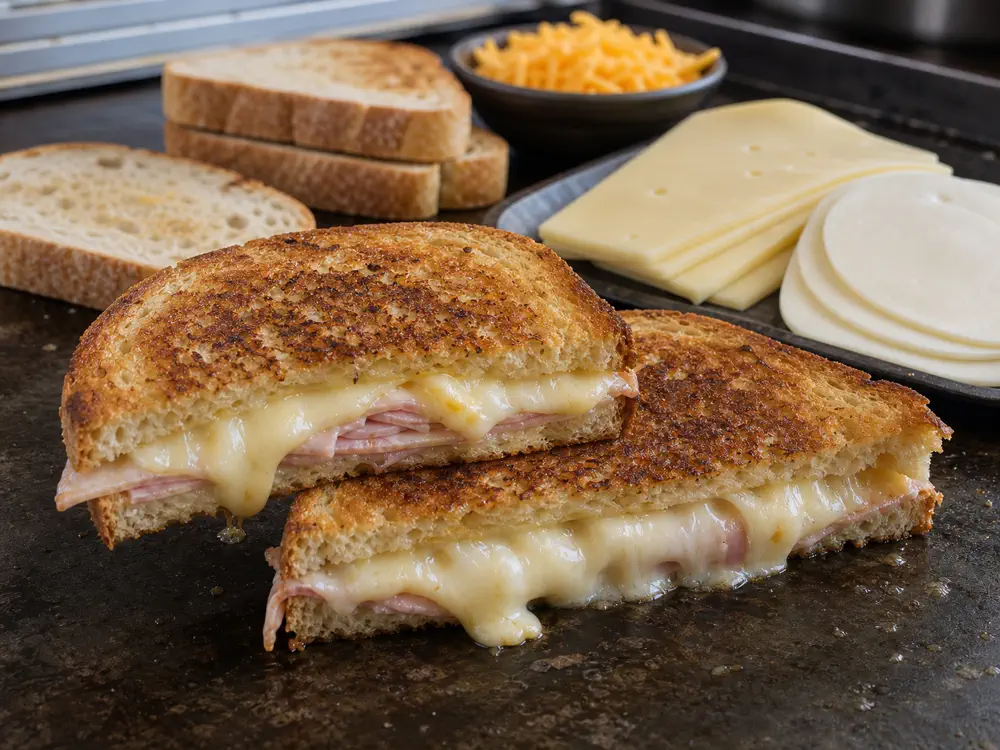
Gruyere earns the crown there because it melts evenly, tastes nutty instead of flat, and stays coherent instead of turning oily. Provolone comes close, which is why it stays so useful on cheesesteaks and hot subs.
Young cheddar belongs in hot sandwiches too, but it needs the right age. It melts better and tastes clean.
Extra-sharp cheddar can turn grainy or oily if it carries the sandwich alone, so it works better as the flavor half of a blend.
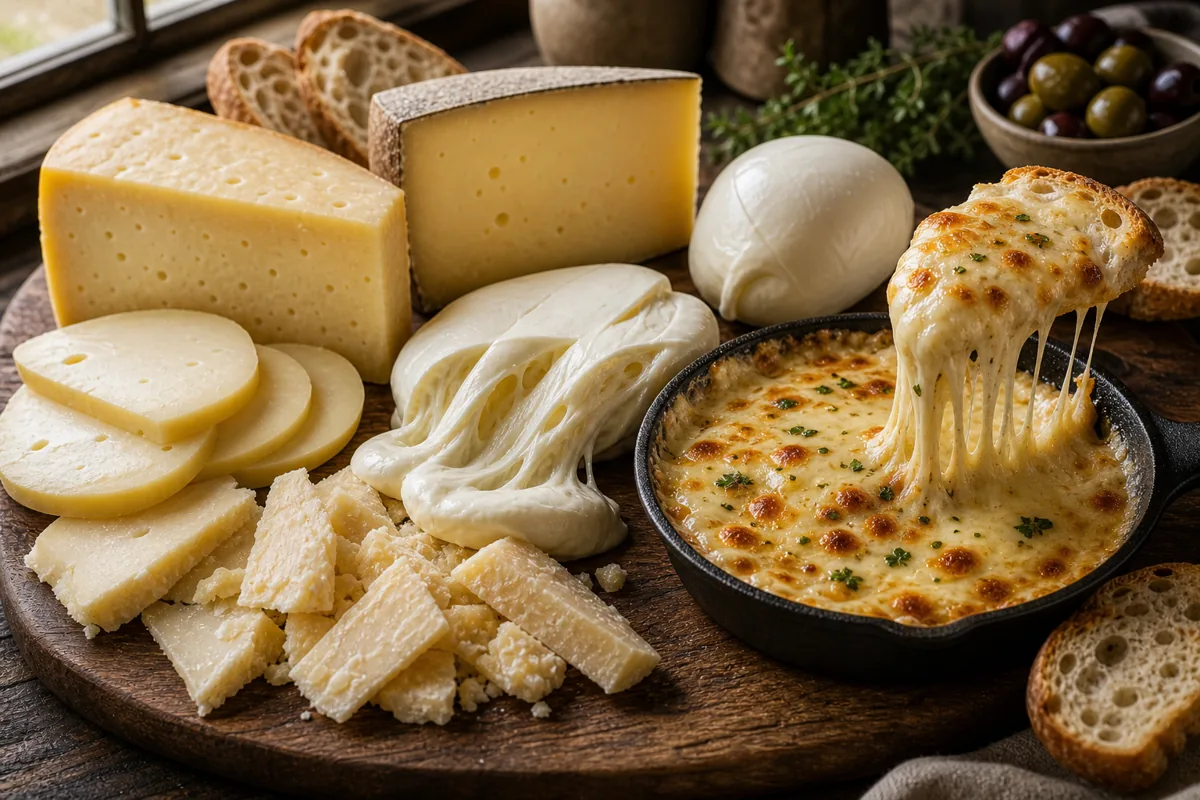
If the sandwich is really about melt behavior, the broader melt-performance ranking helps. Sandwiches stay narrower because bread, filling pressure, and bite cleanup all matter in a way they do not on fries or nachos.
Resting helps hot sandwiches more than people expect.
A short pause lets the cheese settle back into the crumb instead of spilling out when you cut it. That is especially useful with Gruyere, provolone, and cheddar blends.
Why Does Provolone Cross the Most Sandwich Styles?
Swiss is better cold. Gruyere is better hot.
Provolone is the cheese that makes the fewest enemies in the middle.
Young provolone slices well, behaves well in cold sandwiches, and still melts quickly on a griddle. That is why deli counters and sandwich shops keep leaning on it.
If you only want one weekly sandwich cheese, buy young provolone first. Add Swiss for more cold deli sandwiches, and add Gruyere when grilled cheese and richer hot sandwiches matter more.
The more aged provolone styles can sharpen the cold-sandwich lane nicely, but they are not as universal as the milder deli versions. One of provolone's real strengths is that it rarely hijacks the rest of the sandwich.
Use mild provolone when the sandwich has many other strong parts, such as salami, peppers, onions, pickles, or vinaigrette. Use sharper provolone when the cheese needs to speak through simple bread and meat.
That small choice keeps the same cheese from feeling bland in one sandwich and pushy in another.
- For one weekly cheese: choose provolone
- For cold-sandwich people: add Swiss first
- For melt people: add Gruyere or a Gruyere-cheddar blend first
How Do You Match Cheese to Different Sandwich Families?
The best sandwich cheese changes with the build. Bread, heat source, meat, and condiments all nudge the decision.
A turkey sandwich does not need the same cheese logic as a cheesesteak. Turkey needs clean slices and quiet flavor.
A cheesesteak needs fast melt and enough salt to stand up to beef. A breakfast sandwich needs a cheese that melts before the egg turns tough.
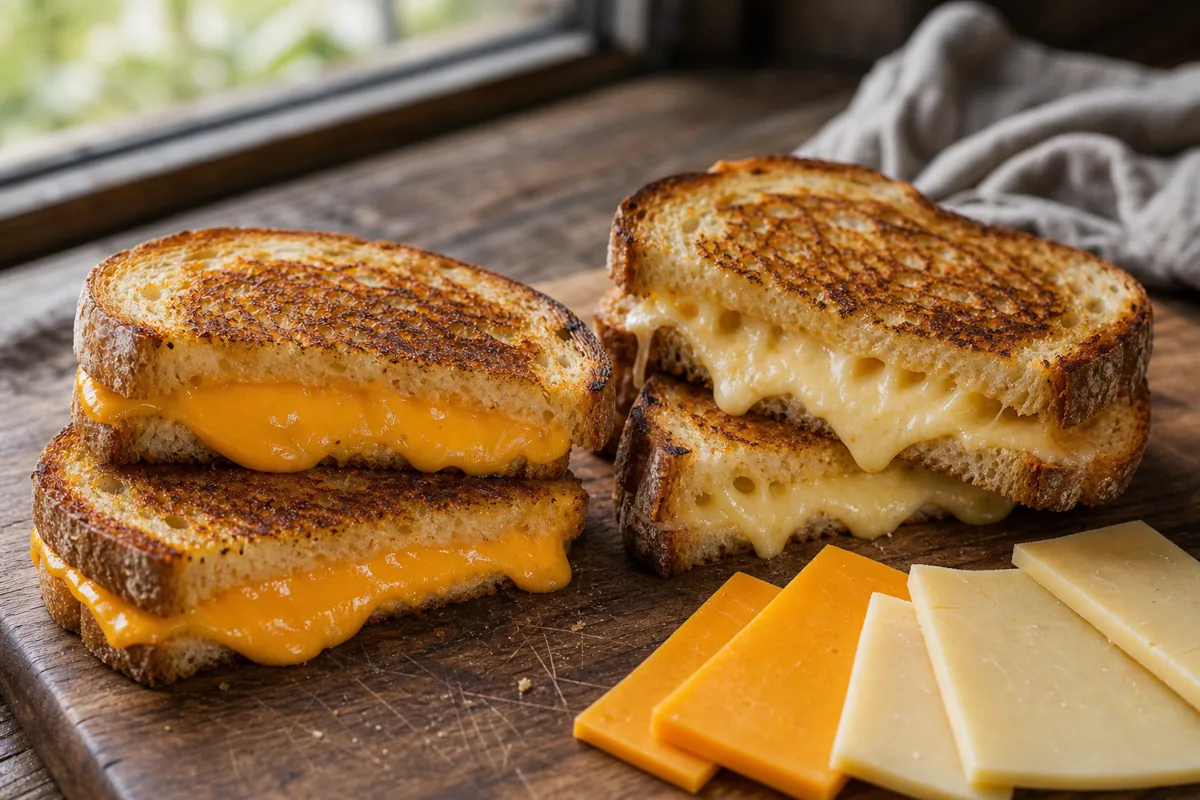
- Grilled cheese: Gruyere plus cheddar is the easiest high-reward blend
- Italian sub: provolone still beats trendier choices because it respects the meat stack
- Cheesesteak: provolone or white American, depending on whether you value flavor or speedier melt
- Breakfast sandwich: Muenster or young Gouda melt fast at lower heat
- Caprese or picnic sandwich: fresh mozzarella works only when you drain it well
Grilled cheese is only one hot-sandwich case.
Sandwiches also ask for deli behavior, griddle behavior, and make-ahead behavior.
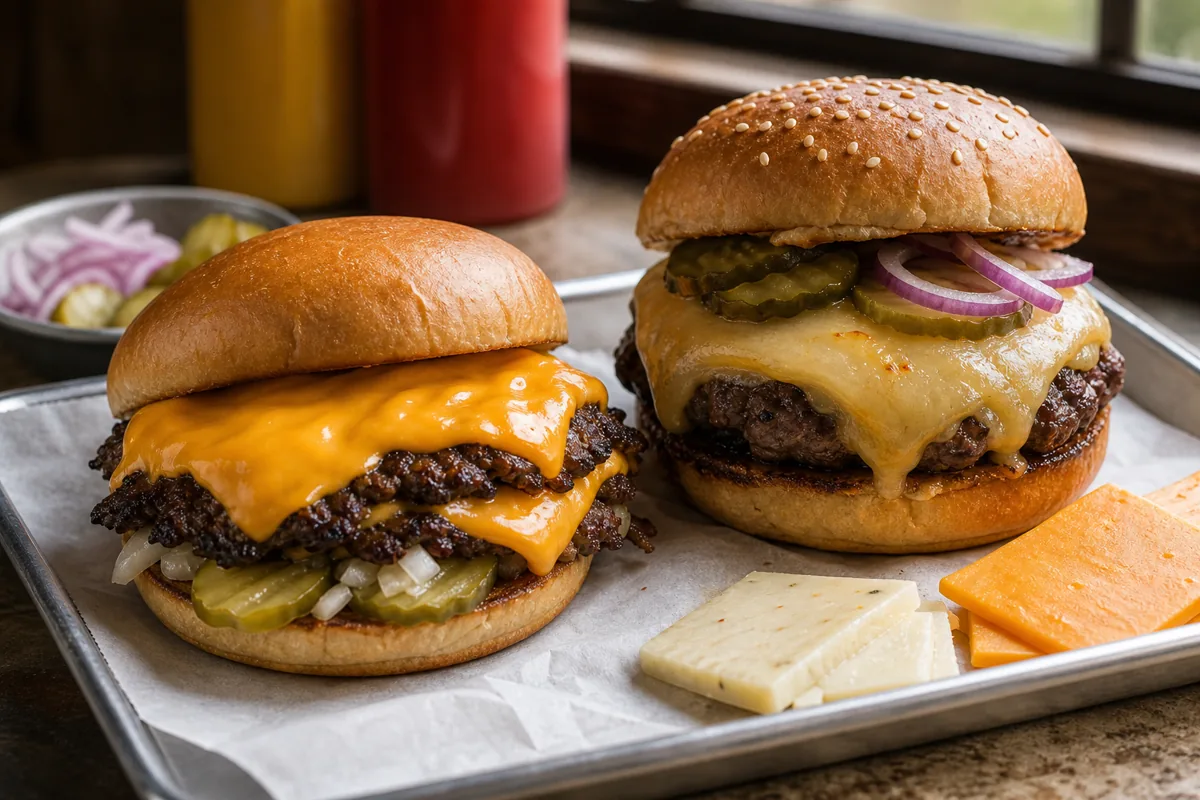
The same logic separates sandwiches from burger cheese choices. A burger slice melts over hot meat and can use steam from the patty.
Sandwich cheese often has to behave between two pieces of bread, sometimes with no heat at all.
When Should the Bread Decide Your Sandwich Cheese?
Bread decides how assertive the cheese can be. Soft sandwich bread needs a tidy slice that will not overwhelm the crumb, while crusty baguette, ciabatta, and sourdough can handle stronger cheese because they bring more chew and flavor of their own.
Dry bread also asks for a creamier cheese or a wetter condiment. Dense rye can carry Swiss beautifully, especially with mustard or ham.
A lean baguette may need provolone, fresh mozzarella, or a thin smear of butter or oil so the sandwich does not feel dry.
When two cheeses both seem right, choose the one that fixes the bread's weakness. Creamier cheese helps dry bread, cleaner slices help soft bread, and stronger cheese helps bread with more chew.
This is why one universal sandwich cheese always feels like a compromise. Provolone covers the most situations, but Swiss, Gruyere, cheddar, and fresh mozzarella each win when the bread and temperature point in their direction.
What Is the Smartest Three-Cheese Fridge Setup for Sandwiches?
If sandwiches are a weekly habit, do not overbuy. One cheese for cold builds, one for hot builds, and one flexible middle cheese covers almost everything.
For most homes, that means Swiss, Gruyere, and provolone. Swap Gruyere for cheddar if you want a sharper comfort-food profile.
Swap Swiss for mild cheddar if your lunches lean roast beef or apple instead of turkey and ham.
Wrapped correctly, these cheeses stay useful for more than one lunch cycle. Good fridge storage protects the slice quality that sandwich cheese depends on.
Buy smaller amounts if you only make sandwiches once or twice a week. Deli slices dry at the edges faster than a block, and dried edges fold poorly.
Blocks last longer, but they make more sense when you are willing to slice or grate them right before building the sandwich.
Cold lunches, deli sandwiches, easy everyday use
Use: Swiss or young provolone
They slice cleanly, support the fillings, and stay tidy after the sandwich sits awhile.
Hot melts, grilled cheese, richer pressed sandwiches
Use: Gruyere, or Gruyere plus cheddar
Gruyere gives the cleanest hot melt, and cheddar adds the sharper flavor people expect from comfort-food sandwiches.
If you want one single recommendation, buy provolone.
If you want the best answer for each lane, buy Swiss for cold and Gruyere for hot. That is the cleanest reading of the sandwich category.
SOURCES & REFERENCES
What Else Do People Ask About Sandwich Cheese?
These are the questions that usually come up once someone realizes cold and hot sandwiches need different cheese behavior.
Swiss is one of the best cold sandwich cheeses because it slices thin, stays tidy, and adds mild nuttiness without crowding out the fillings. Young provolone is the best runner-up when you want more versatility.
Gruyere is the best hot sandwich cheese for many people because it melts smoothly and still tastes rich after the sandwich rests for a moment. Provolone is the more budget-friendly crossover option.
Yes. Provolone is one of the most useful sandwich cheeses because it performs well both cold and hot, especially in Italian subs and cheesesteaks.
Usually because the cheese is too sharp, the slices are too thick, or the heat is too high. Blending cheddar with Gruyere and cooking lower usually fixes it.
Yes, but it is a narrow choice. It works best in caprese or pressed Italian sandwiches and needs draining so it does not make the bread soggy.