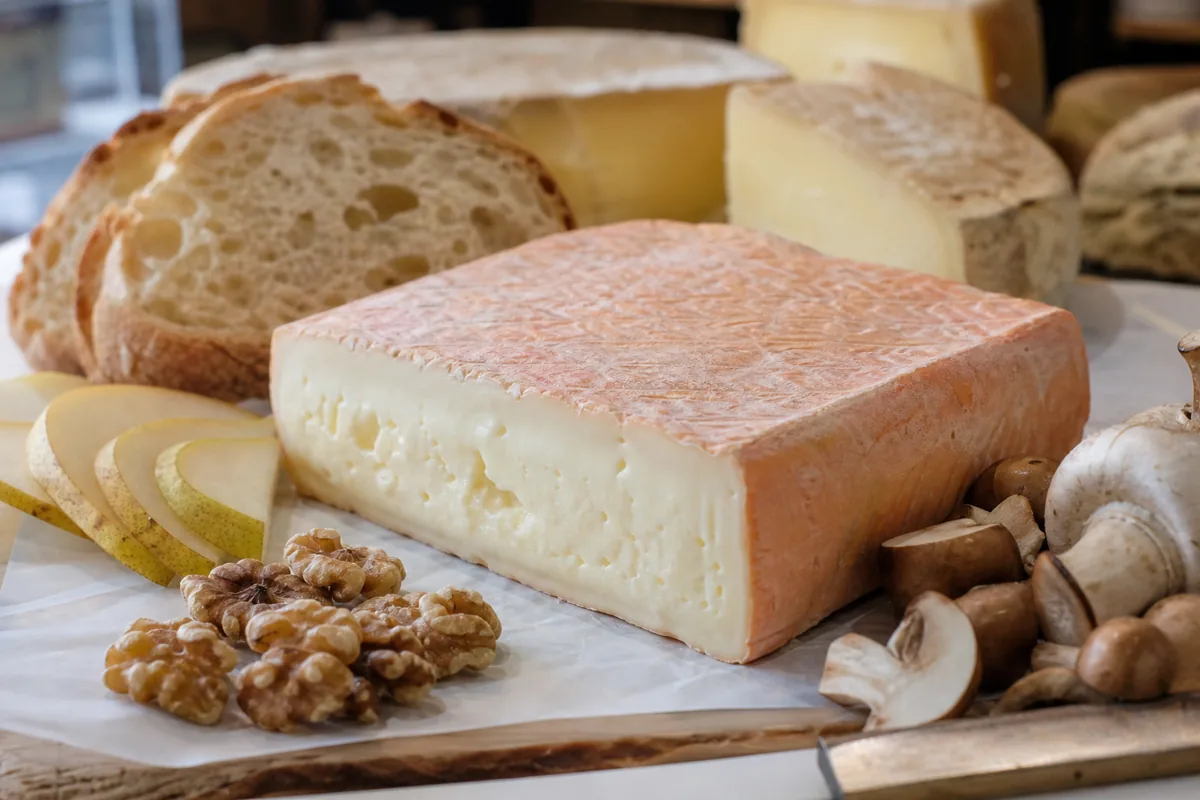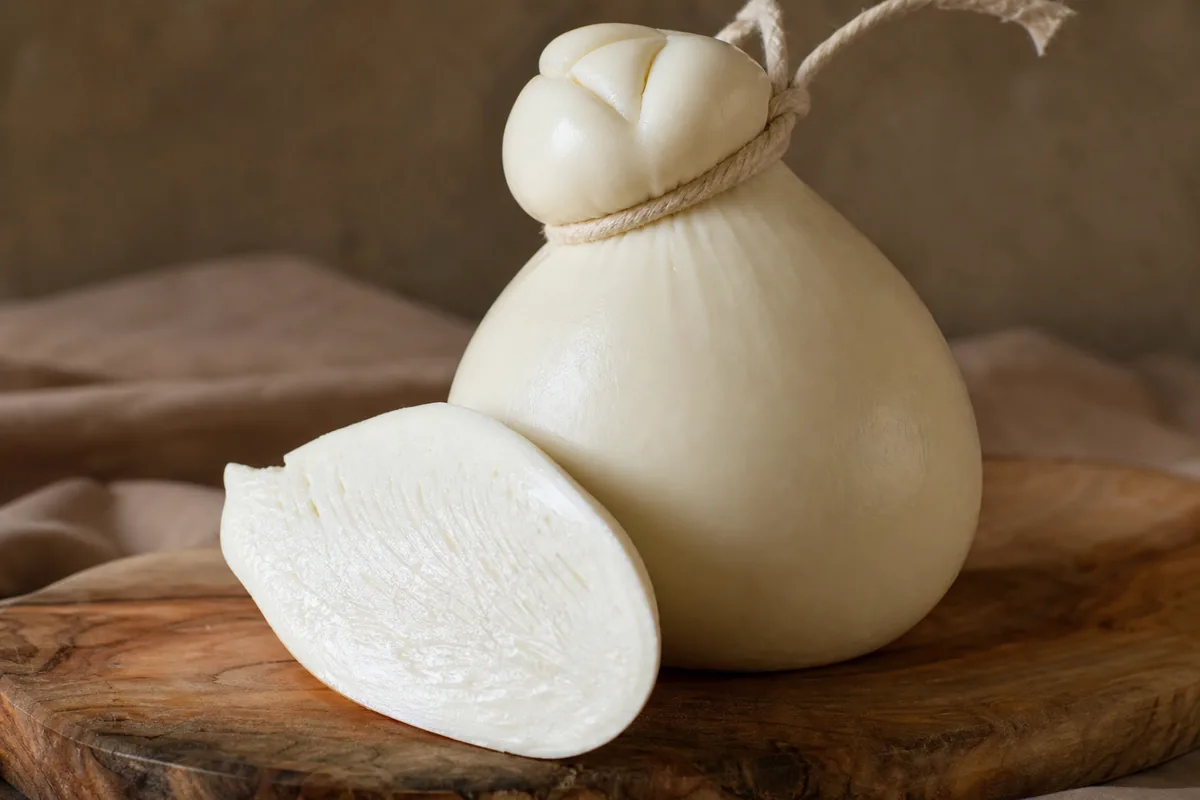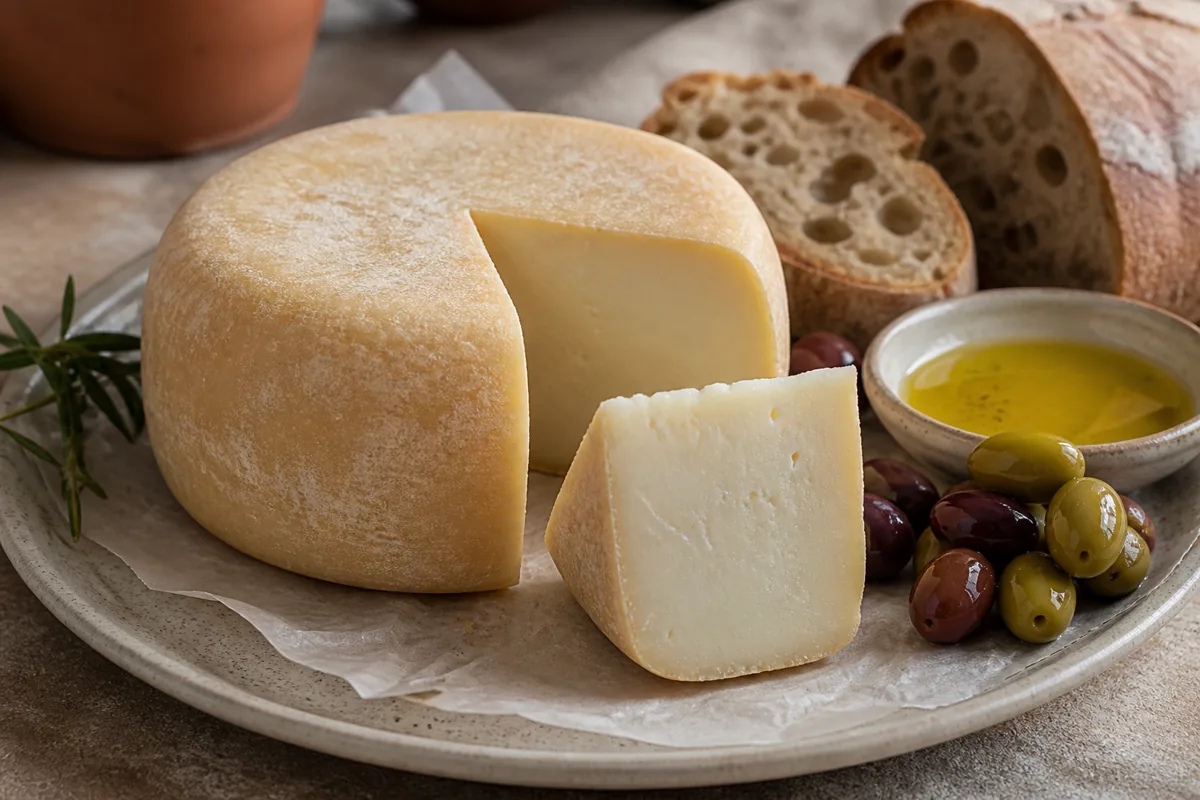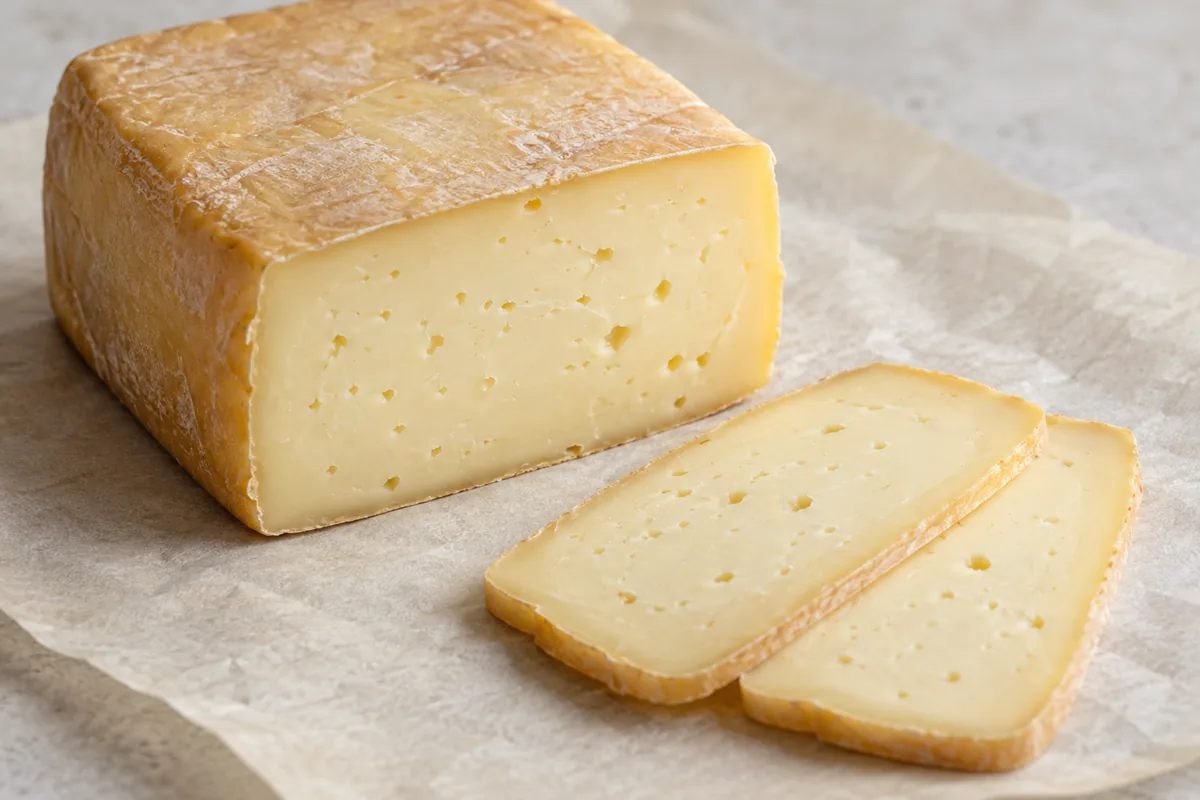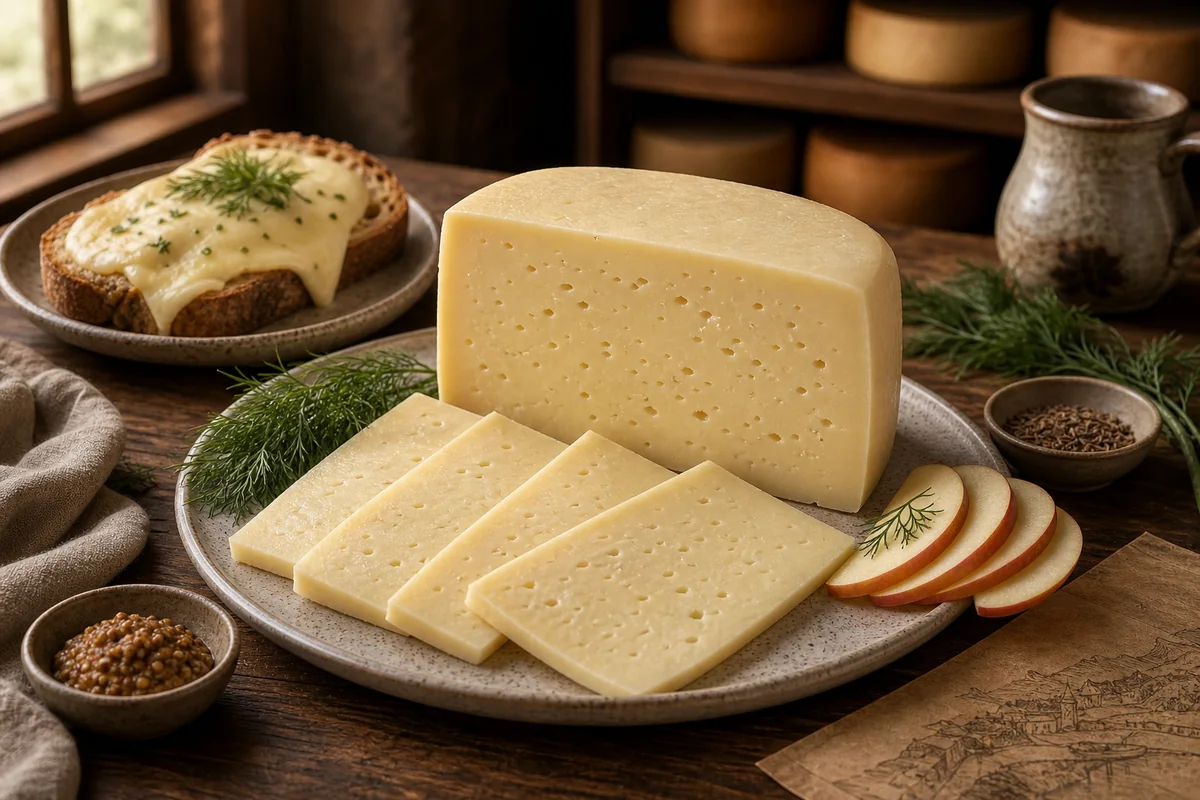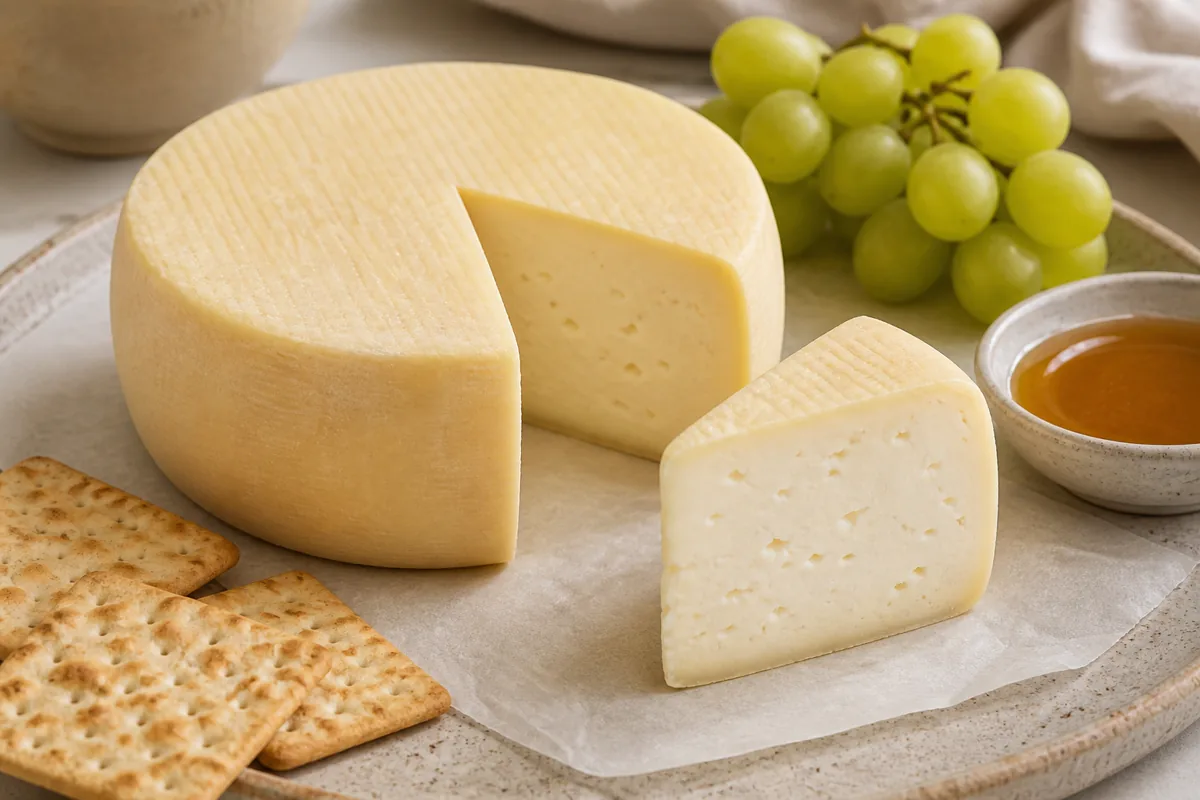
Bel Paese names a family of mild Galbani cheeses. If you pick up a small Italian form, a counter-cut wheel, or a U.S. food-service product, the ingredient list, rind, nutrition and cooking behavior may differ even though the name on the front is the same.
That makes the package more useful than a generic description. You can expect a soft, approachable table cheese, but you still need the exact format to know whether the rind is edible, how cold to keep it and what the maker recommends doing with it.
In This Article
Why Does One Name Cover Several Different Products?
Egidio Galbani created Bel Paese in Italy in 1906, naming it after Antonio Stoppani's book Il Bel Paese. The original idea was a cheese with an easygoing flavour, recognisable presentation and enough keeping quality to travel beyond one local market.
The name later spread across whole forms, slices, processed portions and market-specific products. Each market and format carries its own product record, so the Bel Paese name gives you a family resemblance rather than one specification shared by every version.
Read broad descriptions with that brand history in mind: “mild” and “semi-soft” are useful expectations, while a precise fat value, ingredient or rind rule belongs to a particular product record.
When a seller lists only Bel Paese, ask which format and market it came from. Those details control the ingredients, rind directions, nutrition and storage advice.
Current classic products are described as cow's-milk cheeses, yet even their formulas diverge. The Italian 250 g form includes modified starch, while the larger Italian Forma and a German counter product list natamycin on the rind.
If a recipe simply says Bel Paese, match the pictured or described format before assuming a counter wheel and a processed slice will behave alike, because Galbani also sells slices and processed portions under the wider Bel Paese name.
How Do the Current Bel Paese Formats Differ?
If you are comparing two packages, begin with the product name and country of sale. Galbani's 250 g Italian product and its counter-size Forma differ in ingredients, rind treatment, stated aging and nutrition, so the larger wheel is more than a scaled-up version of the small one.
| Product | What the Label Tells You |
|---|---|
| Italy, 250 g form | Wax-protected small form with milk, modified starch, salt and rennet; 308 kcal and 24 g fat per 100 g; maximum 4 C storage |
| Italy, Bel Paese Forma | Counter wheel aged on wooden boards for more than one month; milk, salt, rennet and natamycin on a non-edible rind; 341 kcal and 27 g fat per 100 g; maximum 4 C storage |
| Germany, counter product | EU milk, salt, rennet and natamycin on the rind; 336 kcal and 26.5 g fat per 100 g |
| United States, culinary wheel | Semi-soft cow's-milk wheel described for shredding, table service, pizza, mac and cheese, risotto and meat dishes |
Each row in the table belongs to a specific product. Keep its nutrition value and rind instruction attached to that product when you compare the options or decide how to use the cheese.
At a cheese counter, a handwritten card may preserve the brand name but omit the milk treatment, original date and rind direction. Ask to see the wheel label before you buy a cut piece.
Your package decides how you handle the outside of the cheese, because the Italian Forma's natamycin-treated rind is marked non-edible, while the small 250 g product uses wax protection and a different ingredient list.
The nutrition figures move as well, from 24 g to 27 g of fat per 100 g across the current records in the table. That difference is modest for flavour expectations but material when you are tracking the label for dietary reasons.
How Does Bel Paese Taste at the Table?
Bel Paese is mild and lightly tangy, with a soft, buttery character, in current manufacturer descriptions. That gentle profile is the useful constant when the individual formats differ in rind treatment, ingredients and nutrition.
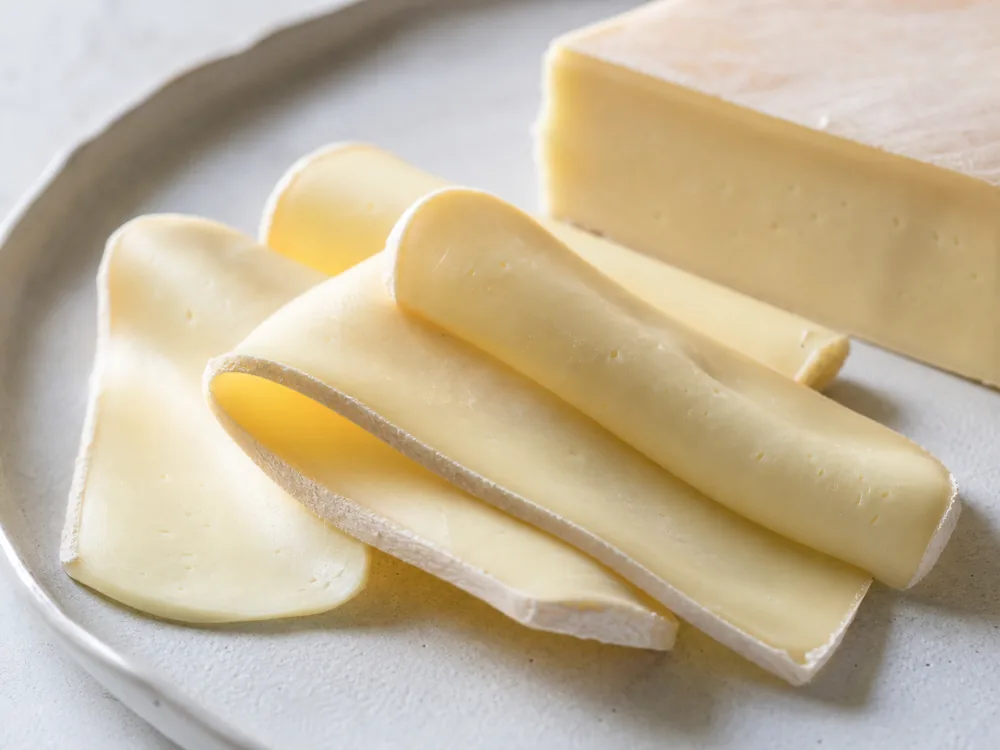
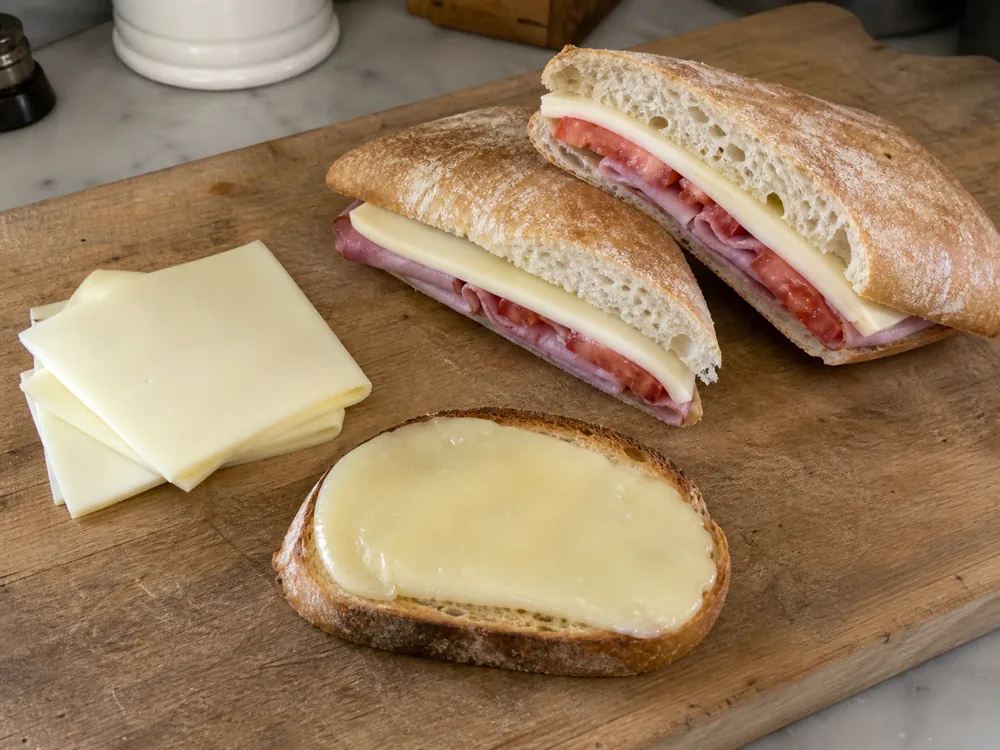
If you want a cheese that sits quietly beside bread, fruit or cured meat, its restraint is the attraction. A mature washed-rind cheese or a strongly aged alpine cheese may slice just as neatly, but it will take the plate in a much stronger direction.
The German producer suggests fresh white bread or ciabatta with mild fruit such as apples or pears, and a light white wine or a fruity tea. Its product description also names baguette and a fruity glass of red wine.
How Should You Serve Bel Paese So Its Mildness Registers?
Galbani's German page recommends taking Bel Paese out of the refrigerator about 20 to 30 minutes before eating it. That way, it says, the cheese reaches room temperature, its flavour can develop fully, and it shows its delicate texture and fine aroma at their best.
If the package came from a counter wheel, keep the label beside the board until everyone has been served. That small habit prevents the non-edible rind direction, milk statement or use-by date from disappearing when the shop wrap is cleared away.
Does Cooking Depend on the Bel Paese Format You Bought?
The current U.S. culinary wheel is sold for shredding, pizza, mac and cheese, risotto and meat dishes. Those uses belong to the named wheel, while your own package tells you how much moisture, rind or added starch will enter the recipe.
For bread and hot food, Galbani Germany lists it as a bread topping, for everyday cooking and for warm dishes.
What Should You Check Before Buying Bel Paese?
The full label is your most reliable buying guide. Read the format, country of sale, milk treatment, ingredient list, original date, storage temperature and rind instruction before deciding whether the cheese fits your meal.
A sealed small form gives you the clearest product trail and is practical when you need only a modest amount. A counter-cut wedge may offer a different texture or larger-wheel format, but its value depends on the seller retaining the original wheel information.
Check the cut face for drying, cracking or a rind that contradicts the original product description. Appearance cannot certify safety, yet an intact package and a documented cold chain give you more reliable information than aroma alone.
When the piece was cut at a counter, ask the seller to copy the use-by date and storage temperature onto the new wrap. You keep the convenience of a smaller portion without losing the information printed on the original wheel.
Which Substitute Should You Choose for Bel Paese?
Use mild Fontina when you want a semi-soft Italian table cheese with more flavour. Young Gouda makes sense when smooth, tidy slices matter, while low-moisture mozzarella is the stronger choice when stretch and dependable pizza melting lead the decision.
A recipe that names Bel Paese for flavour and a recipe that names it for texture are asking for different substitutions. If the cheese disappears into a sauce, match moisture and melting first; on a simple plate, match mildness and sliceability.
A recipe that mainly needs melt or stretch gives you a broader choice of mozzarella alternatives. Bel Paese remains the gentler table-cheese option when you want the slice to hold its own shape.
How Should You Store Bel Paese?
Both current Italian classic-product pages set a maximum storage temperature of 4°C (40°F). The FDA's household guidance also keeps refrigerators at or below 40°F (4°C) and limits perishable food at room temperature to two hours, or one hour above 90°F (32°C).
Keep the original wrapper when possible and cover the cut surface to protect it from drying. Use the package's date and let the printed product directions decide the temperature and after-opening period for your format.
Discard a piece with damaged packaging, an unknown cold-storage history or mould that does not belong to the expected product. A pleasant smell cannot reverse a known temperature failure.
Is Bel Paese Safe During Pregnancy?
Milk treatment varies across markets and formats sold as Bel Paese. If you are pregnant, begin with the milk statement and whether the cheese was cut at a deli, then apply the current guidance where you live.
For the United States, the CDC lists pasteurized soft cheeses heated to an internal temperature of 165°F (74°C) or until steaming hot as safer, and unheated cheese sliced at a deli and soft cheese made from unpasteurized (raw) milk as riskier.
Served cold, Bel Paese is described as a pasteurized semi-soft cheese, a type the CDC list does not cover, so ask a midwife or doctor.
In the UK, the NHS lists pasteurised soft cheeses as safe to eat and says foods made from unpasteurised milk must be thoroughly cooked, so check the milk statement on the package.
Pasteurization reduces one route of contamination, but package integrity, refrigeration, recalls and clean handling still matter. Milk treatment and serving method remain separate checks, because pasteurization does not correct damaged packaging, poor refrigeration or contamination after production.
Your clinician's advice takes priority when it is more specific to your health.
SOURCES & REFERENCES
What Else Do People Ask About Bel Paese?
Bel Paese is a Galbani brand created in Italy in 1906. The name now appears on several products, so you need the exact format and market before applying an ingredient, rind or nutrition claim.
Check the package. Galbani marks the natamycin-treated rind on its Italian Forma as non-edible, while the small wax-protected product has a different construction.
Lactalis recommends its U.S. culinary wheel for pizza, mac and cheese, risotto and meat dishes. Another format may contain different moisture or ingredients, so use that product-specific evidence rather than treating every Bel Paese as identical.
Choose mild Fontina for more flavour, young Gouda for smooth slices or low-moisture mozzarella when the recipe mainly needs stretch and reliable melting.
Use the exact package to confirm milk treatment and whether the cheese was deli-cut. Current U.S. CDC guidance lists pasteurized soft cheeses heated to an internal temperature of 165°F (74°C) or until steaming hot as safer during pregnancy, and soft cheese made from unpasteurized (raw) milk as riskier.
Served cold, Bel Paese is described as a pasteurized semi-soft cheese, a type the CDC list does not cover, so ask a midwife or doctor.