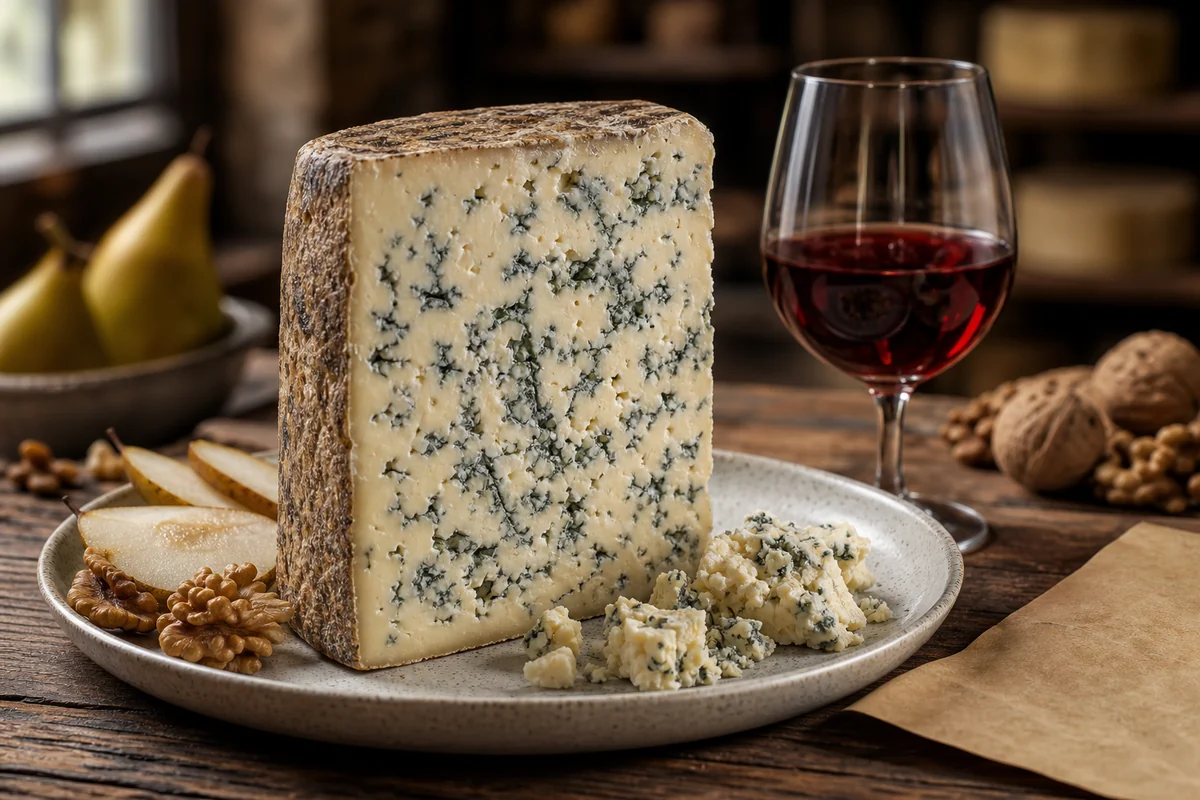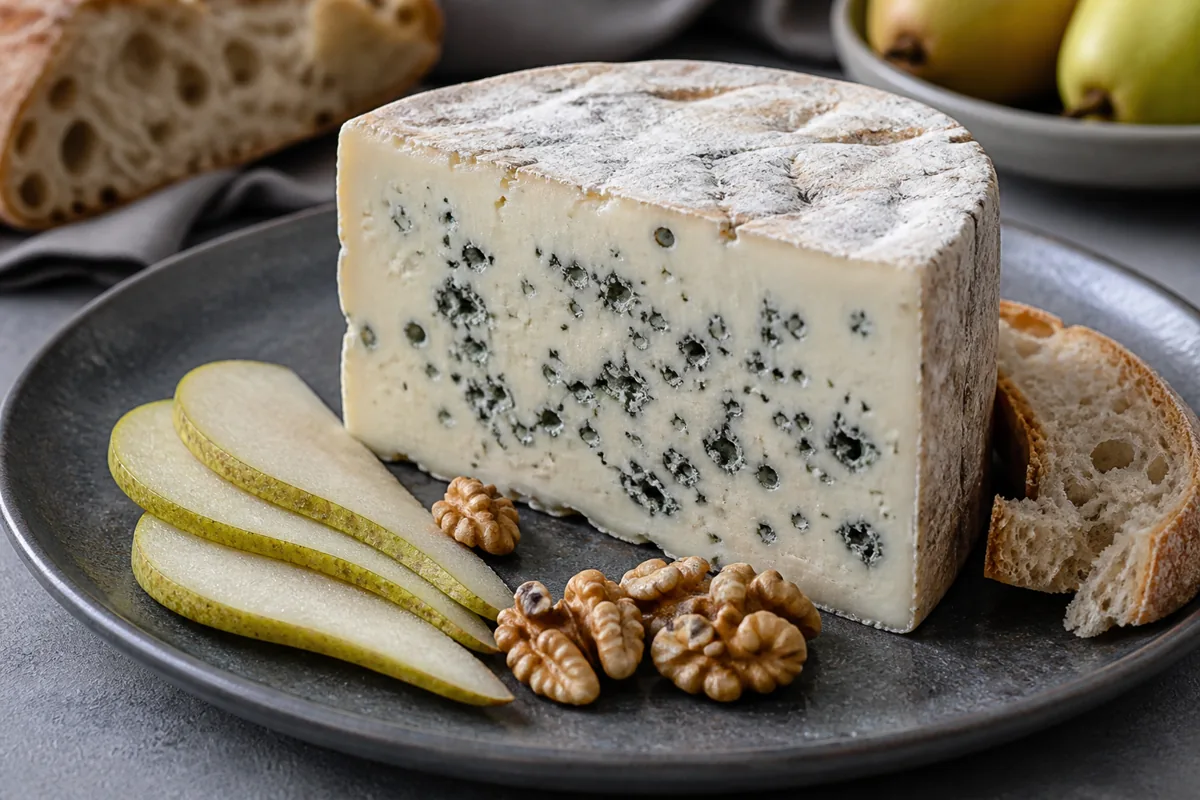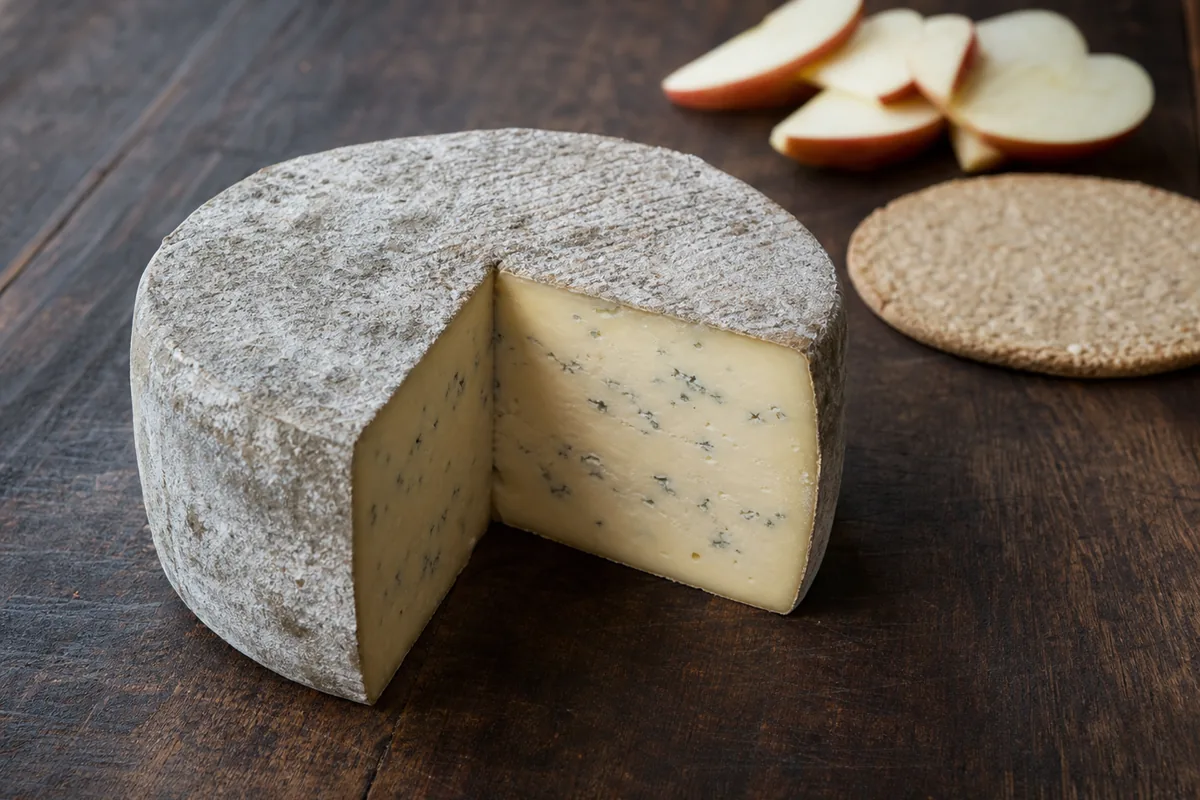
Bluebell is a semi-soft blue cheese made by The Ethical Dairy at Rainton Farm near Gatehouse of Fleet in Dumfries and Galloway, Scotland. The producer calls it a gentle blue, and the milk comes from a herd whose calves stay with their mothers.
In This Article
When Did the Ethical Dairy Launch Bluebell?
The Ethical Dairy launched Bluebell in autumn 2018 as the fifth cheese it had brought to market. In January 2019 its cheesemaker was Steven Palmer, whose late uncle, Ernie Wagstaff, the dairy's release calls a famous blue cheese maker at Stichelton Dairy.
A dairy blog post dated 22 September 2018 says its first ever batch of a new experimental blue, by then christened Bluebell, was the star of the show at the Speciality & Fine Food Fair.
The little Bluebell left at the Go Organic Festival in Battersea Park sold within the first 3 hours. The dairy then asked its cheesemaker to prioritize more batches, with new stock expected in about 6 weeks.
By January 2019 it had sold out over Christmas.
David and Wilma Finlay run The Ethical Dairy at Rainton Farm near Castle Douglas, and David is the third generation of his family to work the land. The business is listed as The Ethical Dairy under Finlay's Farm Ltd.
What Does Bluebell Look Like?
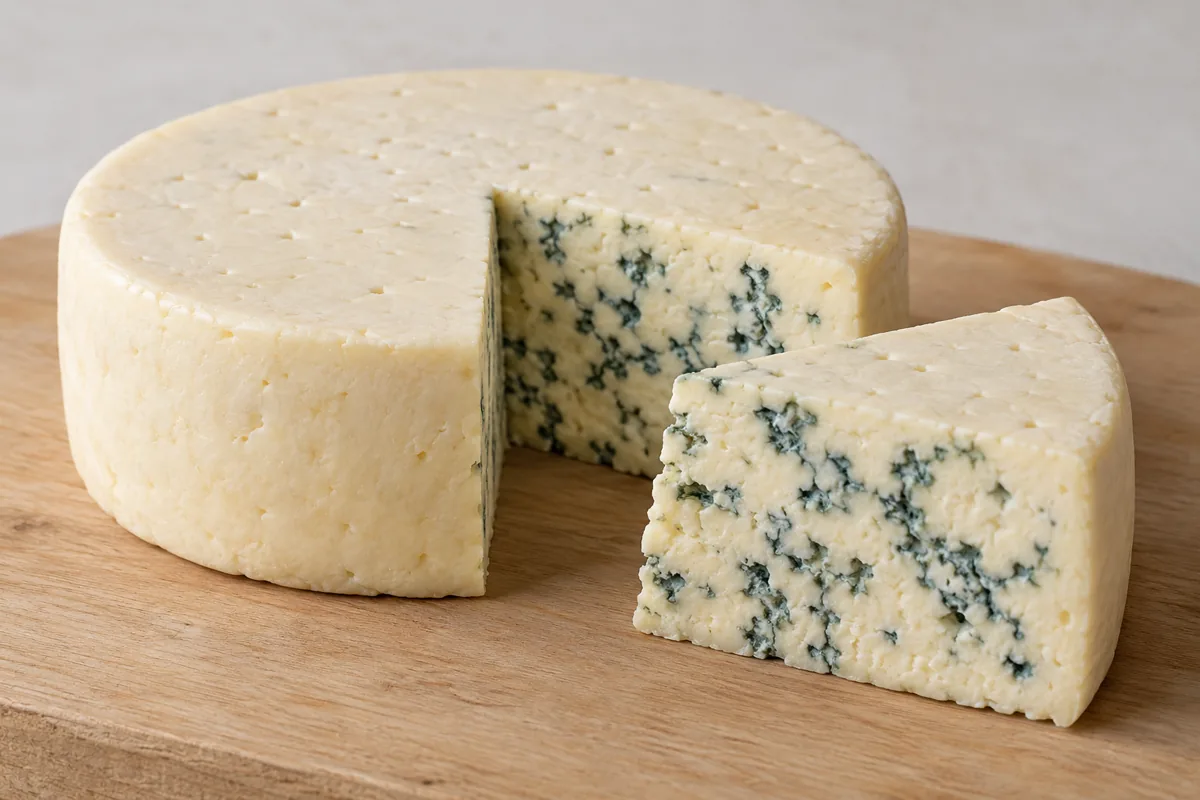
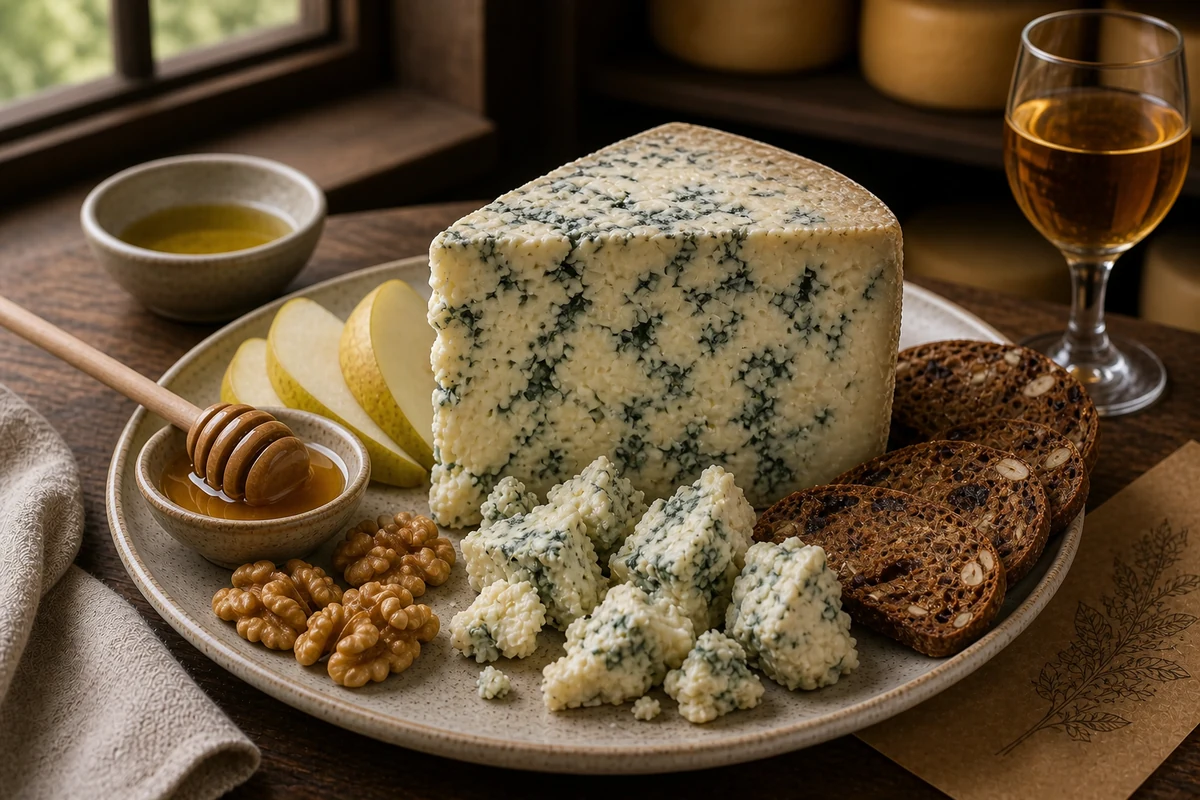
When you cut one open, look for the colors The Ethical Dairy describes: a dark cream or light beige paste with light blue or grey veins, under a natural rind that is grey. Cheese.com sums the color up as blue-grey and gives the rind as natural.
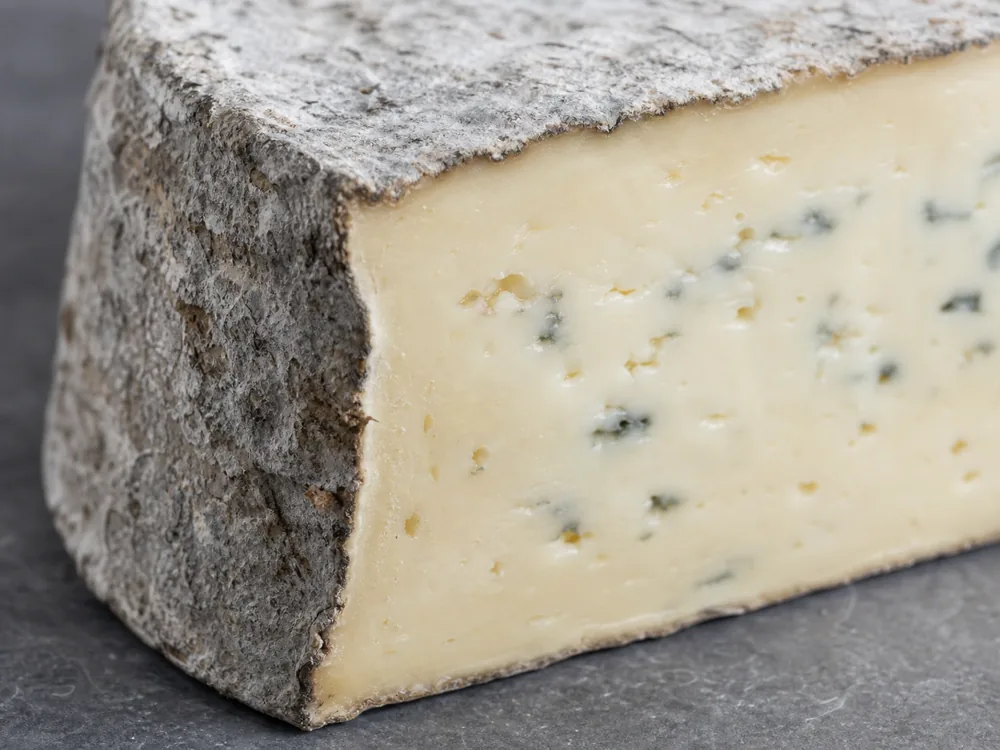
The dairy describes the texture as soft and yielding with a creamy finish, and calls the cheese semi-soft.
Bluebell is made in small truckles and sold in individual ones.
What Does Bluebell Cheese Taste Like?
If you are wary of strong blues, the dairy's own judgment is that Bluebell is a gentle one, well balanced and moreish, that suits a wide range of palates.
The producer describes the flavor as rich and creamy, with deep, pungent blue notes and mild sweetness. Its short description lists sweet, savory, and steely blue characteristics.
Bluebell's aroma is fresh and grassy, with pungent notes from the rind, in the producer's words, while Cheese.com's aroma field says mushroom.
| Point | The Ethical Dairy | Cheese.com |
|---|---|---|
| Flavor | Rich and creamy, deep pungent blue notes, mild sweetness | Sweet in its flavor field, with its text repeating the producer's wording |
| Aroma | Fresh and grassy, pungent notes from the rind | Mushroom in its aroma field, grassy with pungent hints in its text |
| Texture | Soft and yielding, creamy finish | Soft, semi-soft type |
| Rennet | Not stated | Marked vegetarian |
How Does Bluebell Compare to Barkham Blue and Bath Blue?
Set beside two other British cheeses with blue veins in Cheese.com's entries, Bluebell differs from Barkham Blue in milk, texture and rind and from Bath Blue in texture and color.
| Point | Bluebell | Barkham Blue | Bath Blue |
|---|---|---|---|
| Milk | Pasteurized cow | Pasteurized cow, Guernsey and Jersey mix | Cow, pasteurization not stated |
| Texture | Soft, semi-soft type | Buttery, semi-hard type | Creamy and smooth, soft type |
| Rind | Natural | Mold ripened | Natural |
| Color | Blue-grey | Blue-grey | Cream |
Barkham Blue's Guernsey and Jersey blend is, according to Cheese.com, typically too rich for blue cheese production, and its makers describe the result as blue butter.
Bath Blue's ripening takes 8 to 10 weeks in stone-built rooms, Cheese.com says, and the cheese won Supreme Champion at the World Cheese Awards in 2014.
Where Does Bluebell's Organic Milk Come From?
The Ethical Dairy says Bluebell is made with gently pasteurized organic cow's milk from its cow-with-calf dairy. The calves stay with their mothers to suckle rather than being separated shortly after birth, which the dairy's 2019 release calls the norm in dairy farming.
The calves stay until they are five or six months old, according to a 2024 profile, and from around two to three months they sleep in a separate calf area overnight and rejoin the cows after morning milking.
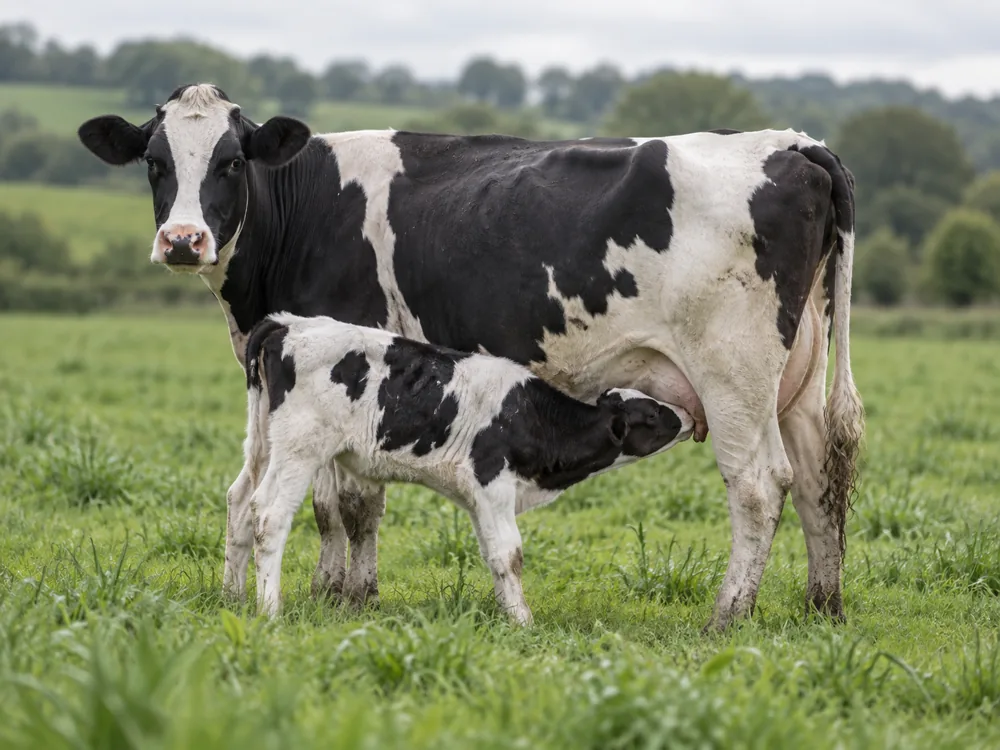
The herd that profile describes is cross-bred Montbéliarde, Holstein, and Viking Red cows.
Bluebell's milk is gently pasteurized on the dairy's Bluebell pages, while the dairy-wide profile says the herd's unpasteurised milk goes from the milking parlour to the cheese-making room, a statement about the dairy's cheeses in general.
| Source | Wording | Scope |
|---|---|---|
| Producer product page | Gently pasteurised organic cow's milk | Bluebell |
| Producer blog, 2018 | A pasteurised semi-soft blue | Bluebell |
| Cheese.com | Made from pasteurized cow's milk | Bluebell |
| Scotland Starts Here, 2024 | The herd's unpasteurised milk is pumped to the cheese-making room | The dairy's cheeses in general |
For the Bluebell you buy, we follow the three statements written about this cheese, and they agree that its milk is pasteurized.
Which Awards Has Bluebell Won?
Bluebell won the Best Product Award in the chilled and frozen category at Scotland's Speciality Food Show, announced in a release dated 28 January 2019. The release says the show was held at the SEC in Glasgow and that its awards highlight Scottish products rated most highly by industry buyers and food experts.
The judging panel named in the release included Gary Maclean, the MasterChef winner and Scotland's National Chef.
The 2024 result comes from a different show: the product page reports a Gold award in its class at the 2024 Mid-Somerset Cheese Awards.
How Do You Order Bluebell from the Dairy?
On 29 September 2026 the product page showed Bluebell as Currently unavailable. Check stock before planning a meal or gift around it.
When you order, Bluebell comes as one standard pack with a minimum weight of 250 g, and its weight varies with moisture content. At £44 per kg, a pack at the 250 g minimum costs you £11, which is our arithmetic from the listed price.
In January 2019 the dairy said it sold Bluebell only through its own online shop and planned a retail launch. Ask the dairy whether any shop stocks it now.
How Long Does Bluebell Keep?
Once you cut Bluebell, the producer says the cheese should be consumed within 2 weeks. That clock starts at cutting, so for an uncut truckle, check the label or ask the dairy how long it keeps.
Before storing cut cheese, ask the dairy how to wrap it and how cold to keep it.
Can You Eat Bluebell When Pregnant?
The NHS says pasteurised or unpasteurised soft blue-veined cheeses such as Danish blue, gorgonzola and roquefort, must be thoroughly cooked. It also says any cheese cooked until steaming hot is safe to eat, including soft or blue cheese.
The CDC lists soft cheese from unpasteurized milk, including blue-veined cheese, as riskier, and says pregnant women are 10 times more likely to get a Listeria infection. It lists pasteurized soft cheeses heated to an internal temperature of 165°F or until steaming hot as safer.
The producer calls Bluebell semi-soft, soft and yielding, and it is a blue cheese, so the NHS soft blue-veined line above applies and it must be thoroughly cooked. Served cold, Bluebell is described as a pasteurized semi-soft, soft and yielding blue cheese, a type the CDC list does not cover, so ask a midwife or doctor.
SOURCES & REFERENCES
What Else Do People Ask About Bluebell Cheese?
The Ethical Dairy makes Bluebell at Rainton Farm near Gatehouse of Fleet in Dumfries and Galloway, Scotland.
It launched the semi-soft blue in autumn 2018.
The producer describes it as rich and creamy, with deep, pungent blue notes and mild sweetness. The aroma is fresh and grassy, with pungent notes from the rind.
Yes. The producer's product page and Cheese.com both say it is made with pasteurized cow's milk, and the producer calls the milk gently pasteurised and organic.
Cheese.com marks Bluebell as vegetarian. If the rennet type matters to you, check with the dairy.
The Ethical Dairy says to consume the cheese within 2 weeks once it is cut.
It depends on the guidance. The NHS says soft blue-veined cheese must be thoroughly cooked, pasteurised or not, while the CDC treats pasteurized soft cheese as safer when heated until steaming hot.