KnowTheCheese Editorial Team
The KnowTheCheese Editorial Team writes and edits every article on this site. Articles are researched from producer specifications, protected-designation records and public food-safety guidance, and each one names the sources it relies on. The team does not run tastings or lab tests; flavor and texture notes come from producer and designation records.What the team covers
478
The team has published 478 articles. Each one is listed below, newest first.
Who the Editorial Team is
The KnowTheCheese Editorial Team writes and edits every article on this site. It is credited as an organization rather than as a named person, and no article claims a personal tasting, a kitchen test or a professional credential.
Checks before publication
Before an article is published it goes through written checks. They compare the nutrition figures in the text with the figures in the panel, and they reject first-person tasting claims, invented credentials and wording about how a page was produced. The full standards are in the editorial policy.
How an article is researched
An article starts from a list of sources chosen for the claims it will make, and each source has to support the exact cheese, product and condition being discussed.
- Designation registers Identity and production rules come from protected-designation registers and specifications, official registers and producer records.
- Producer records A maker's own cheese is described from that producer's site, product page or technical sheet, which applies to that producer's cheese and no other.
- Public-health authorities Food safety and pregnancy advice comes from public-health authorities such as the CDC, the NHS and the FDA, with the country and conditions their advice covers.
- Food-composition records Nutrition figures come from a food-composition record such as USDA FoodData Central, or from the exact product label, with the serving weight stated.
- Retailer listings Retailer listings are used only to say what a listing showed at that time.
Every article ends with source cards that name the publisher, the document and the claim it supports. Where two good sources disagree on something a reader needs, the article gives both positions. A claim no good source supports is left out. The sources and methodology page explains the source types in more detail.
What the team does not do
- It does not run tastings or lab tests. Flavor and texture notes come from producer and designation records.
- It does not give personal medical advice. Safety sections point to the relevant authority and the product label.
- It does not use illustrations as proof of a product's identity, a cooking result or a side-by-side test.
- It does not sell placements. Ads are placed automatically by the ad networks named in the advertising disclosure, and advertisers have no say over which cheeses an article covers, recommends or ranks.
Corrections
To report an error, a broken link or a source that does not say what its card claims, use the contact page and include the article address, the sentence in question and a source if you have one. A correction fixes the claim and any passage that would otherwise contradict it, and the article's updated date records the change. More about the site is on the About page.
Articles by the Editorial Team
-
What Is Petit Suisse Cheese? Why the "Little Swiss" Cheese Is French
-
What Is Pesto Verde Cheese? The Green Gouda with Basil and Garlic
-
What Is Perl Wen Cheese? Wales's Caerphilly-Brie Hybrid Cheese
-
What Is Pepato Cheese? Sicily's Peppercorn-Studded Pecorino Cheese
-
What Is Oxford Isis Cheese? Honey-Mead Rind, Serving and Buying
-
Why Does Oxford Blue Have an Oxford Name When It Began in Derbyshire?
-
What Is Organic Feta Cheese? Why PDO Alone Doesn't Make It Organic
-
What Is Organic Cheddar Cheese? What the Label Covers and Why Colour Varies
-
What Is Oscypek Cheese? Polish Sheep's Milk PDO and How to Spot Fakes
-
What Is Oregon Blue? How Does It Differ from Rogue River Blue?
-
What Is Oma Cheese? What Changed in 2024 and How Can You Buy It?
-
What Is Oltermanni Cheese? Which Version Should You Buy?
-
What Is Old Winchester? Why Is It Mistaken for Cheddar?
-
Why Is Ogleshield Compared to Raclette, and Does It Melt like One?
-
What Is Nokkelost Cheese? Cumin or Caraway, and Where to Buy It
-
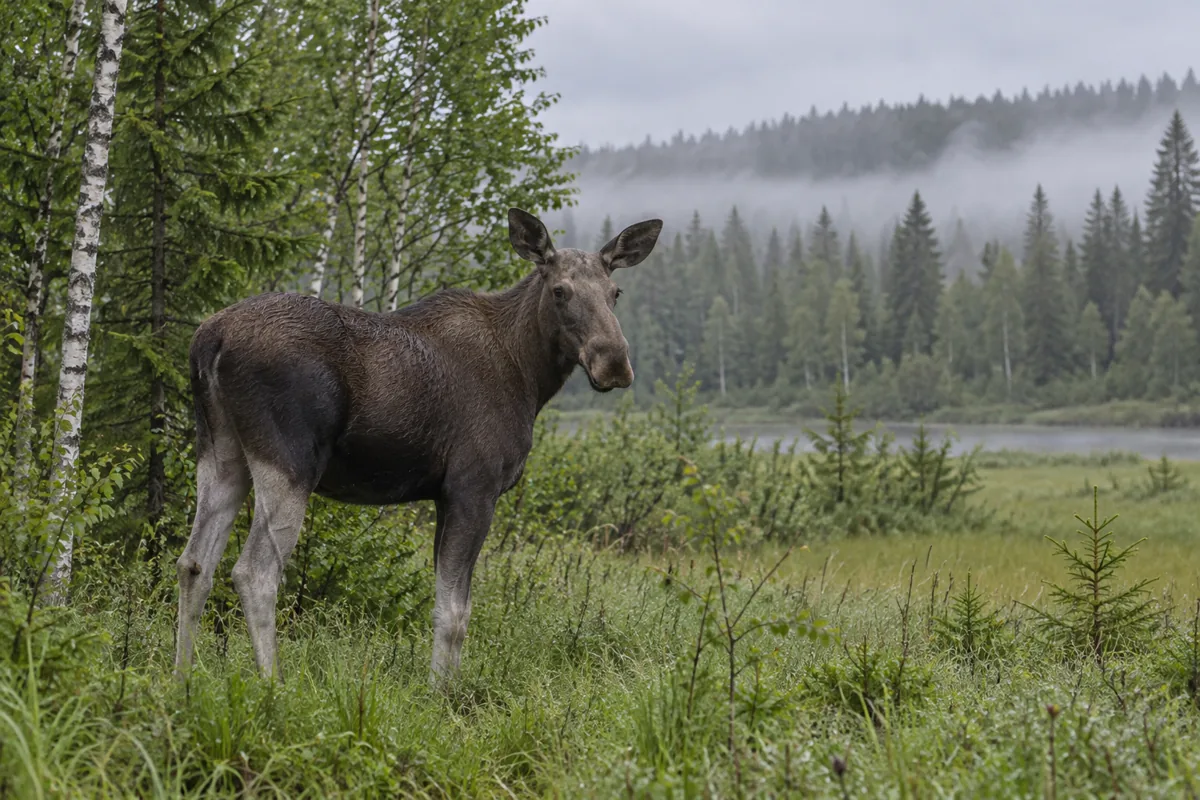
What Is Moose Cheese? How a Swedish Farm Makes This Rare Product
-
Is Montagnolo a Triple Cream Blue Cheese from Bavaria?
-
What Is Mt Tam Cheese? How Does This Triple Cream Taste?
-
What Is Moses Sleeper Cheese? Jasper Hill's Brie-Style Wheel and Ripeness
-
Does Montasio Change as It Ages? One Name Covers Four Ages
-
Is Gourmandise Cheese Still Made, and Where Can You Buy It?
-
Is Bosworth Ash Log, a Goat's Milk Log from Innes Cheese, Still Made?
-
What Is Boerenkaas? Dutch Raw-Milk Farm Cheese Explained
-
What Is Beyaz Peynir? The Turkish White Cheese That Is Really a Whole Range
-
What Is Bath Blue Cheese? Why It Cannot Be Called Stilton
-
What Is Barkham Blue Cheese? The Ammonite-Shaped Blue with a Golden Paste
-
What Is Baylough Cheese? How Wax Color Helps You Choose
-
What Is Barrys Bay Cheddar? A Cloth-and-Wax Cheddar From New Zealand
-
What Is Batzos Cheese? The Brined Greek PDO of Sheep and Goat Milk
-
What Is Basajo? A Raw Sheep's Milk Blue Aged in White Passito
-
What Makes Bayley Hazen Blue Different? Taste, Age, Rind and Pairings
-
What Is Alta Badia Cheese? Mila's Firm Alpine Cheese
-
What Is Barden Blue Cheese? Why Do Its Blue Veins Form in Patches?
-
Is Baguette Laonnaise Raw or Pasteurized? A Maroilles Cousin from Laon
-
Who Makes Baluchon Cheese Now, and Is It Pasteurized?
-
What Is Auld Reekie Cheese? Smoked Over Whisky Barrel Shavings
-
What Is Auld Lochnagar Cheese? What the Auld Actually Changes
-
What Is Allgäuer Emmentaler? How Does It Differ from Swiss Emmental?
-
What Is Aromes au Gene de Marc? The Lyon Cheese Coated in Grape Marc
-
What Is Ascutney Mountain Cheese? A Raw Milk Alpine Tomme from Vermont
-
Why Does Ardrahan Cheese Smell Stronger Than Its Paste Tastes?
-
What Is Tunworth, and Why Is Its Rind Wrinkled Not Flat?