Cheese Profile

Baylough: The Tipperary Cheddar You Buy by the Colour of Its Wax

Baylough is a raw-milk farmhouse cheddar made by Dick and Anne Keating in County Tipperary. Why the big wheels are bandaged, the retail pieces waxed, and the wax colour-coded.

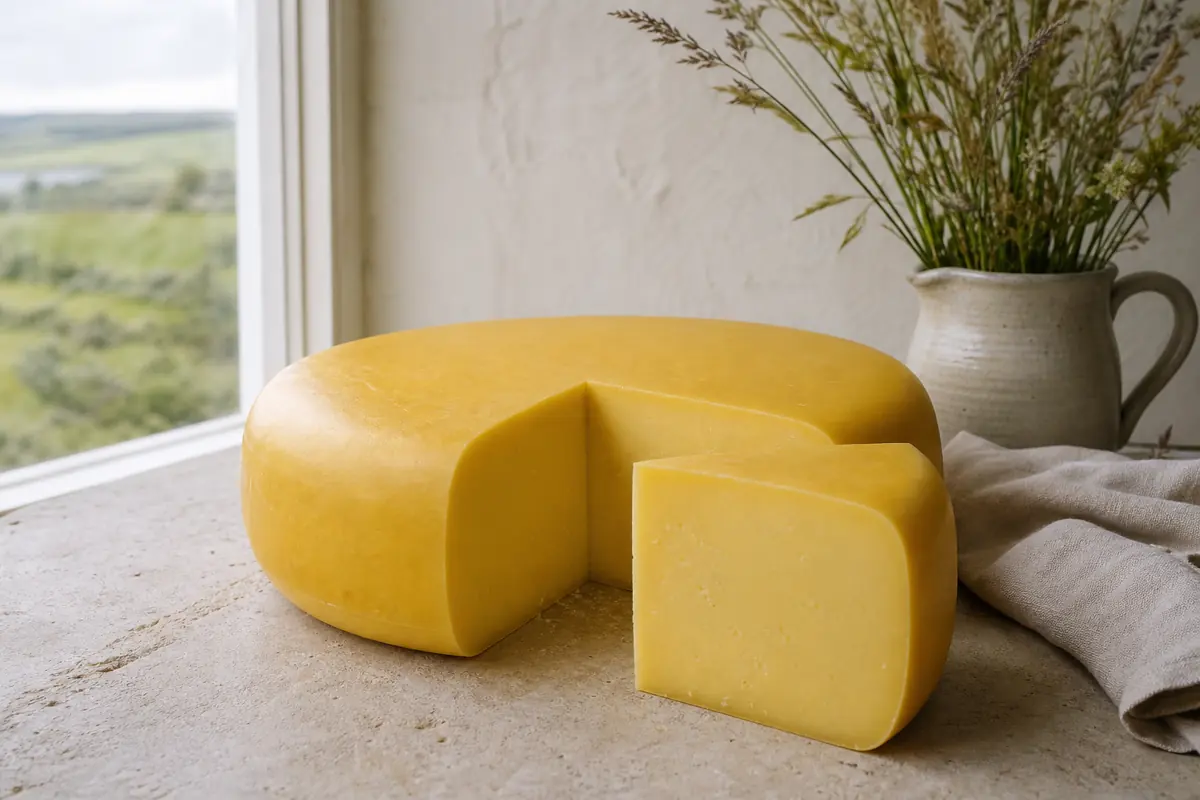
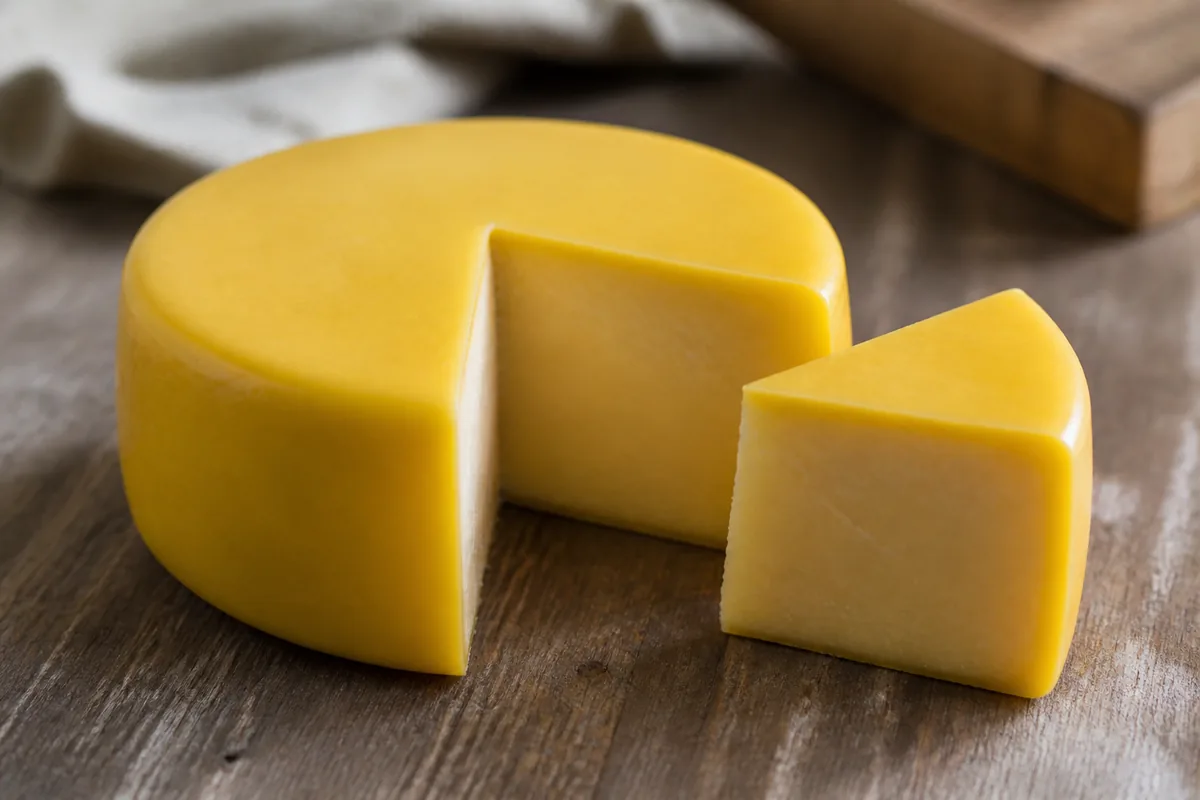
Small round of cheddar coated in plain yellow wax with a wedge cut away showing close pale gold paste - Baylough | KnowTheCheese
BAYLOUGH QUICK FACTS
OriginClogheen, County Tipperary, Ireland
MilkRaw Friesian cow's milk from one neighbouring herd
TextureClose and firm, drier with age
RindBandaged on the wheel, waxed on the retail piece
AgingThree to four months, or eight months and up
FlavorMild and creamy young, sharper and drier when mature
AvailabilityIrish farmers' markets, delis and the English Market in Cork
PriceMid

Baylough is a raw cow's milk cheddar made by Dick and Anne Keating at Mount Anglesby, in the foothills of the Knockmealdown Mountains in County Tipperary.

Anne started making it to use up milk the family could not sell, and the first attempts did not work.

The cheese that came out of that is now sold in four versions, and the way you tell them apart is the colour of the wax.

What Is Baylough?

It is a hard-pressed cheddar-style cheese made on a farm at Clogheen, in the valley between the Knockmealdowns and the Galtees.

The milk is raw Friesian milk and it comes from a single neighbouring herd rather than from a tanker round.

It is set with vegetarian rennet, which is worth stating plainly because a raw-milk farmhouse cheddar is not automatically vegetarian and this one is.

A small part of the make uses pasteurised milk, so the raw version is a choice the Keatings make rather than the only thing they can do.

The cheese is made in 3.5 kilogram wheels and sold either as those wheels or as small waxed pieces of 300 to 400 grams.

It took first prize at the Royal Dublin Show in 1994, which is the recognition a farmhouse cheese of this size gets rather than a shelf of medals.

Why Is the Wheel Bandaged and the Piece Waxed?

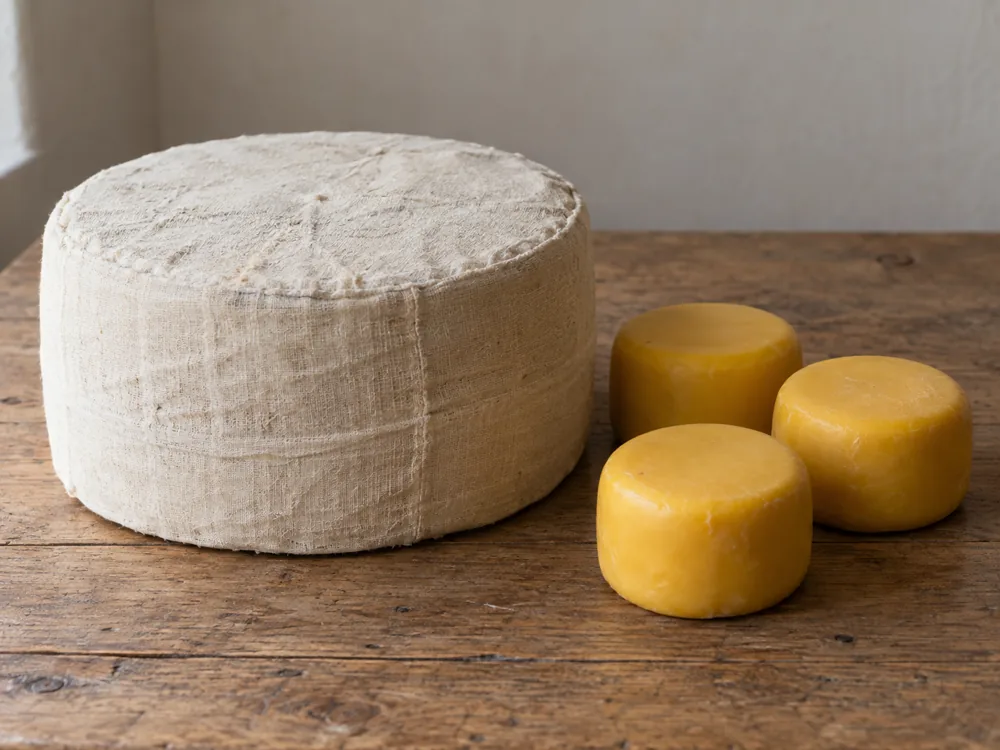
Squat cheddar wheel wrapped in plain cream cotton bandage on a wooden shelf in a small farm dairy - Baylough | KnowTheCheese
The full wheel wears cloth. Cloth lets a big cheese dry and breathe, which is what a wheel this size needs to age well.

A cheese that comes in two formats often gets two finishes, and Baylough is a clean example of why. The split here runs along the size of the piece, and the reason is arithmetic rather than tradition.

A 3.5 kilogram wheel gets a bandage. Cloth lets moisture out slowly and lets the paste concentrate, which is what makes a cheddar taste of more than milk.

A 300 gram piece gets wax instead, because a piece that small would dry to a brick under cloth in weeks.

Surface is the whole of it. Cut a wheel into ten pieces and you have made roughly three times as much surface for the same cheese to lose water through.

So the cloth does the ageing while the cheese is still big, and the wax takes over once it has been broken down for the counter.

Other makers reach the same two materials by a different route. The last New Zealand factory puts cloth and then wax on the same wheel to stop it losing weight, which is a different problem from this one.

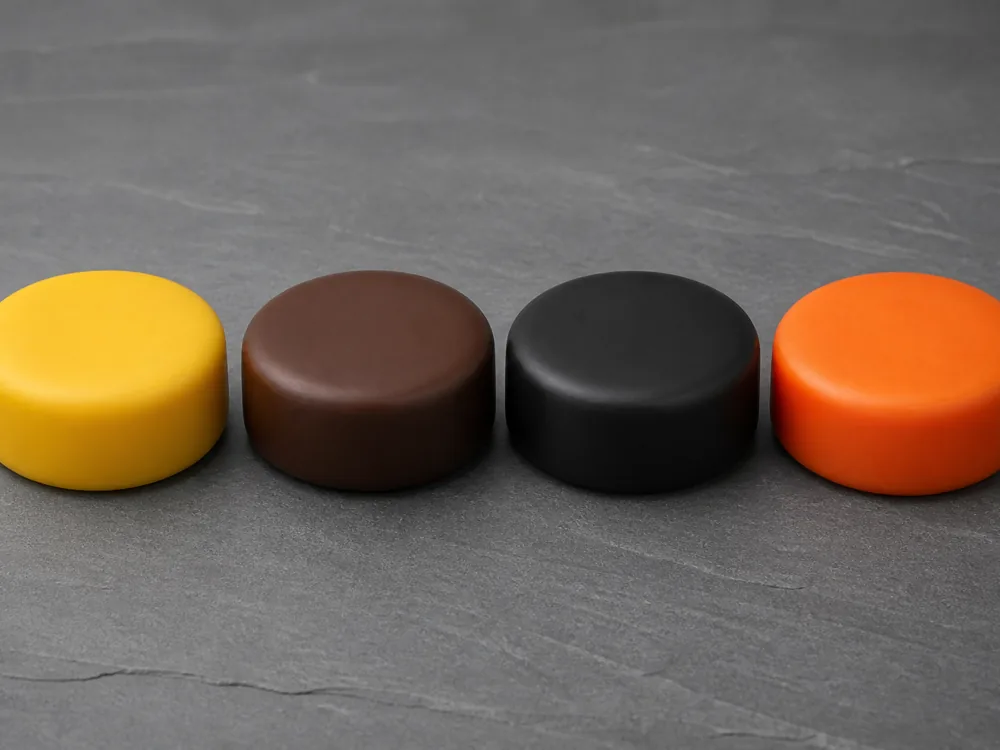
Four small rounds of cheese in a row sealed in plain yellow, brown, black and orange wax - Baylough | KnowTheCheese
No printing, no sticker, no name. On this counter the wax colour is the label.

Then the wax does a second job that has nothing to do with keeping the cheese.

Yellow is the plain cheddar. Brown is the smoked one, black is garlic and herbs, and orange is smoked garlic and herbs.

That is a working label on a product that carries almost no printing, and it is why regulars at a market stall point rather than ask.

It also tells you something about the scale of the operation. A colour code is what you use when you are dipping the pieces yourself.

The system has one limit worth knowing before you rely on it. It codes the flavour and nothing else, so it will not tell you the age of the piece or which milk it came from.

Reading the wax
Wax colourWhat is insideWhen to pick it
YellowPlain cheddarThe one to buy first, because it is the only one that tells you what the make actually tastes like.
BrownOak-smoked cheddarFor a board where something has to carry through cured meat or a strong chutney.
BlackGarlic and herbsA cooking and sandwich cheese rather than a tasting one.
OrangeSmoked with garlic and herbsBoth additions at once, which leaves the least of the original cheese showing.

What Does Self-Taught Actually Mean Here?

The Keatings are described as Ireland's only self-taught cheesemakers, and that is a strong enough claim to be worth reading carefully rather than repeating. What sits underneath it is easier to check and more interesting anyway.

What is not in dispute is where it started. Anne had surplus milk, no training and no one to ask, and the early cheeses were failures.

Learning cheddar without a teacher is harder than it sounds. The make depends on acid arriving at the right moment and there is no way to see that happening.

Get it wrong and you find out weeks later, in a wheel you have already paid for in milk and labour.

The prize in 1994 is the answer to how that went. It took years of unrepeatable batches to arrive at a cheese that a show would put first.

The scale never changed after it worked, and that is the part most producers do not manage.

A farm that lands a good cheese usually faces a choice about growing, and growing means more milk than one neighbour's herd can supply.

Staying at 3.5 kilogram wheels is what keeps the milk single-source, so the size of the operation and the character of the cheese are the same decision.

What Does One Neighbour's Herd Do to It?

Black and white Friesian cows grazing a green hillside with low rounded mountain foothills behind - Baylough | KnowTheCheese
One herd, one farm, no blending. The cheese changes with the grass because there is nothing to average it out against.

Most cheddar is made from milk pooled across many farms, which is a deliberate way of making every batch taste the same.

Baylough gives that up. One herd on one farm means the milk arrives with whatever the grass and the season put into it.

The upside is that the cheese carries a place. The downside is that two wheels from different months are not identical, and the maker cannot correct for it.

Raw milk sharpens the same effect, because the bacteria that came in with the milk are still working in the cheese rather than having been killed off first.

Held long enough, that is what produces the depth people go looking for in a very old raw-milk cheddar, though this cheese is not sold anywhere near that far on.

This is why a farmhouse cheddar tastes more variable than a block from a chiller, and why people who like it accept that as part of the deal.

It is also why buying the same cheese twice is worth doing. A piece bought in autumn is a different piece from the one bought in spring, made by the same hands from the same field.

The practical consequence is not to judge the cheese on one wedge. If a piece is duller than you expected, the next one may not be.

Three Months or Eight?

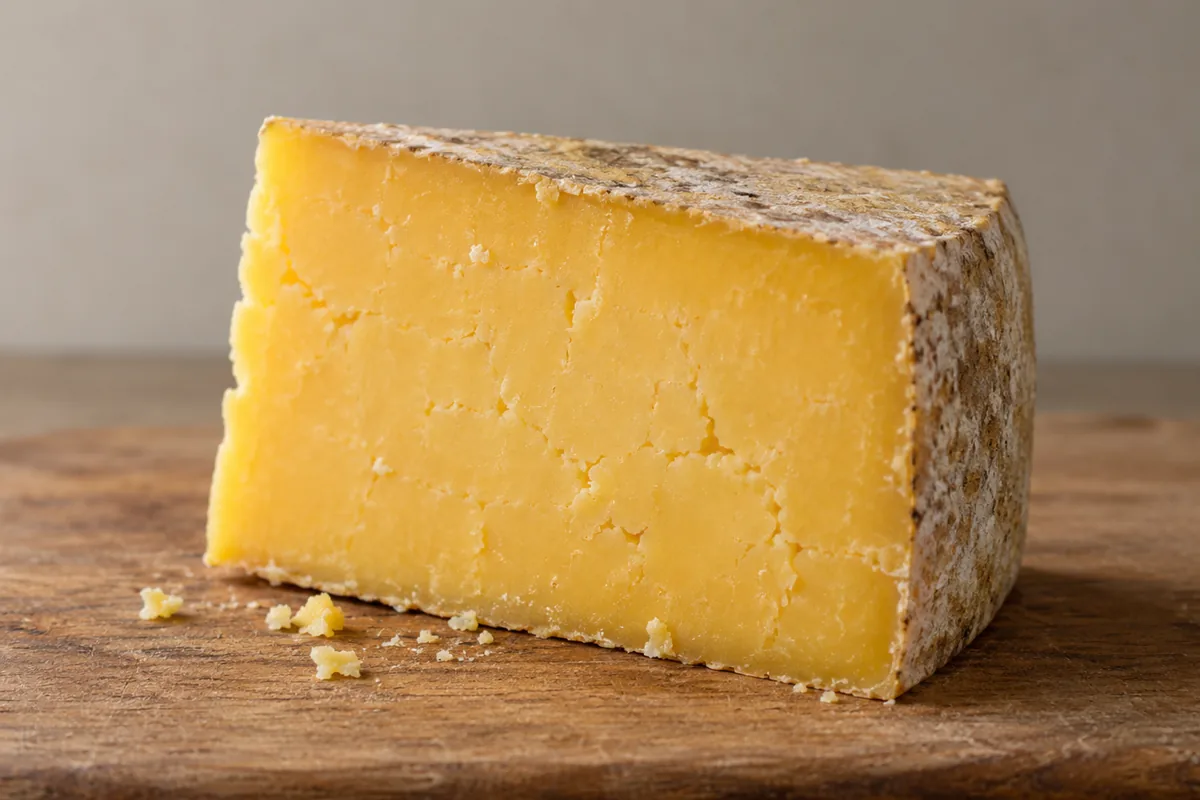
Two cut faces of the same cheddar side by side, the left paler and smoother and the right deeper gold with fine fracture lines - Baylough | KnowTheCheese
The same cheese five months apart. Everything that changes is water leaving.

Two ages are sold rather than a shelf of them, which makes the choice unusually simple. The standard cheese goes out at three to four months and the mature one at a minimum of eight.

At three months it is mild and what the makers call creamy-hard, which is a good phrase for a paste that is firm but still gives.

By eight months it is harder and drier and it has a bite, and the paste has moved from bending to breaking.

Nothing has been added between those two points. The difference is water leaving and the flavour that was always there becoming concentrated.

Buy the young one if you want something to eat in slices through the week.

Buy the mature one if you want to taste what the raw milk is doing, because that is the version where it shows.

Eight months is not long for a cheddar and that is worth saying. English cheddars are routinely held past a year, and this one is not trying to compete on age.

What it does have at eight months is a paste that has dried enough to break cleanly, which is the texture most people mean when they ask for a mature cheddar.

Is the Raw Milk a Problem?

Raw milk is the first thing a lot of shoppers check and the last thing most cheese counters volunteer. For most people it is not a problem, and this cheese is sold openly in shops and markets across Ireland.

The group that needs to take it seriously is the usual one: pregnancy, and anyone with a compromised immune system.

There is a straightforward answer here that many raw-milk cheeses cannot offer. Part of the Baylough make uses pasteurised milk, so a pasteurised version of the same cheese exists.

Ask at the counter which one you are being sold rather than assuming, because the two are not distinguished by the wax colour.

Cooking does not solve it halfway. Heat high enough to matter is heat high enough to melt the cheese into whatever it is on, which is fine for a toastie and useless for a board.

NOTE

The wax colours identify the flavour, not the milk. Yellow, brown, black and orange tell you plain, smoked, garlic and herb, or both. Whether a given piece is the raw or the pasteurised make is a question for whoever is cutting it.

Where Can You Buy It?

This is a cheese with a short distribution list, and knowing it saves a wasted trip. Irish farmers' markets are the main route, and the English Market in Cork carries it.

Delis and specialist shops around the country stock it, and it turns up on restaurant boards locally, including the Old Convent at Clogheen.

Outside Ireland it is difficult, which is what happens to a cheese made in 3.5 kilogram wheels on one farm.

If you are near the Knockmealdowns it is worth building a stop around, because this is a cheese that is easier to reach than to order.

At a market stall, buy the piece rather than a pre-cut wedge from a chiller if you have the choice. A waxed piece keeps far better than a cut face in film.

BUYING TIPS
Read the wax colour
Yellow is plain, brown smoked, black garlic and herbs, orange smoked with garlic and herbs.
Ask which milk
Most of the make is raw and a smaller part is pasteurised, and the wax does not tell you which.
Ask the age
Three to four months is the standard cheese, eight months and up is the mature one.
Prefer the waxed piece
A sealed piece keeps far better than a cut face sitting in film at a chiller.

How Is It Different From Other Irish Farmhouse Cheese?

A reader who knows one Irish farmhouse cheese probably knows a washed rind, and that is the source of most of the confusion here. Ireland's best-known farmhouse names are mostly not cheddars at all.

The Cork washed rind is built on a sticky orange surface and an aroma that arrives before the cheese does, and it has no relation to this at all.

The soft West Cork wheel and the Schull farm cheese are the same tradition and the same era, and both are washed or brushed rather than pressed hard and aged dry.

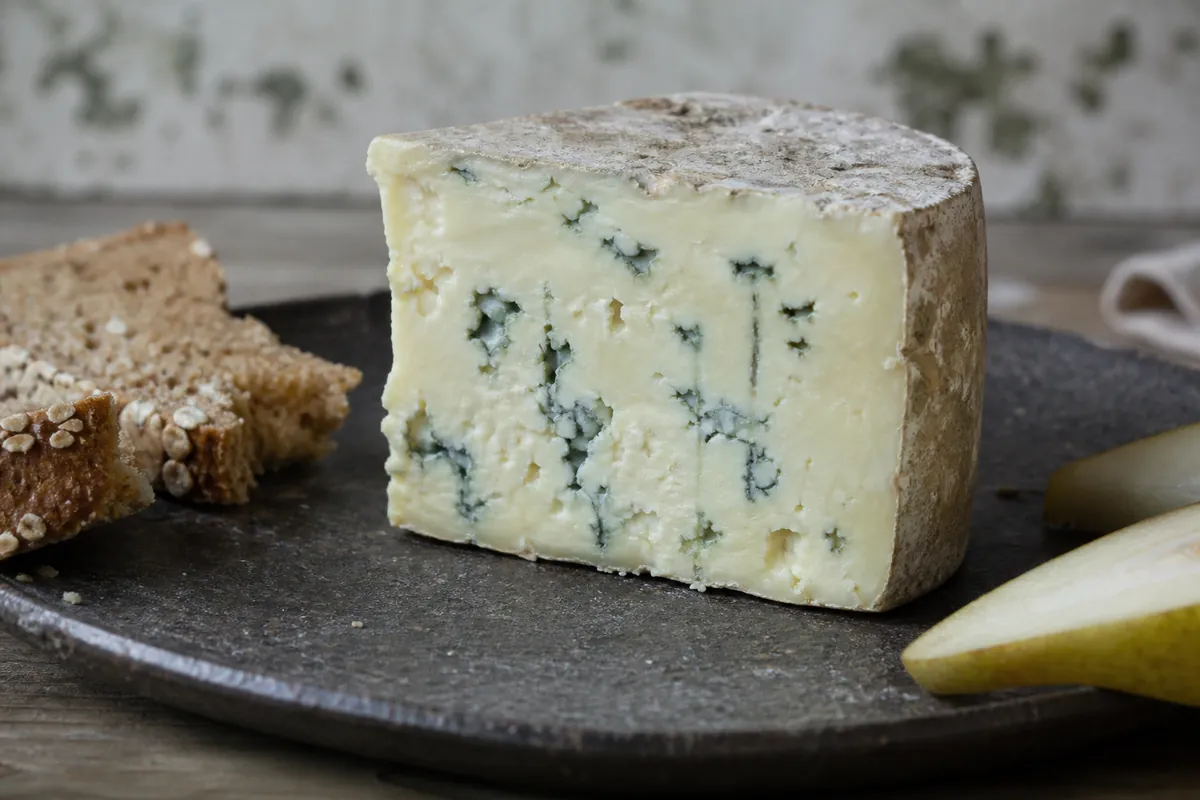
The nearest Irish sibling by argument rather than by style is the Tipperary blue, which came out of the same 1980s wave of farms deciding to make cheese instead of selling milk.

Against a supermarket Irish cheddar the difference is not sharpness. It is that a block cheddar is built to taste the same in March and September and this one is not.

The style itself, and how cheddaring works, belongs to the wider family and is not repeated here.

Baylough against a block cheddar
What differsWhat it means when you buy it
One neighbouring herd against pooled milkBatches vary through the year and the maker does not correct for it.
Raw milk against pasteurisedMore flavour development and more variation, with the usual caution for pregnancy.
Bandaged wheel against sealed blockThe paste concentrates and dries instead of holding its moisture.
Wax colour against a printed labelYou buy by colour at a market stall, so learn the four before you go.
CHECK THE LABEL
Most of the Baylough make is unpasteurised, with a smaller pasteurised make alongside it. Ask which one you are buying and follow current raw-milk guidance.

SOURCES & REFERENCES


1.
Wikipedia reference
Used for Dick and Anne Keating at Clogheen in County Tipperary, the Friesian milk mostly unpasteurised with a small pasteurised make, the vegetarian rennet, the 3.5 kilogram wheels and 300 to 400 gram waxed sections, the three to four month and minimum eight month ages, the four varieties and their yellow, brown, black and orange wax rinds, the first prize at the Royal Dublin Show in 1994, and the account of Anne starting with surplus milk and unsuccessful early attempts.

2.
Georgina Campbell Guides reference
Used for Mount Anglesby in the foothills of the Knockmealdown mountains, the milk coming from a neighbouring farmer's single herd, the description of the cheese as mild and creamy-hard when young and harder and drier with a good bite when mature, and the outlets including farmers' markets, the English Market in Cork, delis nationwide and the Old Convent at Clogheen.

3.
Fork & Bottle reference
Used for the cheese being described as a hard-pressed raw cow's milk cheddar, and specifically for the larger wheels being bandage wrapped while the smaller versions are waxed.

Baylough FAQ

The wax code, the raw milk and the rennet all raise a question the sections above answer only in passing, so they are set out plainly here.

They identify the variety. Yellow is plain cheddar, brown is smoked, black is garlic and herbs, and orange is smoked with garlic and herbs.

Mostly yes, from a single neighbouring Friesian herd. A smaller part of the make uses pasteurised milk, so ask at the counter which one you are buying.

The cheese is set with vegetarian rennet, which is not the default for a farmhouse cheddar and is worth knowing if that is why you usually skip them.