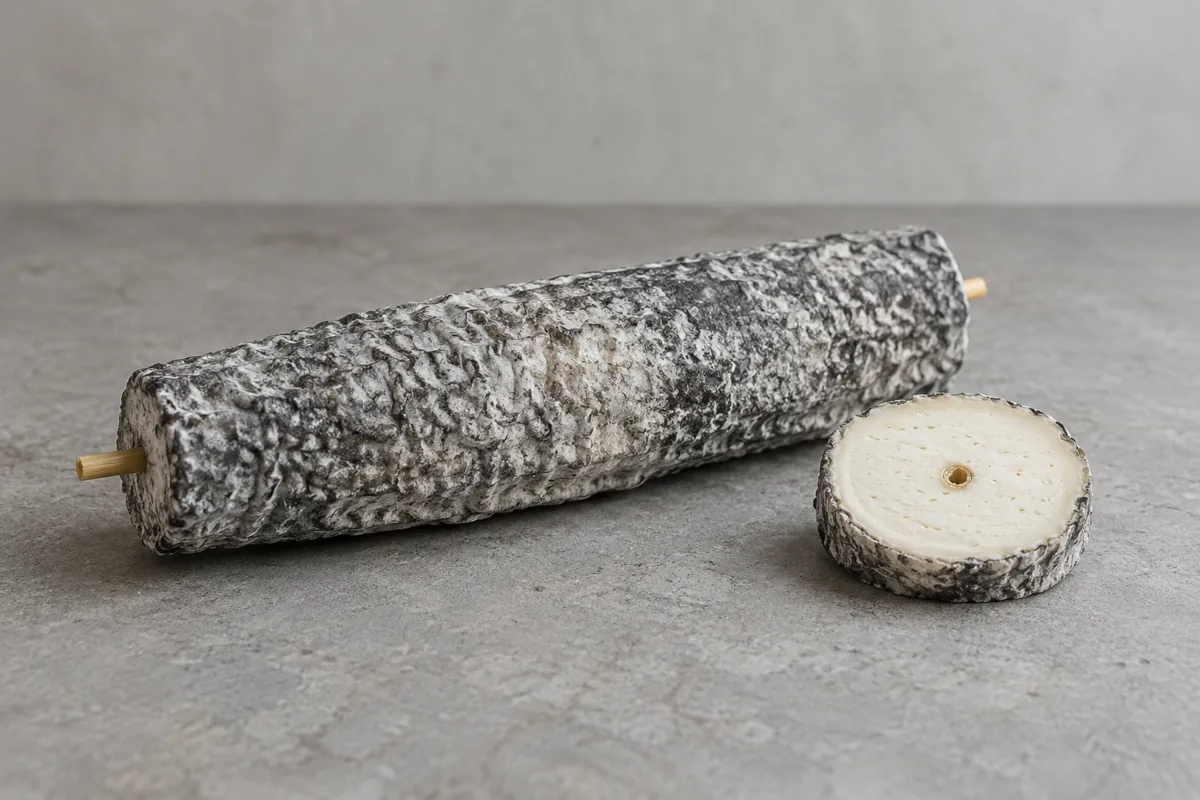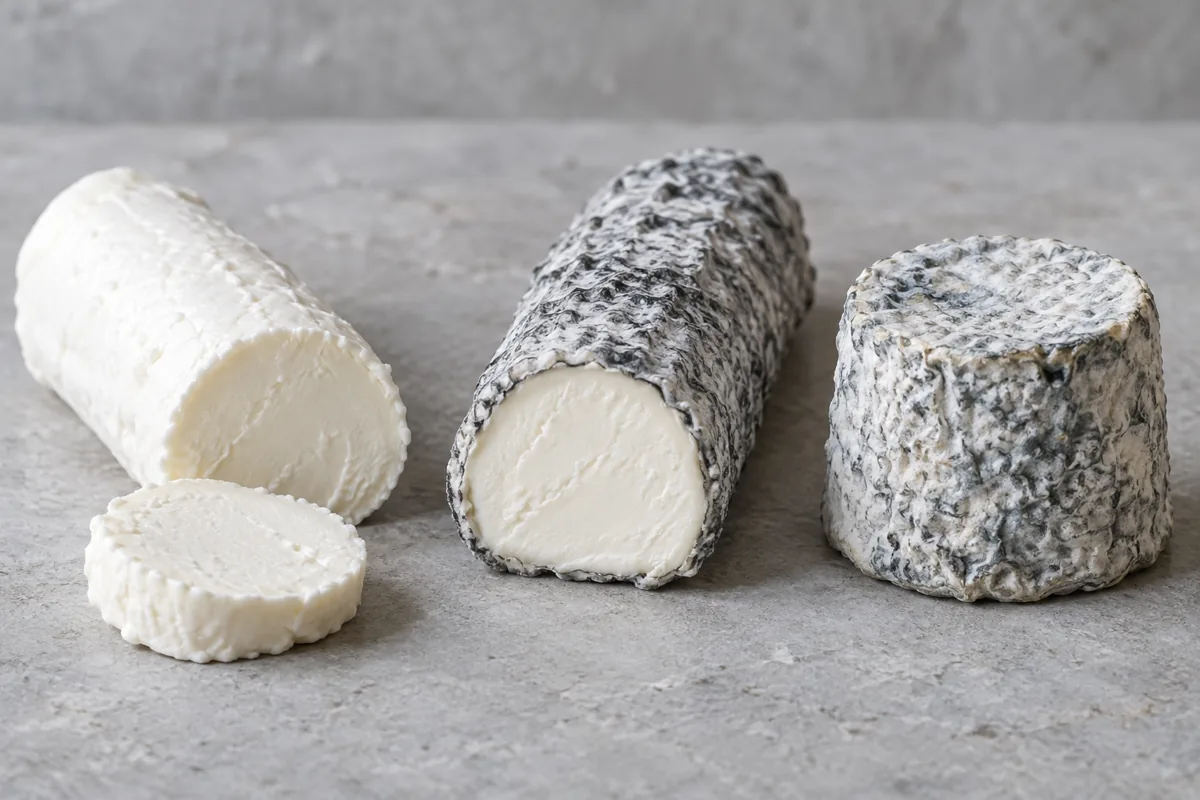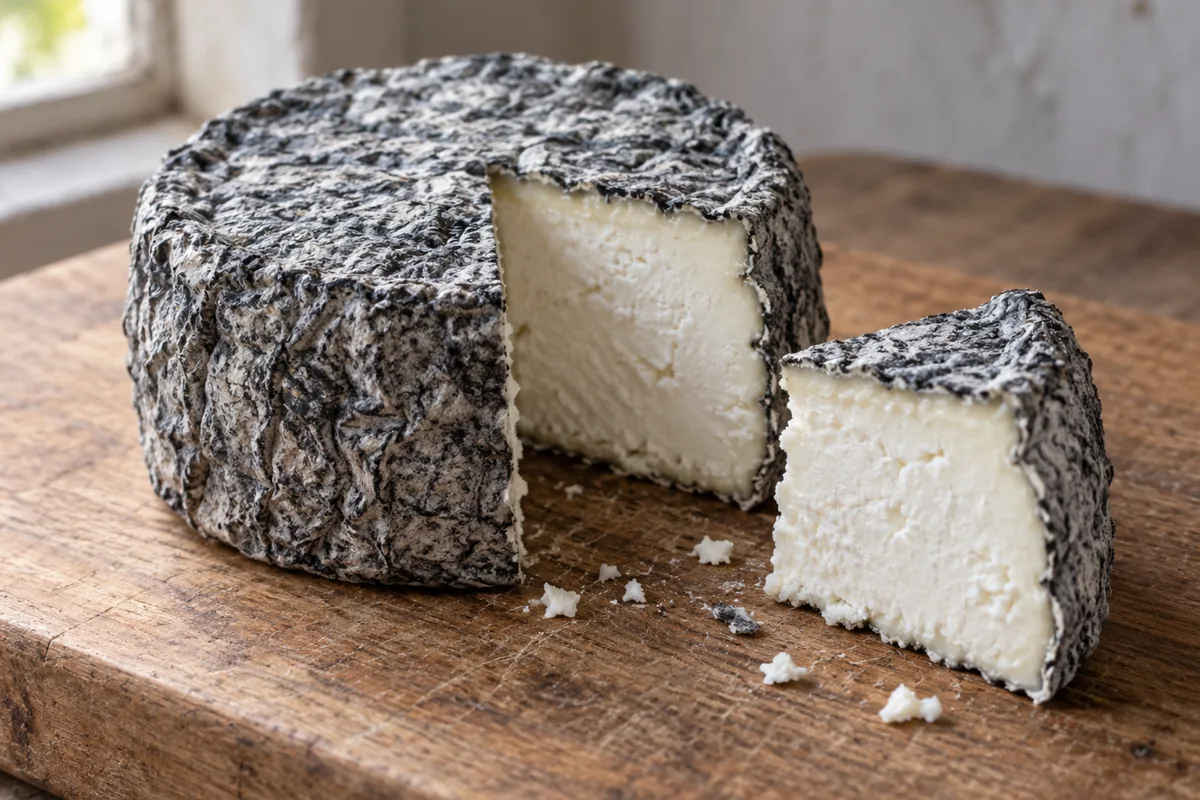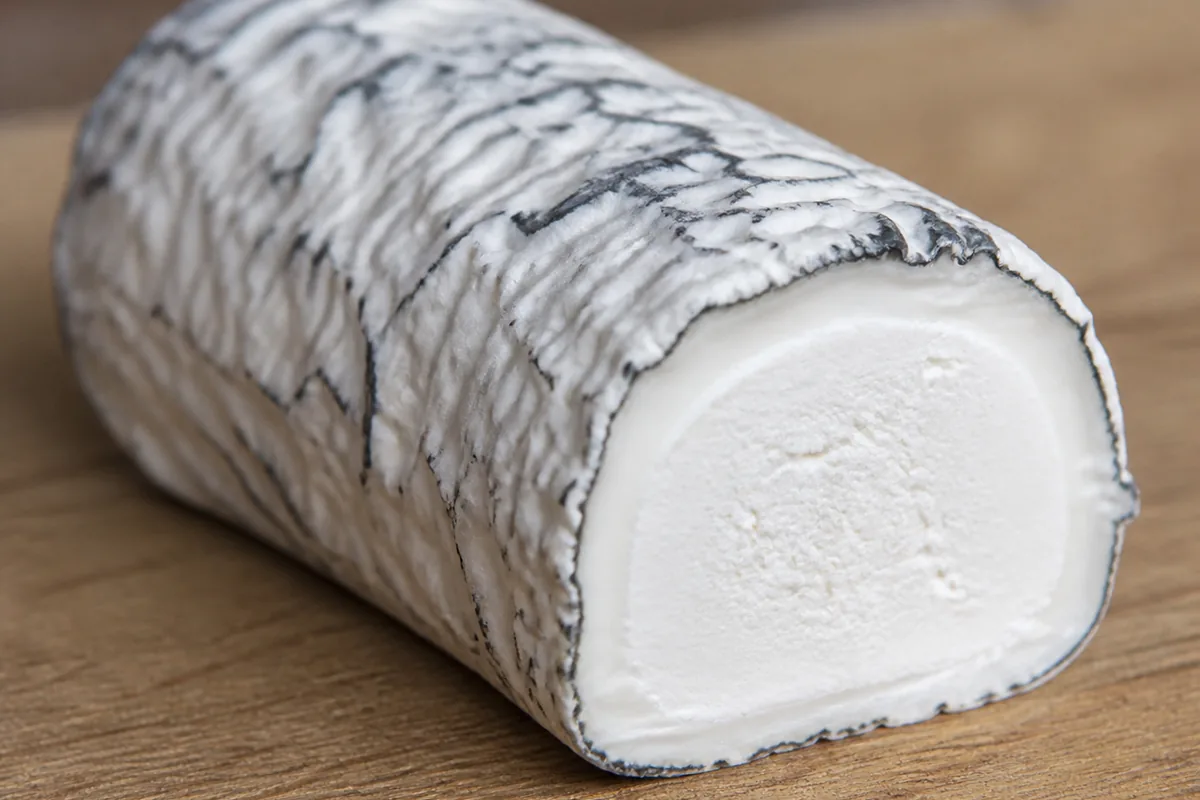
Bosworth Ash Log is a goat's milk log rolled in salted ash, made by Innes Cheese at Highfields Farm in Staffordshire from the raw milk of the dairy's own goats. Innes was reported to have stopped making cheese in June 2020, so ask any seller who made the piece on offer and when.
The name Bosworth also covers a cheese wrapped in chestnut leaf, so when a listing says only Bosworth, check whether it means the ash-rolled log described here.
In This Article
Who Made Bosworth Ash Log?
Stella Bennet started Innes Cheese in 1987 by converting a stable on Highfields Farm, on the Thorpe estate, into a dairy.
Her son Joe and his partner Amiee later ran the business. The dairy's Innes Button won Supreme Champion at the first British Cheese Awards in 1994.
Is Bosworth Ash Log Still Made?
Innes was reported to have stopped making cheese in June 2020, in two posts published that month, and neither post is written by the dairy.
On 1 June 2020 the cheese shop Rennet & Rind published a farewell to Innes and said it had about 20 Bosworth Ash left, after which it was "over for the foreseeable future".
Three weeks later, in a post on British cheesemakers who stopped making cheese between 2016 and 2020, the blog Norton & Yarrow wrote that Joe and Amiee of Highfields Dairy had decided to move on from cheesemaking that month. It listed the Innes Brick, the Innes Log and their hard cheese Highfields as going with them, and said their goats had been sold to the cheesemaker Martin Gott.
Cheese.com still carries a full Bosworth entry, and La Fromagerie's visit account, on a page dated 1 August 2022, is written in the present tense, so ask the seller who made the cheese on offer and when.
How Is Bosworth Ash Log Made?
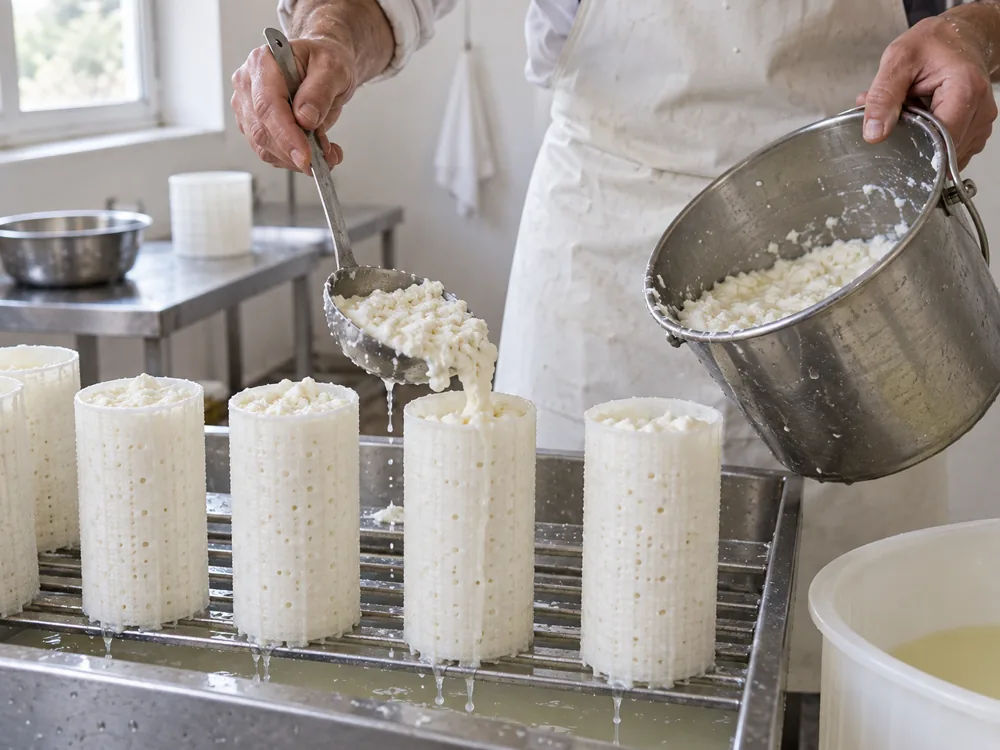
Bosworth Ash Log is made over two nights, one for the milk to ripen and one for the curd to form slowly, and it is then ladled by hand into log moulds and matured for a few weeks.
Cheesemaking starts straight after milking, while the milk is still warm. The dairy's own whey goes in as a starter culture, and the milk is left to ripen overnight.
The next morning's milk is added and the mix is poured into small buckets. Once the right acidity is reached, a small amount of rennet goes in and the curd is left to form slowly until the following morning.
The curd is then ladled by hand into moulds, with logs used for Bosworth Ash and bricks used for Chilcote. The cheeses drain and are salted and turned, and during maturing the cheese develops its natural rind, texture and depth of flavour.
What Are the Salted Ash and the White Rind?
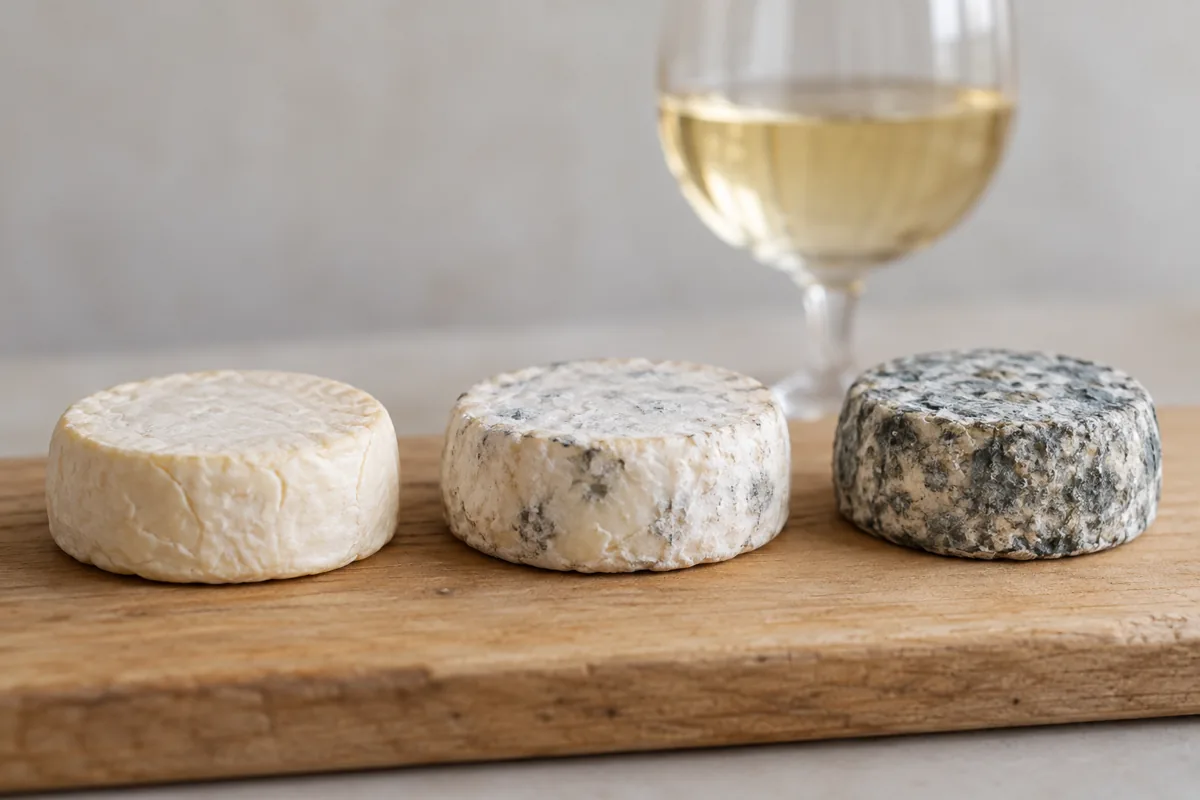
Bosworth Ash Log is rolled in salted ash beneath a layer of white rind, and that white layer is a thick, bloomy rind of Penicillium candidum mould.
The salted ash is described as giving the rind its flavour and as the source of earthy notes in the cheese.
For the Innes Log, a sibling cheese the Bennetts developed using Geotrichum candidum instead, ash rolled on when the cheese is young lowers the acidity at the surface and helps the moulds grow.
That work is described as a shift from English cheesemaking toward the French methods behind goat cheeses such as Sainte-Maure de Touraine.
What Does Bosworth Ash Log Taste Like?
Bosworth Ash Log is described as earthy, and descriptions split on how goaty it is.
| Question | Description |
|---|---|
| Flavour | Mild, salty and sweet, with earthy notes from the ash, or clean, bright and earthy |
| Texture | A white crumbly centre that softens toward the grey mould, or balancing smooth with firm textures, and creamy |
| Rind | Salted ash beneath a thick, white, bloomy rind |
How goaty it is depends on the description: Cheese.com lists a goaty aroma and Fromage Homage calls the taste fairly goaty, while Perry, the cheesemonger at Rennet & Rind, called Innes cheese his go-to "goats cheese converter" and wrote that the flavours were subtle and sophisticated.
What Goats Provide the Milk for Bosworth Ash Log?
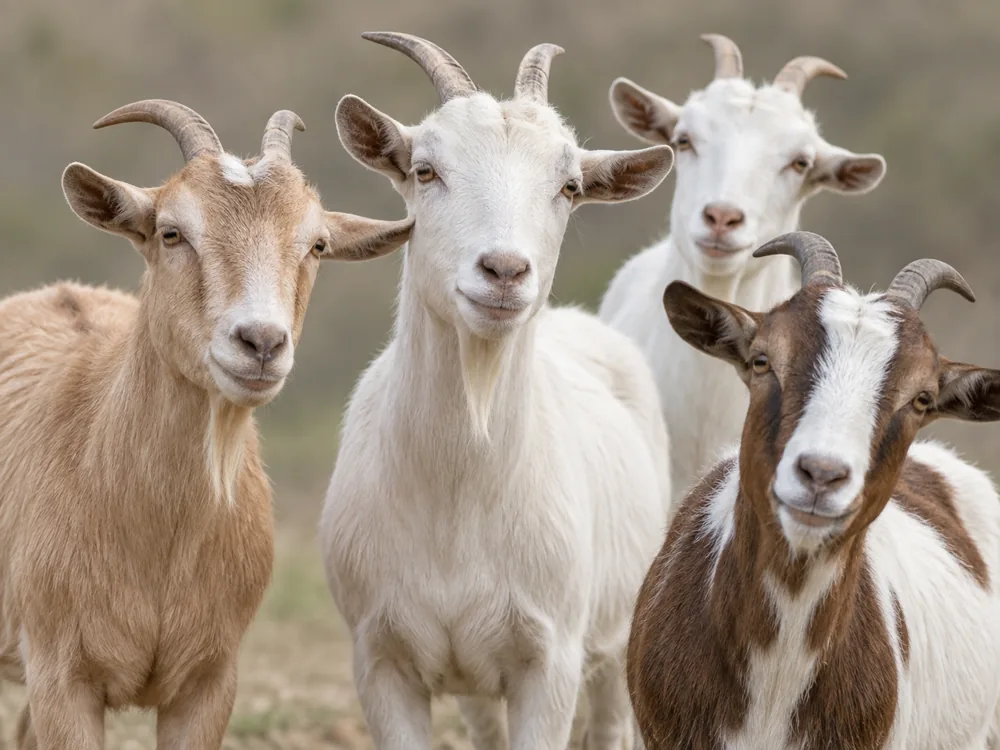
The milk came from the dairy's own herd, a cross of British Saanen, British Toggenburg, British Alpine and Golden Guernsey goats, mostly Saanen and Toggenburg crosses.
The goats were milked twice a day, year-round, and they kidded from February through July to keep the milk coming through the year. They ate the dairy's own hay, made without artificial fertilisers or pesticides.
Is Bosworth Ash Log Vegetarian?
Probably not: two accounts name animal rennet, one for Bosworth Ash and one for the dairy's make as a whole, against one vegetarian listing, so if you are vegetarian, treat Bosworth Ash as made with animal rennet unless the seller states otherwise.
Animal rennet is named for Bosworth Ash in Pong Cheese's entry and for the dairy's make as a whole in La Fromagerie's account, while Cheese.com lists it as vegetarian.
Rennet also differed between the dairy's cheeses: the Innes Button is listed with vegetable rennet and the Innes Log with animal rennet, and the Bennetts switched from vegetarian rennet to kid's rennet when developing the Innes Log, at a time when Bosworth Ash was already being made.
Can You Eat Bosworth Ash Log During Pregnancy?
If you are pregnant, cook Bosworth Ash Log until it is steaming hot before you eat it: it is made from raw goat's milk, and the NHS says any foods made from unpasteurised milk, such as soft ripened goats' cheese with a white coating on the outside, must be thoroughly cooked and lists any cheese that's been cooked until steaming hot as safe to eat.
In the US, Bosworth Ash Log is a riskier choice with no heated safer route, even cooked: the CDC lists unpasteurized (raw) milk and dairy products made from raw milk, and soft cheese made from unpasteurized (raw) milk, as riskier, and its safer line for heated soft cheese names pasteurized soft cheeses heated to an internal temperature of 165°F or until steaming hot.
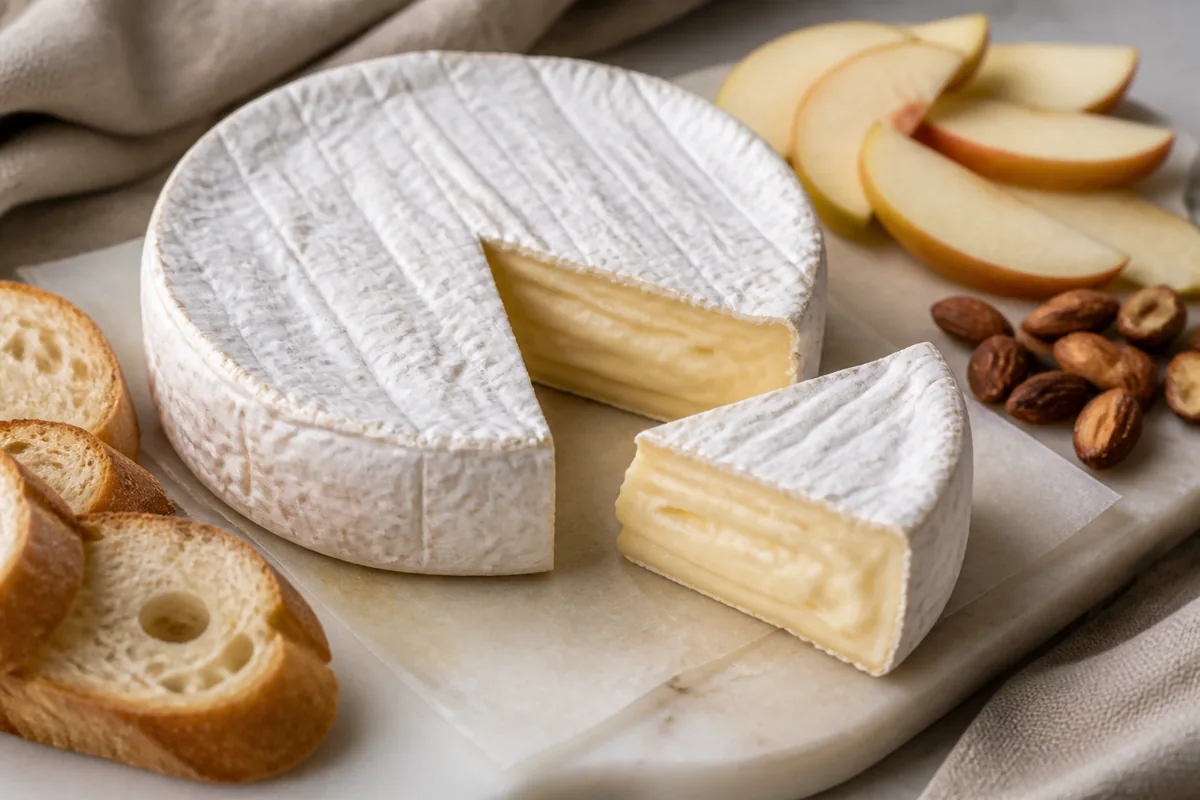
The NHS also says pasteurised or unpasteurised mould-ripened soft cheeses with a white coating on the outside, such as brie, camembert and chèvre, must be thoroughly cooked, and the CDC says pregnant women are 10 times more likely to get a Listeria infection.
La Fromagerie gives raw milk and Cheese.com unpasteurised milk for Bosworth Ash Log, and Fromage Homage describes its white rind as thick and bloomy.
Which Other Cheeses Did Innes Make?
Besides Bosworth Ash Log, Innes made Chilcote, fresh goat's curd, the Innes Button and the Innes Log.
| Cheese | What is known about it |
|---|---|
| Innes Button | Small, round, unpasteurised goat's milk cheese. Won Supreme Champion at the first British Cheese Awards in 1994. |
| Bosworth Ash Log | Log rolled in salted ash under a white layer, matured for a few weeks. |
| Chilcote | Made in bricks, with the curd hand-ladled into brick moulds. |
| Innes Log | Thin rind with Geotrichum candidum, ash rolled on when young, kid's rennet. |
| Fresh goat's curd | Made from the dairy's raw goat's milk. |
What Should You Serve with Bosworth Ash Log?
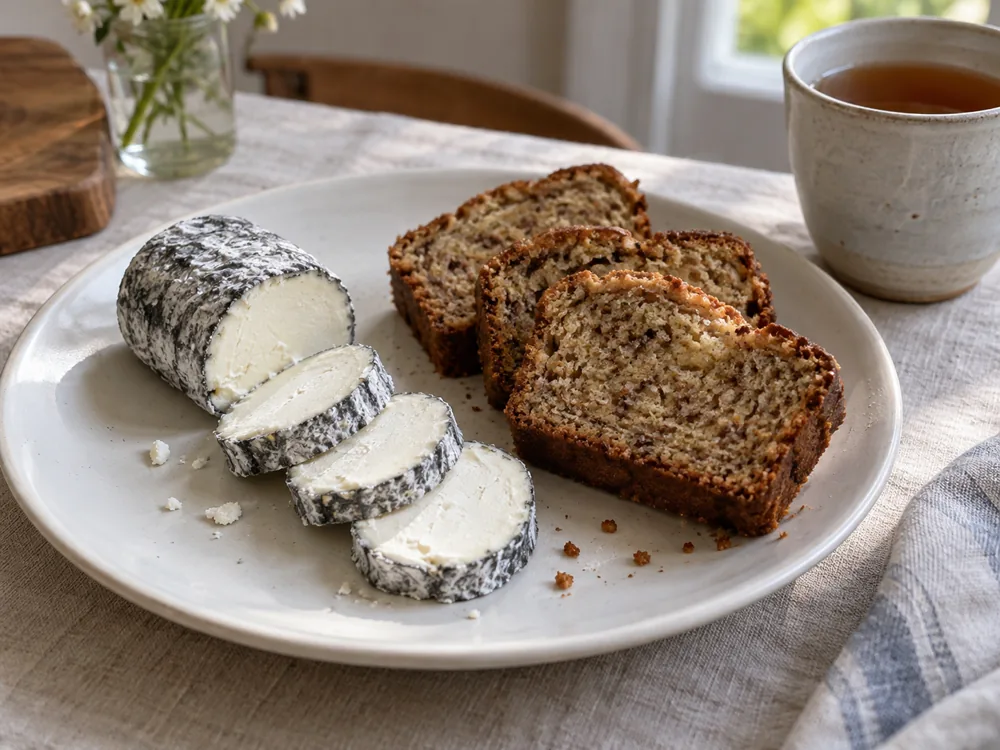
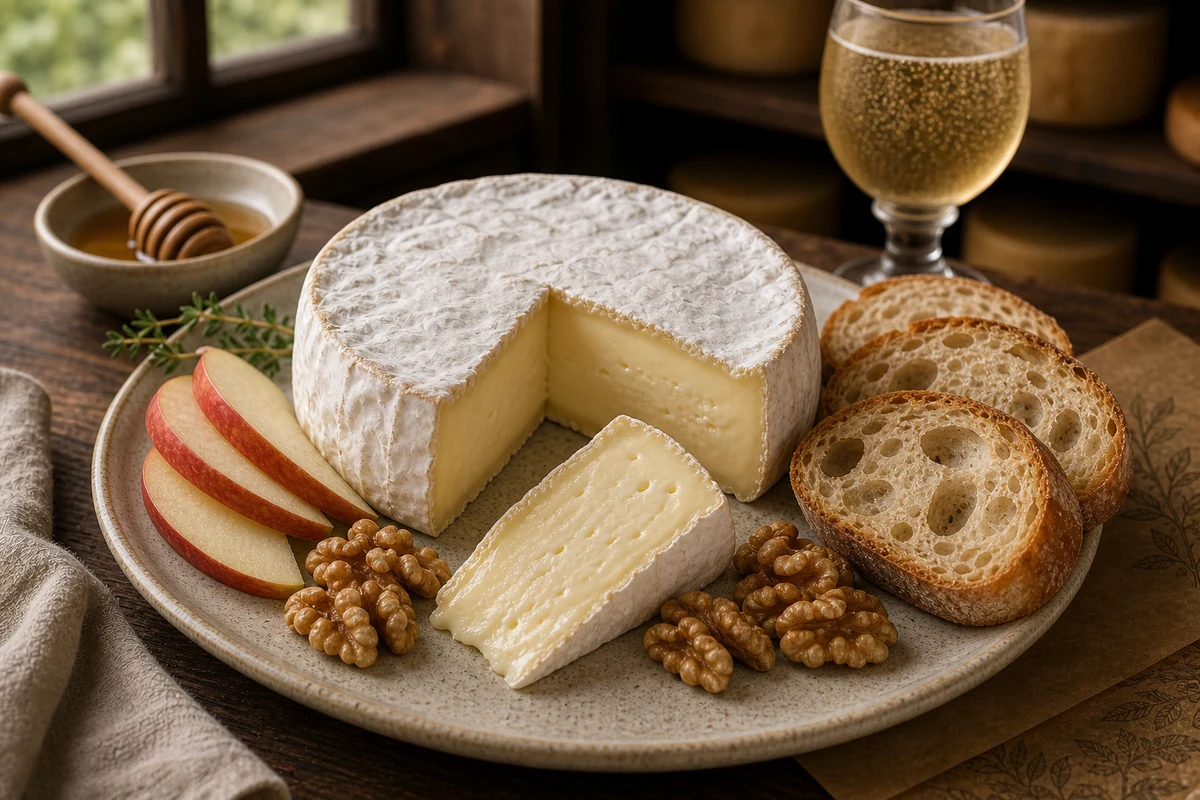
Bosworth Ash Log with home-made banana bread went down especially well with La Fromagerie's cheesemongers when they were given tea at the farmhouse.
| Pairing | Why It Works |
|---|---|
| Home-made banana bread | Served with tea at the farmhouse during La Fromagerie's visit, where the team said it went down especially well. |
SOURCES & REFERENCES
What Else Should You Know About Bosworth Ash Log?
It is a goat's milk log rolled in salted ash beneath a white layer, made from raw milk by Innes Cheese at Highfields Farm in Staffordshire.
Innes was reported to have stopped making cheese in June 2020, by a cheese shop that had about 20 Bosworth Ash left and by a blog. Ask the seller who made the cheese on offer and when.
Probably not. Pong Cheese names animal rennet for Bosworth Ash and La Fromagerie for the dairy's make as a whole, while Cheese.com lists the cheese as vegetarian, so treat it as made with animal rennet unless the seller states otherwise.
It is described as earthy, and as mild, salty and sweet or as clean and bright. Descriptions split on how goaty it is.
If you are pregnant, cook Bosworth Ash Log until it is steaming hot before you eat it: it is made from raw goat's milk, and the NHS says any foods made from unpasteurised milk, such as soft ripened goats' cheese with a white coating on the outside, must be thoroughly cooked and lists any cheese that's been cooked until steaming hot as safe to eat.
In the US, it is a riskier choice with no heated safer route, even cooked: the CDC lists unpasteurized (raw) milk and dairy products made from raw milk, and soft cheese made from unpasteurized (raw) milk, as riskier, and its safer line for heated soft cheese names pasteurized soft cheeses heated to an internal temperature of 165°F or until steaming hot.