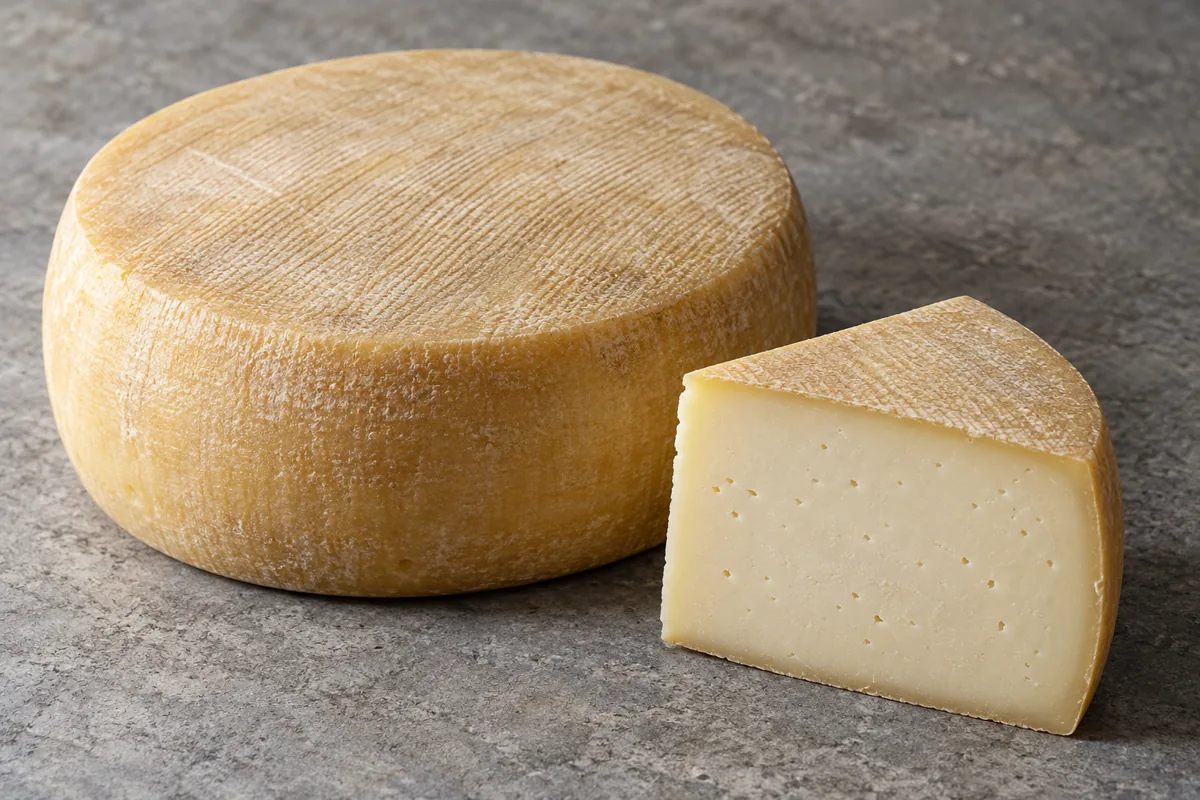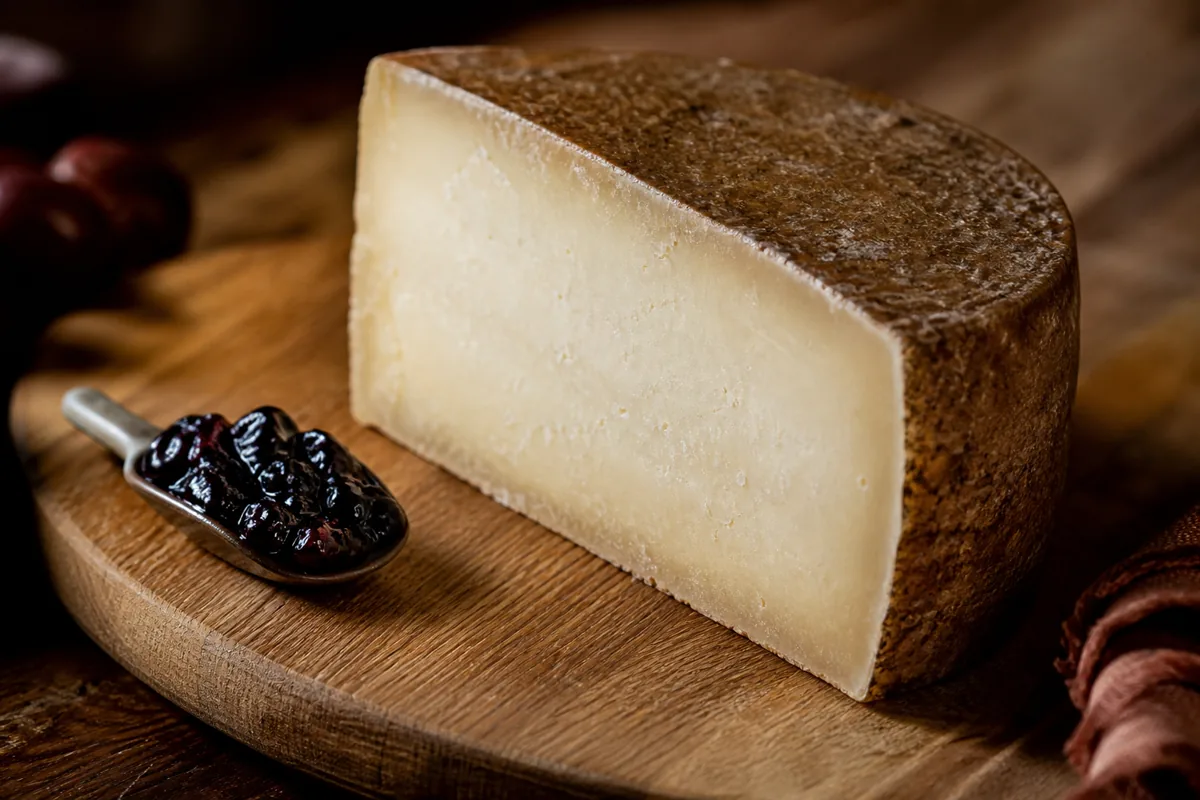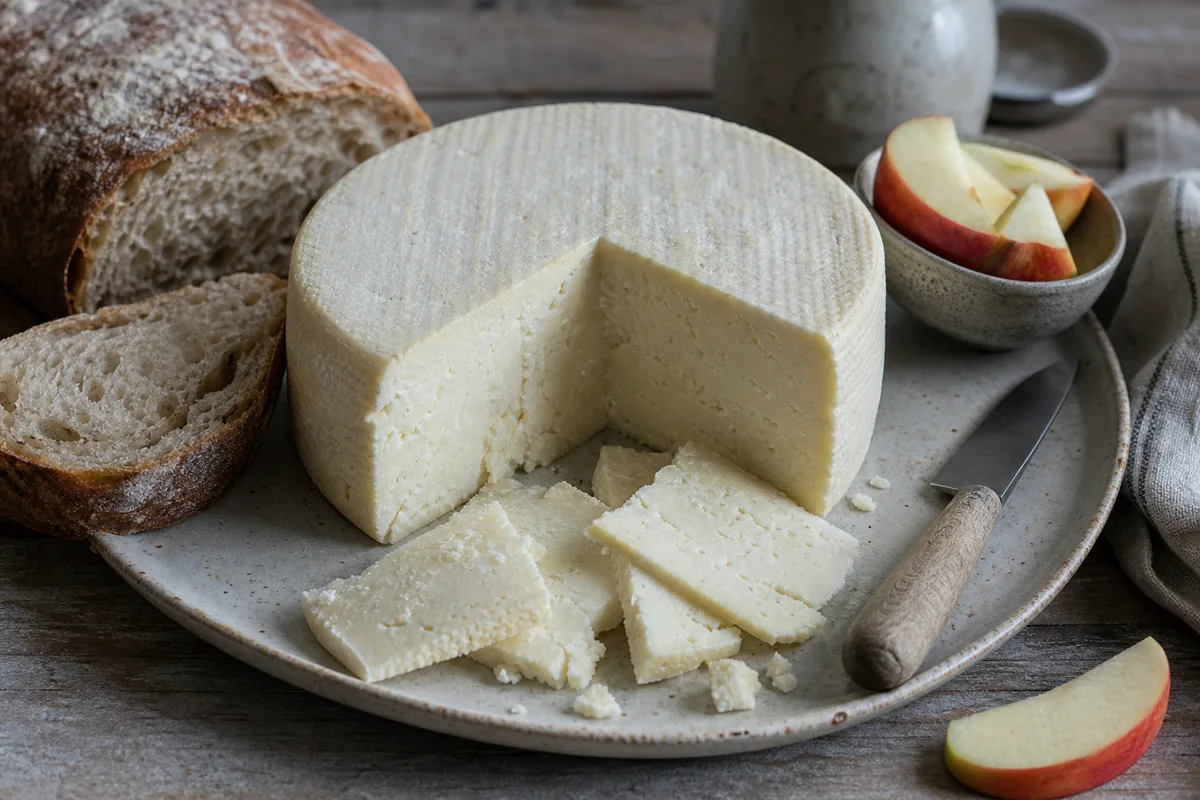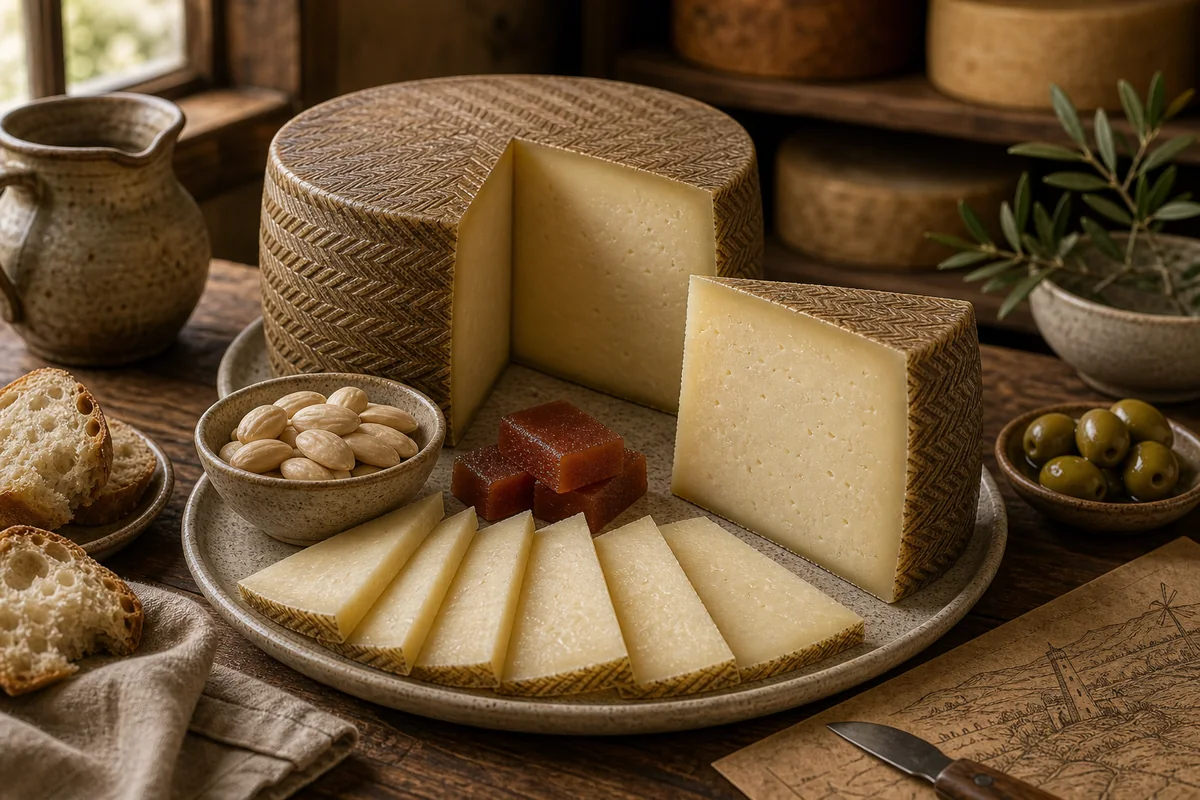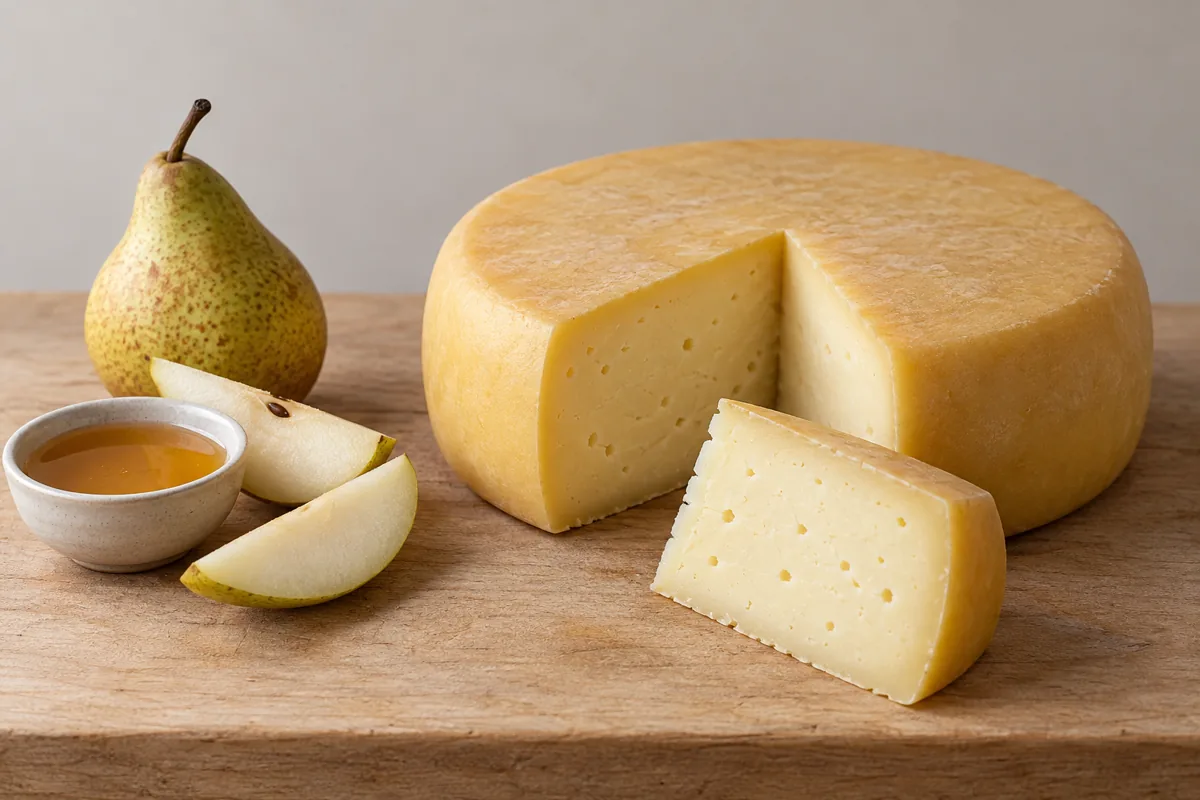
Berkswell was a hard, raw sheep's milk cheese made by the Fletcher family at Ram Hall Farm in the West Midlands, and it is no longer made. The Guild of Fine Food reported the closure of Ram Hall Dairy in October 2023 and wrote in December 2023 that "Berkswell is no longer being made."
In This Article
Can You Still Buy Berkswell?
No dairy makes Berkswell now. Stephen Fletcher, who ran Ram Hall Dairy, was selling his cheesemaking equipment and preparing to leave the farm when the Guild of Fine Food reported the closure.
Some wheels were still due to reach shops after the closure. Cheese writer Janet Fletcher wrote in November 2023 that a final shipment of Berkswell should reach the US in early February, shared among independent cheese shops and high-end retailers.
If you find a wheel for sale now, it was made before Ram Hall closed.
Sources disagree on whether Berkswell is still made. Culture's library entry still names Julie Hay as the cheesemaker at Ram Hall and does not mention the closure, while the Guild of Fine Food reported that the cheese is no longer being made. We follow the trade report because it describes the closure directly.
Why Did Ram Hall Dairy Close?
The Guild of Fine Food says the Fletcher family has made Berkswell from raw milk from its own flock since 1989 and has lived on the farm since 1881. The same report says the business began with Fletcher's mother making cheese in plastic buckets meant for home brewing.
Culture says the family found the words "Cheese Room" under old paint at Ram Hall, but the recipe from that earlier cheesemaking had been lost. They started from a Caerphilly formula, which evolved into Berkswell.
Fletcher decided to close because of ill health, rising costs and tough trading conditions, and he told the Guild of Fine Food that the cheese business was still solvent. He said sales first dropped with Brexit uncertainty and US tariffs on British cheeses, that the pandemic then "blew big holes" in them, and that "the last straw was the hike in energy costs."
Ruth Raskin of The Fine Cheese Co., which distributed Berkswell in the UK, told Janet Fletcher that sheep are harder to look after than cows and that helpers are harder to find. She added that the effort matches cow's milk cheese "but you have less product at the end."
The Guild of Fine Food reported that a deal was being finalised to sell the flock of 800 sheep to BlackLion Vodka in the Cotswolds, which had bought Ram Hall's whey for distilling. The plan was for the flock's milk to go to King Stone Dairy in Gloucestershire for a new Ossau-Iraty style cheese, with the whey returning for vodka.
As for Fletcher himself, the report says he would vacate the farm and help set up the milking operation.
What Did Berkswell Taste Like?
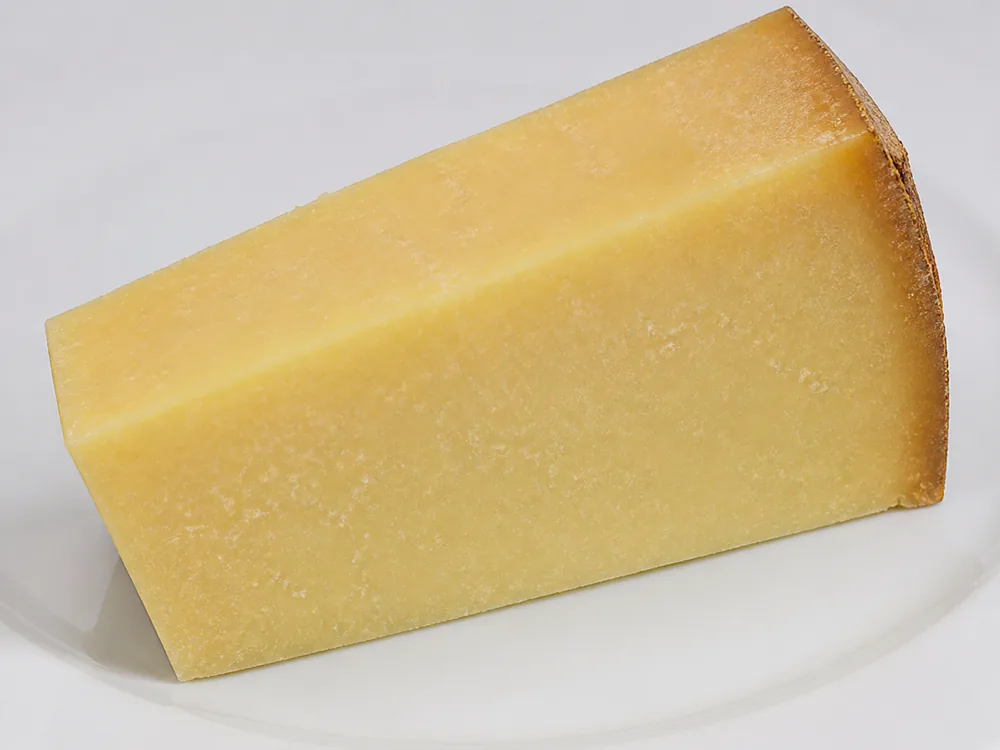
Culture describes a firm, dense, slightly granular paste the colour of pale butter, with flavours that are "concentrated, sweet and very complex" and often show notes of pineapple and caramel over a balanced tang. Janet Fletcher's aroma notes are brown butter and caramel.
Wikipedia says Berkswell may be compared to a mature pecorino.
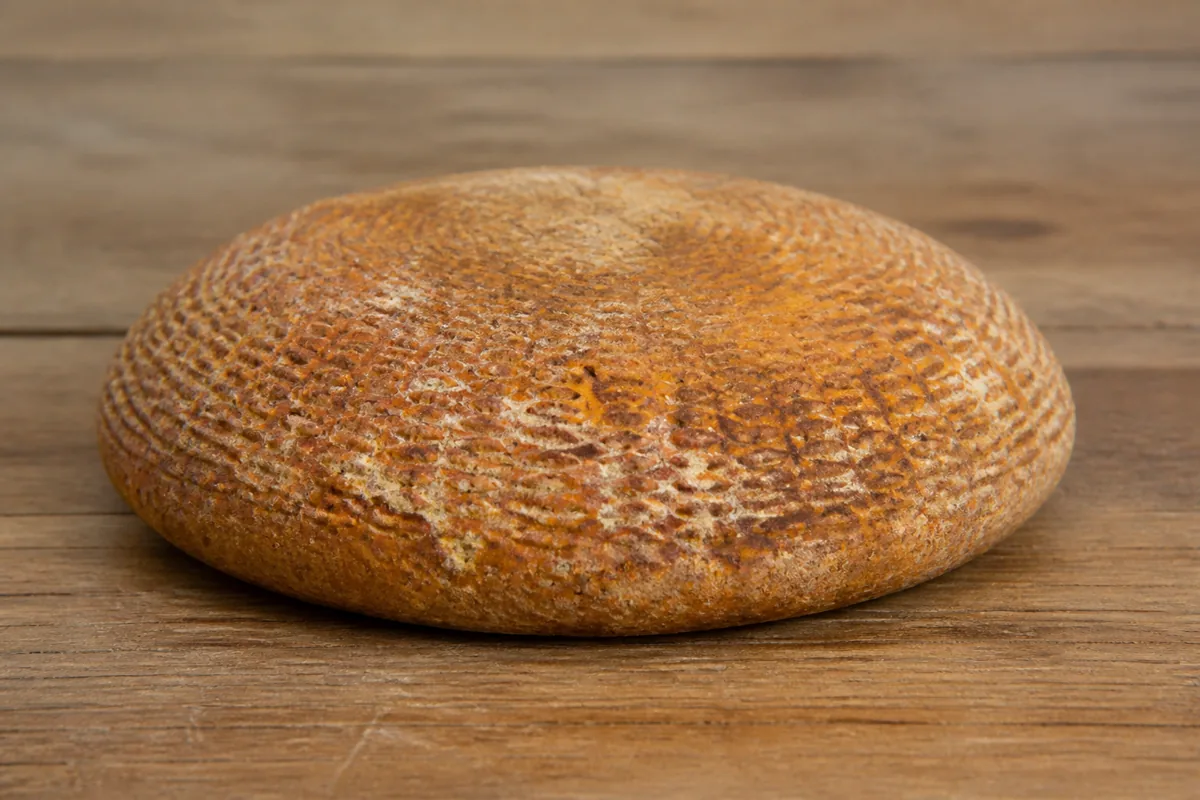
The rind was natural, slightly chewy and rusty brown-red, and Culture describes it as showing rustic splotches of orange and white.
Berkswell was made from raw sheep's milk with animal rennet, so it was neither pasteurised nor vegetarian.
A February 2023 La Fromagerie post about a farm visit describes a flock of Friesland and Lacaune sheep. George Fletcher explained that the Lacaune, a breed used for Roquefort, were added to raise the quality of the cheese.
Culture and Wikipedia disagree on the wheel's weight and the ageing time, and the Guild of Fine Food and Neal's Yard Dairy name different buyers for the flock.
| Detail | One source says | Another source says |
|---|---|---|
| Wheel size and weight | Culture: 8 inches across, 4 inches high, 3 to 4 kg | Wikipedia: about 6 lb (2.7 kg) |
| Ageing | Culture: matured at least six months before release | Wikipedia: 4 to 8 months |
| Who bought the flock | Guild of Fine Food (December 2023): the sheep "have been sold to BlackLion Vodka" | Neal's Yard Dairy: Sheaf House farm "purchased the flock from Ram Hall" |
How Did Berkswell Get Its Two-Colander Shape?
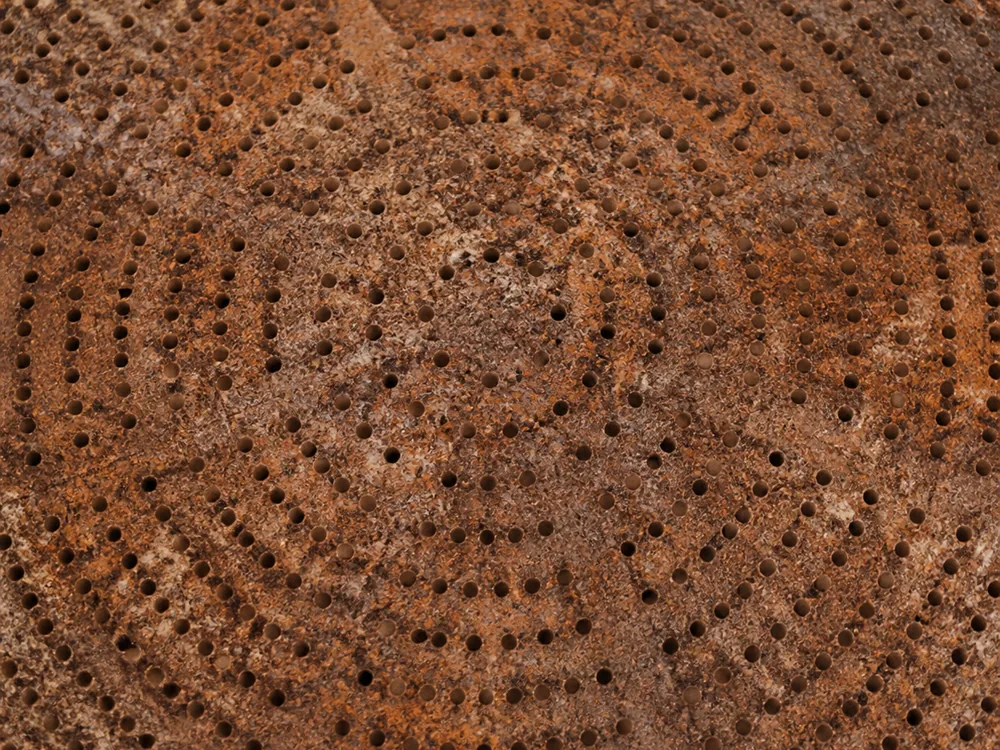
The Guild of Fine Food says the cheese got its flying saucer shape from being moulded in two colanders, and Wikipedia describes them as plastic kitchen colanders.
Culture says the curd was cut and re-heated before it went into the colanders, and that the finished rind carries the imprint of the colanders.
What Should You Buy Instead?
The useful question is which part of Berkswell you want back: the sweet, caramel-toned sheep's milk or the firm, dense paste. The nearest relative is Bibury, made by David Jowett at King Stone Dairy in Chedworth, Gloucestershire.
Neal's Yard Dairy says many of the sheep behind Bibury were part of the original Ram Hall herd, and Janet Fletcher reported that Jowett trained at Berkswell. Neal's Yard describes Bibury as a semi-hard, pasteurised sheep's milk cheese styled after the Pyrenean Ossau-Iraty sheep's milk cheese, with a washed rind that grows light mould and an average age of about three months.
That makes it a different cheese from Berkswell, which was raw, natural-rinded and matured for at least six months. Neal's Yard lists Bibury's flavours as typically rich, sweet and fatty, with hazelnut aromas.
Finding Bibury is the catch. The Guild of Fine Food reported in May 2026 that King Stone Dairy will not make sheep's milk cheeses this year, and Jowett said "We might bring back sheep's cheeses in the future."
On 29 September 2026, Neal's Yard Dairy's Bibury page listed it as sold out.
| Cheese | What Culture says | Where it differs from Berkswell |
|---|---|---|
| Manchego, six months (curado) | Flavours mellow and gain caramel and nuts, sweet and lingering; made from sheep's milk, farmhouse versions raw | Waxed rind; a one-year Manchego is drier and more crumbly |
| Ossau-Iraty | Smooth, close, dense and supple; sweet and nutty | No pineapple or caramel in the description; protected AOC name |
| Idiazabal | Raw Latxa or Carranzana sheep's milk; sweet and balanced with notes of bacon and caramel | Can be smoked; no smoke noted for Berkswell |
| Pecorino Toscano | Sturdy, nutty, lightly salty; matured three to six months; raw or pasteurised | No pineapple or caramel in the description |
For the caramel notes, we would start with a six-month Manchego rather than a one-year wheel, whose drier, more crumbly paste moves away from Berkswell's.
If you also want raw milk, Basque and Navarre Idiazabal is the pick from the table for a sheep's cheese with caramel in its notes, as long as the label shows it is not smoked.
Listing Tuscan Pecorino Toscano is our inference from Wikipedia's comparison of Berkswell to a mature pecorino, not Wikipedia's own suggestion. Culture says its savory and sweet flavors intensify with age.
Whichever stand-in you choose, Culture's pairing advice for Berkswell is a reasonable starting point: English cider or a pinot noir.
| Pairing | Type | Why It Works |
|---|---|---|
| English cider | Drink | Culture's first pairing for Berkswell. |
| Pinot noir | Wine | Culture's second pairing for Berkswell. |
Is Berkswell Safe During Pregnancy?
Berkswell was made from raw sheep's milk. The NHS lists "pasteurised or unpasteurised hard cheeses" as safe, naming cheddar, gruyère and parmesan as examples, while the CDC's safer list for hard cheese specifies pasteurized milk and puts soft cheese from unpasteurized milk on its riskier list.
Neither agency names Berkswell, and Bibury is pasteurised according to Neal's Yard Dairy. If you are pregnant and find an old wheel, check the current rules on eating raw-milk cheese during pregnancy with a midwife or doctor.
SOURCES & REFERENCES
Is There More to Know About Berkswell Cheese?
No. The Guild of Fine Food reported in December 2023 that Ram Hall had closed and Berkswell was no longer being made.
Stephen Fletcher was selling his cheesemaking equipment and leaving the farm, and the flock was being sold to another business.
No. Bibury is a pasteurised, Ossau-Iraty style cheese that King Stone Dairy made from the former Ram Hall flock's milk, and King Stone has paused its sheep's milk cheeses for 2026.