
Oxford Isis is a washed-rind English cheese created in 2003, named after Oxford's own stretch of the River Thames. It has nothing to do with the militant group that later took the same name.
That timing is worth clearing up before anything else, since it is the first thing many people search.
In This Article
Is Oxford Isis Named After the Terrorist Group?
No. The name comes from Isis, the traditional local name Oxford has long used for the section of the Thames that flows through the city.
The cheese was created in 2003, roughly a decade before the militant group of the same name entered wide public use. The name predates the confusion by a full generation of cheesemaking.
Isis is likely a shortening of Tamesis, the ancient name for the Thames, and it is used specifically for the stretch that runs through Oxford rather than the whole river. It is a genuinely old, local piece of Oxford geography, not a modern rebrand.
It shows up well beyond a cheese label, too. Oxford University has named its reserve boat in the Boat Race Isis since 1865, and the same name covers the rowing regattas held on that stretch of river, including Eights Week each summer.
A local using the word has always meant the river or the rowing, never anything else.
Who Created Oxford Isis?
Two people, not one. Robert Pouget, who had already created Oxford Blue in 1995, developed Oxford Isis in 2003 together with his son Harley Pouget.
The goal was specific: build an English cheese that could compete directly with the pungent washed-rind cheeses France was known for, rather than another variation on Oxford Blue's milder style.
That made Oxford Isis a deliberate second act rather than a natural extension of the first. Where Oxford Blue softened an established English style, Isis set out to match a French one on its own aggressive terms, which is a different brief entirely.
Father and son have stayed involved with the wider Oxford Cheese Company business since, rather than treating Isis as a one-off side project.
How Is Oxford Isis Made?
The start is ordinary. It begins as a soft, pasteurised cow's milk cheese, not dramatically different from other washed-rind bases at that stage.
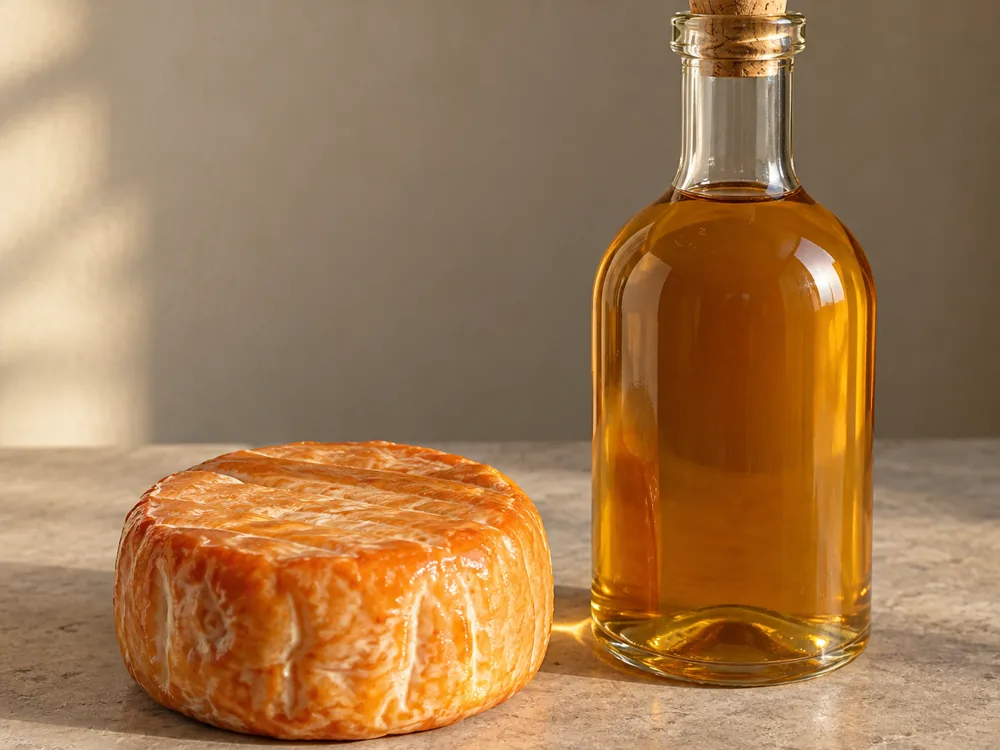
What changes it is repeated washing in Oxfordshire honey mead throughout maturation. Each washing feeds bacteria on the surface that build up the rind and its aroma.
That process is what produces the sticky, orange-yellow rind and the notably strong smell the cheese is known for. Neither is a flaw or a sign of age; both are the direct, intended result of the mead washing.
Mead was not the obvious first choice. The Oxford Cheese Company reportedly tried several different washes before settling on it, which is worth knowing because it explains why the rind carries a genuine sweetness alongside the pungency rather than pungency alone.
What Does Oxford Isis Taste Like?
The paste itself is creamy, with a flavour commonly described as sweet and meaty rather than sharp.
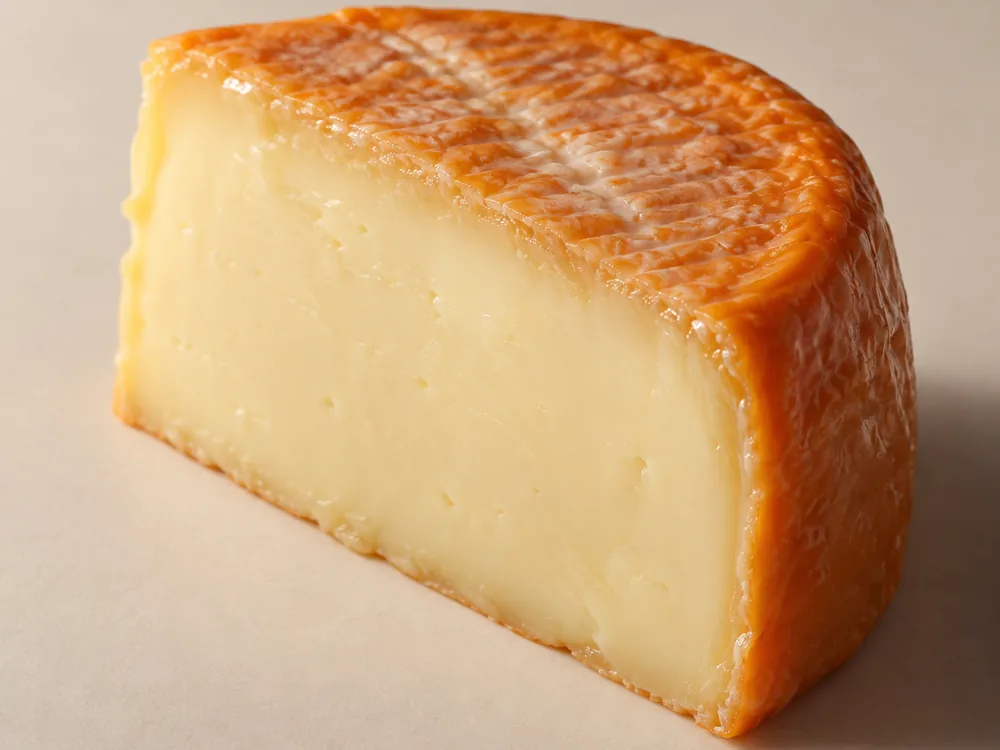
The aroma is the most intense part of the experience by a wide margin, and it arrives well before the taste does. Most tasters find the flavour noticeably gentler than the smell suggests, which is the cheese's whole reputation in one sentence.
That gap between smell and taste has not stopped it from winning real recognition: Oxford Isis took the Cheese Lovers' Trophy at the British Cheese Awards in 2009.
It has also turned up on cheeseboards well beyond a farm shop counter, including at Oxford University, Royal Ascot and Wimbledon, and in first-class cabins on British Airways and Virgin flights. That is a reasonable second data point for anyone still deciding whether to trust the smell over the taste.
Is Oxford Isis Cheese Vegetarian?
It depends who you ask. The honest answer is that sources disagree, and it is worth saying so rather than picking a side with false confidence.
Some retailers list it with vegetarian rennet. Others mark it explicitly not vegetarian and describe traditional animal rennet instead, and the producer's own current vegetarian-rennet listing does not include Oxford Isis among its products.
On balance, the stronger-sourced answer is traditional rennet. A vegetarian buyer should check the specific pack rather than assume either way.
Can You Eat Oxford Isis While Pregnant?
Treat it as a cook-first cheese, the same category as brie or camembert.
UK guidance places washed-rind cheese in the same avoid-unless-cooked group as mould-ripened soft cheese. Pasteurisation does not move it out of that group, because the risk comes from the rind environment rather than from the milk itself.
Melted into a dish resolves the question, which is the simpler route given the rind category it falls into. Its gooey, liquid interior actually makes it a good fit for a pasta sauce specifically, since it melts down smoothly rather than turning stringy or greasy the way a firmer cheese can.
How Do You Serve Oxford Isis?
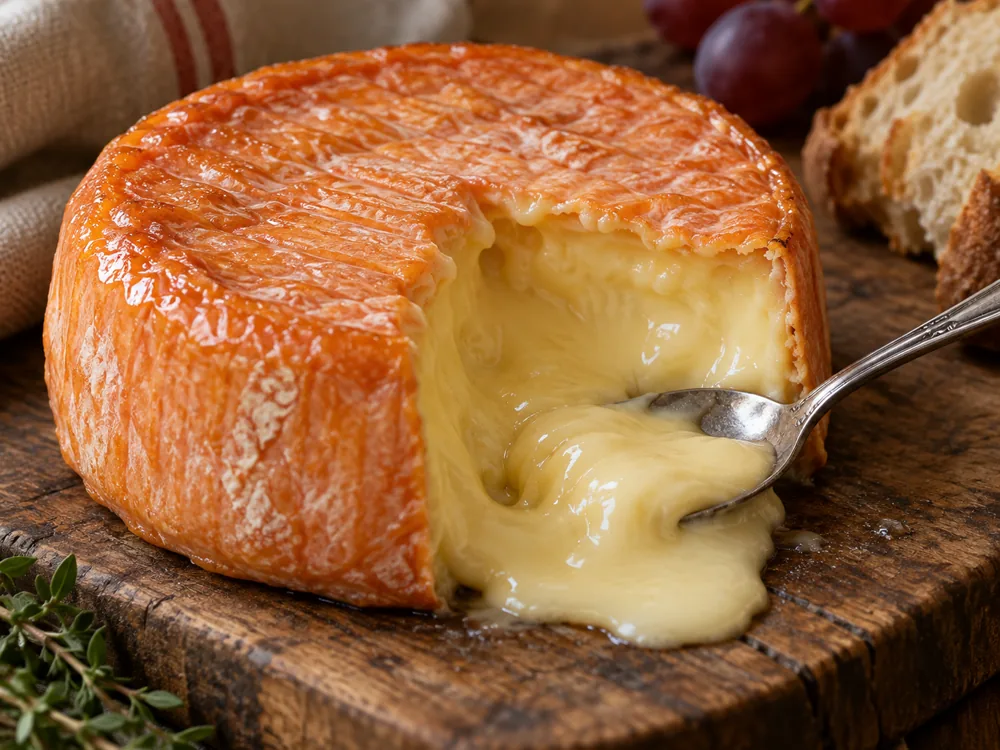
Carefully, once it has ripened. As it matures the interior turns genuinely gooey rather than just soft, gooey enough that a spoon works better than a knife for serving a fully ripe wheel.
Pairing suggestions lean toward sweetness and aromatic intensity rather than a plain neutral match. Floral white wines such as Gewürztraminer are a recommended route, and so is a strong Belgian-style honey beer, which echoes the mead the rind is washed in rather than fighting it.
Fuller reds and whites also turn up in pairing notes, including Beaune, Meursault and Riesling, alongside darker Belgian ales. For a wider set of beer-and-cheese matches by style, the beer pairing options cover the ground beyond mead-forward choices specifically.
Where Can You Buy Oxford Isis Cheese?
It is sold in two standard sizes: a 200g boxed cheese for a single occasion, priced around £11, or a 900g cutting cheese for a shop to portion out.
UK specialty cheesemongers including Cheese Etc, Cheeseworks and Liverpool Cheese Company stock it in various portion sizes. It is not a supermarket staple, so a specialty shop or delivery order is the realistic route rather than a general grocery aisle.
What to Use Instead of Oxford Isis
Epoisses is the French washed-rind cheese Oxford Isis was explicitly built to rival, and it runs even more intense in both smell and flavour. The parallel goes down to the washing method itself: Epoisses is washed in brine and marc de Bourgogne, a local pomace brandy, where Oxford Isis substitutes Oxfordshire honey mead for the same job.
Munster offers a similar washed-rind style with a milder aroma, an easier entry point for a first try.
Taleggio is the gentlest washed-rind option of the three, with a notably softer smell for anyone put off by Oxford Isis's reputation before they have tasted it.


