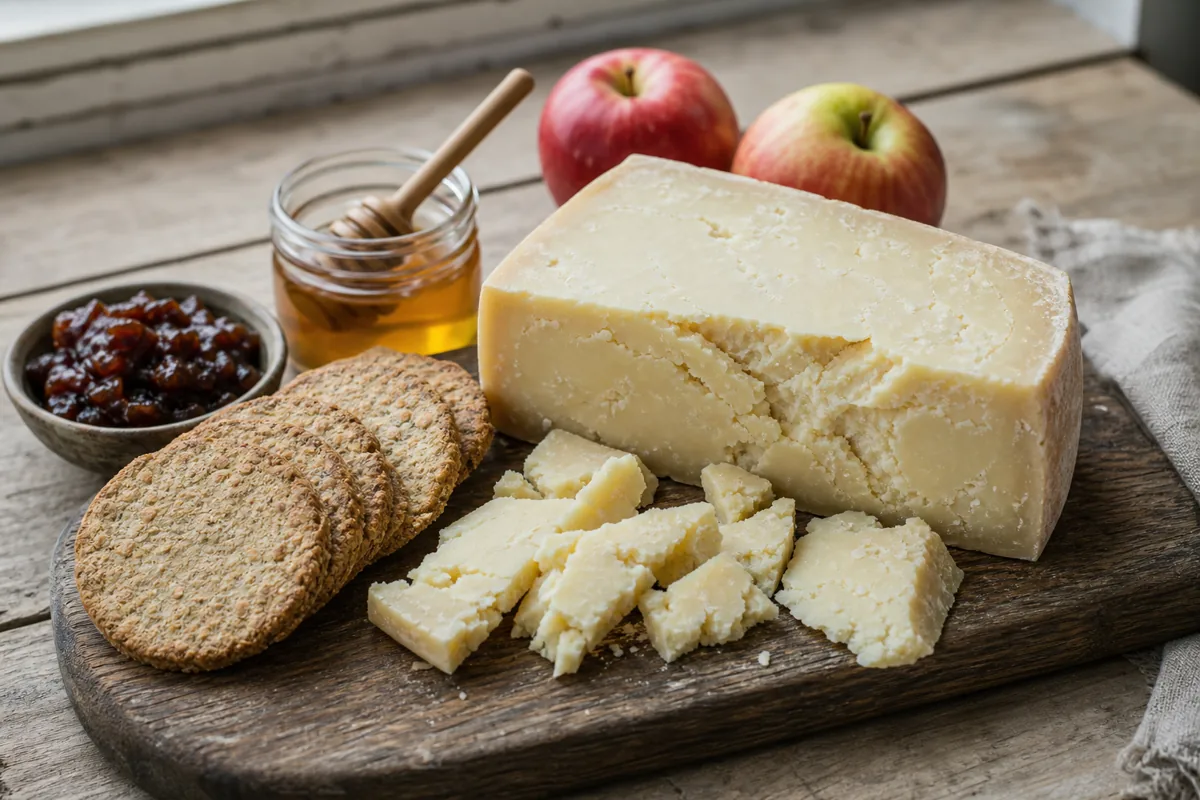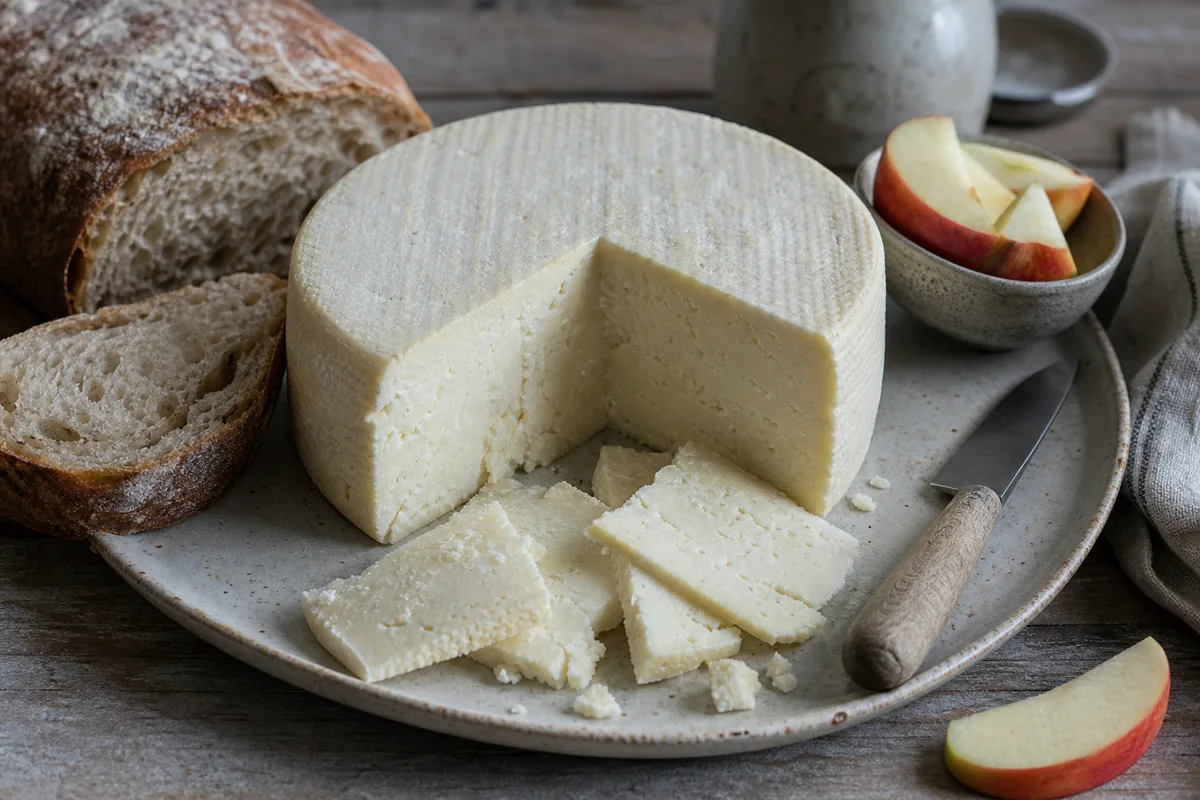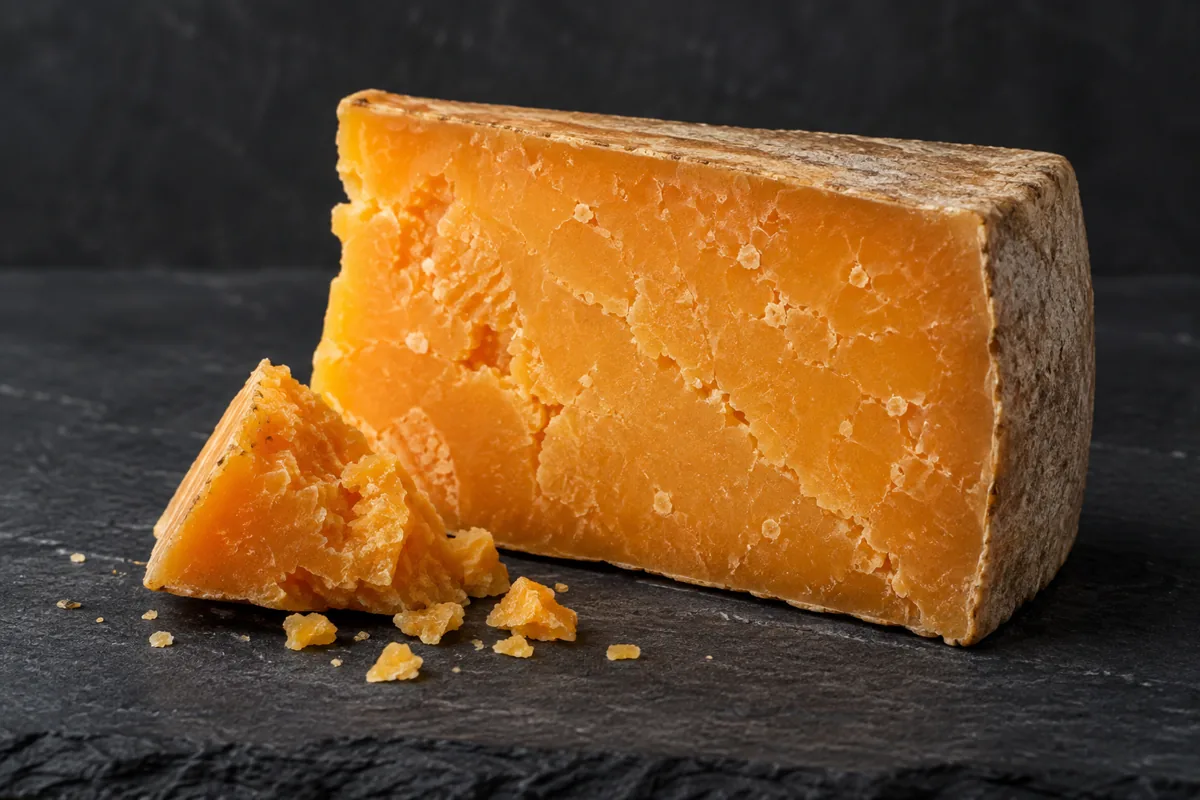
Auld Reekie is a raw cow's-milk smoked cheese made by Alex Reid at the Cambus O'May Cheese Company near Ballater on Royal Deeside, Scotland. It is smoked over whisky barrel shavings.
In This Article
What Is Auld Reekie Cheese?
Auld Reekie is a hard cheese with a natural rind, made in the eastern Cairngorms from unpasteurised cow's milk. Its maker describes it as a delicate smoked cheese that combines the flavours and textures of traditional cheese with "a delicate wood and whisky finish".
The name is Edinburgh's old nickname, Scots for "Old Smoky". Alex Reid named the cheese after it because the smokehouse aroma reminded him of cobbled Edinburgh streets, so the name describes the smoke and not where the cheese is made.
Cambus O'May makes all of its cheeses by hand from unpasteurised milk. The Scottish Food Guide says that milk comes from the company's own Holstein Friesian cows, while an older creamery page from the producer describes a plan to use milk from its own small herd eventually.
Alex Reid set the company up in 2009 and launched Auld Reekie at the BBC Good Food Show in October 2010, alongside the aged Auld Lochnagar.
Does Auld Reekie Contain Whisky?
Auld Reekie's whisky character comes through the smoke. It is smoked over exclusively whisky barrel shavings, which Alex Reid uses to add a whisky twist to the cheese.
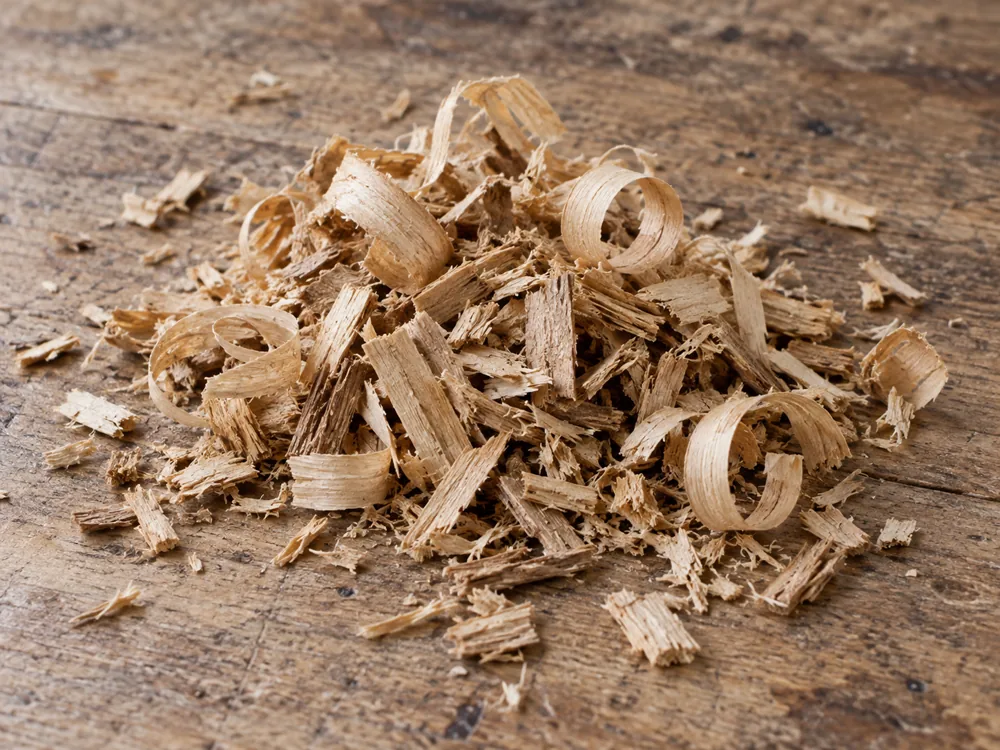
Cheese.com and Speciality Food Magazine both describe a hint of whisky in the flavour, and Speciality Food Magazine credits the barrel shavings with an oaky, smoky flavour.
How Is Auld Reekie Smoked, and How Old Is It?
Auld Reekie is smoked with traditional methods still used locally in Royal Deeside to delicately smoke game such as venison and salmon. Retailers call it lightly smoked over old whisky barrel chippings.
| Question | Answer | Given by |
|---|---|---|
| What is it smoked over? | Whisky barrel shavings, used "exclusively" in the maker's smokehouse; old whisky barrel chippings in retailer copy | Cambus O'May; Speciality Food Magazine; The Cheese Shop, Nantwich; chippings: Online Cheesemonger, Scottish Store, Liverpool Cheese Company |
| How heavily is it smoked? | Delicately, with traditional Royal Deeside methods; lightly, in retailer copy | Cambus O'May; Online Cheesemonger, Scottish Store, Liverpool Cheese Company |
| Who smokes it? | The Deeside Smokehouse in a December 2010 report; the maker's own smokehouse on the current product page | The Cheese Chap; Cambus O'May |
| How old is it? | 8 months | The Cheese Shop, Nantwich |
Accounts differ on who does the smoking: The Cheese Chap's December 2010 report says Auld Reekie was "smoked by the Deeside Smokehouse", while the producer's current wording places the smoking in Alex Reid's own smokehouse.
The Cheese Shop in Nantwich sells Auld Reekie aged for 8 months, so ask your own seller how old the piece in front of you is.
What Does Auld Reekie Taste Like?
Most descriptions of Auld Reekie mention smoke or wood, and several add a tang or a hint of whisky.
| Question | Description | Given by |
|---|---|---|
| Smoke and wood | Smoky or smokey, woody, oaky; "a delicate wood and whisky finish" | Cheese.com (smokey, woody); Speciality Food Magazine (oaky, smoky); Cambus O'May (the finish) |
| Whisky | A hint of whisky | Cheese.com; Speciality Food Magazine |
| Peat | Smoky, peaty; "unusual peaty fragrance and taste" | Online Cheesemonger, Scottish Store, Liverpool Cheese Company (smoky, peaty); The Cheese Shop, Nantwich (fragrance and taste) |
| Tang | Tangy; a tangy finish | Cheese.com; Speciality Food Magazine |
| Aroma | Fruity, smokey, woody | Cheese.com |
| Overall | All the flavour of a traditional farmhouse cheese with a delicate whisky and wood finish | Pong Cheese (2018) |
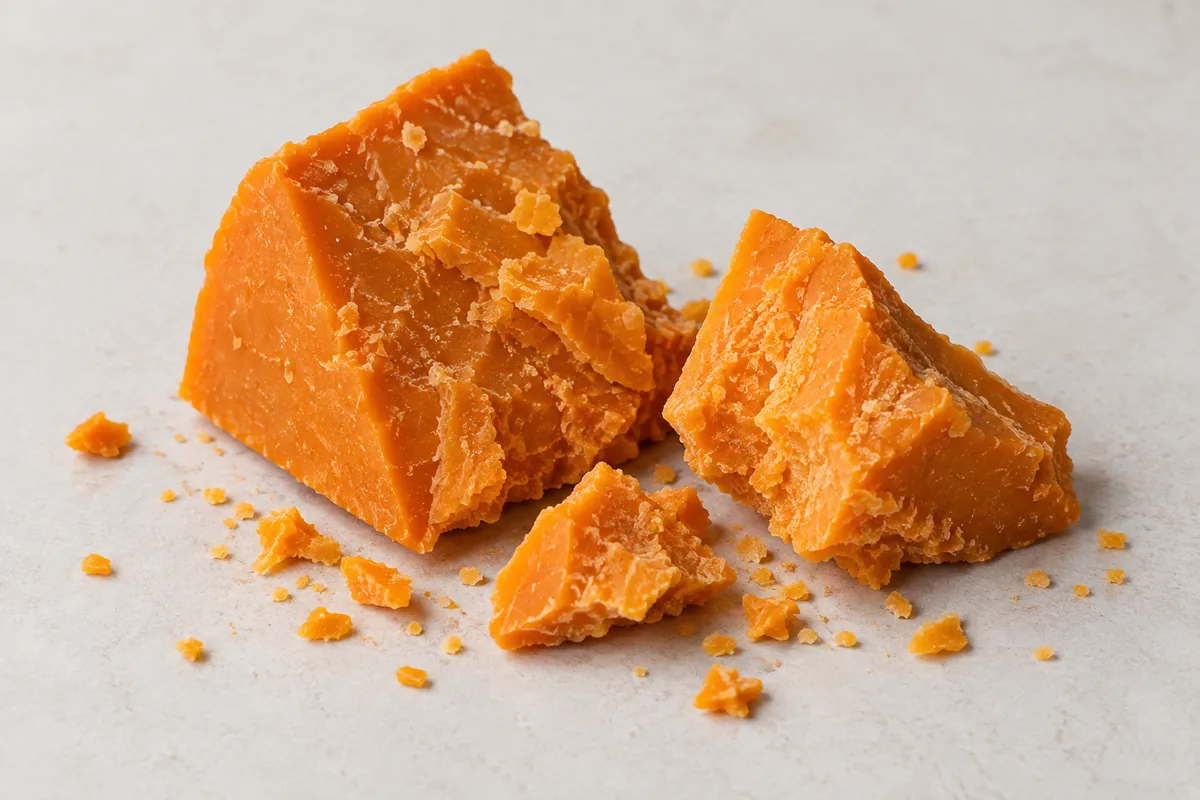
| Texture | Hard; buttery, compact and crumbly; "lovely crumbly" | Cheese.com; Scottish Store and Liverpool Cheese Company ("lovely crumbly") |
| Colour | Orange | Cheese.com |
Where the descriptions part is peat: Cambus O'May and Pong Cheese describe a whisky and wood finish, while the retailers and The Cheese Shop in Nantwich call the flavour peaty.
Descriptions of the texture agree on crumbly, and Cheese.com adds buttery and compact.
What Goes with Auld Reekie?
Online Cheesemonger and Scottish Store, which repeat the producer's notes, say Auld Reekie brings a smoky element to a cheeseboard.
| Pairing | Why It Works |
|---|---|
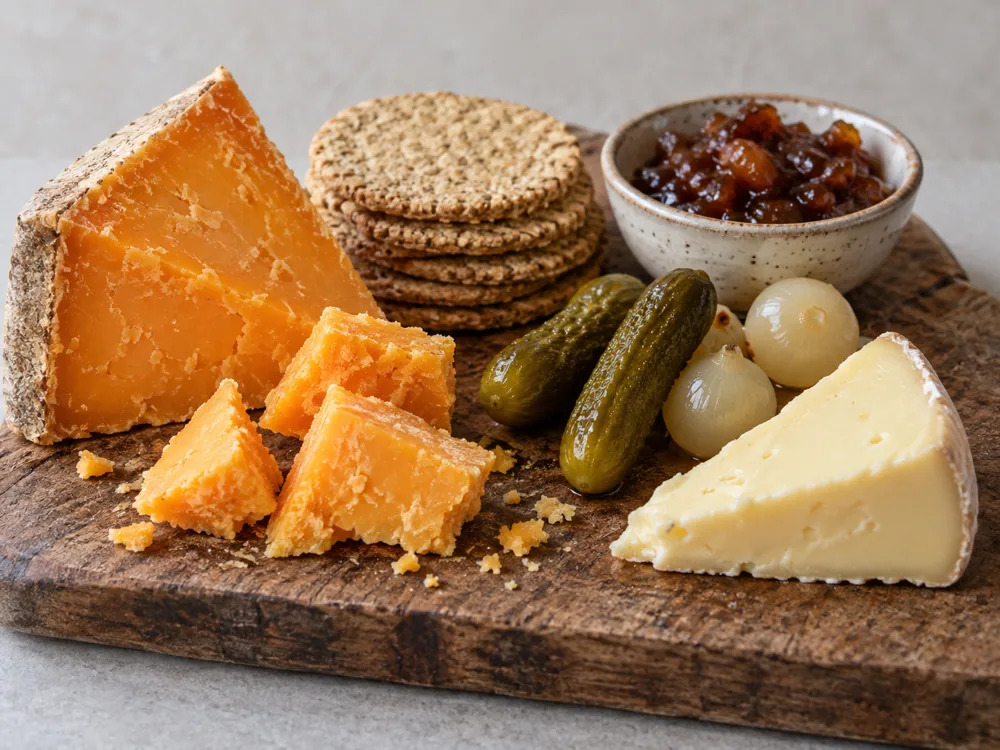
| Auld Reekie + oatcakes | The first pairing in the retailers' serving note, from Online Cheesemonger and Scottish Store. |
| Auld Reekie + chutney or pickles | Named in the same note as a partner for the smoke. |
| Auld Reekie + a creamy cheese | The note asks for a contrasting creamy cheese on the board. |
Is Auld Reekie Vegetarian, and Is It Safe in Pregnancy?
Auld Reekie is not vegetarian, because it is made with traditional rennet. The Reid family's original cheese used rennet from a calf's stomach.
Auld Reekie is a hard cheese made from unpasteurised milk, and that is where pregnancy advice splits by country.
The NHS lists pasteurised or unpasteurised hard cheeses, such as cheddar, gruyère and parmesan, as safe to eat. The CDC names hard cheese, when made with pasteurized milk, as a safer choice, and lists unpasteurized (raw) milk and dairy products made from raw milk as a riskier choice.
The NHS warning on smoked food covers cold-smoked and cured fish, like smoked salmon, which must be cooked until steaming hot.
That leaves a raw-milk hard cheese in a gray area for cheese during pregnancy, so if you are pregnant, follow local guidance and your clinician.
Where Can You Buy Auld Reekie, and What Can Replace It?
You can buy Auld Reekie in 100 g pieces from Liverpool Cheese Company or 200 g pieces from Online Cheesemonger and Scottish Store, or have The Cheese Shop in Nantwich cut a wedge from 200 g to 1000 g. Online Cheesemonger listed the 200 g piece at £7.93.
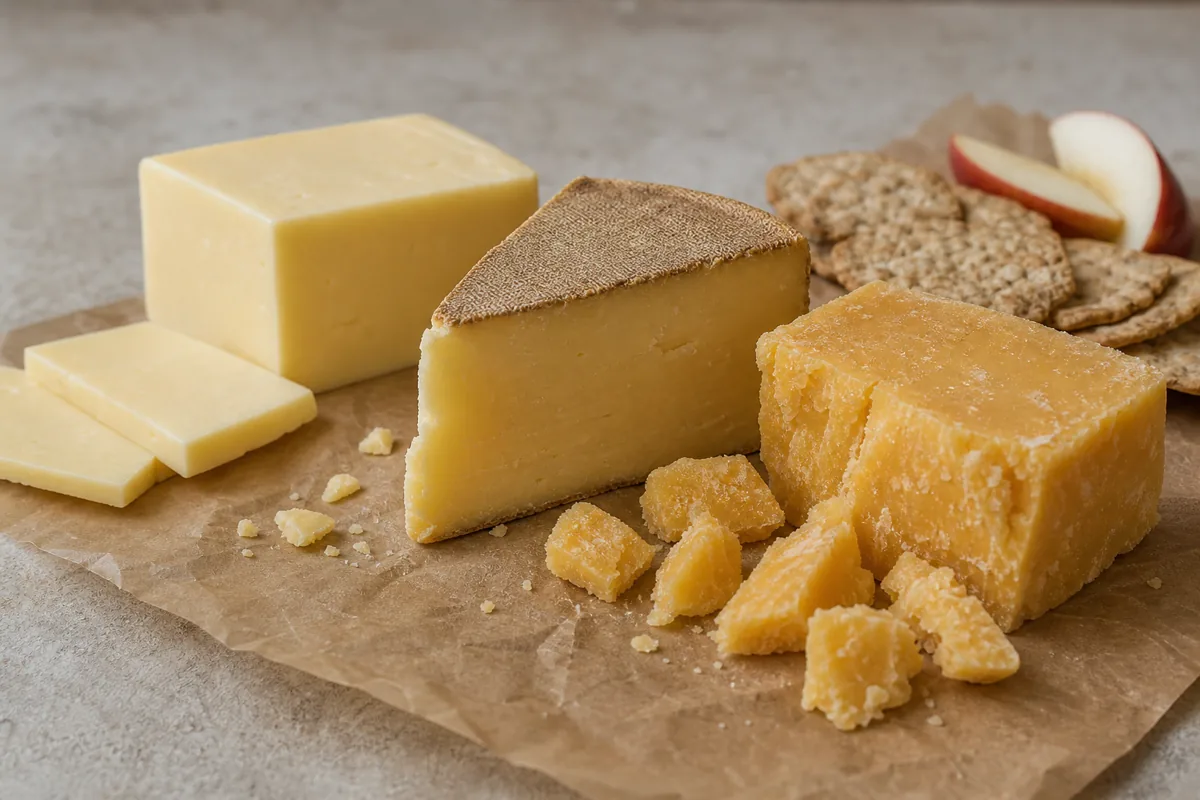
Speciality Food Magazine calls Auld Reekie a compelling option for lovers of smoked cheddar.
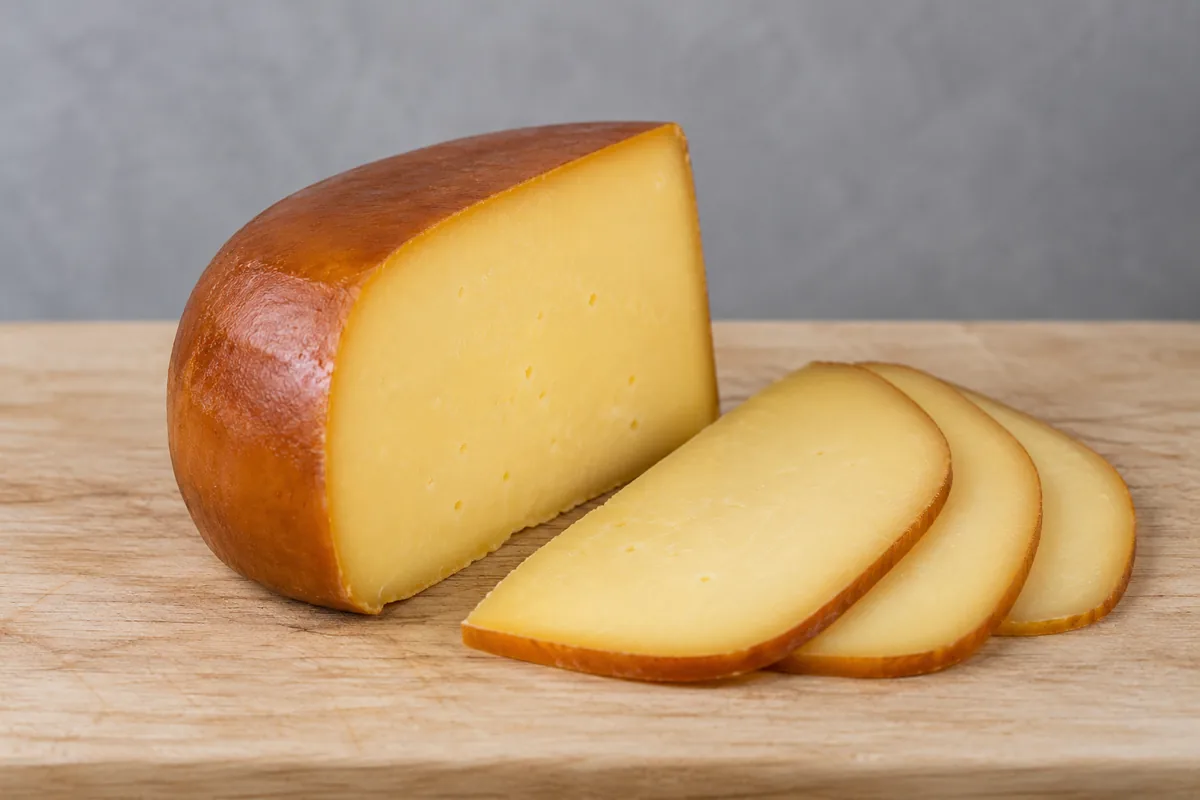
Smoked Gouda is another smoked cheese. If the raw milk or the whisky-barrel smoke is what you want from Auld Reekie, check the milk and the smoke method on any replacement.
SOURCES & REFERENCES
Auld Reekie is a hard, unpasteurised cow's-milk cheese made by Alex Reid at the Cambus O'May Cheese Company near Ballater in Scotland. It is smoked over whisky barrel shavings.
Its whisky character comes through the smoke, because the maker uses exclusively whisky barrel shavings in the smokehouse. Cheese.com and Speciality Food Magazine both describe a hint of whisky.
No. It is Edinburgh's old nickname, meaning Old Smoky, and the producer named the cheese after it. The cheese is made at Cambus O'May near Ballater on Royal Deeside.
The Cheese Shop in Nantwich sells it aged for 8 months, so ask your seller about the piece you are buying.
No. It is made with traditional rennet, so it is not vegetarian.
It is a hard cheese made from unpasteurised milk, and the NHS lists pasteurised or unpasteurised hard cheeses as safe to eat, while the CDC names hard cheese as a safer choice when made with pasteurized milk and lists dairy products made from raw milk as a riskier choice. Follow current local guidance and your clinician.