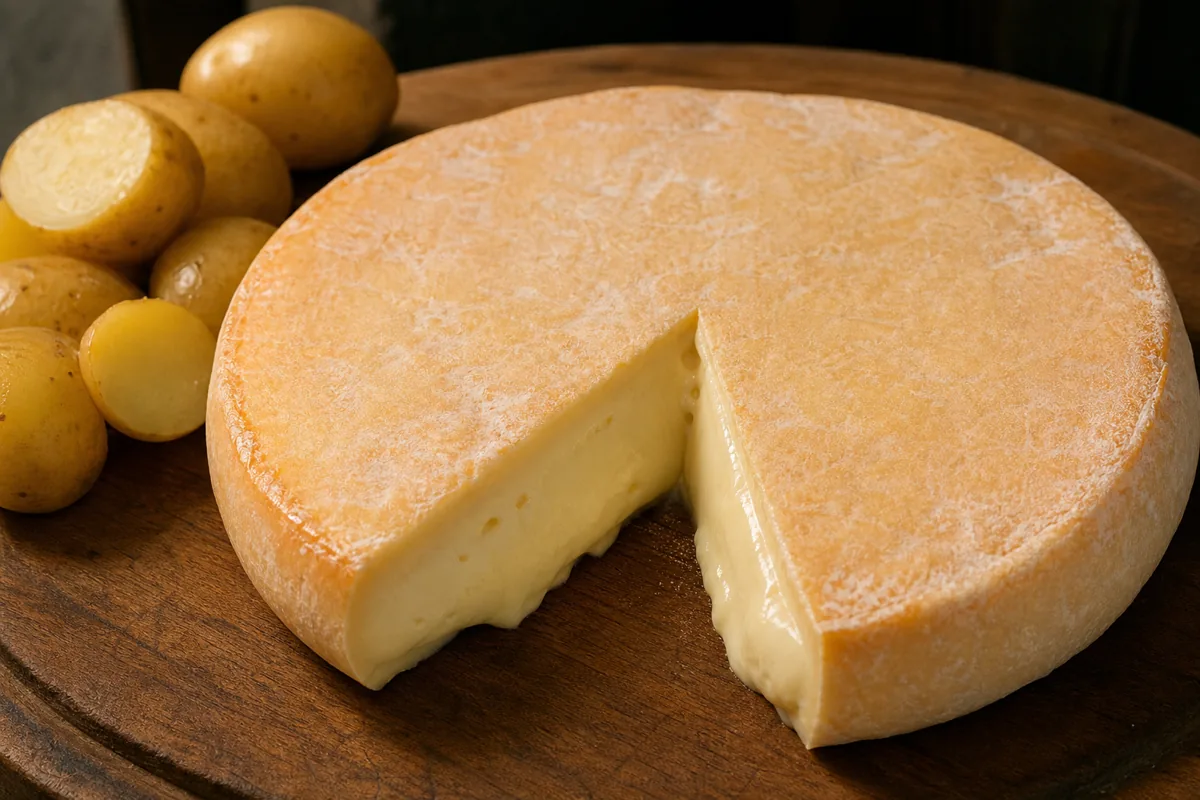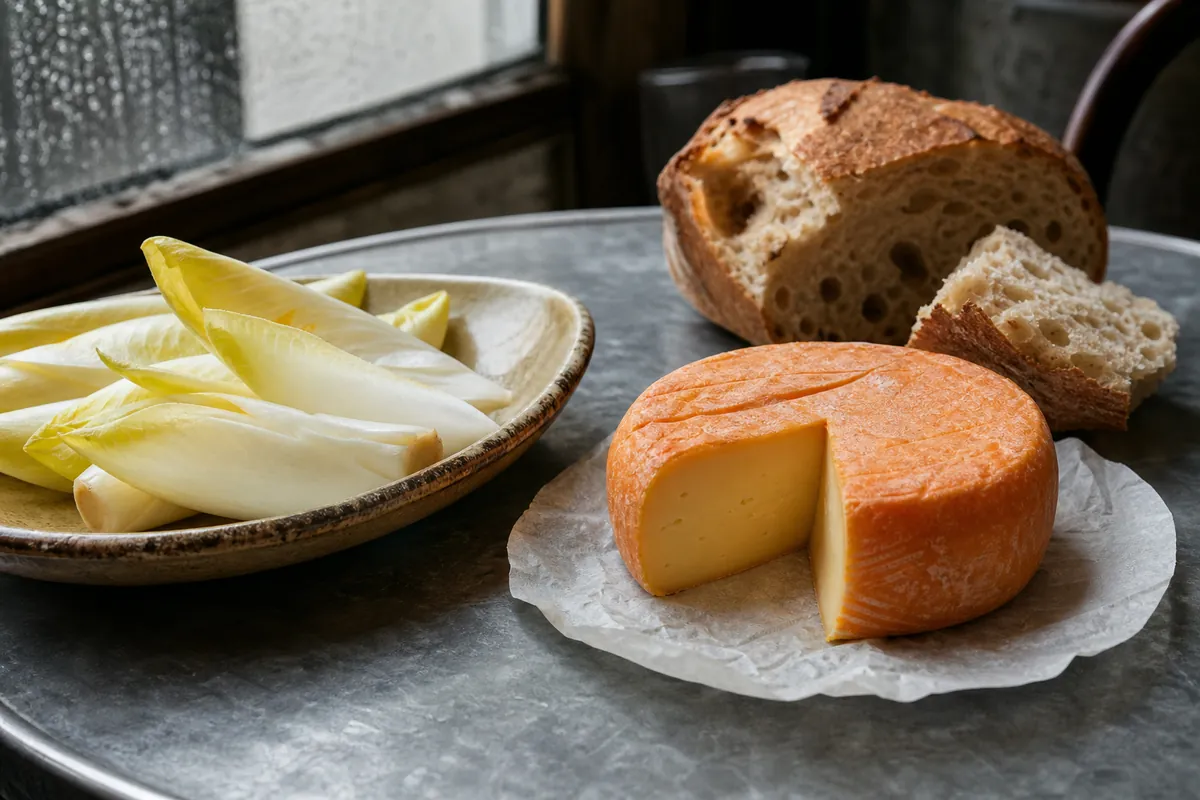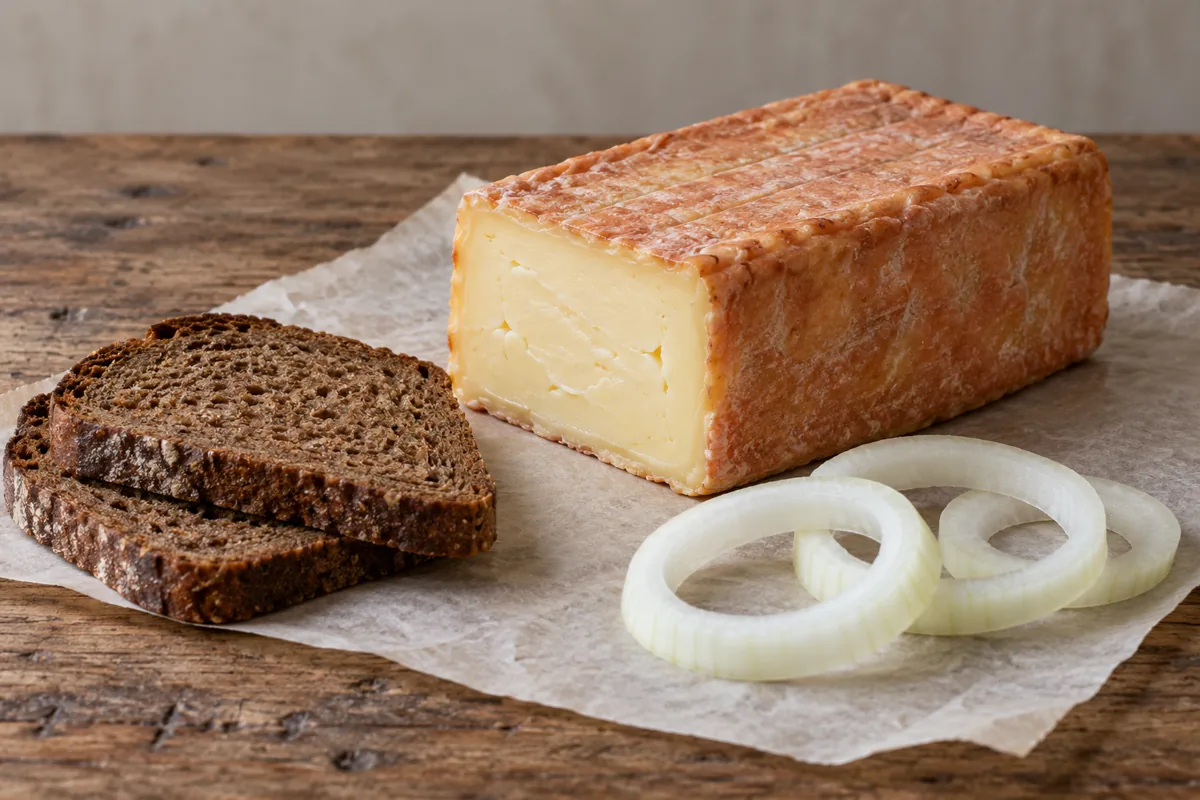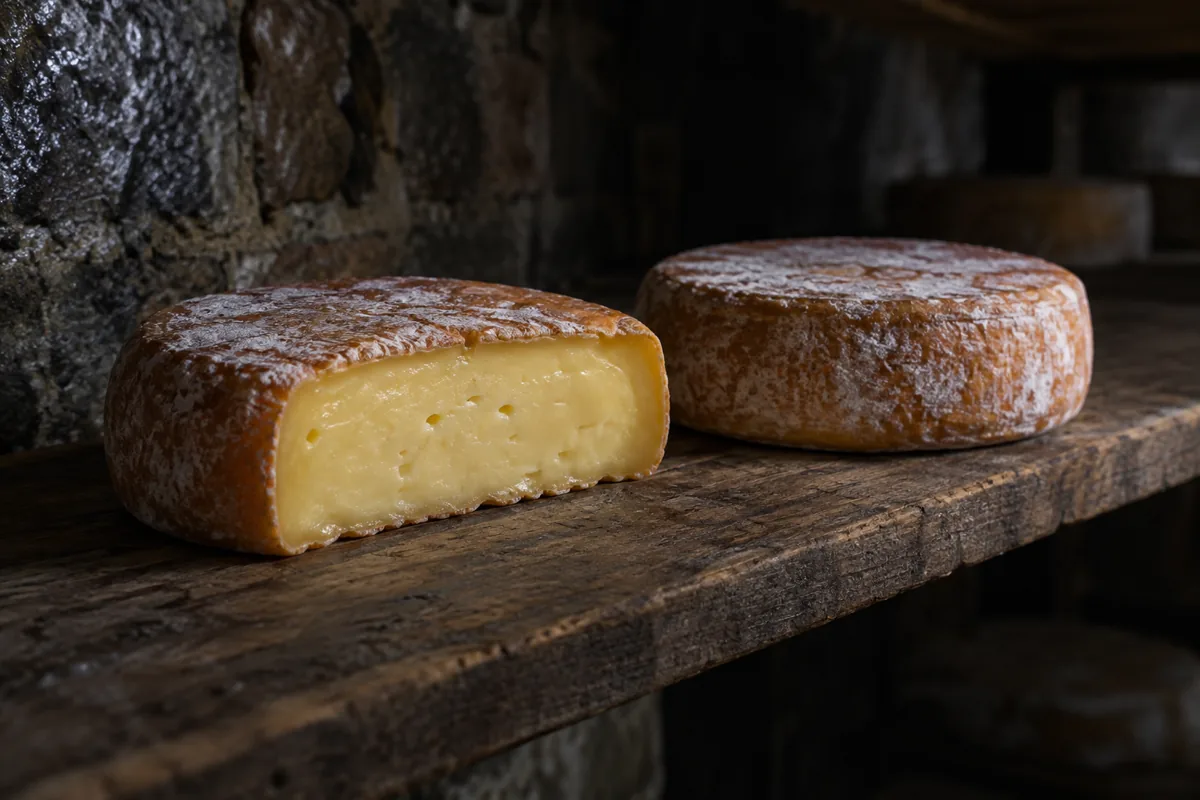
Oma is a washed-rind, tomme-style cheese made at von Trapp Farmstead in Waitsfield, Vermont, which says all its cheeses use pasteurized organic cow's milk. It is named for Erika von Trapp, the grandmother of Sebastian von Trapp, who co-founded the farm's creamery.
For its first 15 years, young wheels were aged at the Cellars at Jasper Hill, and in September 2024 the farm announced it would age Oma in its own cellars. Several descriptions still say otherwise, and one reference entry calls the cheese raw-milk, which the farm's own cheese page contradicts.
In This Article
Is Oma the Same as Oka?
No. They are two different cheeses from two countries, and search suggestions for "what is oma cheese" include "what is oka cheese".
Both are semi-soft, washed-rind cow's milk cheeses made with pasteurized milk, so the milk does not tell them apart. What differs is where each comes from, who makes it and where it ages.
| Oma | Oka |
|---|---|
| Waitsfield, Vermont, USA | Oka, Quebec, Canada |
| von Trapp Farmstead, a family farm | Agropur, a Canadian dairy cooperative, since 1981 |
| Aged at the Cellars at Jasper Hill until 2024, now at the farm | Aged in the old monastery cellars beside the plant |
Oka's recipe goes back to a Trappist monk who adapted a Port-du-Salut recipe in 1893. Oma's history starts in 2009 on a family farm.
Oka's milk changed over time. CheeseLover.ca says it was once made from raw milk fresh from the abbey's farm and is pasteurized today, so an older description of Oka can say raw and still be out of date.
CheeseLover.ca puts Oka's flavour and aroma down to the microbiology of its rind, which it says is found only in the cellars of the former monastery, so the ageing place is part of what defines Oka.
Who Is Oma Named After?
Oma is what the grandchildren call Erika von Trapp, and the cheese is named for her. She and her husband Werner bought the Waitsfield farm in 1959, according to the farm, and Culture adds that the family dairy there ran until 1979.
Her grandson Sebastian and his brother Dan launched the farm's creamery in 2009, and Oma was its first cheese. Culture's cheese library says Sebastian learned to make cheese at Jasper Hill Farm and spent time at Neal's Yard Dairy, and head cheesemaker Molly Semler joined in 2013.
Culture's 2022 profile says Oma has won numerous awards, including Gold at the 2018 World Cheese Awards.
The farm calls Erika one of its earliest and most passionate supporters of the cheesemaking plan. Her one complaint, in her Austrian accent, was "Basty, why did you name a stinky cheese after me?!"
How Is Oma Made?
At the creamery, cheesemaker Molly Semler stirs the curd by hand with a plastic shovel, then attaches mechanical arms that break it down until it reaches the right texture, according to Culture's 2022 visit.
She changes the cut with the season: in winter, when the milk has more fat and protein, the curd is cut a little smaller. Culture explains that the smaller the cut, the more liquid the curd releases, which helps give Oma its rich, creamy paste, and Molly says the seasonal changes keep the finished cheese consistent.
After sitting overnight, the cheeses are loaded onto a cart and lowered through a hatch in the creamery floor to the basement, where a machine that Sebastian designed salt brines them.
The forms the wheels drain in leave their mark, since Culture's cheese library lists impressions on the rind from the cheese forms used during draining.
Where Is Oma Aged Now?
The farm's own cellars, according to its announcement of September 13, 2024. For the 15 years before that, young wheels went to the Cellars at Jasper Hill to ripen.
The farm said the first on-farm batches would be ready around the beginning of November.
Only the ageing moved, because the making stayed at the creamery. Culture's 2022 visit says wheels were shipped a little over 50 miles north to the Cellars four days after they were made, for 10 to 14 weeks of ageing.
The partnership began before the Cellars existed, when Sebastian worked at Jasper Hill's original creamery, and Oma was one of the first cheeses the Cellars ripened. Over those years the farm built ageing space of its own for Mt Alice, Savage and Mad River Blue, and after reassessing its business it chose to bring Oma home too.
Three descriptions agree on the length: Culture's 2018 entry says two to three months, and Fairfield Cheese Company and Culture's 2022 visit say 10 to 14 weeks.
Culture's cheese library words it differently: aged for 2-3 months, then matured for "a further 2-3 months" at the Cellars, which would total four to six months if the periods stack. Culture's 2022 visit calls 10 to 14 weeks the total, and that is the span this article uses.
Descriptions that name Jasper Hill, including Culture's cheese library entry, describe the earlier arrangement, and Fairfield Cheese Company's listing names Jasper Hill Farm next to von Trapp Farmstead as producer.
The 10 to 14 weeks and the flavour notes in this article also come from those years, because none of the descriptions cited here covers a farm-aged wheel, and the farm has not published an ageing time for its own cellars.
What Does Oma Taste Like?
Butter is the flavour all three descriptions share, and two of them call the paste pudding-like.
They disagree on volume. Culture's cheese library calls the flavour mild, while Fairfield Cheese Company describes a balance of sweetness and pungency.
| Source | Flavour and aroma | Texture and rind |
|---|---|---|
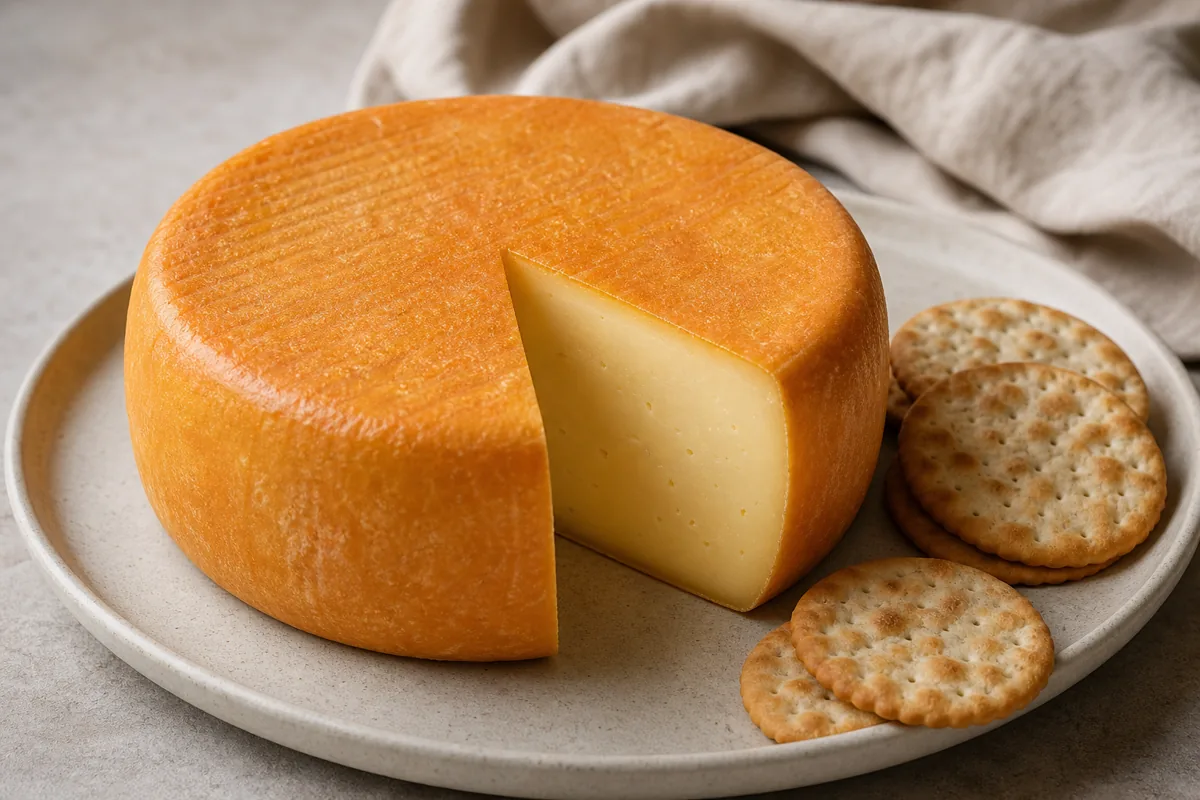
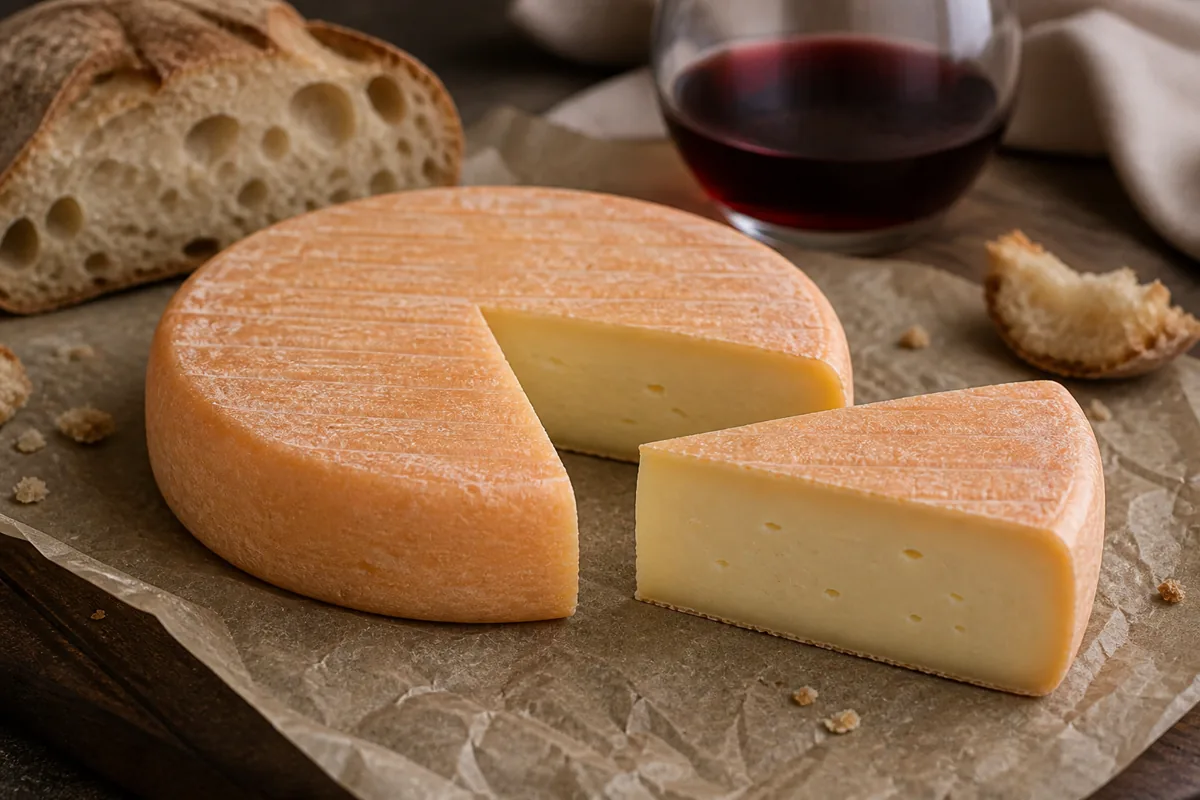
| Culture, cheese library | Mild and buttery, with an earthy aroma reminiscent of French Reblochon | Semi-soft golden paste; thin, dense brown-orange rind with a light dusting of white mould |
| Culture, Cheese of the Day (2018) | Roasted nuts and cured meat on the nose, buttery sweet like fresh cream | Squishy golden paste dappled with eyes that softens to a pudding texture without running; dusty orange rind with a sprinkle of white mould |
| Fairfield Cheese Company | Sweetness and pungency, with ham, roasted nuts and cultured butter | Soft and pudding-like |
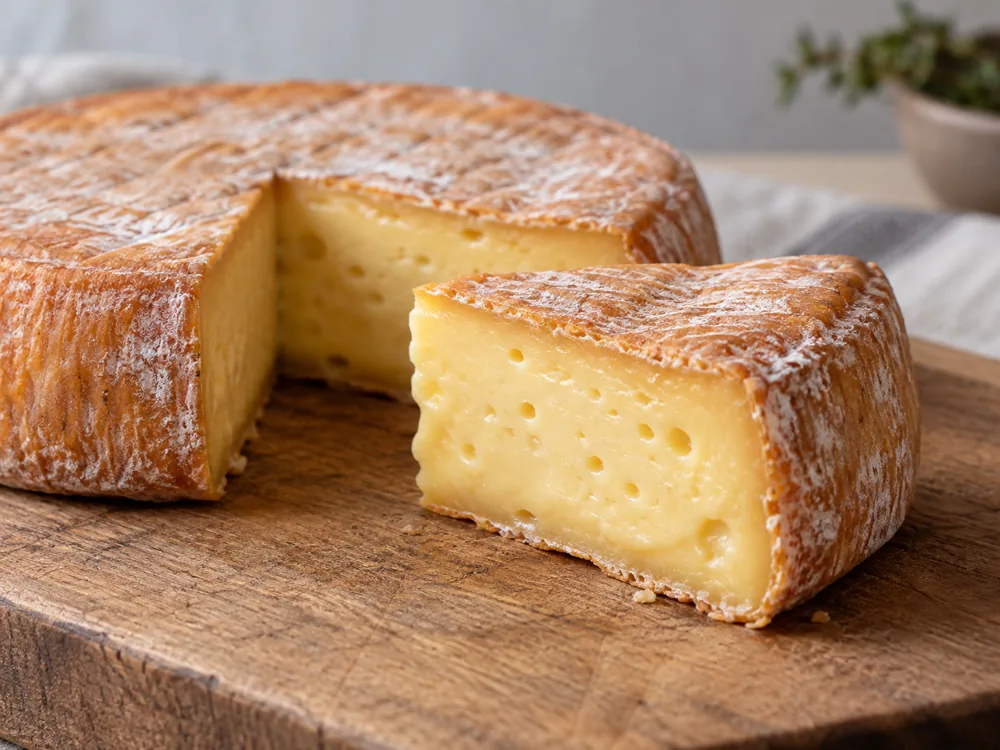
Culture's 2018 piece sits between the two, calling Oma the "ultimate introductory washed rind" with "not too much barnyard or funk" but "just pungent enough" to show what a brine wash does. Fairfield Cheese Company also calls Oma an approachable washed-rind cheese.
Wheels are washed in brine as they age, which Culture's 2018 entry describes as regular washing at the Cellars.
Is Oma Made With Pasteurized Milk?
Yes, according to the farm. Its cheese page states that all of its cheeses are made with pasteurized organic cow's milk.
Culture's cheese library entry lists raw milk instead, and a photo caption in Culture's 2022 farm visit reads "Raw milk curds in the molds." Culture's 2018 entry and Fairfield Cheese Company name the milk as Jersey cow's milk without saying whether it is raw or pasteurized.
Sources also differ on the herd. Culture's 2018 entry, its cheese library and Fairfield Cheese Company all say Jersey, while Culture's 2022 farm visit describes a herd that mixes Normande, Montbéliarde, Ayrshire and Jersey cows.
The library ties the golden colour of the paste to the Jersey milk, but none of the descriptions says whether the herd changed between 2018 and 2022 or which breeds' milk goes into Oma, so the question stays open.
Can You Eat Oma When Pregnant?
Neither the NHS nor the CDC names a pasteurized, semi-soft, washed-rind cheese, so Oma has to be matched to the nearest categories. The CDC says pregnant women are 10 times more likely to get a Listeria infection.
The NHS lists pasteurized soft cheeses such as cottage cheese, mozzarella, feta and goats' cheese without a white coating as safe. It says mould-ripened soft cheeses with a white coating, such as brie and camembert, must be thoroughly cooked, pasteurized or not.
Culture describes Oma's brown-orange rind as carrying a light dusting of white mould, so it is unclear which NHS category applies. The CDC lists pasteurized soft cheese heated to 165°F or until steaming hot among its safer choices, and the NHS says any cheese cooked until steaming hot is safe to eat.
Because published entries disagree on the milk, the packaging is the check to use: the NHS says most dairy products bought in supermarkets are pasteurised and that you can check the packaging to make sure.
What Goes With Oma?
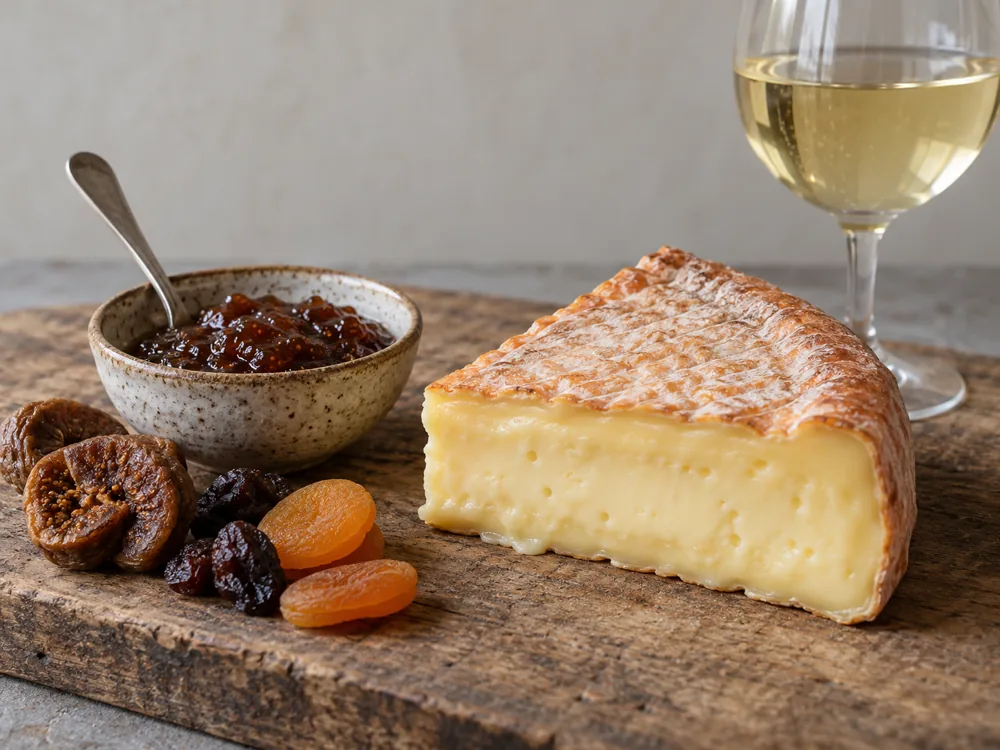
Culture's 2018 entry describes Oma as slightly meaty and suggests dried fruit or fig jam to round that out, with a Belgian-style dubbel ale or a crisp white wine to drink.
Fairfield Cheese Company names Grüner Veltliner or a Belgian dubbel ale, so the dubbel is the one drink two sources agree on, and Culture's cheese library adds a general nod to craft beers.
Culture also sees it as a cheese for plucking at with the fingers or setting on a cracker.
Where Can You Buy Oma?
The farm's announcement invites buyers to join its email list to hear when Oma is available in its online store.
Specialty retailers carry it in pieces. Fairfield Cheese Company lists half-pound, one-pound, 1.5-pound and two-pound portions.
A whole wheel is about 6 inches across and 2 inches high and weighs 1.5 pounds, according to Culture.
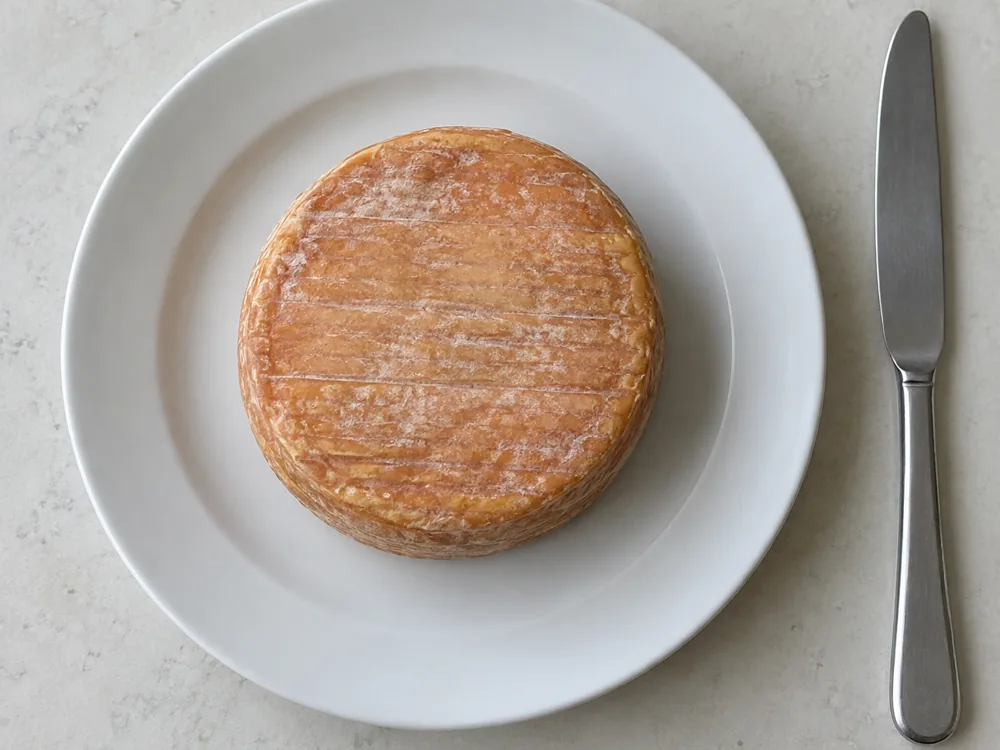
Fairfield's 1.5-pound portion matches that weight, while its two-pound portion is larger than a whole wheel by Culture's figure, and no cited source says whether wheels vary or the shop sells more than one wheel's worth.
Culture's library lists animal rennet, Fairfield Cheese Company lists "traditional" rennet, and the farm's announcement and cheese page do not name the type. A vegetarian buyer would need to ask the farm.
Whole wheels are about 6 inches across and 2 inches high at 1.5 pounds, and the farm's email list is where it announces availability. The rennet type is unconfirmed, so a buyer who avoids animal rennet would need to ask the farm.
What Can You Use Instead of Oma?
Oka is the closest match in style. CheeseLover.ca describes it as having a distinct aroma, which some call pungent, with a relatively mild, creamy and buttery flavour.
CheeseLover.ca also says Oka has an edible copper-orange rind and that its line has grown to include Classique, Light, Raclette, L'Artisan, L'Artisan Smoke, Mushrooms, Ashed and Brother Alphonse versions. The smoked, mushroom and ashed versions add flavours that none of Oma's descriptions mention, so the plain Oka is the nearer stand-in.
Reblochon is the cheese Culture compares Oma's aroma to, but it is a French AOC cheese made with raw milk. Wikipedia says it became unavailable in the United States in 2004 because it is unpasteurized and not aged long enough to pass import rules.
Reblochon is also smaller and younger, with an average weight of 450 grams (16 ounces) and 6 to 8 weeks of ageing according to Wikipedia, so a whole Oma wheel weighs about half as much again and ages longer.
Because Culture likens Oma's aroma to Reblochon and Reblochon cannot be bought in the United States, Oma is the pasteurized route to that aroma, while Oka is the stand-in when Oma itself is out of stock.