In This Article
What Does Tomme Mean?
Tomme is a family name, not one recipe: the word can apply to as many as 100 different mountain-style cheeses throughout France.
The word itself is translated as wheel by Culture magazine and traced to the Savoyard toma, meaning cheese made in mountain pastures, by the Tome des Bauges specification, published by the French origin body INAO. That specification adds that tome began as a household cheese made for the family's own use before dairies turned it into a cheese sold on the market.
A shop can therefore sell Tomme de Savoie IGP, Tome des Bauges AOP, and Tomme des Pyrénées IGP side by side under one word, even though each follows its own written rules.
The spelling is part of the legal name. The Bauges specification writes the name with one m, while the Savoie and Pyrénées specifications write Tomme with two.
Tomme names no single milk, size, rind, or age. Read the complete product name before applying any fact about one tomme to another.
How Do Named Tommes Differ?
The three protected tommes differ on milk, format and minimum ageing, each set by that cheese's own INAO specification, and none of one row's figures carries over to another tomme.
| Full name | Milk | Format | Minimum ageing |
|---|---|---|---|
| Tomme de Savoie IGP | Cow's milk, raw or thermized | Flat cylinder, 18 to 21 cm across and 5 to 8 cm high, 1.2 to 2 kg; a reduced format of 400 to 900 g is allowed | 30 days from renneting |
| Tome des Bauges AOP | Raw cow's milk, whole or partly skimmed | Cylinder 18 to 20 cm across and 3 to 5 cm high, 1.1 to 1.4 kg after ageing | Five weeks, on spruce boards |
| Tomme des Pyrénées IGP | Cow, goat, or a mix; sheep milk only in a mix; raw or heat-treated | Round with two flat faces, 400 g to 5.5 kg | 21 to 90 days, depending on coating, milk, and weight |
| Unprotected tomme | Whatever the label states | No written format | No written minimum |
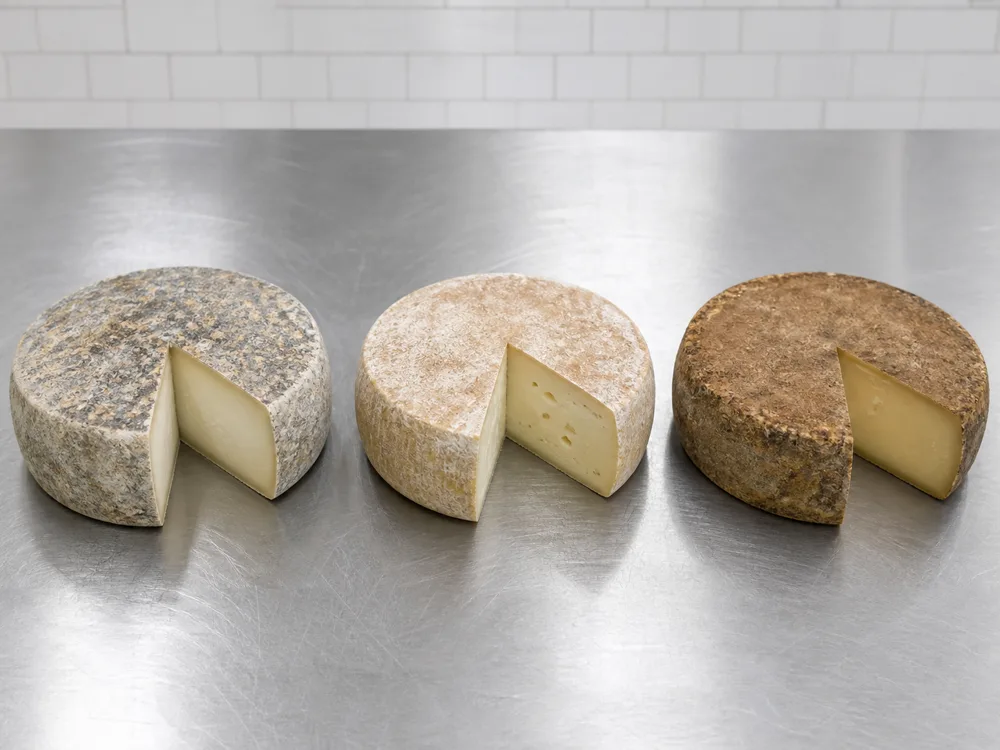
Tomme de Savoie and Tome des Bauges both come from Savoie and Haute-Savoie, yet by their specifications the Bauges wheel is flatter, always raw, and aged for five weeks against a 30-day floor.
The areas differ too. The Savoie IGP covers all of Savoie and Haute-Savoie plus listed communes in Ain and Isère, while the Bauges AOP covers only the listed communes of the Bauges massif, a much narrower area.
Tomme des Pyrénées stretches furthest. Its specification allows raw or heat-treated milk, and its 2014 figures list about 2,500 tonnes made from pasteurised cow's milk beside about 2,500 tonnes made from raw cow, goat, or mixed milk.
The same 2014 figures list 140 tonnes of heat-treated mixed-milk tomme and 120 tonnes of heat-treated goat's-milk tomme, which brings the heat-treated total to about 2,760 tonnes, so raw milk accounts for just under half of the output. If you are buying Tomme des Pyrénées, read the label for the milk.
Tomme de Savoie ages at least 30 days under its specification, counted from renneting until the wheel leaves the cellar, while the fact box at Le Guide du Fromage lists a minimum of ten weeks even though its production text repeats the 30 days.
Le Guide du Fromage and French Wikipedia both place the best eating season, June to October, after ten weeks of ageing. That would explain the gap: ten weeks is the age they recommend for tasting, and 30 days is the legal floor.
Why Do Tommes Come in Small, Varied Wheels?
The small wheels trace back to how little milk a mountain farm could spare. The Tomme de Savoie specification says farmers made the cheese from the few volumes of milk left after other uses, above all the fat, which was much in demand, so wheels differed in size from farm to farm.
Le Guide du Fromage puts the leftover in concrete terms: the skimmed milk that remained after butter-making. It adds that from the 19th century dairies took the cheese up because of its small size, making it when there was too little milk for larger wheels, though it stayed a minor product in dairies for a long time.
Culture magazine gives a cash-flow reason instead. Makers of long-aged Savoie cheeses such as Beaufort needed income while those wheels spent months maturing, so they made Tomme de Savoie, which typically reaches maturity within weeks, from the semi-skimmed milk left over from the big cheeses.
Tomme des Pyrénées has a parallel history: around 1890 village dairies short of milk began making a small-wheeled keeping cheese that became Tomme des Pyrénées, which the specification says was designed from the start to keep and made in summer by shepherds.
Wheels still range from 400 g to 5.5 kg, yet the Pyrénées specification fixes the diameter-to-height ratio between 2 and 3. It says that shape keeps moisture loss during ageing constant and the paste, notably its colour, even whatever the weight.
Which Other Tommes Carry the Name?
Savoie sells tommes beyond the three protected names. French Wikipedia's Tomme de Savoie page lists several variants set apart by a second word.
Tomme au marc is a partly skimmed cow's milk wheel that macerates for a month in grape marc, which gives it a strongly flavoured, very compact paste that the page says clings to the palate. The page adds that it is usually eaten from autumn to the end of winter.
Tomme céronnée is the reverse of a brushed wheel: it is left unbrushed in the cellar on purpose so that cheese mites can settle on the rind and produce nut and spice aromas, and the page says it ages for at least three months.
Tomme au fenouil is a raw cow's milk pressed cheese from the Aravis valley and the Bornes massif. Though sold as fennel, the page says the flavouring is caraway, which grows in local fields at about 1,200 m.
| Name | Milk | Weight | Area |
|---|---|---|---|
| Tomme au marc | Partly skimmed cow's milk | 1.5 to 1.8 kg | Mainly Bauges, Tarentaise, and Beaufortin |
| Tomme boudane | Cow's milk | 1.8 to 3.5 kg | Savoie, mainly the Bauges and the Bellevilles |
| Tomme au fenouil | Raw cow's milk | Not stated | Aravis valley and Bornes massif |
| Tomme des Allues | Goat's milk | 3 to 4 kg | Méribel and its surroundings |
What Should Tomme Look Like?
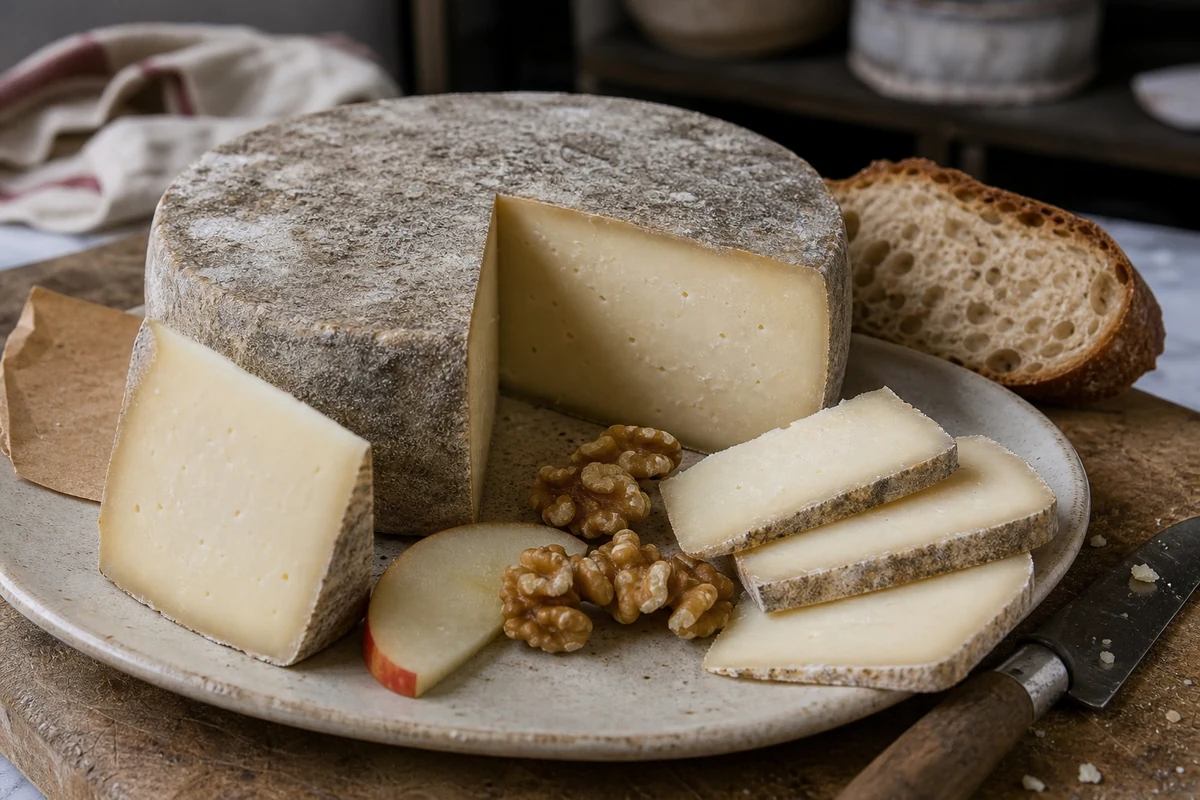
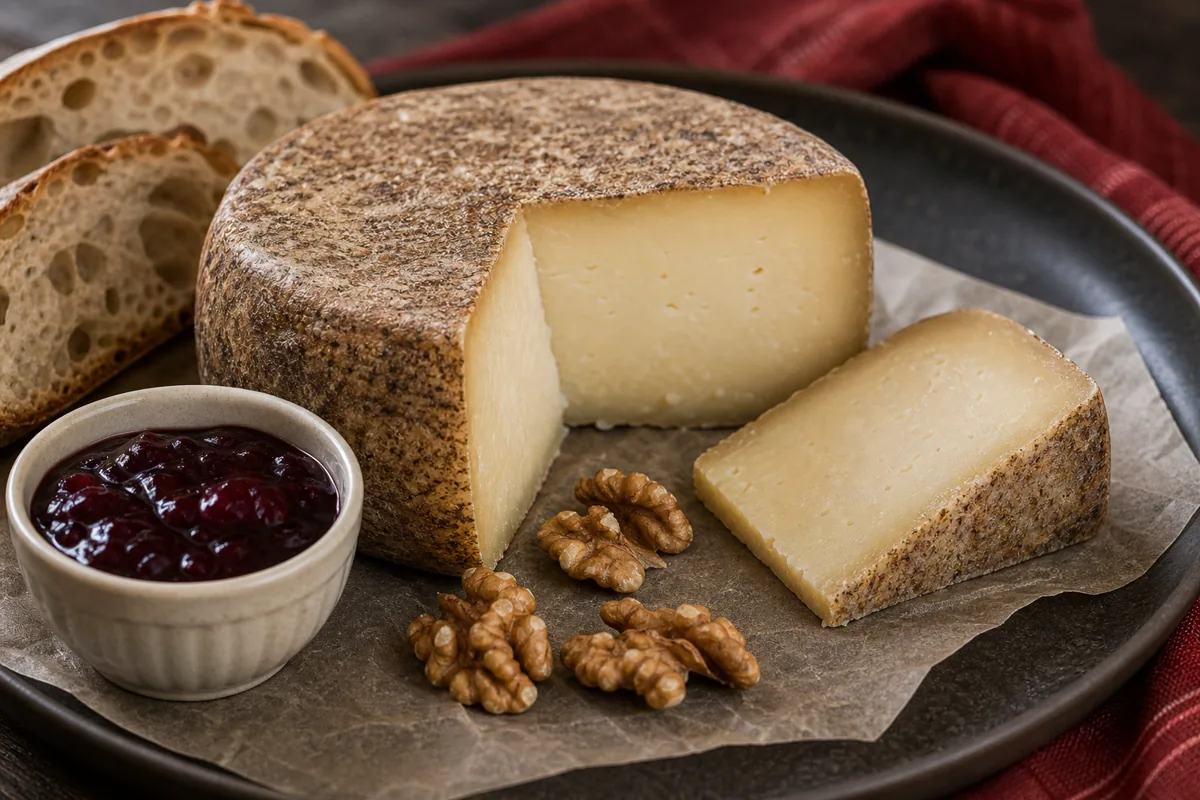
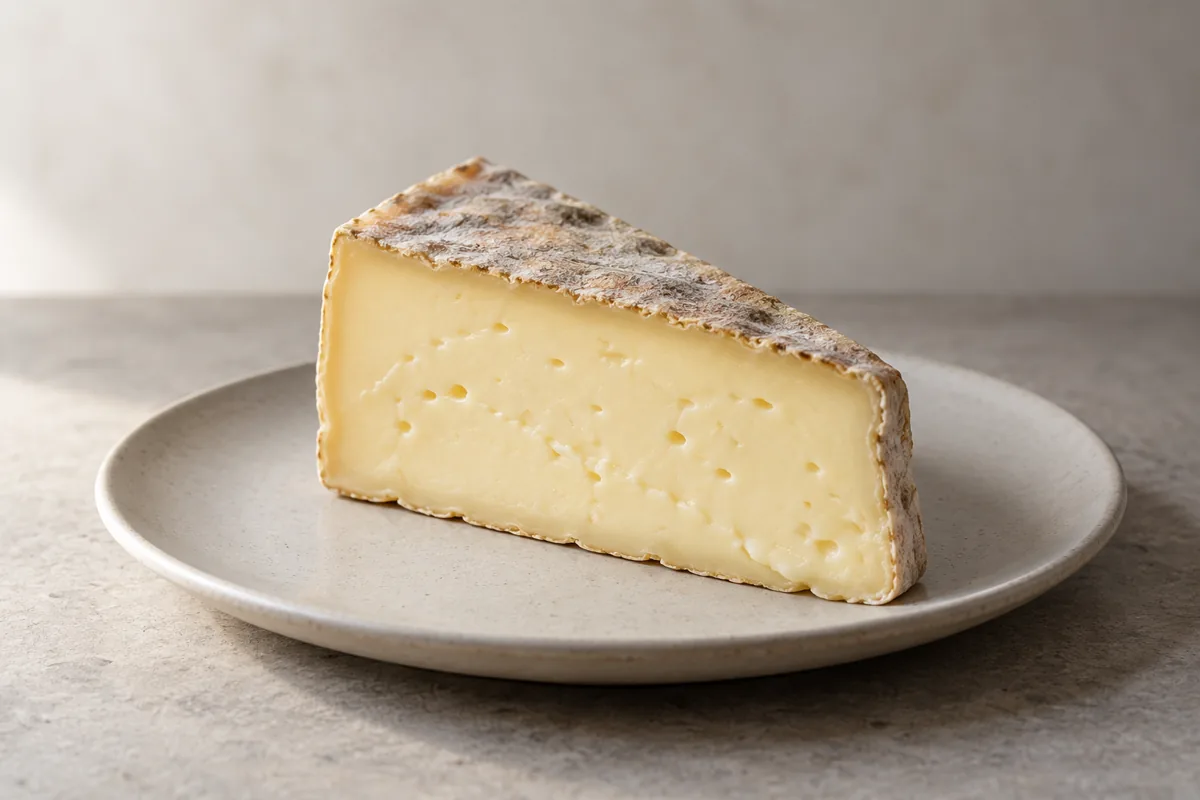
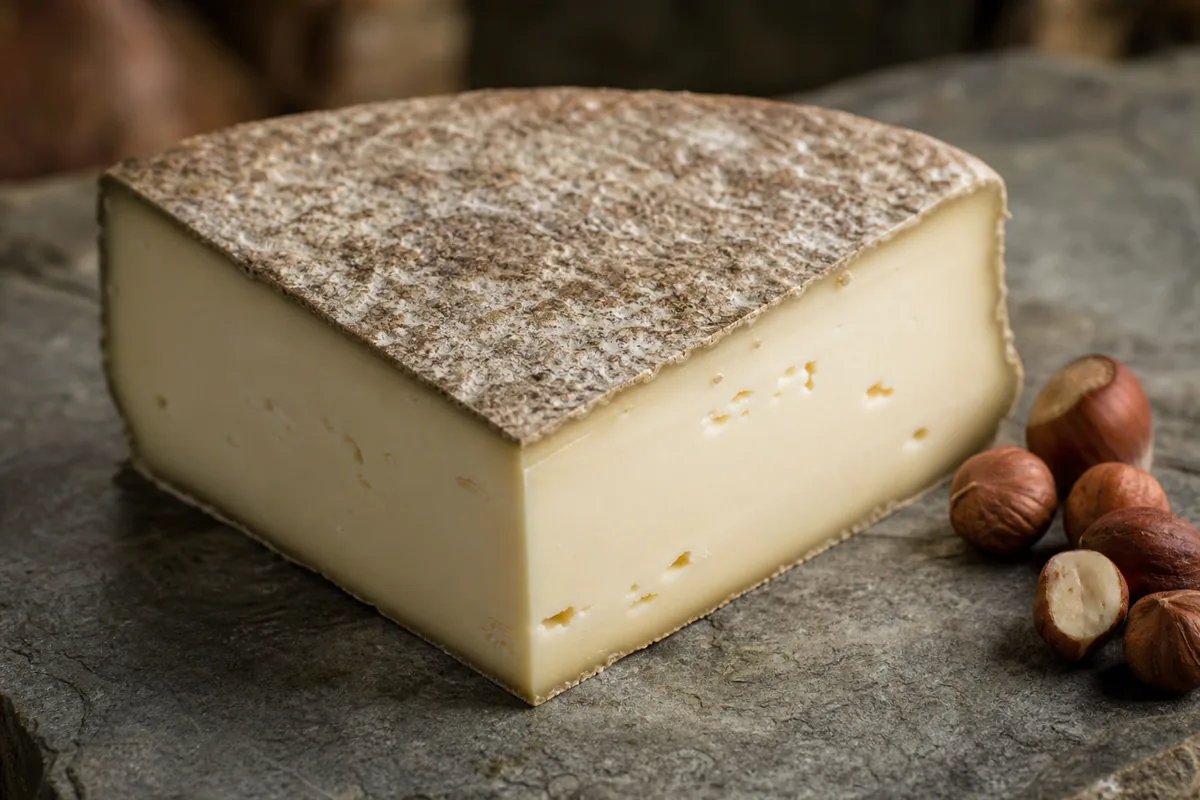
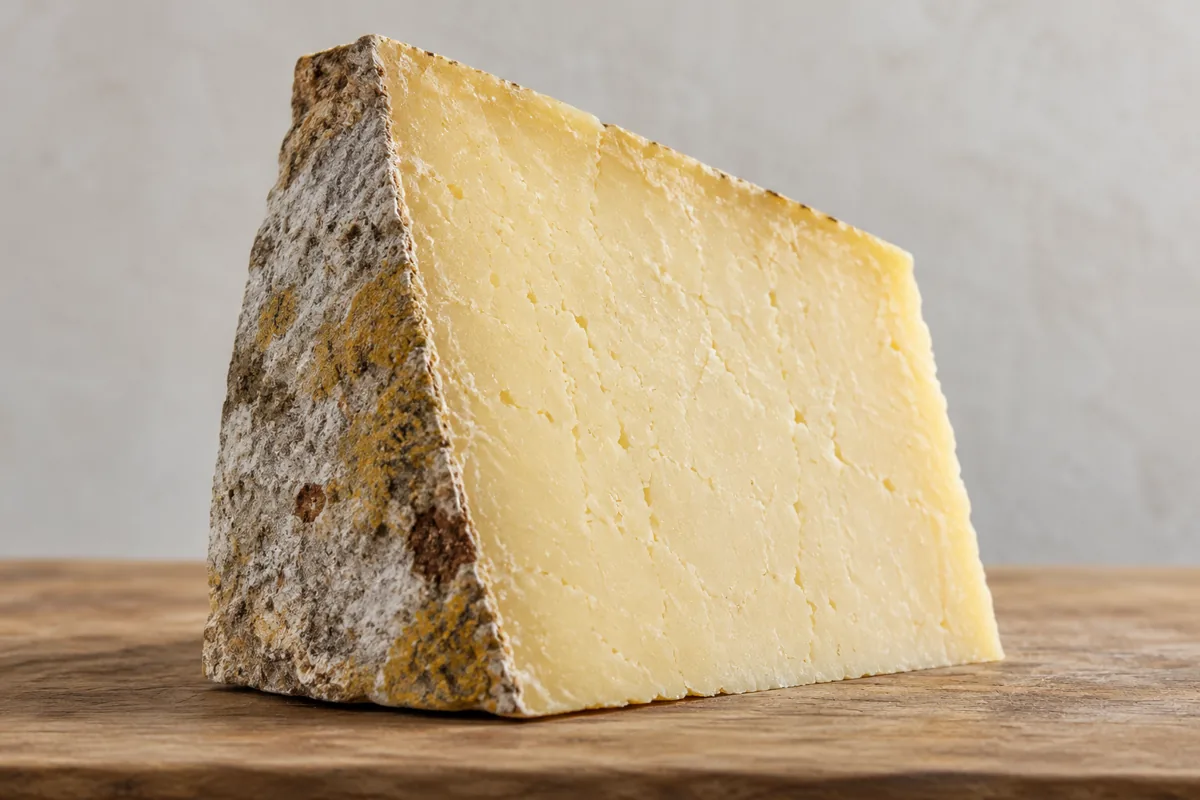
The Tomme de Savoie specification describes a rind that is smooth to slightly uneven, gray to gray-white, and open to secondary molds, over a semi-firm paste that runs from white to yellow with small openings.
The gray comes from surface mold, mainly mucor, which the specification says gives the wheel its characteristic color and which the wooden ageing boards encourage. Each turning presses down the mucor's fine hairs and helps form the rind.
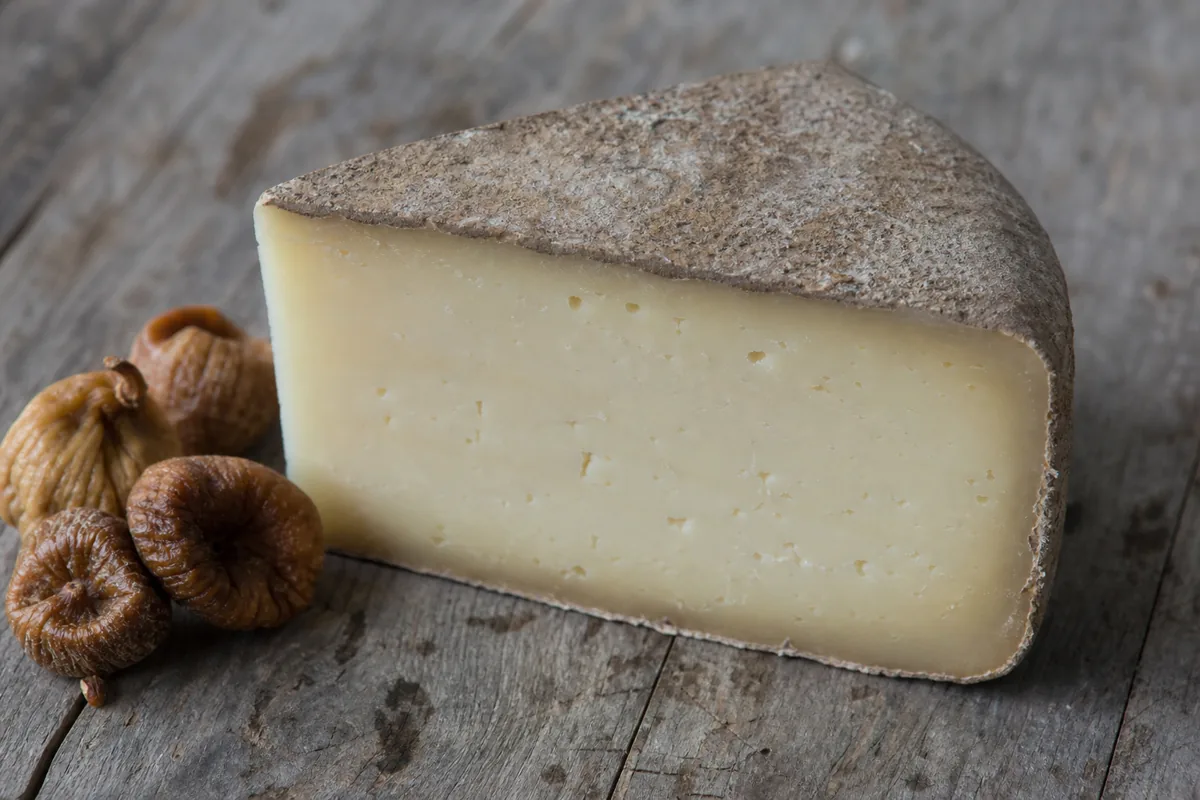
Tome des Bauges has a gray rind its specification calls tourmentée, meaning it carries reliefs and irregularities, and the rind is only 2 to 3 millimetres thick. Yellow to brown flowers may grow on it, and the ivory or yellow paste can show small openings.
The specification traces that relief to curd handled lightly, which keeps its moisture and so steers the paste's texture, the rind's thickness, and the growth of mucor, working together with ageing time, cellar humidity, wheel format, and protein breakdown.
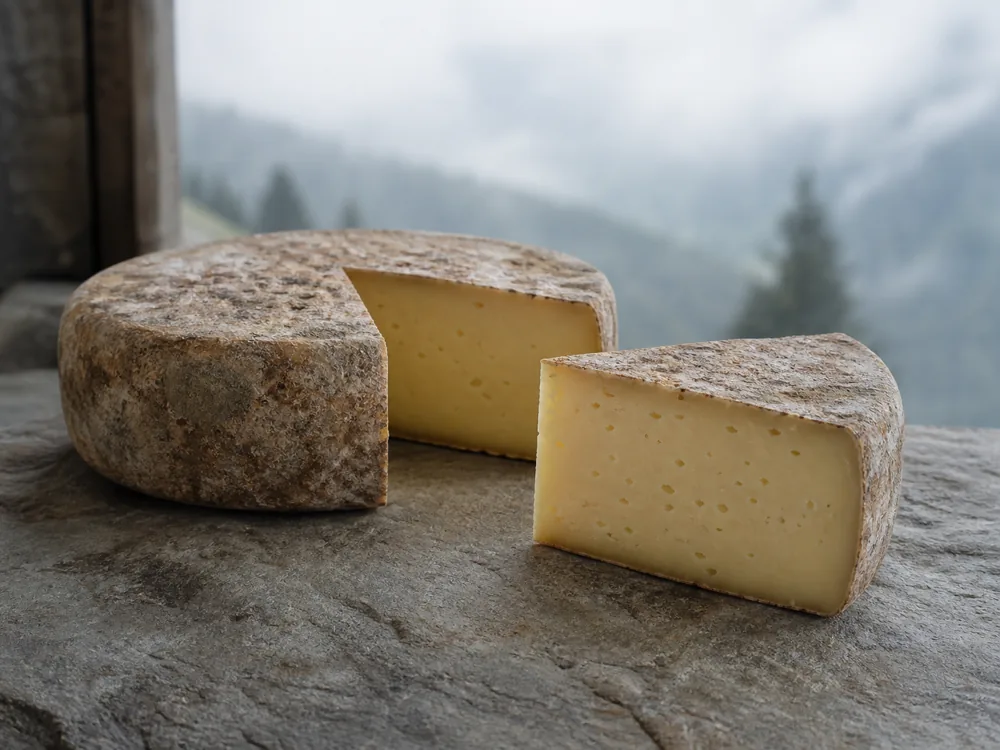
Culture magazine describes the Tomme de Savoie rind as suede-like and gray-brown, often dotted with yellow, red, and white mold, and the paste as ivory and pliable with numerous holes.
Tomme des Pyrénées looks different: its specification gives an orange rind mixed with white, yellow, or gray, and it allows a black or golden coating on wheels made from heat-treated milk.
How Is Tomme Made?
The French Ministry of Agriculture describes pressed uncooked cheeses as made from curd that is only lightly heated before pressing, which leaves enough moisture for ageing of three to six months. Strongly heated curd, by contrast, gives the very large pressed cooked cheeses that need long ageing.
The specifications set their own limits on that heat. The Savoie and Bauges specifications allow no heating above 40°C while the curd is stirred, and the Pyrénées specification stops the curd and whey at 45°C.
They also differ on washing the curd, which removes lactose. The Savoie and Bauges specifications forbid it, and the Bauges one also forbids adding water, while the Pyrénées specification lets the maker draw off up to 45 percent of the milk volume as whey and replace it with drinking water below 45°C.
Tomme de Savoie curd then acidifies for at least five hours at 20°C or more before salting, and salting in the vat is banned. The Bauges specification presses by stacking three or four cheeses in their moulds for at least seven hours with at least four turns.
Bauges milk is worked raw, once a day, and left to mature on its own flora before the risen cream is skimmed off by hand with a shovel-shaped tool called a pôche. That skimming and a filter for impurities are the only changes the specification permits to the milk.
Each Bauges vat is an open copper vat holding at most 3,000 litres, because the specification says a larger vat would leave the curd too dry at the end of moulding.
Milk for Tomme de Savoie may be thermised, but the specification forbids pasteurising, microfiltering, or sterilising it. It says raw or thermised milk keeps a diverse natural flora, protected by short waits before making, and that this flora is part of what gives the cheese its character.
Feed rules differ by name. Tomme de Savoie herds must be at least 75 percent Abondance, Montbéliarde, or Tarentaise type and eat green forage for at least 150 days a year.
The Savoie specification says the milk of those breeds sets a firmer gel with rennet and gives a higher cheese yield than other breeds kept in the same conditions.
Bauges cows spend at least 120 days on grazed grass in summer and eat hay in winter, with silage banned all year. The Bauges specification says pasture matters because the milk is worked raw, so the flora of the meadows shows in the aroma.
How Do Milk and Aging Change It?
Only Tomme des Pyrénées leaves the species open, and its specification allows cow, goat, or sheep milk with sheep milk used only in a mix.
A cow's milk mix holds 30 to 50 percent sheep or goat milk by volume, and a goat and sheep mix holds 30 to 50 percent sheep milk.
The French Ministry of Agriculture adds that goat milk also goes into pressed cheeses ripened under a bloomy or washed rind, and it names tommes as an example.
The Tomme de Savoie specification calls the taste frank and lightly salted, with an occasional hint of acidity and a hint of sharpness. Culture magazine lists clean, milky, and lactic notes with slight citrus, mushroom, and a musty cellar aroma.
Le Guide du Fromage calls a young Tomme de Savoie mild with a hint of acidity and an older one stronger and rustic, with a slight bitterness at times. It says wheels made from the milk of cows grazing in summer are more aromatic.
The Pyrénées specification describes a supple, melting paste that firms with age. Its aromas run from fresh whey in coated wheels to more pronounced notes in the others, depending on ageing time and rind care, without excess bitterness.
The Bauges specification adds that the Bauges paste holds its shape.
Under the Pyrénées specification, minimums rise with weight and with goat, mixed, or raw milk. A black-coated cow's milk wheel needs 21 days and a golden one 45 days.
Goat or mixed heat-treated wheels and raw cow's or goat's milk wheels need 30 days up to 1.5 kg and 60 days above it. Raw mixed-milk wheels need 40 days up to 1.5 kg and 90 days above it.
Both Savoie specifications make ageing hands-on. Tomme de Savoie wheels sit on wooden boards in cellars at 8 to 14°C with at least 90 percent humidity and are turned one to three times a week.
Tome des Bauges wheels sit on unplaned spruce boards at 10 to 15°C with at least 95 percent humidity and are turned at least three times a week for 15 days, twice a week to day 30, then weekly.
Is the Rind Edible?
Ask the seller or maker whether the rind of the wheel you buy is meant to be eaten.
Rind care in Tomme des Pyrénées depends on the milk. The specification describes raw-milk wheels as cared for by rubbing them dry, with water that may carry ripening cultures, or with brine.
Heat-treated wheels may instead be coated, and the specification names polyvinyl acetate and paraffin as the permitted coating products. Ask the seller whether those coatings are meant to be eaten.
Does Tomme Melt Well?
Tomme de Savoie is grilled over potatoes in a French recipe on Cuisine et Mets, which layers 500 g of the sliced cheese over 1.5 kg of sliced potatoes and grills the dish until the cheese gratins.
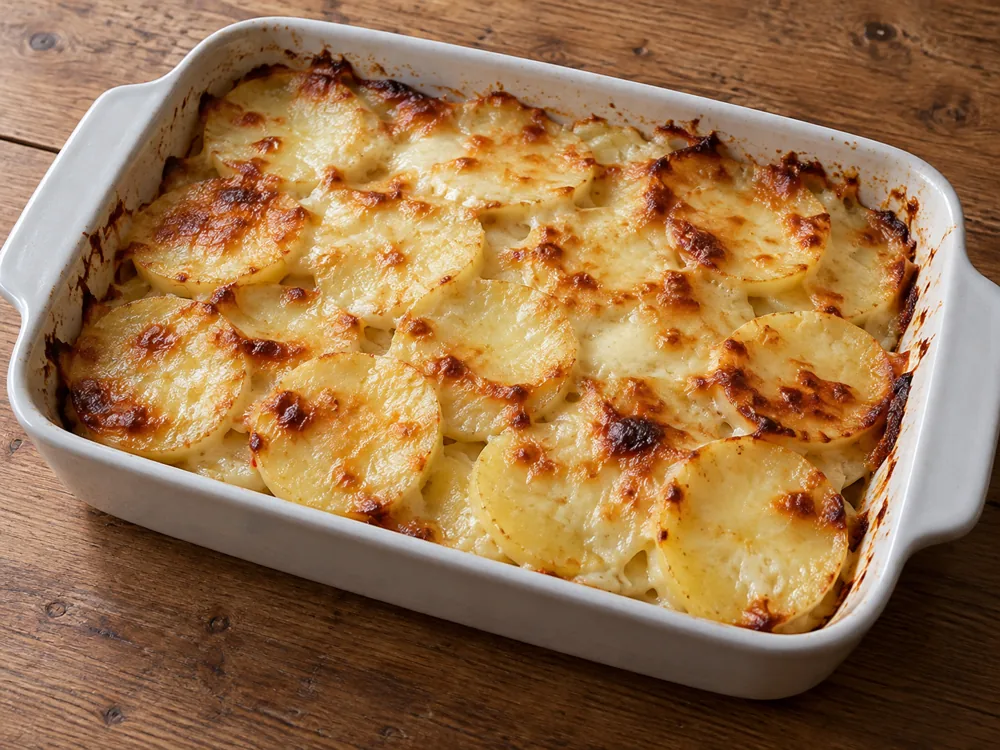
The recipe calls the dish a tartiflette à la tomme de Savoie, yet it lists only potatoes, the cheese, white pepper, and salt. The potatoes boil for 20 minutes after the water comes to the boil, go into a buttered dish with the pepper, and take the cheese as the last layer.
The cheese weighs a third as much as the potatoes, so in this recipe it works as a browned top layer rather than a sauce. If you have an older, drier wheel, ask your seller whether it softens the same way.
How Do You Buy a Tomme?
Start with the full name, because only the protected names come with a written specification.
Le Guide du Fromage says a casein disc sits under the rind of Tomme de Savoie, red for dairy production and green for farmhouse, and that the disc is edible because it is milk protein. Both kinds of maker are common: French Wikipedia counts about 30 farmstead makers and nearly 30 cooperative dairies and ageing cellars for Tomme de Savoie in 2016.
The Tome des Bauges specification uses the same colours on an oval casein plate marked with the name, green for farm-made wheels and red for dairy-made ones, and it puts farm-made wheels at about 20 percent of production.
How Should You Serve and Store Tomme?
| Pairing | Type | Why It Works |
|---|---|---|
| Savoie White Wine | Wine | Culture magazine names Chignin, Apremont, and Roussette for Tomme de Savoie. |
| Red Meat | Food | The Cuisine et Mets recipe serves its Tomme de Savoie potato gratin with red meat. |
| Green Salad | Food | The same recipe also serves the gratin as a single dish with a green salad. |
An uncut wheel follows the producer's date, and once you cut it, follow general cheese-storage rules for the exposed face.
What Can Replace Tomme?
Replace the job the named tomme was doing, because no substitute reproduces a protected name.
- For a Savoie tomme you cannot find: Tome des Bauges, the other Savoie tomme in the table above, which has a gray rind and a five-week minimum but is always made from raw milk.
- For a goat's milk tomme: a Tomme des Pyrénées made from goat's milk, which its specification allows, or another pressed goat cheese, since the French Ministry of Agriculture counts tommes among pressed goat cheeses ripened under a bloomy or washed rind.
- For a smaller wheel: the reduced Tomme de Savoie format of 400 to 900 g, or a Tomme des Pyrénées from 400 g, since both specifications allow wheels that small.
Is Tomme Safe During Pregnancy?
Raw milk is the safety question, and the name alone does not settle it: Tome des Bauges is always raw under its specification, while the other two protected names allow raw or heat-treated milk.
The French Ministry of Agriculture says young children, especially those under 5, pregnant women, and immunocompromised people should avoid raw milk and raw-milk cheeses.
The NHS says foods made from unpasteurised milk must be thoroughly cooked, a line that covers every raw or thermised tomme, Tome des Bauges included. It also says pasteurised or unpasteurised mould-ripened soft cheeses with a white coating (brie, camembert, chèvre) and pasteurised or unpasteurised soft blue-veined cheeses must be thoroughly cooked.
For a tomme made from pasteurised milk with no white coating on the outside, the NHS lists pasteurised or unpasteurised hard cheeses, pasteurised semi-hard cheeses such as edam and pasteurised soft cheeses as safe to eat, and the specifications describe the paste as semi-firm or supple. The NHS also lists any cheese that's been cooked until steaming hot as safe to eat.
The Tomme des Pyrénées specification gives an orange rind mixed with white, and the French Ministry of Agriculture counts tommes among pressed goat cheeses ripened under a bloomy or washed rind. If a pasteurised tomme has a white coating on the outside, take the stricter NHS line for mould-ripened soft cheeses with a white coating on the outside, which it says must be thoroughly cooked.
The CDC calls unpasteurized (raw) milk and dairy products made from raw milk riskier, a row that covers raw or thermised tomme. It says pregnant women are 10 times more likely to get a Listeria infection.
The CDC lists hard cheese made with pasteurized milk, cottage cheese, cream cheese, string cheese, feta and mozzarella made with pasteurized milk, and pasteurized soft cheeses heated to an internal temperature of 165°F or until steaming hot as safer. Served cold, a pasteurized tomme is described as a semi-firm or supple pressed cheese, a type the CDC list does not cover, so ask a midwife or doctor.
If you are pregnant and want a tomme, read the label for the full name and the milk treatment, and ask a midwife or doctor about the exact piece, cooked or cold.
How Much Fat, Salt and Lactose Does Tomme Have?
You will not find a single nutrition panel for tomme, because each specification sets its own composition floor.
| Full name | Fat | Dry matter | Salt |
|---|---|---|---|
| Tomme de Savoie IGP | At least 9% of total weight | At least 45% | 1.2 to 2% |
| Tome des Bauges AOP | At least 45 g per 100 g of dry cheese | At least 50 g per 100 g | Not stated |
| Tomme des Pyrénées IGP | At least 24 g per 100 g of finished cheese | At least 53 g per 100 g | 1.5 to 2% |
A Tomme de Savoie at the floor holds only 9% fat by weight, while a Tomme des Pyrénées must hold at least 24 g per 100 g. If you copy one label onto another tomme, you can therefore misstate the fat by more than double.
Part of the gap is how Tomme de Savoie is made: the specification lets the maker skim the milk to reach the chosen fat level, and says wheels once differed in fat according to how hard the milk was skimmed.
Le Guide du Fromage lists fat levels of 10, 15, 20, 25, and 30 percent plus whole milk, so before you set one of those against the specification's 9 percent of total weight, ask the seller what the percentage is measured on.
For lactose, check the maker's statement or the package label for the tomme you buy.
SOURCES & REFERENCES
What Else Do People Ask About Tomme?
Tomme is a family name used for many French mountain cheeses rather than one recipe. The milk, size, rind, and minimum ageing depend on the complete name.
No. Tomme de Savoie and Tome des Bauges use cow's milk, while Tomme des Pyrénées also allows goat milk and mixes that include sheep milk.
No. Tomme de Savoie is one IGP cheese with its own written specification, while tomme by itself covers many cheeses.
Ask the seller or maker about the wheel you buy. The Tomme des Pyrénées specification names polyvinyl acetate and paraffin as permitted coating products for heat-treated wheels, so ask the seller about any coating before eating it.
A French recipe grills Tomme de Savoie slices over boiled potatoes until the cheese gratins. Ask your seller whether an older wheel softens the same way.
Sometimes. Tome des Bauges is always raw milk, and Tomme de Savoie and Tomme des Pyrénées each allow raw or heat-treated milk.