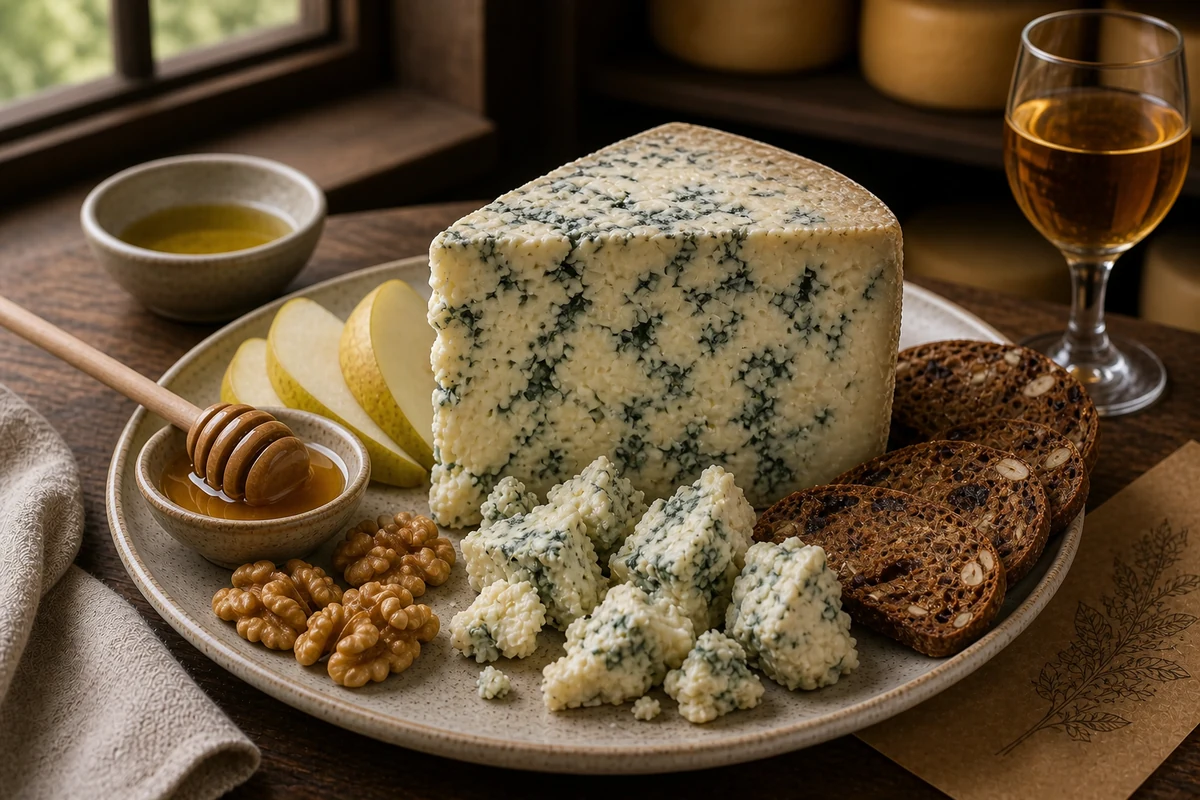
Cheese Profile

Blue Cheese: Varieties, Flavor Profiles, and Pairing Guide

BLUE CHEESE QUICK FACTS
OriginMultiple regions (France, Italy, UK, USA)
MilkCow, sheep, or goat depending on variety
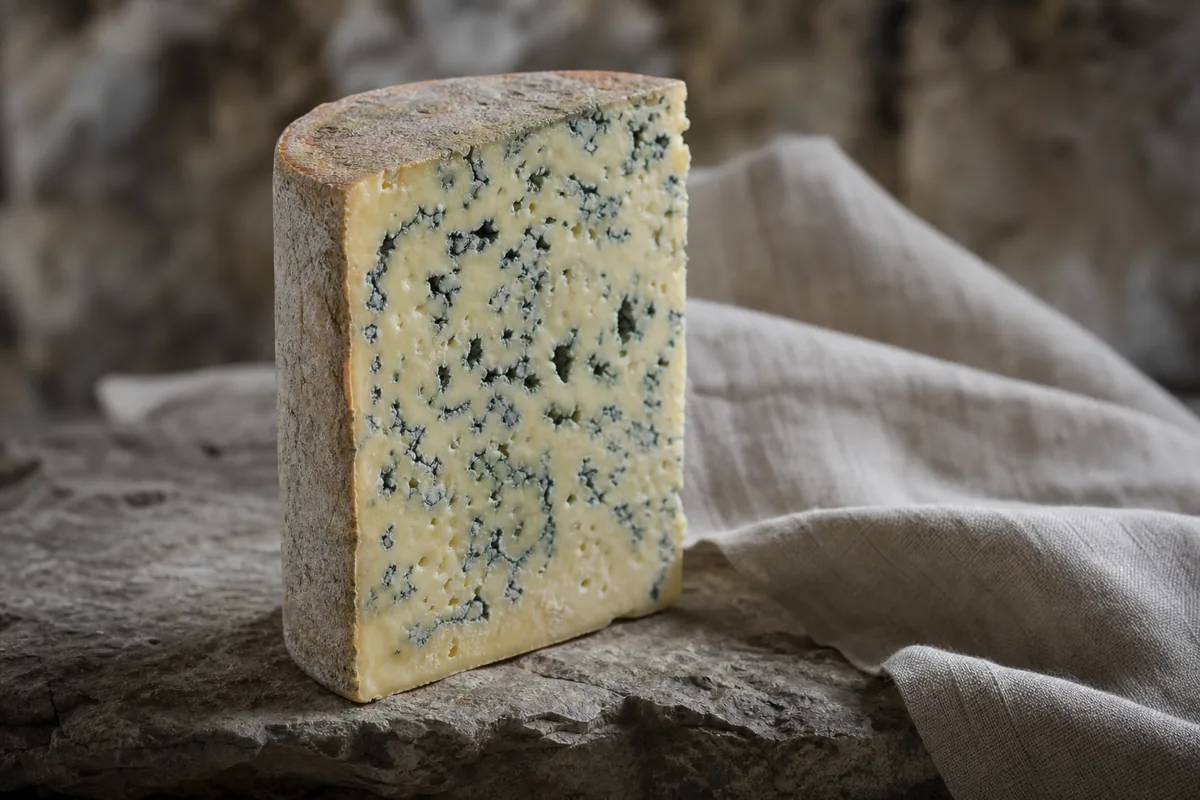
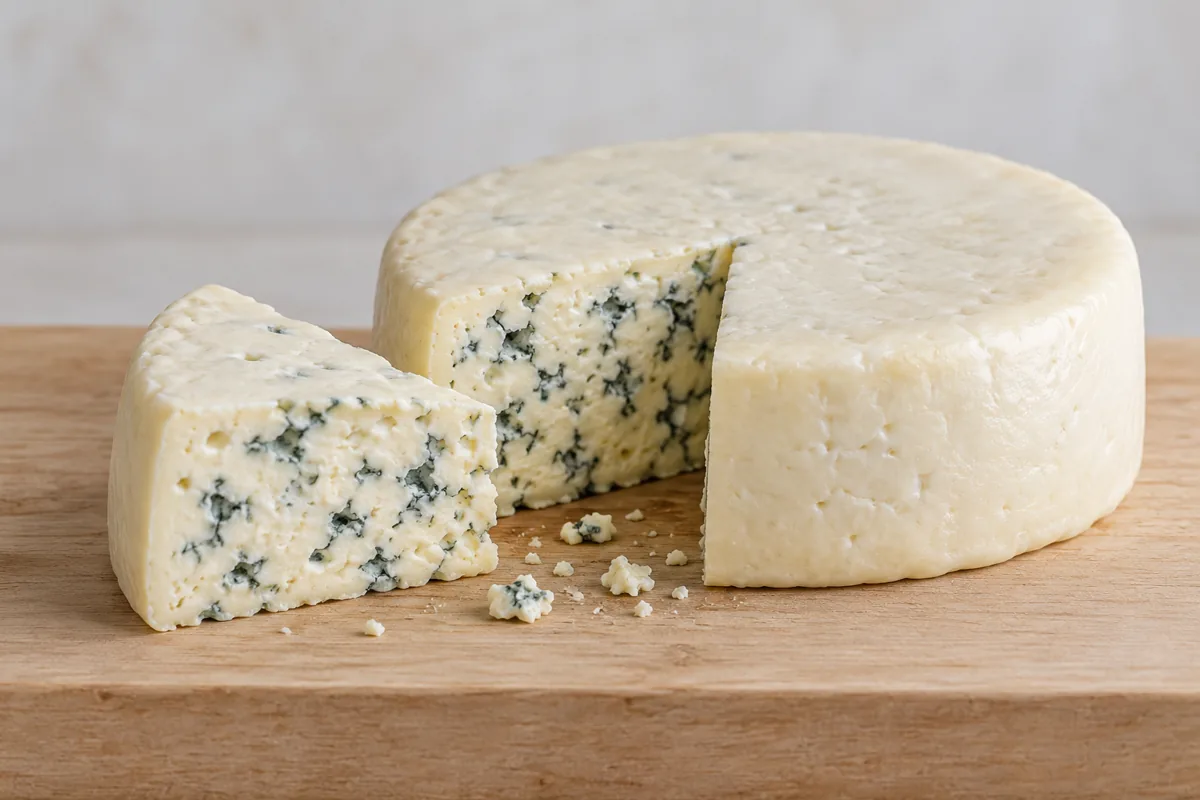
TextureCrumbly to creamy, with blue-green veins throughout
RindNatural or foil-wrapped (varies by style)
Aging2-6 months depending on variety
Fat Content45-50% FDM (fat in dry matter)
PDO / DOPRoquefort AOC, Gorgonzola DOP, Stilton PDO
Availabilitycommon
Pricemid-premium

Blue cheese is not a single cheese. It is an entire family defined by one technique: introducing Penicillium roqueforti mold into the curd and then piercing the wheel with needles so oxygen triggers the blue-green veins.

The category spans dozens of distinct varieties across the cheese world, from crumbly English Stilton to creamy Italian Gorgonzola to the sharp sheep's milk punch of French Roquefort. The blue cheese wine pairing guide covers how to match each style to the right glass. Each has its own protected status, milk type, and flavor profile.

This profile covers what unites blue cheeses, what separates the major varieties, and how to pair and store them.

The Blue Cheese Family

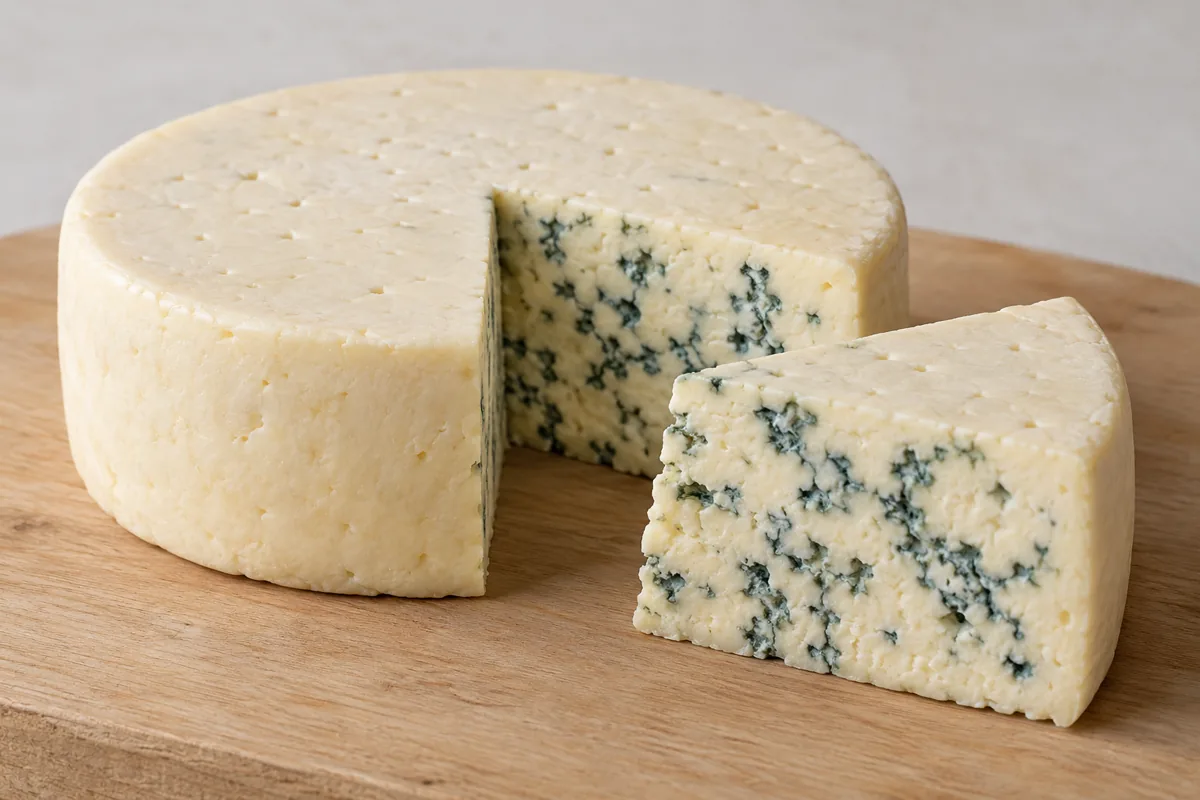
Every blue cheese starts with the same core technique. Penicillium roqueforti spores are added to the milk or sprinkled onto the curd during production. After the wheels are formed and begin aging, long stainless steel needles pierce them to create air channels. The mold needs oxygen to grow, and the needle holes provide it.

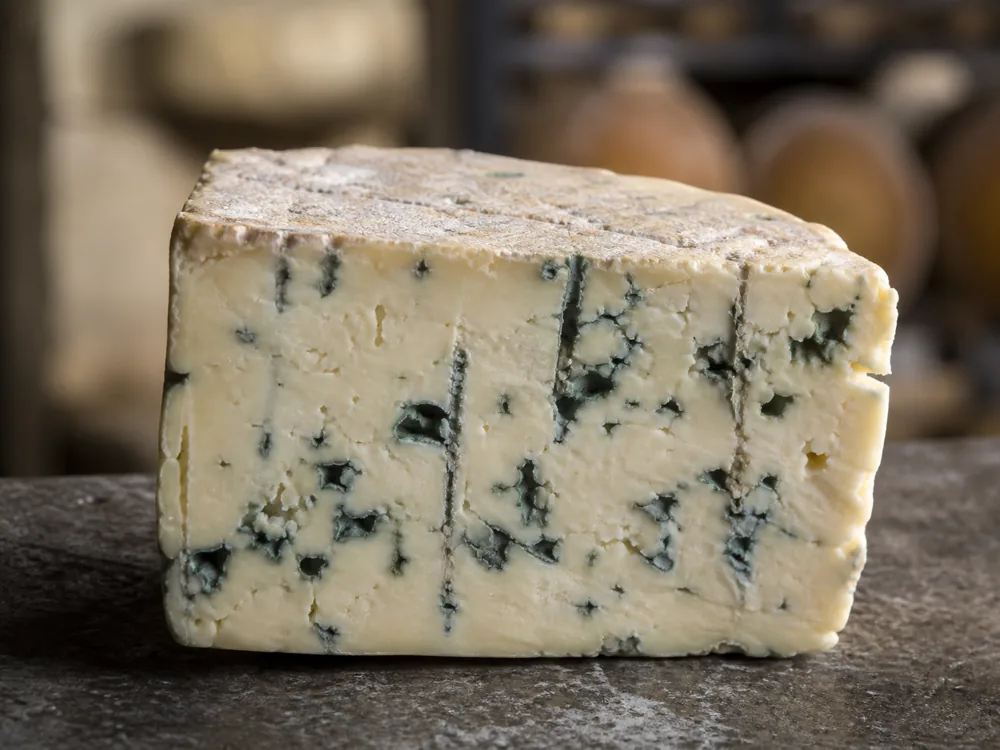
Where the oxygen reaches, blue-green veins form. Where it does not, the paste stays white or pale yellow. This is why blue cheese has its distinctive marbled interior.

  • Roquefort — French sheep's milk, cave-aged in Combalou, sharp and salty
  • Gorgonzola — Italian cow's milk, two styles (Dolce and Piccante)
  • Stilton — English cow's milk, crumbly and nutty, PDO protected
  • Danish Blue — cow's milk, mild and creamy, widely available
  • Valdeon — Spanish mixed milk, wrapped in sycamore leaves

The family is broad enough that saying "I don't like blue cheese" after trying one variety is like saying "I don't like wine" after one glass of Cabernet. Gorgonzola Dolce is mild and spreadable. Roquefort is sharp and salty. They are different eating experiences that happen to share the same mold culture.

Flavor Across Blue Cheese Varieties

The flavor of any blue cheese depends on three variables: milk type, aging time, and mold density. Sheep's milk blues like Roquefort are sharper. Young cow's milk blues like Gorgonzola Dolce are mild. Longer aging concentrates salt and pungency.

BLUE CHEESE FLAVOR PROFILE (MEDIUM-AGED)
SALTYSWEETBITTERSOURUMAMICREAMY
Salty
55
Sweet
12
Bitter
35
Sour
42
Umami
60
Creamy
45

The radar above represents a medium-aged cow's milk blue. Sheep's milk blues like Roquefort push salty to 70+ and umami to 75+. Mild blues like Gorgonzola Dolce drop salty to 30 and creamy rises to 72.

  • Mild blues — Gorgonzola Dolce, Cambozola, Danish Blue: creamy, buttery, gentle tang
  • Medium blues — Stilton, Fourme d'Ambert, Bleu d'Auvergne: balanced, nutty, moderate bite
  • Strong blues — Roquefort, Cabrales, aged Gorgonzola Piccante: sharp, salty, pungent

If you are new to blue cheese, start with Gorgonzola Dolce or Cambozola. Both have a creamy, approachable texture with mild blue flavor that eases you into the category. Once you enjoy those, move to Stilton, then Roquefort.

The blue veins themselves taste sharper and more pungent than the surrounding white paste. Eating a piece with both vein and paste gives the balanced flavor the cheesemaker intended. Scraping off the blue parts and eating only the white defeats the purpose.

NOTE

Roquefort holds the distinction of being the first cheese to receive AOC protection in France, granted in 1925. The specification requires that the cheese be made exclusively from raw sheep's milk and aged in the natural limestone caves of Combalou near the village of Roquefort-sur-Soulzon. The caves provide natural ventilation through rock fissures called fleurines.

How Blue Cheese Is Made

Blue cheese production follows the same basic steps regardless of variety. The critical difference from other cheeses is the introduction of Penicillium roqueforti and the needle-piercing step.

The mold spores are typically mixed into the milk before curdling or sprinkled onto the drained curd before molding. The timing varies by producer and tradition.

  • Inoculate with P. roqueforti — spores added to milk or curd before molding
  • Form and drain the curd — method varies by variety (pressed, ladled, or gravity-drained)
  • Salt the wheel — dry-rubbed or brined depending on the tradition
  • Pierce with needles — stainless steel rods create air channels for mold growth
  • Age in controlled caves or cellars — 2-6 months at high humidity

The piercing step is what separates blue cheese from every other category. Without those needle holes, the mold cannot access oxygen and the veins never form. Some producers pierce once. Others pierce twice at different stages to create denser veining.

Cave conditions also shape the final cheese. Roquefort ages in natural limestone caves where the humidity and temperature are regulated by the rock itself. Stilton ages in brick-lined cellars. Gorgonzola ages in temperature-controlled rooms in Lombardy and Piedmont. Each environment produces a different rind texture and aging profile.

Best Uses for Blue Cheese

Blue cheese works best when its sharp, salty flavor contrasts with something sweet, creamy, or starchy. Used alone in large quantities, it overwhelms. Used strategically, it transforms a dish.

Salad Dressings
Crumbled blue cheese in vinaigrette or creamy dressing. The classic wedge salad uses blue cheese dressing over iceberg lettuce with bacon and tomato.
Steak Topping
A tablespoon of crumbled blue cheese melted on a hot steak. The fat from the steak rounds out the sharpness. Stilton or Roquefort work best here.
Cheese Boards
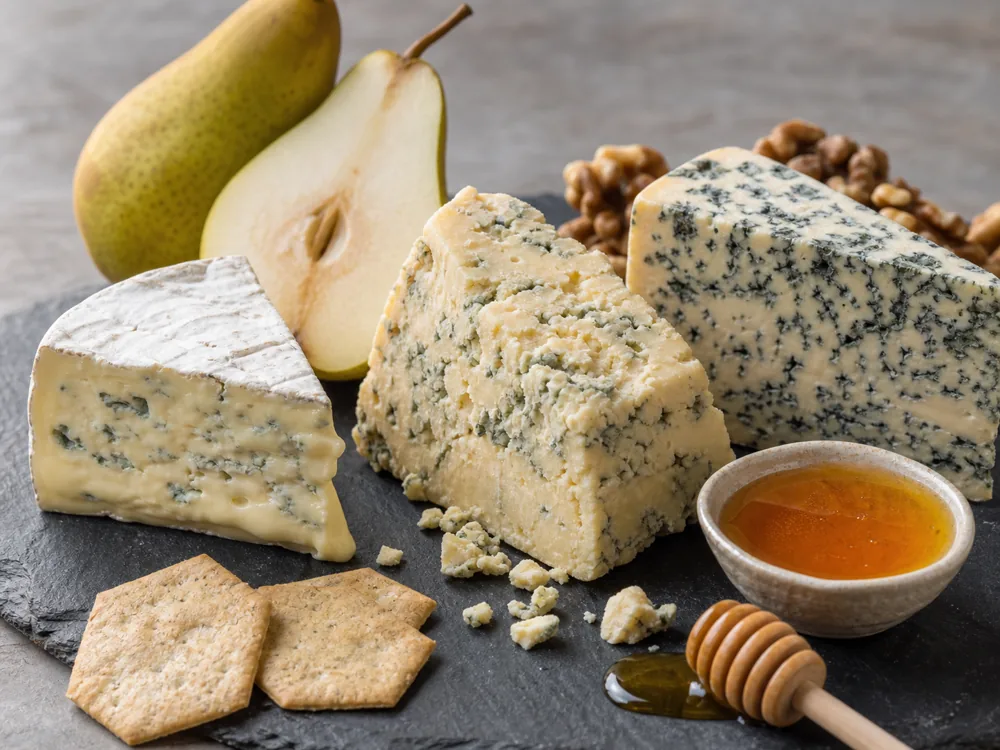
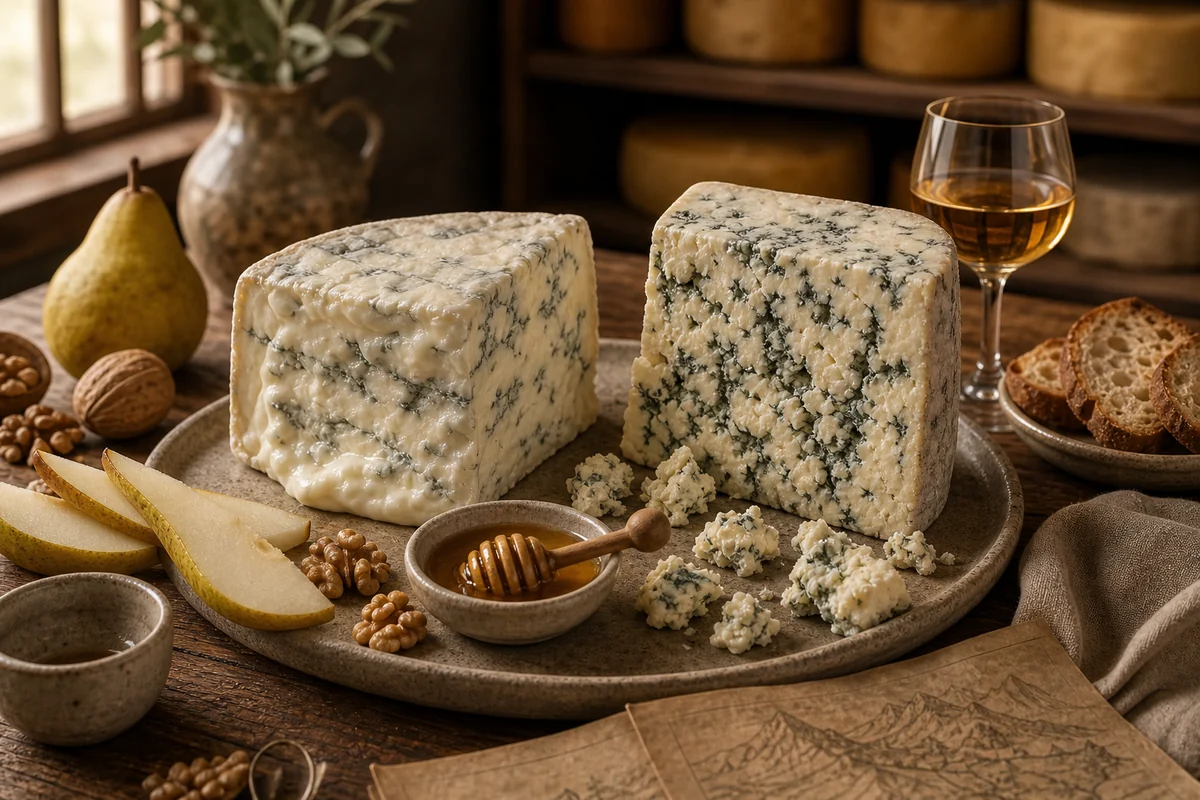
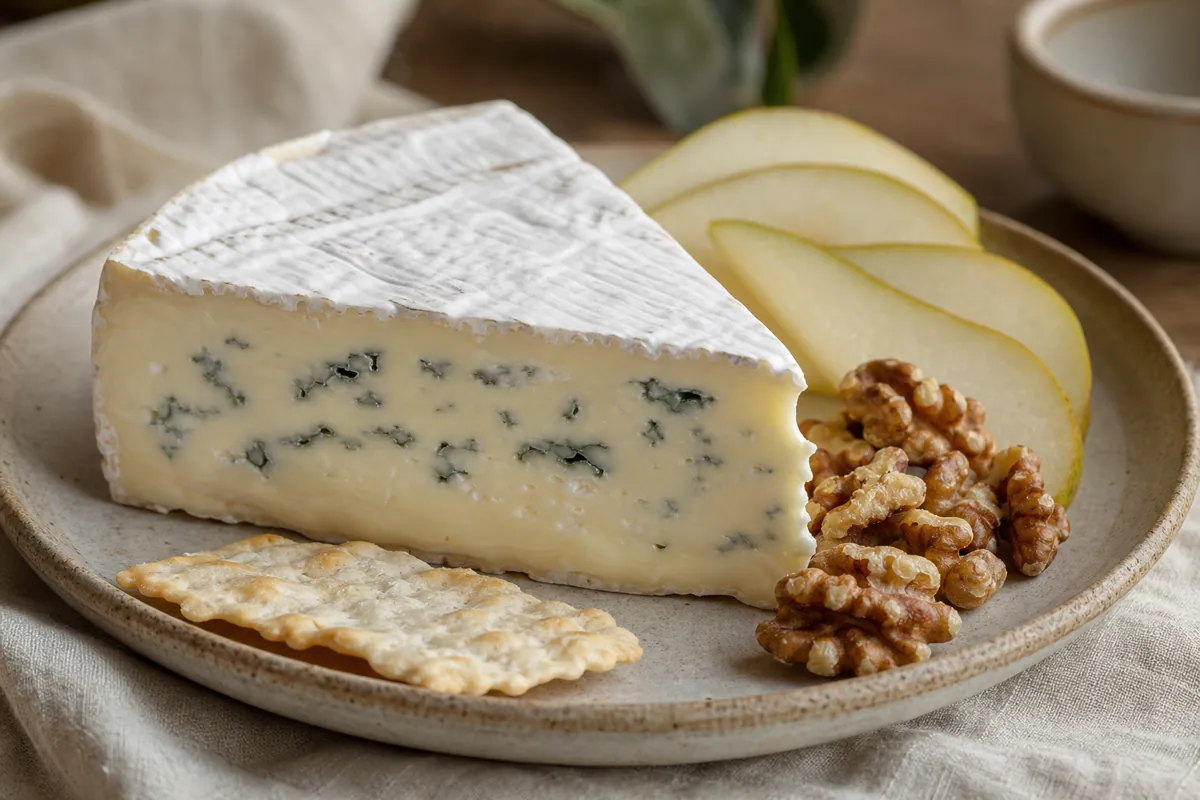
Blue cheese anchors the bold end of a board. Pair with honey, walnuts, and dried fruit. Place it away from mild cheeses so the flavors do not bleed.
Pasta and Risotto
Gorgonzola Dolce melts into pasta sauces and risotto. Classic Italian four-cheese sauce (quattro formaggi) depends on Gorgonzola for the sharp note.
Burgers
Blue cheese crumbles on a hot burger. The heat partially melts the cheese. Danish Blue or Stilton hold up best without becoming too runny.
  • Crumble over salads — adds sharp, salty punch to bitter greens
  • Melt on steak — a tablespoon transforms a grilled steak
  • Stir into hot pasta — Gorgonzola Dolce melts into creamy sauces
  • Anchor a cheese board — place at the bold end with honey and walnuts

A little goes a long way. Blue cheese is best used as a flavor accent, not the main ingredient. One ounce crumbled over a salad for two people is plenty. Two ounces melted into a pasta sauce for four is the right ratio.

For hot applications, mild blues like Gorgonzola Dolce melt smoothly. Strong blues like Roquefort can become overpoweringly salty when concentrated by heat. Adjust the quantity down when cooking with aged blues.

BLUE CHEESE SCORES (MEDIUM-AGED)
Melt Quality 48/100
Flavor Intensity 82/100
Sharpness 75/100
Availability 88/100

The melt score of 48 reflects that most blue cheeses crumble and pool rather than stretch. Gorgonzola Dolce scores higher (60+) because its creamy texture melts more smoothly. Stilton and Roquefort score lower (35-40) because they crumble under heat.

Blue Cheese Pairings

The pairing rule for blue cheese is simple: sweet balances sharp. The saltier and more pungent the blue, the sweeter the pairing partner should be.

Port Wine
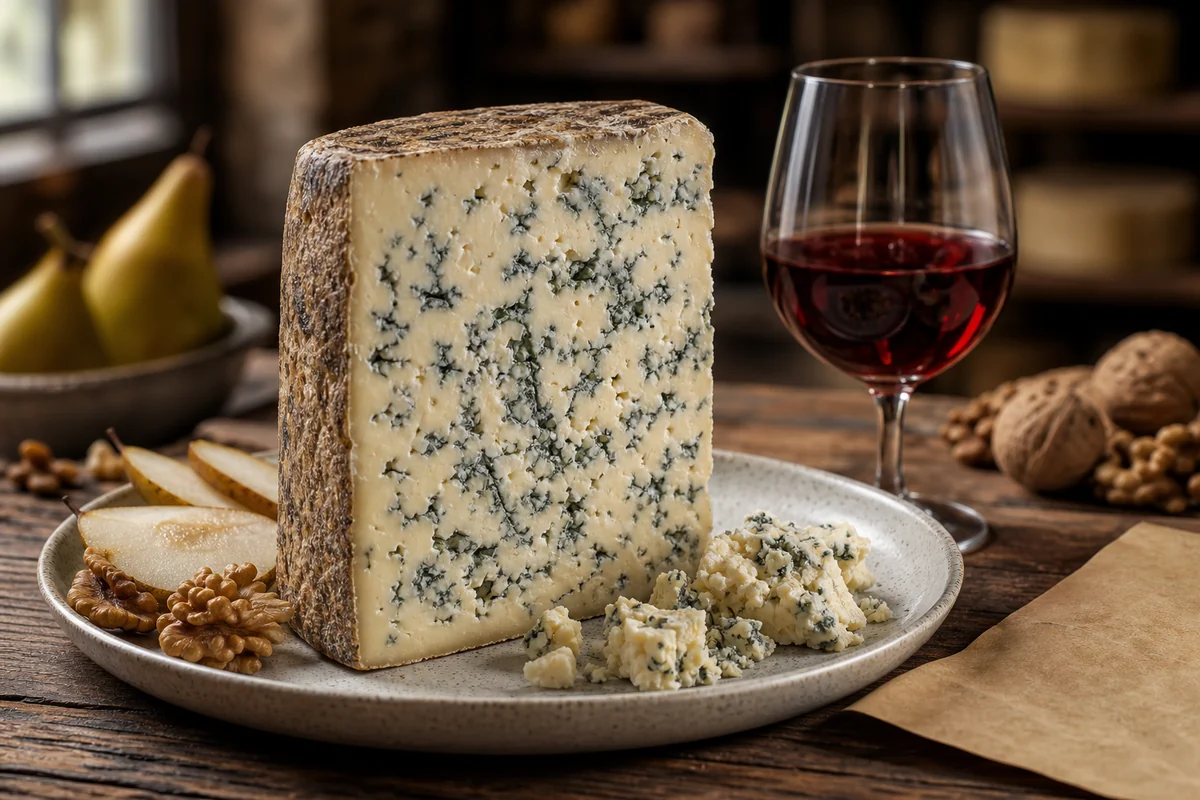
The classic pairing. Tawny or vintage port has enough sweetness and alcohol to match Roquefort or Stilton bite for bite. A textbook combination.
Wine
Sauternes or Late-Harvest Wine
Botrytis wines bring honeyed sweetness with enough acidity to cut the salt. Roquefort with Sauternes is one of the great cheese-and-wine matches in French cuisine.
Wine
Honey
Drizzle wildflower or chestnut honey directly on the cheese. The sweetness offsets the salt and the floral notes complement the earthy mold flavor.
Food
Walnuts and Pears
Toasted walnuts add crunch. Ripe pear slices bring gentle sweetness and moisture. Together they balance the intensity of any blue cheese.
Food
Dark Chocolate
A square of 70% dark chocolate alongside a bite of Roquefort. The bitterness and cocoa butter create an unusual but rewarding contrast.
Food
  • Sweet wines — port, Sauternes, and late-harvest Riesling match the salt
  • Honey — drizzled directly on the cheese, offsets sharpness
  • Walnuts and pears — crunch, sweetness, and moisture in one pairing
  • Dried figs — concentrated sweetness complements aged blues

Avoid dry red wines with strong blues. The tannins clash with the salt and create a bitter, metallic taste. If you want red wine, choose an off-dry style or a fruit-forward Zinfandel that has enough residual sweetness to bridge the gap.

The wine pairing principles that work for bloomy-rind cheeses apply to mild blues like Gorgonzola Dolce. For strong blues, sweet wines are the safest choice; the wine and cheese pairing guide explains the fat-versus-tannin logic in detail. For strong blues, sweet wines are the safest choice. The English PDO blue is the classic reference point for the port-and-blue-cheese tradition.

How to Store Blue Cheese

Blue cheese is more resilient than soft bloomy-rind cheeses, but it still needs proper wrapping to prevent drying and flavor contamination. The strong smell can transfer to other foods in your refrigerator.

STORAGE GUIDE
Whole piece (wrapped)
21-28 days
Wrap in wax paper, then place in a loose plastic bag or container with a slightly open lid. Blue cheese needs some air exchange. Store in the coldest part of the fridge.
Crumbled blue
7-10 days
Keep in an airtight container. Crumbled blue dries out faster than a whole piece. Use within a week for best texture.
Foil-wrapped (Roquefort)
21-28 days
Roquefort traditionally ships in foil. Keep the foil wrapping and add a layer of wax paper. The foil slows moisture loss.
Frozen blue cheese
90 days
Freezing changes the texture to crumbly but preserves flavor. Suitable for cooking and sauces. Not ideal for boards.
  • Wax paper first — wrap loosely so the cheese can breathe
  • Double-bag for odor control — blue cheese smell transfers to other foods
  • Coldest part of the fridge — 34-38 degrees F, unlike soft cheeses which prefer the warmer drawer
  • Scrape, do not discard — if the cut face dries, scrape off the dry layer and eat the fresh cheese underneath

Blue cheese stores better than most soft cheeses because the mold culture actively inhibits competing bacteria. The same principle applies to bloomy-rind Normandy wheels — surface mold cultures actively shape the aging environment. A piece of Stilton wrapped in wax paper lasts 3-4 weeks in the fridge without significant quality loss. The cheese storage guide covers wrapping methods for every texture category.

✓ DO
Wrap in wax paper first, then place in a loose bag for odor containment
Store in the coldest part of the refrigerator at 34-38 degrees F
Scrape the dried cut face instead of discarding the whole piece
✗ DON'T
Do not wrap blue cheese in plastic cling film directly against the paste
Do not store next to butter, milk, or cream because the smell transfers
Do not leave at room temperature for more than 2 hours in warm weather

If the cut surface develops a dry, crusty layer after a few days in the fridge, that is normal. Scrape it off with a knife. The cheese underneath remains fresh and flavorful.

Blue Cheese Substitutes

Within the blue family, substitutes are straightforward because the core flavor profile is similar across varieties. The main variable is intensity.

  • Gorgonzola Dolce for Roquefort — milder, creamier, less salty, works when you want blue flavor without the punch
  • Stilton for Roquefort — similar intensity, nuttier, crumbly texture, widely available
  • Danish Blue for any blue — mild, creamy, budget-friendly, works in all applications
  • Feta for crumbled blue — tangy and salty, no mold flavor, but similar texture in salads

When a recipe calls for blue cheese without specifying the variety, dolce or piccante blue is the safest default. For boards specifically, the charcuterie board cheese picks recommends one bold blue as the flavor anchor. It melts well, crumbles easily, and has a balanced flavor that works in dressings, pasta, and on boards.

Blue Cheese Nutrition

Blue cheese is calorie-dense and high in sodium compared to most other cheese categories. The aging process concentrates minerals and salt. The tradeoff is strong flavor that means you use less per serving.

  • High sodium — 395mg per ounce, among the highest in any cheese
  • Good calcium — 150mg per ounce, 12% of daily value
  • Strong flavor = less needed — a half-ounce crumble is enough for most uses
  • Very low lactose — extended aging breaks down nearly all lactose

The high sodium content is the main nutritional concern. One ounce of blue cheese delivers about 17% of the recommended daily sodium limit. Because blue cheese is used in small quantities as a flavor accent rather than eaten in large portions, the practical impact is modest for most people.

AVOID: RAW MILK
Most traditional blue cheeses are made from raw milk and are not considered safe during pregnancy. The moist, veined interior can harbor Listeria even in aged blues. Pasteurized blue cheeses exist (check the label) and are considered lower risk. When in doubt during pregnancy, choose a pasteurized hard cheese instead.

Lactose content is negligible in aged blue cheeses. The combination of lactic fermentation and extended aging converts virtually all lactose to lactic acid. Most lactose-sensitive individuals tolerate blue cheese without issues.

SOURCES & REFERENCES

1.
Roquefort: Cahier des charges de l'AOC
Institut National de l'Origine et de la Qualite (INAO), 2001 PDO
Official AOC specification for Roquefort covering raw sheep's milk requirement, Lacaune breed, Penicillium roqueforti inoculation, cave aging in Combalou, and minimum aging period of 90 days.

2.
Gorgonzola DOP: Disciplinare di Produzione
Consorzio per la Tutela del Formaggio Gorgonzola, 2009 PDO
DOP production rules for Gorgonzola covering permitted zones (Lombardy and Piedmont), cow's milk requirement, Penicillium roqueforti inoculation, needle piercing, and the distinction between Dolce (sweet) and Piccante (aged) styles.

3.
Stilton Cheese: Protected Designation of Origin
Stilton Cheesemakers' Association, 2014 PDO
PDO specification for Blue Stilton covering the three permitted counties (Derbyshire, Leicestershire, Nottinghamshire), pasteurized cow's milk requirement, and the cylindrical shape and natural crust rules.

Blue Cheese FAQ

These are the questions we get asked most about blue cheese, from mold safety to flavor.

Yes. The blue-green veins are Penicillium roqueforti, a food-grade mold culture intentionally introduced during production. It is completely safe and is what gives blue cheese its characteristic flavor. This is different from random mold that grows on forgotten cheese in your fridge, which should be discarded.

Blue cheese is heavily salted during production to control moisture and slow unwanted bacterial growth. The salt also enhances the pungent flavors created by the Penicillium mold. Roquefort and aged blues are among the saltiest cheeses produced. If you find the salt too intense, try Gorgonzola Dolce or Cambozola, which are milder and less salty.

Gorgonzola Dolce is the best starting point. It is creamy, spreadable, and has a gentle blue tang without the sharp bite of aged blues. Cambozola is another good entry point. It combines a Camembert-like bloomy rind with mild blue veining. Both work well on crackers with honey.

Yes, but the texture changes. Frozen blue cheese becomes more crumbly after thawing, which makes it less suitable for cheese boards but still good for cooking. Crumble it before freezing for easy portioning. Frozen blue cheese works well in salad dressings, pasta sauces, and burger toppings where texture is less critical.

Age and intensity. Gorgonzola Dolce is aged about 2 months. It has a soft, spreadable texture and mild blue flavor. Gorgonzola Piccante is aged 3-6 months or more. It is firmer, crumblier, and significantly sharper. Dolce works for spreading, sauces, and beginners. Piccante works for crumbling, strong pairings, and experienced blue cheese eaters.

WRITTEN BY
Elise writes every cheese profile, pairing guide, and substitute recommendation on KnowTheCheese. She trained at Murray's Cheese in New York and has visited over 40 creameries across Europe and North America.