Cheese Profile

Bucheron Cheese: Two-Texture Goat Log, Ripeness, and Serving Guide

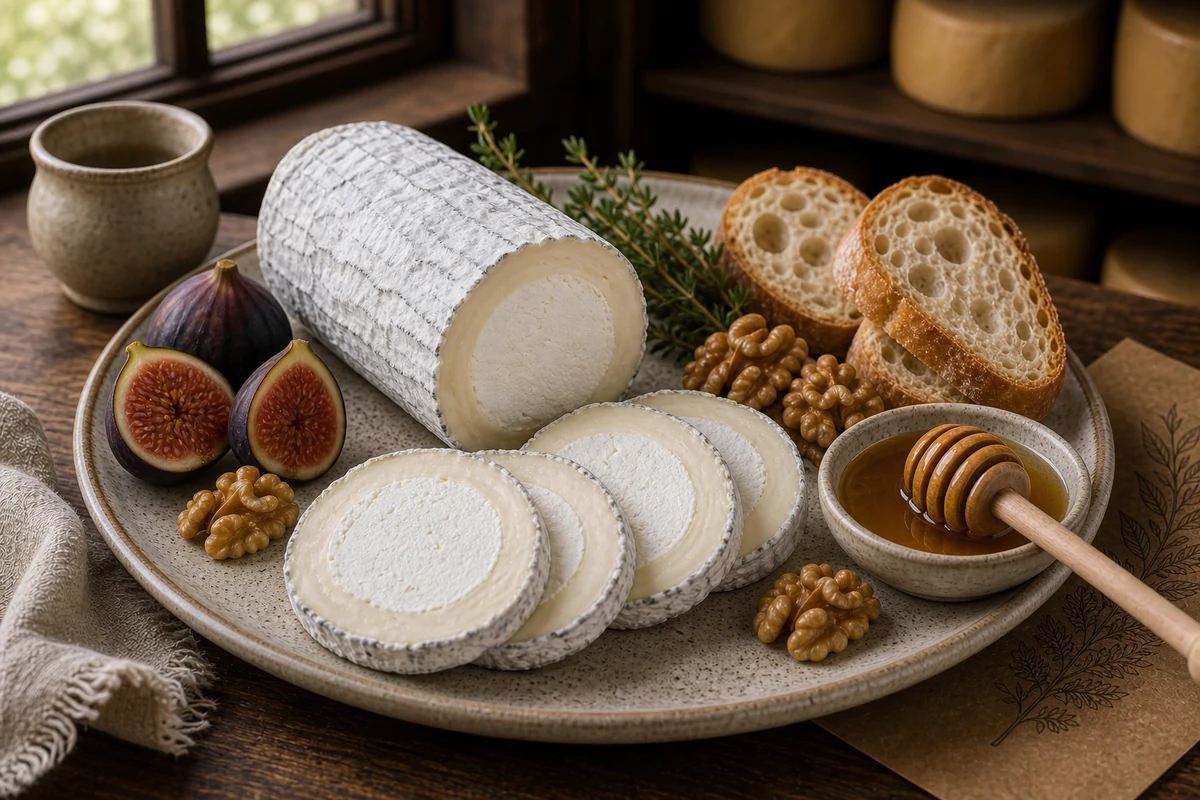
Bucheron is the Loire goat log to buy when you want one slice to show two textures at once. Inside our Loire goat-cheese references, it stands out for its outside-in ripening.

The rind softens the edge while the center stays brighter and drier for much of its best window. That contrast is the whole point, not a defect.

This profile covers the log shape, the chalk-to-cream balance, the best serving stage, and the counter cues that matter most. It also shows when Bucheron is smarter than fresh chevre or a fully oozy bloomy-rind wheel.

What Bucheron Is and Why the Log Shape Matters

Bucheron is a French goat's milk log from the Loire Valley with a wrinkled white rind and a compact ivory interior. It sits between fresh chevre and fully softened goat bloomy-rind cheeses, which gives it a more layered bite than either extreme.

Remember it later

Planning to try this recipe soon? Save it for a quick find later!

The log shape is not decorative. It gives you broad cross-sections, clean medallions, and a clear read on how the cheese ripens from the outside inward.

  • Milk: Goat's milk keeps the flavor tangy and bright even when the outer ring grows richer.
  • Format: Short logs or cut sections make it easy to serve even medallions instead of uneven chunks.
  • Rind: The wrinkled white rind is edible and helps drive the softening at the edge.
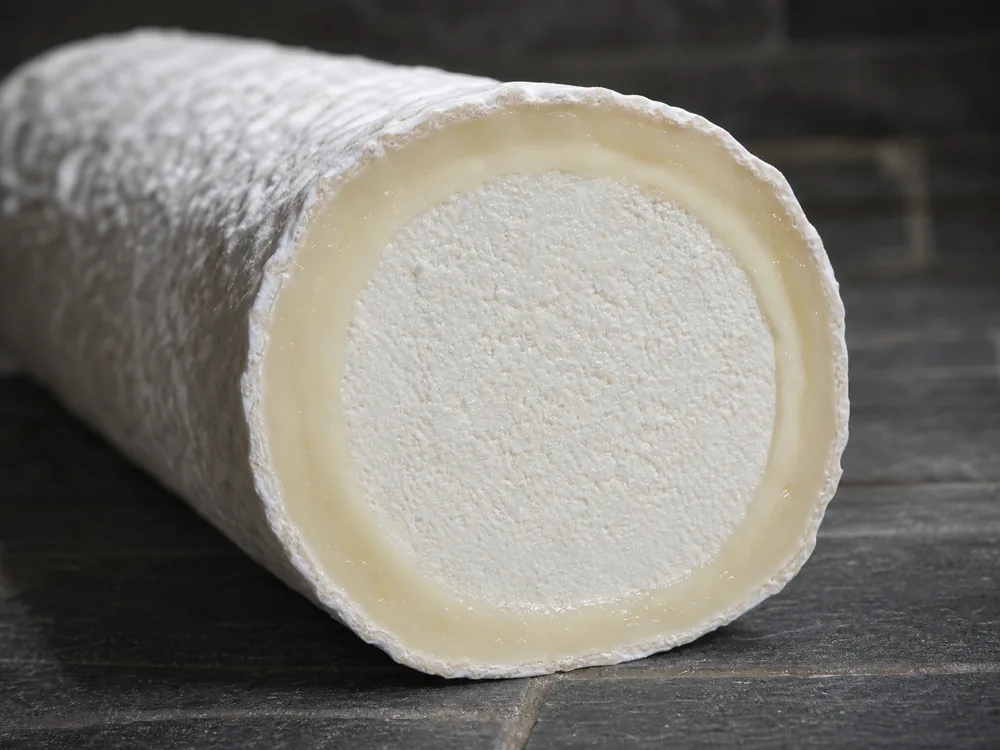
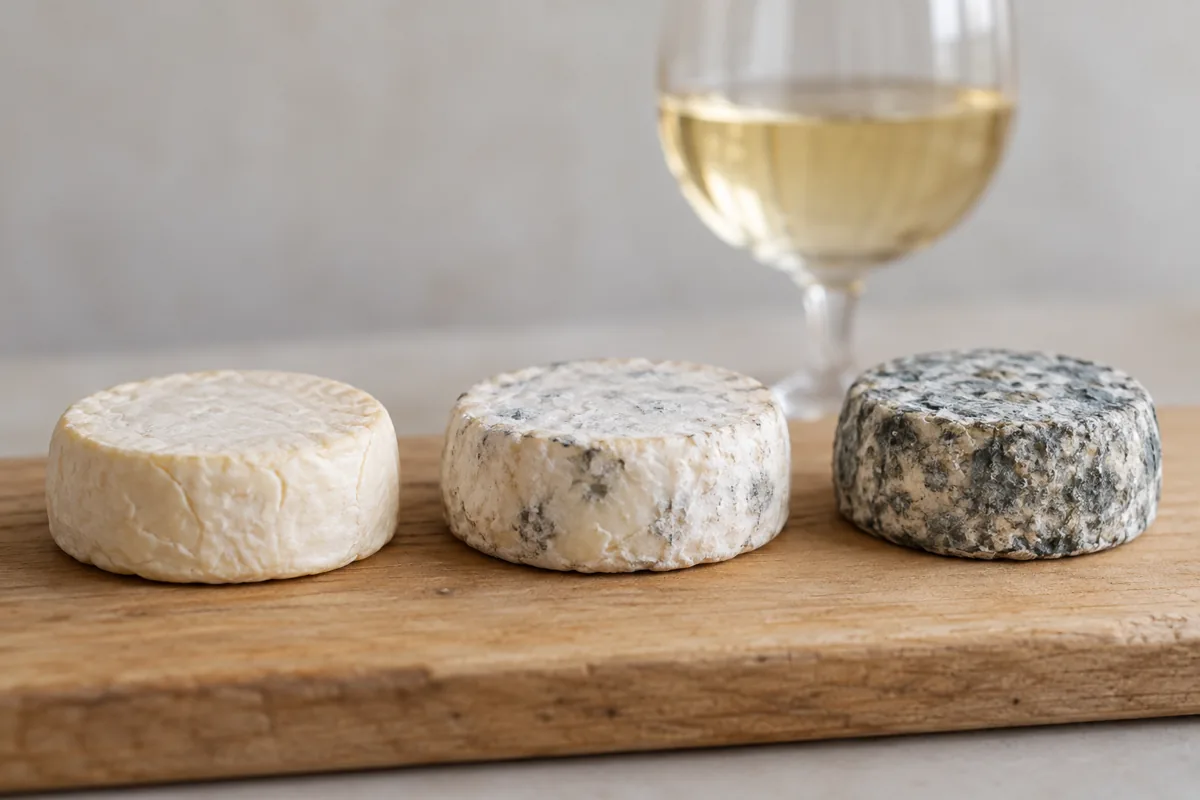
  • Texture story: Younger pieces show a firmer chalkier center, while riper pieces widen the creamy band.
  • Best lane: It is strongest as a board, toast, and composed-salad cheese rather than a generic cooking log.

If you only want direct tang, fresh goat-cheese logs usually solve the job more cheaply. Bucheron earns the extra attention when you want rind influence and texture contrast in the same slice.

The Chalky Core and Creamy Edge Tell You When to Serve It

The chalky center tells you the cheese still has young lactic structure. As Bucheron ripens, the rind softens the paste from the outside inward, so the cream line widens before the middle fully relaxes.

That is why one log can solve different jobs on different days. A firmer center gives you tidier salad coins, while a softer ring makes the cheese richer on toast or crackers.

FLAVOR PROFILE
SALTYSWEETBITTERSOURUMAMICREAMY
Salty
20
Sweet
10
Bitter
12
Sour
34
Umami
24
Creamy
74

Compared with bloomy-rind Brie, Bucheron keeps a brighter center even when the edge turns lush. Goat milk keeps the middle lemony and clean instead of letting the whole paste drift into mushroomy softness.

  • Younger cut: The center looks matte and chalky, and the rind-softened band stays narrow.
  • Mid-ripe cut: The creamy ring is obvious, but the center still holds enough structure to show the contrast.
  • Further ripened: The middle softens, the tang rounds out, and the whole slice feels richer and less dramatic.
  • Past peak: Strong ammonia on the nose means the rind has moved faster than the center can support.
Young cut
Board sweet spot
Further ripened

The best buying window is usually mid-ripe, when both zones still show clearly. Once the center nearly disappears, you are buying a creamier soft-ripened cheese and less of the classic Bucheron contrast.

Loire Goat-Cheese Traditions Give This Log Its Lane

Bucheron makes the most sense when you place it in the Loire Valley goat-cheese tradition. In broader French regional cheese, this area built its reputation on goat cheeses with clear lactic flavor, readable ripeness, and formats that show well on the table.

Bucheron tells that story through the log itself. The cheese is less about ash, straw, or a tight village shape and more about letting the cross-section explain the ripening.

  • Regional family: Loire goat cheeses often prize freshness, shape, and a clean tang before heavy cellar depth.
  • Format logic: A log cuts into repeatable medallions, which helps sellers and hosts show the rind-to-center ratio clearly.
  • Flavor goal: The tang should stay visible even when the outer ring grows creamier and more earthy.
  • Reader job: You are not only choosing a goat cheese. You are choosing how much ripeness contrast you want in each slice.

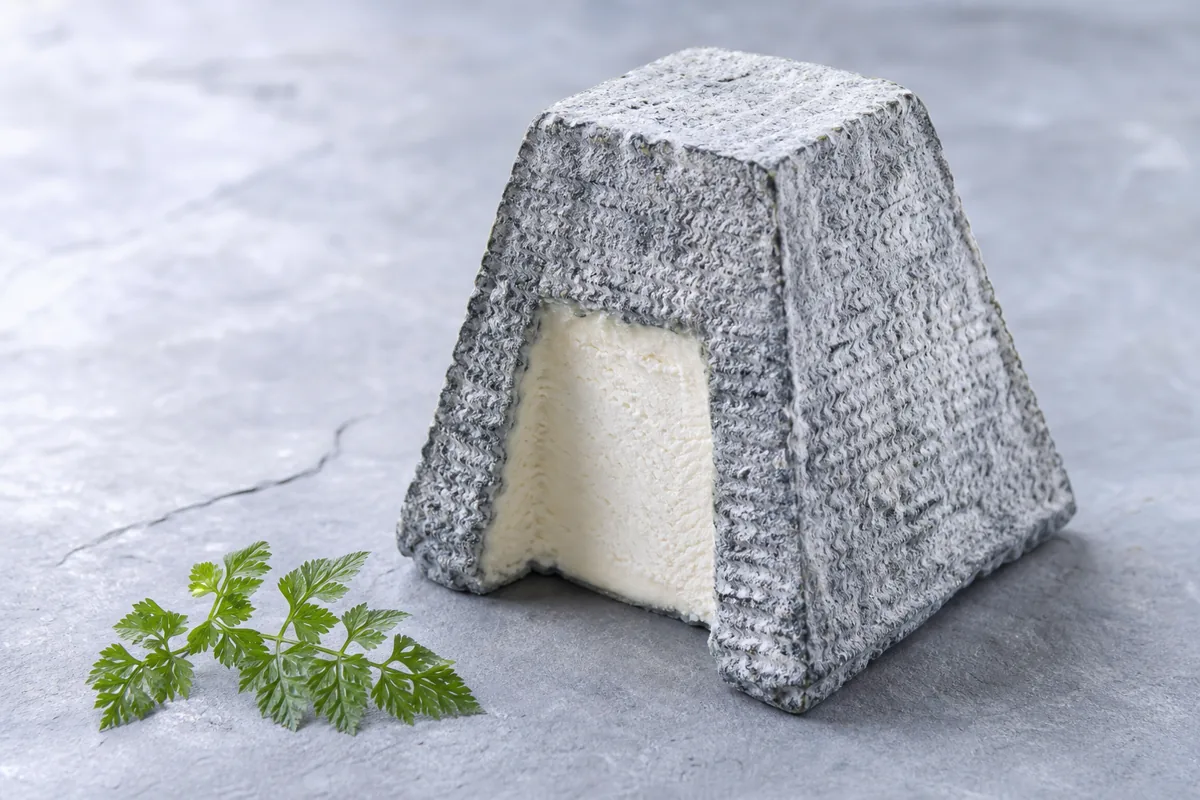
If you like an ash-coated Loire shape, ash-rind Valençay pushes the regional identity in a firmer and more mineral direction. Its pyramid form and ash rind create a different kind of board presence.

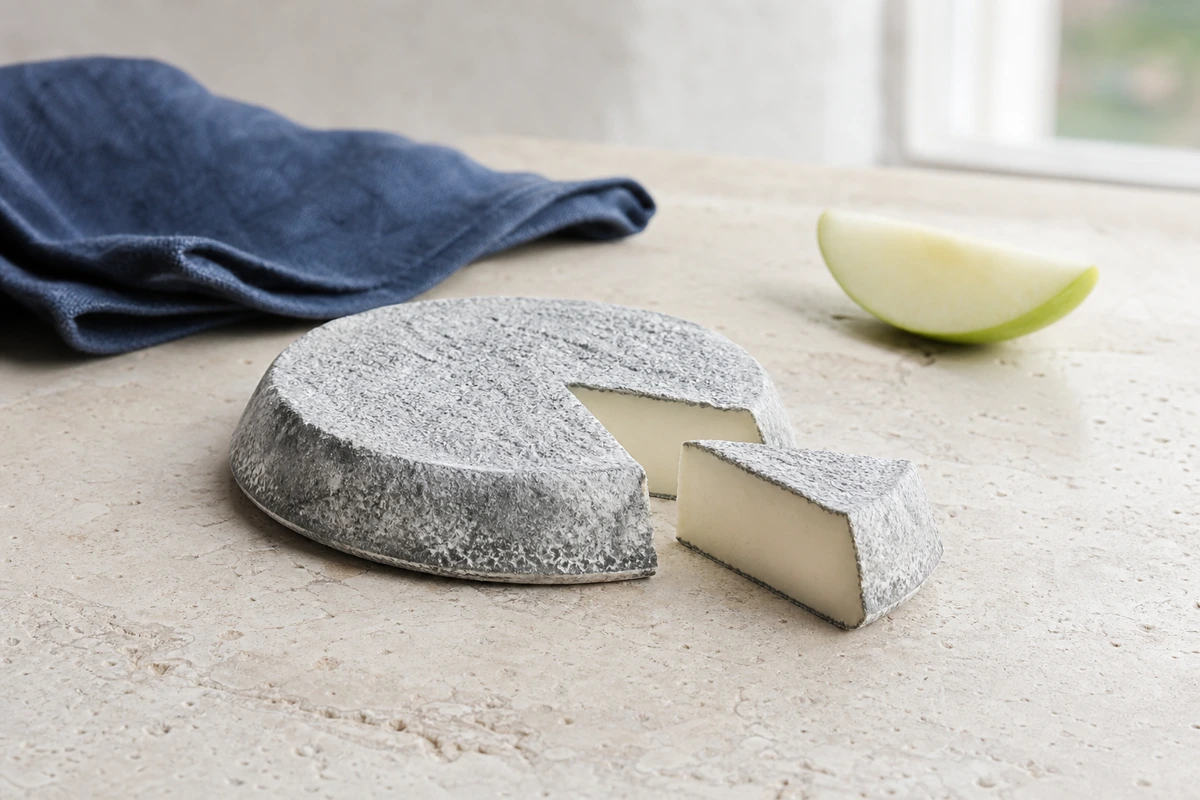
If you want a smaller puck with stronger cellar personality, the Selles-sur-Cher wheel gives you that age curve. It usually feels more compact and more overtly rind-shaped than Bucheron.

For a tighter aging ladder, a drier Crottin de Chavignol moves from soft and milky to drier and nuttier with far less creamy outer spread. Bucheron stays friendlier to medallion service for a longer stretch.

Best Uses Depend on Whether You Want Contrast or Cream

Bucheron works best when the dish respects both textures instead of melting them into one mass. The best uses keep the rind-softened edge intact and give the center room to stay slightly firmer.

That makes it better on composed toasts, salads, and mixed boards than in heavy cheese sauces. If you want a uniformly lush soft-rind bake, a ripe Camembert wheel does that job more directly.

UseHow It Works
Use1Serve medallions on a cheese board when you want guests to see the creamy ring and chalkier center together.
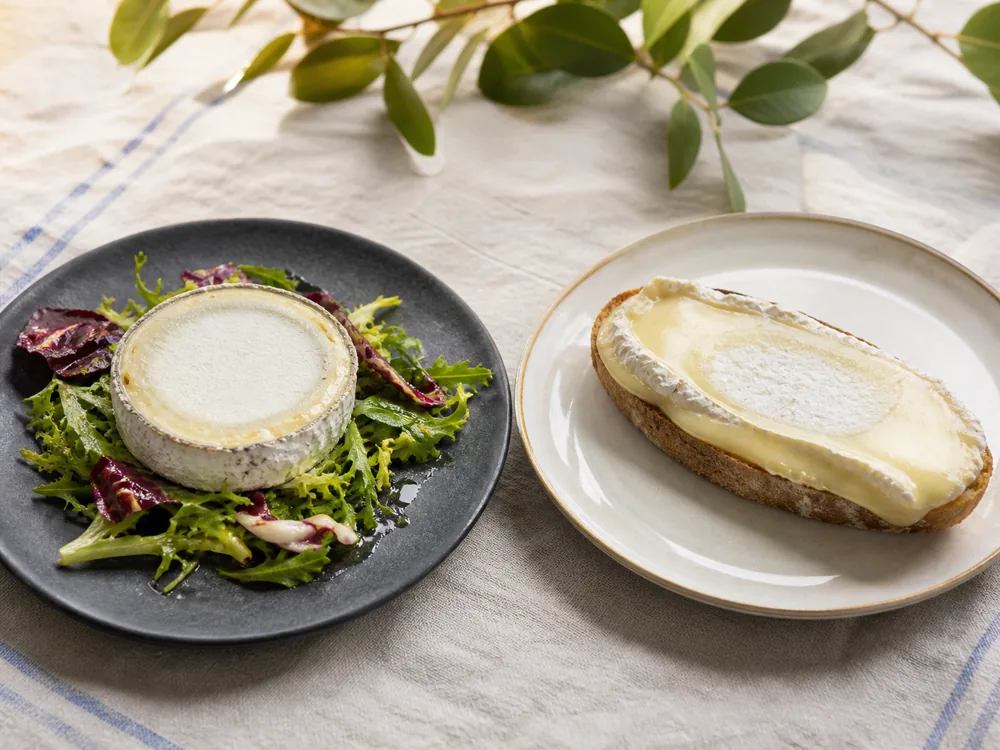
Use2Lay thicker slices on toast or crostini when you want the edge to soften without losing the center entirely.
Use3Cut younger coins over salads where the firmer core helps the cheese hold shape and stay bright.
Use4Use in simple warm dishes, but keep the heat gentle so the rind softens instead of collapsing the whole slice.
  • Board service: Mid-ripe medallions are the clearest expression because both zones stay visible.
  • Warm toast: A slightly riper cut spreads better and feels richer without turning runny.
  • Salads: Younger slices hold edges better and keep the lactic tang sharper against greens.
  • Light baking: Brief heat works, but long baking blurs the contrast that makes Bucheron worth buying.

The cheese rewards small format service. Random chunks hide the log logic and make Bucheron feel closer to generic soft goat cheese than it really is.

Pairings Should Match Tang First and Creaminess Second

Bucheron pairs best when the match respects the tang before chasing richness. Crisp acidity, dry bubbles, and lightly sweet fruit usually do more work than heavy tannin.

The creamy ring still matters, so the pairing should not feel thin or sharp. You want contrast with enough body to handle the rind-softened edge.

PairingTypeWhy It Works
SancerreWineLoire Sauvignon Blanc mirrors the cheese's fresh acidity and keeps the rind-softened edge from feeling heavy.
Cremant de LoireWineDry Loire bubbles lift the cream line and scrub the palate clean between bites of richer mid-ripe medallions.
Honey and walnutsFoodA small touch of sweetness and crunch works well when the center is still bright and the rind has started to soften.
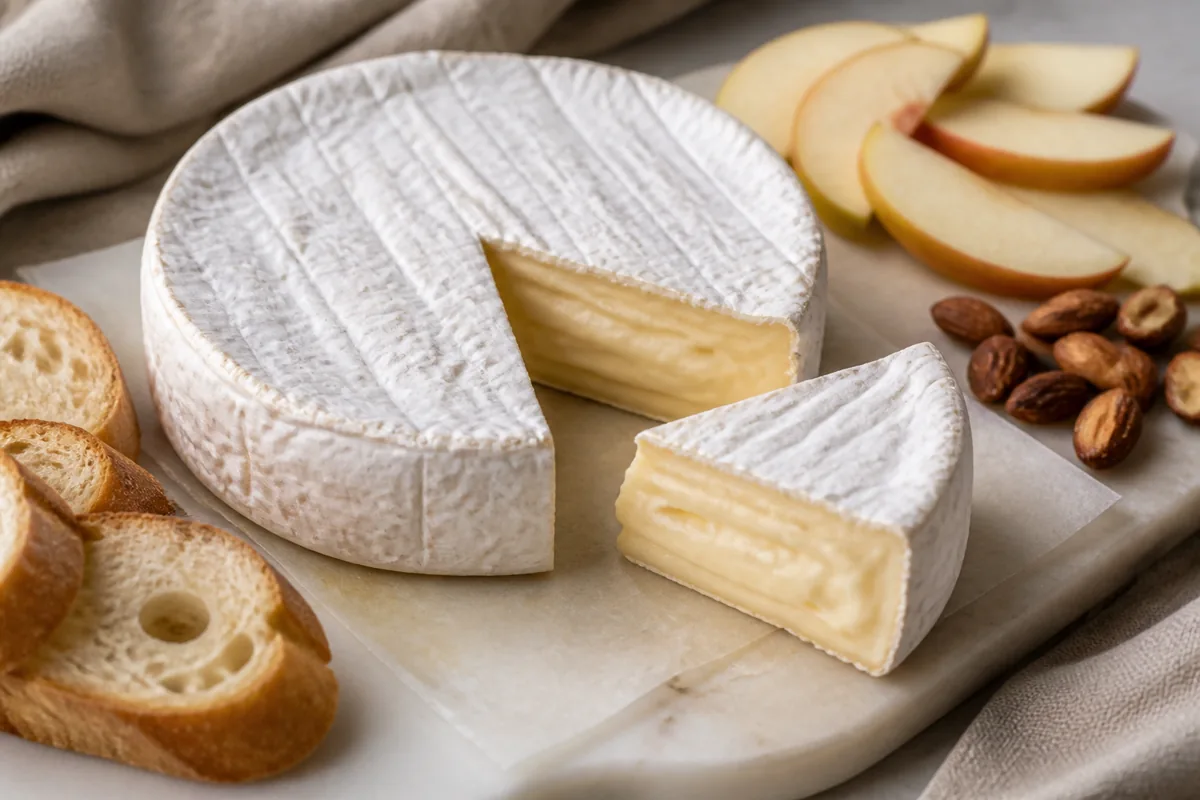
Apple slicesFoodCrisp apples add acid and texture, which keeps Bucheron from reading too dense on a mixed board.
  • Avoid big reds: Tannic reds flatten the tang and make the rind feel more bitter than it should.
  • Use dry bread: Plain baguette or crisp crackers let the chalk-to-cream contrast stay readable.
  • Go light on jam: Too much sweetness can hide the clean goat-milk finish that makes the cheese interesting.

If your real question is what to pour across a whole board, the broader pairing guide answers the job faster. Bucheron is one of the clearest reasons that guide matters.

Use that guide when the board includes several goat cheeses or mixed milk styles. This page is the tighter read when Bucheron is the main purchase decision.

Storage Works Best When the Rind Can Breathe

Bucheron is a living rind-ripened cheese, so storage is about balance rather than maximum sealing. You need enough protection to stop drying, but enough airflow to keep the rind from turning swampy.

The center and the edge do not age at the same pace once the log is cut. Good wrapping slows that split instead of trapping moisture against the rind.

STORAGE GUIDE
Fridge Temperature
35-40 degrees F
Best Location
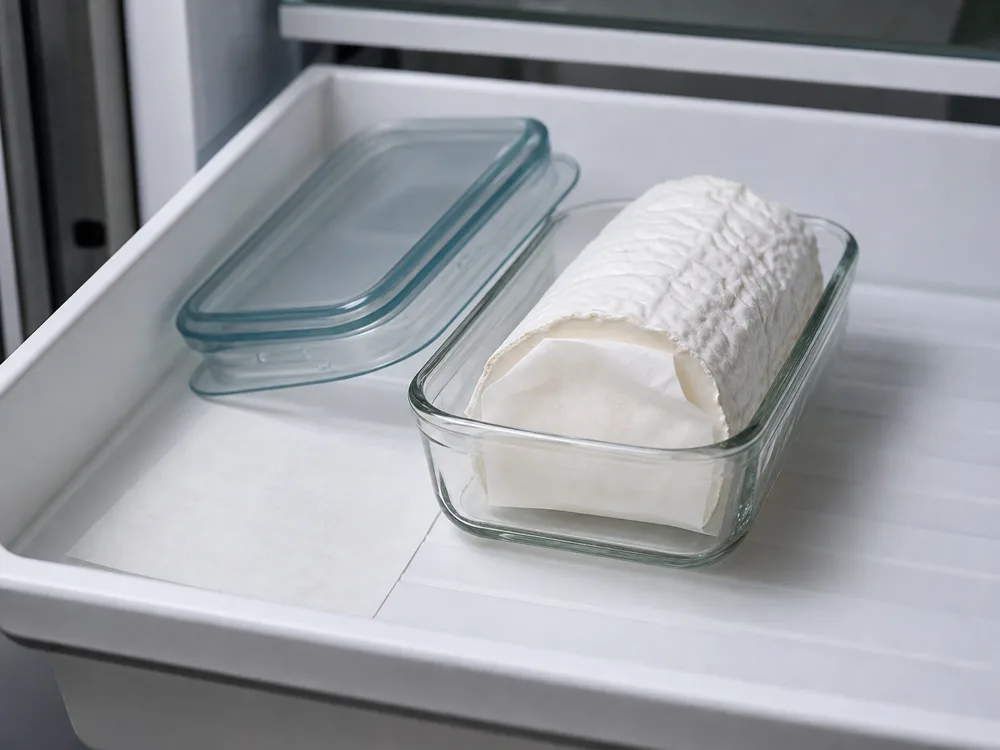
Cheese drawer or a lidded box with some air space
Wrapping
Cheese paper or wax paper first, then a loose outer layer
Opened
Best within 4 to 6 days after the cut face opens
Unopened
Use by the shop date, but check aroma and cream-line balance before serving
Freezing
Do not freeze unless you accept major texture loss
Room Temp / Serving
Let it warm 30 to 45 minutes before serving

Murray's storage rule for soft cheeses is right here: let the cheese breathe instead of suffocating it in tight plastic. Bucheron loses its texture story fast when the rind stays wet and the paste steams inside the wrap.

  • Best wrap: Paper against the rind protects the cut face without trapping too much moisture.
  • Bad wrap: Tight plastic makes the rind sticky and dulls the clean goat aroma.
  • Serving prep: A short rest at room temperature wakes up the cream line faster than the center.
  • Leftover plan: Rewrap after each use because exposed cut faces dry out well before the rind does.
✓ DO
Rewrap the cut face after each use with cheese paper or wax paper
Keep the log in the coldest steady part of the fridge, not near the door
Bring slices out shortly before serving so the creamy ring can open
Trim only damaged rind spots, not the whole rind
✗ DON'T
Do not seal Bucheron tightly in plastic wrap for days
Do not leave the log open in the fridge where the cut face can dry hard
Do not freeze it if texture contrast matters to you
Do not ignore ammonia smells on an older cut piece

Storage is part of the buying value here. A small well-kept log can give you several strong servings, but a suffocated one turns flat and messy before the week is over.

Buying by Ripeness Window Beats Buying by Name Alone

The smartest Bucheron purchase starts with your serving plan, not the label alone. You need to know whether you want sharper medallions for salad and boards or a softer piece for toast and crackers.

Ask the seller when the log was cut and how ripe the center looks today. The answer matters more than paying a little more for a prettier wrapper.

BUYING TIPS
Best Value
A mid-ripe cut with a visible cream ring and a center that still looks matte and structured.
Premium Pick
A well-ripened French cut with an even wrinkled rind and a clean bright cross-section.
What to Avoid
Wet rind, collapsed center, sharp ammonia, or a cut face that looks smeared and tired.
Where to Buy
Independent cheese shops, strong supermarket cheese counters, and French-specialty retailers.
What to Look For
A clean wrinkled rind, clear cream-line contrast, and a cut face that still shows two distinct zones.
  • For boards: Buy the stage where the center still reads clearly and the creamy ring frames it.
  • For toast: Buy a slightly riper piece with a wider cream line and less chalk in the middle.
  • For salads: Buy younger if you want neat coins that hold shape after slicing.
  • For leftovers: Skip overripe pieces because the center and rind will drift apart faster after the first cut.
BUCHERON BUYING AND SERVICE SCORES
Texture Contrast95/100
Board Value90/100
Toast Use84/100
Availability58/100

The score gap is the whole market story. Bucheron is excellent when you find the right cut, but it is less common than broad grocery-store goat cheese and far less forgiving once overripe.

If You Cannot Find Bucheron

The best substitute depends on which part of the cheese matters most to you. Almost no replacement gives you the same goat tang, rind influence, and two-zone cross-section together.

If the main goal is texture contrast, stay in the Loire goat family first. If the main goal is simple creaminess, move toward other soft-ripened cheeses and accept the milk change.

  • Valencay: Best when you still want a French goat board cheese with stronger ash-rind character.
  • Selles-sur-Cher: Best when you want a smaller Loire goat cheese with a firmer puck shape and more cellar edge.
  • Fresh goat cheese: Best when the real need is bright tang, even though you lose the creamy rind-softened ring.
  • Cream cheese: Best only when you need soft spreadability, because the rind, tang, and serving job all change.

If you only need whipped mildness, fresh ricotta is a closer texture move than most Loire goat peers. You still give up the rind and most of the tang.

If the real job is salty white-cheese structure, brined feta pulls the plate in a brinier direction. It solves a different problem than Bucheron does.

If the table only needs rich white-rind softness, triple-cream Saint-Andre goes in the opposite direction. It gives you butterfat and spreadability instead of goat tang and a two-zone slice.

Bucheron is easiest to replace by choosing the job instead of chasing the name. That is also why a direct one-size substitute guide would miss the point.

Bucheron Nutrition and Pregnancy Notes

Bucheron is a moderately rich goat cheese, so small portions go a long way. The chalky center can make it feel lighter than triple-cream cheese, but it still delivers real fat and protein per ounce.

~100
Calories per oz
~6 g
Protein per oz
~8 g
Fat per oz
Soft-ripened
Style class

Those numbers are useful for planning a board or lunch, not for treating Bucheron like a diet cheese. The rind and moisture make it feel graceful, but it is still a concentrated dairy food.

  • Portion reality: Two or three medallions often feel like enough because the flavor and texture shift across the slice.
  • Protein help: The cheese brings enough protein to feel substantial, not only creamy.
  • Pregnancy caution: Soft-ripened goat cheeses need more care than hard aged cheeses because pasteurization and handling both matter.
CHECK THE LABEL
Pasteurization matters, but Bucheron is still a soft-ripened goat cheese. Pregnant readers should follow current medical advice and buy only from a cold, clearly handled source.

That caution belongs to the style, not only to the milk. When in doubt, ask the seller how it was made and stored before you buy it.

SOURCES & REFERENCES
1.
Organic Bucheron product details
reference
2.
Bucheron product and storage notes
reference
3.
Loire Valley goat-cheese background
government
4.
Generic goat cheese nutrition baseline
government

Bucheron FAQ

These are the shopper questions that usually come up before someone commits to a cut section. The answers matter most at the counter and on the board.

Bucheron tastes tangy, lemony, and lightly earthy with more richness at the edge than at the center. Mid-ripe cuts also show a creamy ring around a brighter chalkier middle.
Yes. In a younger or mid-ripe cut, the chalky center is part of the intended structure. Bucheron ripens from the rind inward, so the middle softens later than the edge.
Serve it in medallions or short wedges so the cross-section stays visible. It works especially well on boards, toast, salads, and simple snacks with crisp fruit or dry bread.
Fresh goat cheese is usually uniform from edge to center and much younger. Bucheron adds a ripened rind, a creamy outer ring, and a stronger sense of stage-specific buying.
Use it within about 4 to 6 days for the best balance. Rewrap it after each use, keep it cold, and let it warm briefly before serving so the creamy ring can open up again.