Cheese Profile

Can Amul Cheese Spread Replace Cream Cheese in Toasties?

Amul Cheese Spread is a processed Indian cheese spread for toast, sandwiches, and quick snacks. Learn how it differs from cheese cubes, cream cheese.

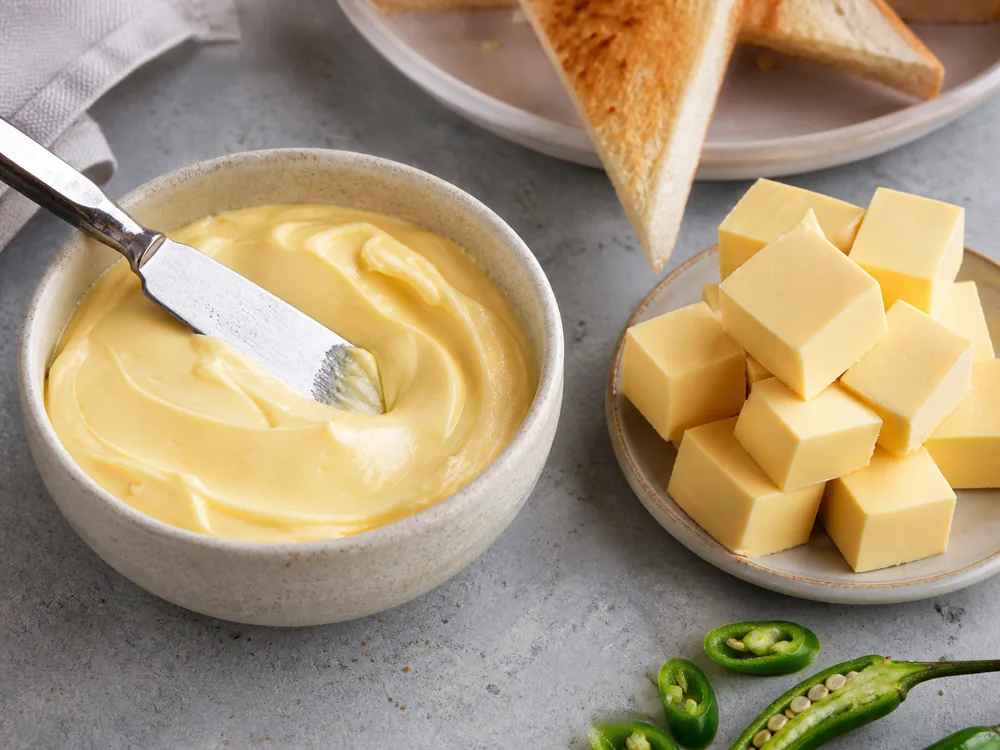
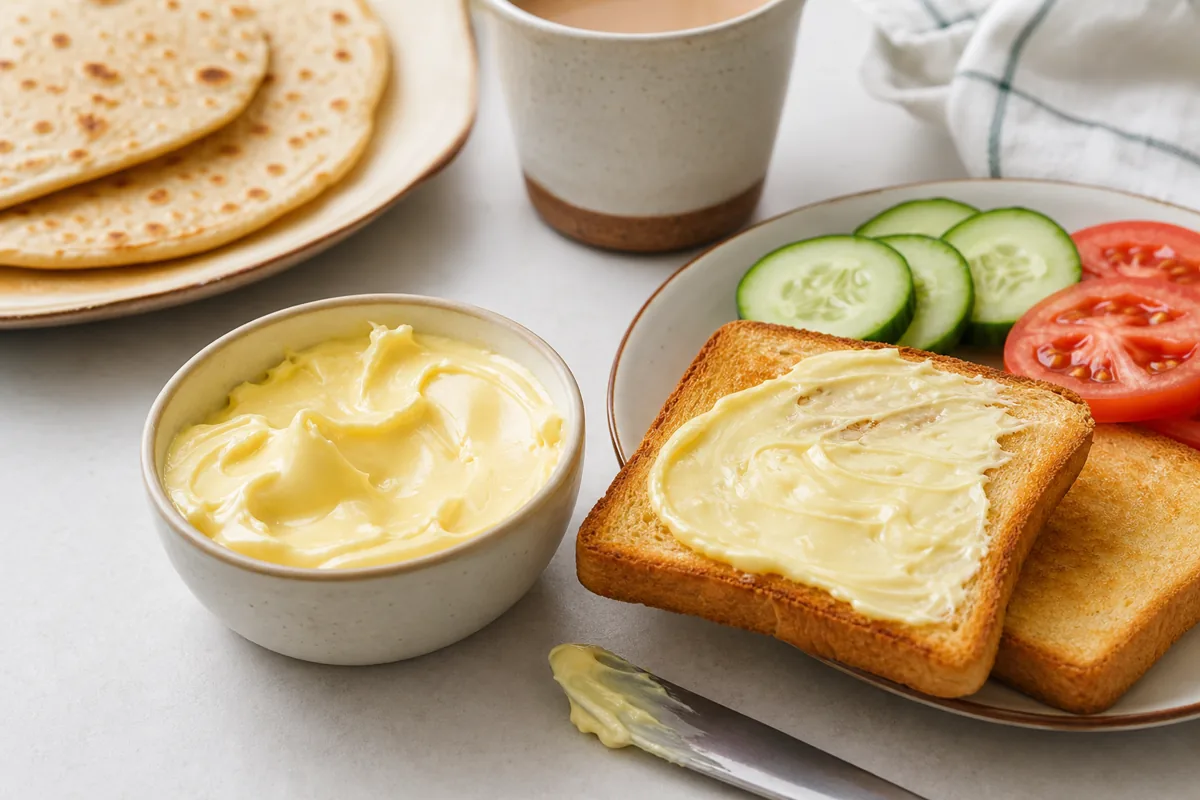
Smooth cheese spread on toast with cucumber tomato and flatbread - Amul Cheese Spread | KnowTheCheese
AMUL CHEESE SPREAD QUICK FACTS
OriginIndia
MilkDairy-based processed cheese spread, exact formula depends on current label
TextureSmooth, spoonable, and spreadable
RindNone
AgingNot aged like natural cheese
Fat Contentvaries by label
AvailabilityCommon in India and Indian grocery channels
Priceeveryday
PregnancyCheck the label and storage
Lactosemoderate

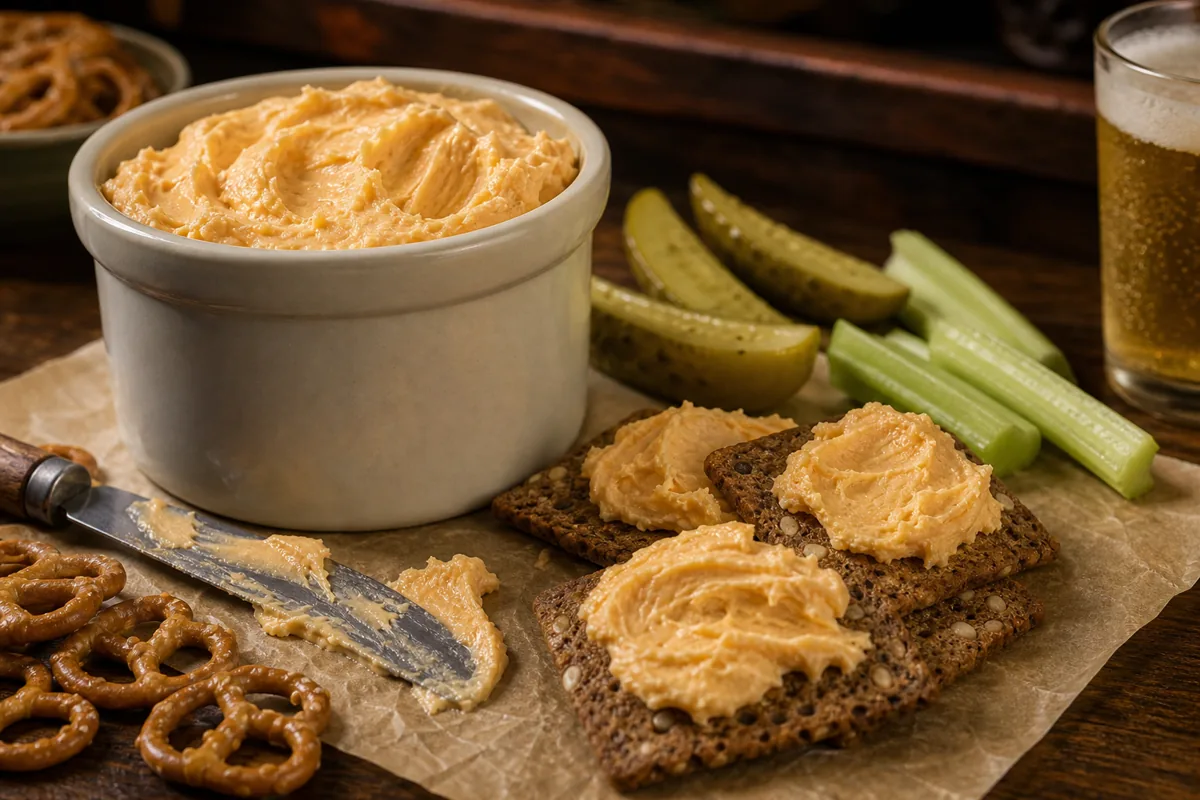
Amul Cheese Spread is a smooth processed cheese spread made for toast, sandwiches, crackers, and quick snacks. It is not a natural aged cheese, and it is not the same kitchen tool as a block of processed cheese cubes.

The answer comes first because the name can mislead. Buy it when you want easy spreading and a mild salty cheese flavor.

Do not buy it when you need a cheese pull, a grating cheese, or the fresh dairy tang of cream cheese.

For a slice that melts flat on a hot burger, buy American cheese instead. Cheesecake and frosting need the sour tang of cream cheese, and cubes that hold their shape in a simmering curry need paneer.

What is Amul Cheese Spread?

Amul Cheese Spread is a processed cheese spread sold for everyday snack use. It is designed to be soft enough to spread straight from the fridge or after a short rest, depending on temperature.

That makes it different from a natural cheese profile. There is no rind to judge, no cellar age to compare, and no cut face that tells a ripening story.

The product is judged by spreadability, salt, smoothness, and how well it works in simple food.

Product laneProcessed cheese spread
TextureSmooth and spreadable
Best useToast, sandwiches, crackers, rolls, and snack fillings
Not built forStretchy melt or cheese board tasting

The Indian context matters. Many readers are not asking for a European table cheese.

They want to know whether the tub works on toast, paratha, sandwiches, or a quick school snack.

  • Best first description: processed cheese spread.
  • Main texture cue: smooth, soft, and knife-friendly.
  • Main flavor cue: mild cheese, salt, dairy richness, and low tang.
  • Main buyer decision: choose spread for convenience, not artisan complexity.

Spread is the point, not rind or aging

The main feature is texture. A good cheese spread should move easily across toast without tearing the bread.

It should look smooth, not grainy or separated.

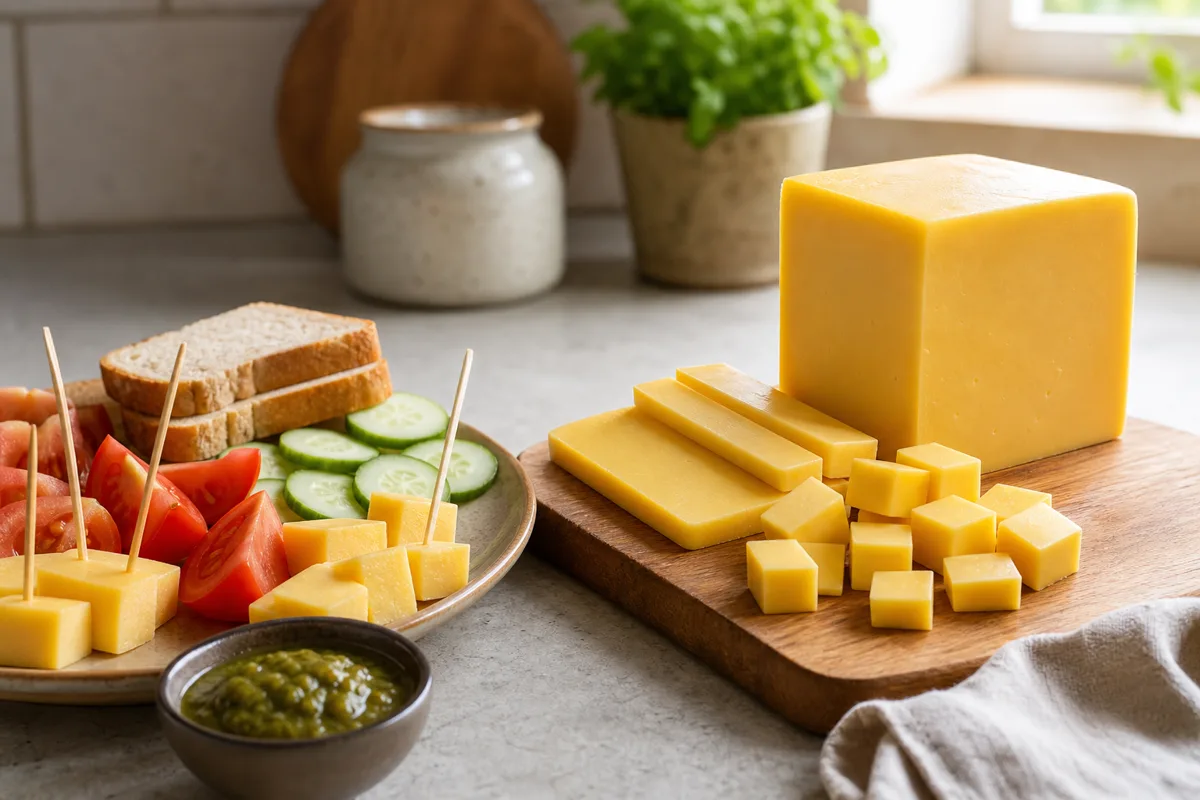
Smooth cheese spread beside processed cheese cubes and toast - Amul Cheese Spread | KnowTheCheese
Spreadability is the key difference: a tub spread solves toast and snack filling, while cubes behave more like sliceable processed cheese.

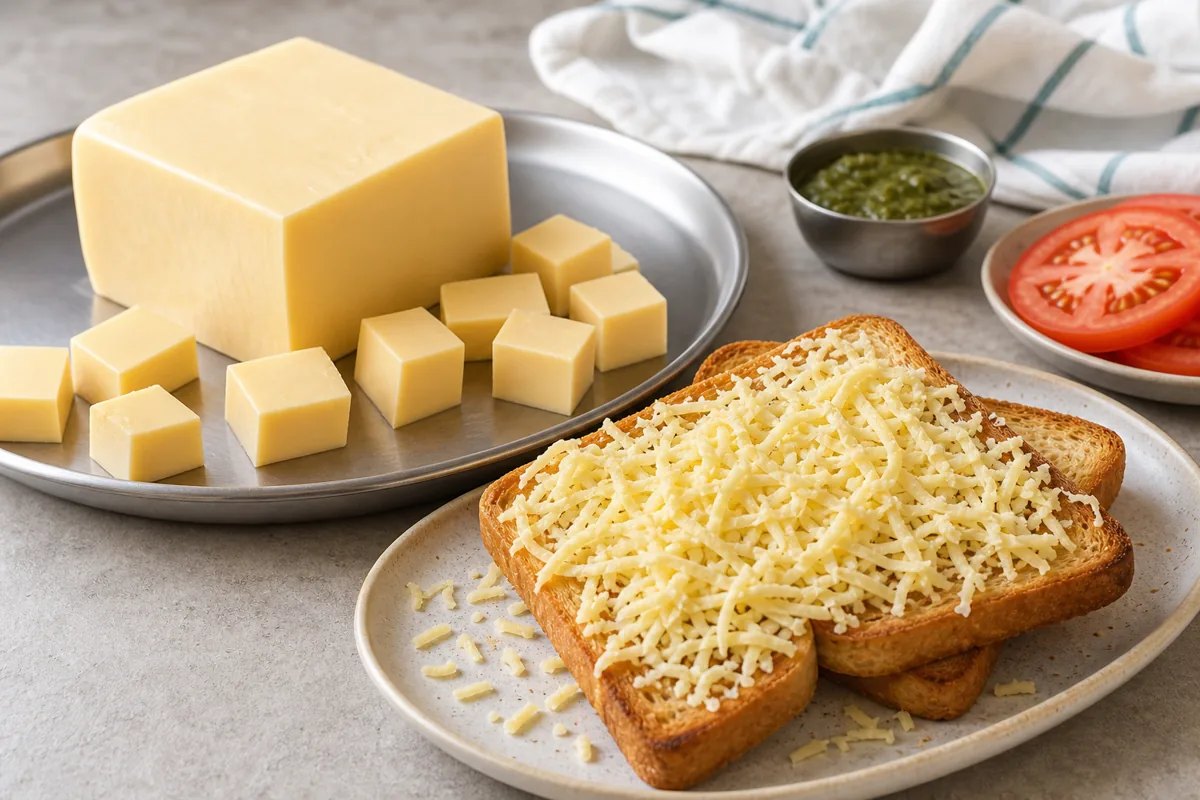
Blocks and cubes ask for a knife, grater, or heat.

Spread asks for bread. That simple difference changes the whole use case.

Cheese spread vs processed cheese cubes
Cheese spreadProcessed cheese cubes
Soft from the tubFirm and sliceable
Best on toast and crackersBest grated or cubed into hot food
Creamy snack textureStronger shape and portion control
Less useful for cheese pullStill limited compared with melt-first slices

If you want a clean board cheese, choose something else. If you want a fast salty spread for a snack, this product is built for that job.

  • Use spread: toast, crackers, rolls, and quick sandwich filling.
  • Use cubes: grated toppings, diced fillings, and firmer snack pieces.
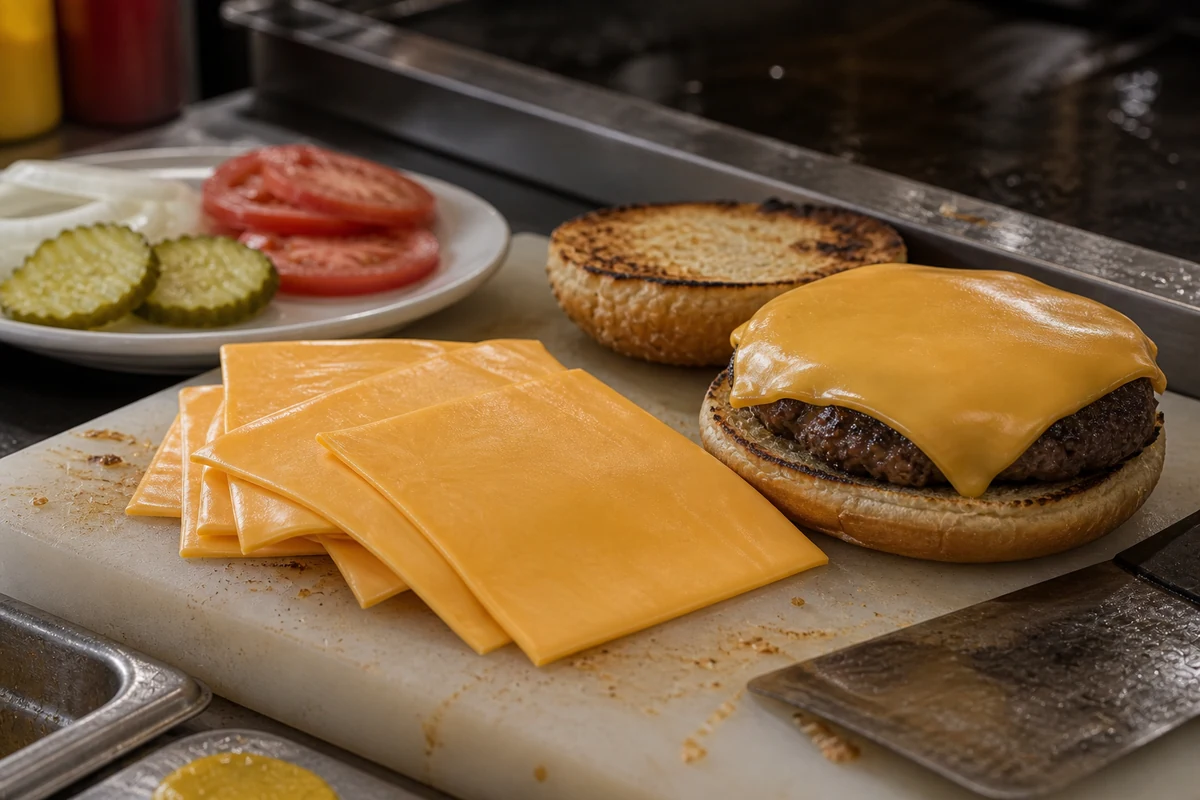
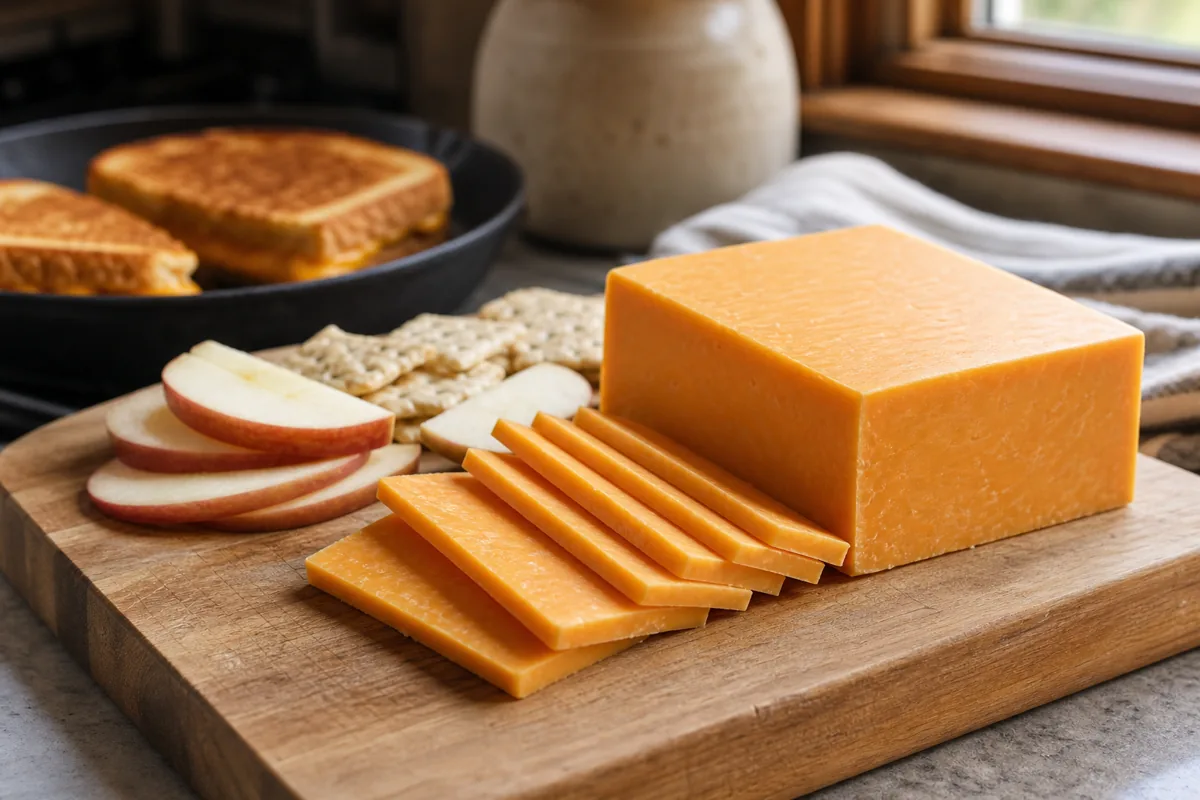
  • Use slices: burgers and grilled cheese texture where clean melt matters.

What does Amul Cheese Spread taste like?

Expect a mild processed cheese flavor with salt, dairy richness, and a smooth finish. It should taste less tangy than cream cheese and less sharp than Cheddar.

The texture makes the flavor feel richer than the same amount of hard cheese. A thin layer can taste enough on toast because the spread touches the whole surface.

Temperature moves the balance more than anything else. Straight from the fridge the salt lands first and the dairy sits quiet behind it, and after ten minutes on the counter the spread loosens and the milky side comes forward.

The bread underneath changes the reading too. On plain white sandwich bread the salt is the loudest thing in the bite, while butter or a hot paratha rounds it off and pushes the cheese into the background.

Compared with sharp natural-cheese flavor, the spread is milder and less sharp. Compared with cream cheese, it usually tastes more processed-cheese-like and less cultured.

Compared with paneer, it is much saltier and smoother.

Nothing lingers after you swallow. That short finish is why a sweet chutney or a sharp lime pickle beside it still gets heard instead of being flattened.

If the product tastes sour, fizzy, bitter, or separated, do not try to rescue it with spices. That is a storage or freshness issue.

Use it in toasties when you want creamy filling, not stretch

Amul Cheese Spread works well in toasties because it gives an even creamy layer. It does not need heavy melting to become useful.

That is the advantage over firmer cheese when the snack needs speed.

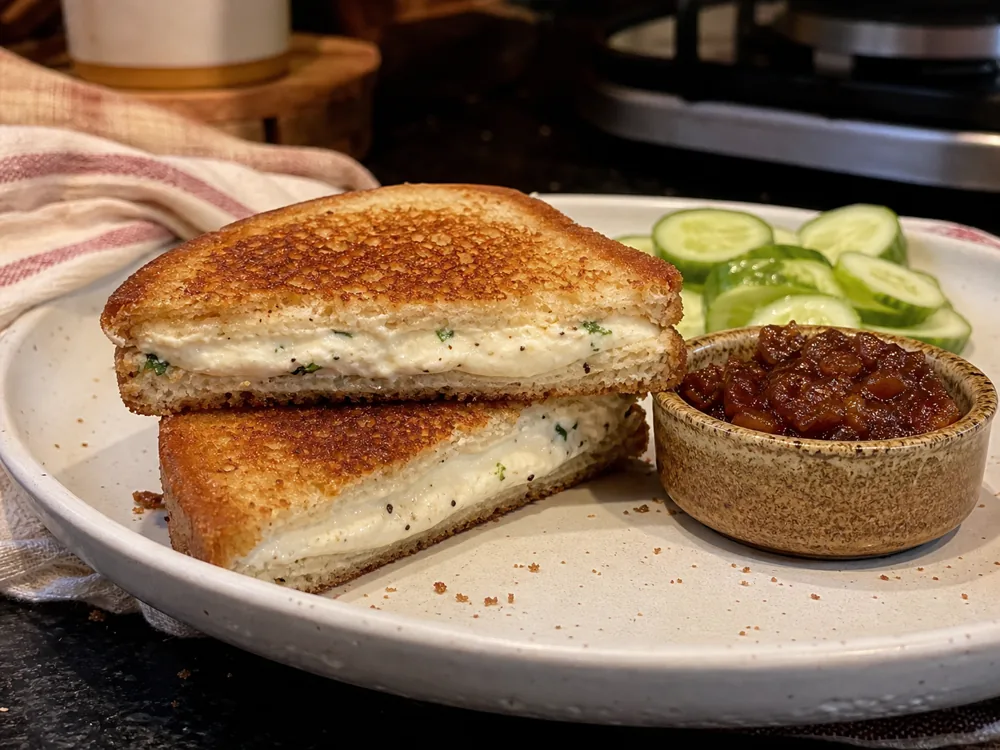
Toastie with smooth cheese spread filling and chutney - Amul Cheese Spread | KnowTheCheese
A toastie is a better test than a cheese pull. The spread should give a smooth filling, not long stretchy strands.

Use it on toast, crackers, sandwich bread, chapati rolls, paratha rolls, and vegetable sandwiches. It also works as a binder for corn, peppers, onions, herbs, or chutney when the filling should stay creamy.

Take the layer right out to the crust before anything else goes on the bread. It then works as a seal, and wet chutney or chopped tomato stays inside instead of soaking the edge and burning in the pan.

Keep that layer thin. A thick one goes loose in the middle of a hot sandwich and runs out of the cut face the moment you press down on it.

Medium heat suits it better than a hot pan. The bread needs time to color while the filling warms through, and high heat browns the outside before the middle is even warm.

UseHow It Works
Use 1Spread thinly on toast, then add cucumber, tomato, or chutney.
Use 2Use in toasties when you want creamy filling rather than stretch.
Use 3Mix with corn, peppers, or herbs for quick sandwich filling.
Use 4Use on crackers or rolls when a hard cheese would feel dry.

For pizza, lasagna, or a sauce, choose a cheese built for heat. A spread can help a snack, but it is not a replacement for the best melting cheeses.

Where it beats cream cheese, and where it loses

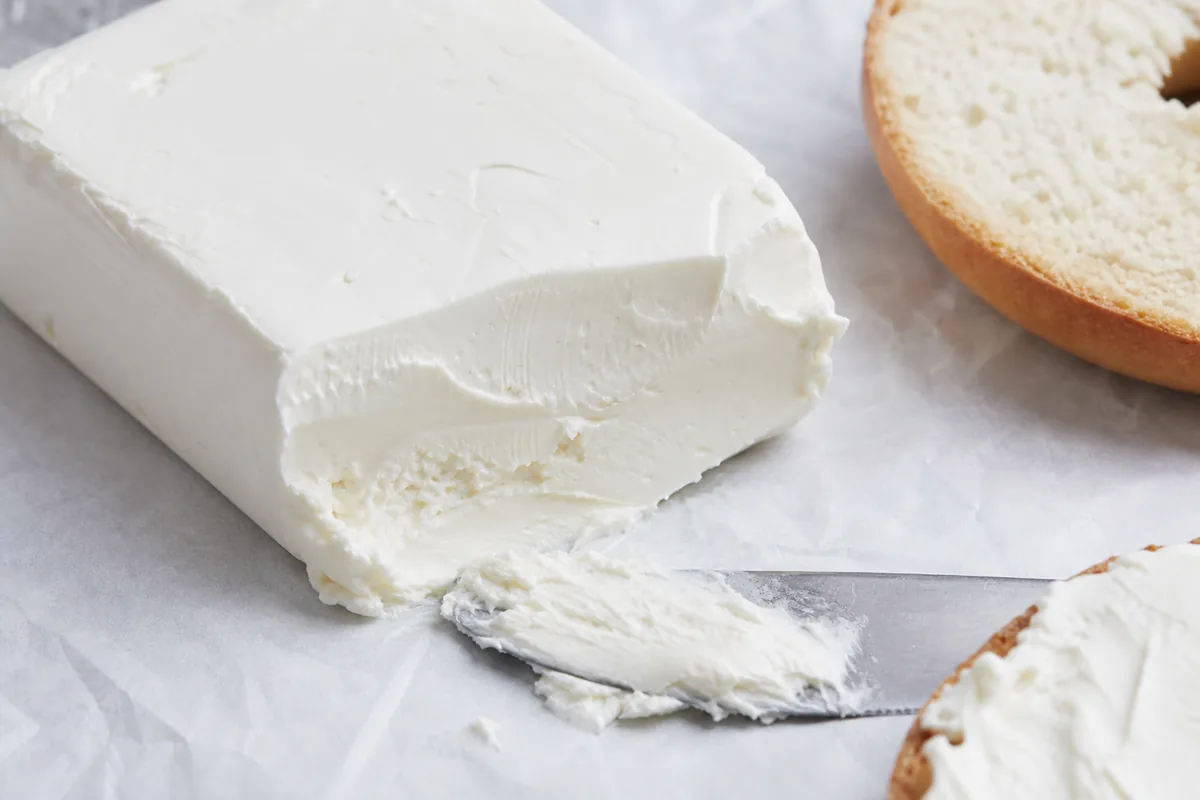
Amul Cheese Spread beats cream cheese when the dish wants a processed cheese flavor and more salt. Cream cheese wins when the dish needs tang, frosting structure, cheesecake behavior, or cultured dairy flavor.

That distinction matters because both are spreadable. Spreadability does not mean they are interchangeable.

An oven shows the gap fastest. Cream cheese firms up as it cools and holds a clean slice, while the spread stays soft whatever the heat does to it.

A cold bowl reverses the advantage. The spread arrives already salted, so stirring in chopped onion and green chili is the whole recipe, where cream cheese needs salt and acid before it tastes of anything at all.

Amul Cheese Spread vs cream cheese
Toast and quick savory snacksAmul Cheese Spread usually fits better
Cheesecake and frostingCream cheese fits better
Tangy dipsCream cheese or yogurt-based dips fit better
Processed cheese flavorAmul Cheese Spread fits better

If you are replacing cream cheese in a baked dessert, use the cheesecake and frosting swap path instead. If you are replacing a cheese spread in a toastie, a mild processed slice or a little American cheese can work better.

For dessert structure, the cream-cheese versus mascarpone decision is closer than a processed spread.

Refrigerate Amul Cheese Spread After Opening

Store cheese spread cold and sealed. The tub format is convenient, but every spoon or knife contact brings a handling risk.

Use a clean knife and close the lid right after serving.

STORAGE GUIDE
Fridge Temperature
35-40 degrees F
Best Location
Cold fridge shelf, not a warm door spot
Wrapping
Keep in original sealed tub with a clean lid
Opened
Follow the label and use promptly after opening
Freezing
Not recommended, because texture can split
Room Temp / Serving
Do not leave out through a long meal or party

Do not double dip from toast back into the tub. That one habit shortens the useful life of a spread faster than most people expect.

Cold spread is stiff for the first minute out of the fridge. Lift out what you need and put the tub straight back rather than leaving it on the counter to soften.

Read the surface of the tub, not only the date. A dry skin across the top, a ring of clear liquid at the rim, or a grainy patch where a knife went in all say the tub has been open too long or left warm.

✓ DO
Use a clean dry knife each time
Keep crumbs and chutney out of the tub
Close the lid before putting it back in the fridge
✗ DON'T
Do not leave the tub open on the table
Do not freeze it for normal use
Do not use it if it smells sour or looks separated

The same storage logic applies to other soft dairy products. The difference is that spread is often used for quick snacks, so careless handling happens more often.

  • For lunchboxes: spread on bread at assembly time so it does not sit open on the counter.
  • For parties: spoon a small amount into a bowl instead of serving from the whole tub.
  • For leftovers: follow cold cheese storage habits and keep strong odors away.

Best substitutes for Amul Cheese Spread

The best substitute depends on the job. For toast and sandwiches, use another processed cheese spread.

For a toastie, use American cheese, mild processed slices, or a blend of cream cheese and shredded cheese. For Indian cooking, paneer solves a different job because it stays firm.

Do not substitute by color alone. A pale yellow spread, a white cream cheese, and a block of processed cheese can all look mild, but they behave differently.

Match the salt before you match the texture. A swap that spreads the same way but arrives unsalted, such as plain cream cheese or thick strained yogurt, tastes flat on toast until you season it yourself.

Whipping a firm cheese does not turn it into a spread. Grated cheddar beaten with soft butter gets close on a cracker and still tears soft bread apart under the knife.

Amul Cheese Spread substitutes by use
Toast and crackersAnother processed cheese spread
ToastiesAmerican cheese or mild processed slices
Creamy savory dipCream cheese with salt and seasoning
Indian cooked cubesPaneer, but expect no spreadability

For burgers and grilled cheese, hot sandwich cheese choices are more useful than a spread. For burgers, a burger-focused cheese pick will melt and cling better.

For a cold snack plate, a mild cheddar or Colby gives more real-cheese bite but less convenience.

  • Closest everyday swap: another processed cheese spread.
  • Better hot sandwich swap: American cheese or mild processed slices.
  • Better natural-cheese swap: mild cheddar, Colby, or Monterey Jack, with less spreadability.

If you need a dairy-free substitute, choose a plant-based spread made for toast. Do not expect it to taste the same.

The main job to protect is smooth spreadability.

Read the Amul Spread Label for Fat and Sodium

Processed cheese spreads vary by label. Check the current package for calories, fat, sodium, protein, and ingredients.

Sodium is the number most readers should notice because spreads are easy to apply heavily.

processed
Product type cheese spread
thin layer
Best portion control on toast or sandwich bread
sodium
Main caution check current label

Pregnancy safety depends on pasteurization, sealed storage, and handling. A sealed processed dairy spread is different from an unpasteurized soft cheese, but an opened tub still needs clean utensils and refrigeration.

CHECK THE LABEL
Check the current label, keep the tub refrigerated, and avoid any spread that has been left warm, contaminated with crumbs, or past its date.

For most homes, the practical rule is enough. Buy the size you can finish, keep it cold, and use a clean knife every time.

SOURCES & REFERENCES


1.
Cheese.com, 2026 Cheese Reference
Used for identity and product-style context.

2.
Amul, 2026 Brand Reference
Used for brand and current-label caution. Product formulas and availability can change by market.

3.
USDA Food Safety and Inspection Service, 2026 Food Safety Reference
Used for cold-storage handling principles for opened refrigerated dairy spreads.

Amul Cheese Spread is a processed cheese spread used for toast, sandwiches, crackers, rolls, and quick snacks. It is smooth and spreadable rather than aged or rind-based.

No. Both are spreadable, but cheese spread has a processed cheese flavor and usually more salt. Cream cheese is tangier and better for cheesecake, frosting, and cultured dairy uses.

It softens in warm food, but it is not built for stretchy melt. Use it for creamy toasties and snacks, not for cheese pull or pizza-style melting.

Use another processed cheese spread for toast, American cheese or processed slices for toasties, or cream cheese with seasoning for creamy dips.

Keep it sealed in the refrigerator, use a clean knife, avoid crumbs in the tub, and follow the date and storage directions on the current label.