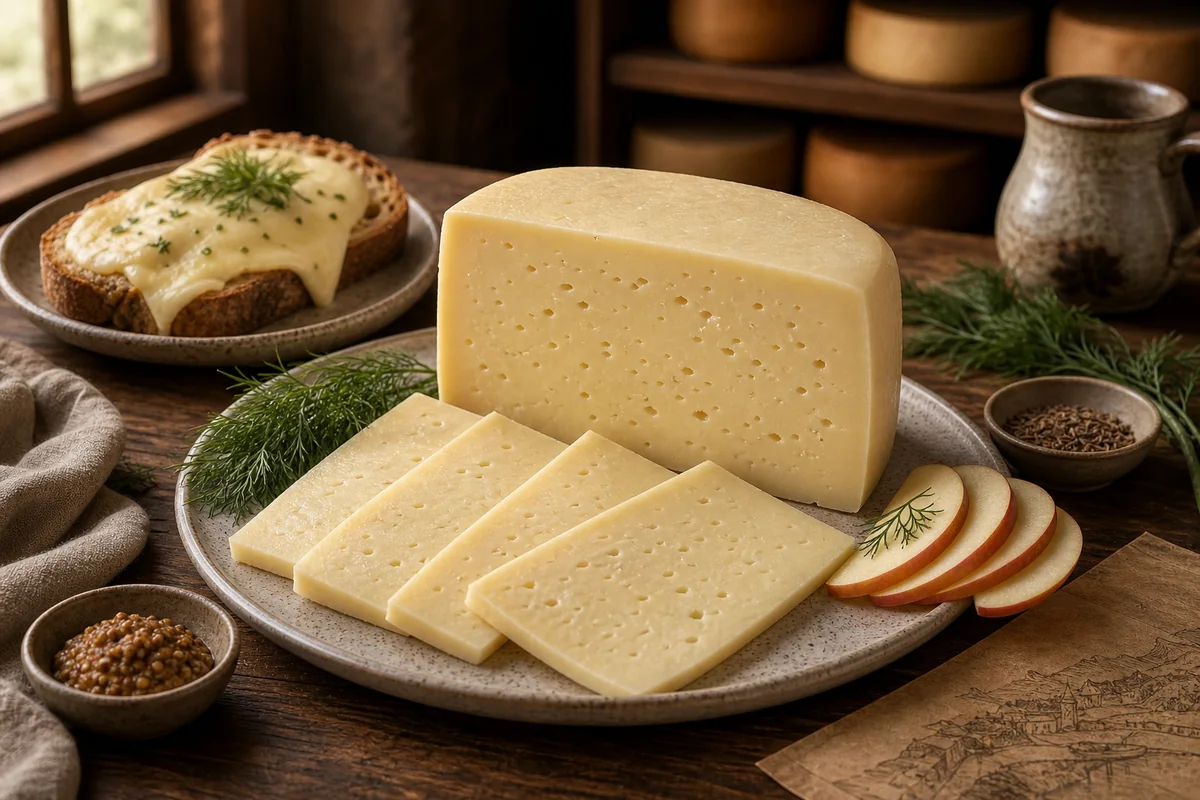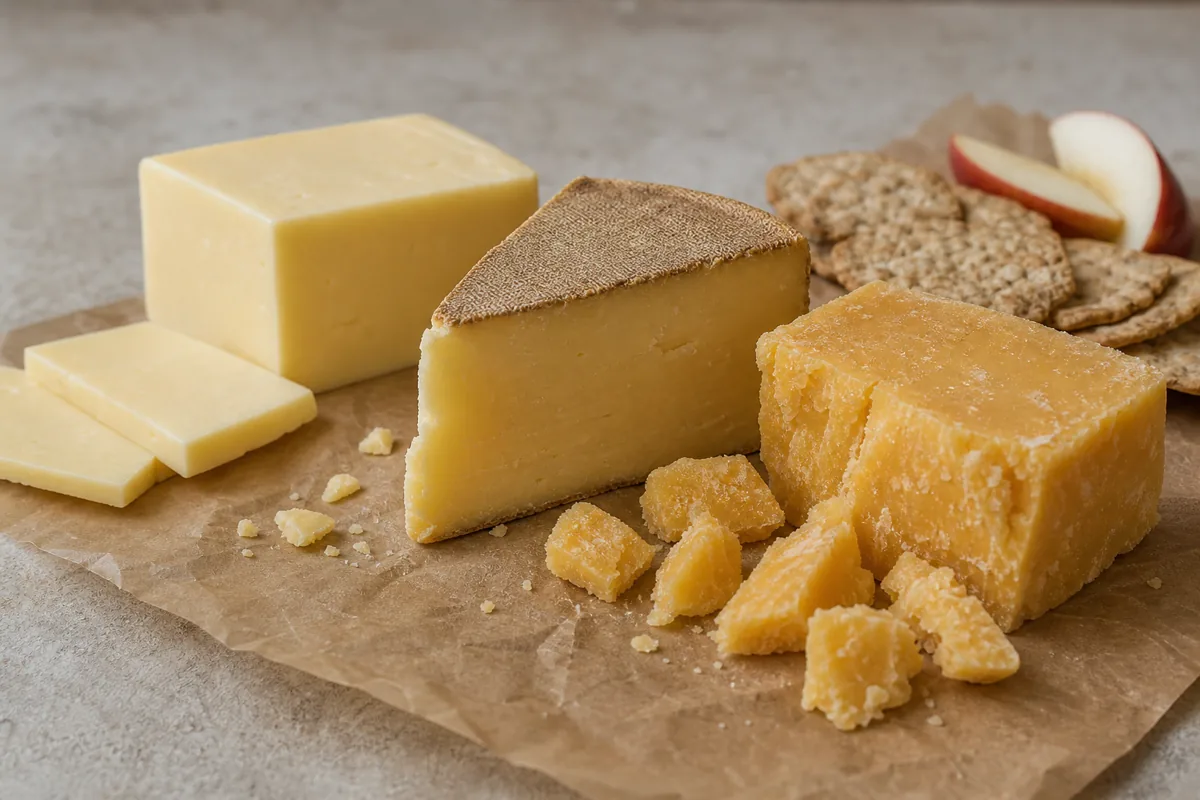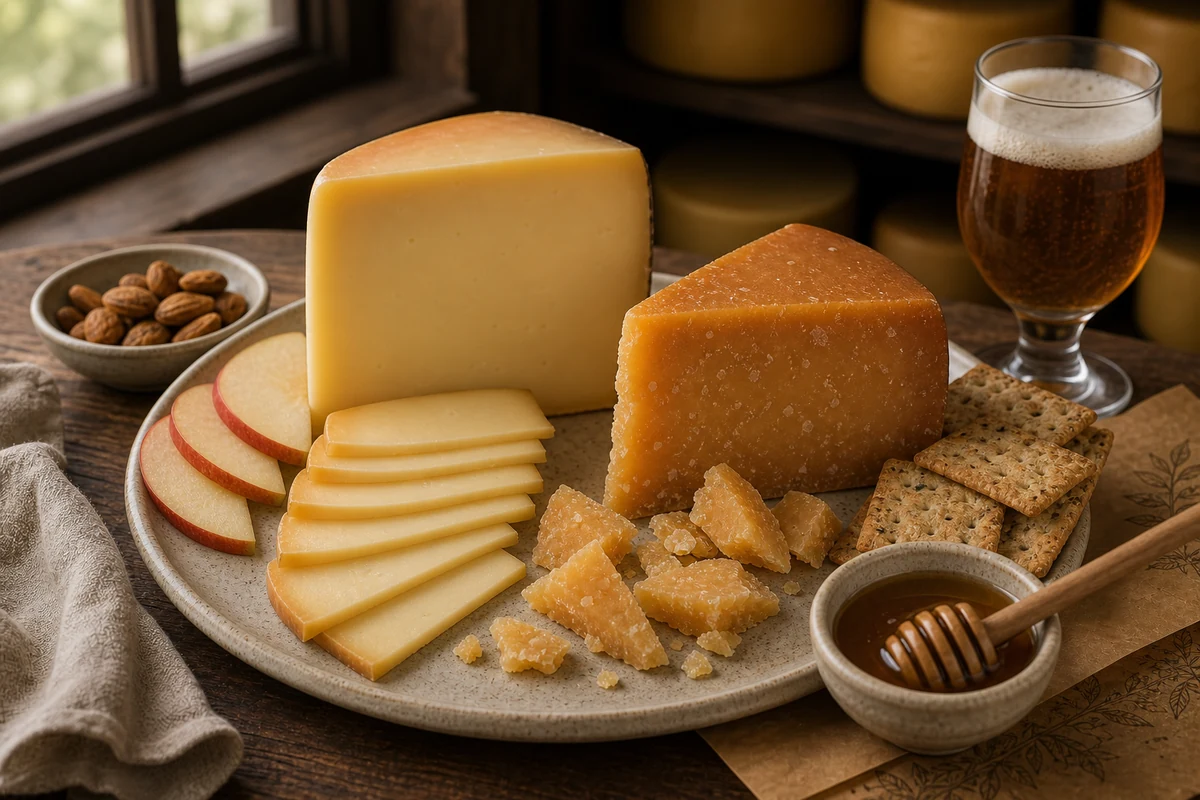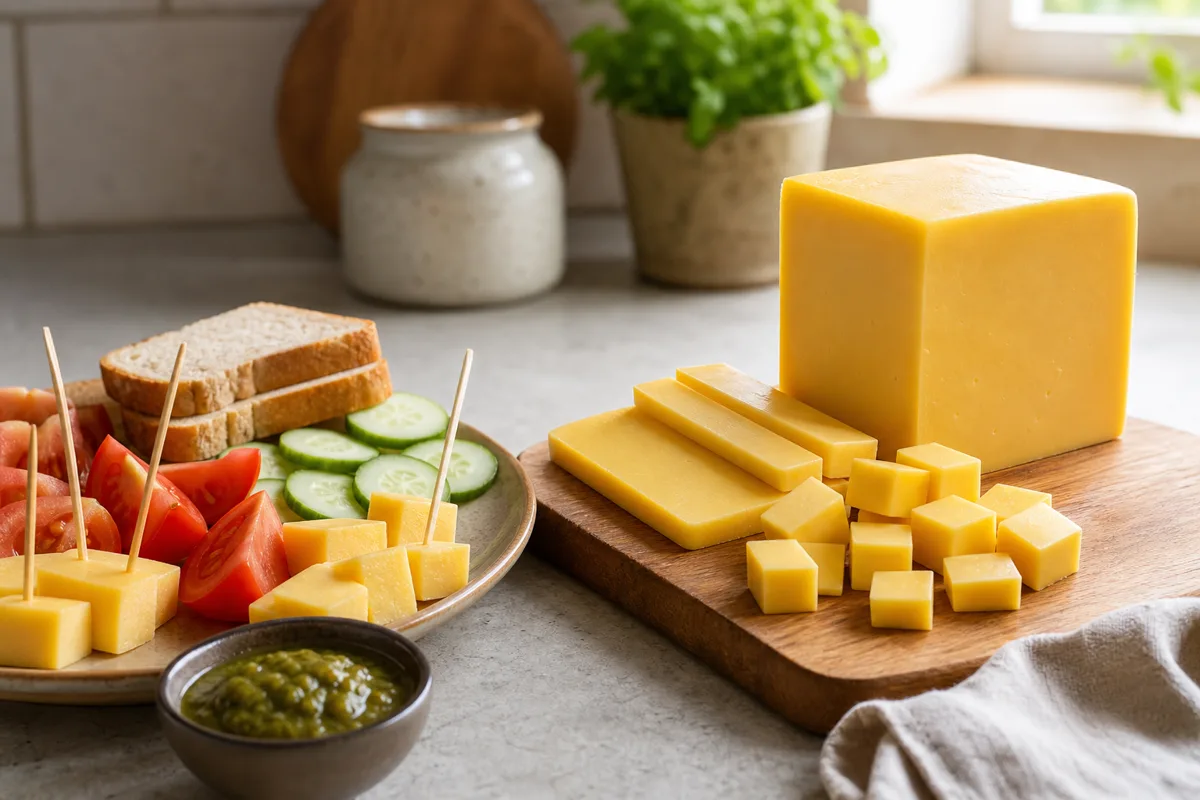
Amul Gouda is sold as a Gouda cheese product, while Amul Processed Cheese and Amul Cheese Spread are separate products in the brand's range. The current retail listing for Amul Gouda names milk solids, iodized salt, a firming agent, microbial rennet, and active culture, so you should buy and use it as the exact pack named “Amul Gouda,” not as a generic substitute for every Amul cheese.
The product listing describes a 250 g vegetarian pack. Amul's food-service catalogue also lists Gouda wheels in 250 g, 1 kg, and 4.5 kg sizes, with a stated shelf life of 180 days for the packaged product.
In This Article
Is Amul Gouda Processed Cheese?
The clearest answer is that Amul markets Gouda and Processed Cheese as different products. The current Gouda listing uses the name “Amul Gouda Cheese” and includes active culture and microbial rennet; Amul's separate processed-cheese products carry their own product names.
That distinction is more useful than judging the product from the word “Amul” alone. A recipe that says only “Amul cheese” may mean a processed block, a slice, a spread, or Gouda, and those products will not give the same salt level or texture.
Indian food standards define Gouda as a ripened semi-hard cheese made by coagulating milk with suitable cultures and enzymes. The exact pack label remains the authority for the product you have, especially if its formulation changes.
What Are the Ingredients in Amul Gouda?
The current Zepto listing names five ingredient groups: milk solids, iodized salt, firming agent INS 509, microbial rennet, and active culture. INS 509 is calcium chloride, a firming agent used in cheesemaking.
The listing says “milk solids” rather than naming cow, buffalo, or another milk species. It also does not state pasteurization on the page we reviewed, so those details should come from the pack in your hand rather than from an older directory entry.
Product pages and formulations can change. Read the ingredient list, allergen statement, date, and storage directions on your own pack before serving it to someone with an allergy, pregnancy-related concern, or another medical restriction.
What Does Amul Gouda's Nutrition Label Show?
The current retail listing gives nutrition per 100 g: 348 kcal, 24.5 g protein, 27 g total fat, 16 g saturated fat, 1.7 g carbohydrate, and 1,050 mg sodium. These figures apply to that listing and serving basis; they are not values for every Gouda cheese.
| Nutrient | Amount |
|---|---|
| Energy | 348 kcal |
| Protein | 24.5 g |
| Total fat | 27 g |
| Saturated fat | 16 g |
| Carbohydrate | 1.7 g |
| Sodium | 1,050 mg |
For a 25 g portion, one quarter of each per-100 g figure is a useful estimate: about 87 kcal, 6.1 g protein, 6.8 g fat, and 263 mg sodium. We calculated those portion figures from the listing; they are not a separate laboratory result.
What Does Amul Gouda Taste Like?
The current label sources do not publish a detailed tasting profile, and we did not taste a verified current pack. Gouda as a category is generally semi-hard and suitable for slicing, but age and formulation can change its sweetness, firmness, and aroma.
If you are comparing products at the shop, expect the named Gouda pack to serve a different purpose from a spread or individually wrapped processed slice. Let a small piece lose its refrigerator chill before deciding whether its flavor suits a board or sandwich.
How to Use Amul Gouda
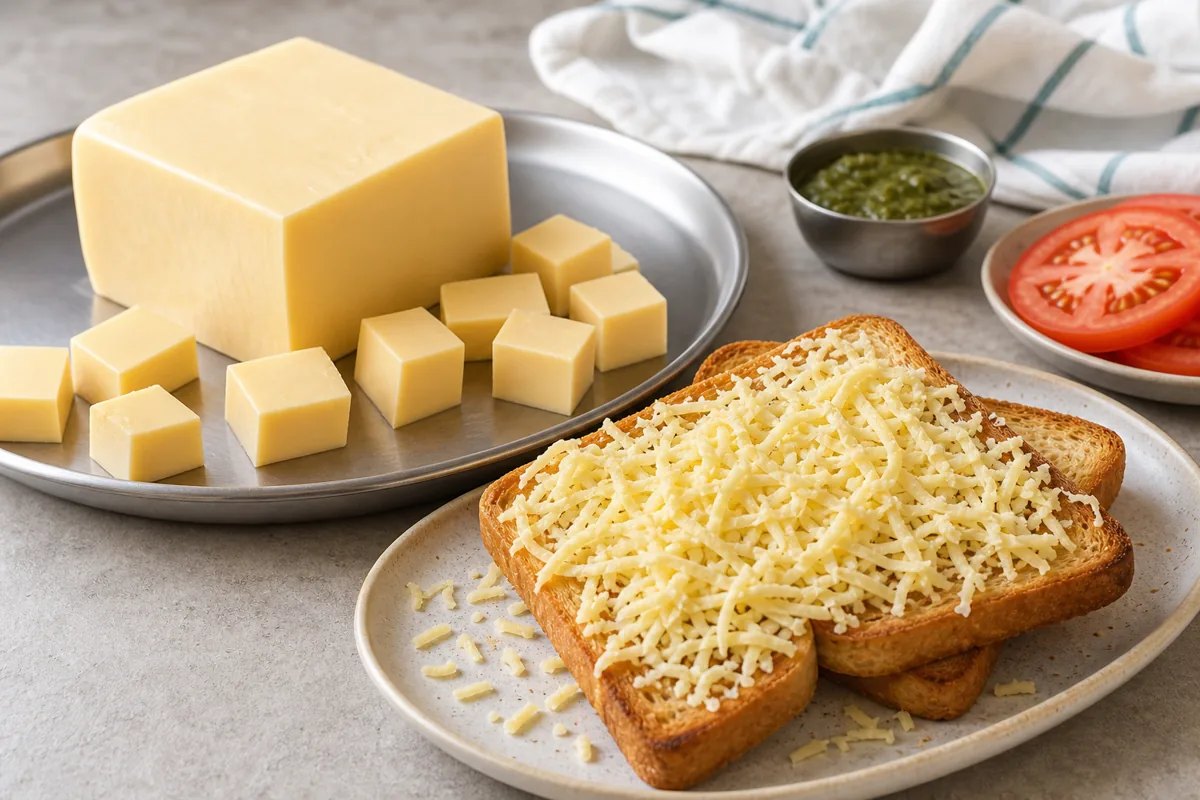
Cut the cheese according to the dish. Cubes suit a snack plate, thin slices distribute it evenly through a sandwich, and coarse shreds give more surface coverage on toast or baked vegetables.

For melting, grate a cold piece and use moderate heat. A semi-hard cheese can soften and brown on toast, but Amul does not publish a melt-performance specification for this product, so do not assume it will stretch like mozzarella.

If a dish needs long cheese pulls, use mozzarella. If it needs the familiar salty character of Amul's processed block, choose Amul Processed Cheese.
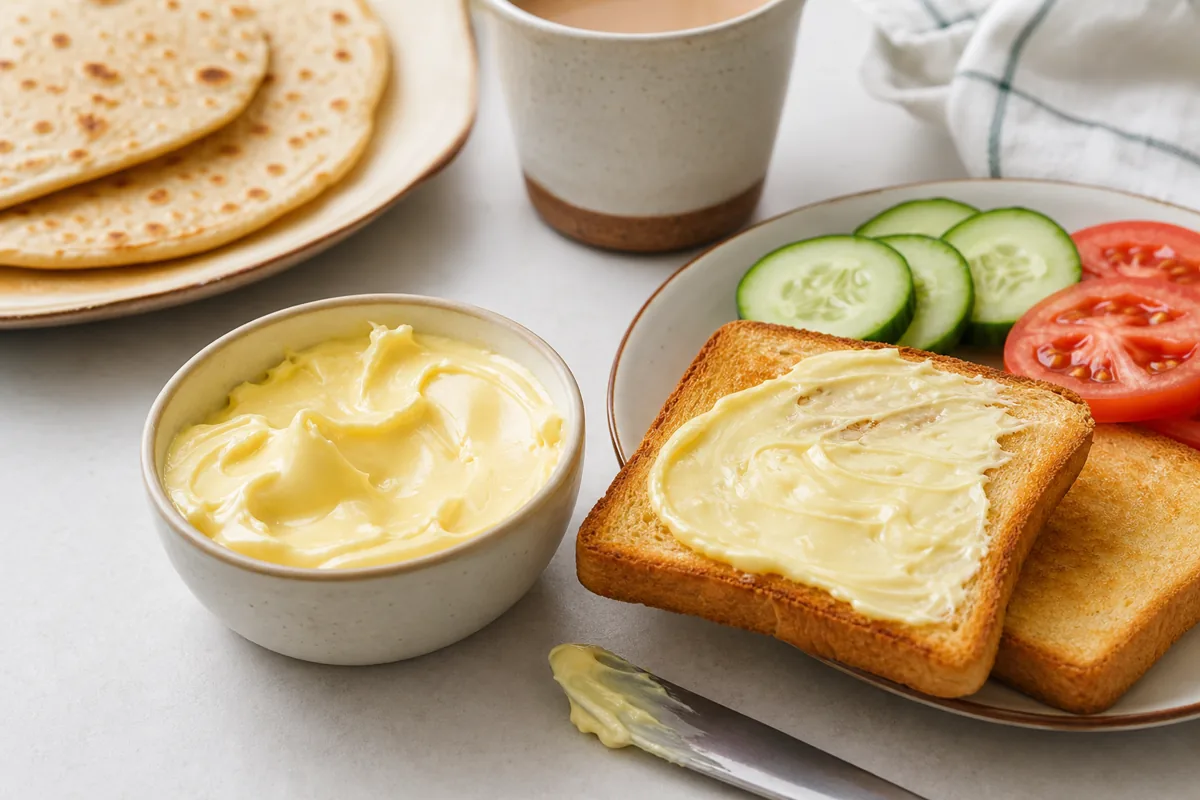
For a soft topping that spreads straight from the container, use Amul Cheese Spread.
What Can Replace Amul Gouda?
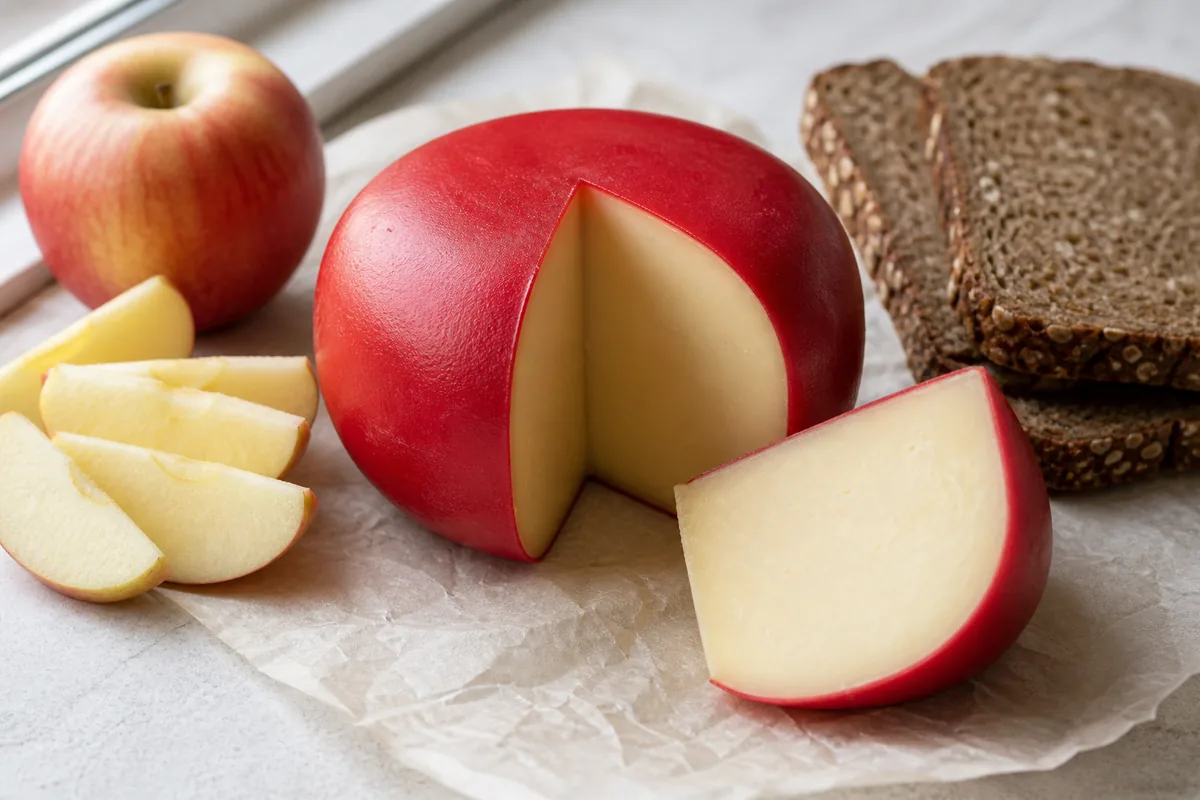
A young Gouda is the closest category match. Edam is another semi-hard slicing option, while mild cheddar gives a more assertive flavor.
| Job | Try | Expected change |
|---|---|---|
| Slices or cubes | Young Gouda | Closest broad category match. |
| Firm mild sandwich cheese | Edam | A clean semi-hard alternative. |
| Stronger cheese flavor | Mild cheddar | More tang and a different texture. |
| Stretchy melt | Mozzarella | More stretch, less Gouda character. |
A substitute will not reproduce the exact label nutrition or salt level. Check the replacement pack when sodium, saturated fat, allergens, or dietary certification affects the choice.
How to Store Amul Gouda
The current retail directions say to refrigerate the product at or below 4°C and not to deep-freeze it. After opening, place it in an airtight container and use it within one month or before the expiry date, whichever comes first.
Keep the original packaging until you have recorded the date and directions. Use clean utensils, return the cheese to the refrigerator promptly, and discard it if the pack is damaged or the cheese develops spoilage that is not part of the product.
The 180-day shelf life in Amul's food-service catalogue refers to the packaged product. It does not mean an opened piece stays at its best for 180 days.
Is Amul Gouda Safe During Pregnancy?
The current online listing we reviewed does not say whether the milk solids are pasteurized. Pregnant readers should check the physical pack and follow the food-safety guidance for their country rather than relying on an older third-party description.
The same rule applies to milk species and lactose. The listing confirms that the product contains milk, but it does not provide enough information to promise a particular milk species or a lactose level.