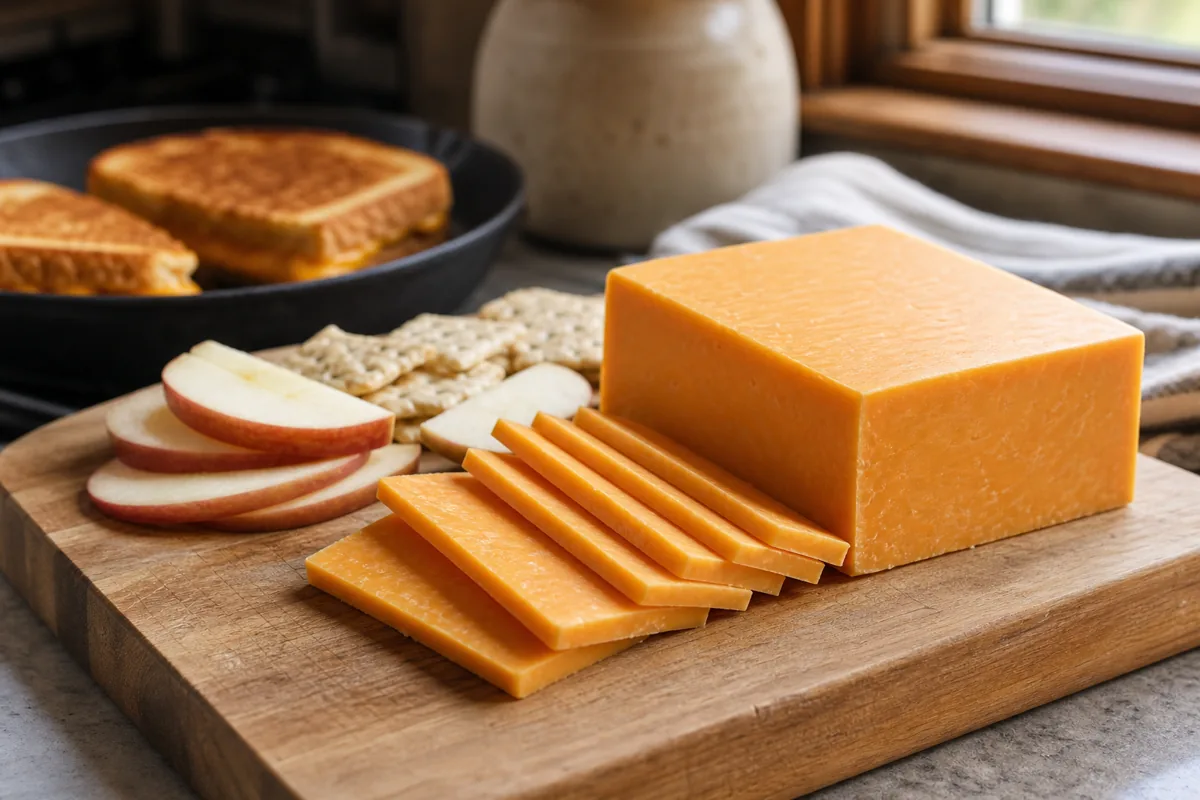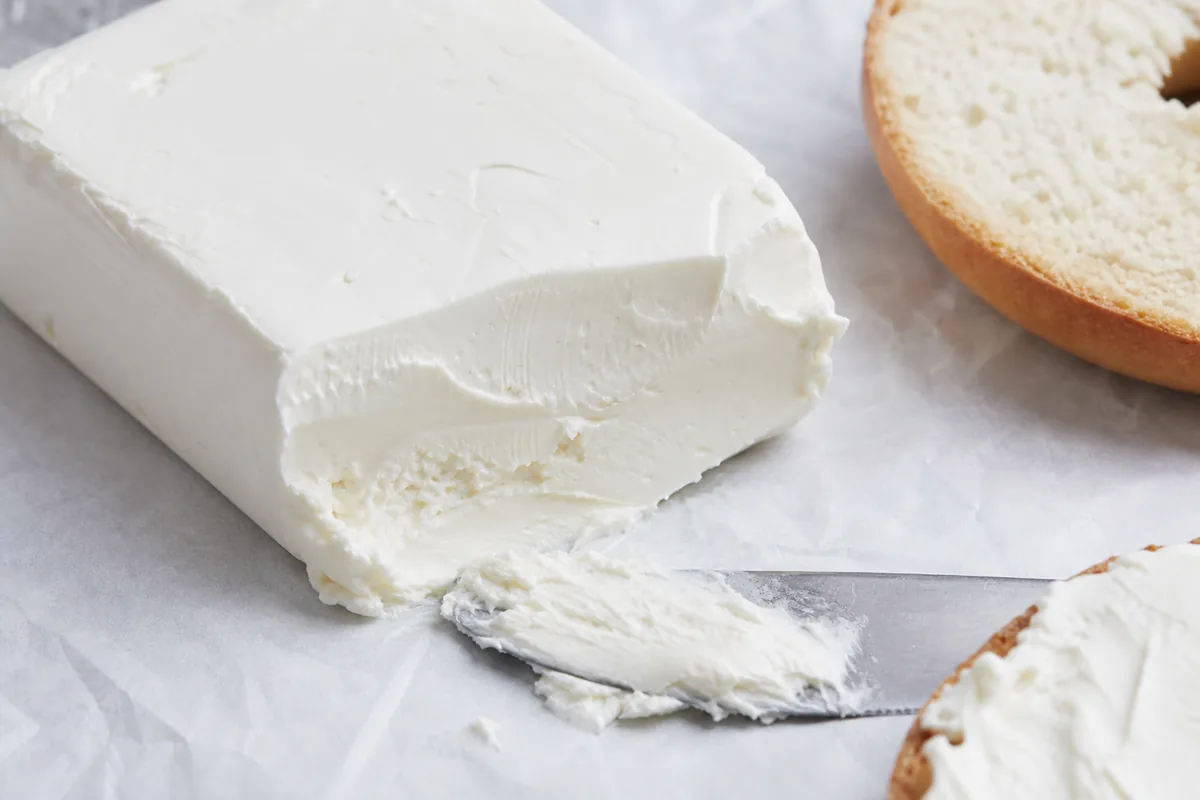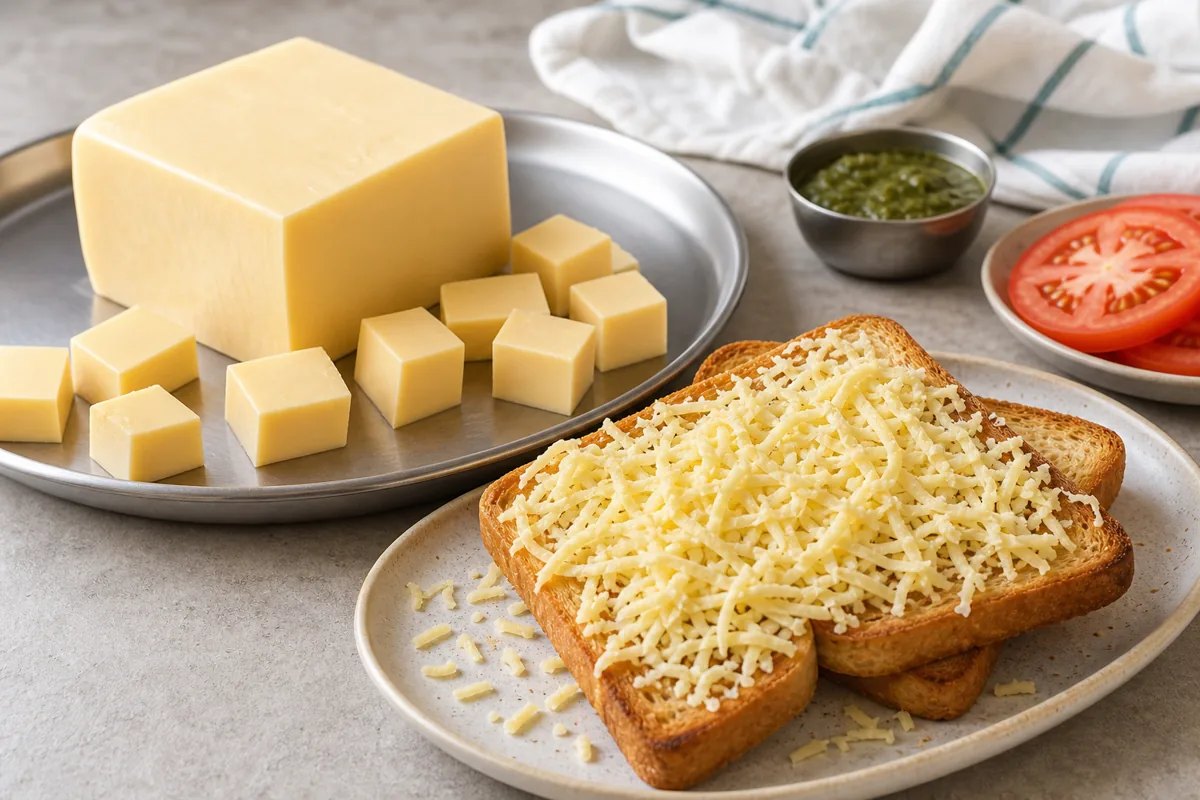
Amul Processed Cheese is the firm's cheese range for cutting, grating and melting, sold in blocks, cubes and slices. The current Pure Milk Cheese Block contains cheese with emulsifying salts; its firm format makes it a different purchase from a soft tub of cheese spread.
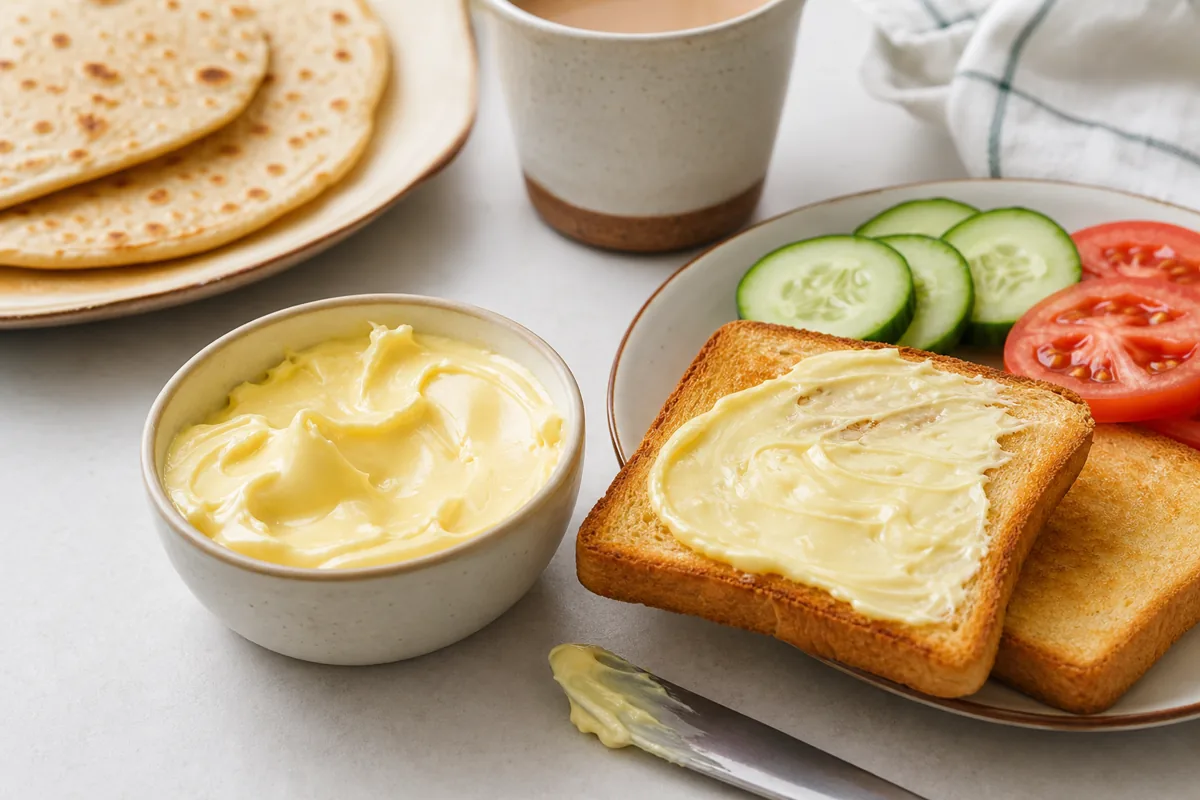
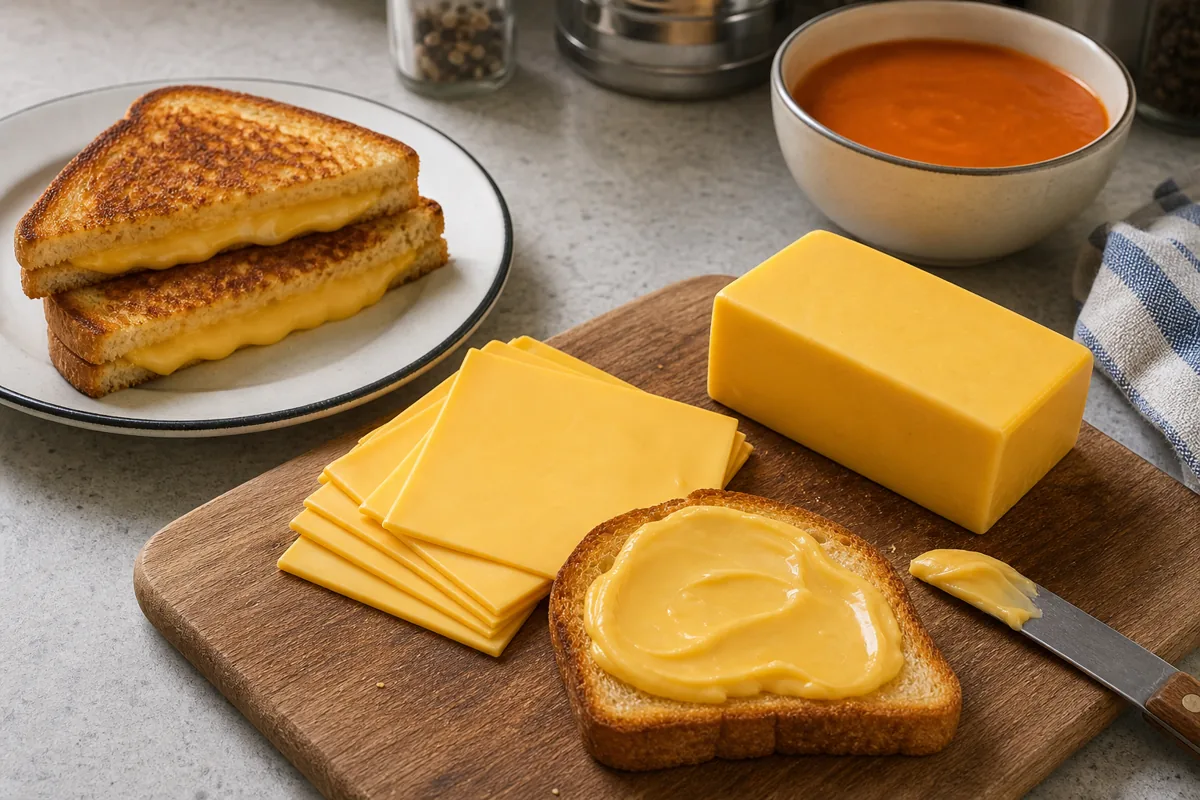
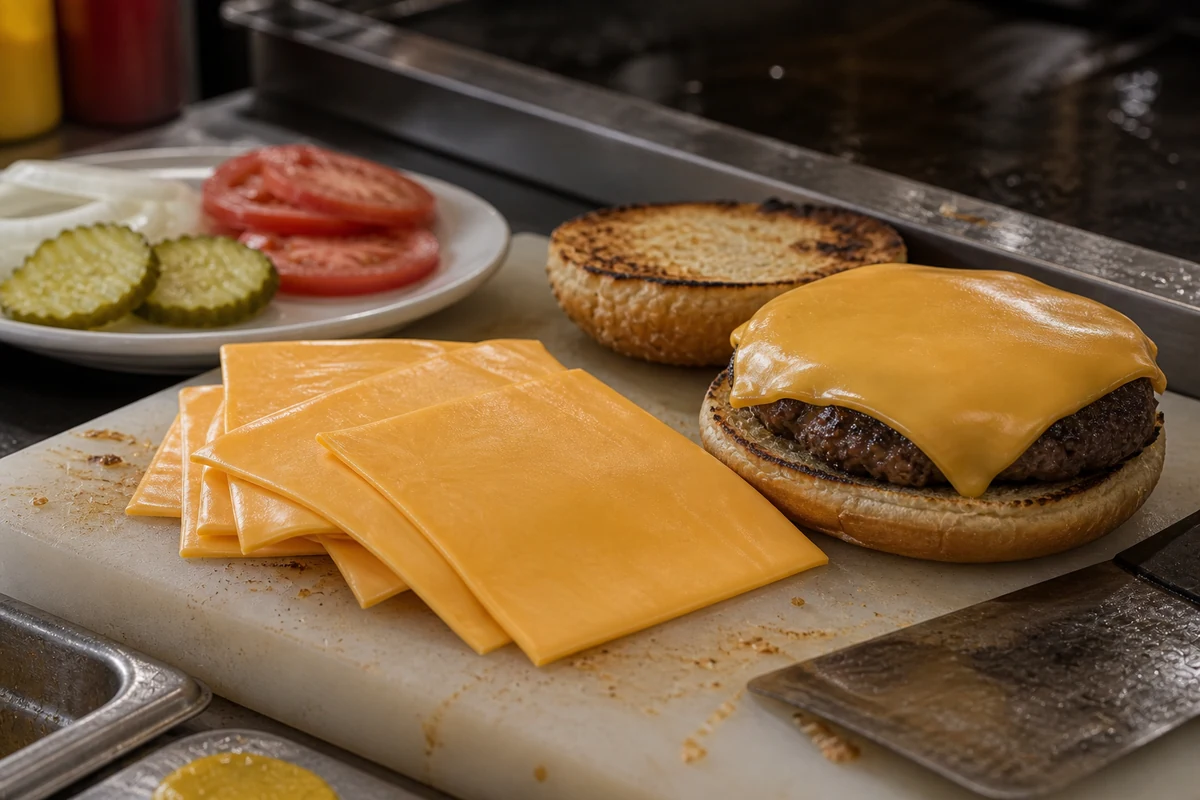
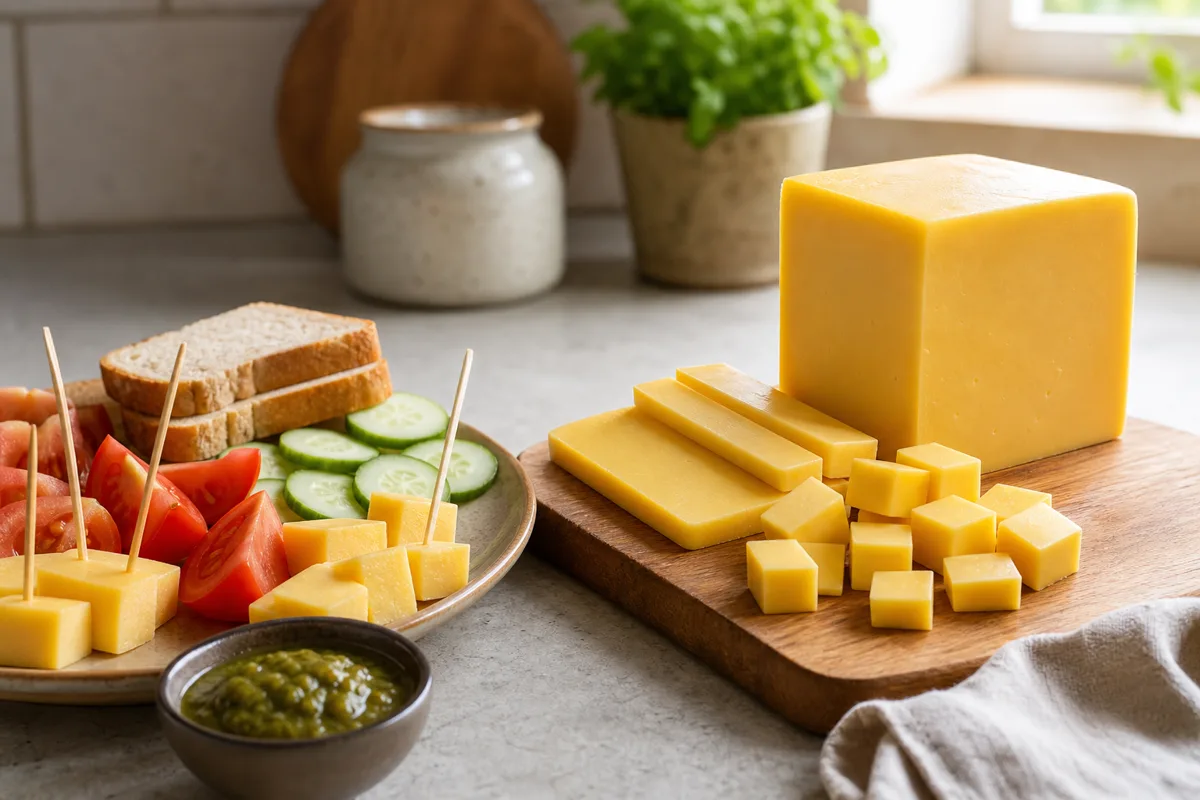
The images are format and serving illustrations. They do not show Amul packaging or cooking tests.
In This Article
Should You Buy the Block, Cubes or Slices?
A block gives you control over the cut: slices for a sandwich, cubes for a snack or shreds for a topping. Amul currently lists blocks in 200 g, 500 g and 1 kg sizes, including a separately named 1 kg Easy To Grate product.
The current cube range also lists 200 g, 500 g and 1 kg packs, while Pure Milk Cheese Slices are listed at 100 g, 200 g and 750 g.
Pack weight describes the total contents, not the weight of every individual cube or slice.
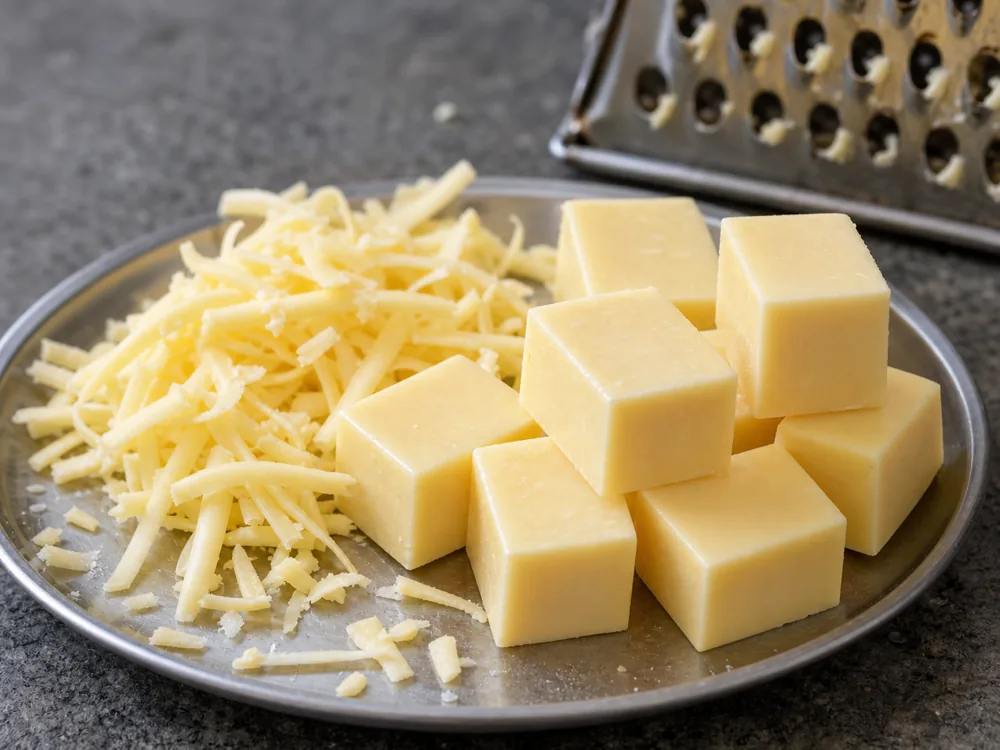
Pre-cut slices save cutting when an even layer is useful, whereas a block is more flexible if different meals need different shapes. A larger pack is useful only if its remaining contents fit your cooking plans and the after-opening instructions.
For a cold layer that spreads with a knife, Amul Cheese Spread serves a different purpose. The brand also sells natural cheese varieties and a separate pizza range, so the word Amul alone does not identify the formulation inside.
What Makes It Processed Cheese?
The current 200 g block's ingredient image lists cheese, emulsifying salts numbered 452, 339 and 331, iodized salt, and preservatives numbered 200 and 234. That is a formulated cheese product: Pure Milk on the product name does not mean the block is unprocessed.
The ingredient list distinguishes this block from simply cutting slices off a natural cheese wheel. Together with the maker's hot-food applications, it supports choosing the block as a formulated melting cheese, without promising the result of every recipe.
The pack carries a vegetarian symbol and declares milk as an allergen. It is a dairy food, so vegetarian labelling does not make it vegan or suitable for someone with a milk allergy.
The current ingredient image does not identify an animal species or give a complete manufacturing recipe. A general description of processed Cheddar should therefore not be used to invent a particular milk blend, maturation period or factory process for this block.
Does Amul Processed Cheese Melt?
Yes. Amul's current block page recommends it for grilled sandwiches, pasta dishes, macaroni and cheese, wraps and casseroles, which contradicts treating it as a cheese that only works cold.
Cutting changes how it enters the dish. Shreds distribute cheese across vegetable toast, slices provide an even sandwich layer, and smaller pieces are easier to mix through a sauce than an intact block.
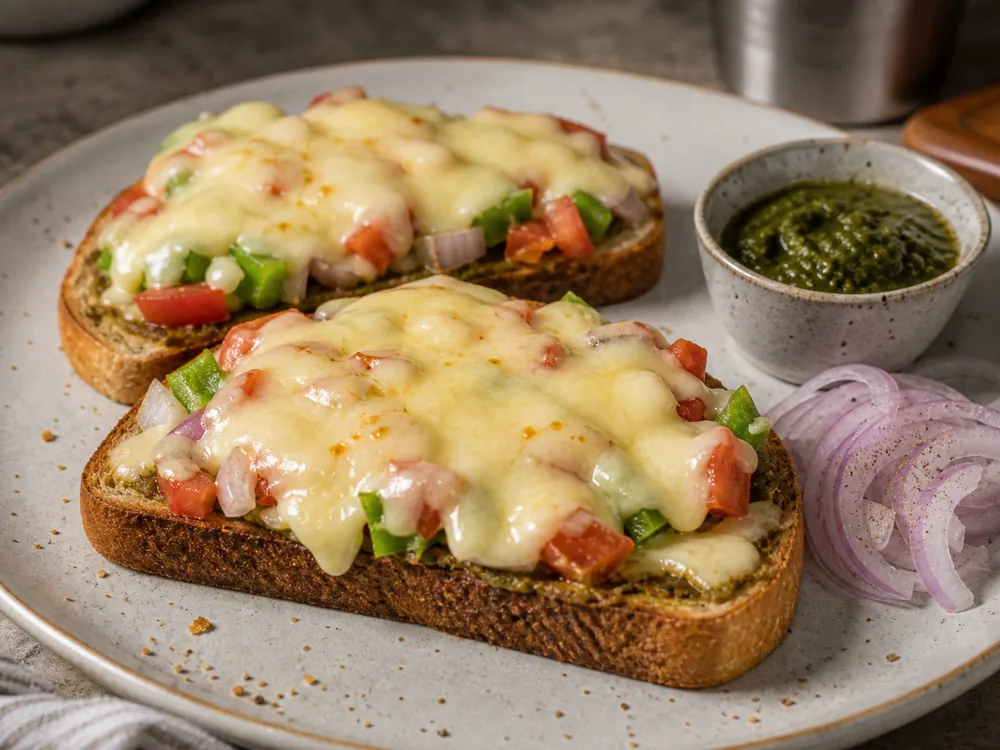
For a sauce, use a recipe that specifies the cheese and accompanying liquid rather than expecting a heated block to become a finished sauce by itself. The manufacturer's application list supplies uses, not a universal milk-to-cheese ratio.
Melting and stretching are different results. If long pizza strands are central to the dish, mozzarella or a recipe-specified pizza blend is a more appropriate choice than assuming every Amul product has the same stretch.
When replacing the block, another firm processed cheese is the closest starting point for the same cutting and melting job. A mild Cheddar may give a different flavour and melt, while paneer is useful when you want pieces that hold their shape rather than turn into a melted layer.
What Are the Nutrition Facts for the 200 g Block?
The maker's current Pure Milk Cheese Block label declares eight servings of 25 g in a 200 g pack. Its nutrient column uses 100 g, so the serving figures below are calculated as one quarter of those amounts.
| Nutrient | Per 100 g | Per 25 g serving |
|---|---|---|
| Energy | 311 kcal | 77.75 kcal |
| Total fat | 25 g | 6.25 g |
| Saturated fat | 16 g | 4 g |
| Protein | 20 g | 5 g |
| Sodium | 1,220 mg | 305 mg |
A 50 g portion doubles the serving figures, including 10 g protein and 610 mg sodium. That helps put the protein claim in context without ignoring the salt contribution from the cheese, bread or other ingredients.
The spread's label uses a smaller 20 g serving, so comparing the two serving columns directly would also compare different amounts of food. At an equal 100 g, the verified Plain spread has 247 kcal and 900 mg sodium, versus this block's 311 kcal and 1,220 mg.
Those numbers describe two named current labels, not every pack or export formulation. Older listings with different values do not establish that your own package is wrong; its product name, market and current panel matter.
The label's carbohydrate or sugar figure is also not a lactose test. Neither a mild taste nor the processing category is enough to call the product lactose-free.
How Should You Store It After Opening?
Amul directs buyers to keep the block at 4 C or below. After opening, its label says to transfer the contents to an airtight container, refrigerate and use within one month or the expiry date, whichever is earlier.
The shorter deadline applies: opening a pack near expiry does not reset its date. Cutting off the portion you need lets the remaining block return to its closed container instead of sitting beside a warm pan through meal preparation.
A firm processed block still needs the refrigeration stated on its label, including for a packed lunch. FDA guidance limits unrefrigerated time for perishables to two hours, or one hour when the air is above 32 C / 90 F.
Surface moisture or an ordinary smell cannot prove that a pack stayed within safe temperatures. Its handling history matters more than trying to judge cold-chain safety by a photograph.