Cheese Profile

Acapella Cheese: Andante Dairy Goat Milk Flavor, Rind, and Uses

Cut ash-rinded goat cheese round - Acapella cheese | KnowTheCheese

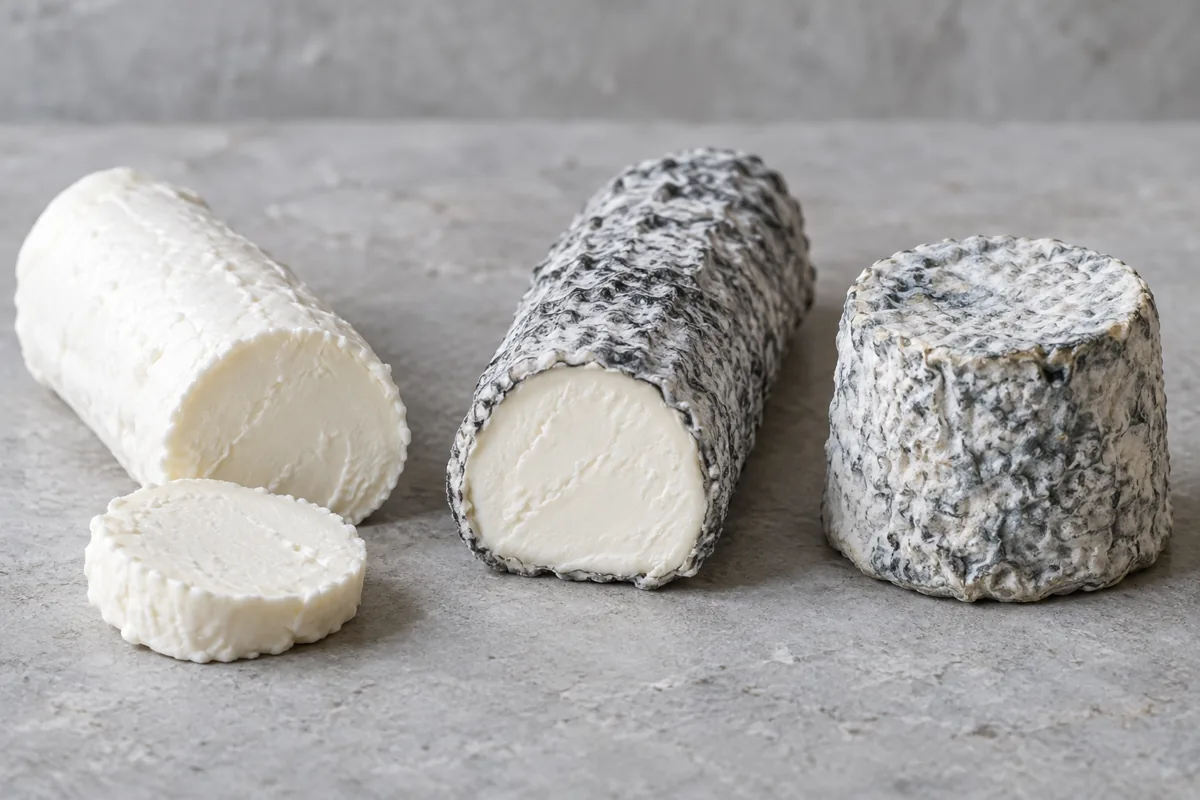
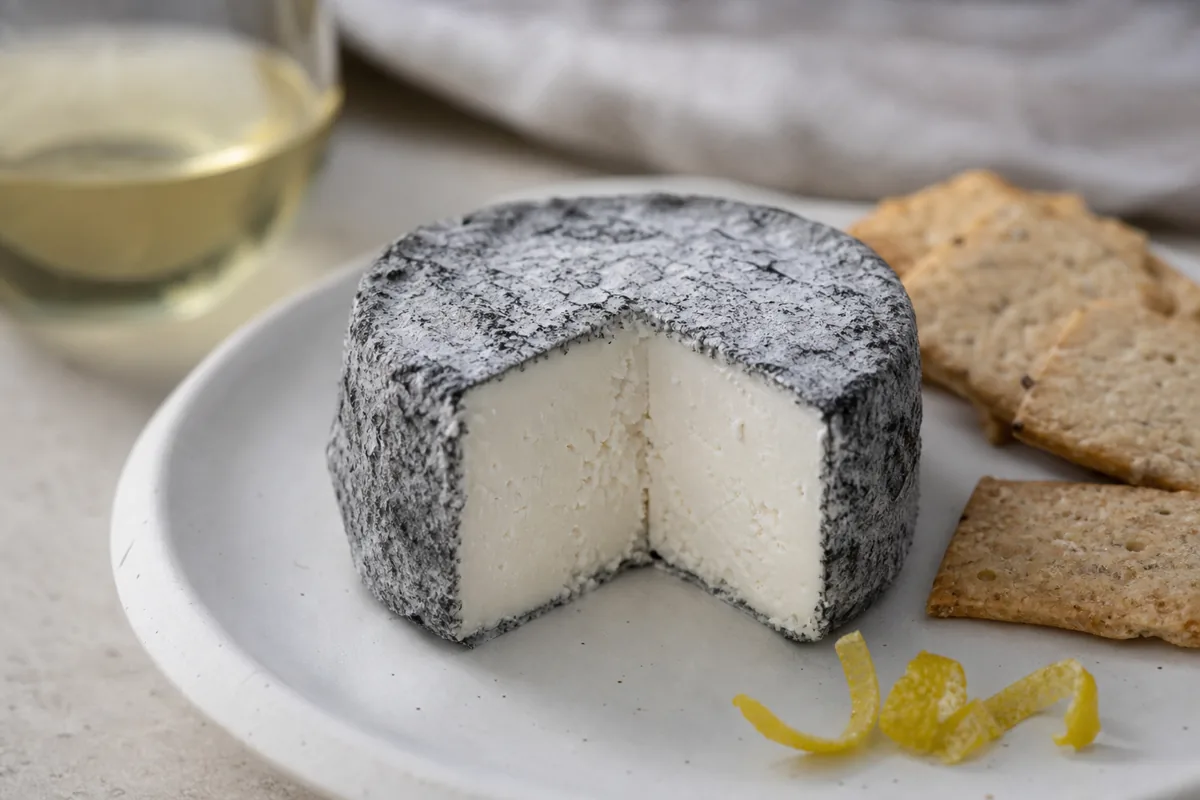
Acapella is an Andante Dairy goat cheese for readers who want a small ash-rinded round, not a generic log of fresh chevre. In the wider set of goat milk varieties, its identity comes from a bluish-grey ash and Geotrichum rind holding a stark white, softening curd.

The answer to put first: Acapella is creamy, tangy, slightly nutty, and more rind-driven as it ages. Buy it for a quiet cheese board, white wine pairing, or a small composed plate where the ash rind can stay visible.

Do not use it like a melting cheese. This is a delicate soft-ripened goat cheese, so warmth should loosen the texture, not cook it.

Acapella Is About Ash, Goat Milk, and a Small Round Format

The useful way to understand Acapella is by format. It is a small goat milk cheese from Andante Dairy, often listed around 4 to 4.5 ounces, with ash and mold-ripened rind development.

That small size changes how the cheese eats. The rind can influence the whole round quickly, so a young Acapella feels clean and bright while an older one becomes softer, more earthy, and more savory.

That rind-to-paste ratio is the real buying consequence. A four-ounce round has less room for error than a large goat log, so stale storage or over-ripeness can affect every bite instead of staying near one edge.

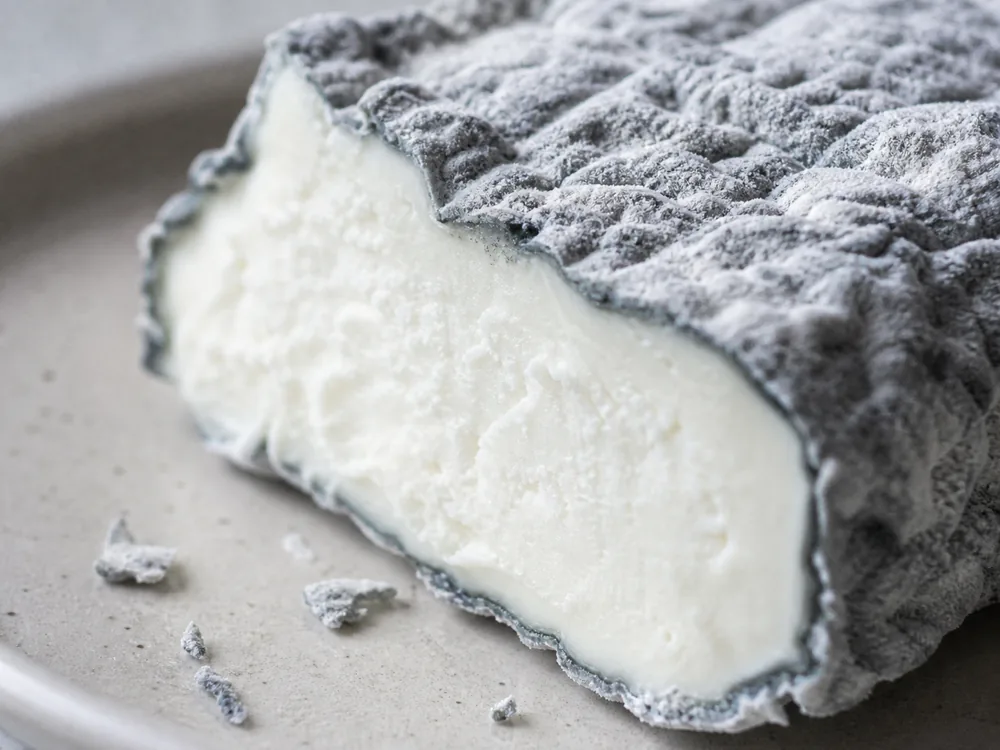
Close view of ash rind and white goat curd - Acapella cheese | KnowTheCheese
The ash and Geotrichum rind are the main cues that Acapella is a soft-ripened goat cheese, not fresh chevre.
Feature What to Expect Why It Matters
Milk Goat milk Gives white curd, tang, and a lighter dairy impression than cow milk.
Rind Ash plus Geotrichum Creates the bluish-grey surface and earthy aged flavor.
Format Small round The rind-to-paste ratio is high, so ripeness changes fast.
Texture Soft, creamy, tender when ripe Best served on a board, not cooked hard.
Best drink Crisp aromatic white wine Acidity matches the goat milk tang and keeps the rind clean.

This is why Acapella deserves a different outline from a fresh goat cheese page. The rind and age are the point.

The Name Spelling Is Messy, but the Cheese Is Specific

KTC uses the spelling Acapella because that is the keyword and workbook entry. Andante Dairy's product copy uses Acappella, with two p letters, so shoppers may see both spellings.

The source trail points to the same cheese family: Andante Dairy, goat milk, ash, salt, starter culture, vegetarian rennet, and a small format.

That matters because Acapella should not be confused with a broad category like chevre. It is a named producer cheese with a specific surface-ripened job.

For shoppers, the spelling issue is less important than the format and rind. If the listing points to Andante Dairy, ash, Geotrichum, and a small goat round, you are in the right lane even when the spelling differs.

  • Producer: Andante Dairy in California.
  • Milk: Goat milk, with Culture listing pasteurized goat milk.
  • Rind: Ash and Geotrichum form a bluish-grey surface.
  • Size: Retail listings commonly show about 4 to 4.5 ounces.
  • Style: Soft-ripened goat cheese, not a fresh spread.

If you only need a simple spread, fresh goat milk tang is easier to buy and use. Acapella is for the rind, the small round, and the way the center softens with age.

How Ripeness Changes the Flavor

Acapella starts from a clean goat milk idea, but it is not static. Andante describes the rind as holding stark white goat curd, with earthier and more savory tones showing as the cheese ages.

Culture's tasting note is milder: buttery flavor with a slightly tart finish. The two descriptions fit together if you think in ripeness stages.

That age curve separates Acapella from firmer Loire-style goat rounds. Crottin can age toward a denser, drier bite, while Acapella is usually bought for a tender small round experience.

Let the cheese rest briefly before serving. Cold Acapella hides its creaminess, but a small soft-ripened goat cheese should not sit out until the rind slumps.

NOTE

If the rind smells earthy and the center looks creamy, the cheese is doing its job. If it smells sharply ammoniated or the paste has collapsed into wet liquid, skip it.

The best wedge feels delicate without tasting empty. Acapella should have enough acidity to stay lively and enough rind character to feel like more than fresh chevre.

Flavor and Texture Should Stay Clean Before They Get Funky

The first flavor should be goat milk tang, then butter, mild nuttiness, and a little earth from the rind. As the cheese ripens, the savory rind becomes more obvious.

Texture is the other cue. A good round cuts cleanly when young and becomes tender as the rind works inward.

FLAVOR PROFILE
SALTYSWEETBITTERSOURUMAMICREAMY
Salty
34
Sweet
14
Bitter
8
Sour
50
Umami
42
Creamy
72

The creamy score is high because Acapella's value is texture. It should not be judged like a hard grating cheese or a brined salad cheese.

  • Young flavor: Bright goat milk, mild butter, light tart finish.
  • Ripe flavor: Earthier, savory, and more aromatic near the rind.
  • Good texture: Creamy center with enough structure to cut.
  • Bad texture: Dried rind, chalky center, or wet collapse.

If you want a firmer, salty sheep or goat profile, brined cheese sharpness answers a different job. Acapella is softer, smaller, and more rind-led.

Best Uses for Acapella

Use Acapella where the rind can be seen and tasted. A small round looks best whole or halved, then served with simple partners.

The cheese works on a quiet board, a white-wine plate, a salad with bitter greens, or a small dessert-adjacent plate with honey and nuts. It is too delicate for casseroles or hard broiling.

UseHow It Works
Cheese boardServe whole or halved so the ash rind and white paste are visible.
White wine platePair with Sauvignon Blanc, Riesling, or white Burgundy-style wines.
SaladsUse small pieces with bitter greens, citrus, herbs, or toasted nuts.
ToastSpread gently on warm bread after toasting, not under high heat.

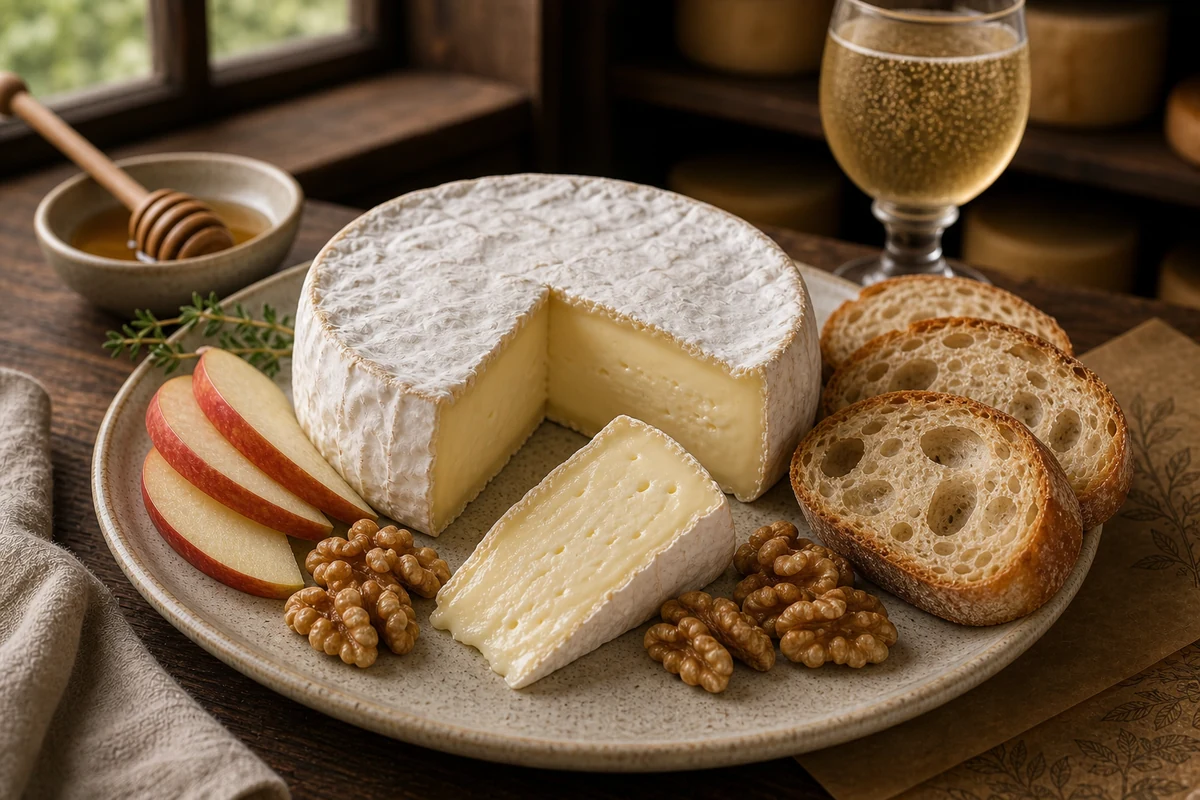
For a board, place Acapella near fresh fruit, mild nuts, and crisp bread. It can sit next to bloomy-rind creaminess, but keep enough distance so Brie does not make the goat rind seem too sharp.

For warm bread, toast the bread first and add the cheese after. That gives you soft texture without damaging the rind.

For salads, add Acapella late and keep the pieces small. Bitter greens, citrus, and herbs make the rind taste cleaner, while heavy dressing can smear the paste and hide the ash line.

For a larger board, board texture balance lets Acapella hold the soft goat slot while firmer cheeses handle the cutting and grating roles.

Pairings Need Acidity More Than Sweetness

Acapella pairs best with drinks and foods that keep goat milk tang clean. Crisp white wine is the easiest direction.

Culture lists white Burgundy as a pairing. Good Eggs suggests aromatic whites such as Sauvignon Blanc and Riesling, plus cold white ale.

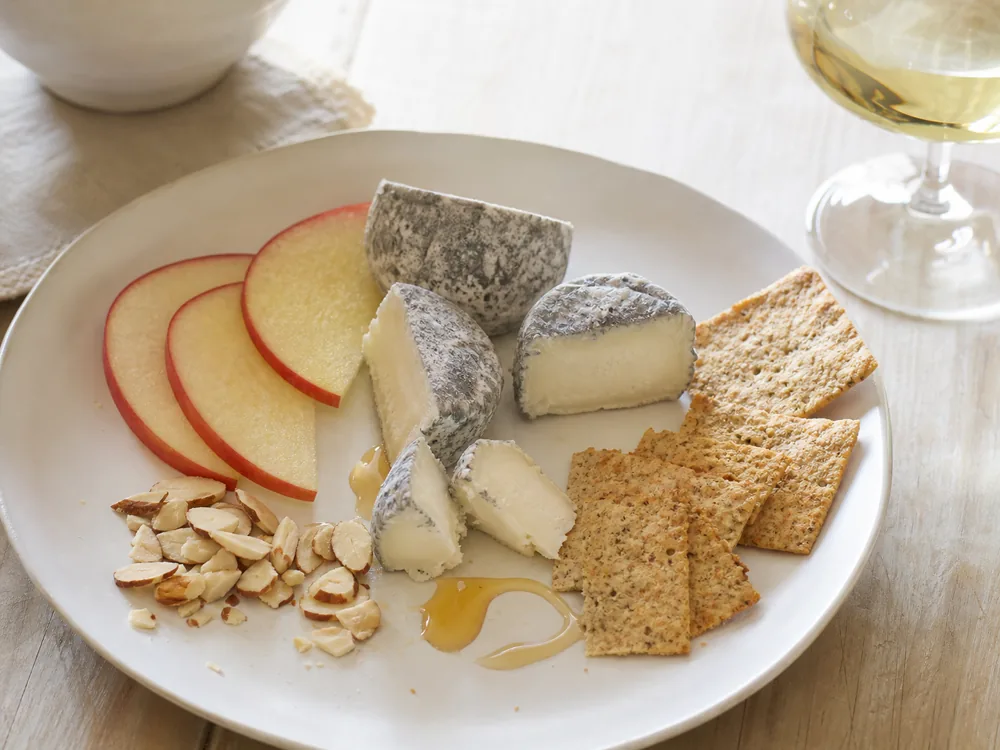
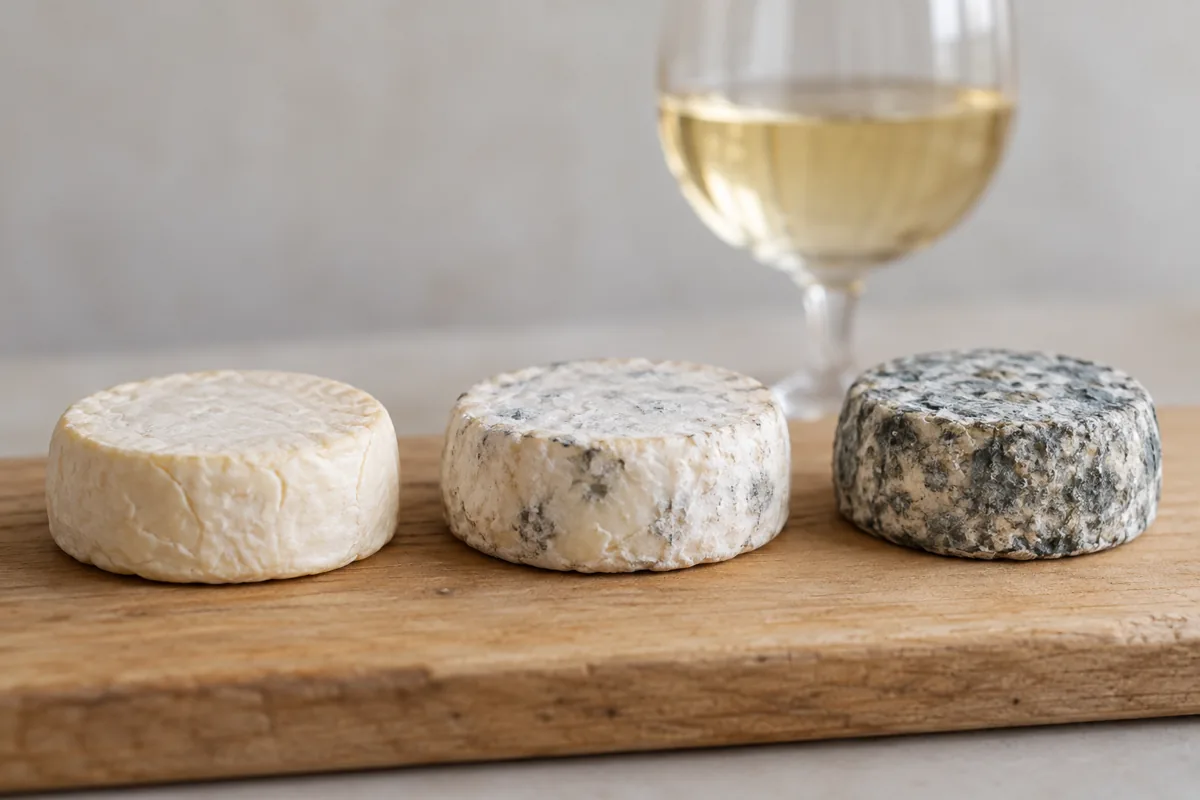
Acapella-style goat cheese plate with apple, almonds, crackers, and white wine - Acapella cheese | KnowTheCheese
Acapella pairings work best when crisp fruit, plain crackers, nuts, and bright white wine keep the goat milk tang clean.
PairingTypeWhy It Works
White BurgundyWineRound white wine meets butter and soft texture.
Sauvignon BlancWineAcidity cuts goat milk tang and ash-rind earth.
RieslingWineAromatic fruit balances the tart finish.
Cold white aleBeerLight bitterness and carbonation keep the rind lively.

For food, use plain crackers, lightly toasted nuts, citrus peel, honey in a tiny amount, or crisp apple. Too much jam turns the cheese into dessert and hides the rind.

  • Best fresh partner: Apple, pear, citrus, or lightly dressed greens.
  • Best crunchy partner: Plain crackers, toasted almonds, or thin crostini.
  • Best small accent: A few drops of honey, not a spoonful of jam.
  • Avoid: Smoked meats, strong blue cheese, and heavy chutney on the same bite.

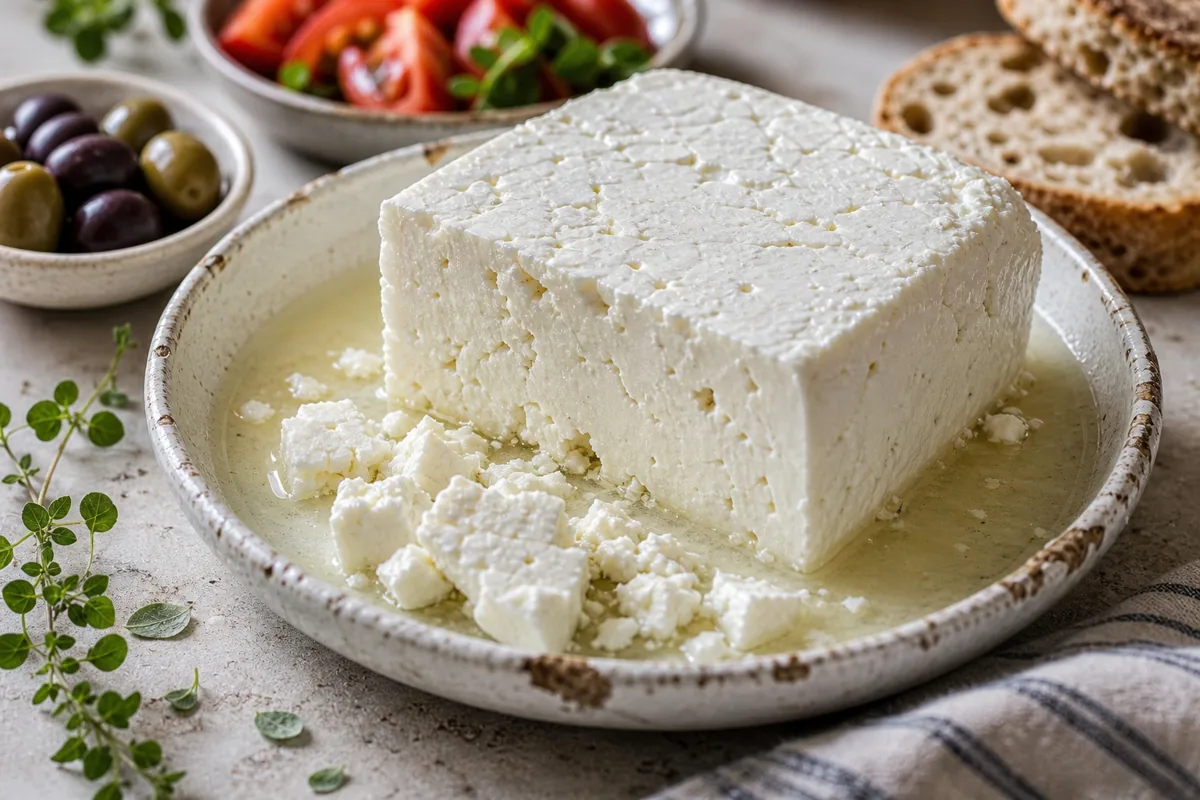
If the board needs a louder goat cheese contrast, goat and feta tradeoffs help separate creamy rind-led tang from brined salt.

For a broader drink and food pattern, acid-driven goat pairings keep the same logic: bright partners make the tang feel clean instead of sharp.

Buying and Storage Cues

Buy Acapella from a shop that turns small-format cheese quickly. The rind-to-paste ratio is high, so stale handling shows fast.

Look for a bluish-grey rind that looks intentional, not wet or broken. The paste should be white and clean, with a creamy line under the rind if the cheese is ripe.

At home, wrap it gently and keep it cold. A soft-ripened goat cheese needs protection from drying, but tight plastic can trap harsh aroma.

Check the edge under the rind before serving. A thin creamy line is useful ripeness, but a collapsed wet ring or sharp ammonia smell means the round has moved past the clean small-format role.

Use soft-cheese wrapping habits as the baseline. Keep the rind from drying, but do not suffocate the cheese in wet plastic.

For pregnancy or immune-risk decisions, verify pasteurization and handling. soft-cheese pregnancy guidance is the safer layer because rind-ripened cheeses depend on both milk treatment and storage.

Substitutes and Nutrition Notes

The best substitute depends on what you need from Acapella. If the ash rind matters, choose another ash-coated goat cheese. If creamy goat tang matters, choose a soft fresh goat cheese and accept the missing rind.

For a French-style substitute, look for a small Loire-inspired goat round, ash-covered pyramid, or log with ash. For a softer board role, a mild bloomy-rind cheese can cover texture but not goat milk flavor.

Goat
Milk
Ash
Rind cue
4-4.5 oz
Common size
Soft
Texture

Nutrition numbers depend on the exact round and label. Treat the package as the source of truth, especially for sodium, fat, and serving size.

Portion it like a rind-led cheese, not like a spread tub. A few slices give enough ash rind, tang, and creamy center without letting the small round turn into the whole plate.

If the rind is the reason you bought it, serve at least one piece with the rind intact. Removing the rind turns Acapella back toward plain goat cheese and loses the feature that makes the small round worth choosing.

SOURCES & REFERENCES
1.
Acappella producer description
producer
2.
Acapella cheese library entry listing Andante Dairy
reference
3.
Acapella reference
reference
4.
Acapella Cheese
retail

Acapella FAQ

These answers focus on name spelling, rind, ripeness, and use because those are the real buying questions for this cheese.

KTC uses Acapella for the guide and keyword. Andante Dairy uses Acappella in its product copy, so shoppers may see both spellings for the same cheese family.
Acapella tastes tangy, creamy, mildly buttery, and a little nutty when young. As it ripens, the ash and Geotrichum rind add earthier and more savory notes.
Yes. Acapella is a goat milk cheese from Andante Dairy in California.
The ash and mold-ripened rind is part of the cheese when it smells clean and looks healthy. Skip it if the cheese smells sharply ammoniated, wet, or sour.
Use another ash-coated soft-ripened goat cheese first. Fresh goat cheese can replace the tang, but it will not replace the rind or ripened texture.