Robiola does not identify one fixed recipe, so read the full name, producer, milk treatment, rind description, storage line, and use-by date before deciding how to serve it.
Current records show why: Roccaverano PDO is a raw goat's milk cheese, Nonno Nanni sells a fresh spreadable Robiola, Caseificio dell'Alta Langa calls Rocchetta a three-milk semi-ripened Robiola, and Guffanti lists a pasteurized sheep-and-cow Robiola Due Latti.
Those products share a word on the label, but their milk, rind, age, storage, nutrition, and pregnancy decisions are not interchangeable.
In This Article
Is All Robiola the Same Cheese?
Robiola is used for several northern Italian soft cheeses rather than one universal specification, and the official 2022 amendment application makes that difference explicit by separating Roccaverano PDO from other products sold as robiola.
The useful question in a shop is therefore not simply "Is this Robiola?" Ask which Robiola it is.
| Current record | What the record fixes | What it does not prove |
|---|---|---|
| Roccaverano PDO | Raw goat's milk, 250 to 400 g, fresh at 4 to 10 days or mature from 11 days | The identity of generic Robiola sold without the PDO name and seal |
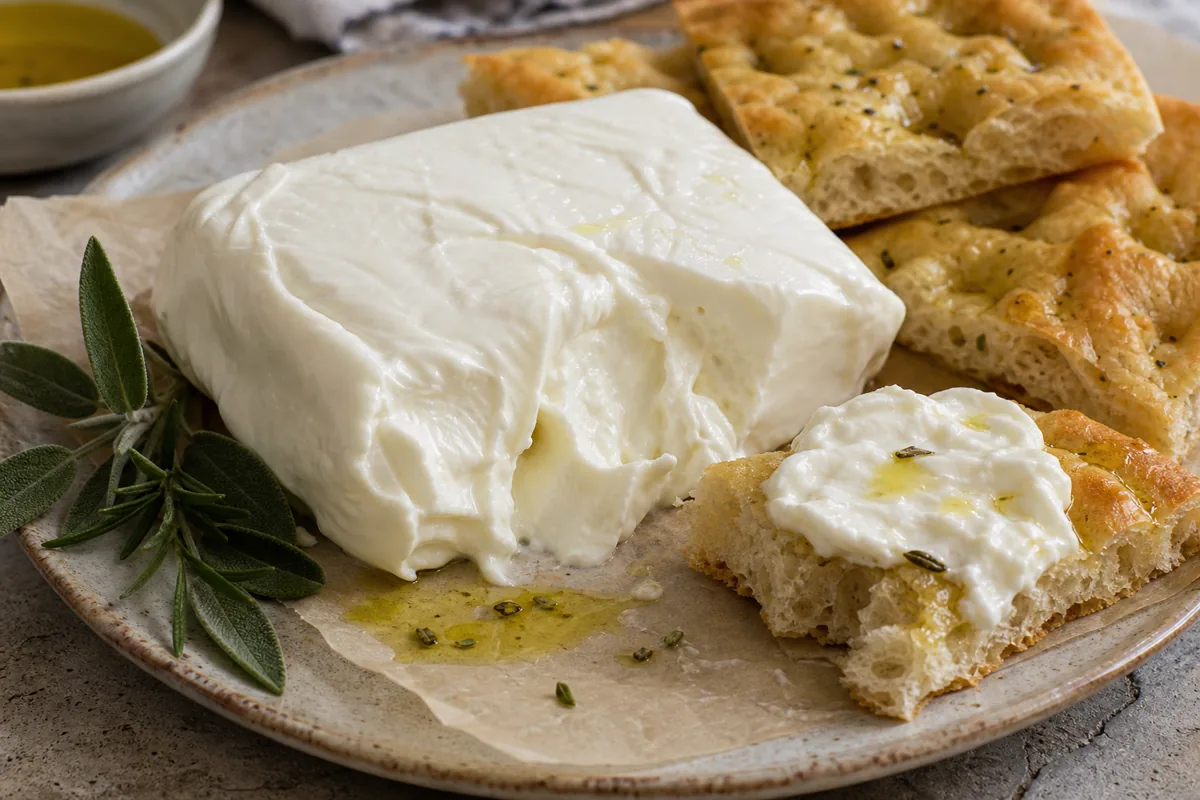
| Nonno Nanni Robiola | Fresh, soft, creamy and spreadable, with 0 to 4 degrees C storage on the product page | A universal milk treatment or after-opening window for Robiola |
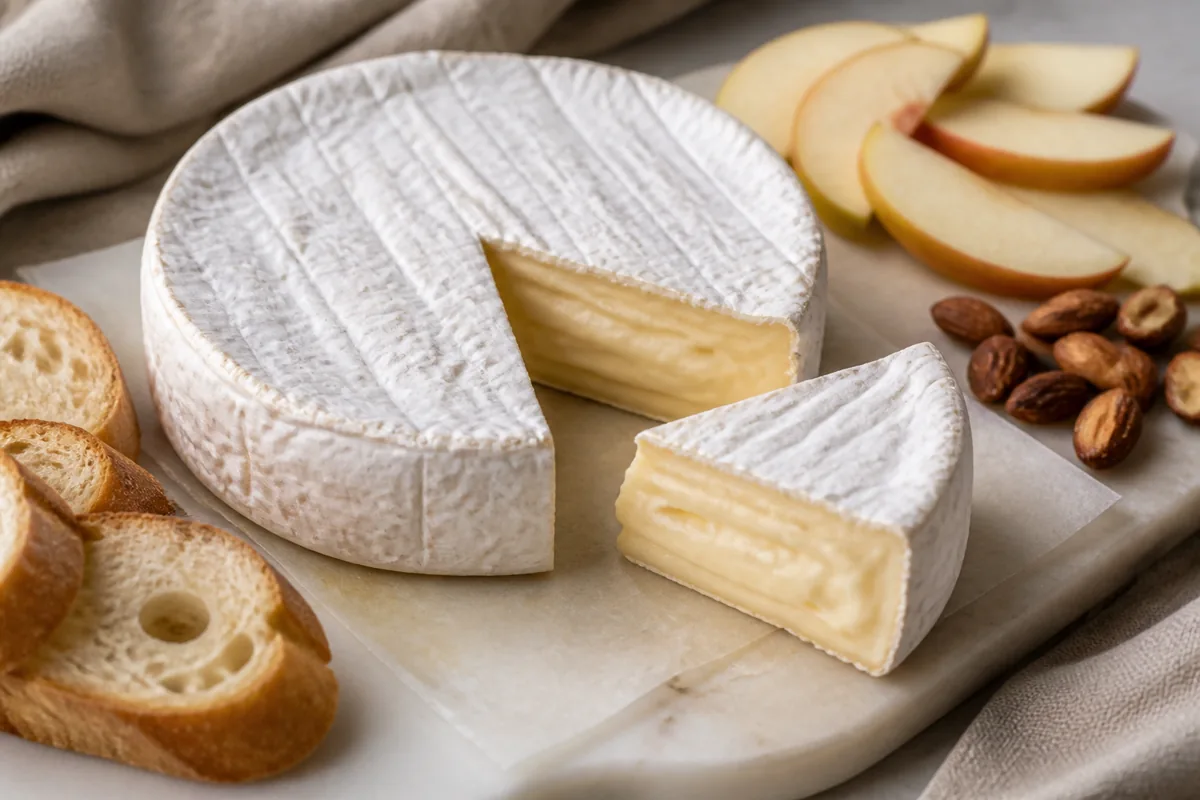
| Rocchetta | Cow, sheep and goat milk plus cream, 7-day aging, edible soft rind, 4 to 8 degrees C storage | Rules for Roccaverano PDO or another producer's Robiola |
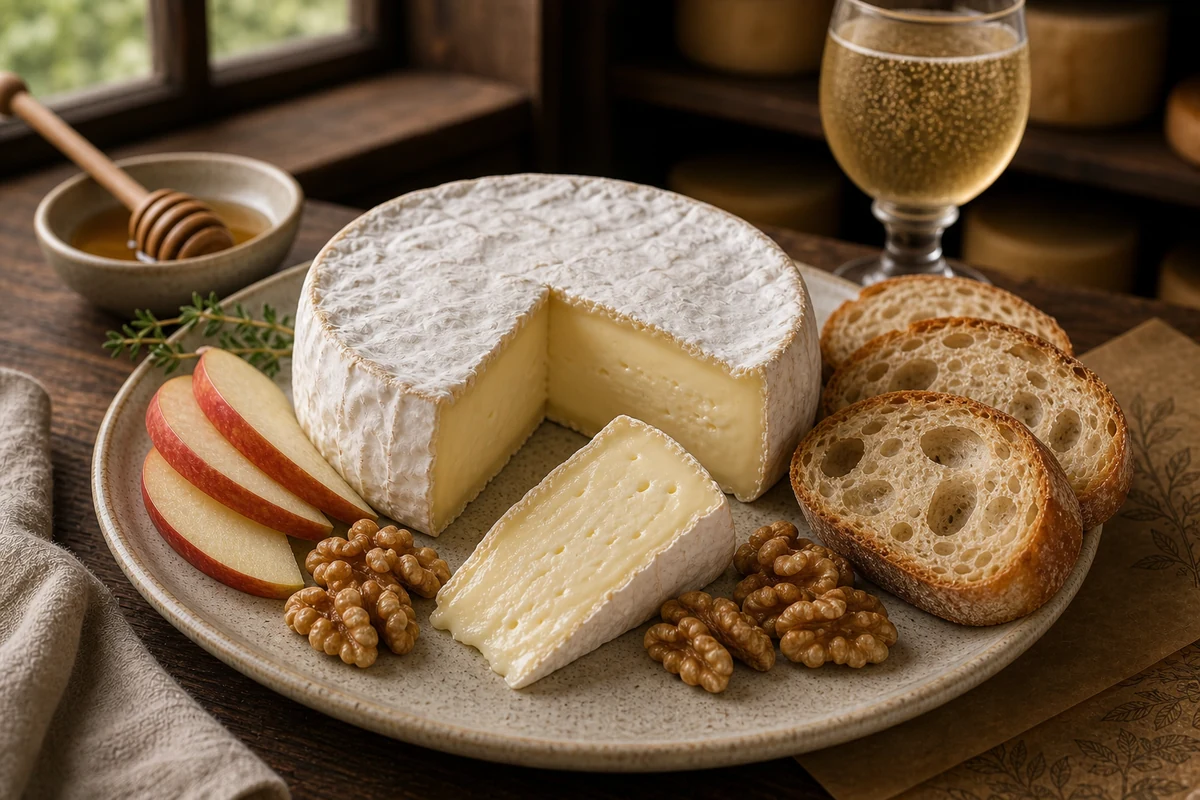
| Robiola Due Latti | Pasteurized sheep and cow milk, bloomed edible rind, at least 20 days of aging | A rule that every mixed-milk Robiola has the same formula or age |
The table is a label-reading tool and does not turn four product records into a new category standard.
How to Identify Roccaverano PDO
The European Commission approved the latest non-minor amendment in 2023, so the protected name can now appear as Robiola di Roccaverano or Roccaverano and the current specification uses raw milk only from the named goat breeds and their cross-breeds in the defined production area.
Older descriptions that present the current PDO as a cow, sheep and goat milk blend are stale because the approved amendment removed cow and sheep milk from the protected formula.
- Name and seal: Look for Robiola di Roccaverano or Roccaverano with the PDO logo and producer code.
- Milk: The current protected record specifies raw goat's milk from the production area.
- Size: The specification sets a 10 to 14 cm diameter, 2.5 to 4 cm height, and 250 to 400 g weight.
- Fresh stage: At 4 to 10 days, the cheese can have no rind or a light natural bloom and has a soft, creamy paste.
- Mature stage: From 11 days, it has a natural bloom and becomes slightly more compact, with a creamier layer possible under the rind.
The PDO record sets a minimum 40 percent fat in dry matter, which describes fat as a share of the dry solids and is not the same as 40 g of fat per 100 g of cheese.
What Do Different Robiola Products Taste Like?
Use the product record instead of a generic flavor scale because the Roccaverano specification moves from delicate and sometimes lightly tart when fresh toward more intense flavor as it matures.
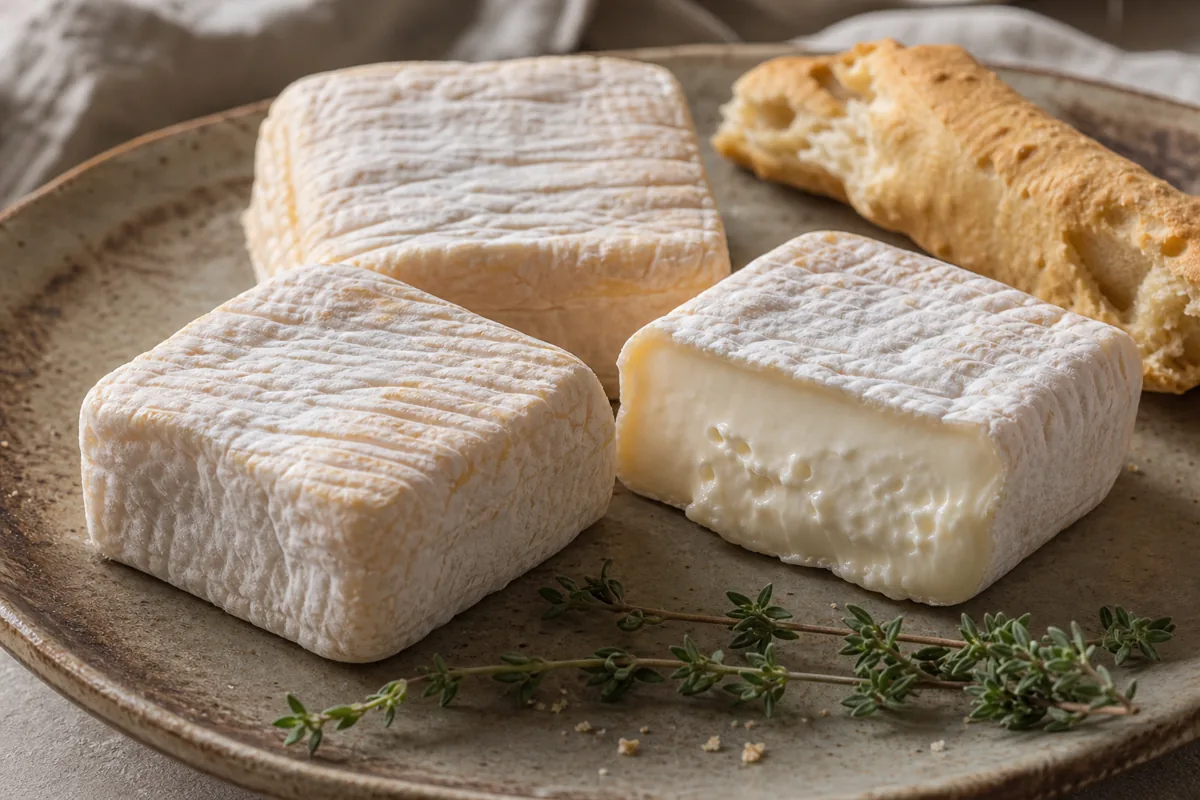
Caseificio dell'Alta Langa describes Rocchetta as soft and yielding, with butter, cultured cream and a light toasted finish. Guffanti describes Due Latti as sweet and milky, with a persistent note from its bloomed rind and sheep's milk.
Nonno Nanni positions its Robiola as a fresh, soft, creamy and spreadable cheese with an intense but pleasant flavor.
These attributed descriptions prevent a fresh package, a raw goat PDO round and a bloomed mixed-milk wheel from inheriting one another's tasting notes.
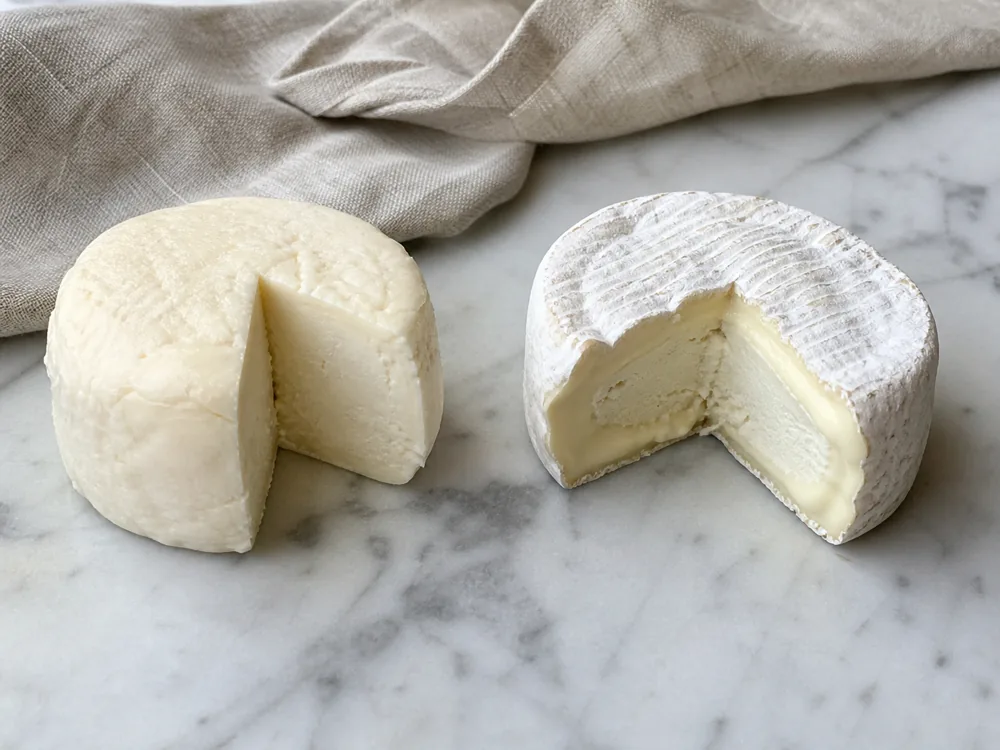
| Fresh spreadable product | Surfaced or ripened product |
|---|---|
| Soft and spreadable | Soft, sliceable or yielding by product |
| Often rindless | Natural or cultured surface only when the product record says so |
| Check package storage and use-by date first | Check full name, milk treatment, rind and ripening record first |
| Use the producer's serving directions | Use the producer's serving directions |
How to Buy and Serve Robiola
Start with the full label because a protected Roccaverano, a fresh supermarket Robiola and a named mixed-milk round solve different jobs even when all three appear beside other soft cheeses.
- Read the full name. Roccaverano PDO carries a defined legal identity. "Robiola" by itself does not.
- Find the milk and treatment. The protected PDO is raw goat's milk. Other products may use pasteurized cow, sheep or goat milk in different combinations.
- Check the surface. A fresh spreadable product and a bloomed round need different expectations for cutting, aroma and pregnancy guidance.
- Follow the package. Storage temperature, use-by date and after-opening directions belong to that product.
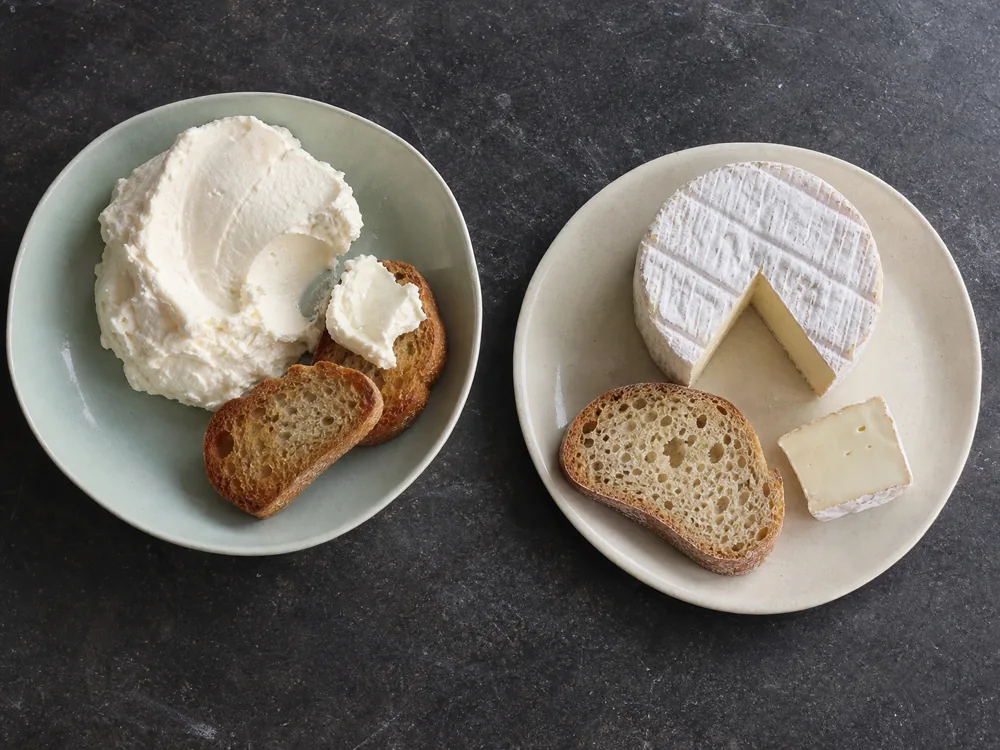
For the fresh Nonno Nanni product, spreading it on bread or using it in sweet and savory recipes follows the manufacturer's stated role. For Rocchetta, the producer says to serve it 30 minutes before eating at room temperature.
The 30-minute direction belongs to Rocchetta, so do not convert it into a fixed rule for another Robiola and put out only the portion you plan to serve.
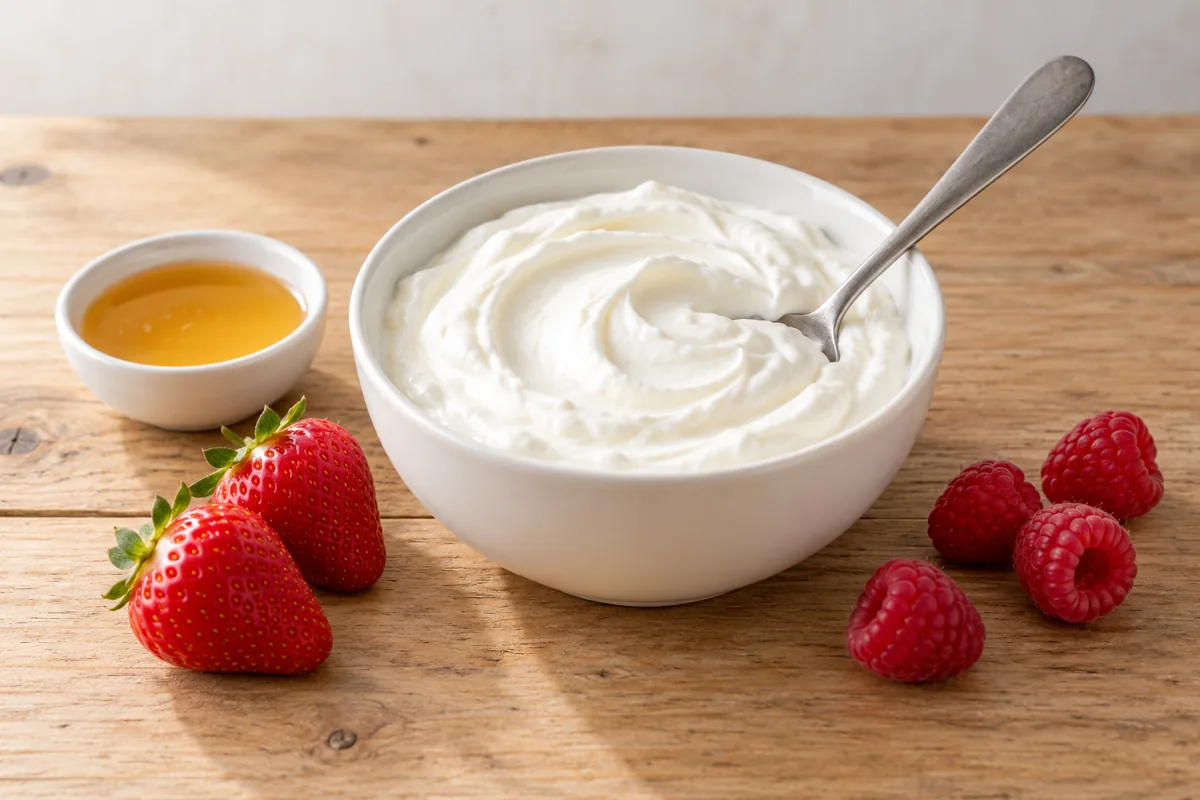
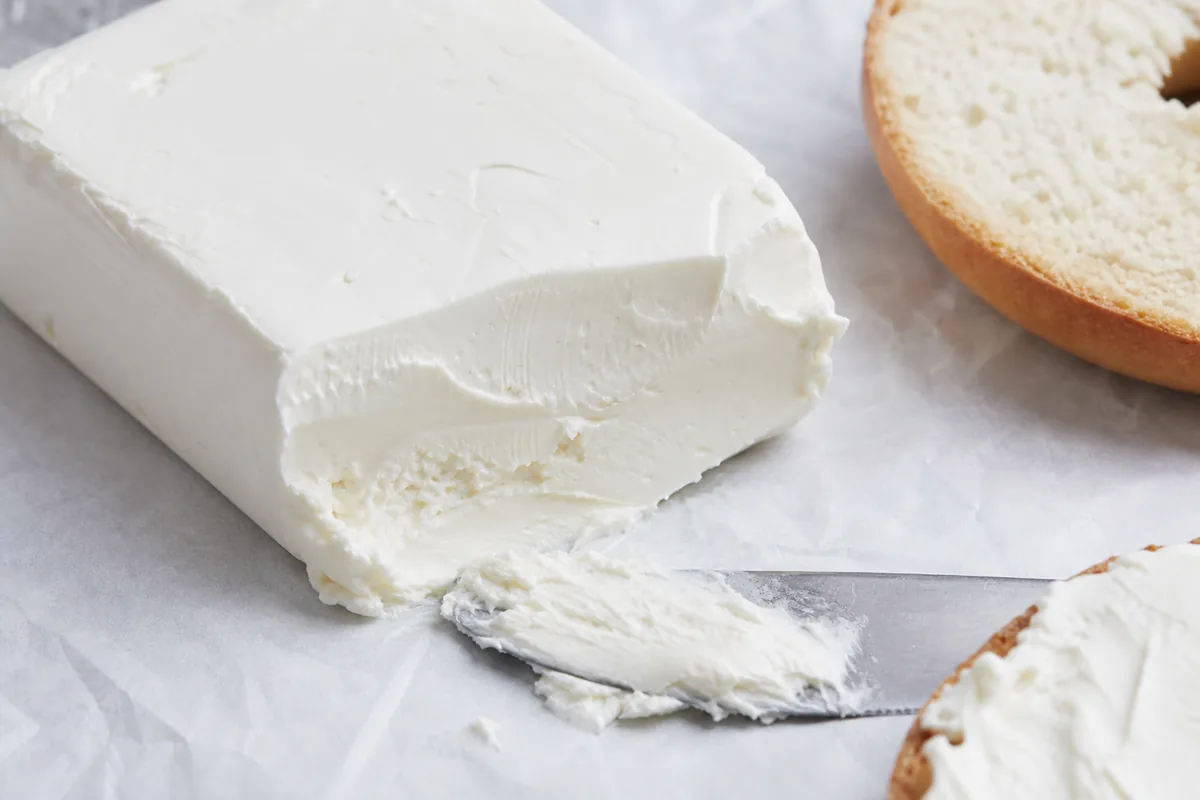
When you need a substitute, match the product in front of you. A fresh cream-cheese substitute can cover a spreadable job, while a Brie substitute fits a surfaced soft-ripened job more closely.
Does Every Robiola Store the Same Way?
There is no supported category-wide after-opening window because the reviewed product pages give different temperatures and do not publish one shared number of days.
Nonno Nanni says to keep its current fresh Robiola between 0 and 4 degrees C. Caseificio dell'Alta Langa gives 4 to 8 degrees C and a 45-day shelf life for Rocchetta, but it does not label those 45 days as time after opening.
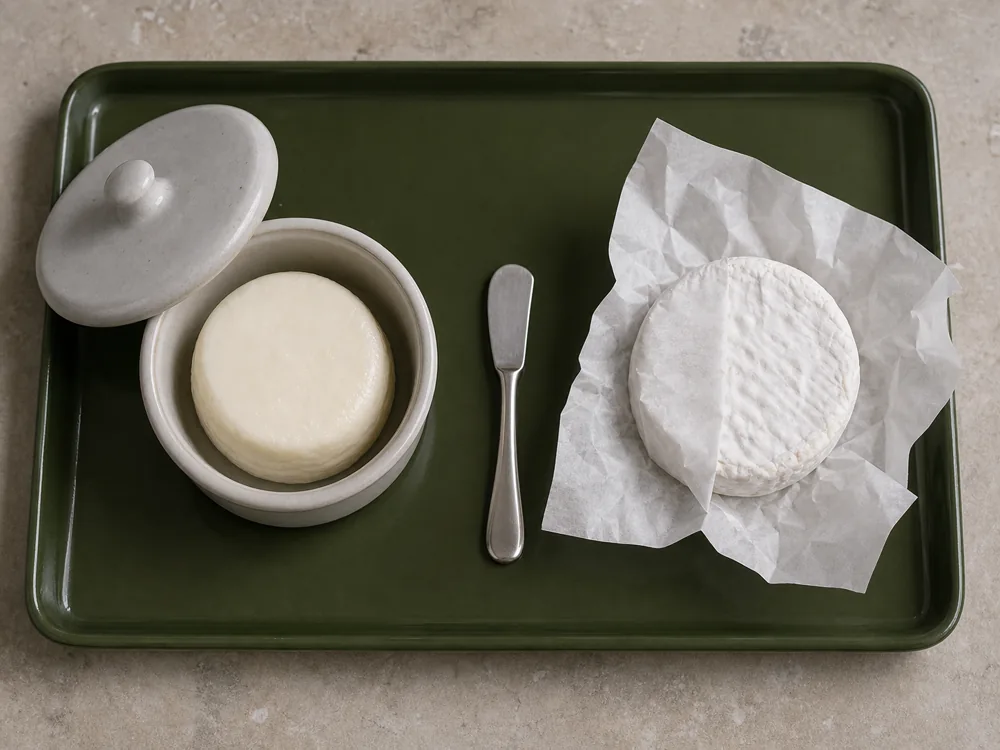
Food Standards Agency guidance sets 0 to 5 degrees C as a general refrigerator range and tells consumers to follow package storage and use-by instructions, leaving the exact product label as the controlling direction when it gives a different range.
Do Robiola Nutrition Numbers Apply to Every Product?
Robiola nutrition changes with the formula and moisture, so use the package panel rather than applying one product's values to the whole name.
| Nonno Nanni Robiola, per 100 g | Current product value |
|---|---|
| Energy | 315 kcal |
| Fat | 31 g |
| Saturated fat | 22 g |
| Carbohydrate | 2.3 g |
| Sugars | 2.1 g |
| Protein | 6.8 g |
| Salt | 0.68 g |
Those numbers belong to the current Nonno Nanni product page, while the Roccaverano PDO minimum uses a different dry-matter basis and cannot replace a per-100 g nutrition panel.
Can You Eat Robiola During Pregnancy?
Milk treatment and rind both matter because the current Roccaverano PDO specification requires raw goat's milk, while the Guffanti Due Latti record identifies a pasteurized sheep-and-cow product.
The NHS lists pasteurised soft cheeses as safe to eat, but says pasteurised or unpasteurised mould-ripened soft cheeses with a white coating on the outside must be thoroughly cooked. It also says foods made from unpasteurised milk must be thoroughly cooked, so the full label is necessary before applying the UK rule.
The CDC lists soft cheese made from unpasteurized (raw) milk and unheated cheese sliced at a deli as riskier choices. It lists pasteurized soft cheeses heated to an internal temperature of 165 degrees F or until steaming hot, and deli-sliced cheeses heated to 165 degrees F or until steaming hot, as safer.
Served cold, a pasteurized Robiola is described as a fresh, spreadable, semi-ripened or soft-ripened cheese, a type the CDC list does not cover, so ask a midwife or doctor.
Heating advice cannot be inferred from the word Robiola alone, so follow current guidance for where you live and use the exact package to identify the cheese.
SOURCES & REFERENCES
What Else Do People Ask About Robiola?
Robiola is used across several northern Italian soft-cheese products rather than one universal recipe. The full product name and producer identify the milk, rind, age and storage.
No. Roccaverano PDO is one protected product with a current raw goat's milk specification, defined production area, size, ripening stages and sealed PDO label. Other cheeses sold as Robiola follow their own product records.
No. Current Roccaverano PDO is raw goat's milk, Rocchetta uses cow, sheep and goat milk plus cream, and Guffanti's Due Latti record uses pasteurized sheep and cow milk. Read the exact label.
It depends on the product. The Roccaverano specification moves from delicate and lightly tart when fresh toward stronger flavor with age, while current producer records describe other Robiolas as fresh and creamy or sweet, milky and bloomed.
There is no supported category-wide answer. Follow the package's use-by date and after-opening direction because the reviewed current products use different temperatures and do not publish one shared opened-life window.
The name alone is not enough, so check milk treatment and rind. The NHS lists pasteurised soft cheeses as safe to eat but says mould-ripened soft cheeses with a white coating and foods made from unpasteurised milk must be thoroughly cooked.
The CDC lists soft cheese made from unpasteurized (raw) milk as riskier and pasteurized soft cheeses heated to an internal temperature of 165 degrees F or until steaming hot as safer. Served cold, a pasteurized Robiola is a type the CDC list does not cover, so ask a midwife or doctor.