Cheese Profile

Labneh: How Straining Time Gives You Two Different Textures

Labneh is a tangy strained yogurt cheese from the Levant. Learn how straining time changes texture, how to serve it, and how to store it safely.

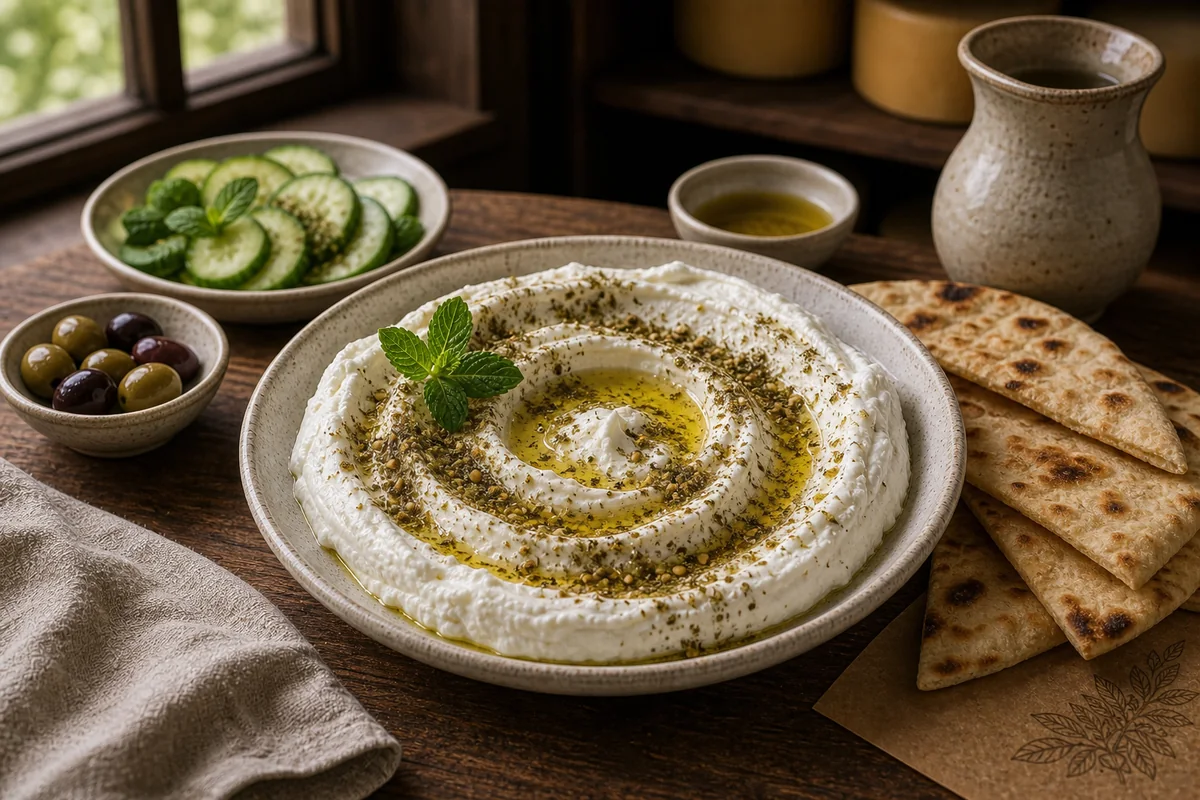
Thick labneh with olive oil, zaatar, cucumber, olives, and flatbread - Labneh cheese | KnowTheCheese
LABNEH QUICK FACTS
OriginLevant (Lebanon, Syria, Jordan, Palestine, Israel)
MilkFermented milk or yogurt, with cow and goat common
TextureSoft spread to firm balls (straining-time dependent)
RindNone
AgingUnaged and strained for hours or days
Fat ContentVaries with the starting milk and recipe
Availabilityspecialty
PriceLow mid
PregnancySafe when pasteurized
Lactosevariable

Labneh is a concentrated fermented milk from the Levant that can become a smooth tangy spread or firm rollable balls. A shorter strain leaves enough moisture for spreading, while a longer refrigerated strain creates a denser texture that can be packed under olive oil and kept cold.

The method is accessible because it relies on fermented milk, a draining cloth, gravity, and refrigeration rather than rennet or a ripening room.

The practical questions are how long to strain it, how to serve each texture, and how to keep this perishable fresh dairy food cold and clean.

What Labneh Is

Labneh is a concentrated fermented milk associated with the Levant and neighboring food traditions. You may see the name written as labneh, labne, labaneh, or labnah depending on the language and market.

The name is related to Arabic dairy terms built around laban. In the common household method, yogurt fermentation acidifies and gels the milk before any draining begins, so rennet is unnecessary.

Lactic acid lowers the pH and forms the yogurt gel before straining removes whey and concentrates the protein, fat, acid, minerals, and flavor that remain.

Codex places labneh within concentrated fermented milks rather than defining it as one fixed cheese recipe. That category allows differences in milk composition and production as long as fermentation creates the acidified dairy base and concentration raises its protein content.

Traditional cloth draining is only one way to reach that result. Commercial producers may concentrate fermented milk with other controlled equipment, adjust the starting milk, add salt at different stages, or heat-treat the product after fermentation.

Those choices explain variation in richness, salt, stability, and whether the label can claim live cultures.

  • Origin: Levant and neighboring eastern Mediterranean food traditions, with regional name variations
  • Base: Fermented milk or yogurt, often from cow or goat milk
  • Method: Concentration after or around fermentation, traditionally by cloth straining
  • Aging: None. Labneh is strained for hours or days and must remain refrigerated unless a commercial label explicitly identifies it as shelf-stable
  • Result: Tangy fresh dairy with texture controlled by straining duration and live cultures only when the product label confirms them

This distinguishes labneh from tangy American fresh cheese, which is made from acidified cream with a richer fat balance. It also differs from whey-drained Italian fresh cheese, which starts from the byproduct of cheesemaking rather than from whole yogurt.

Compared with those two cheeses, labneh usually brings a more direct yogurt tang. The exact sharpness depends on the culture, starting yogurt, salt, and degree of concentration.

The result is a fresh cheese that reads as distinctly tangy rather than neutral.

TextureSpreadable after a shorter strain to firm and rollable after a longer strain
RindNone because labneh is fresh and unripened
AromaClean fermented dairy with a yogurt-like tang
FlavorLactic and tart, with salt and richness varying by recipe
Fat profileDepends on the starting milk, added cream, and serving oil

How Labneh Differs From Greek Yogurt and Cream Cheese

Labneh and Greek yogurt overlap because both are fermented milk products that have lost whey. A thick Greek yogurt can resemble a lightly strained labneh, especially when neither product contains much salt.

The distinction becomes clearer as labneh is concentrated until it holds a plated swirl or a rolled shape and is seasoned for use as a spread or preserved-style refrigerated ball.

Commercial names do not always draw the boundary in the same place. One brand may sell a dense strained yogurt with protein and stabilizers, while another sells labneh with added cream, so the ingredient list, nutrition panel, and texture are more informative than package wording alone.

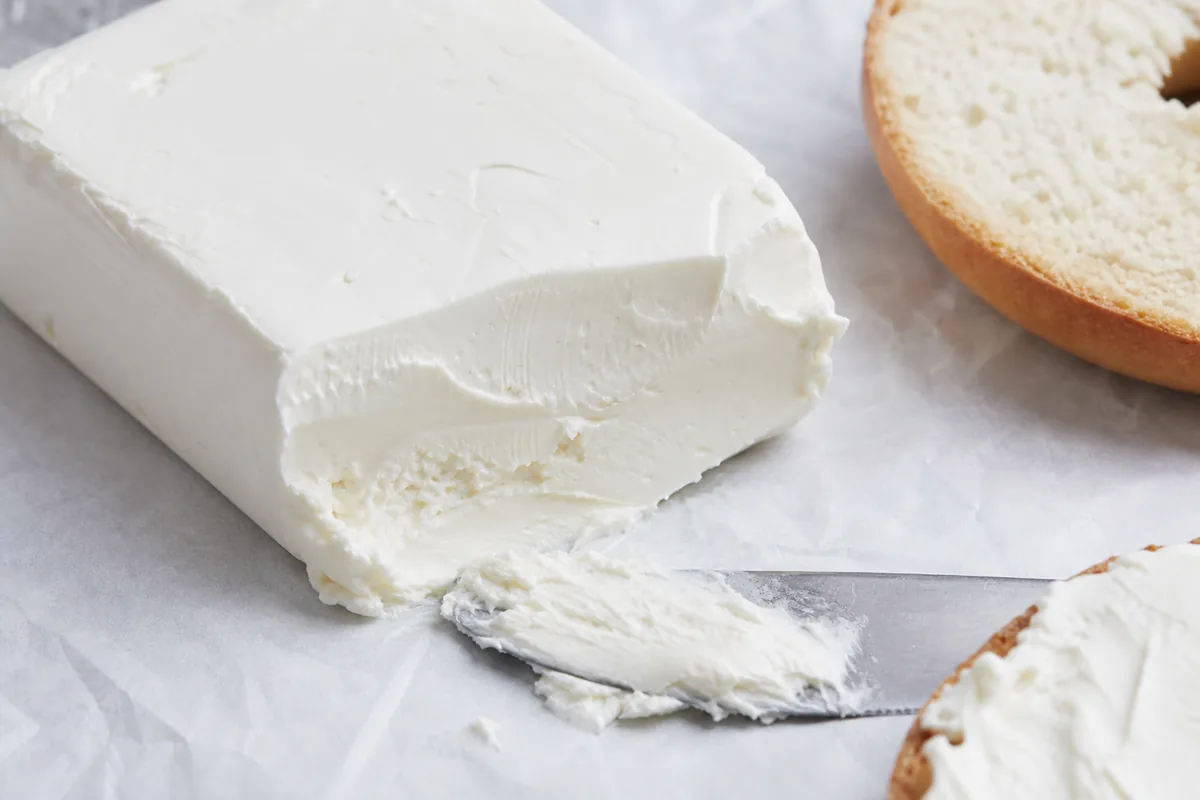
Cream cheese starts from a different formulation and usually emphasizes rich neutral spreadability rather than a cultured yogurt tang.

That difference affects cooking as well as flavor. Labneh can loosen, turn grainy, or release water under strong heat, while a recipe designed around cream cheese may rely on its particular fat and stabilizer balance.

Use labneh when acidity should remain noticeable, Greek yogurt when a looser cultured dairy is acceptable, and cream cheese when richness and predictable baking behavior matter more than fermented sharpness.

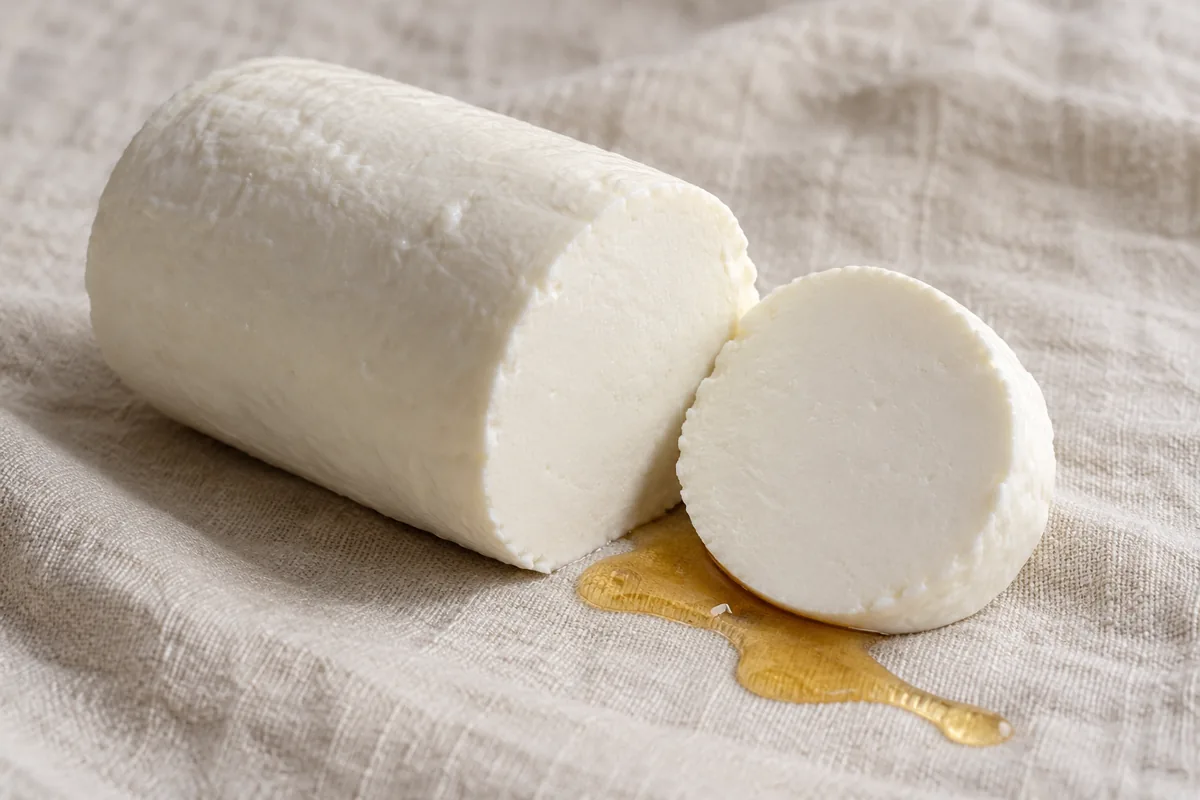
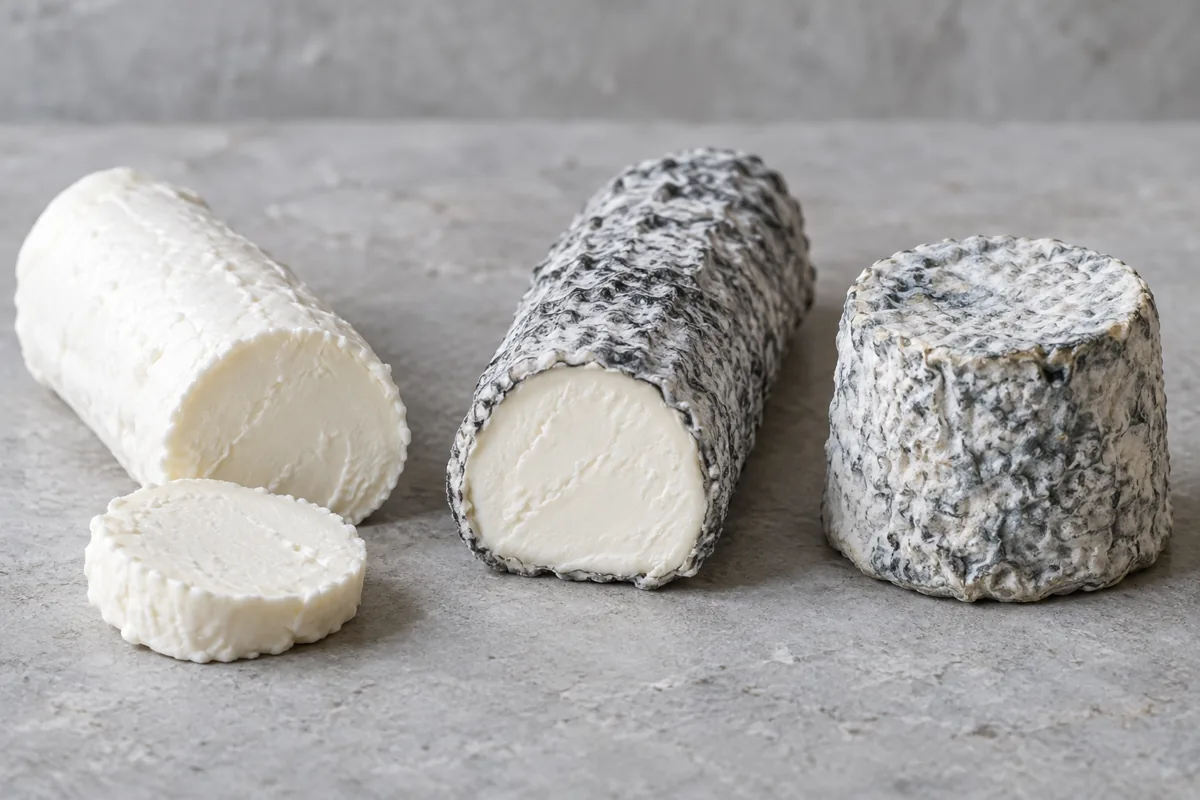
Fresh chèvre can match labneh's tang but brings a curdled goat-cheese structure instead of a concentrated yogurt gel. It is useful as a cold substitute, yet it will not thin, strain, or store in exactly the same way.

Straining Time and the Two Textures

Straining time is the most visible control, but it is not the only one. The starting yogurt's protein and fat, the cloth, drainage area, salt, and refrigerator temperature all affect how quickly whey leaves.

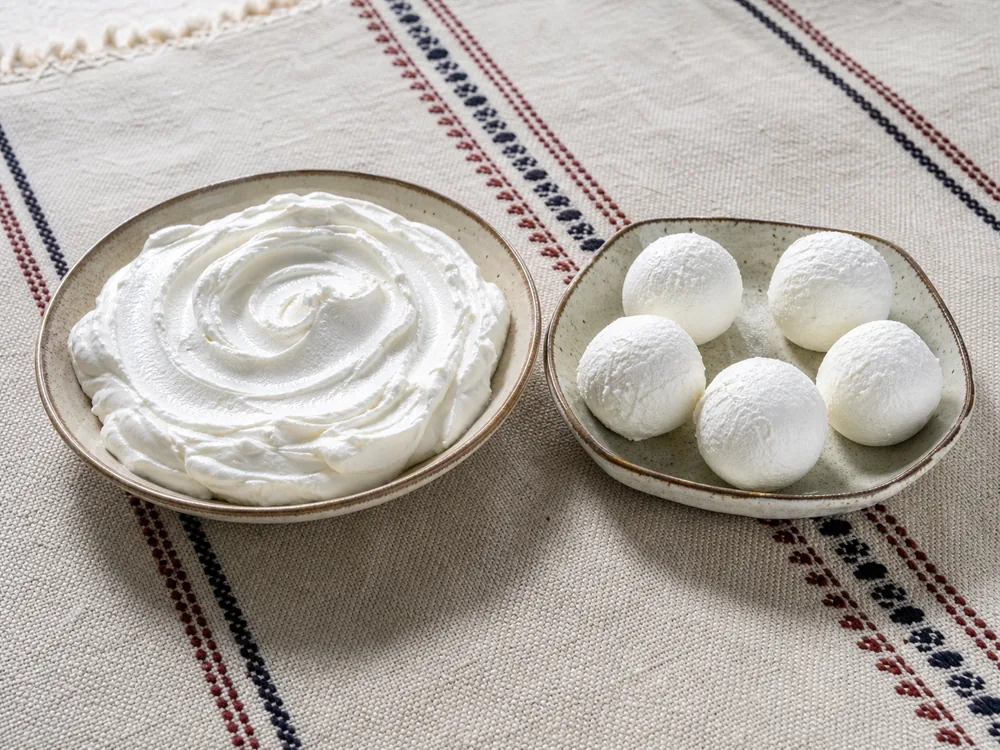
Spreadable labneh beside firm rolled labneh balls - Labneh | KnowTheCheese
Shorter straining leaves labneh smooth and spreadable, while longer straining makes it firm enough to roll into balls.

A household batch often reaches a spreadable consistency after roughly 12 to 24 hours, then becomes firmer as straining continues. Those times are checkpoints rather than guarantees because a thick commercial Greek yogurt begins with less whey than a loose plain yogurt.

12 hours
Often thick and scoopable, depending on the starting yogurt. Check whether it holds a shallow spoon trail before using it as a dip or sauce base.
24 hours
Commonly smooth and spreadable with enough body to hold a swirl in a shallow bowl. Continue only when you need a firmer use.
48 hours
Lower in moisture and able to hold a compact scoop. Chill it well, then test a small portion before trying to roll the whole batch.
72+ hours
May become firm enough to roll when the starting yogurt and drainage setup allow it. Keep finished balls refrigerated, including when they are covered with olive oil.

Texture, not time, marks the endpoint.

Spreadable labneh should hold a spoon ridge, while ball-stage labneh should release from clean fingers without leaving a puddle.

Keep the colander above the collected whey because contact with the liquid slows drainage. Cover the setup so it does not absorb refrigerator odors or pick up contamination from other food.

Salt can draw out more moisture and change the perceived tang, so add it consistently when comparing batches. Starting with a mild yogurt gives you room to concentrate the flavor without making the final labneh unpleasantly sour.

This describes a tart 24-hour homemade batch, while commercial labneh may taste milder or saltier depending on the milk and formulation.

This is what makes labneh taste more alive and sharp than a fresh goat cheese or cream cheese.

  • Lactic tang: fermentation supplies the acidity, while whey removal concentrates the flavor already present
  • Creaminess: depends on fat, protein concentration, and whether cream or stabilizers were used
  • Sweetness: usually low in plain labneh, though lactose and added sugar vary by product
  • Finish: can feel clean and tart or rich and lingering depending on the milk and serving oil

The tang balances olive oil, roasted vegetables, nuts, and bread because acidity keeps those richer foods from tasting flat. Taste the labneh before seasoning since a salty commercial tub may need oil and herbs but no additional salt.

TIP

For a smoother labneh with less aggressive tang, start with a milder full-fat yogurt rather than a Greek-style one. Greek yogurt has already been strained once, so straining it further produces a very sharp, concentrated labneh. Plain full-fat yogurt gives you more control over the final tang level.

The Mezze Table Tradition

At breakfast or mezze, labneh is often a substantial dish rather than a small garnish. A wide shallow bowl makes it easy to season the surface and scoop the dairy together with oil, herbs, and bread.

Spoon the labneh outward to form a shallow well, then add olive oil to that well rather than stirring it through the whole bowl. This gives each scoop a choice of plain tang, seasoned surface, or richer oil.

Za'atar blends vary, so taste the herbs, sumac, sesame, and salt with the labneh before adding more seasoning.

  • Breakfast plate: spreadable labneh with flatbread, cucumbers, tomatoes, olives, and herbs
  • Shared mezze: a shallow seasoned bowl placed where everyone can reach it without crossing other dishes
  • Firm balls: served cold in small portions with their oil and dry seasonings
  • Regional variation: milk, salt, thickness, spelling, and accompaniments change across households and markets

This central placement differs from the way brined Greek mezze cheese is often crumbled or portioned as a separate salty element. Labneh acts as both dairy and a surface for oil, herbs, vegetables, and bread.

Take the bowl from the refrigerator shortly before serving so the texture relaxes without spending a long period in the temperature danger zone. Return leftovers to the refrigerator within two hours and use a clean spoon instead of repeatedly dipping bread into stored portions.

How to Store Labneh in Olive Oil Safely

Oil-packed labneh remains a perishable fresh dairy food and belongs in the refrigerator at 40°F, or 4°C, or below. Olive oil reduces contact with air, but pouring oil over homemade cheese does not create a tested shelf-stable preserve.

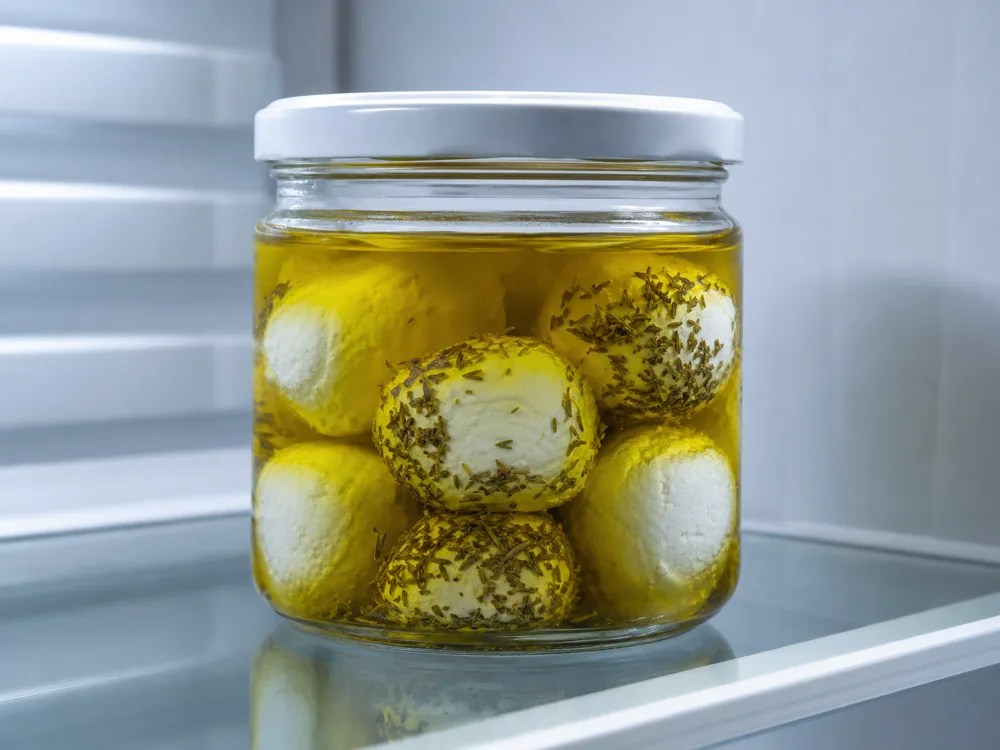
Labneh balls fully submerged in olive oil in a refrigerator - Labneh | KnowTheCheese
Keep oil-packed labneh refrigerated in a clean sealed jar with every ball below the oil line.

Start with pasteurized yogurt, clean hands and utensils, a clean jar, and labneh firm enough to stay below the oil line without weeping.

Use dry seasonings rather than fresh garlic or wet herbs in a home oil mixture. Low-acid foods held under oil create a low-oxygen environment, and room-temperature storage can support dangerous microbial growth when the recipe has not been professionally validated.

Oil does not make the jar shelf-stable.

WARNING

Do not treat homemade labneh in oil as a pantry product. Keep it refrigerated, follow a tested recipe when one is available, and discard it after more than two hours above 40°F or 4°C.

A study of plain labneh stored at 5°C found a nominal shelf life of about 8.5 to 10.5 days based on flavor change and yeast counts. Oil, salt, yogurt composition, handling, and commercial processing can alter that window, so use a producer's date for packaged labneh and make small home batches you can finish promptly.

Olive oil may turn cloudy or partly solid in the refrigerator, which is a normal response to cold. Let the portion you plan to eat sit briefly at a cool room temperature, then return the sealed jar to the refrigerator within the two-hour limit.

Freezing can make spreadable labneh grainy or watery after thawing, so it is better reserved for a portion that will be stirred into cooked food. Thaw it in the refrigerator and do not refreeze a portion that has already thawed.

For transport, use an insulated bag with enough ice to keep the labneh at refrigerator temperature until it reaches the next refrigerator.

  • Za'atar coating: adds dried herbs, sumac, sesame, and usually more salt
  • Chili and dry herbs: adds heat and aroma without introducing fresh wet ingredients
  • Sesame coating: adds a nutty surface and visible texture
  • Plain under oil: keeps the dairy flavor clear and makes changes in odor easier to notice

Remove each ball with a clean, dry utensil rather than fingers or a used serving spoon. Discard the jar if you see mold, gas bubbles, a swollen lid, or an off odor, and never taste food to decide whether it is safe.

Best Uses for Labneh

Labneh's tang and texture make it a more active ingredient than neutral fresh cheeses. It adds flavor, not just creaminess, which means it works best in applications where contrast is the goal.

Use spreadable labneh directly from a tub for dips, toast, and plated vegetables. Firmer labneh is better when you need a distinct portion that will keep its shape beside fruit, bread, or a salad.

To make a sauce, whisk cold water into thick labneh one spoonful at a time before adding lemon or oil so the texture loosens evenly.

UseHow It Works
Mezze spreadSpooned into a shallow bowl, spread to the edges, finished with olive oil and za'atar. The foundational Levantine presentation. Serve with flatbread for tearing and dragging.
Roasted vegetable baseSpread a layer of labneh on the plate first, then pile roasted carrots, beets, or cauliflower on top. The lactic tang cuts through the sweetness of caramelized vegetables.
Sauce thinned with lemonThin 24-hour labneh with lemon juice and a few tablespoons of water to reach a drizzle consistency. Use as a tahini-style sauce over grain bowls, grilled chicken, or lamb.
Dip baseUse as the creamy base for herb dips - mix with garlic, fresh herbs, and olive oil for an immediate tzatziki-adjacent dip that does not require cooking.
Flatbread toppingSpread on flatbread with olive oil before baking (manaqeesh-style) or use cold as an open-face spread with sliced cucumbers and tomatoes.
Dessert with honeyFirm labneh drizzled with raw honey, crushed walnuts, and a few drops of orange blossom water makes a simple Levantine-style dessert or breakfast sweet.

For building a mezze-style board, labneh earns enough space for diners to scoop it easily. Place wet vegetables and pickles in separate dishes so their liquid does not dilute the spread.

  • Good in: dips, spreads, sauce bases, flatbread toppings, vegetable plates, grain bowls
  • Not a melting cheese: labneh can loosen or separate under heat, but it does not flow like mozzarella
  • Possible in baking: use a recipe written for labneh or adjust for its acidity, salt, moisture, and fat instead of replacing cream cheese one-for-one

Using Labneh With Heat

Labneh can be baked, but heat changes it differently from a melting cheese.

For flatbread, a thin layer may be baked with the dough when the recipe is designed for it, while a thicker cold layer can go on after baking for a brighter cultured flavor. Watch added salt because the dough, seasoning, and labneh may all contribute it.

In soup or a warm sauce, temper labneh by whisking a little warm liquid into it before returning the mixture to the pot.

Keep the heat gentle after that point because boiling encourages the protein gel to tighten and separate. Starch or egg in a tested recipe can improve stability, but adding either casually changes the dish.

For cheesecake or another set dessert, use a formula written for labneh or compare the label with the cream cheese the recipe expects. Differences in moisture, acidity, fat, and salt change both the set and the flavor.

Labneh can also become an off-heat pasta sauce. Whisk it with olive oil and enough pasta water to make a smooth dressing, then fold it through warm pasta after removing the pan from the burner.

Warm pasta can loosen labneh without boiling it.

For roasted vegetables, spread labneh on the plate after the vegetables leave the oven. This keeps the dairy cool and tangy while the vegetables supply warmth and caramelized flavor.

Sweet uses work when the labneh is not heavily salted. Honey, dates, figs, walnuts, pistachios, or orange blossom water can balance the acidity without disguising the fermented flavor.

Making Labneh at Home

Home labneh needs only a bowl, a colander, a clean draining cloth, and refrigerator space, but the simple equipment does not remove the need for cold holding and clean handling.

Start with pasteurized plain yogurt that smells clean and is within its use-by date. A yogurt without gums or starches usually drains more predictably, but the ingredient label and initial thickness matter more than whether the package says Greek-style.

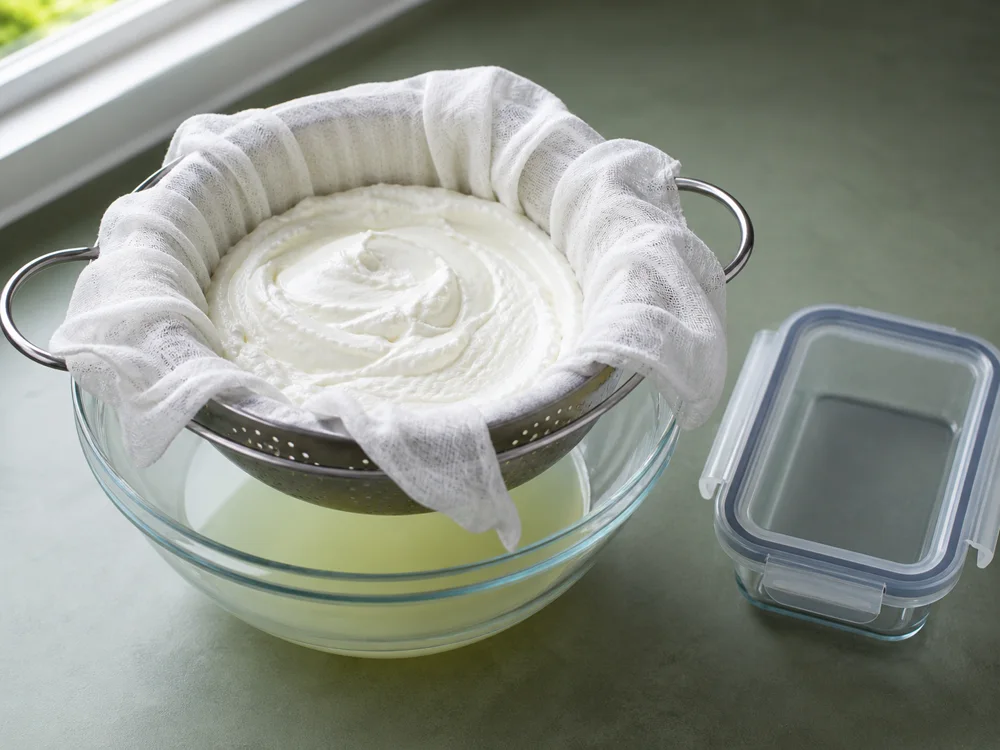
Cheesecloth-lined colander draining labneh above a bowl of whey - Labneh | KnowTheCheese
The colander must stay above the collected whey, and the covered setup should remain refrigerated throughout straining.
1
Choose the yogurt
Use pasteurized plain yogurt with the fat level and tang you want to concentrate. Read the ingredient list because starches, gums, gelatin, added cream, and salt change the way it drains.
2
Build the draining setup
Line a clean colander with cheesecloth or a tightly woven clean cloth. Set it over a bowl deep enough to keep the colander above the whey, then add the yogurt.
3
Cover and refrigerate
Fold the cloth over the yogurt or cover the whole setup without sealing the drainage path. Keep it at 40°F or 4°C or below from start to finish.
4
Check texture, not only time
Inspect the labneh near 12 and 24 hours for a spread, then continue only if you need a firmer result. Empty the whey bowl when the liquid approaches the colander.
5
Season and chill
Move the finished labneh into a clean covered container. If making balls, use clean utensils, coat them only with dry seasonings, cover them with oil in a clean sealed jar, and keep the jar refrigerated.

Salt timing changes moisture movement and taste, so record the amount and stage if you want the next batch to behave the same way.

Yield varies too widely for a fixed promise because the starting yogurt may already have lost much of its whey. Weigh the yogurt and finished labneh if recipe cost or nutrition matters, then use your own batch ratio next time.

Stop draining when the texture fits the intended dish. Continuing beyond that point sacrifices yield and can make a spread chalky without improving its flavor.

NOTE

The drained acid whey contains water, lactose, minerals, acid, and some protein. Refrigerate it promptly and use it soon in bread dough, soup, or cooked grains, or discard it if you do not have a plan. It is not a shelf-stable byproduct.

Why Homemade Labneh Stays Runny or Turns Chalky

Runny labneh usually needs either more drainage area or more time, but first check whether the colander is sitting in the whey. Once the liquid reaches the bottom of the cloth, gravity can no longer pull it away efficiently.

A narrow tied bundle drains differently from yogurt spread across a broad cloth-lined colander, so two batches can reach different textures at the same hour.

Starches, gums, and gelatin can hold water inside the yogurt or create a texture that feels thick before enough whey has left. The batch may still be edible, but it will not behave like a simple milk-and-culture yogurt under the same timing.

Chalky labneh has often drained beyond the texture needed for a spread, especially when the yogurt began low in fat. Whisk in a teaspoon of cold water or reserved fresh whey at a time until the spread becomes smooth again.

Oil cannot replace the water lost through over-straining.

Visible whey after storage is not automatically spoilage. If the labneh stayed cold, remains within its date, and smells clean, you can stir a small amount back in or pour it off according to the texture you want.

Mold, pink or orange discoloration, gas, a swollen container, bitterness, or a yeasty off odor call for disposal rather than seasoning or further straining. Fresh labneh should smell tart and dairy-clean, not alcoholic, putrid, or sharply fermented beyond the starting yogurt.

Buying Labneh and Fresh-Cheese Alternatives

Look for labneh in a refrigerated dairy case and reject any tub or jar that is warm, swollen, leaking, or missing a clear producer and date.

BUYING TIPS
Confirm cold storage
Buy labneh from a working refrigerated case unless the sealed commercial package explicitly says it is shelf-stable. Put it back under refrigeration promptly after transport.
Read the milk and fat line
Cow, goat, whole-milk, low-fat, and cream-enriched products can taste and behave differently. Choose the composition that fits the dish rather than assuming one version is standard.
Check the format
Tubs usually contain spreadable labneh, while jars may contain firm balls under oil. The two formats portion, season, and store differently.
Look for clear handling details
Prefer sealed packaging with a producer, pasteurization statement, use-by date, and refrigeration instructions. Higher-risk diners should avoid products with uncertain milk or handling.

For a plain spread, check whether the ingredient list contains only fermented milk, cultures, and salt or also includes cream, starch, gums, or preservatives. Those additions are not automatically defects, but they explain why texture and nutrition may differ from homemade cloth-strained yogurt.

A jar of balls should remain sealed, cold, and free from leakage, with the cheese below the oil line and storage directions visible.

Oil color does not prove freshness because herbs and spices can darken it. Use the date, package condition, temperature, and odor after opening together rather than trusting one visual cue.

Before choosing a substitute, decide whether the dish needs fermented tang, a firm spread, or a rollable portion. No substitute covers all three.

When labneh is unavailable and making it is not practical, these fresh dairy products cover different parts of the job.

  • Cream cheese with lemon: Useful when spreadability matters more than fermented flavor. For cream cheese swap options in the other direction, labneh can work in cold dips when you adjust salt and moisture.
  • Plain Greek yogurt: Covers the cultured tang but is often looser. Drain it briefly or reduce other liquid in the dish when structure matters.
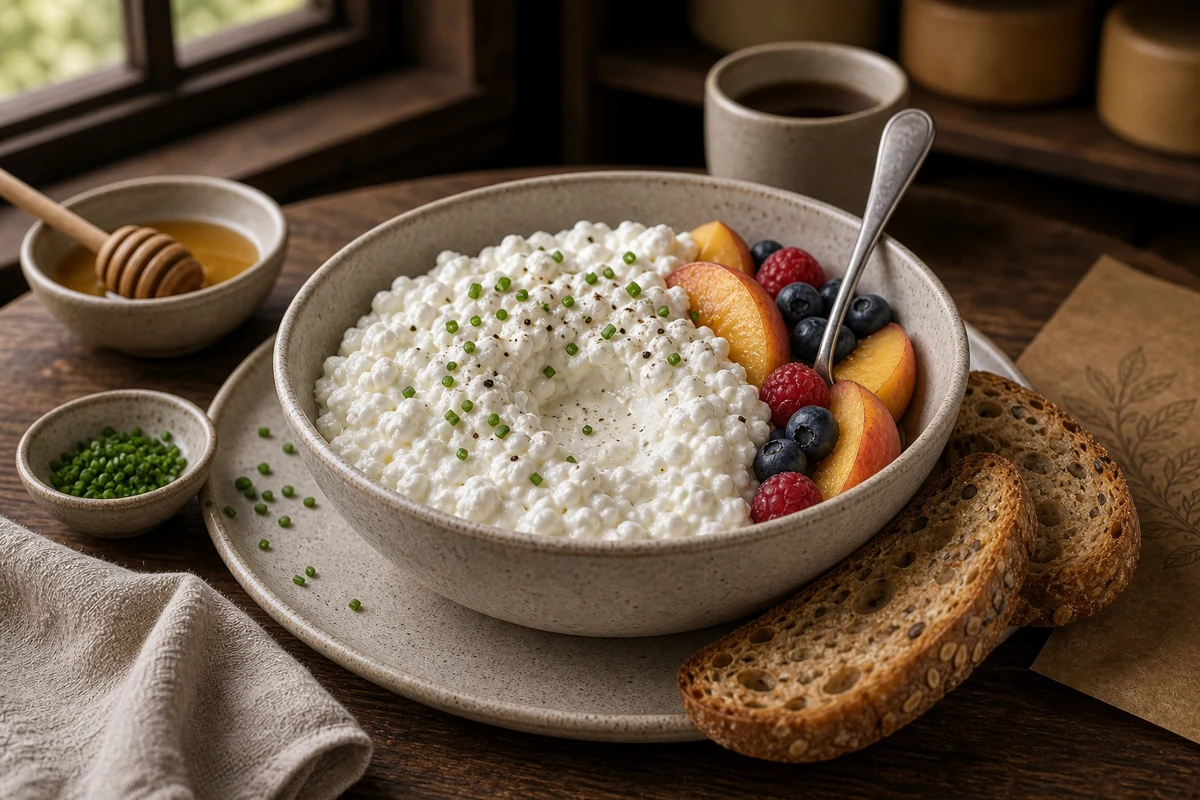
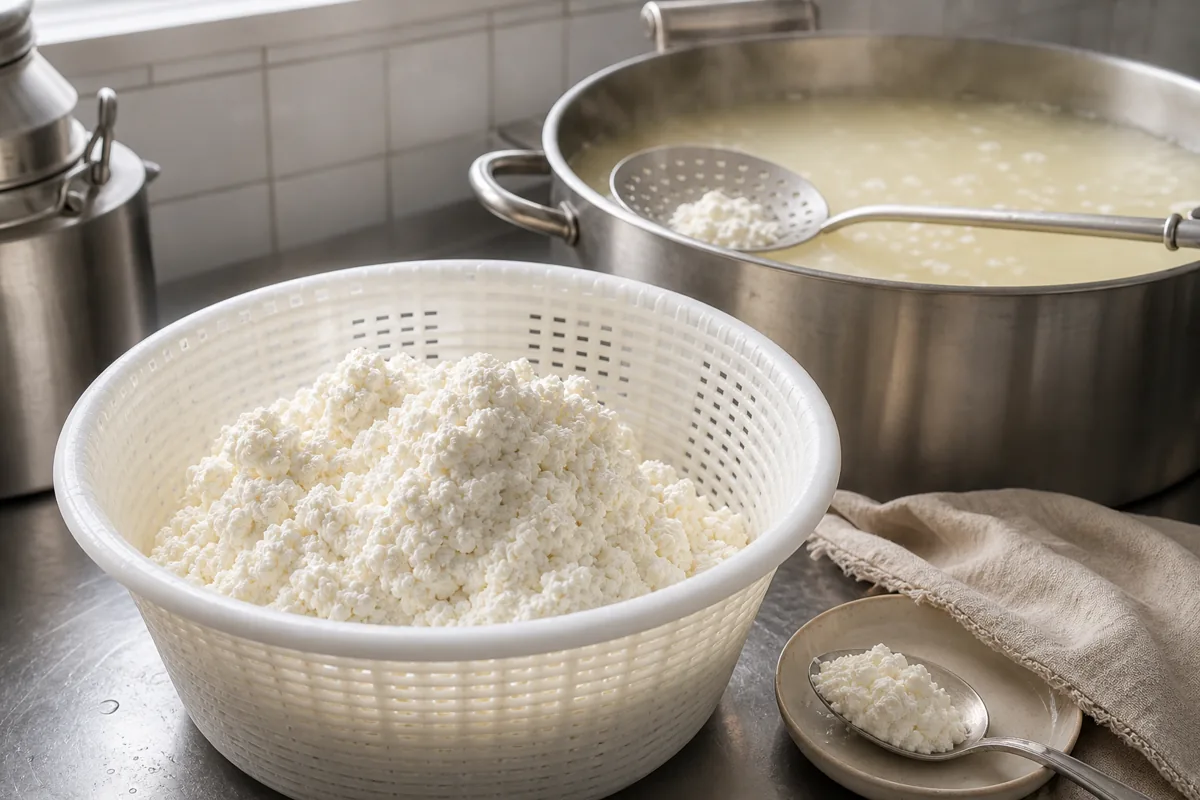
  • Blended cottage cheese: Can approximate body after blending, but its curd flavor and salt may remain more obvious.
  • Fresh tangy chèvre: Closest in lactic tang and clean finish. It can replace labneh in a cold spread, but do not transfer labneh's oil-storage method to a different fresh cheese.

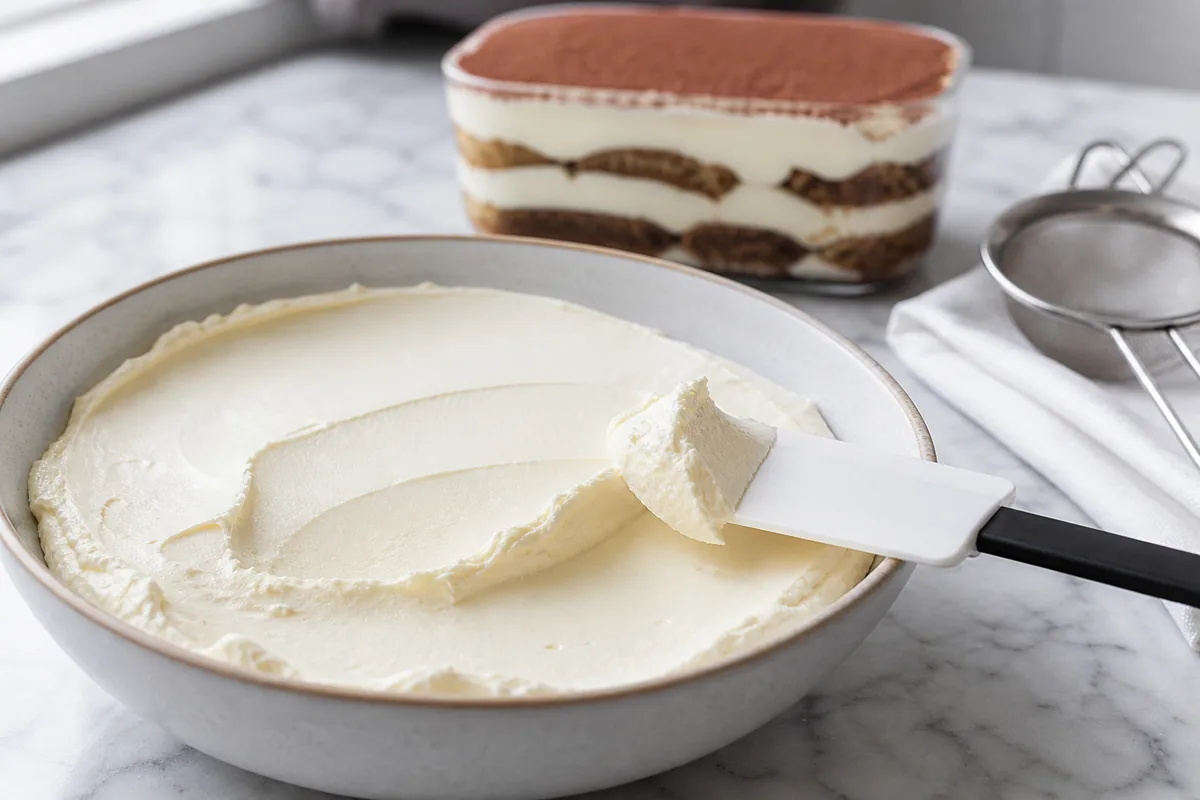
Italian double-cream spread can match the smooth appearance of labneh but supplies much more richness and far less cultured tang. Use it only when the recipe welcomes that change.

After opening a commercial tub, keep the original date and storage instructions visible. Transferring it to an unmarked bowl makes it easier to forget the product's age and harder to identify during a recall.

Labneh Nutrition

Labneh nutrition varies with the starting milk, yogurt recipe, degree of straining, salt, and any added cream. Codex classifies labneh as a concentrated fermented milk, but that definition does not set one calorie or fat value for every product.

Label Field Why It Changes What to Check
Protein Longer straining removes more whey and concentrates milk solids Compare equal serving weights rather than spoonfuls
Fat Whole, low-fat, goat, and cream-enriched bases differ Read the label instead of assuming labneh is always lean
Sodium Salt may be mixed into the yogurt or added after straining Compare brands when labneh will be a daily food
Live cultures Some products retain active cultures while others are heat-treated Look for an explicit live-culture statement

Whey removal concentrates milk solids as it reduces yield, while serving oil adds fat and calories without changing the dairy composition.

Straining removes some lactose with the whey, but the amount left varies. Labneh is not automatically lactose-free.

CHECK THE LABEL
Choose sealed refrigerated labneh clearly labeled as made from pasteurized milk, keep it at 40°F or 4°C or below, and follow the use-by date. Avoid raw-milk labneh and home products when the milk source or handling is uncertain. People at higher risk for listeriosis should follow their clinician's advice for fresh dairy foods.

Straining does not automatically remove live yogurt cultures, but survival depends on the strains, processing, storage, and any heat treatment after fermentation. If live cultures matter to you, use the package statement and serve the product without heating it.

SOURCES & REFERENCES

1.
Codex Alimentarius / FAO and WHO government
Standard of identity, used for the composition and naming limits this profile states.
2.
Journal of Dairy Science / American University of Beirut journal
Research paper, used for the technical behaviour described in this profile.
3.
FoodSafety.gov government
Used for the food safety guidance in this profile.
4.
U.S. Food and Drug Administration government
Used for the listeria and pregnancy guidance in this profile.

Labneh FAQ

These questions cover labneh's flavor, texture, refrigerated storage, cooking behavior, and traditional seasonings.

Labneh tastes tangy and lactic, with a denser texture than its starting yogurt. A longer strain removes more whey and concentrates both the flavor and the milk solids.

No. Labneh is concentrated fermented milk, while cream cheese uses a different fresh-cheese process and often contains cream. Compare labels because fat, protein, and salt vary by recipe.

A study of plain labneh at 5°C found a nominal shelf life of about 8.5 to 10.5 days, but recipes and commercial processing differ. Follow the package date for purchased labneh, keep homemade batches at 40°F or 4°C or below, and use them promptly.

Yes. Labneh works well as a cold dip, a sauce thinned with water or lemon, and a base under roasted vegetables. High heat can make it separate, so stir it into warm food off the heat when you want a smooth result.

Za'atar is a Levantine blend commonly built from dried herbs, sumac, sesame, and salt. Its herbal, tart, and nutty flavors complement labneh's lactic tang.
WRITTEN BY
Elise Whitfield started out working a cheese counter in Melbourne, where she wanted a reference that was honest and practical and could not find one. KnowTheCheese is the resource she wished existed. She writes it from published references, producer and official documents where they exist, and her own tasting notes. When little has been published about a cheese, she says less rather than guessing.