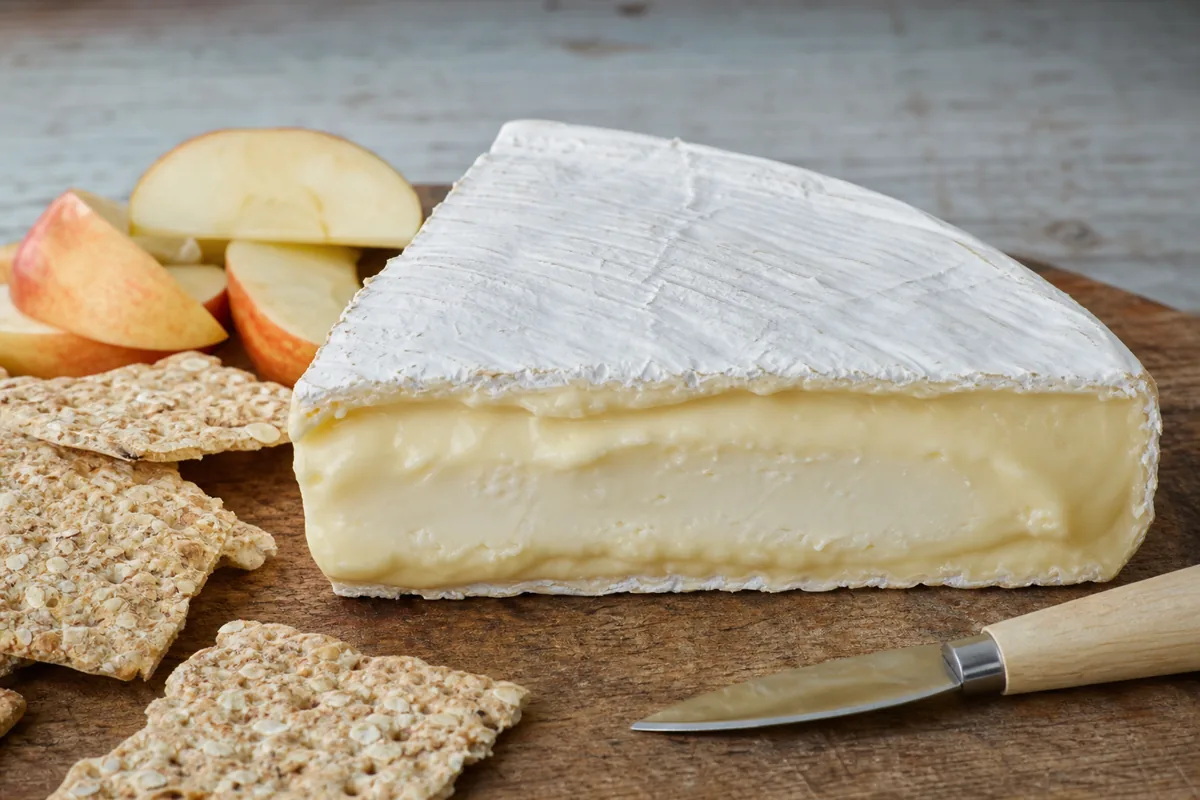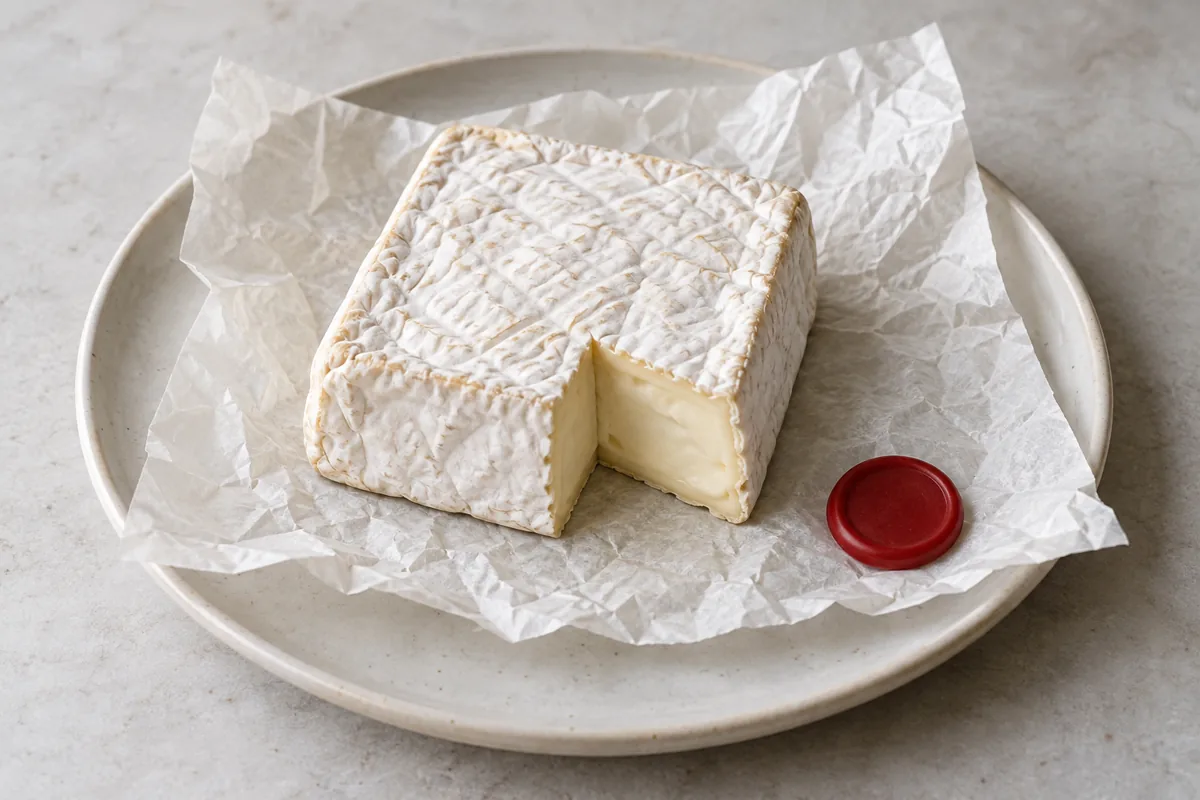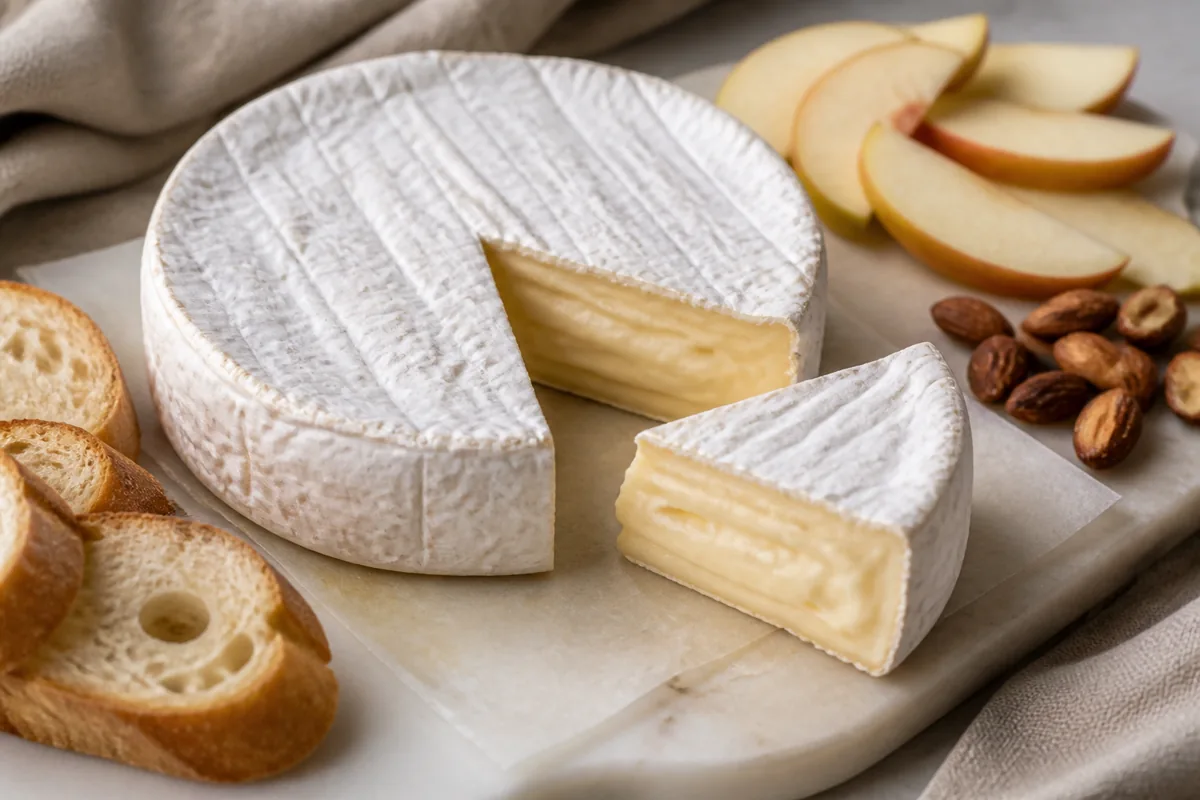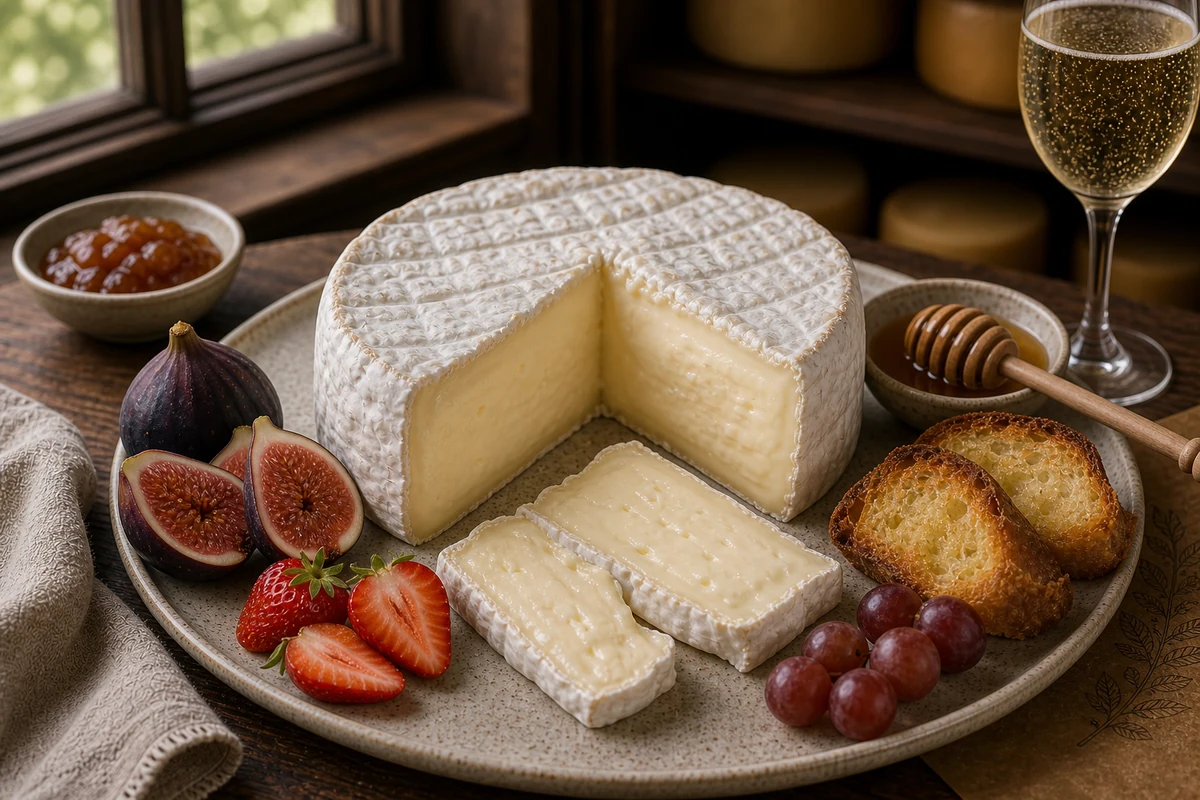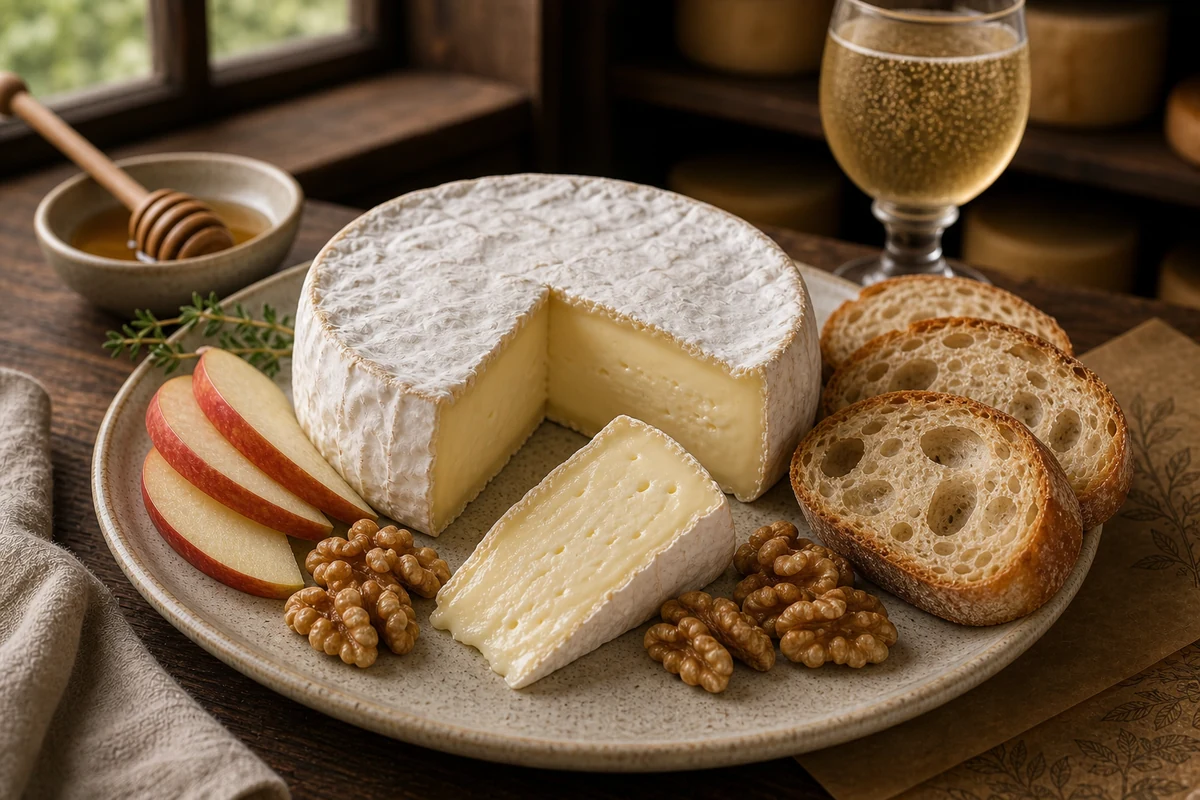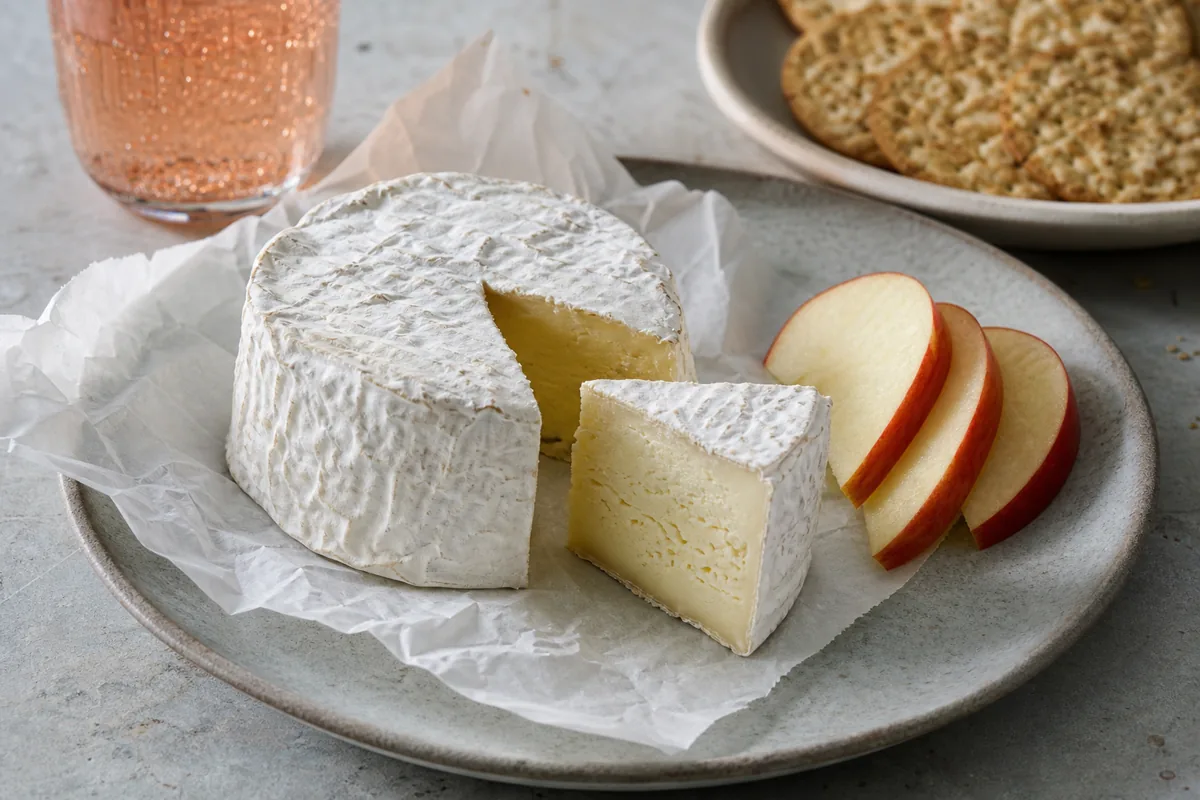
Bix is a triple-cream soft white cheese from Nettlebed Creamery in Oxfordshire, made from pasteurised organic cow's milk with added double cream, according to Cheese.com. It is sold as a 100g whole cheese.
Whether the Bix you buy is firm or runny depends on how far it has ripened, according to Cheese Etc.
In This Article
What Goes into Bix at Nettlebed Creamery?
Bix is made from pasteurised organic cow's milk with double cream added, starter cultures, salt and animal rennet from calves, according to Edenmoor's ingredient list.
If you eat a vegetarian diet, that calf rennet rules Bix out, and Cheese Cuisine marks it as not vegetarian.
Rose Grimond began making cheese in 2015 by converting a barn at Manor Farm into a creamery, and Bix was created in April 2016. It is named after the village of Bix, where the herd that supplies the milk grazes.
Bix is one of three British cheeses Nettlebed made by 2019, alongside Highmoor and Witheridge. The Henley Standard reported that it was named best soft white at the British Cheese Awards in 2018, then won gold and best organic cheese in 2019.
If you know Délice de Cremier or Chaource, two retailers liken Bix to them. Cheese Cuisine describes Bix as a triple-cream cheese akin to Délice de Cremier, in its shop listing and in its feature on Rose Grimond, and Edenmoor says it resembles the French cheese Chaource but keeps its own character.
How Is Bix Made and How Does It Change as It Ripens?
In the method described in 2018, organic milk receives cultures and rennet, the curds are cut, and the cheese is ladled into moulds to set overnight.
Bix then matures for two weeks by the Henley Standard's 2018 account, while Pong Cheese describes it as 21-day matured. The piece you buy may be sold anywhere within that range or beyond it.
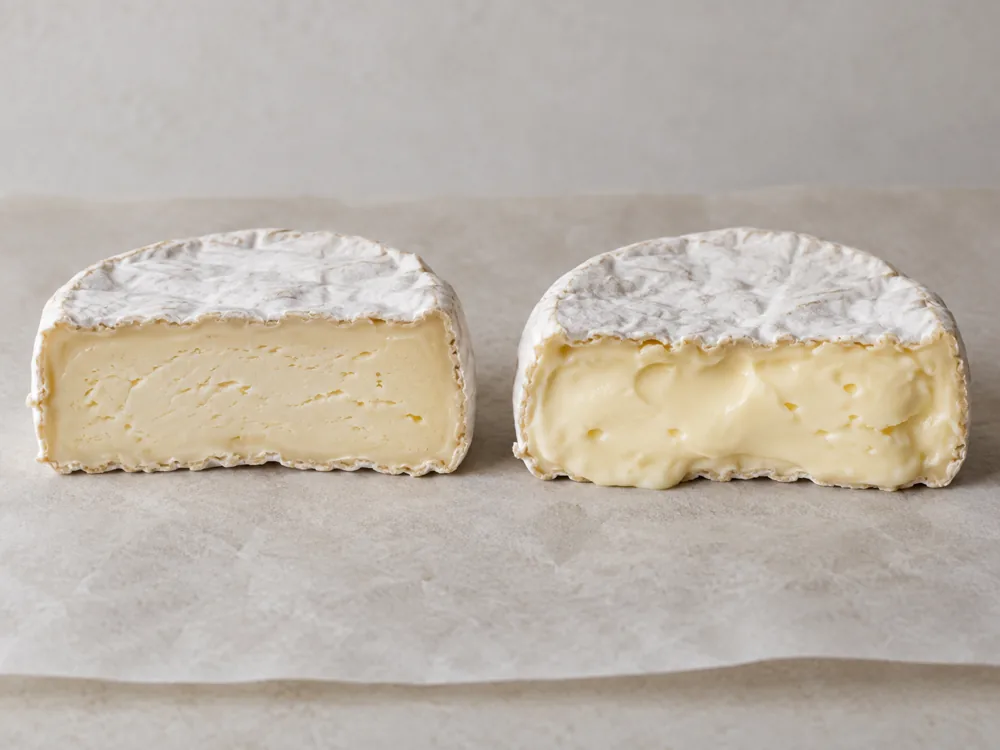
Cheese Etc says a younger Bix is slightly firmer in the centre with fresh, lactic flavours. As it ripens the paste softens and can become almost spoonable around the edges, and more savoury, mushroomy flavours develop.
That ripening pattern explains why the descriptions of the paste below run from dense to gooey.
| Source | Texture words |
|---|---|
| Rennet & Rind (retailer) | Dense, rich and buttery |
| Edenmoor (retailer) | Dense and ultra-creamy, with a mouthfeel not unlike butter |
| Cheese.com (reference) | Buttery, creamy, soft-ripened, with a velvety cream paste; calls the cheese irresistibly gooey |
| Cheese Etc (retailer) | Buttery and velvety, almost spoonable around the edges at room temperature |
If you want edges you can almost spoon, ask the shop for a riper Bix, and if you want a firmer centre, ask for a younger one.
What Does Bix Taste Like?
Bix tastes of butter, cream and a lactic edge in the retailers' notes below, and Rennet & Rind and Cheese Etc both add an earthy, mushroom note.
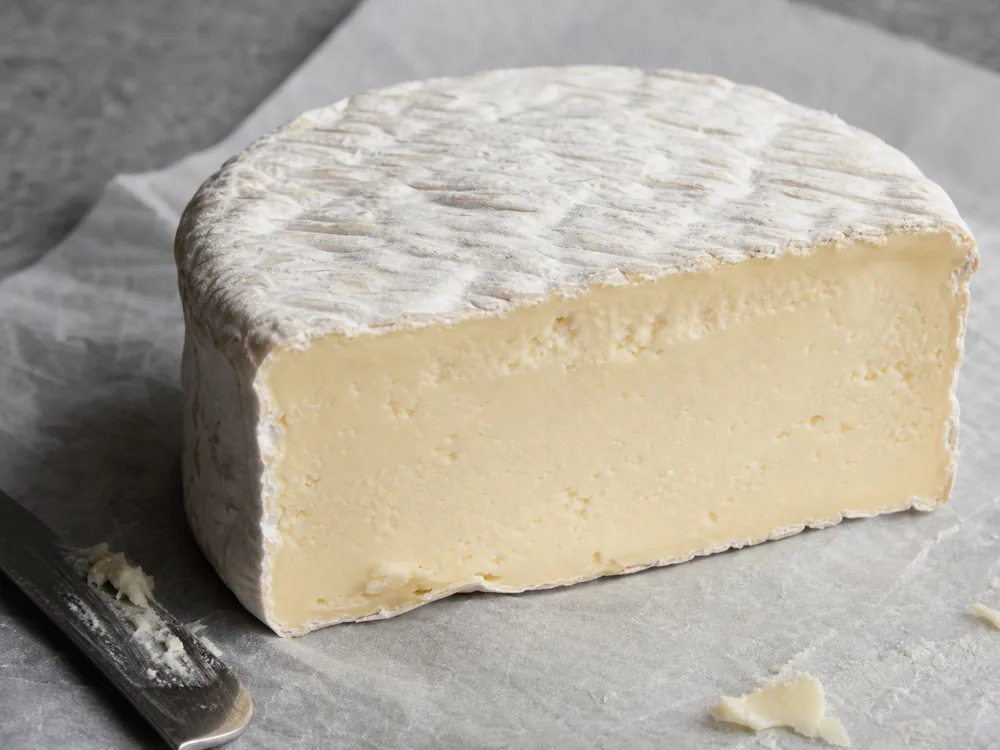
- Rennet & Rind: grassy sweetness and hints of yoghurt, moving towards salted butter on toast, with an earthy aroma of white button mushrooms.
- Edenmoor: yoghurt and grassy sweetness that unfurl into toasty notes, with a moreish lactic tang.
- Cheese Etc: plenty of fresh cream flavour and gentle mushroomy, earthy flavours from the rind.
- Rind and paste: Edenmoor calls the rind white and wrinkly, Cheese.com describes a white bloomy mould coating and a pale yellow paste.
How Do You Serve Bix and What Pairs with It?
Take it out of the fridge about an hour before serving, as Edenmoor and Cheese Etc both advise.
Edenmoor calls Bix a wonderful addition to a cheeseboard, and Cheese Etc keeps the plate to a few sourdough crackers and some fresh grapes.
If you want to cook with Bix, Cheese Etc suggests wrapping a whole one in puff pastry and baking it, though Cheese Cuisine calls it too good on its own to cook with.
| Pairing | Type | Why It Works |
|---|---|---|
| Sparkling rosé | Drink | Rennet & Rind pairs Bix with a sparkling rosé, where fine bubbles and fruit lift the rich creaminess. |
| Champagne | Wine | Cheese Etc recommends Champagne first. |
| Dry cider | Drink | Cheese Etc's alternative to Champagne is a good dry cider. |
| Stewed figs | Food | Cheese Cuisine suggests enjoying Bix with stewed figs. |
| Sauvignon | Wine | Cheese Cuisine lists a De Wetshof Sauvignon as its wine match. |
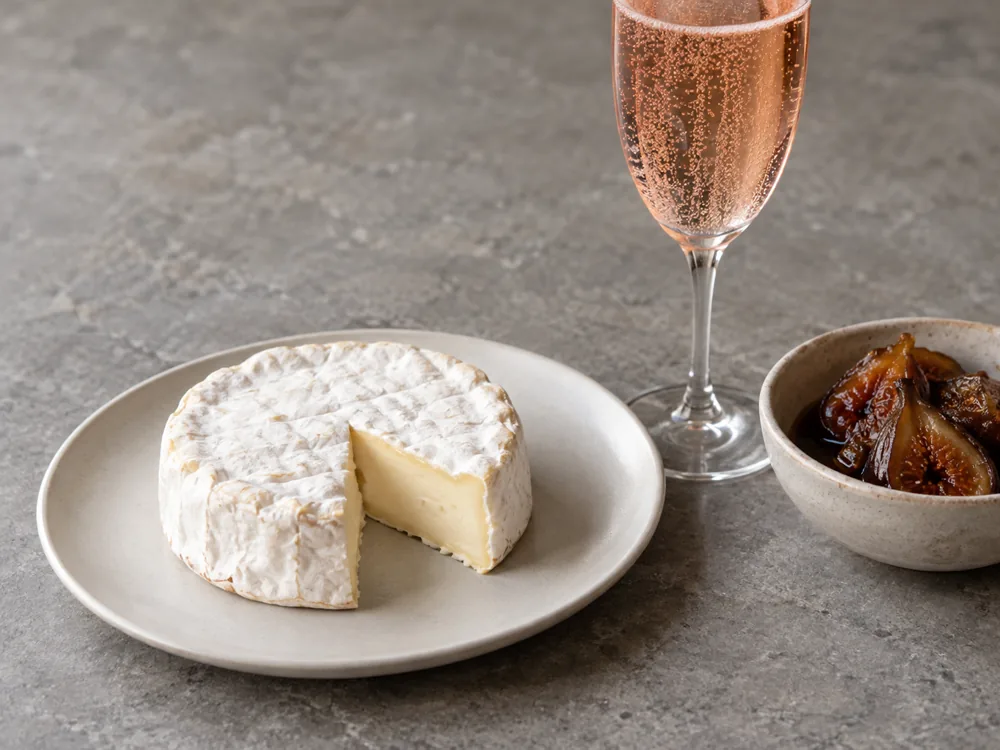
These pairings come from retailers' notes. Cheese Cuisine also suggests Miller's Cranberry & Raisin toast, and Rennet & Rind lists Millers Toast and sourdough crackers among the things it sells to go with Bix.
How Do You Store and Buy Bix?
The three retailers in the table give different keeping windows, so follow the advice of the shop you buy from.
| Source | What it says |
|---|---|
| Edenmoor | Keep wrapped in waxed paper inside a box in the fridge at 1-8C; it is usually dispatched with 5 days of shelf life |
| Cheese Cuisine | Store-wide delivery advice, not specific to Bix: refrigerate on arrival and use within five days of purchase, though many cheeses last far longer |
| Cheese Etc | Keep refrigerated in waxed paper or cling film and eat within 10 to 14 days of opening |
Edenmoor's five-day figure describes how much shelf life a Bix has left when it ships, while Cheese Etc's longer window of 10 to 14 days counts from opening. If the shop cannot tell you how many days remain, plan around the shorter window.
Wrap Bix in waxed paper, as Edenmoor and Cheese Etc both tell you to. Edenmoor says to keep the wrapped cheese inside a box in the fridge at 1 to 8°C, and Cheese Etc allows cling film instead.
On 29 September 2026, retailer listings priced a 100g Bix at £6.50 to £9.50: Cheese Cuisine £6.50, Cheese Etc £8.50, Edenmoor £9.45 and Rennet & Rind £9.50.
The same day, Edenmoor marked it back soon and Rennet & Rind showed it sold out.
Is Bix Safe During Pregnancy?
It depends on the agency and on cooking. Bix has a white bloomy rind and is described as a mould-ripened soft cheese, which matches the NHS category of mould-ripened soft cheeses with a white coating on the outside, such as brie, camembert and chèvre.
The NHS says pasteurised or unpasteurised cheeses in that category must be thoroughly cooked.
The CDC separates risk by milk and heat instead. It lists soft cheese made from unpasteurized (raw) milk as riskier and pasteurized soft cheeses heated to an internal temperature of 165F or until steaming hot as safer, and it says pregnant women are 10 times more likely to get a Listeria infection.
Served cold, Bix is described as a pasteurized soft-ripened, triple-cream cheese, a type the CDC list does not cover, so if you are pregnant, ask a doctor or midwife who has the label in front of them before you eat Bix cold. The pregnancy rules for other soft cheeses follow the same pasteurisation and heating logic.
SOURCES & REFERENCES
Bix is a 100g triple-cream soft white cheese from Nettlebed Creamery in Oxfordshire, made from pasteurised organic cow's milk with double cream added.
Retailers describe grassy sweetness, yoghurt, a lactic tang and a finish like salted butter on toast, with an earthy mushroom aroma from the rind.
It can be either. Cheese Etc says a younger Bix is slightly firmer in the centre and a ripe one can be almost spoonable around the edges, while Rennet & Rind calls the paste dense and Cheese.com calls the cheese gooey.
Cheese.com, Edenmoor, Cheese Etc and Cheese Cuisine all describe Bix as made with pasteurised milk, so check the label on the piece you buy.
No. Edenmoor's ingredient list includes animal rennet from calves, and Cheese Cuisine marks Bix as not vegetarian.
Rennet & Rind pairs it with sparkling rosé, Cheese Etc with Champagne or dry cider, and Cheese Cuisine with stewed figs and a Sauvignon, and Edenmoor also calls it a good cheeseboard cheese.