Cheese Profile

Alverca Cheese: Portuguese Sheep or Goat Milk, Aging, and Uses

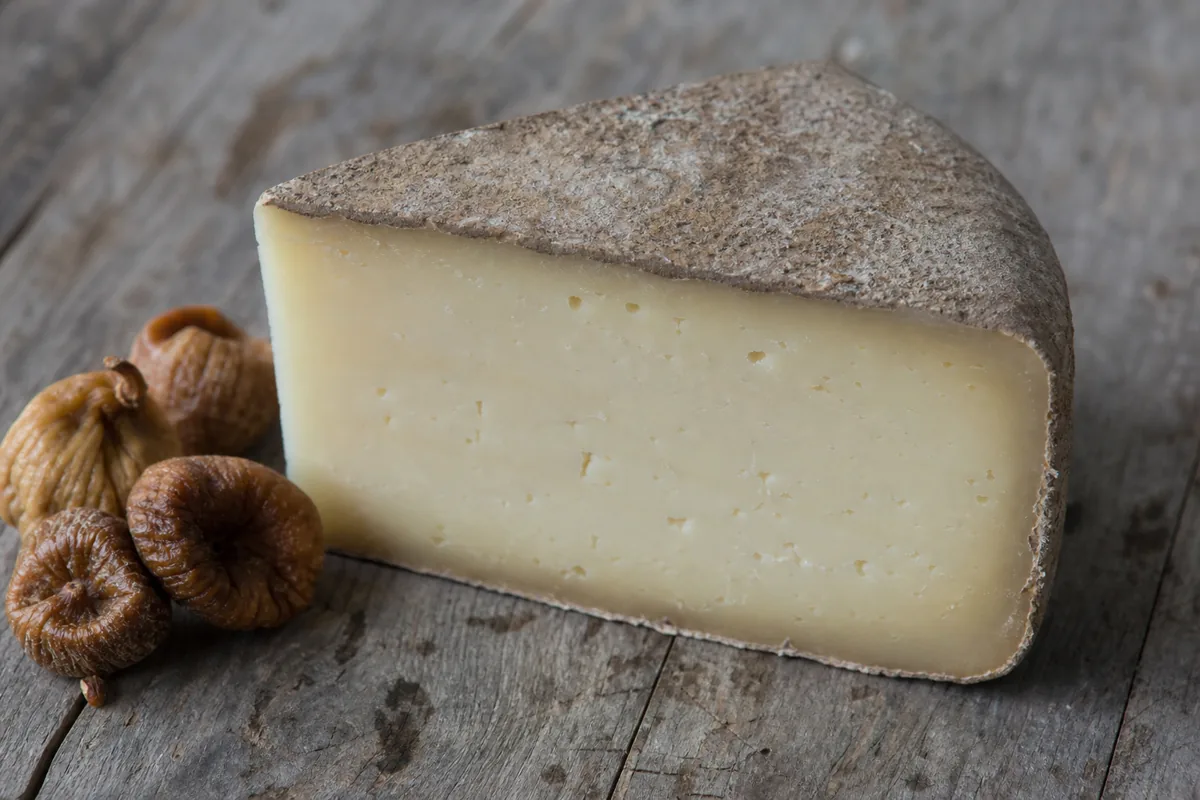
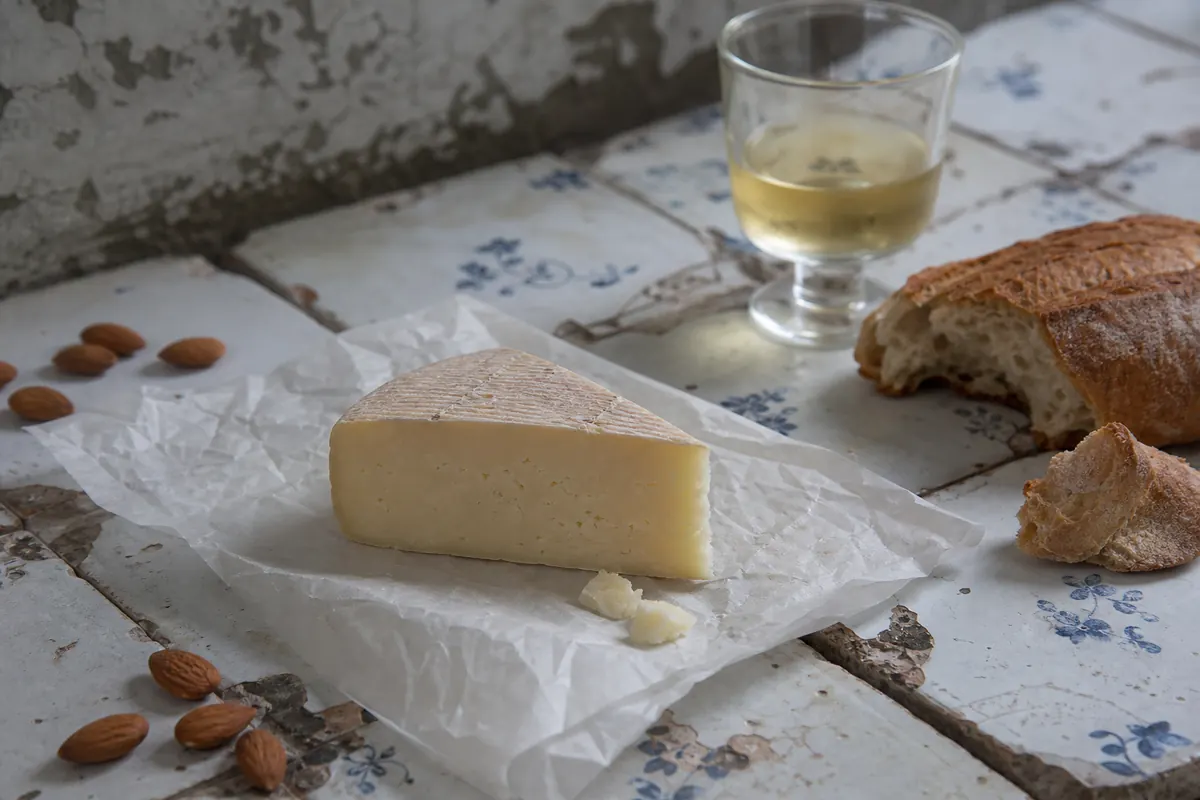
Portuguese semi-hard cheese wedge with bread and dry white wine - Alverca | KnowTheCheese
ALVERCA QUICK FACTS
OriginPortugal
MilkUsually listed as sheep's or goat's milk
TextureSemi-hard, table-cheese style
RindNatural rind, source-limited public detail
AgingAbout 6 months
Fat ContentAbout 40-50% in public references
Availabilityrare outside specialty references
Pricespecialty
PregnancyCheck pasteurization and storage
Lactoselow

Alverca is a Portuguese semi-hard cheese that public references describe as a sheep or goat milk table cheese aged for about six months. The useful answer is not that it is a famous protected cheese. It is that Alverca is a small, source-limited Portuguese entry with enough facts to guide serving, buying, and substitution, but not enough public detail to treat it like a documented PDO profile.

That changes how you should use the name. If a shop lists Alverca, expect a firm but not brittle cheese, a richer fat range, and a flavor that should sit near other sheep and goat table cheeses rather than near long-aged Alpine wheels or soft bloomy rinds.

This profile keeps the route narrow: origin, source confidence, milk, aging, texture, pairing, storage, and practical backups. It does not claim a protected origin or a complete production spec that the public sources do not support.

The source trail is thin, so read Alverca carefully

Alverca appears in cheese reference databases, but it does not have the same public paperwork as cheeses with a protected designation. That is the first thing a reader needs to know. The name can be useful at a counter, but the page should not overstate its certainty.

The shared facts are modest. The cheese is Portuguese, semi-hard, pasteurized in some listings, and made from sheep or goat milk. Several references also repeat the six-month aging window and a fat range around 40 to 50 percent.

NOTE

Treat Alverca as a source-limited Portuguese table cheese. The strongest facts are milk family, texture, aging window, and serving use, not a protected-origin rulebook.

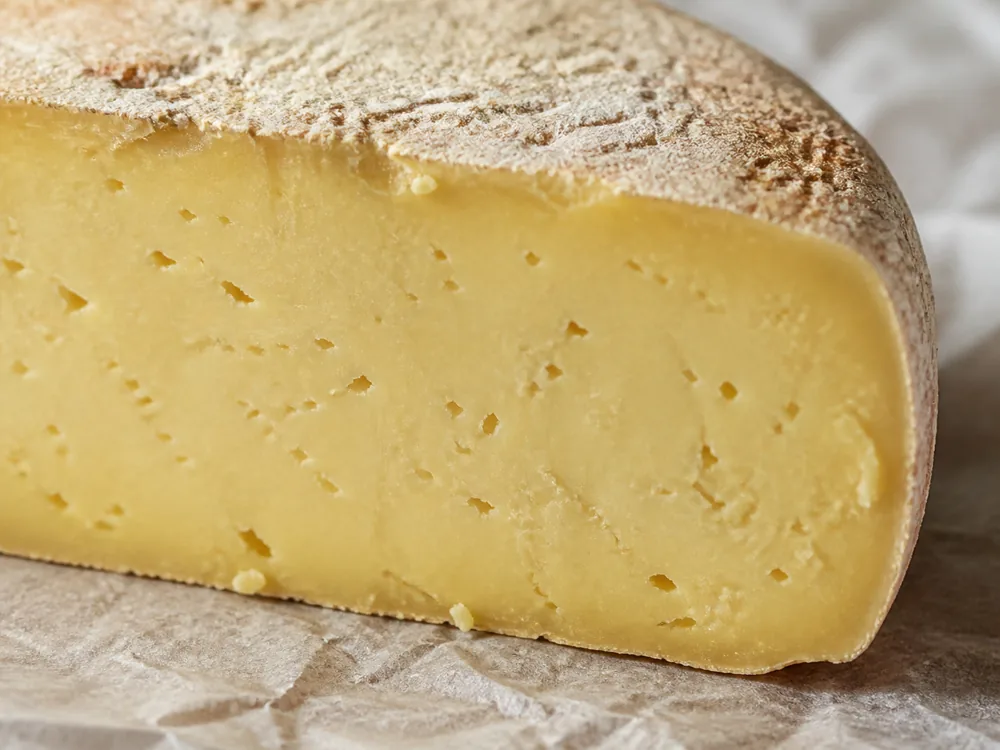
Close cut face of a semi-hard Portuguese sheep or goat cheese - Alverca | KnowTheCheese
Alverca needs a close look at rind, paste, and label context because the public source trail is thin.

That source limit is still useful. It tells you what questions to ask when buying: what milk is in the wheel, how old the cut is, whether the cheese is sheep, goat, or a mixed-milk version, and whether the shop has tasted the current batch.

  • Ask first: whether the wedge is sheep milk, goat milk, or a mix.
  • Check age: a six-month cheese should taste developed, not fresh and lactic.
  • Check texture: look for semi-hard body, not a soft spoonable paste.
  • Avoid claims: skip any listing that invents PDO status or a famous region without support.

This is different from a broader aged goat-milk style article or a sheep-cheese overview. Alverca owns the named Portuguese entity and the caution that comes with weak documentation.

What milk does Alverca use?

The milk answer is the main ambiguity. Cheese.com lists Alverca as made from pasteurized goat and sheep milk, while other summaries often say goat or sheep milk. That difference matters because goat milk and sheep milk change the flavor expectation.

Sheep milk usually brings more body, more fat, and a rounder finish. Goat milk tends to taste brighter and more tangy, especially when the cheese is not aged long enough to become dense and nutty. If a wedge feels sharp, lemony, and clean, goat milk may be driving the profile. If it feels richer and more rounded, sheep milk may be the stronger signal.

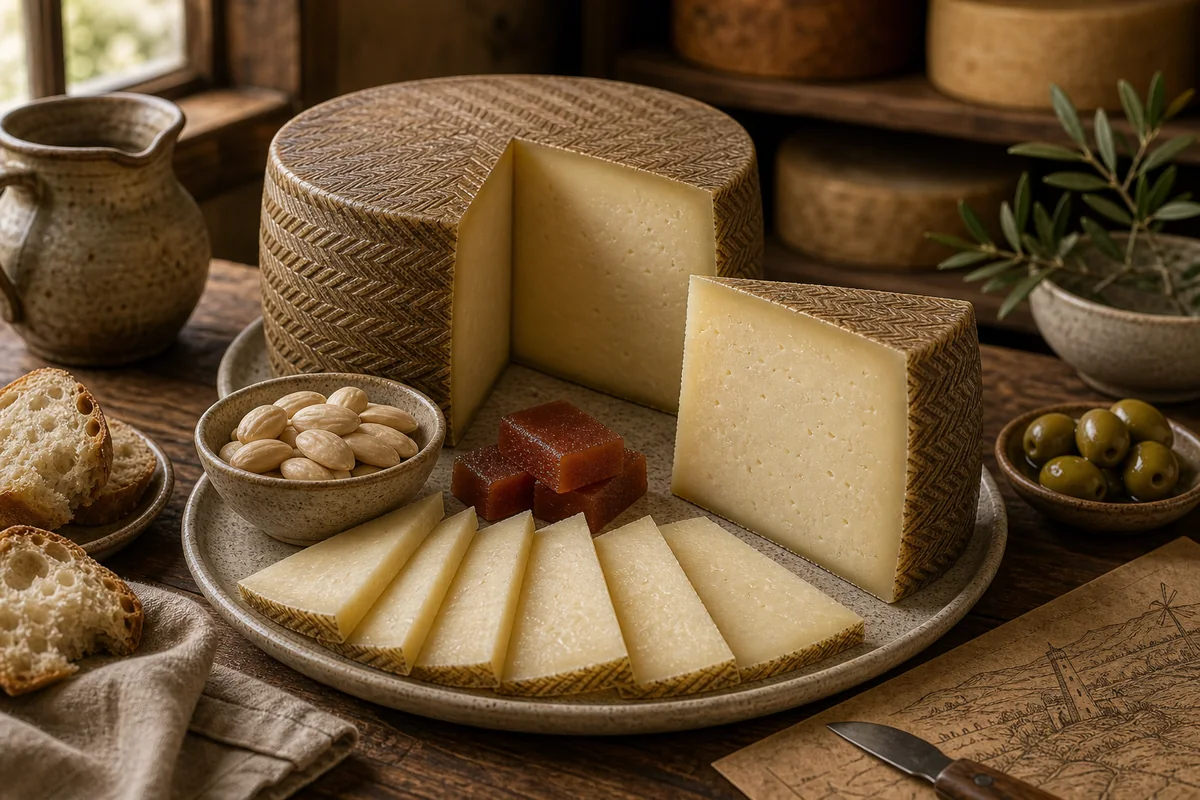
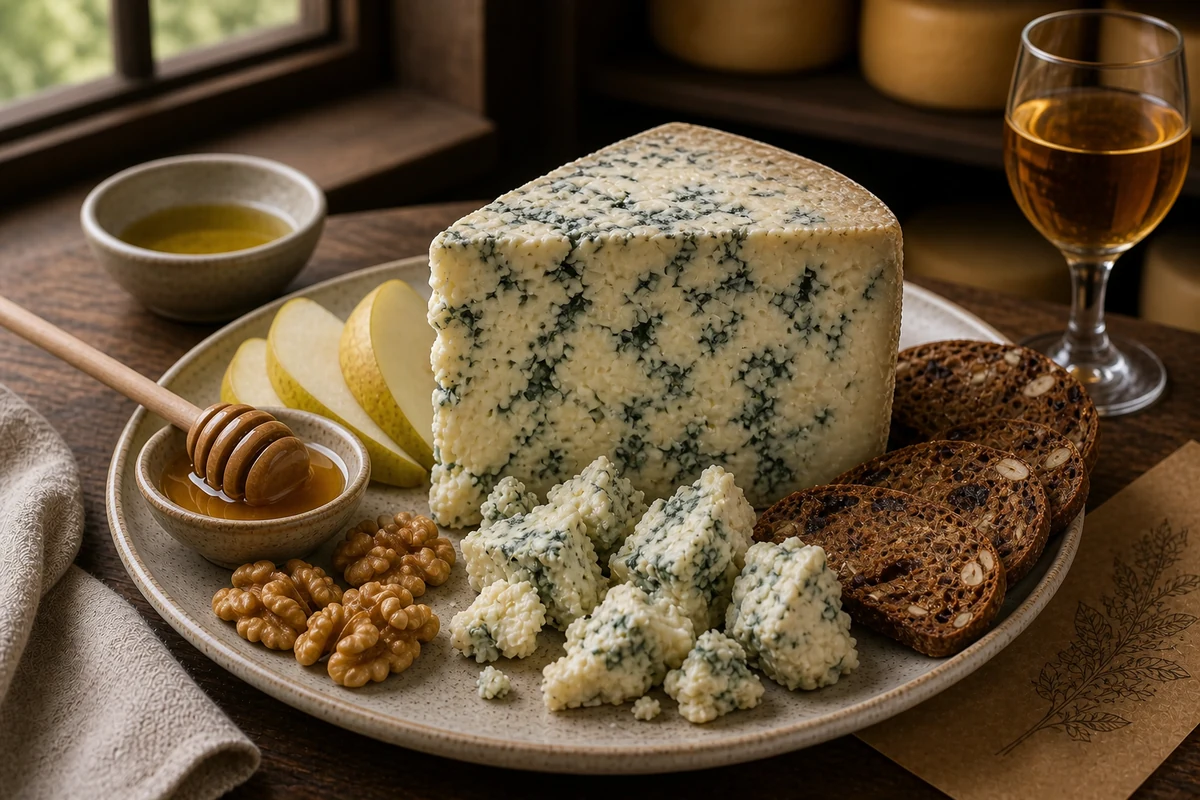
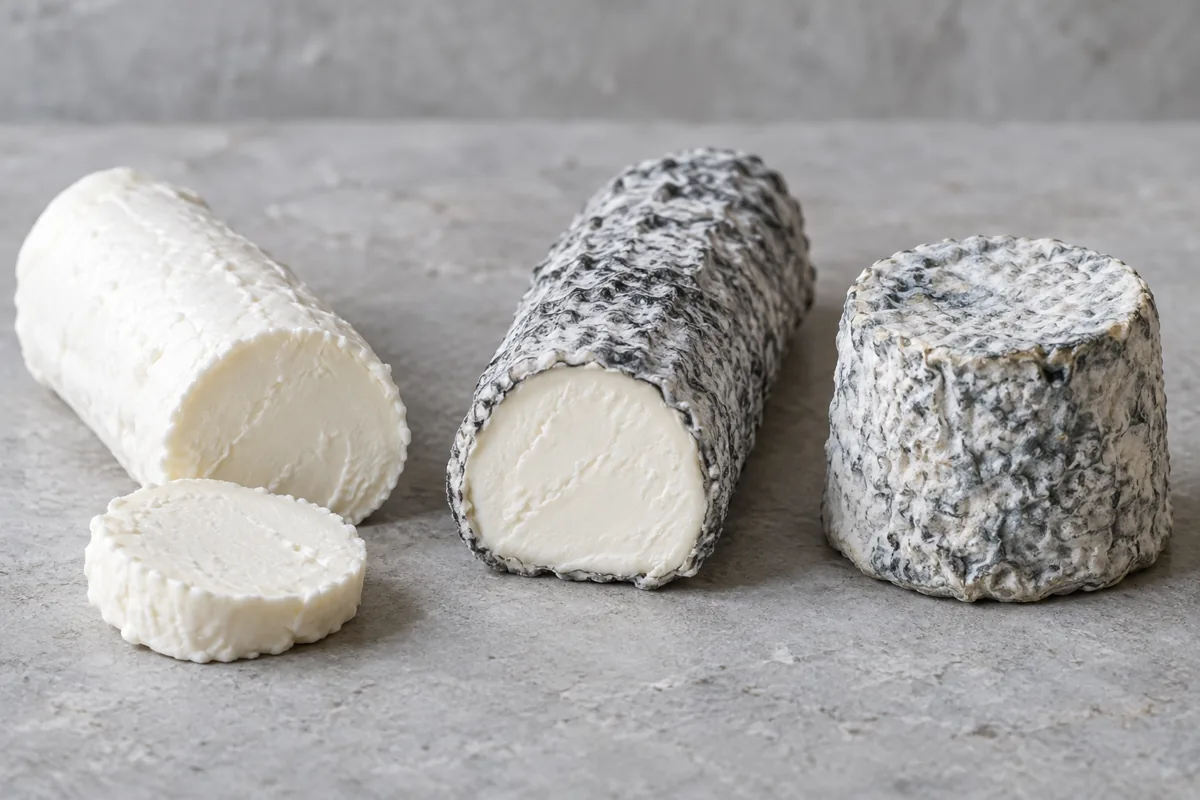
For comparison, Spanish sheep-milk structure shows how sheep milk can carry age, while ripened goat texture shows how goat milk changes aroma and acidity. Alverca should not be forced into either box, but those two references help frame the buying decision.

Six months of aging should give it table-cheese firmness

The six-month aging note is one of the stronger repeated facts. At that age, Alverca should not behave like fresh chèvre, ricotta, or a brined crumble. It should slice cleanly, carry some fat, and taste more settled than a young fresh cheese.

A six-month table cheese also needs fair storage. If the cut face looks sweaty, cracked, or waxy, the aging fact will not save the wedge. You are buying the condition in front of you, not just the name in a database.

ALVERCA USE SCORES
Melt Quality42/100
Flavor Intensity62/100
Sharpness38/100
Availability18/100

Do not assume that semi-hard means strong melt. Aged sheep or goat cheeses can soften, but they often separate before they stretch. Alverca is safer as a slicing cheese than as the main cheese in a hot sandwich or sauce.

If your goal is smooth heat, use a known melter such as table-melting Alpine cheese. If your goal is sheep-milk depth on a board, Alverca can sit closer to milder Tuscan sheep cheese than to mozzarella or cheddar.

How does Alverca taste?

Expect a moderate table-cheese profile rather than a loud washed rind or blue. Public sources point toward semi-hard texture, high fat, and sheep or goat milk, so the best expectation is creamy body with tang, salt, and a slightly sharp finish.

The fat range matters because it changes the eating pace. A richer wedge needs acidity, bread, fruit, or nuts to stay balanced. If the cheese tastes only salty, cut it thinner and serve it with something crisp.

LIKELY ALVERCA FLAVOR PROFILE
SALTYSWEETBITTERSOURUMAMICREAMY
Salty
54
Sweet
16
Bitter
8
Sour
34
Umami
46
Creamy
58

Because the source trail is thin, taste should override a tidy description. A good wedge should taste clean and settled. Sour milk, harsh rind, or stale oil means the issue is condition, not Portuguese cheese style.

  • Likely flavor: tangy, lightly sharp, creamy, and sheep-or-goat rich.
  • Likely texture: sliceable semi-hard paste with enough fat to feel round.
  • Good sign: clean aroma and a cut face that is neither wet nor dry.
  • Bad sign: rancid fat, cracked edges, or a label that cannot explain the milk.

It can share board space with firmer Basque sheep cheese or smooth Pyrenees sheep milk, but Alverca should be presented as its own source-limited Portuguese cheese, not as a copy of either one.

Use it as a table cheese, not a melting workhorse

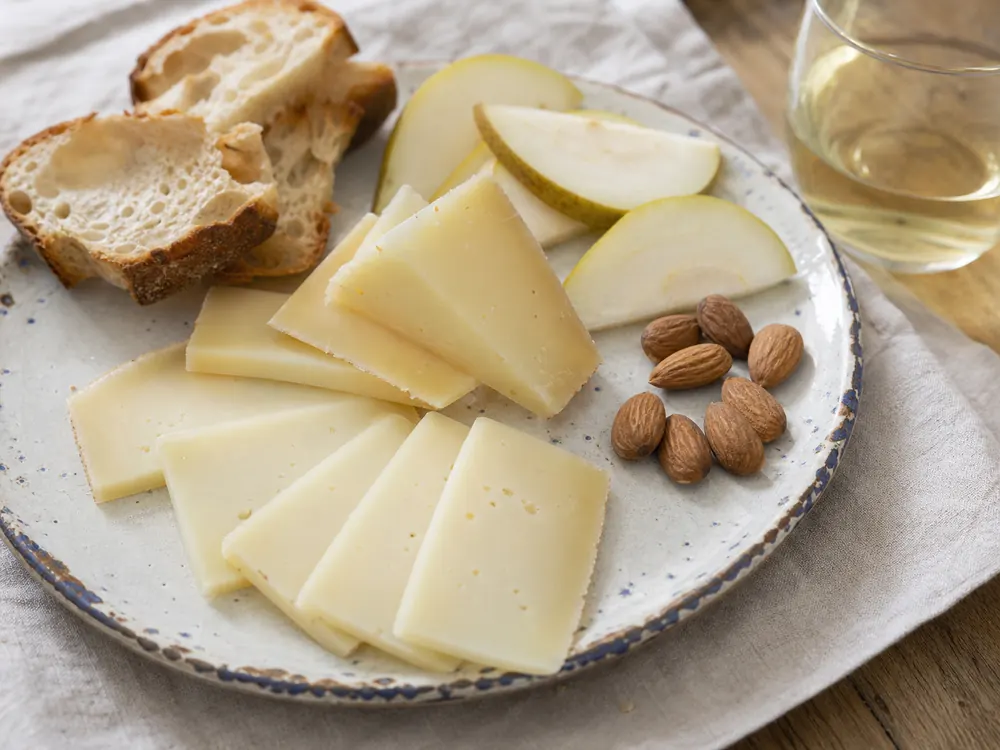
Alverca makes the most sense in slices, small wedges, and simple plates. Bread, almonds, pears, mild olives, and a dry white wine give the cheese enough support without hiding the milk flavor.

Alverca-style table cheese slices with almonds bread and white wine - Alverca | KnowTheCheese
Thin slices and quiet pairings fit Alverca better than high-heat melting or heavy sauces.

Riesling appears in reference pairings, and the logic is sound. A dry or off-dry white wine can cut the fat while giving the tangy milk a cleaner finish. If the cheese leans goaty, choose a brighter bottle. If it leans sheepy and richer, a little fruit weight helps.

For general pairing logic, use the same acid-and-fat test from our wine and cheese principles. The drink should refresh your mouth before the cheese starts to feel heavy.

Buying Alverca depends on label honesty

Buy Alverca only when the seller can tell you more than the name. Milk type, cut freshness, and storage matter because this cheese does not have a famous public standard to fall back on.

A good shop does not need to recite a long story. It should be able to say whether the cheese is sheep, goat, or mixed milk, whether the wedge was freshly cut, and how to serve it. If the listing is expensive but gives no milk or age information, choose a better-documented Portuguese or sheep-milk cheese instead.

BUYING TIPS
Best Value
A fresh-cut wedge with clear sheep or goat milk information and clean semi-hard texture.
Premium Pick
Only worth premium pricing when the shop can explain milk, age, and condition.
What to Avoid
No milk detail, cracked edges, rancid fat aroma, sweaty plastic wrap, or invented protected-origin claims.
Where to Buy
Specialty cheese counters, Portuguese import shops, and rare online listings.
What to Look For
Portugal origin, sheep or goat milk, semi-hard body, six-month aging cue, and clean cut face.

If you need a safer substitute, choose by milk and use. brined sheep cheese is too salty and wet for a direct swap, but it can cover salads. Manchego, Idiazabal, or Pecorino Toscano are better board substitutes when you need sliceable sheep-milk structure.

How should you store and cut Alverca?

Store Alverca like a semi-hard wedge. Wrap the cut face in cheese paper or parchment, then place it in a loose container so the surface does not dry out or sweat. Tight plastic can trap moisture and push the fat stale.

Cut thinner slices for boards. Semi-hard sheep and goat cheeses often taste cleaner when the slice warms quickly on your tongue. Thick chunks can make the fat feel heavy before the flavor opens.

STORAGE GUIDE
Freezing
Avoid freezing unless you will cook with it and accept texture damage.
Room Temp / Serving
Bring small serving pieces out 20 to 30 minutes before eating.

The paper-and-container storage method explains the wrapping logic, while cutting by texture helps you keep dense wedges pleasant instead of blocky.

Who should choose Alverca?

Choose Alverca if you want a rare Portuguese table cheese and you are comfortable with limited public information. It is a curiosity buy for people who enjoy sheep or goat milk and want something quieter than blue cheese or washed rind.

Skip it if you need a documented PDO cheese, a reliable melting cheese, or a very specific flavor promise. In those cases, a known cheese will serve you better and cost less mental work at the counter.

  • Buy it for: a simple board, Portuguese cheese exploration, and sheep/goat milk curiosity.
  • Do not buy it for: fondue, pizza, sauces, or a protected-origin lesson.
  • Closest board backups: Manchego, Idiazabal, Ossau-Iraty, or Pecorino Toscano.
  • Safety note: check pasteurization and storage if serving pregnant or immune-risk diners.

For pregnancy decisions, follow the same milk-treatment safety rules. A source-limited label is a reason to ask more questions, not a reason to guess.

SOURCES & REFERENCES

1.
Alverca
Cheese.com, 2026 Cheese Reference
Used for Portugal origin, listed milk, texture, fat range, six-month aging, and Riesling pairing.

2.
Alverca
AnyCheese, 2026 Cheese Reference
Used for semi-hard classification, milk-treatment note, fat range, aging, and comparison context.

3.
Alverca
TasteAtlas, 2026 Cheese Reference
Used as secondary support for Portugal origin, sheep/goat milk, fat range, aging, and pairing context.

Alverca is a Portuguese semi-hard table cheese. Public references usually describe it as made from sheep or goat milk and aged for about six months.

Public sources differ slightly. Some list goat and sheep milk, while others say goat or sheep milk. Ask the seller which milk is in the wedge you are buying.

Expect a creamy, moderately tangy, lightly sharp cheese rather than a soft fresh cheese or a strong blue. Condition and milk type will change the exact flavor.

Alverca is better as a slicing and table cheese than as a melting workhorse. Use a known melter if you need smooth sauce, stretch, or fondue behavior.

Use Manchego, Idiazabal, Ossau-Iraty, or Pecorino Toscano when you need a sliceable sheep-milk board cheese. Choose a goat tomme if the Alverca you wanted was goat-heavy.