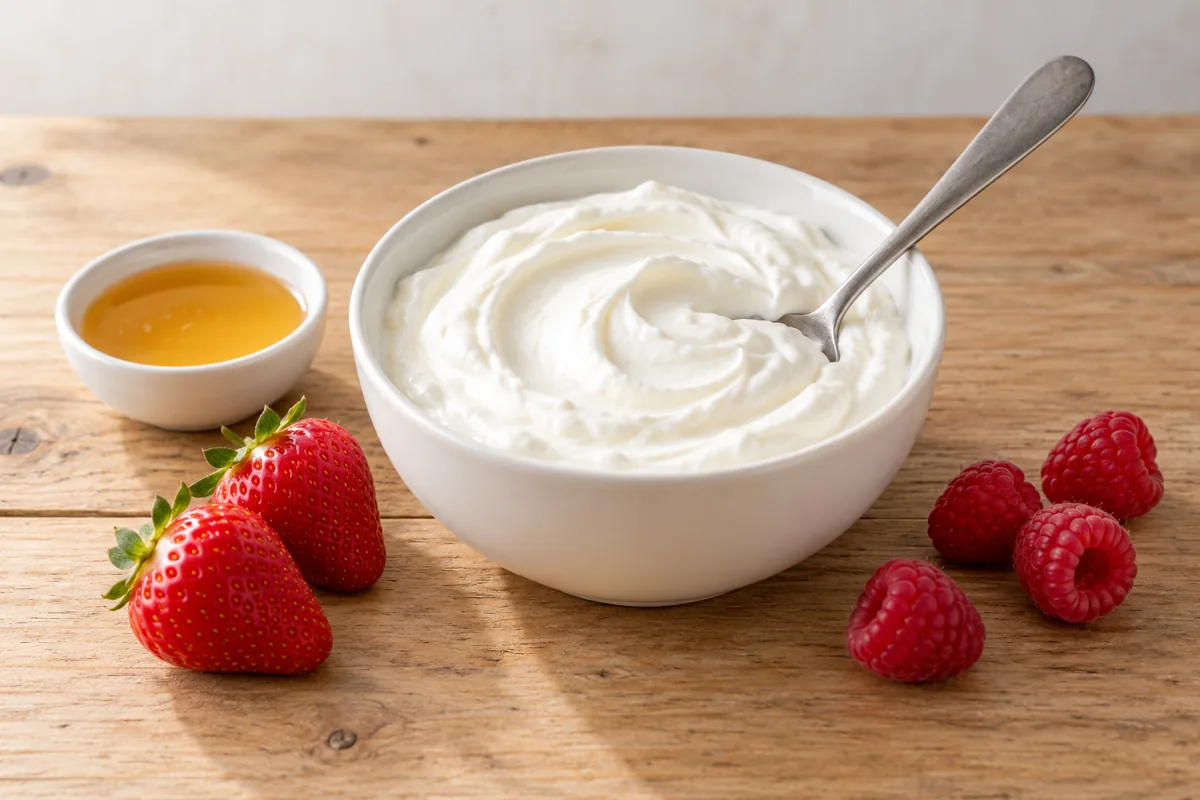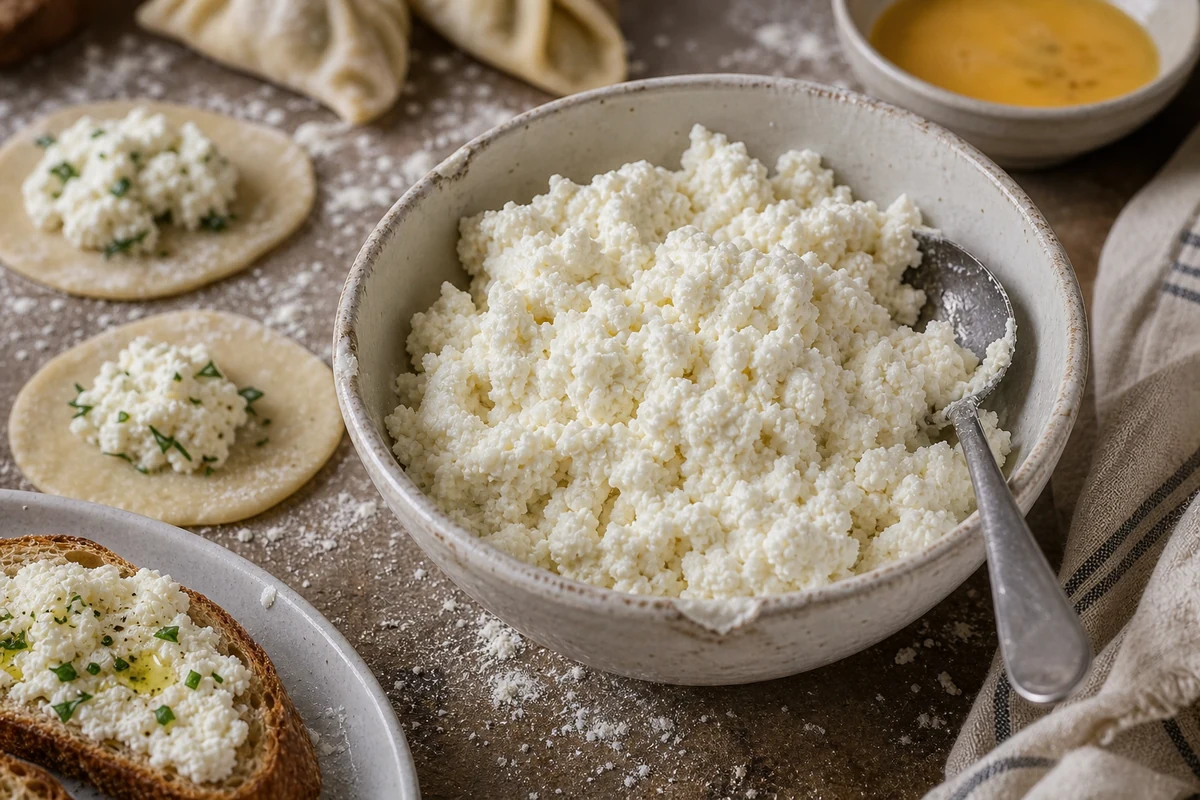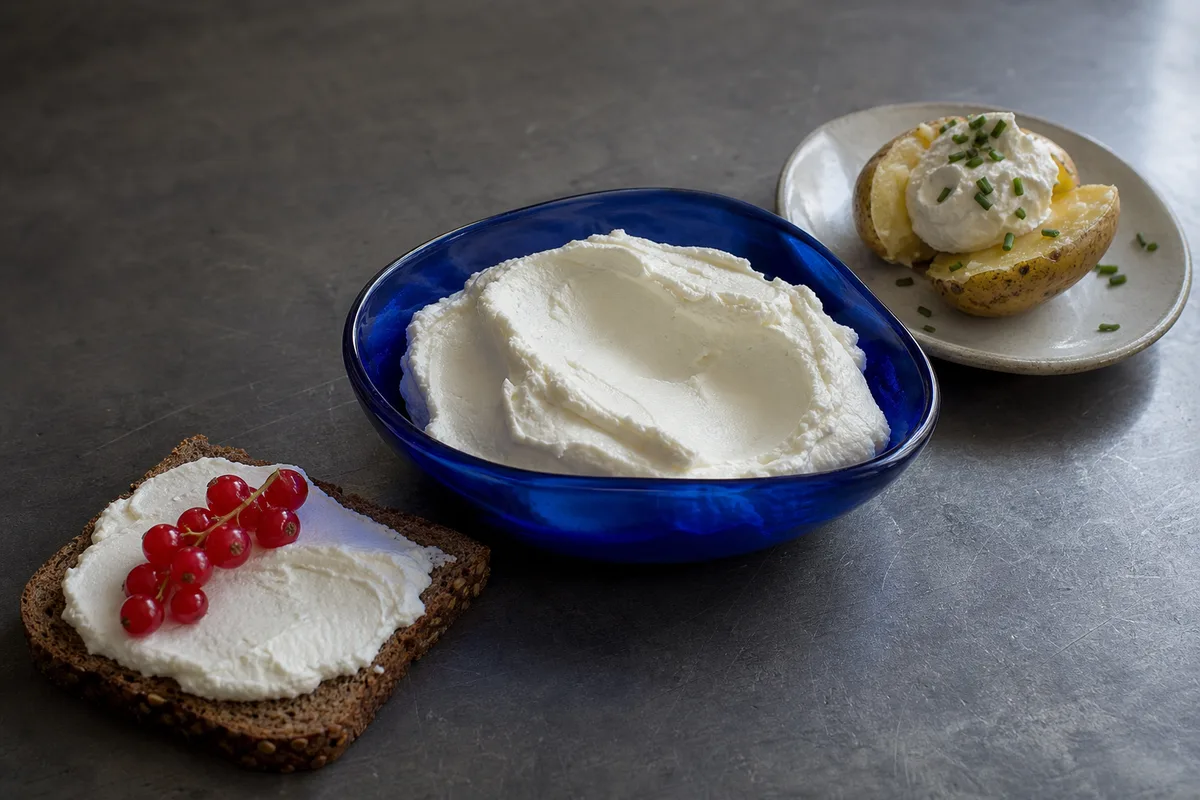
Quark is a fresh acid-set cheese with a thick, smooth, fine-curded body and a clean lactic tang. It is common in Germany and Central Europe, where people eat it for breakfast, mix it with herbs for potatoes, bake it into Käsekuchen, and choose different fat levels for different jobs.
The German numbers need careful reading.
Labels such as 20% and 40% describe fat in dry matter, not grams of fat in 100 grams of moist quark. One current German product contains 4.4 grams of fat per 100 grams at the 20% tier and 10.3 grams at the 40% tier.
Magerquark is the lean protein-focused choice.
A current MILRAM Magerquark contains 0.3 grams of fat, 11.8 grams of protein, and 68 calories per 100 grams. Richer quark feels smoother and works better when creaminess matters more than the lowest calorie count.
In This Article
What Is Quark?
Quark is an unripened fresh cheese made by separating cultured milk solids from part of their whey. It has no rind, no aging stage, and no firm wheel to cut.
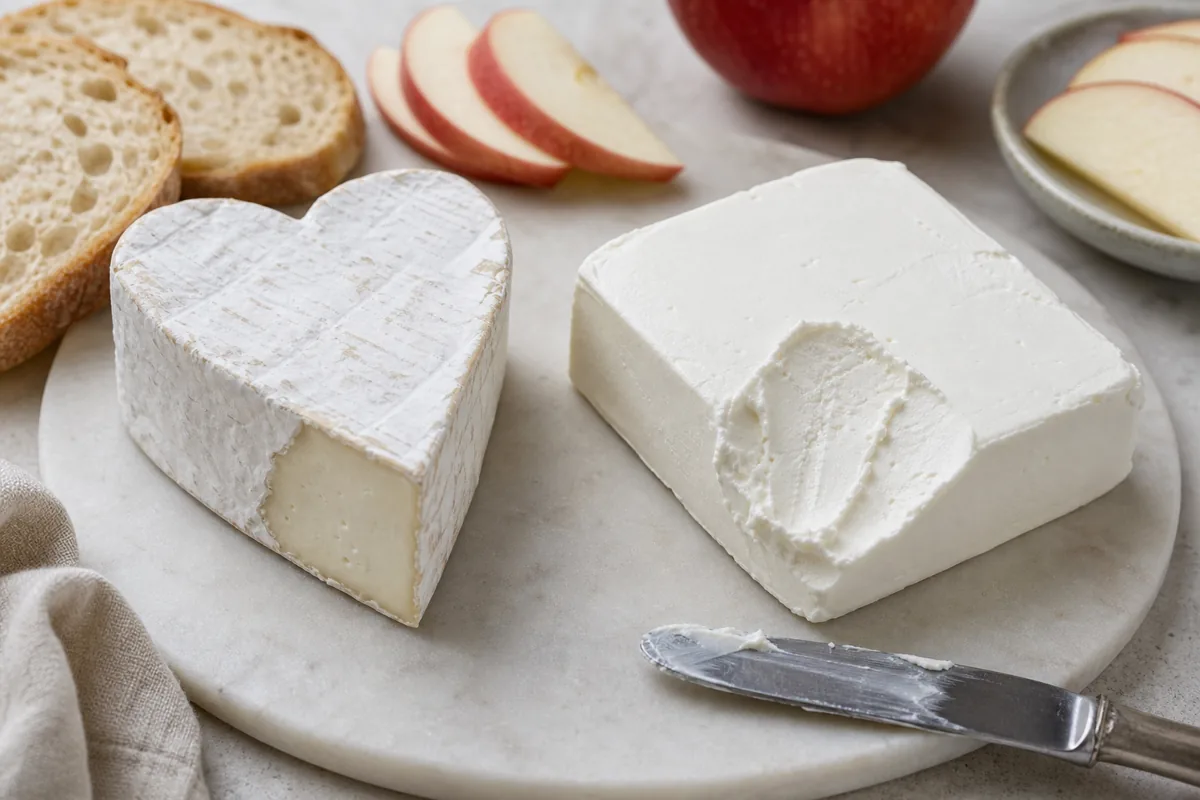
European food guidance groups quark with fresh cheeses such as cottage cheese, ricotta, cream cheese, and fromage frais.
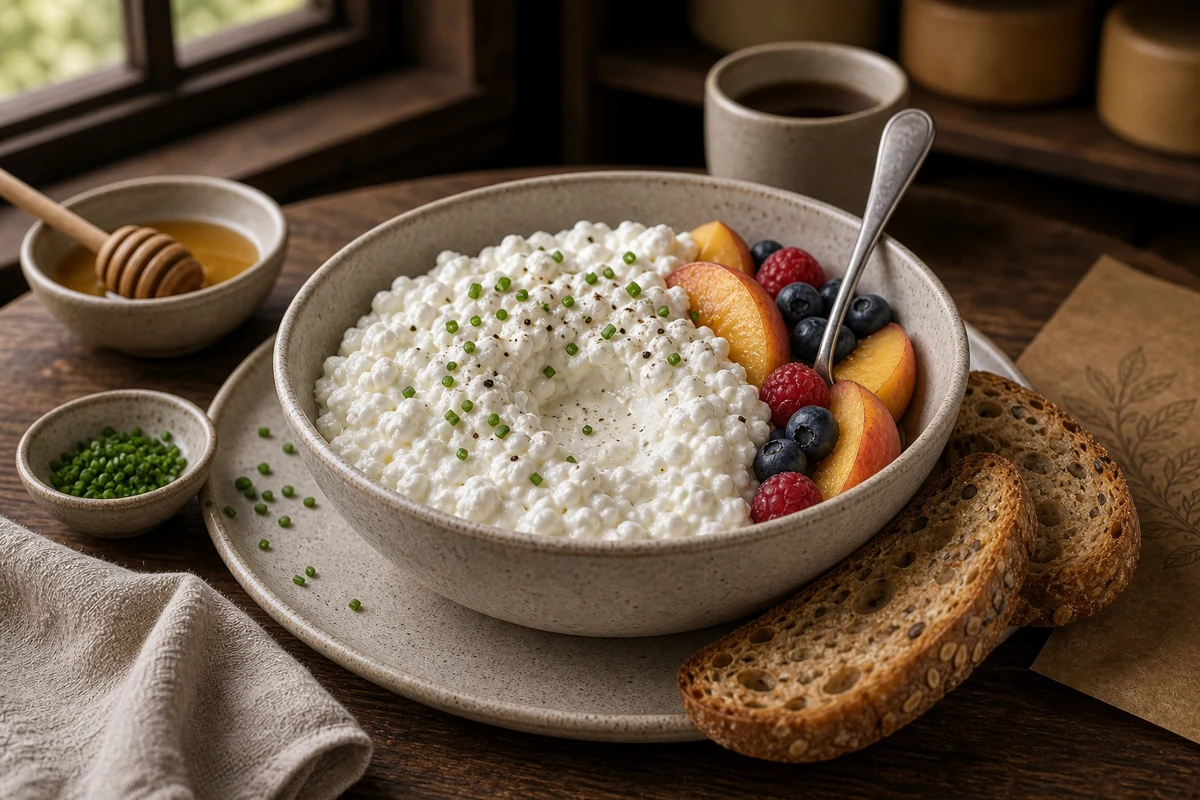
The category is broad, but the textures are not interchangeable. Quark is normally smooth and fine-curded, while cottage cheese contains visible curds and liquid dressing.
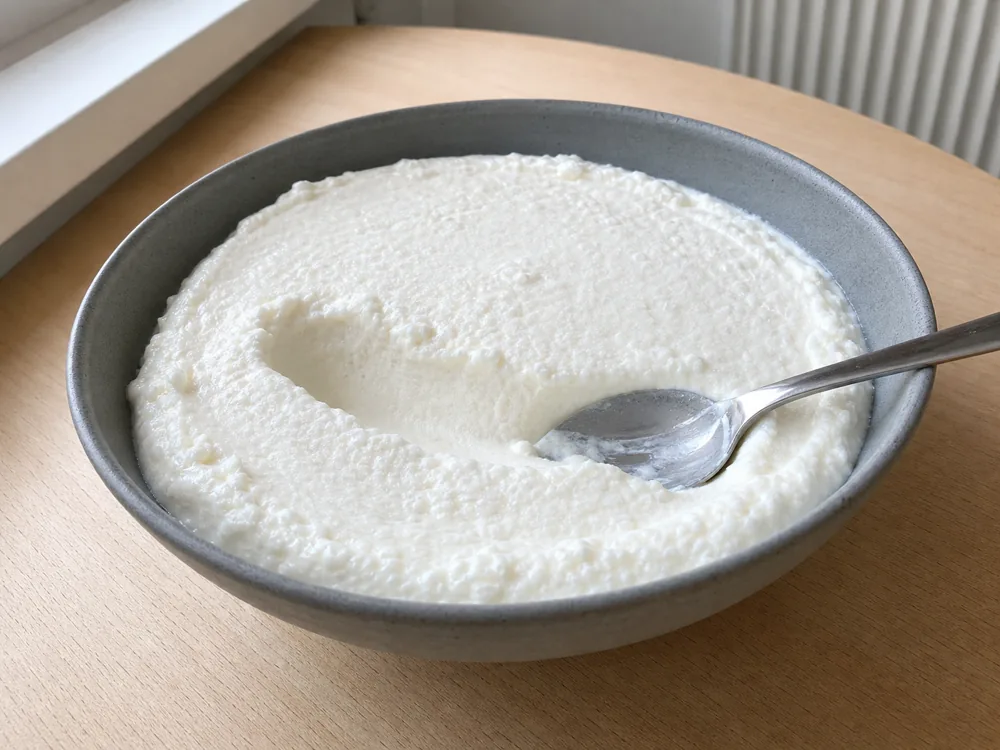
A chilled spoonful should hold a soft ridge.
Stirring loosens it into a spread or sauce base, but plain quark remains thicker than ordinary yogurt. Lean versions can feel matte and slightly firm, while cream-adjusted versions become glossier and more yielding.
In Germany, the formal retail name Speisequark means table quark.
Magerquark identifies the lean tier, while products marked 20% or 40% state fat as a share of dry matter. Austrian recipes often call the same fresh-cheese family Topfen.
Names from other countries can describe related but not identical products.
Fromage blanc is the closest French comparison. Tvorog and twaróg are often drier or more granular, while products sold as kwark in the Netherlands may lean closer to thick cultured dairy depending on the manufacturer.
Quark can be sold plain or as a prepared dairy food.
Fruit quark, vanilla quark, herb quark, and protein desserts may use the word prominently while adding sugar, flavor, starch, gums, or other dairy ingredients. Those products can be useful, but they do not reveal how plain quark tastes or behaves in a recipe.
Read the texture, ingredients, and nutrition panel along with the word quark. Regional products can vary in drainage, smoothness, fat, and whether cream or stabilizers are added.
How Is Quark Made?
Quark begins with milk, usually pasteurized cow's milk in commercial production. A dairy adds lactic cultures so bacteria convert lactose into acid and lower the milk's pH.
Acid causes the milk proteins to gather into a delicate curd.
Some processes use a small amount of rennet to assist the set, but acid development remains central to quark's clean tang and fine structure. The set is gentler than the firm curd created for an aged slicing cheese.
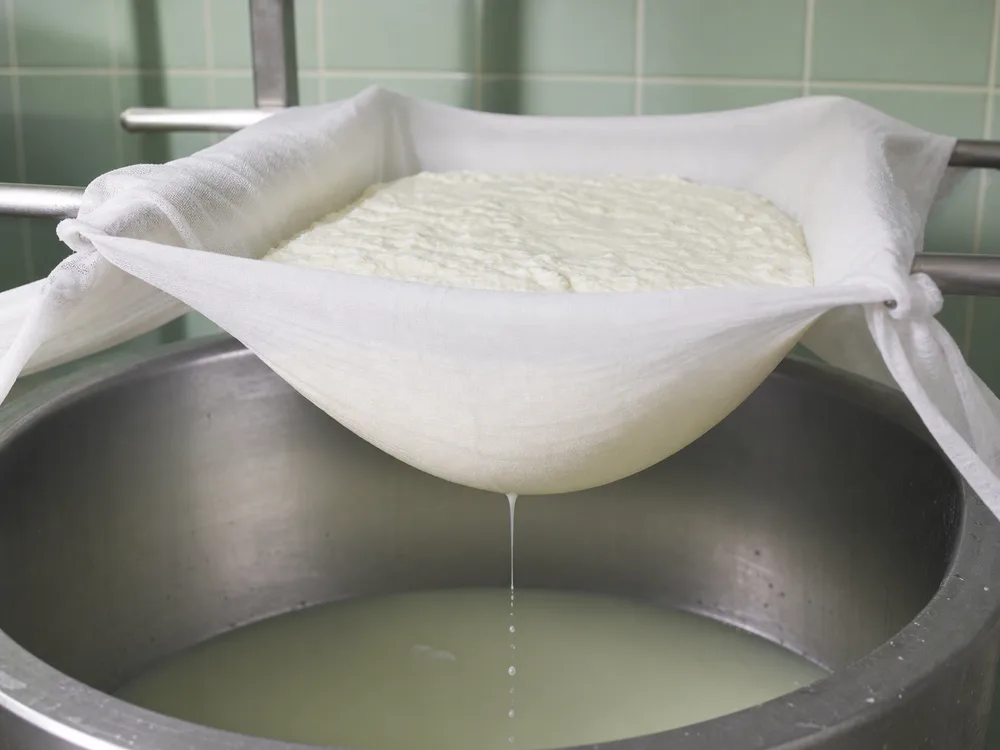
The dairy removes whey after coagulation.
Traditional small batches can drain in cloth, while industrial lines may use separators or centrifuges for consistent moisture. More whey removal produces a thicker cheese, which is why two plain quarks can sit differently on a spoon.
Magerquark provides the lean base for richer tiers.
Manufacturers can blend cream back into the drained cheese to reach the intended fat-in-dry-matter category. This changes calorie density, flavor release, softness, and baking performance without turning quark into aged cheese.
German rules give Speisequark a measurable protein identity.
The current dairy-products regulation describes the standard variety as made from skim milk and requires at least 8% protein in the finished product. Individual Magerquark labels can be higher, which is why the MILRAM example reaches 11.8 grams per 100 grams.
Protein concentration comes from whey removal rather than a powder being necessary.
A plain tub can contain a short ingredient list while still delivering more protein per spoonful than the milk it started from. Products marketed with extra protein may use a different formulation, so their labels should be evaluated separately.
- Culture: Lactic bacteria acidify milk and create the clean tang.
- Set: Milk proteins form a delicate acid curd, sometimes with minor rennet assistance.
- Drain: Cloth or mechanical separation removes whey and concentrates protein.
- Adjust: Cream can be blended into lean quark for richer fat tiers.
- Pack: The fresh cheese goes into refrigerated tubs without rind formation or ripening.
Quark remains a high-moisture food after drainage.
That moisture gives it spoonability, but it also makes refrigeration and clean handling essential. Aging it at home does not improve flavor in the way maturation improves a hard cheese.
Which Quark Fat Level Should You Choose?
Fat level is the first useful choice when buying quark. It changes texture and use more than the brand name alone.
German cheese labels often express fat relative to dry matter because most of quark's weight is water.
This creates an easy misunderstanding. A tub marked 40% fat in dry matter can contain about 10 grams of total fat per 100 grams of product, not 40 grams.
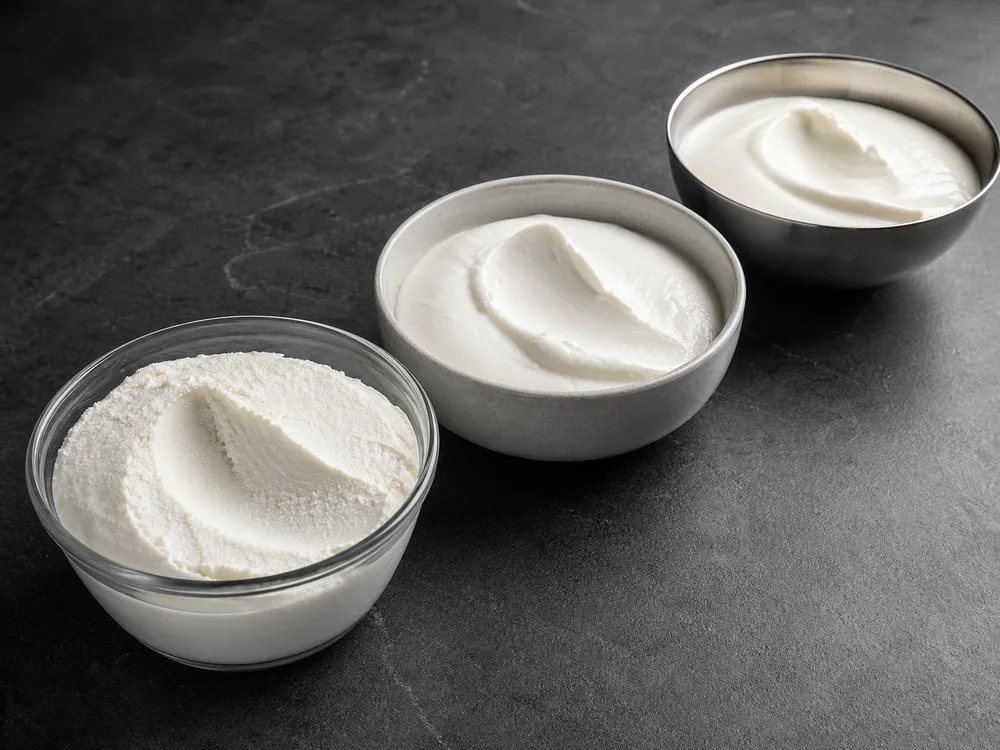
| German Label | Example Total Fat per 100 g | Texture | Best Starting Uses |
|---|---|---|---|
| Magerstufe | About 0.2 to 0.3 g | Thick, matte, firm, and tang-forward | Protein bowls, lean dips, pancakes, and recipes that specify Magerquark |
| 20% fat in dry matter | About 4.4 g | Smooth, spreadable, and moderately creamy | Kräuterquark, breakfast, sauces, general baking, and spreads |
| 40% fat in dry matter | About 10.3 g | Soft, glossy, rich, and less sharply tangy | Desserts, rich Käsekuchen, pastry filling, and direct serving |
The example values come from a current Hochwald product range.
Another brand can differ slightly because water and recipe change the relationship between dry matter and the whole product. Use the nutrition panel for actual grams of fat and the front label for the traditional category.
A simple dry-matter example makes the label easier to understand.
If 100 grams of quark contains about 25 grams of dry matter, a 40% fat-in-dry-matter product carries roughly 10 grams of fat in the full 100 grams. The remaining weight is mostly water plus protein, lactose, and minerals, so the two percentages answer different questions.
Magerquark is not automatically the best substitute in every recipe.
Its protein and low fat help a baked mixture set, but the finished food can taste chalkier or drier when a recipe expects cream-adjusted quark. Adding cream later can work only when the recipe accounts for the extra liquid and fat.
For daily savory use, the 20% tier provides a useful middle ground.
It spreads more easily than Magerquark, keeps a clear cultured tang, and brings less richness than the 40% tier. If a recipe simply says quark without specifying fat, study the desired final texture before choosing.
What Does Quark Taste Like?
Plain quark tastes clean, milky, and lactic with restrained sweetness and very little salt. Sourness is more noticeable in lean quark because fat does not soften the acid impression.
The aroma should remain fresh and quiet.
Expect cultured milk rather than mushroom, cellar, or aged-cheese savor. Added fruit, sugar, herbs, or salt can transform a prepared quark product, so taste plain quark when you want to judge the cheese itself.
Texture changes how tang reaches the palate.
Magerquark holds a dense ridge and can feel dry unless stirred or loosened. A 20% product spreads more readily, while 40% quark coats the mouth and makes the same acid taste gentler.
A small whey pool after storage is not automatically a defect.
Stir clear whey back into an otherwise fresh-smelling tub and reassess the texture. Discard quark when liquid separation comes with mold, colored patches, gas, putrid odor, or a package that has swollen.
Salt should not lead in plain quark.
If a tub tastes distinctly salty, check whether you bought Kräuterquark, a flavored spread, or another fresh cheese. Plain product labels often contain milk and cultures with minimal additional ingredients, though formulations vary.
How to Use Quark
Use quark wherever a dish needs fresh dairy tang, body, and protein without an aged-cheese flavor. Match the fat level and thickness to the food before adding seasonings.
Kräuterquark is one of the clearest savory uses.
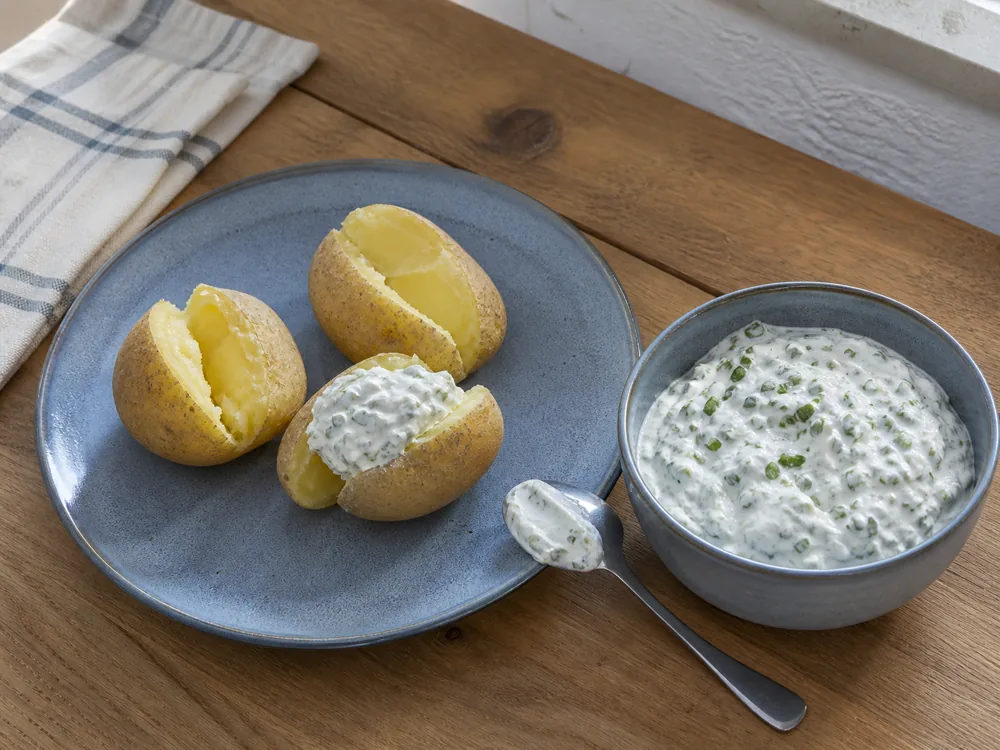
Mix plain quark with chives, parsley, a small amount of garlic, salt, and enough milk or sparkling water to reach the desired consistency. Spoon it over boiled potatoes or use it as a dip for raw vegetables.
| Use | How It Works |
|---|---|
| Breakfast Bowl | Stir lean or 20% quark with a little milk, then add oats and fruit without hiding the cultured tang. |
| Kräuterquark | Mix with chives, parsley, garlic, and seasoning for potatoes, vegetables, or rye bread. |
| Cold Spreads | Use 20% quark where you want more tang and less richness than cream cheese. |
| Pancakes | Add quark to batter for protein and a moist tender center, following a recipe designed for its water content. |
| Cool Sauce Finish | Stir quark into a warm dish after removing it from direct heat to reduce curdling. |
Breakfast needs a texture adjustment when quark is very lean.
Stir Magerquark vigorously with a spoonful of milk or water before adding fruit or oats. Adding liquid gradually prevents the bowl from becoming thin before the dense curd turns smooth.
Quark can finish a warm sauce, but it does not tolerate hard boiling.
Remove the pan from direct heat and temper a spoonful of warm liquid into the quark first. Then fold it into the dish so acid and protein provide body without separating into small grains.
For spreads, season after loosening.
Salt, citrus, and mustard feel stronger in a dense base than in sour cream. Adjust once the quark reaches serving consistency so you do not over-season a mixture that later becomes thinner.
How to Bake with Quark
Quark gives German Käsekuchen a tall, fine, moist filling that tastes lighter and tangier than an American cream-cheese cheesecake. Eggs and starch help set the high-moisture cheese during baking.
The fat tier affects tenderness.
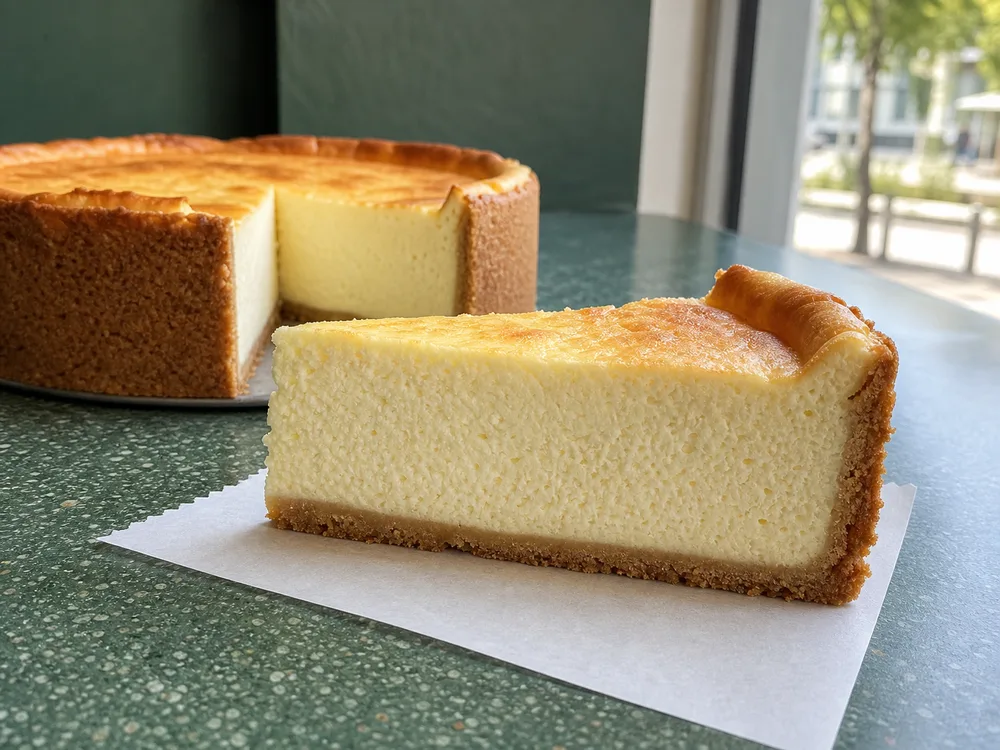
Lean quark creates a firmer and more protein-forward filling.
Richer quark produces a softer mouthfeel and carries vanilla, citrus, and butter more fully. Use the tier written in the recipe instead of assuming all tubs contain equivalent fat and water.
Drain only when the recipe expects drier quark.
Removing whey concentrates protein and changes the ratio of wet to dry ingredients. If the batter already includes starch for ordinary tub quark, aggressive overnight draining can make the cake dense or cracked.
Do not replace quark by volume without checking moisture and fat. A thick Magerquark, loose yogurt, and block cream cheese can fill the same measuring cup but set very differently in an oven.
Quark also works in Quark-Öl-Teig, a baking-powder dough made with quark, oil, flour, and leavening.
The dough does not require yeast proofing and can support fruit sheets, small rolls, or quick pastries. Its handling depends on quark moisture, so add flour by the recipe rather than trying to make the dough feel like dry bread dough.
For pancakes and quick breads, quark adds moisture and protein.
Use a tested recipe because replacing butter or yogurt without adjusting flour and liquid can produce a rubbery center. Protein improves structure only until the batter becomes too concentrated.
A wet center and a loose center have different causes.
A cake that needs more cooling can look soft while still setting correctly, whereas liquid pooling at the cut may signal excess whey or too little starch. Let Käsekuchen cool fully before changing the recipe based on one warm slice.
Cracks do not always mean the quark was wrong.
Overbaking, rapid cooling, and too much incorporated air can split the top even when fat and moisture are balanced. Mix until smooth rather than whipping, and follow the recipe's cooling method before blaming the cheese tier.
Weigh quark for baking.
Aeration and drainage change how much fits in a cup, while a gram remains a gram. European Käsekuchen recipes commonly specify weight, and following that unit makes substitute adjustments easier to calculate.
Quark vs Yogurt and Cream Cheese
Quark, Greek yogurt, cottage cheese, and cream cheese can occupy the same refrigerator shelf, but they reach their textures through different recipes and perform different tasks.
Greek yogurt starts as fermented milk and becomes thicker through straining.
Quark is classified as fresh cheese and forms an acid curd before whey separation. Both can be tangy and spoonable, but quark often feels denser and more cheese-like in baking.
Cottage cheese keeps visible curds.
Its lumps remain obvious in a filling or spread unless blended, and many products contain more salt than plain quark. It can replace protein and moisture but not the smooth structure without preparation.
Cream cheese contains more fat and less cultured sharpness in common block forms.
It makes a denser, richer cheesecake and a heavier spread. Replacing it with lean quark lightens the result but also changes water, protein, acidity, and set.
- Choose quark: For smooth fresh-cheese body, high protein in lean tiers, Kräuterquark, or German baking.
- Choose Greek yogurt: For easy availability, a looser cultured bowl, or a cold sauce where cheese structure is unnecessary.
- Choose cottage cheese: For distinct curds, savory protein, or a recipe that can accept blending and extra salt.
- Choose cream cheese: For dense richness, stable spreading, and recipes formulated around higher fat.
Neither yogurt nor quark has one universal consistency.
A tightly strained yogurt may be thicker than a loose quark, and a stabilized quark dessert may behave unlike plain Speisequark. Compare the actual tub to the action required by the recipe.
Acidity also changes leavening and flavor.
A sharper yogurt can react differently with baking soda and may need more sugar in a dessert. When adapting a recipe, compare ingredient lists and taste before assuming matching thickness guarantees matching chemistry.
Best Quark Substitutes
Fromage blanc is the closest general substitute because it is also a smooth fresh acid-set cheese. Match fat and thickness as closely as possible, then use it in the same weight called for by the recipe.
Strained full-fat Greek yogurt works best for cold bowls, dips, and sauces.
Its flavor can be sharper and its structure looser, so drain excess whey before baking. Do not assume ordinary spoonable yogurt can replace quark in Käsekuchen without changing starch and liquid.
Blend cottage cheese when protein matters more than exact flavor.
Drain obvious liquid, process until smooth, and reduce added salt in savory recipes. The substitution remains less reliable for delicate cheesecake because curd treatment and moisture vary by brand.
Use cream cheese blended with yogurt for a richer baking fallback.
The yogurt adds tang and loosens the block, while cream cheese supplies fat and structure. This mixture can approach quark cheesecake texture, but it will still taste richer and may need a recipe written for the substitution.
How to Buy Quark
Start with the exact product name. Plain Speisequark, Magerquark, Kräuterquark, fruit quark, and quark dessert do not have the same ingredients or use.
Then read both fat statements.
The traditional percentage may refer to dry matter, while the nutrition panel shows total fat per 100 grams of food. Use the traditional tier to understand style and the nutrition panel to compare what you will actually eat.
A short ingredient list helps you predict behavior.
Plain traditional quark can be sold simply as the appropriate milk product and cultures, while cream appears in richer versions. Gums, starches, sugar, fruit, or flavoring may be useful in a ready-to-eat product but change sauce and baking performance.
Check package size against the recipe.
German baking formulas often call for 250, 500, or 1,000 grams, while imported tubs may be smaller. Buying by weight prevents the filling from coming up short after you have already mixed eggs and dry ingredients.
If several tiers are available, buy for the main task.
Magerquark suits a lean protein bowl, 20% is the flexible middle, and 40% suits richer dessert work. One tub rarely gives the best result across all three needs.
How to Store Quark
Keep quark refrigerated according to the package and preserve the cold chain on the trip home. It is a fresh high-moisture cheese, so room-temperature aging is not part of its use.
A little clear whey can collect on top.
Stir it back into fresh-smelling quark when the package is within date and shows no other spoilage signs. Large separation with discoloration, gas, or a bad odor requires a different decision.
Use a clean spoon every time.
Crumbs, fruit juice, and herbs introduced into the main tub shorten its useful life and make changes harder to interpret. Mix flavored portions in a separate bowl rather than seasoning the storage container.
Freezing damages the smooth body.
Thawed quark may release water and feel grainy even after stirring. It can still work in a cooked batter or sauce, but it loses the texture needed for a cold spread or breakfast bowl.
Trust the date and condition together.
A use-by instruction sets a safety boundary, while a best-before date can carry different local meaning. Follow the wording on the actual product instead of applying a fixed number of days to every quark.
How Nutritious Is Quark, and Is It Safe During Pregnancy?
Magerquark offers a high protein-to-calorie ratio because whey removal concentrates milk protein while the lean tier contains very little fat. Current product labels provide a more reliable comparison than one universal quark average.
MILRAM Magerquark lists the following values per 100 grams.
Richer tiers change the tradeoff.
Hochwald lists 97 calories, 4.4 grams of fat, and 10.8 grams of protein per 100 grams for its 20% fat-in-dry-matter quark. Its 40% product lists 142 calories, 10.3 grams of fat, and 9 grams of protein.
Quark contains milk protein and is unsafe for anyone with a cow's milk allergy.
Lean quark still contains lactose unless a producer specifically removes it or labels the product lactose-free. Fermentation can change lactose content, but fresh quark should not be treated like a long-aged hard cheese.
Pregnancy decisions begin with the exact product label and current guidance where you live.
Quark is a high-moisture, ready-to-eat fresh cheese, so the product name alone cannot settle the question. Pasteurization removes the raw-milk hazard, but a tub can still be contaminated after production or through poor handling.
UK NHS guidance includes pasteurized soft cheeses without a white rind among foods that can be eaten during pregnancy. US CDC guidance does not name quark in its cheese list and applies stricter controls to some fresh soft cheese and deli-handled cheese, so use a sealed, in-date tub with a clear label and follow the guidance where you live.
Choose quark by fat tier and task. Magerquark gives lean protein, 20% fat-in-dry-matter quark covers most savory and everyday uses, and 40% quark brings the creaminess many desserts need.
SOURCES & REFERENCES
What Else Should You Know About Quark?
These answers cover the final identity, label, nutrition, substitution, and safety questions.
Plain quark tastes clean, milky, and lactic with little salt. Magerquark tastes tangier and feels firmer, while cream-adjusted quark becomes smoother and milder.
Quark is classified as fresh unripened cheese. Cultured milk forms an acid curd and loses whey, producing a fine-curded body that differs from ordinary yogurt.
On common German quark labels, 40% refers to fat in dry matter rather than 40 grams of fat per 100 grams of product. One current 40% product contains 10.3 grams of total fat per 100 grams.
Magerquark is high in protein for its calorie level. Current MILRAM Magerquark lists 11.8 grams of protein and 68 calories per 100 grams.
Fromage blanc is the closest general substitute. Strained Greek yogurt works for cold uses, while a blend of cream cheese and yogurt can suit some baking recipes when true quark is unavailable.
You can freeze quark for later cooking, but thawing often makes it watery and grainy. It is a poor choice for cold spreads, breakfast bowls, or desserts that depend on a smooth fresh texture.
Quark needs a label and storage check because it is a high-moisture fresh cheese, and contamination can happen after pasteurization. UK NHS guidance includes pasteurized soft cheese without a white rind, while US CDC guidance does not name quark and treats some fresh soft cheese more cautiously, so use a sealed, in-date tub and follow local guidance.