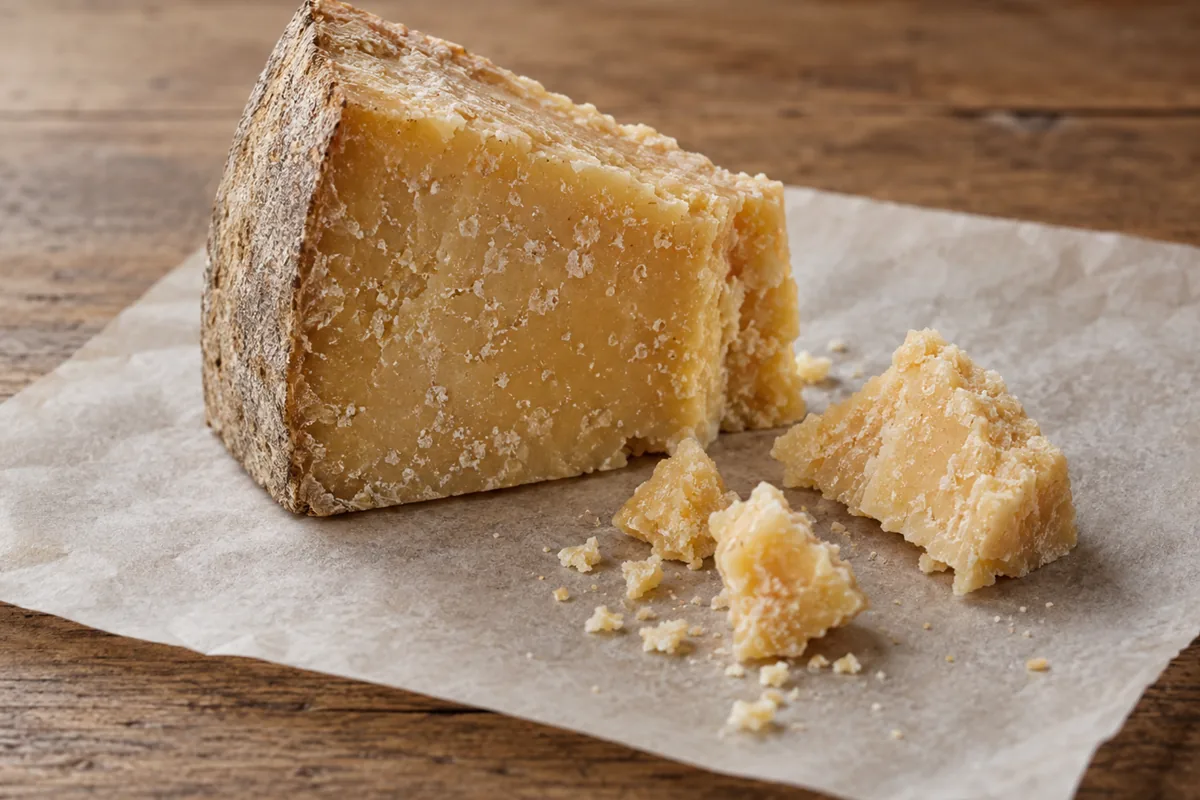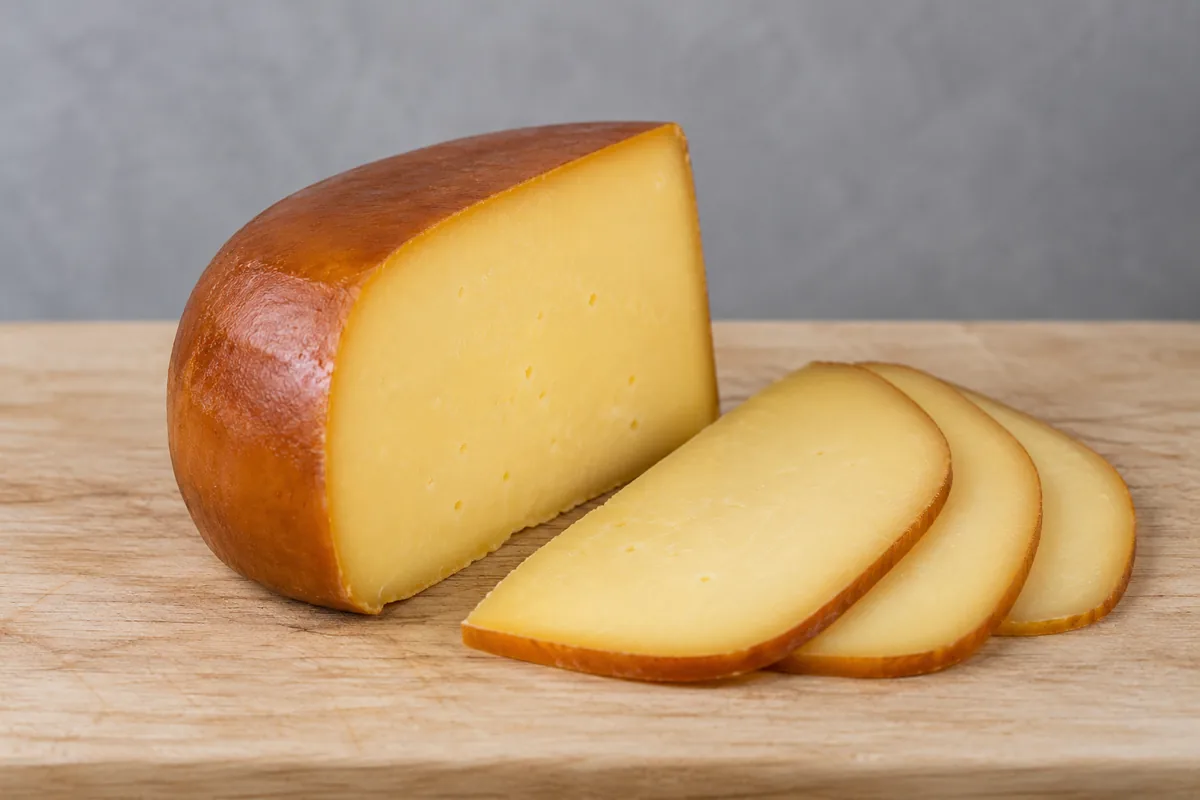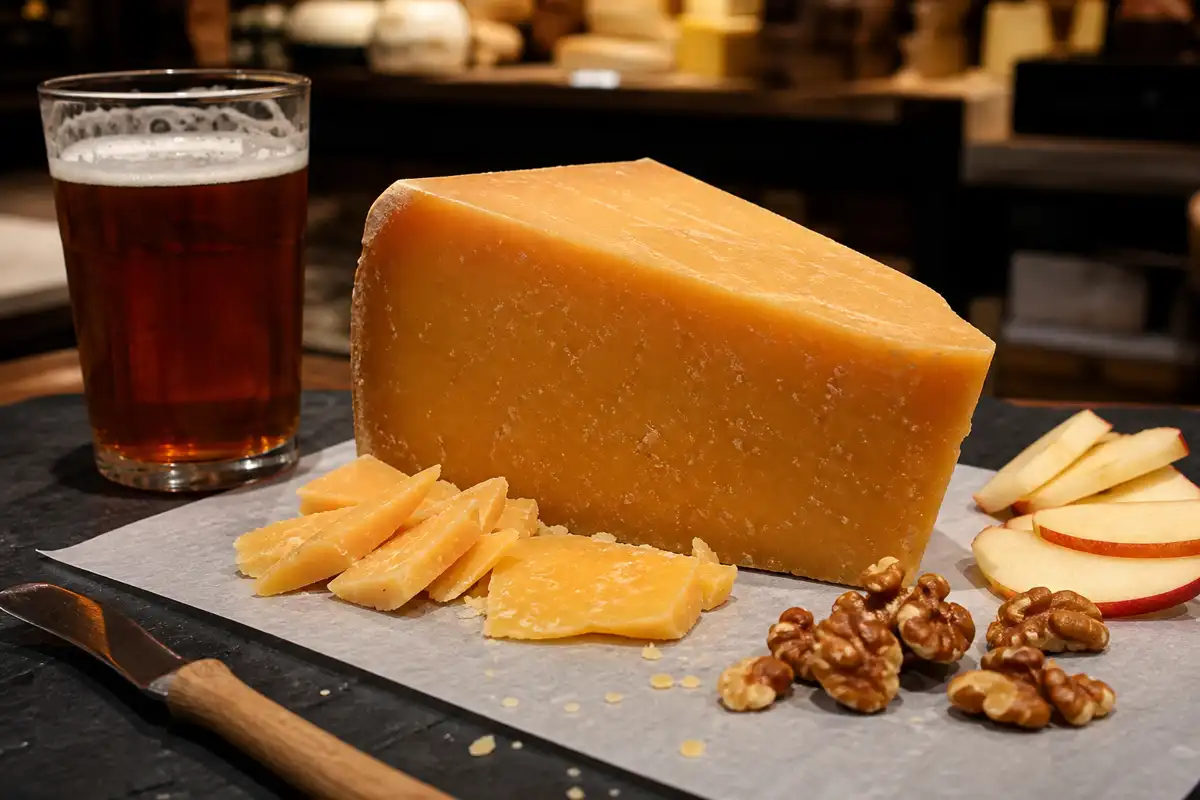
Vintage Lot 18 is an 18-month aged Gouda made in the Netherlands from pasteurized cow's milk and sold under the Artikaas brand. Artikaas's product page describes a firm texture with some crystallization, a deep ochre interior, notes of toasted walnuts and a brown-butter finish.
The 18 counts months, and Artikaas sells an older sibling, Vintage Lot 36, in the same line. Artikaas lists the cheese as a wheel, a pre-cut wedge and slices.
In This Article
What Is Vintage Lot 18 Cheese?
Cheese.com files Vintage Lot 18 as a Dutch cow's milk Gouda and lists two synonyms, Artikaas Vintage Lot 18 and Artikaas 18 Month Aged Gouda. Artikaas is the brand, and its own product page uses the shorter name.
Cheese.com names Dutch Cheese Makers as the producer. A March 2024 press release carried by Perishable News calls Dutch Cheese Makers the exclusive importer of Artikaas and the daughter company of Royal A-ware Food Production in Lopik, Netherlands.
In the same release the importer's chief executive thanks the team at Royal A-ware in Holland for crafting its cheeses.
The same release describes Artikaas as a family-owned brand that works with more than 800 partners in the Netherlands, with a range that spans young, aged, raw milk, smoked and specialty cheeses. Because that range includes raw-milk cheeses, the milk line on each product page is the fact to read.
Gouda is a style name on this label, and Wikipedia says the word is not restricted to cheese from the Netherlands. Gouda Holland, Boerenkaas and Noord-Hollandse Gouda are the protected names in the European Union, and neither Cheese.com nor Artikaas uses any of them for Vintage Lot 18.
Artikaas's ingredient list reads pasteurized cow's milk, salt, starter culture, rennet and carotenes as the colour. It names the rennet without saying whether it is animal or microbial, so a reader avoiding animal rennet cannot settle the question from that page.
Where Does 18 Months Sit on the Gouda Age Scale?
Wikipedia lists the six age grades Dutch cheesemakers generally use for Gouda, from young cheese at 4 weeks to the very old grade at the top.
- Young: 4 weeks.
- Young matured: 8 to 10 weeks.
- Matured: 16 to 18 weeks.
- Extra matured: 7 to 9 months.
- Old: 10 to 12 months.
- Very old: 12 to 21 months.
An 18-month cheese falls in the upper half of the very old grade. The next rung in the Vintage Lot line, at 36 months, is longer than any grade on that list.
Wikipedia adds that ageing hardens Gouda and develops its flavour, and that the slight crunch of cheese crystals shows most in older cheeses. Artikaas describes its 18-month and 36-month Goudas on separate product pages.
At the other end of the scale, Wikipedia cites a description of young, factory-made Gouda as lightly fudgy with nuts but very mild, which is the baseline the aged grades move away from.
| Cheese | Age | Texture | Flavor notes | Pairing named |
|---|---|---|---|---|
| Vintage Lot 18 | 18 months | Firm, some crystallization, deep ochre interior | Buttery, nutty, caramel; toasted walnuts and a brown-butter finish | Amber ale |
| Vintage Lot 36 | 36 months | Firm and crumbly yet creamy, studded with crunchy crystals, deep ocher interior | Nutty and butterscotch; whiskey and pecan | Dutch bock beer |
Artikaas's product pages put the difference in crystals and sweetness: some crystallization and brown butter at 18 months, studding with crunchy crystals and butterscotch at 36. Wikipedia reports the same direction for Gouda in general, noting that a more mature farmhouse Gouda may take on an almost butterscotch flavour if aged over two years.
What Does Vintage Lot 18 Taste and Feel Like?
Cheese.com lists burnt caramel, buttery and nutty as the flavours and adds salt crystal flavours. Artikaas names buttery, nutty and caramel in its flavor profile, with toasted walnuts and a brown-butter finish in the description.
Both describe a slow build. Cheese.com says the complex flavours evolve gradually as the cheese reaches full maturity, and Artikaas says they develop slowly over a year and a half in its aging facility.
Wikipedia describes the usual Gouda method as washed-curd: some of the whey is drained and replaced with water, which removes some lactose and makes the cheese sweeter. Artikaas does not describe its make for Vintage Lot 18, so this is the general method and not a stated detail of this cheese.
The texture words agree. Artikaas says firm with some crystallization, and Cheese.com says subtle crystallization with a rich ochre hue within.
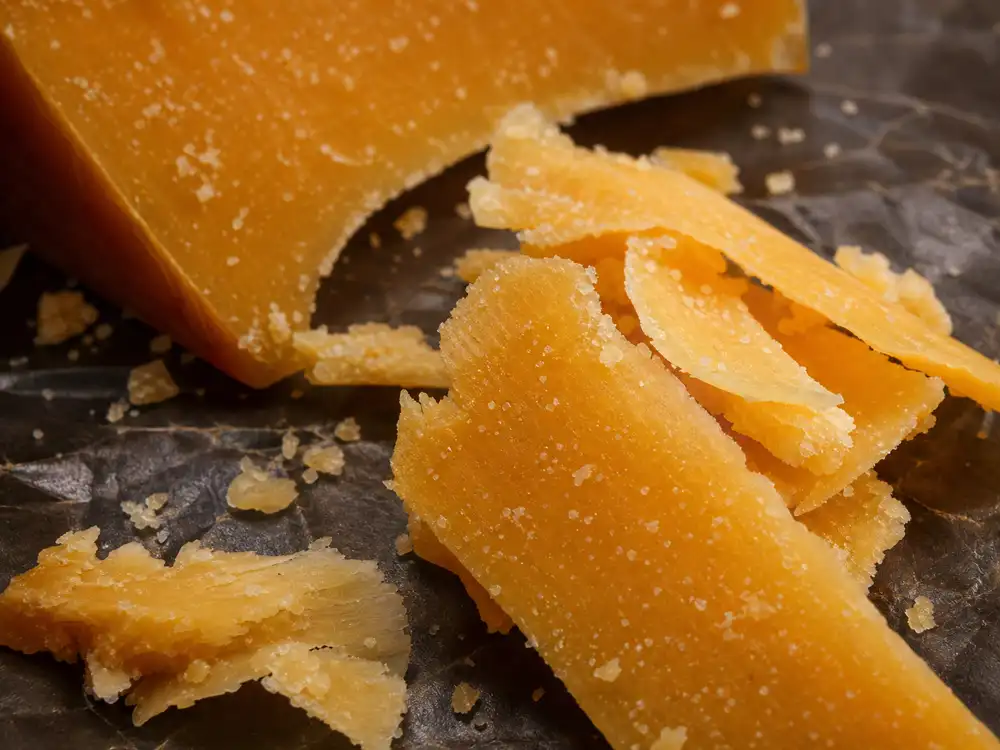
Wikipedia describes the crystals as small flecks that may be visible and that give older Gouda a slight crunch.
What Has Vintage Lot 18 Won?
At the World Championship Cheese Contest, Artikaas reports second place in Gouda, Extra Aged (over 10 months) in 2020, then Best of Class in that category and first runner-up to the overall champion in 2024.
The press release says the contest is held every two years and has been organized by the Wisconsin Cheese Makers Association since 1957. The 2024 edition drew 3,302 entries from 25 countries, and the release gives the first-runner-up score as 98.923.
The World Cheese Awards judged the cheese separately. Artikaas lists a Gold in the Gouda (9+ months) category in 2024 and a Silver in the same category in 2025.
The first-runner-up result belongs to the World Championship Cheese Contest, and the Gold and Silver medals belong to the World Cheese Awards, two competitions with similar names.
Both category names set only a minimum age, over 10 months in one and 9+ months in the other. A result therefore compares the cheese with Goudas of that age or older, and the 2024 contest score is the only figure here that measures it against a field.
The press release also gives the 2020 second place and the 98.923 score, and the World Cheese Awards medals come from Artikaas's product page.
How Does Vintage Lot 18 Behave in Cooking?
Neither Cheese.com nor Artikaas describes how Vintage Lot 18 melts, so the evidence is what Artikaas's own recipes ask of it.
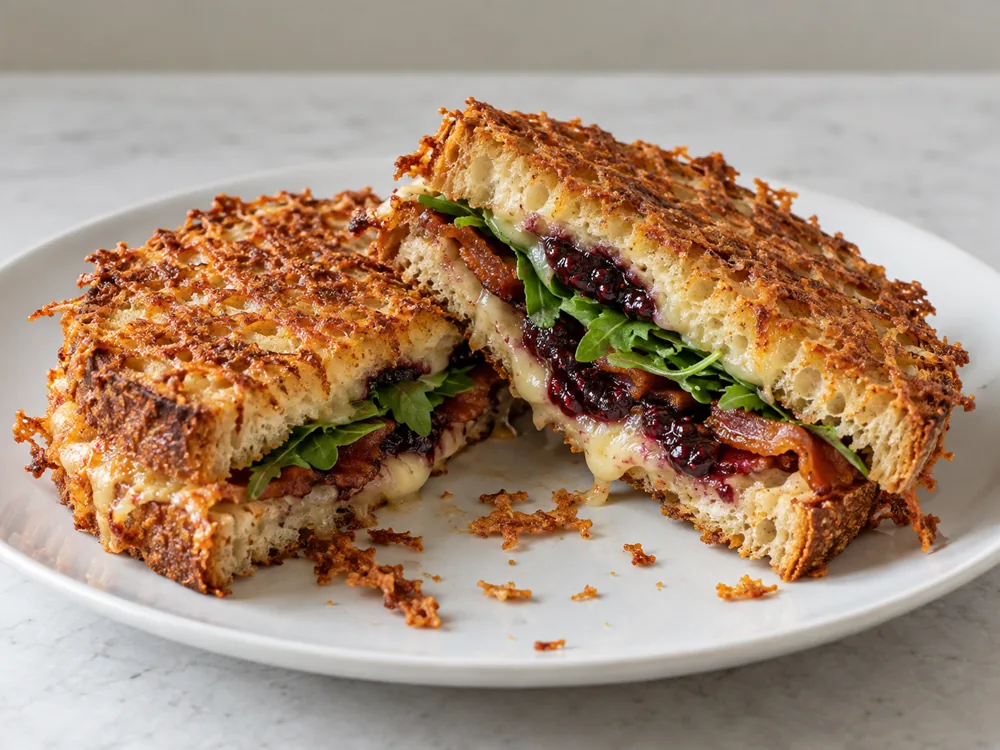
In the dip and the grilled cheese recipes, the cheese is shredded and paired with something that adds fat or moisture: sour cream and cream cheese in the dip, butter and blackberry jam in the sandwich.
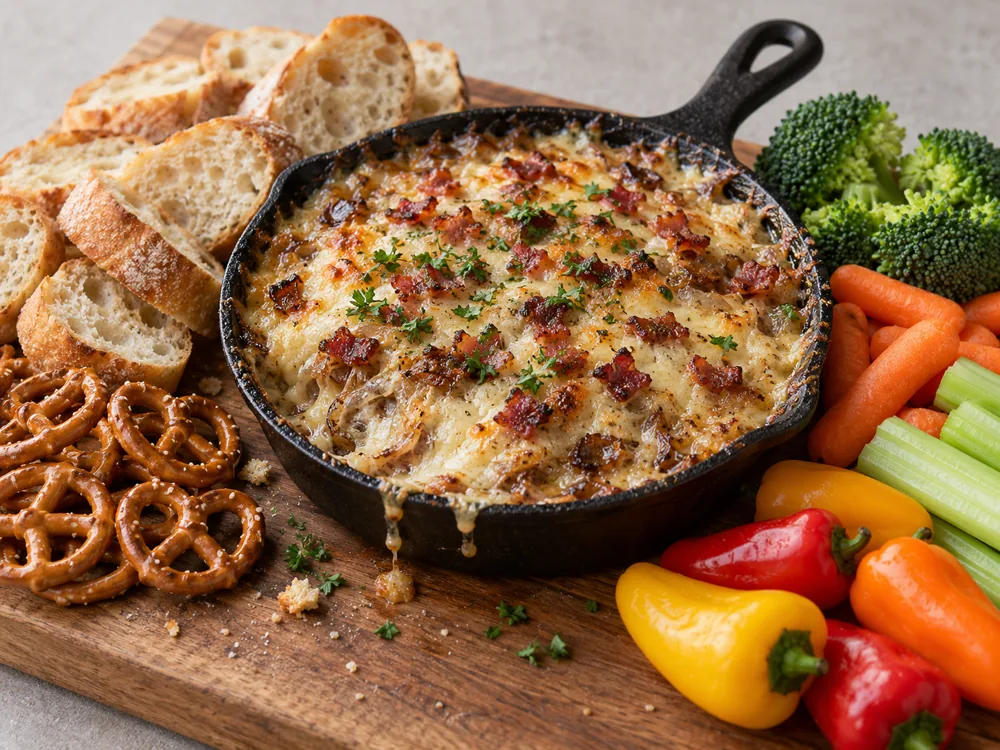
The dip mixes most of the shredded cheese into the base and scatters the rest on top, and the broiler turns that top layer into a melted, bubbling cap in 2 to 3 minutes.
The sandwich uses the cheese twice, as filling and as a coating pressed into the buttered outside of the bread, which cooks 2 to 3 minutes a side until the cheese is crispy and golden-brown.
None of the Artikaas recipes cited here melts the cheese alone into a sauce.
| Use | How It Works |
|---|---|
| Dip | Shredded into sour cream and cream cheese with caramelized onion and pancetta, then broiled (Artikaas recipe, serves 8) |
| Inside-out grilled cheese | Shredded inside with bacon, blackberry jam and arugula, and pressed onto the buttered outside (Artikaas recipe, serves 2) |
| Kale Caesar salad | Listed with Vintage Lot 18 on the Artikaas product page |
| Ice cream cookie sandwiches | Listed with Vintage Lot 18 on the Artikaas product page |
| Snack cubes | Cubes with Dutch mustard and beer, the Dutch Gouda snack Wikipedia describes |
What Pairs With Vintage Lot 18?
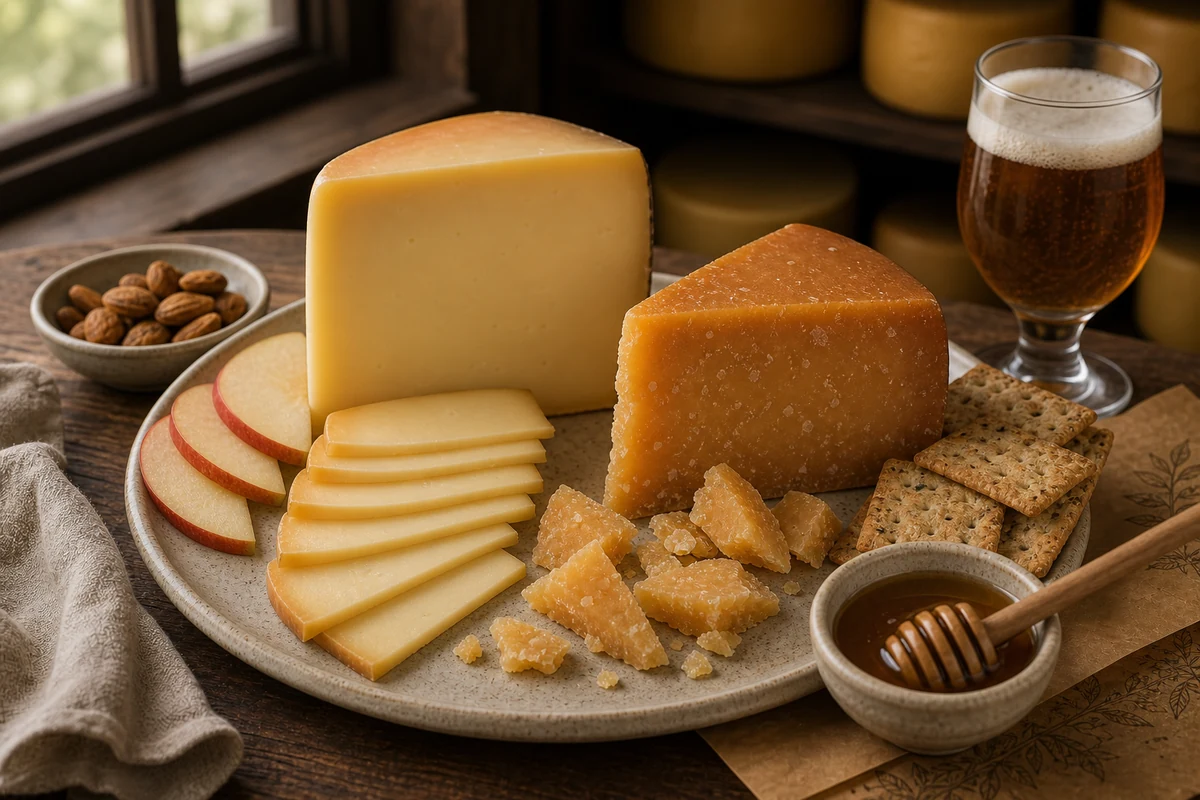
Amber ale is the pairing both sources name: Cheese.com says to pair the cheese with an amber ale to enhance its savoury profile, and Artikaas lists amber ale as the perfect pairing.
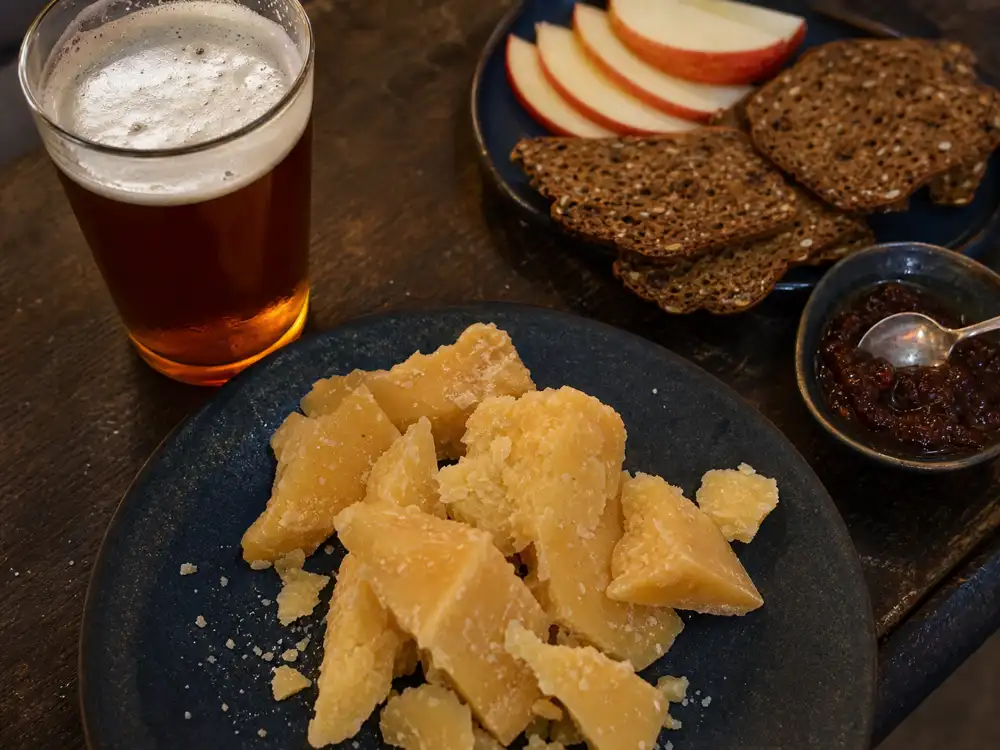
Wikipedia describes the Dutch habit for Gouda in general: cubes eaten with Dutch mustard and served with beer in the brown cafés, and older varieties sometimes topped with sugar or apple butter.
| Pairing | Type | Why It Works |
|---|---|---|
| Amber ale | Drink | Named by Cheese.com and by Artikaas |
| Dutch mustard | Food | Wikipedia: the usual partner for Gouda cubes in the Netherlands |
| Apple butter or sugar | Food | Wikipedia: sometimes put on older Gouda |
| Blackberry jam | Food | Artikaas grilled cheese recipe, with bacon and arugula |
Can You Eat Vintage Lot 18 While Pregnant?
Artikaas lists pasteurized cow's milk among the ingredients of Vintage Lot 18, which is the starting fact for both agencies' cheese guidance.
Wikipedia says Gouda ranges from young and elastic to old and hard, and Artikaas calls this one firm. Served cold, Vintage Lot 18 is described as a pasteurized firm cheese, a type the CDC list does not cover, so ask a midwife or doctor.
The pasteurized label matters most against raw-milk Gouda, and Wikipedia says boerenkaas, the protected farmhouse form of Gouda, is made with unpasteurised milk. The NHS lists unpasteurised hard cheeses as safe to eat and says other foods made from unpasteurised milk must be thoroughly cooked, and the CDC lists unpasteurized (raw) milk and dairy products made from raw milk as riskier.
What Should You Check When Buying Vintage Lot 18?
Artikaas lists three formats: a 22 lb wheel (about 10 kg), a 6 oz pre-cut wedge (about 170 g) and 7 oz slices (about 200 g). The pre-cut sizes are fixed, so only the wheel leaves a counter any say over how large the piece is.
Artikaas's recipes count in 6 oz wedges: the dip starts from two and the grilled cheese from one.
The 2024 press release says Artikaas Gouda sells at retailers across the United States and Canada and points to a store locator on artikaas.com.
How Do You Store and Serve Vintage Lot 18?
Neither Artikaas nor Cheese.com gives a shelf life or a wrapping method for Vintage Lot 18, so the storage figures here come from the CDC's general food-safety guidance.
The CDC says to keep the refrigerator at 40°F or below and to refrigerate perishable food, a group it says includes dairy, within 2 hours, or within 1 hour when the food has been exposed to temperatures above 90°F.
The CDC's list names dairy in general and not aged hard cheese, so applying it to this cheese is a judgment: on a cheese board, 2 hours at room temperature, and 1 hour in a hot room or outdoors above 90°F.
What Can You Use Instead of Vintage Lot 18?
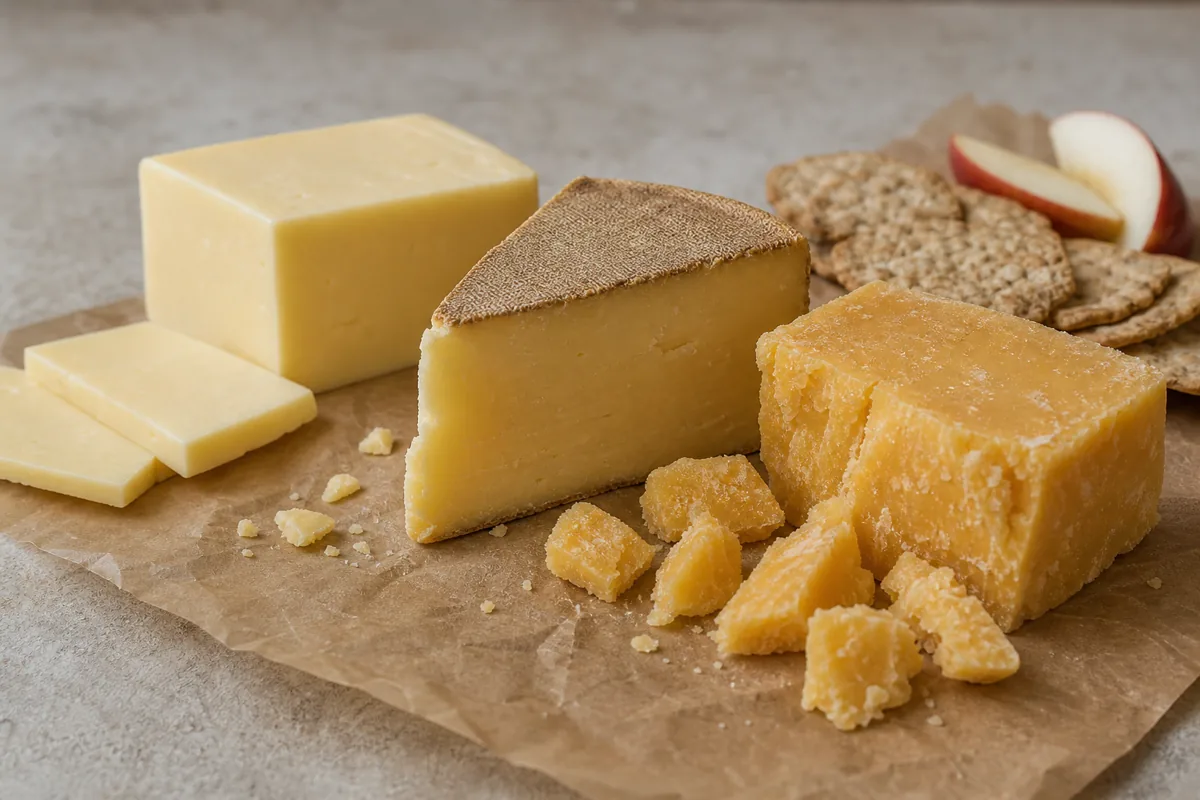
No source ranks substitutes for Vintage Lot 18, so the options follow the one variable the sources scale: age. Wikipedia says caramel sweetness and the crunch of crystals both increase as Gouda ages.
- Another very old Gouda (12 to 21 months): the same grade as Vintage Lot 18 on Wikipedia's scale.
- An old Gouda (10 to 12 months): a step younger, so expect less caramel sweetness and fewer crystals.
- Vintage Lot 36: 18 months older, with crunchy crystals and butterscotch, according to Artikaas.
The recipes that shred Vintage Lot 18 into cream cheese, sour cream or butter give no figure for how another cheese would behave, so a swap in those dishes is a guess.