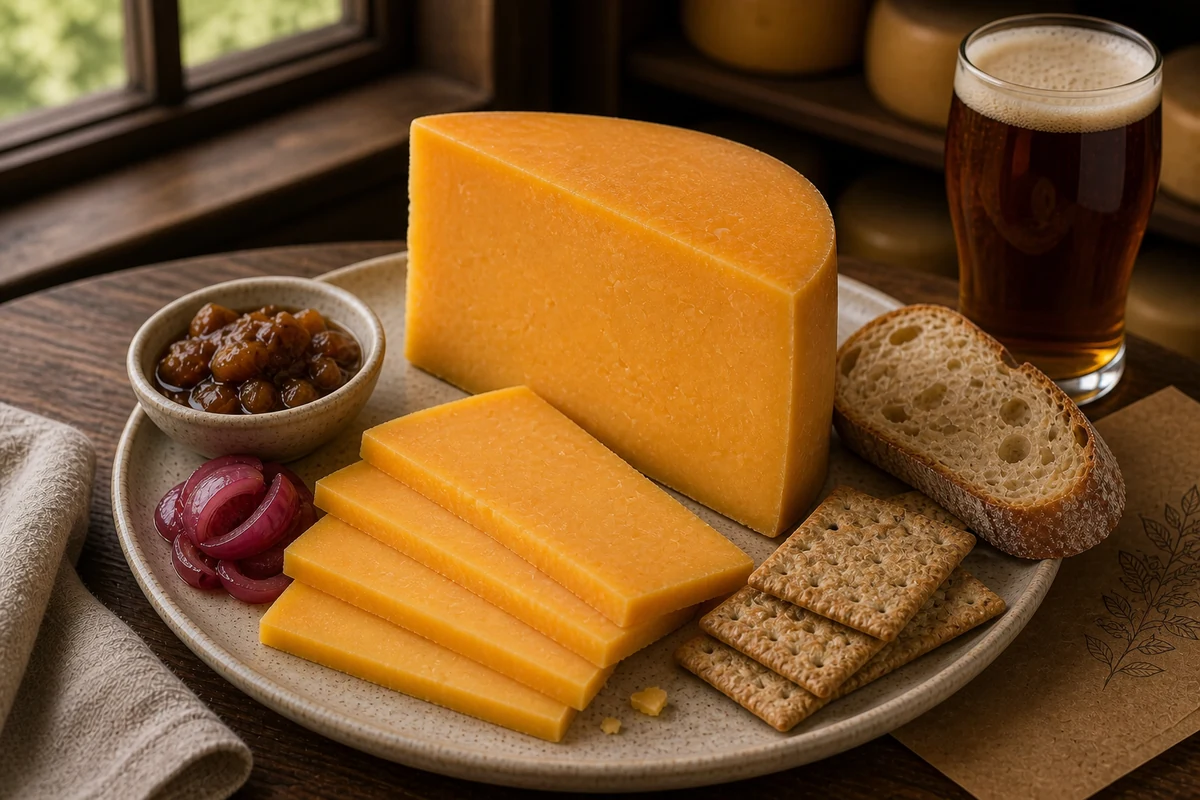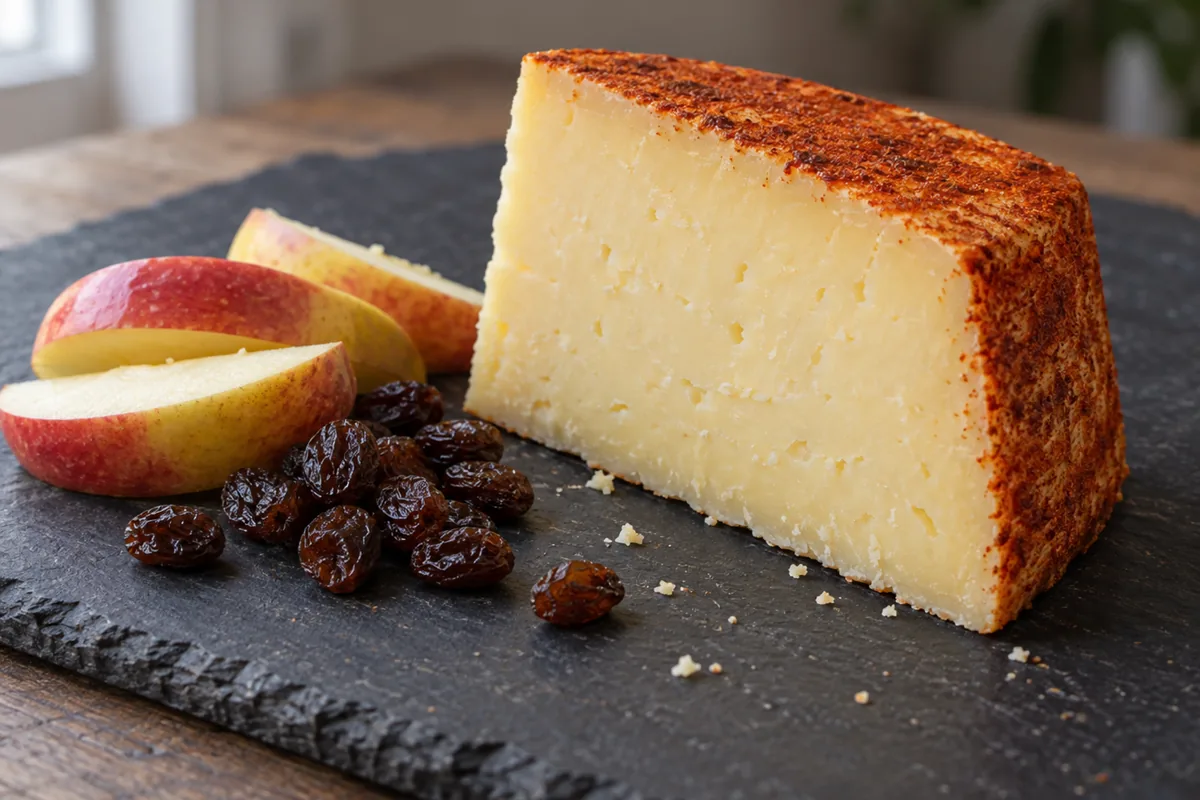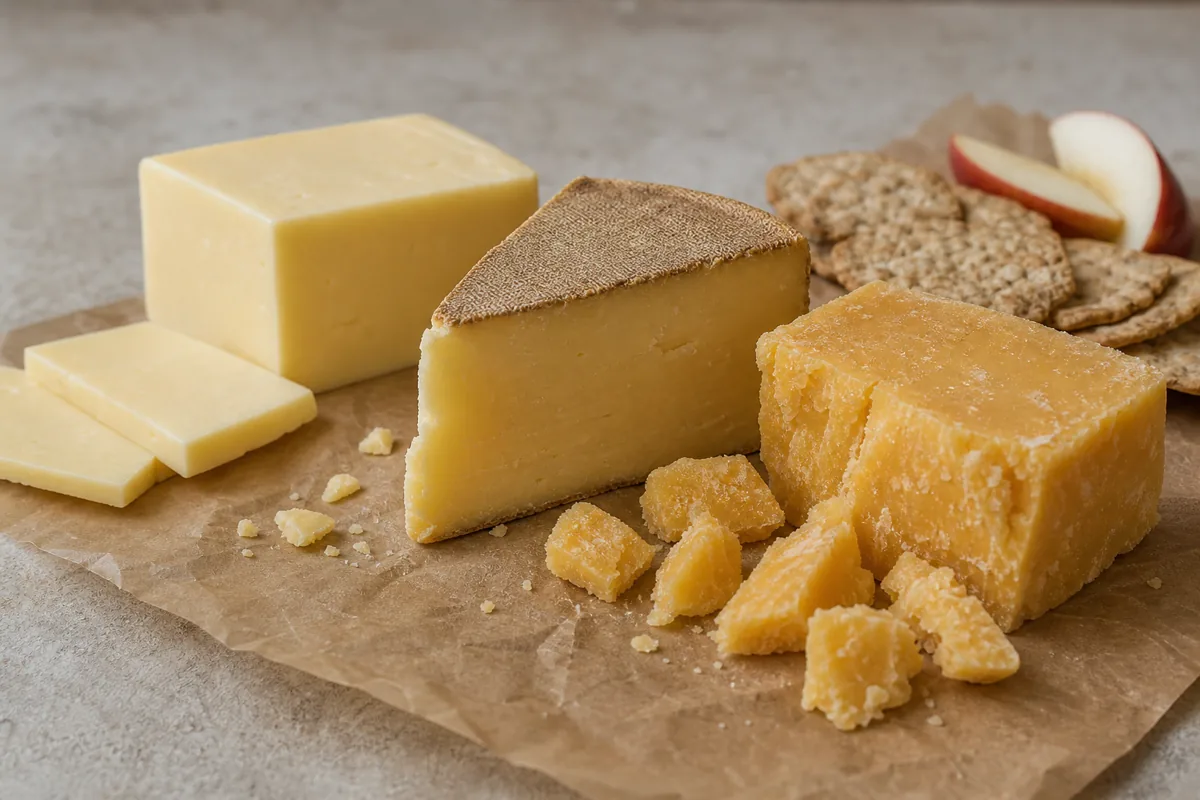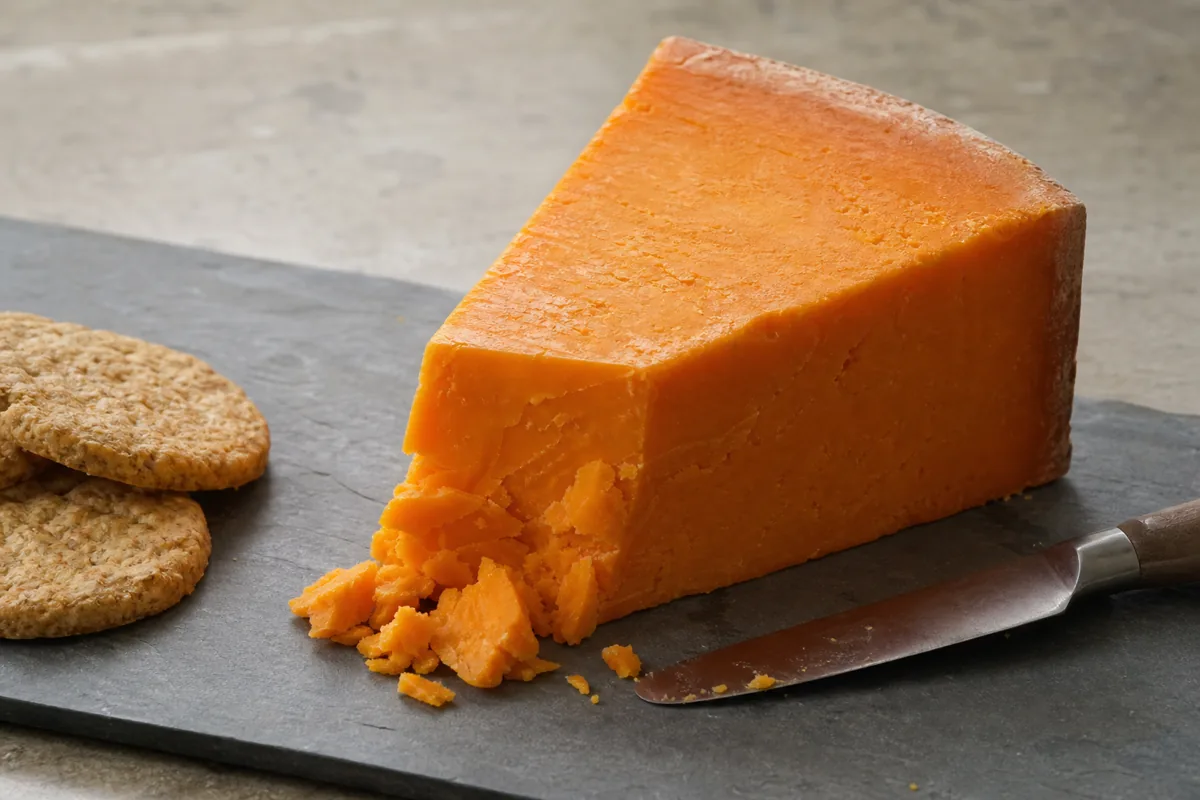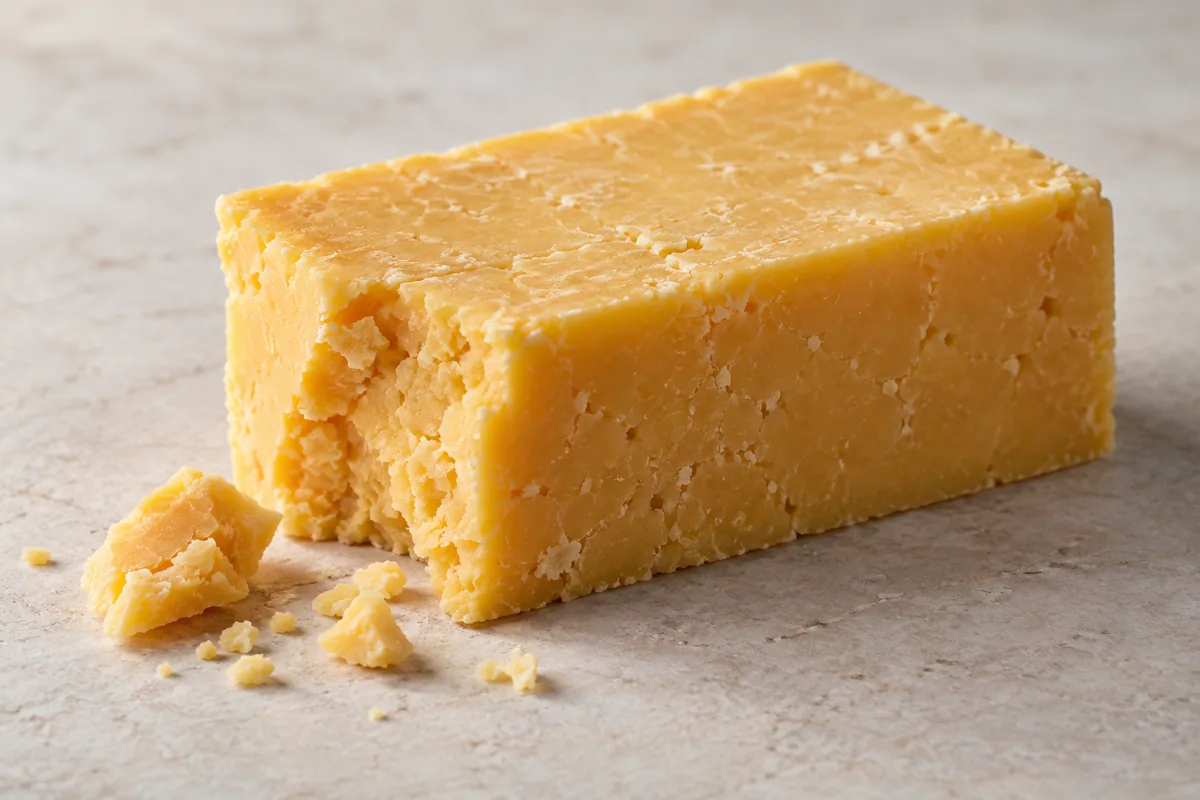
Mersey Valley Original Vintage is a crumbly cheddar from the Mersey Valley brand, made in Burnie, Tasmania, and sold as a 235 g or 180 g block. It is listed as a hard cheddar made with pasteurised cow's milk.
Cheese.com lists National Foods as the maker, while the brand's own range page carries a Saputo Dairy Australia copyright line.
Descriptions of its sharpness run from a touch to full-flavored, so if you want a strong cheddar, compare it with the Classic block sold beside it before you buy.
In This Article
How Does Mersey Valley Original Differ from Classic?
Classic is a separate cheddar that Mersey Valley sells beside Original in the same block sizes, with stronger wording on the brand's range page and a longer ingredient list.
Original also goes by more than one name: the brand calls it simply Original, while Cheese.com and Choice add Vintage to the name.
| Detail | Original | Classic |
|---|---|---|
| Range page wording | "A sharp crumbly cheddar that keeps you coming back for more" | "An extra strong bite, which is balanced with a crumbly melt-in your mouth texture" |
| Additives after the preservatives (Choice, 235 g) | None listed | Emulsifiers 450, 452 and 339; colour 171 |
On their 235 g ingredient lists, Original and Classic start from the same cheese, cheese flavour and preservatives 202 and 221, and only Classic adds emulsifiers and a colour. If you want to avoid those additives, read the ingredient line on the pack for emulsifiers 450, 452 and 339 and colour 171.
Among the flavoured blocks, Pickled Onion starts from Original, while Ploughmans and Peppercorn start from Classic.
Classic is the pick for more edge and Original for a gentler one: the brand gives Classic "an extra strong bite", and Two Providores credits Original with only "a touch of sharpness".
Classic is the sharper of the two on the brand's wording, and only its Choice listing adds emulsifiers 450, 452 and 339 and colour 171. The printed pack settles which version is in hand.
Is Mersey Valley Original Vintage a Club Cheddar?
Yes. The block is sold as "Original Club Cheddar", and Choice tested it as one of the four club cheddars in its cheddar test, a type made by milling one or more cheddars and pressing them back into a block, sometimes with flavours such as onion or pepper added.
That process gives a smooth, creamy texture quite unlike traditional cheddar, and this block is described as creamy and smooth even though it is sold and listed as crumbly.
The crunchy calcium lactate crystals typical of aged cheddar only appear after long maturation, and a true aged texture cannot be faked. If that crunch is what you want, those creamy, smooth descriptions point away from this block.
What Does Mersey Valley Original Vintage Taste Like?
Descriptions agree that it is crumbly and differ on how sharp it is, from "a touch of sharpness" at Two Providores to full-flavored and sharp at Cheese.com.
| Question | Description | Given by |
|---|---|---|
| Is it crumbly? | Crumbly; "unique crumbly texture" for the whole range | Cheese.com, Two Providores; the whole-range wording is from the brand's intro |
| Is it creamy or smooth? | Creamy and spreadable; soft, smooth and melt-in-the-mouth | Cheese.com; Two Providores |
| How sharp is it? | Full-flavored and sharp; "a touch of sharpness"; "bold vintage cheddar flavour" for the whole range | Cheese.com; Two Providores; the brand's range intro |
| Other flavour and aroma words | Buttery; strong aroma | Cheese.com |
| Colour | Yellow | Cheese.com |
| Maturity wording | "Extra mature" | Cheese.com |
What Does Vintage Mean on Mersey Valley Original?
Vintage, the word Cheese.com and Choice add to this cheddar's name, is what Dairy Australia's age classes call cheddar aged 12 to 24 months, after mild at 1 to 3 months, semi-matured at 3 to 6 and matured or tasty at 6 to 12.
Makers do not strictly follow these classes, so vintage in this cheddar's name does not guarantee 12 to 24 months of ageing. If the age matters to you, look for a stated maturation on the label.
How Did Original and Classic Rate in a Blind Cheddar Tasting?
In Choice's blind tasting of 27 aged supermarket cheddars, its expert panel gave Original 57% and Classic 60%, while the six top cheddars reached 70% or more.
| Score | Original | Classic |
|---|---|---|
| Overall rating | 57% | 60% |
| Taste score | 59% | 69% |
| Nutrition score | 50% | 40% |
Taste carries 70% of the rating and nutrition 30%, with the nutrition share taken from each product's Health Star Rating. Classic's 10-point lead on taste outweighs Original's 10-point lead on nutrition, so Classic finishes 3 points ahead.
The judges looked for a sweet, milky flavour, a balance of salt and acid, a firm, close, slightly crumbly texture and a lingering aftertaste. Both Mersey Valley cheddars contain added "cheese flavour" and scored in the bottom quartile for taste.
The test took cheddars with "Vintage" or "Extra Mature" in the name or a maturation of 12 months or more. If taste decides your pick, Classic scored higher; if the nutrition score matters more, Original did.
What Is in a Pack of Mersey Valley Original?
The 235 g Original block lists cheese (milk, salt, mineral salt 509, cultures, rennet), cheese flavour and preservatives 202 and 221. Its origin line reads "Made in Australia from at least 97% Australian ingredients", against 96% for Classic.
The rennet is where descriptions split: Choice's cheddar guide lists both Mersey Valley cheddars among six tested cheddars that contain animal rennet and so are not suitable for vegetarians, while Open Food Facts, a contributor-edited record, names the rennet as non-animal.
If you are vegetarian, check the rennet on the printed pack before you buy. For allergies, the 235 g pack is recorded with milk and sulphites as allergens.
| Nutrient | Original | Classic |
|---|---|---|
| Energy | 1,740 kJ | 1,740 kJ |
| Fat | 33 g | 33 g |
| Saturated fat | 21.1 g | 21.1 g |
| Protein | 24.8 g | 24.8 g |
| Sodium | 720 mg | 762 mg |
| Calcium | 741 mg | 725 mg |
Classic matches Original on energy, fat and protein, and its sodium is about 6% higher.
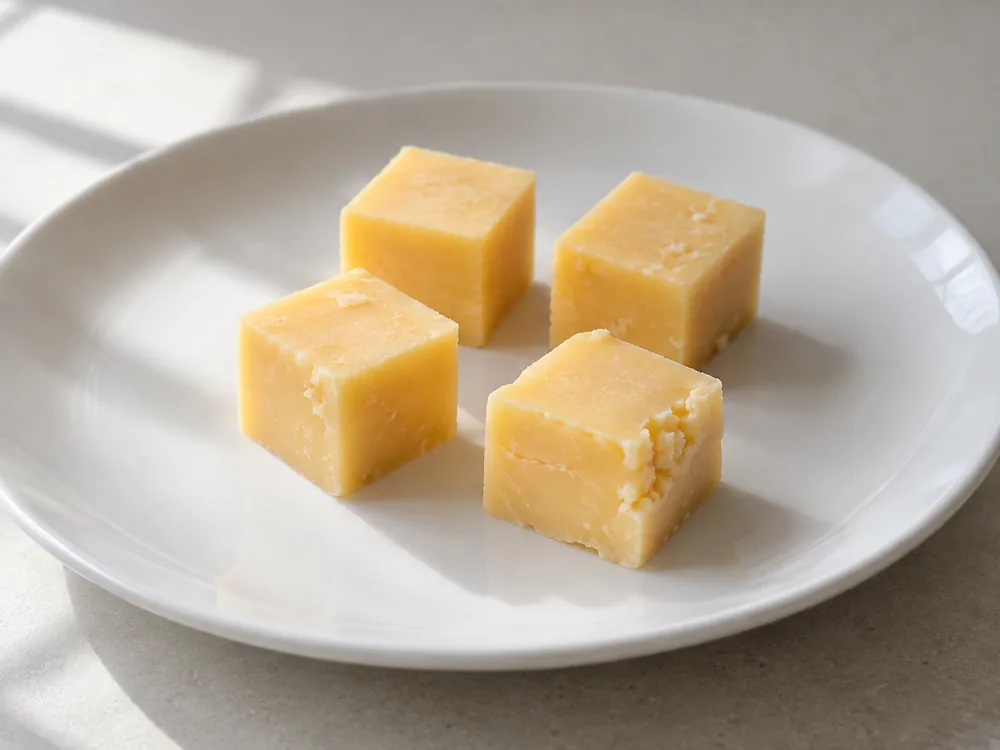
For portions, the pack's 25 g serving carries 0.43 g of salt. Choice suggests 40 g for hard cheddar, about two slices or four small cubes, which comes to roughly 290 mg of sodium at 720 mg per 100 g.
Sodium per 100 g is 720 mg on Choice's figures and 688 mg on Open Food Facts for the same 235 g pack, so treat the per-portion figures as approximate.
Can You Eat Mersey Valley Original Vintage While Pregnant?
The NHS and the CDC both use cheddar as an example of a hard cheese in their pregnancy food lists. The NHS lists "pasteurised or unpasteurised hard cheeses, such as cheddar, gruyère and parmesan" as safe to eat.
The CDC lists hard cheese, "when made with pasteurized milk", such as Cheddar, as a safer choice. This block is described as made with pasteurised cow's milk, and the CDC line depends on it, so check that your pack states pasteurised.
Mersey Valley calls its 150 g spreadable Original a cheddar too, but it is a separate, spreadable product, and the hard-cheese lines above are for the block. For the spreadable, check its own label for the milk treatment and ask a midwife or doctor.
How Do You Serve and Cook with Mersey Valley Original Vintage?
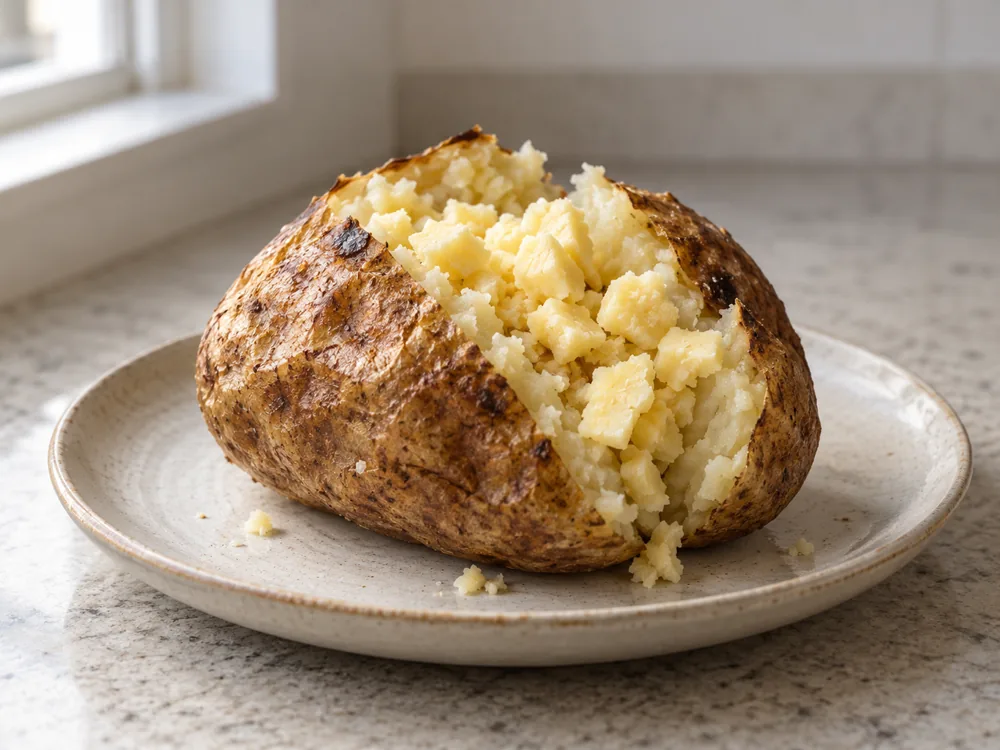
For cooking, Cheese.com suggests risotto, quiche and baked potatoes, where it says the cheese adds flavour and extra creaminess.
For spreading on sandwiches and crackers, the original flavour also comes in a tub. The brand describes its 150 g spreadable Original as "a sharp crumbly cheddar with a delightful spreadable texture".
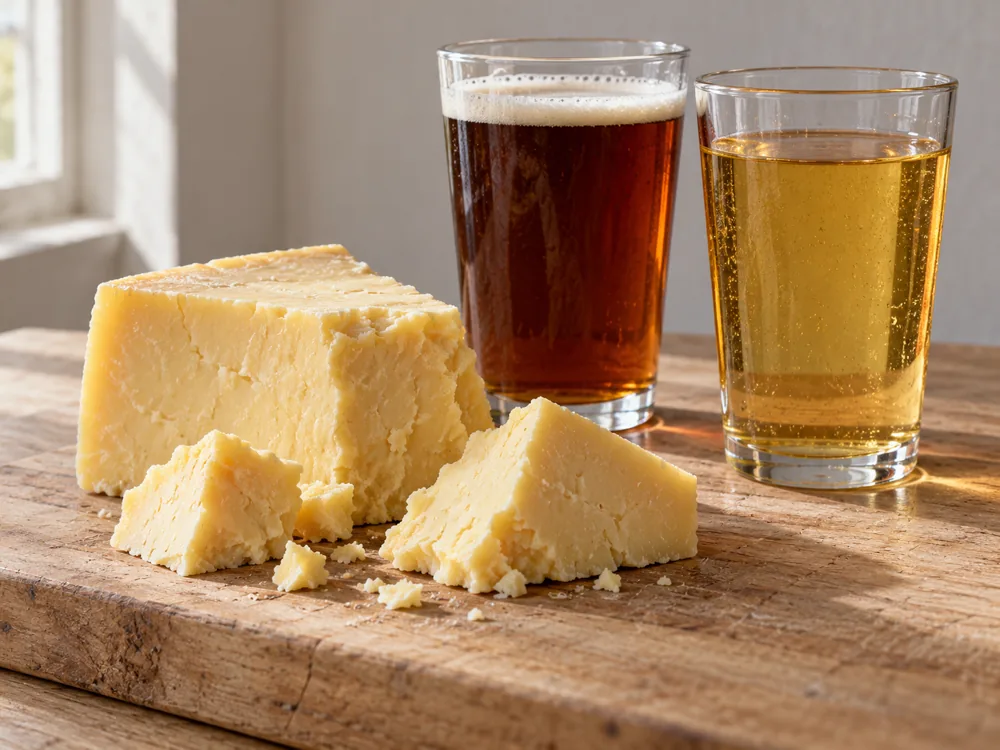
For wine and other drinks, Cheese.com matches five to the cheese's full flavour:
- Cabernet Sauvignon
- Vintage port
- Strong ale
- An oaky chardonnay
- A medium-dry strong cider
What Sizes Can You Buy, and How Do You Store the Block?
Original comes in 235 g and 180 g blocks plus the 150 g spreadable. The 80 g blocks are Classic and the Jalapeno, Pickled Onion and Sweet Chilli flavours, with no 80 g Original, so the plain cheese comes only in the larger blocks.
The block is stocked as a coolroom product, and the CDC advises keeping a refrigerator at 40°F (about 4°C) or below. Check your pack for a keeping time once opened.