Cheese Profile

Kolan Extra Mature Cheese: Croatian Cow Milk Taste, Uses, and Substitutes

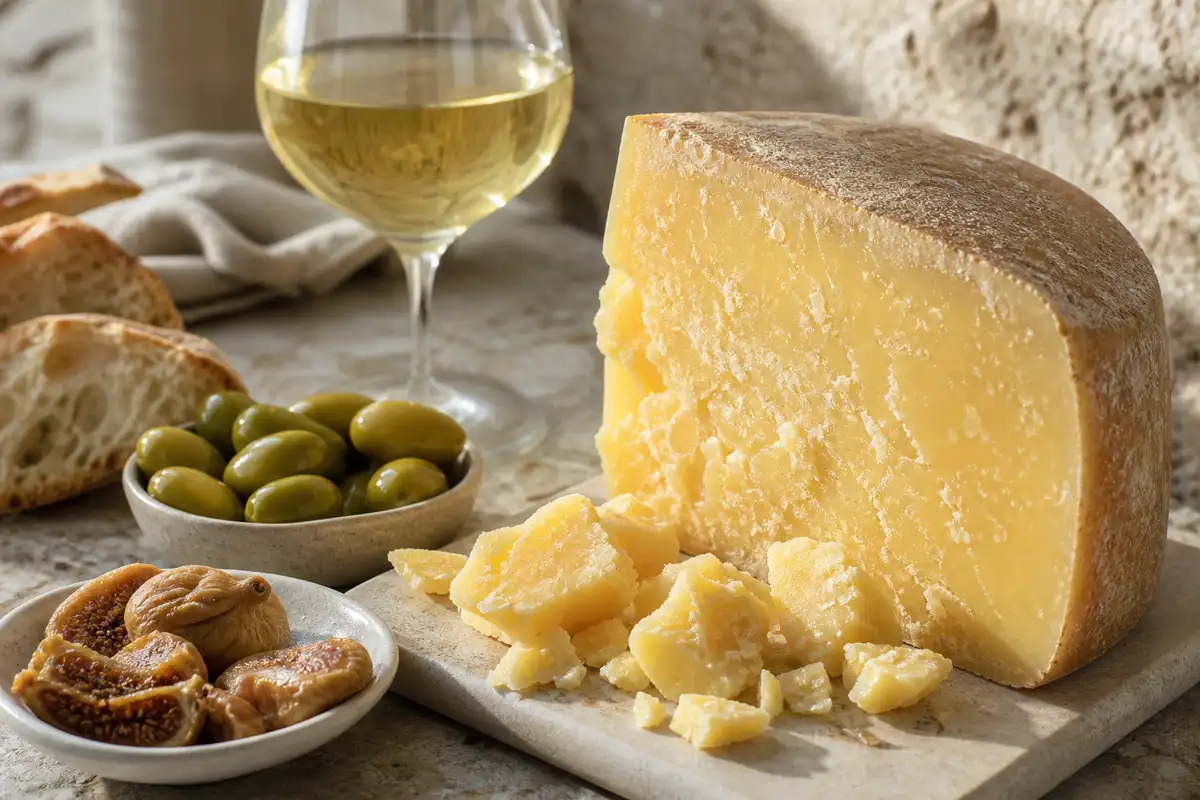
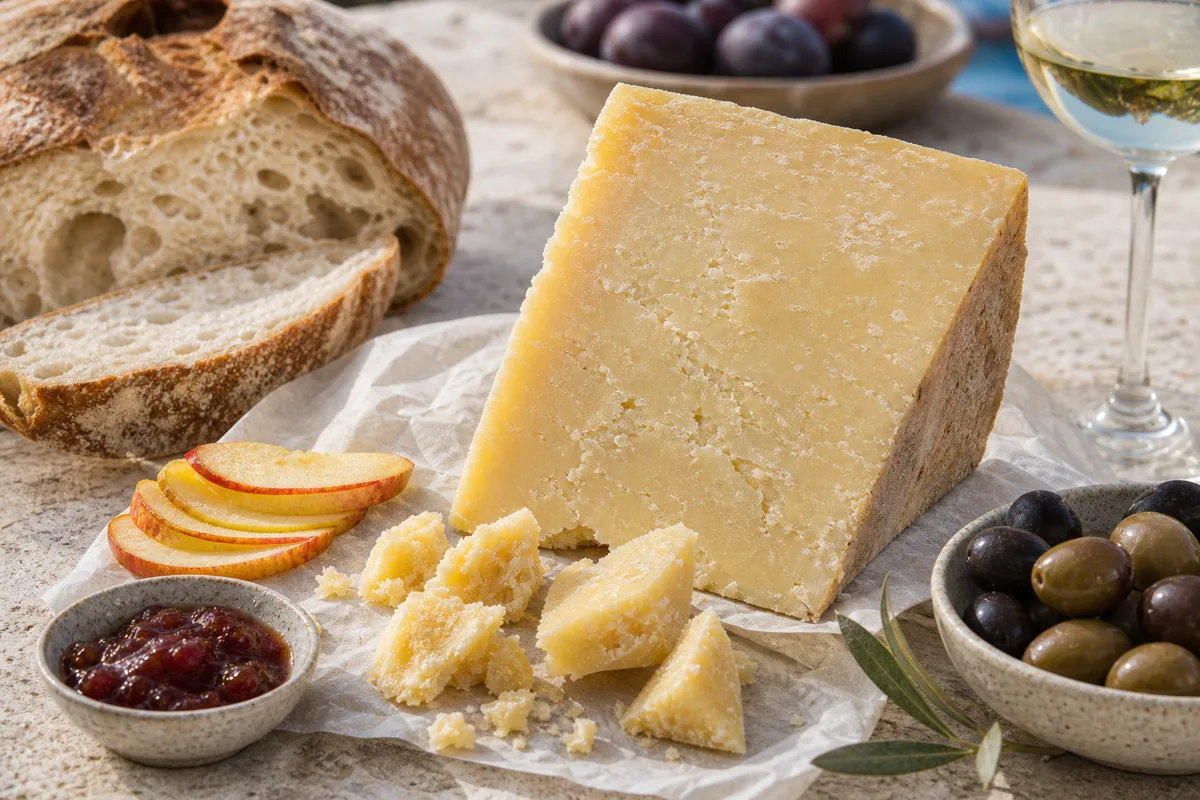
Hard Croatian cow milk cheese wedge with apples plum jam olives and bread - Kolan Extra Mature | KnowTheCheese
KOLAN EXTRA MATURE QUICK FACTS
OriginKolan, Croatia
MilkPasteurized cow milk
TextureHard, brittle, and grateable
RindDry aged rind or retail-cut edge
AgingExtra mature
Fat Contentaged cow milk cheese
Availabilityrare specialty import
Pricespecialty
PregnancyCheck label
LactoseModerate to low

Kolan Extra Mature is a hard Croatian cow milk cheese, not the sheep milk cheese many readers may expect from the Kolan or Pag area. The main buying cue is its extra-mature bite: dense yellow paste, brittle shards, and a sharp savory finish.

Use it in small portions. It can lead a board, finish potatoes, or grate over warm food, but it is too specific and too mature to treat like a mild sandwich slice.

The most important correction is milk. Because the area around Kolan is associated with famous sheep cheeses, it is easy to make the wrong assumption. For this guide, the source used here points to cow milk, so the article does not borrow sheep-cheese facts to make the page sound richer.

This article keeps the guide separate from salty sheep milk grating cheese, dry Italian finishing cheese, and broad Croatian cheese context.

What is Kolan Extra Mature cheese?

Kolan Extra Mature is listed as a Croatian hard cheese made from pasteurized cow milk. Cheese references connect it with Gligora Dairy and describe it as mature, intense, sharp, yellow, hard, and brittle.

That cow milk detail matters. A shopper may expect sheep cheese because Kolan sits in a region strongly associated with island cheese traditions. This guide answers a different product: extra-mature cow milk cheese with a hard aged body.

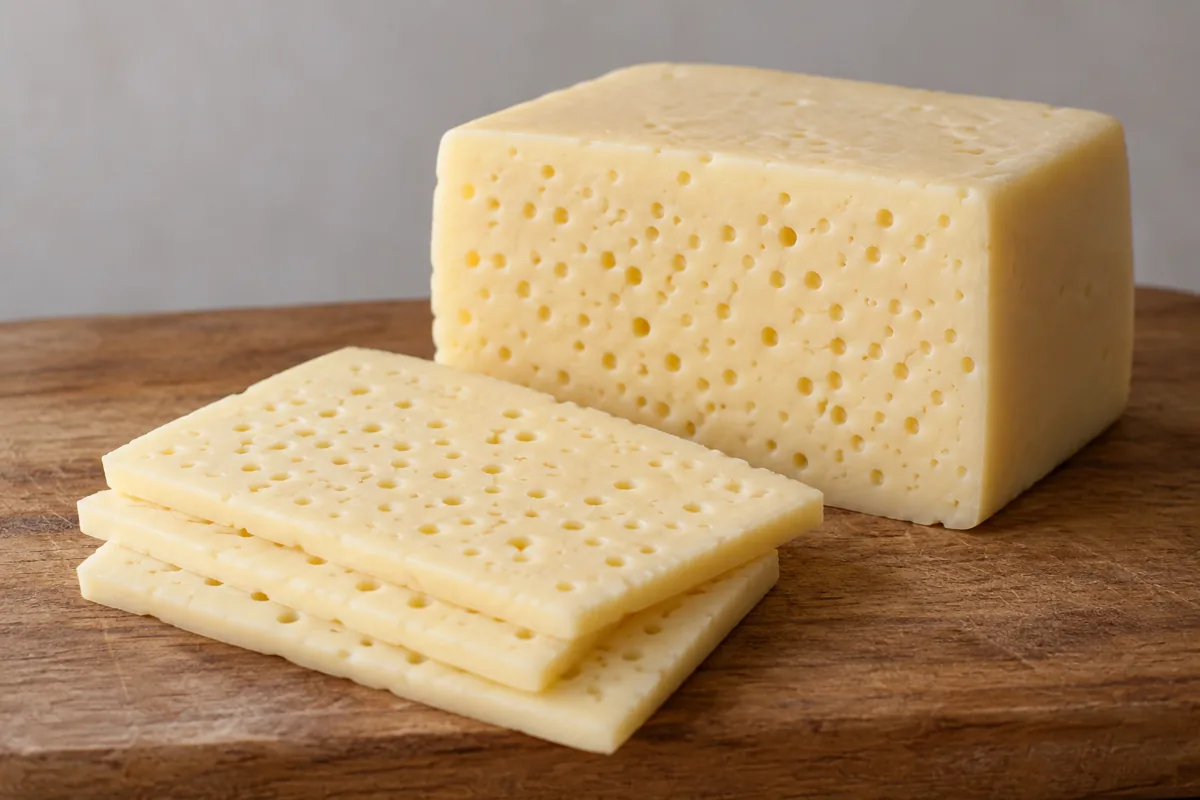
That body is the buying clue. A young semi-hard cheese bends, slices neatly, and tastes mild. Kolan Extra Mature should feel drier and more concentrated, which is why the serving pieces need to be smaller.

If you want a mild table cheese, choose another cheese. Kolan Extra Mature is for the reader who wants a sharper, more concentrated aged bite. It sits closer to hard aged finishing cheese than to a lunchbox slice.

What does Kolan Extra Mature taste like?

The flavor should read sharp, savory, and mature. It is not sweet in the way young Gouda can be, and it is not creamy in the way a young semi-hard cheese feels.

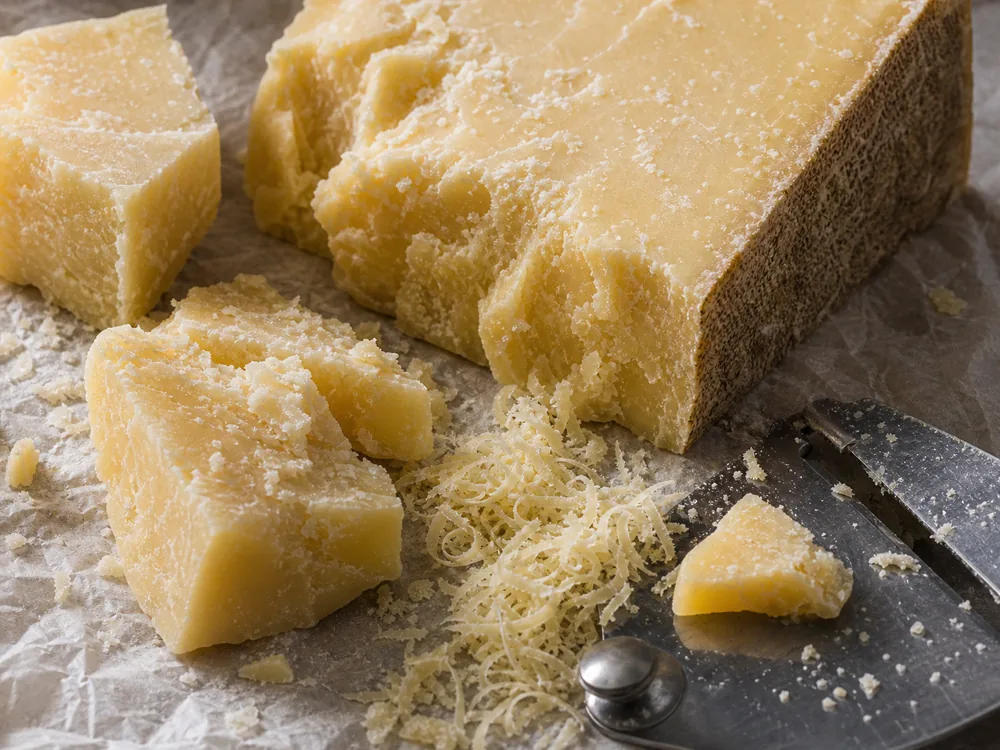
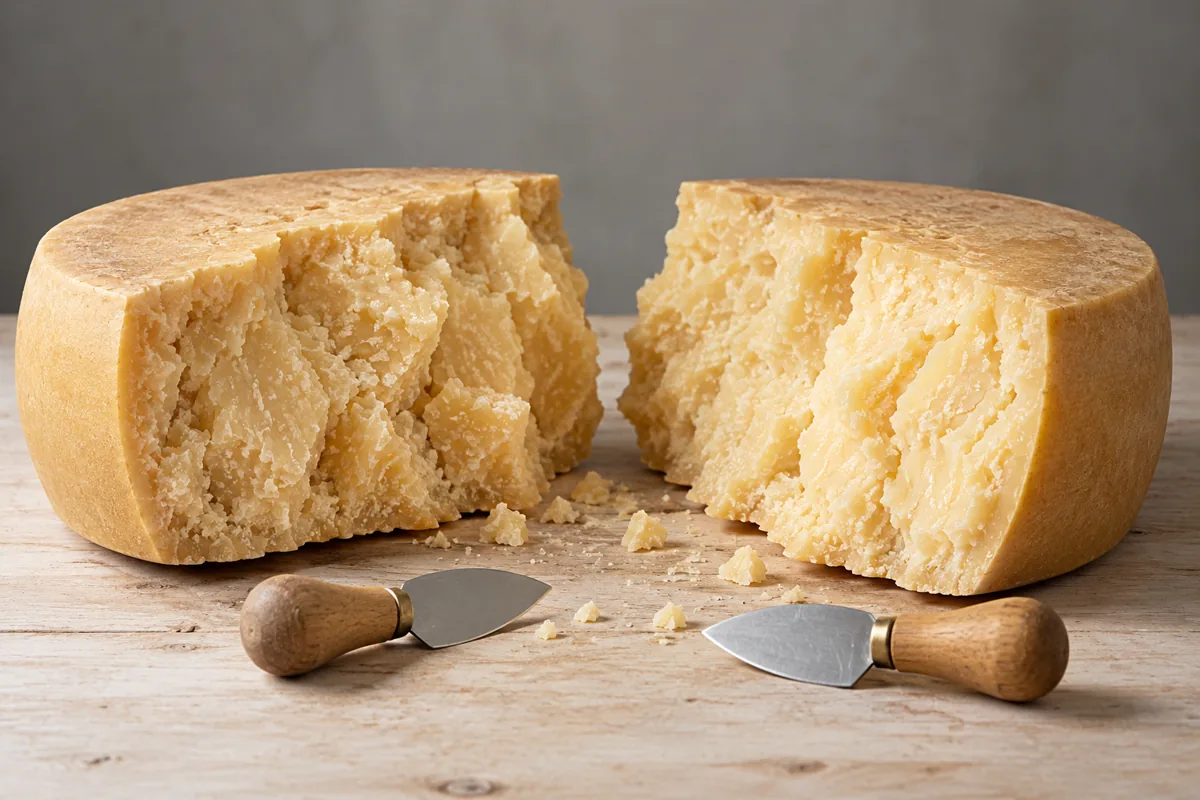
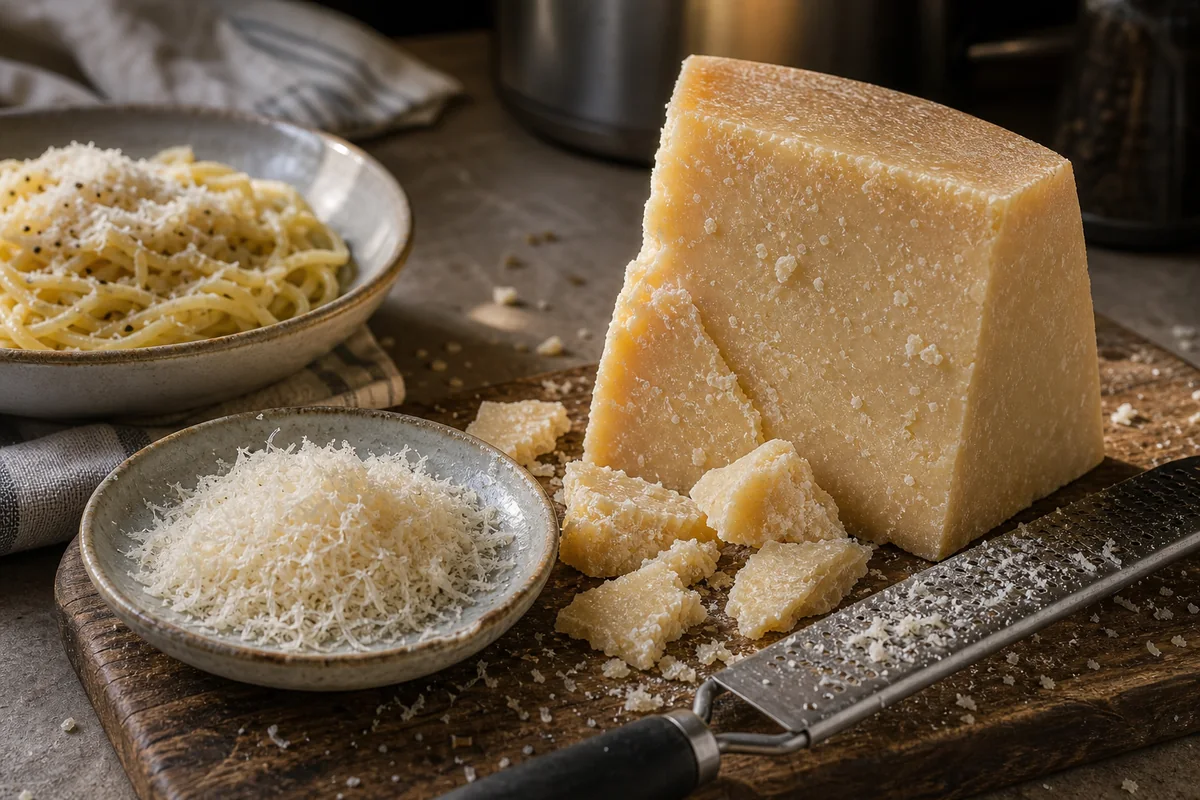
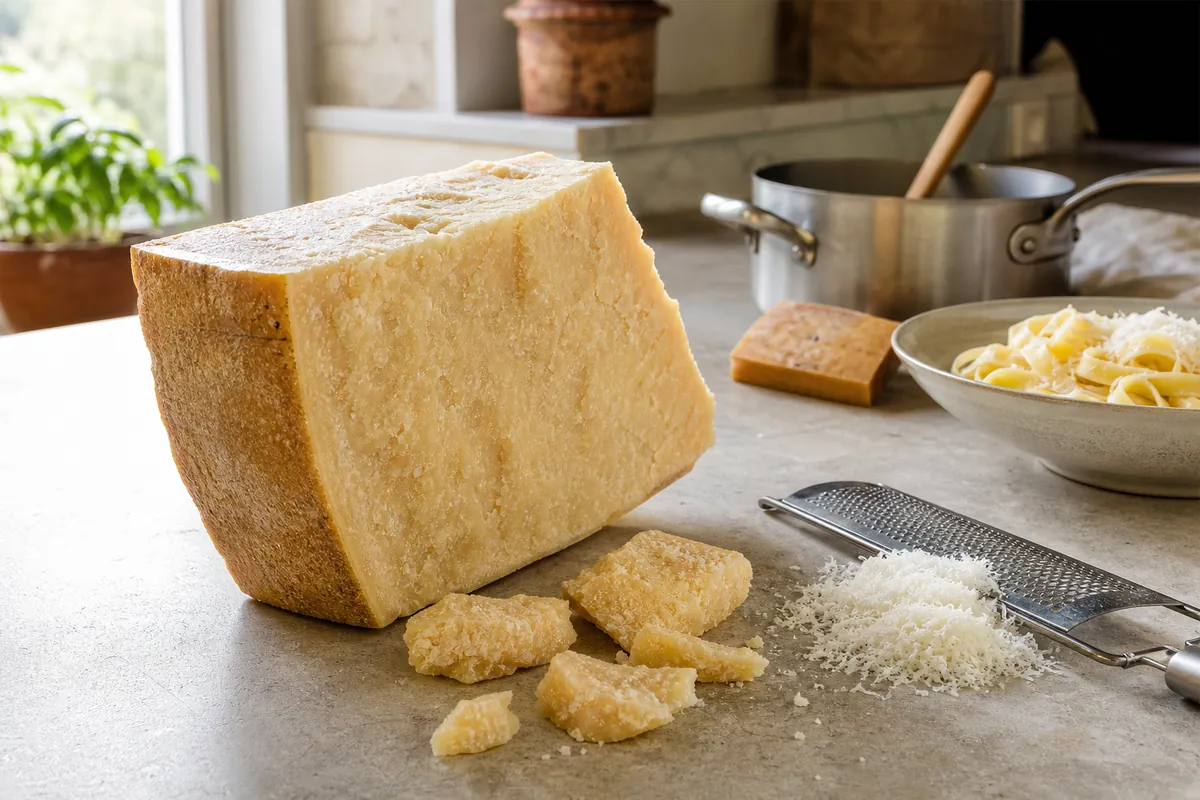
Hard extra mature cow milk cheese cracked into brittle shards - Kolan Extra Mature | KnowTheCheese
The brittle cut is the main clue: Kolan Extra Mature behaves more like a shaving or grating cheese than a mild slice.

The paste should break rather than bend. That tells you to cut smaller pieces and pair it with foods that can absorb salt and age.

KOLAN EXTRA MATURE FLAVOR PROFILE
SALTYSWEETBITTERSOURUMAMICREAMY
Salty
68
Sweet
8
Bitter
10
Sour
18
Umami
78
Creamy
38

If the cheese tastes only salty, pair it with apple, plum jam, or plain bread. If it tastes savory and sharp with a long finish, keep the plate simple so the aged flavor stays clear.

A mature finish can be pleasant when the bite has balance. It becomes tiring when every bite is thick cheese on a salty cracker. Use fruit or plain starch to give the finish somewhere to go.

The brittle texture also tells you how to cut it. Do not fight the cheese into neat cubes. Let it break into shards, then choose the smaller pieces for tasting and the larger pieces for shaving or grating.

  • Good texture: hard shards and a dry clean cut.
  • Good aroma: savory, nutty, and mature.
  • Bad sign: wet paste or sour dairy smell.

How should you serve Kolan Extra Mature?

Serve Kolan Extra Mature in small shards or thin shavings. Big chunks make the cheese feel too hard and too salty before the flavor can open.

Good partners are fresh apple, dried figs, plum jam, olives, rustic bread, and crisp white wine. The point is to frame the mature flavor, not bury it under hot sauce or heavy chutney.

PairingWhy It Works
AppleFresh crunch softens the sharp bite.
Plum jamSweetness works in small amounts.
OlivesBriny food fits the Croatian table logic.
Rustic breadPlain starch controls salt and age.
Crisp white wineAcidity keeps the finish clean.

Place it after milder cheeses and before blue cheese. It has enough force to follow a mild firm cheese, but a strong blue can make it seem flat.

If the board already has a smoky sheep milk cheese, keep Kolan Extra Mature away from the same bite. Smoke and sharp age can crowd each other.

For a first tasting, serve it with only bread and apple. That will tell you whether the wedge leans nutty, salty, or sharply savory. Add plum jam only after you know how much sweetness the cheese needs.

  • Best cut: thin shavings or small shards.
  • Best sweet partner: plum jam or apple, used lightly.
  • Best savory partner: bread, olives, potatoes, or pasta.
  • Skip: thick cubes on a crowded cheese board.

Can you cook with Kolan Extra Mature?

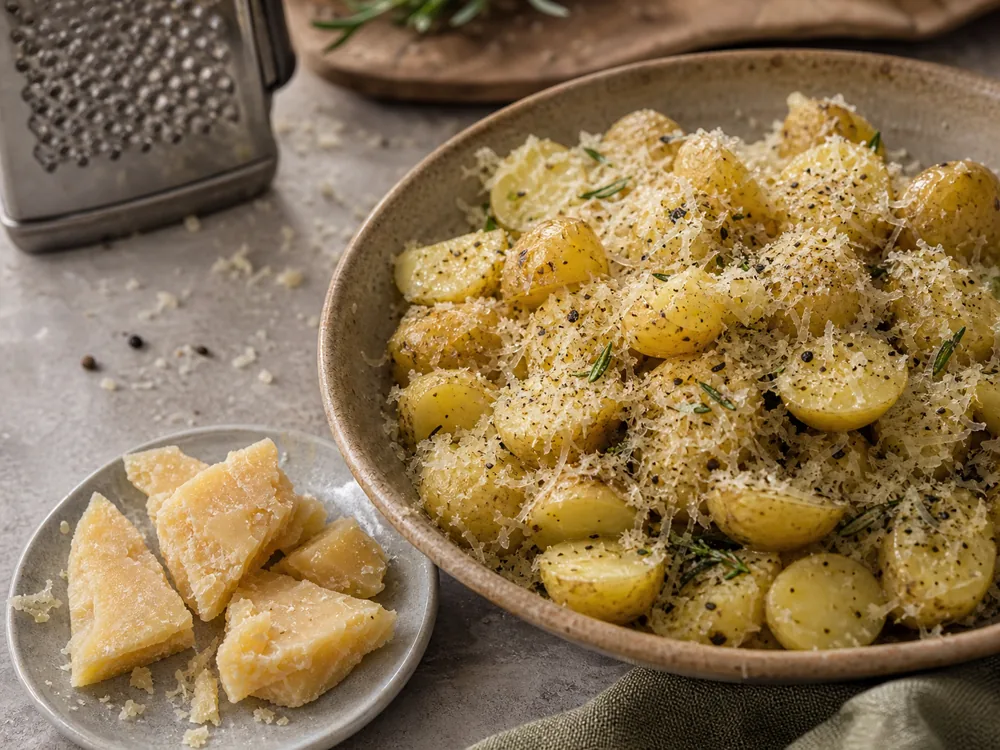
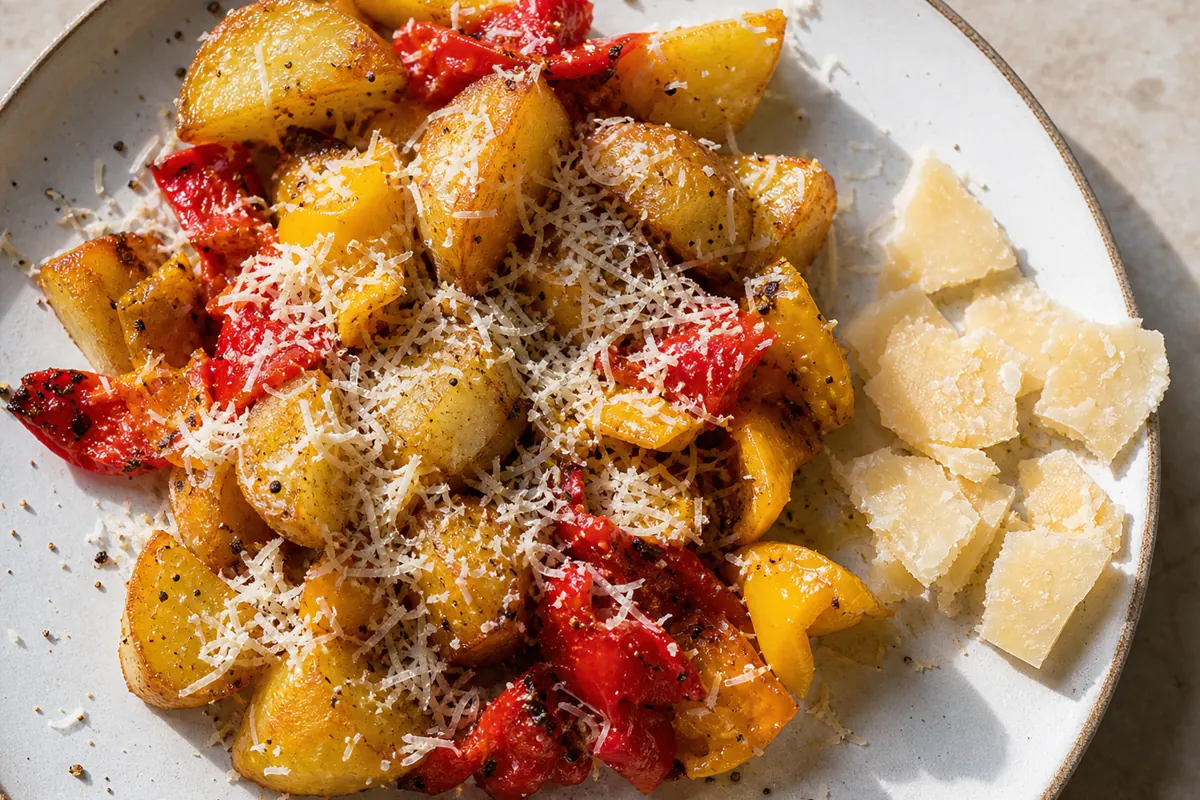
Kolan Extra Mature is strongest as a finishing cheese. Grate it over hot potatoes, pasta, eggs, or vegetables after cooking so the sharp aged flavor stays clear.

Extra mature cow milk cheese grated over warm potatoes - Kolan Extra Mature | KnowTheCheese
A small amount grated over potatoes gives more control than trying to melt a thick layer.

It is not the best choice for a stretchy topping. For pizza or grilled cheese, choose a dedicated melting sandwich cheese or cheese built for pizza.

TIP

Add Kolan Extra Mature at the end of cooking. Direct high heat can make a hard aged cheese oily and blunt.

If you use it in a sauce, blend it with a smoother cheese. That gives sharp flavor without turning the texture grainy. The same blend logic helps when using hard Italian grating cheese in a creamy dish.

Potatoes are safer than pasta when you are learning the cheese. Potato gives a plain base and does not demand a silky sauce. Pasta works too, but only if the cheese is grated lightly and added after the heat drops.

How is Kolan Extra Mature different from Pag-style sheep cheese?

The clean distinction is milk and job. Kolan Extra Mature is a cow milk cheese in the sources used here. Pag-style sheep cheeses answer a different search because sheep milk brings a different fat, aroma, and salt pattern.

That difference affects substitutes. Do not replace Kolan Extra Mature with sheep cheese just because the region sounds close. Replace it by texture and use first.

  • Milk correction: this guide is cow milk in the source used here.
  • Texture correction: hard and brittle beats creamy or elastic.
  • Use correction: shavings and finishing matter more than melting.

This keeps the page from cannibalizing broader Italian hard cheese or sheep-cheese guides. The reader came for one Croatian named cheese.

It also keeps the substitute logic honest. Pecorino may be delicious, but it changes the milk flavor. Parmesan may grate well, but it changes the country and style. Aged Gouda may match cow milk body, but it will often taste sweeter.

Buying and storage

Check the label for milk, pasteurization, and age. Rare imported cheeses can be sold in small cut pieces, so the label is more reliable than memory.

The cut face should be dry and clean. Brittle is good. Wet, sticky, sour, or heavily cracked through the paste is not.

Do not unwrap the whole piece for a long board. Cut what you need, then put the rest back while the surface still smells clean.

STORAGE GUIDE
Fridge Temperature
35-40 degrees F
Best Location
Cold shelf
Wrapping
Parchment or cheese paper inside a loose container
Opened
Use shavings while the face smells clean
Freezing
Only for cooking, with texture loss
Room Temp / Serving
Warm small pieces briefly

Wrap the cut face carefully. A hard aged cheese can tolerate a little drying, but it loses aroma when the whole surface turns stale.

If a small edge dries out, grate that edge over potatoes or soup. Save the cleaner center for plain tasting. This prevents waste without asking the tired edge to carry a cheese board.

Best substitutes for Kolan Extra Mature

Use aged Gouda when you want a hard cow milk cheese with nutty sweetness. Use mature cheddar when sharpness matters. Use Parmesan when the food needs dry grating power more than sliceable table texture.

UseHow It Works
Use 1Use aged Gouda for a firm cow milk board role.
Use 2Use mature cheddar for sharper table flavor.
Use 3Use Parmesan or Grana Padano for dry grating.
Use 4Use Pecorino only when sheep milk flavor is welcome.

For a board, aged Gouda is the easiest substitute. For pasta or potatoes, Parmesan may work better because it grates cleanly and seasons fast. If you need a Croatian-feeling board, keep the sides simple rather than forcing the exact cheese. Dense aged Gouda is closer than a soft or fresh cheese.

When none of those are available, buy by texture. The replacement should be hard, mature, and able to break into shavings. A smooth young cheese can taste fine, but it will not solve the same reader job.

If the substitute is for guests, choose the less aggressive option first. You can always grate more hard cheese over potatoes or pasta, but you cannot make an overly sharp board taste gentler after it is plated.

That is why Kolan Extra Mature works best when it has a clear job. Put it on the board to deliver sharp aged flavor, or grate it to finish a dish. Do not ask it to be mild background cheese.

Sources

SOURCES & REFERENCES

1.
Kolan Extra Mature
Cheese.com, 2026 Cheese Reference
Used for country, region, milk, pasteurization, texture, color, producer, and flavor descriptors.

2.
Sirana Gligora
Sirana Gligora, 2026 Producer Context
Used for producer context and Croatian cheese-house identity.

The Cheese.com reference used for this article lists Kolan Extra Mature as pasteurized cow milk cheese. Check the exact label before buying because Croatian island cheeses can vary by product.
It tastes sharp, savory, mature, and concentrated, with a hard brittle texture that suits small shards or shavings.
It can soften, but it is better as a finishing or grating cheese than as a stretchy melter.
Use aged Gouda for a cow milk board role, mature cheddar for sharpness, or Parmesan when you need dry grating power.
Serve small shards with apple, plum jam, olives, rustic bread, potatoes, pasta, or crisp white wine.