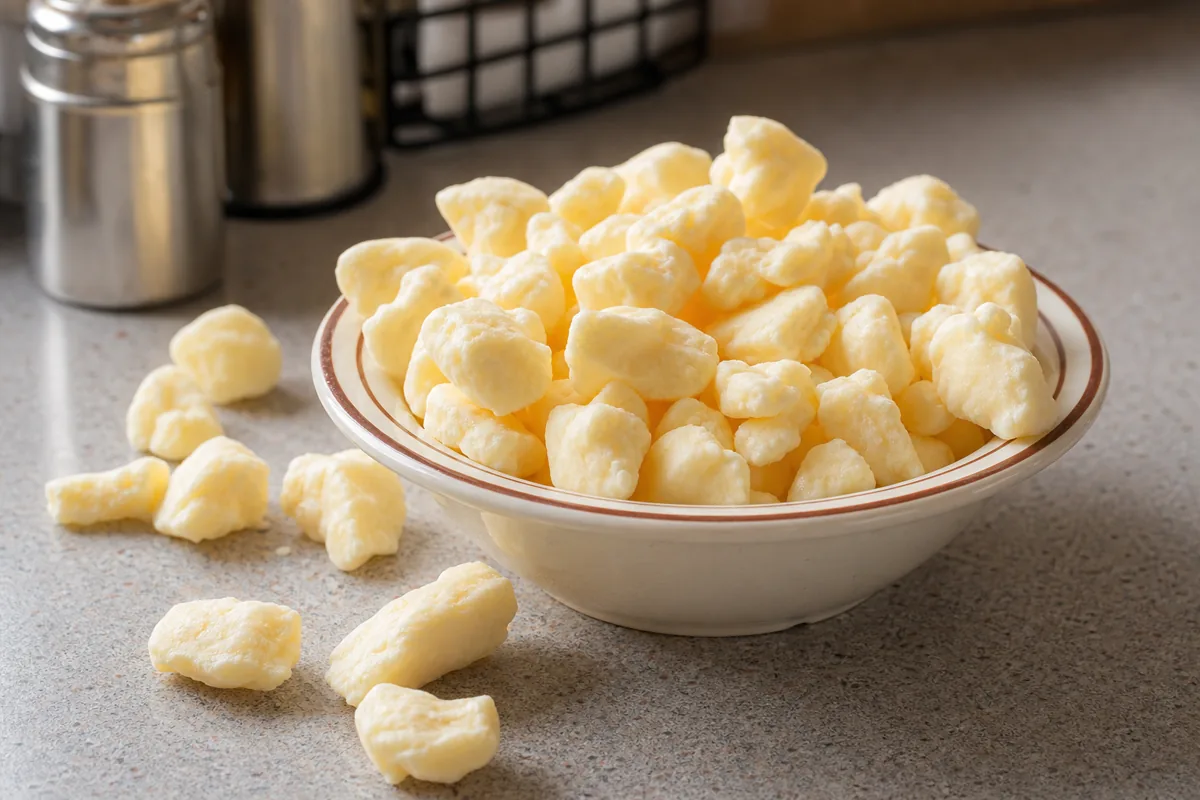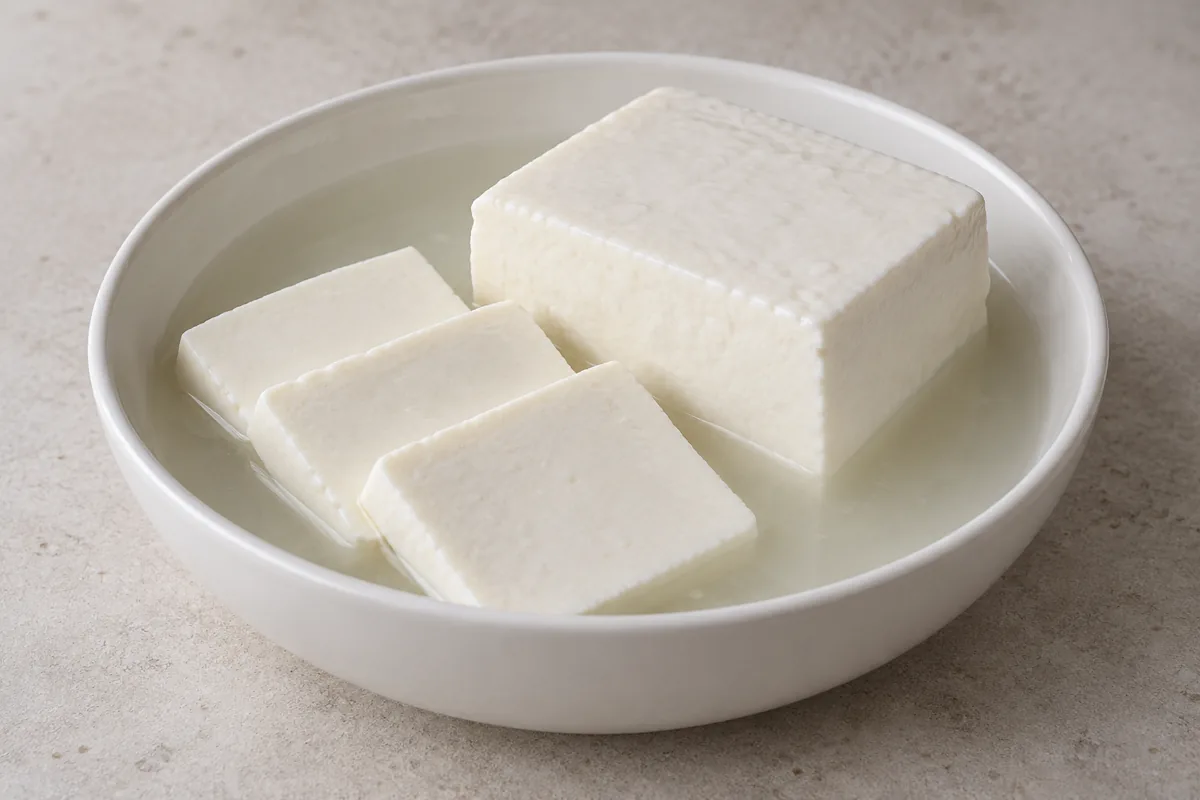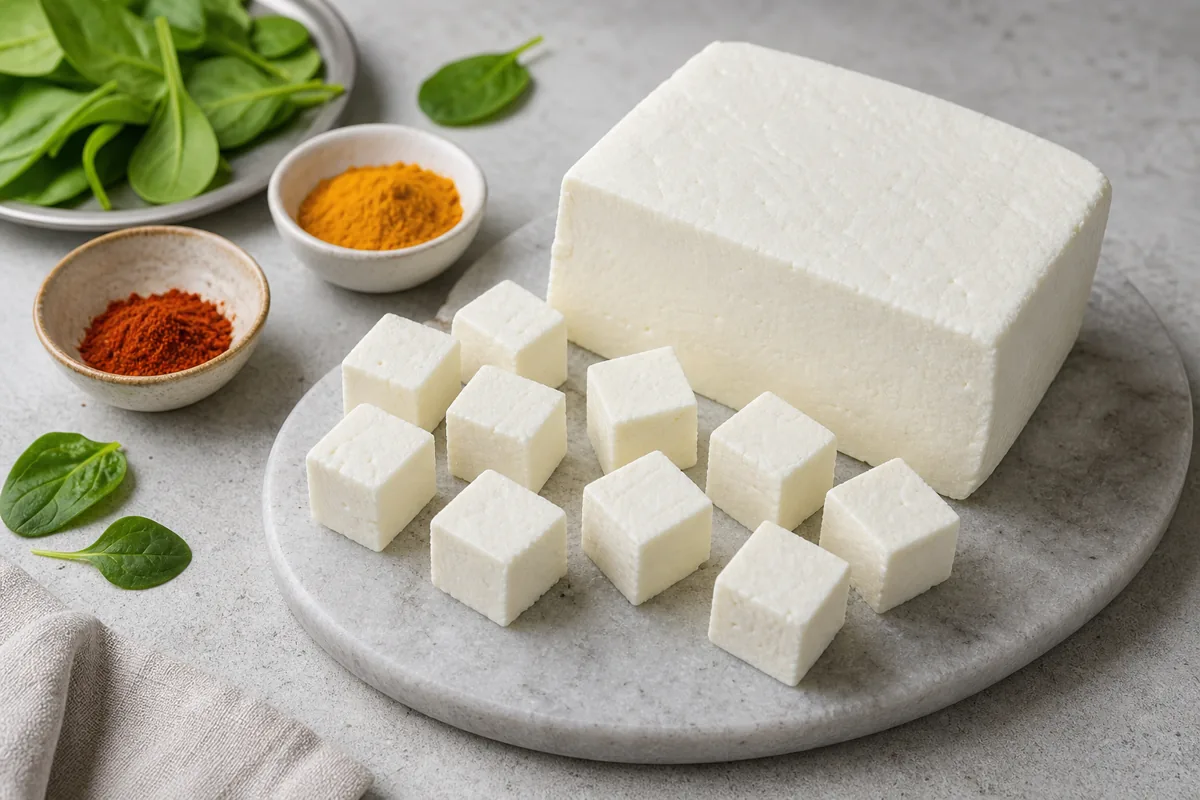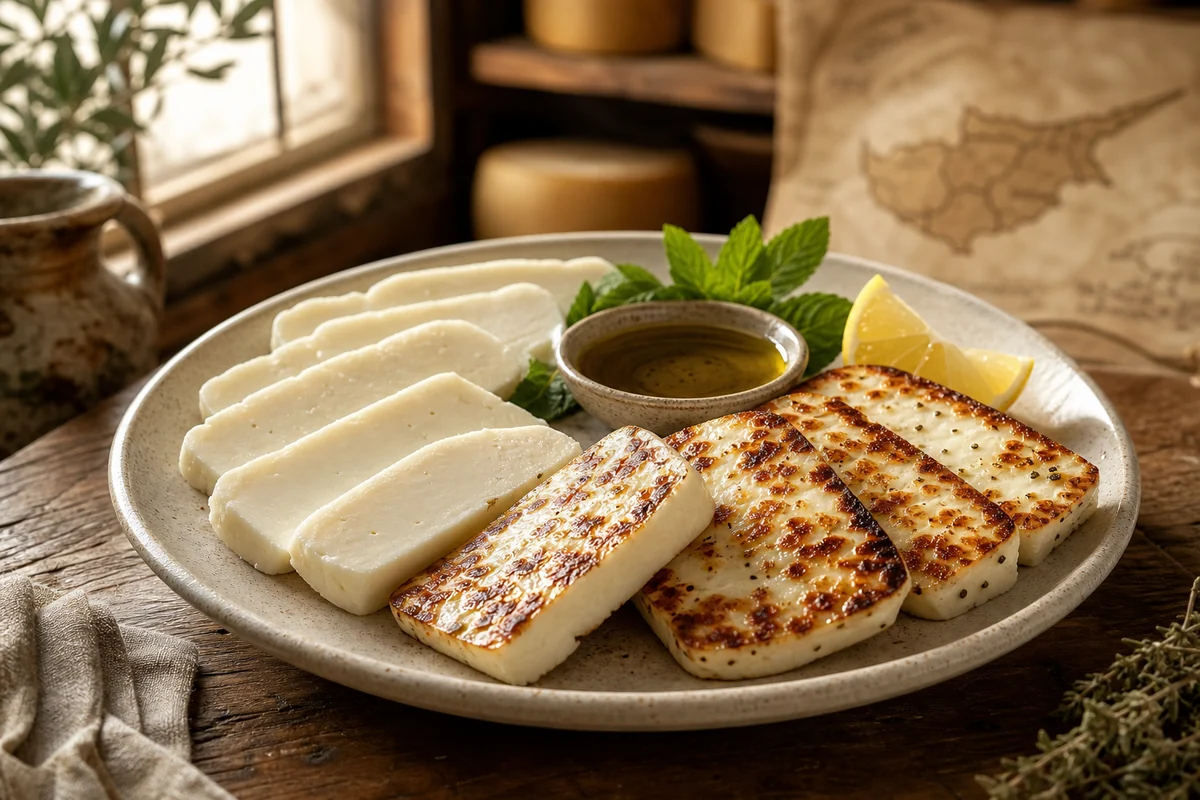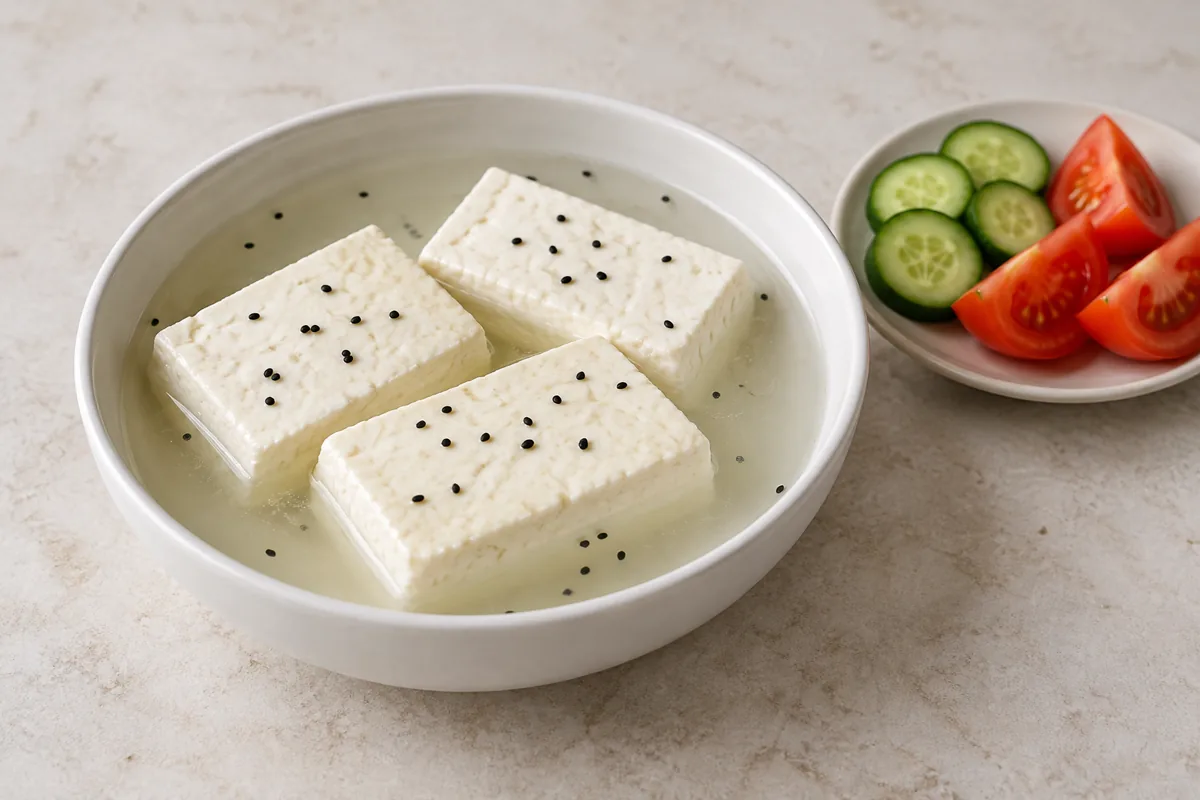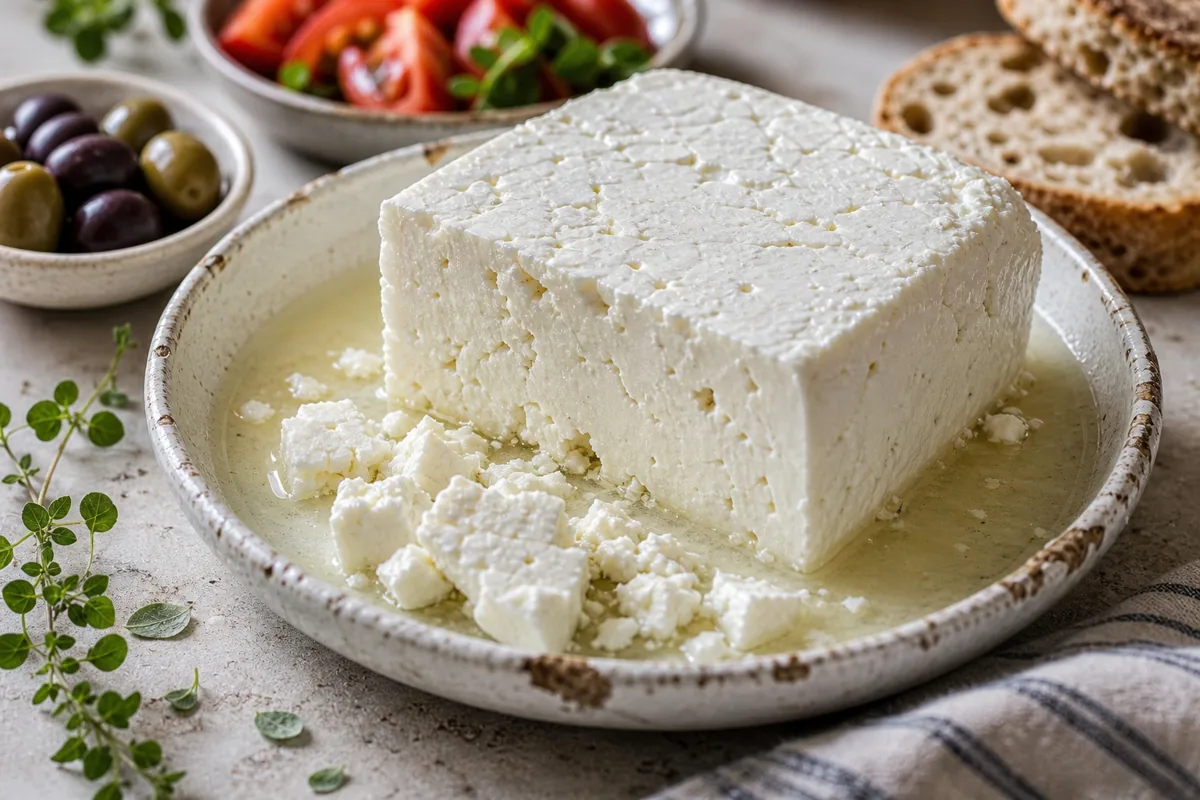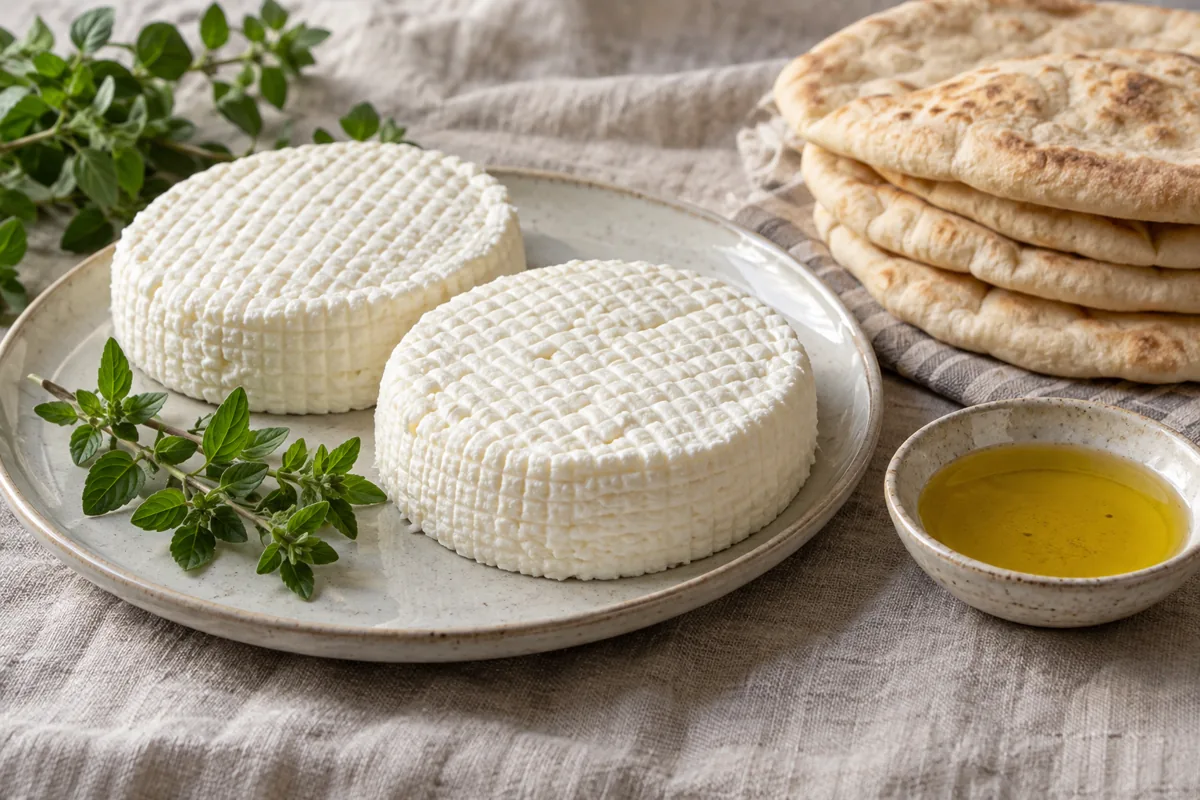
Baladi is a soft white Lebanese cheese, sold fresh and without a rind.
It is also labelled Jibneh Baladi, Baladieh or Jibneh Khadra. Cheese.com and Wikipedia both place it in Lebanon and the wider Middle East.
Wikipedia says the word baladi means village or country, so two tubs with the same name can hold different cheeses.
In This Article
Which Cheese Does the Name Baladi Point To?
Cheese.com lists Baladi as a fresh soft artisan cheese from Lebanon and the Middle East, white and rindless, made from unpasteurized cow's, goat's and sheep's milk. Wikipedia gives the same mix of goat, cow and sheep milk and says the traditional milk comes from baladi goats.
Cheese.com explains the name as local cheese made from a flock of baladi goats, and it calls Baladi the cheese of the mountains because shepherds make it across Lebanon's highlands. Wikipedia adds that unprocessed Lebanese versions are also called mountain cheese or green cheese, which is the meaning of Jibneh Khadra.
Raw Mountain Cheese, Factory Cheese, or a Vinegar Cheese at Home?
Three different products share the name: a raw-milk mountain cheese, a pasteurized cow's-milk cheese from Lebanese dairies, and a vinegar cheese made at home. Milk treatment and what sets the curd depend on which one you have.
| Source | Product described | Milk | Sets with | Milk treatment |
|---|---|---|---|---|
| Cheese.com | Artisan cheese | Cow, goat and sheep | Not stated | Unpasteurized (raw) |
| Wikipedia | Traditional cheese, plus some industrial plants | Goat, cow and sheep mixed | Not stated | Traditionally unpasteurized; some plants pasteurize |
| Laiterie Massabki | Factory cubes of about 200 g | Full-fat cow's milk | Rennet | Pasteurized |
| Bionord | Packaged Lebanese cheese | Full-fat cow's milk | Rennet | Pasteurized |
| The Cook's Cook | Home recipe | Store-bought whole milk, non-ultrapasteurized | White vinegar, no rennet | Milk heated at home |
Wikipedia gives the reason some industrial plants pasteurize. Unpasteurized sheep milk can carry Brucella infections.
Wikipedia says the finished cheese is submerged in brine and taken out quickly, and that it is sometimes shaped into balls under 10 cm across.
The home recipe presses the curd for 5 minutes and then covers it with whey that was boiled with salt and cooled. The cheese goes into the whey as one block or cut into medium-sized squares.
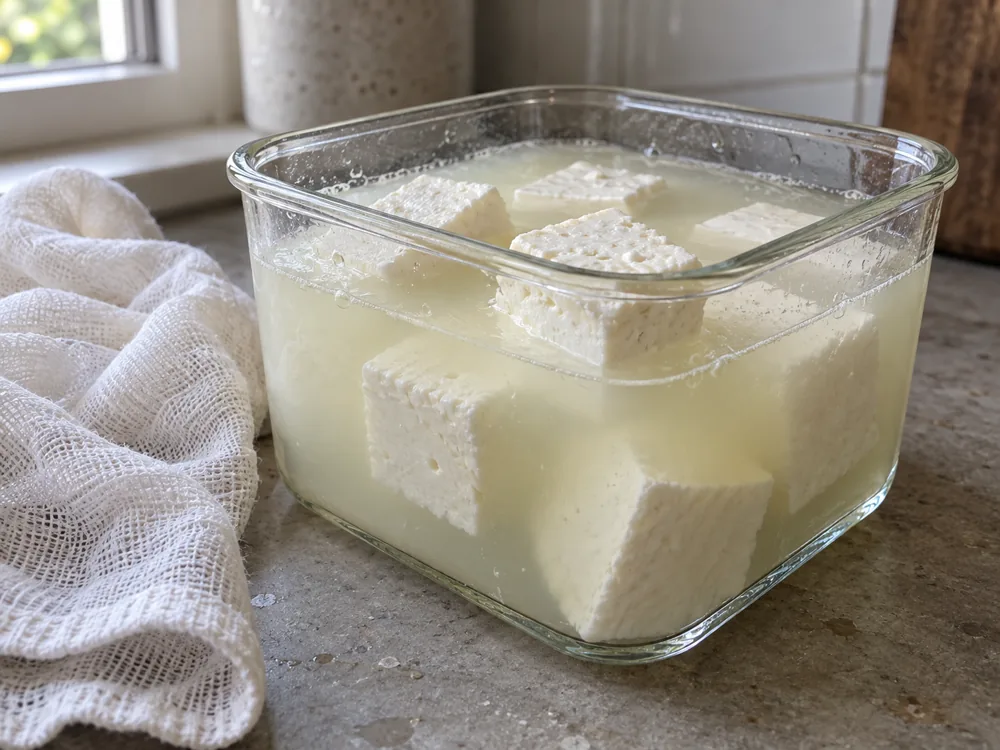
Only the label, or the seller, tells you which of the three you are holding, and the milk treatment, the setting agent and the shelf life all follow from that.
Soft and Creamy, or Firm and Sliceable?
Cheese.com describes the texture as creamy, dense and smooth and the flavour as buttery, mild, salty and sweet, with a fresh aroma. Wikipedia calls it soft, creamier and less chewy than Syrian cheese, with a mild yet rich flavour.
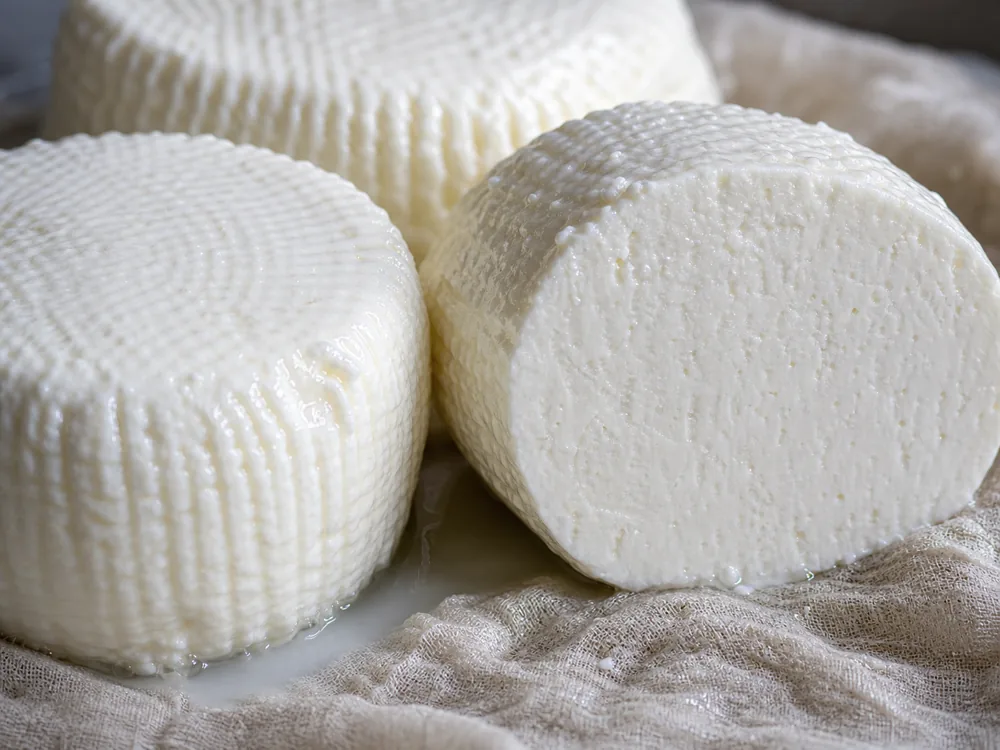
The Cook's Cook calls Baladi a firm and sliceable white cheese. Laiterie Massabki sells it as a slightly salted soft white cheese in cubes of about 200 g.
The texture ranges from creamy to sliceable, depending on the product.
| Source | Energy | Fat | Protein | Other |
|---|---|---|---|---|
| Bionord (pasteurized cow's milk) | 281 kcal | 22 g | 20.5 g | 731 mg calcium, 0.3 g carbohydrate |
| Lakkis Farm (Open Food Facts entry) | 225 kcal (941 kJ) | 17 g | 14 g | 4 g carbohydrate; entry has no sodium or ingredients |
| Cheese.com | Not given | 22% | Not given | Milk is raw |
| Laiterie Massabki | Not in page text | 42% of dry matter | Not in page text | Label image only |
Fat runs from 17 g to 22 g per 100 g across the two products that print numbers. The brand you buy changes the figure more than the name does.
Cheese.com's flavour list says salty, and Laiterie Massabki says slightly salted.
What Do You Serve With Baladi?
Two sources name what goes beside Baladi. Cheese.com gives a short line, and Hadia's Lebanese Cuisine describes a full breakfast plate.
| Pairing | Type | Why It Works |
|---|---|---|
| Local bread | Food | Cheese.com lists local bread as one way to eat it. |
| Olive oil | Food | Cheese.com serves it with olive oil and fresh herbs. |
| Cucumbers and olives | Food | Both sit on the breakfast plate in Hadia's Lebanese Cuisine, which calls Baladi a breakfast treat. |
| Boiled or fried eggs | Food | Also on that breakfast plate, next to bread. |
| Tea | Drink | The drink Hadia's Lebanese Cuisine names for the breakfast plate. |
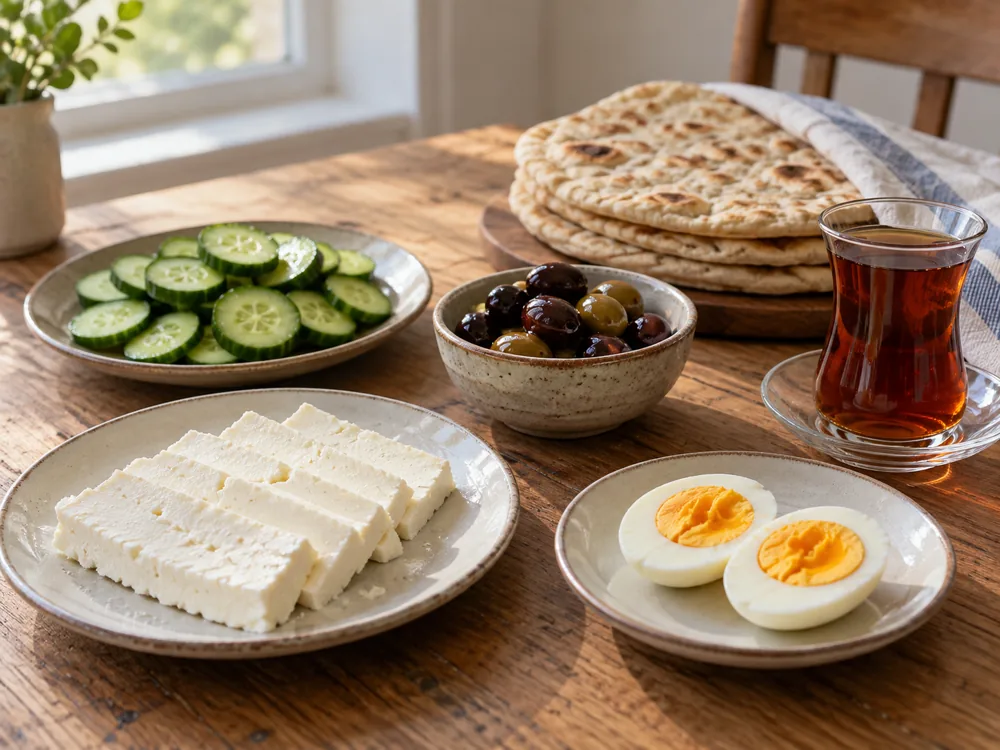
Hadia's Lebanese Cuisine also puts Baladi in a mezze spread.
How Does Baladi Compare With Akkawi and Nabulsi?
Wikipedia names Akkawi, Feta and Nabulsi as related to Baladi, and its list of Syrian cheeses describes the first and the last.
| Cheese | What the sources say |
|---|---|
| Baladi | Fresh, soft to sliceable; traditionally raw goat, sheep and cow milk; three-day life at Cheese.com and Wikipedia. |
| Akkawi | White cheese with a rich and subtle flavour, typically made from pasteurized cow's milk, with goat and sheep versions. |
| Nabulsi | Dense semi-hard cheese that melts easily, made mainly from sheep's milk with goat's milk as an alternative. |
The milk gap shows in the table: Baladi's traditional mix is raw goat, sheep and cow milk, while Nabulsi cheese is mainly sheep's milk.
How Long Does Baladi Keep?
Cheese.com says Baladi must be consumed within three days. Wikipedia gives the same limit and puts it down to diverse microflora, high moisture, and the uncultured, unpasteurized nature of the traditional cheese.
The home recipe stretches that to 2 weeks, because the cheese sits in salted whey in the fridge. Hadia's Lebanese Cuisine also says 2 weeks and advises against freezing.
Bionord tells buyers to keep its pasteurized cheese at +2 to +4 degrees C.
Is Baladi Cheese Safe in Pregnancy?
It depends on the milk. Cheese.com lists Baladi as unpasteurized, and the CDC puts soft cheese made from unpasteurized milk, such as queso fresco, brie, camembert and blue-veined cheese, among its riskier foods.
The NHS lists pasteurised soft cheeses such as cottage cheese, mozzarella, feta, halloumi and paneer as safe to eat, and it says any cheese cooked until steaming hot is safe, soft cheese included.
The CDC's safer list has feta made with pasteurized milk, and pasteurized soft cheeses heated to an internal temperature of 165 degrees F or until steaming hot. Served cold, pasteurized Baladi is described as a fresh, soft white cheese, a type that is not on the CDC's safer list, so ask a midwife or doctor.
For a raw-milk piece, the NHS says foods made from unpasteurised milk must be thoroughly cooked, so the milk treatment on the label decides which rule applies, the same test used for any cheese eaten during pregnancy.
SOURCES & REFERENCES
What Are Common Questions About Baladi Cheese?
Baladi is a fresh, white, rindless Lebanese cheese, also called Jibneh Baladi, Baladieh or Jibneh Khadra. Wikipedia says the word means village or country.
Traditionally yes: Cheese.com lists it as unpasteurized cow, goat and sheep milk. Laiterie Massabki and Bionord sell versions made from pasteurized full-fat cow's milk with rennet.
Cheese.com and Wikipedia give three days for the traditional cheese. A home recipe on The Cook's Cook says 2 weeks in the fridge, and the two factory pages give no shelf life.
Cheese.com names local bread, olive oil and fresh herbs. Hadia's Lebanese Cuisine adds tea, cucumbers, olives and boiled or fried eggs.
It depends on the milk. The NHS lists pasteurised soft cheeses and any cheese cooked until steaming hot as safe to eat but says foods made from unpasteurised milk must be thoroughly cooked, and the CDC lists soft cheese made from unpasteurized (raw) milk as riskier and pasteurized soft cheeses heated to an internal temperature of 165 degrees F or until steaming hot as safer, so ask a midwife or doctor before eating Baladi.