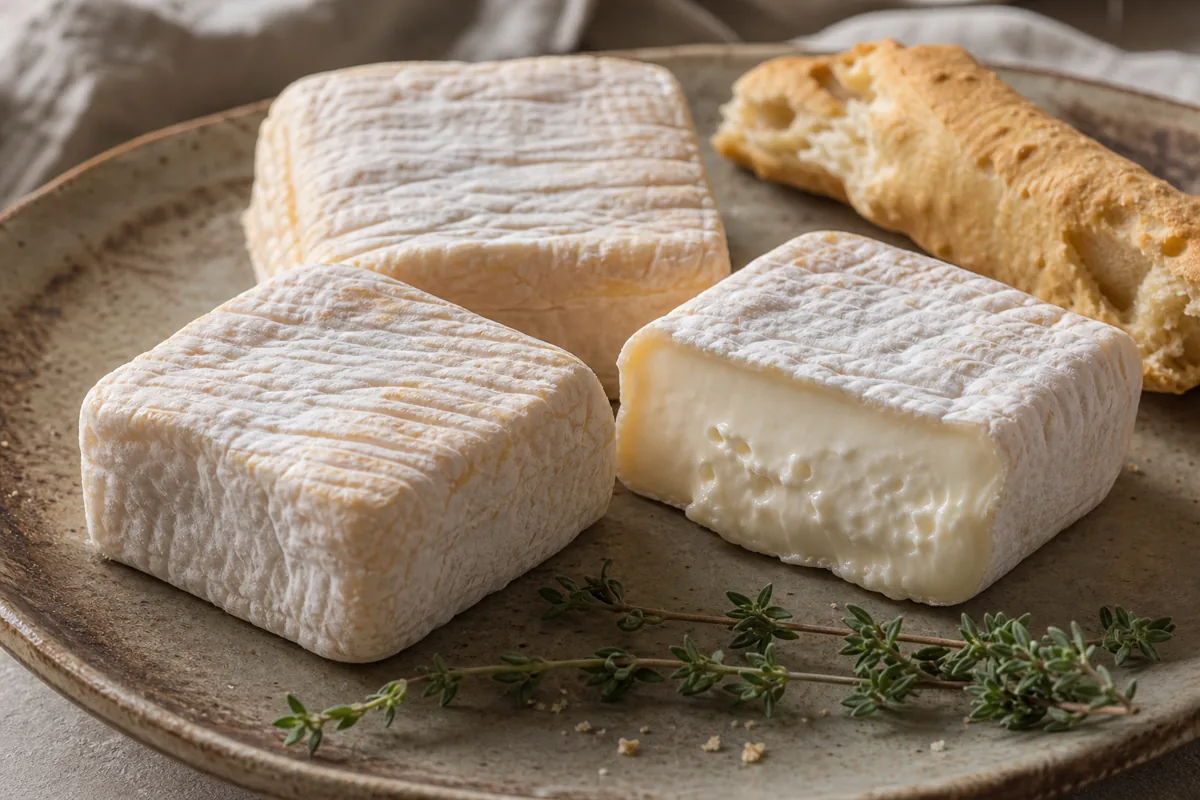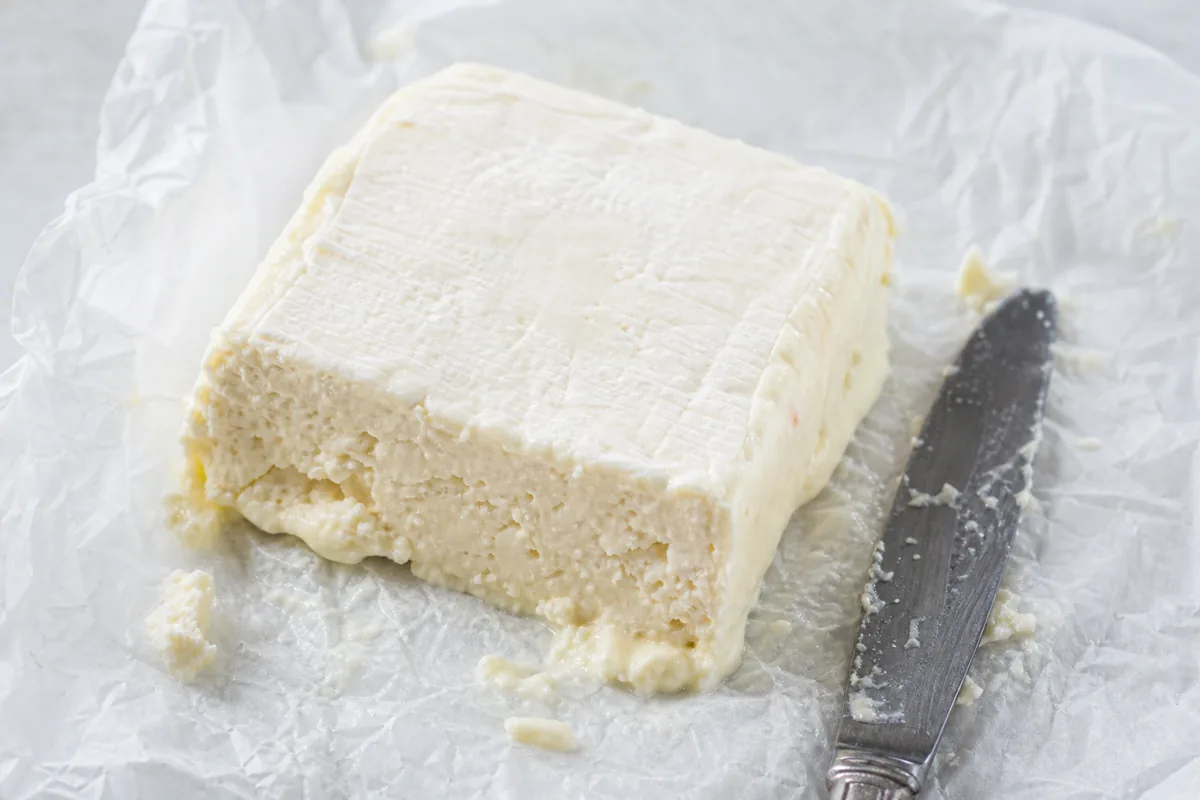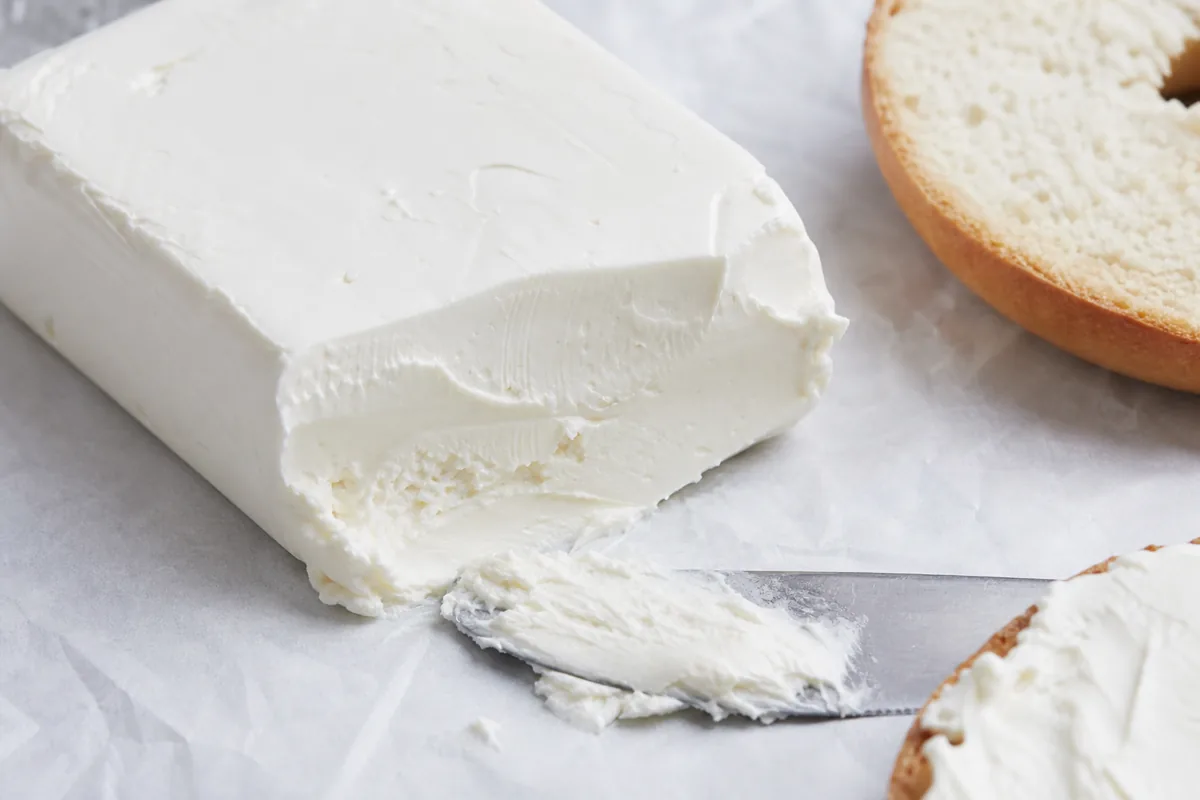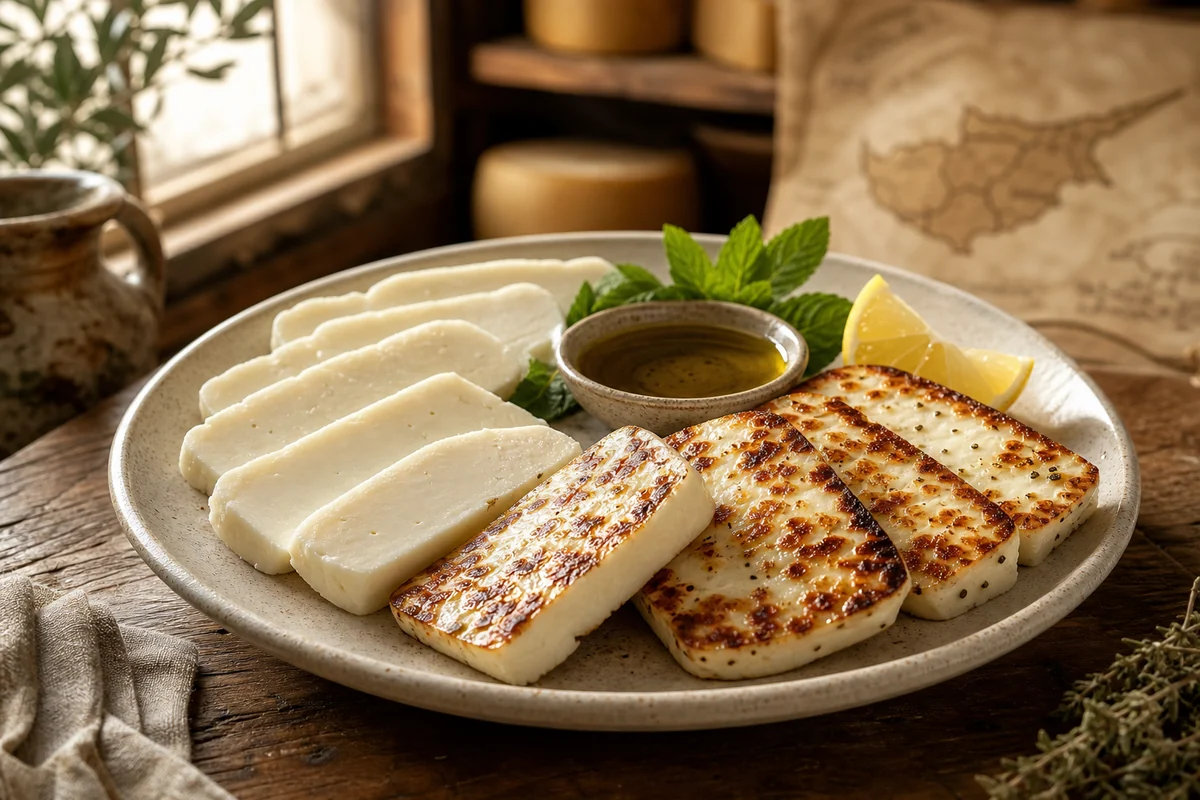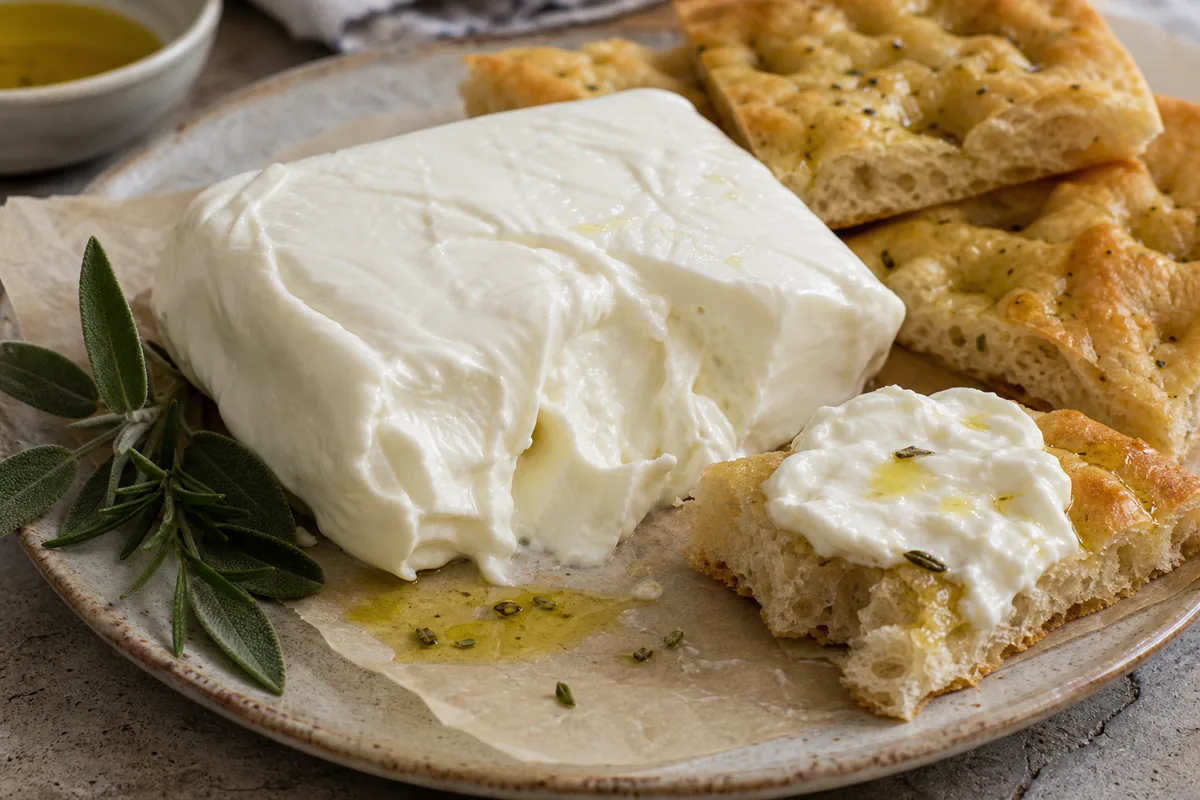
Stracchino is a fresh, soft, rindless cow's-milk cheese sold for spreading, filling bread, and gentle melting. The name does not point to one universal formula, so the package matters more than a generic profile when you need milk treatment, nutrition, storage, or a use-by date.
Because Crescenza may appear as a related name, a separate product, or part of a combined name, two current producer records help explain the variation.
In This Article
How Do Stracchino and Crescenza Labels Differ?
Regione Lombardia's traditional products list records Crescenza and several named stracchino traditions separately, supporting a regional family of names rather than a single protected Stracchino specification.
Nonno Nanni sells Stracchino and Crescenza as separate products, while BelGioioso uses the combined name Crescenza-Stracchino, so read the full label and producer record before treating two packages as identical.
What Do Two Current Stracchino Products Show?
These are product examples. They do not define every cheese sold as stracchino or crescenza.
| Product | Name and format | Exact product facts | Storage or nutrition basis |
|---|---|---|---|
| Nonno Nanni Stracchino | 100, 125, 200, and 250 g retail formats, plus deli formats | Fresh soft cheese described as smooth, creamy, delicate, and preservative-free | Store from 0 to 4°C. Per 100 g: 302 kcal, 27 g fat, 13 g protein, and 1.1 g salt |
| BelGioioso Crescenza-Stracchino | Fresh 3.5 lb wheel | Rindless white cheese made from cultured pasteurized milk, salt, and enzymes | Use the package for its date, storage range, and nutrition panel |
This is a product-specific panel. Do not transfer the numbers to a deli cut or another producer.
How Should You Buy Stracchino by Texture and Package?
For a product in this lane, expect a soft, cohesive paste, with BelGioioso describing its version as white, rindless, soft, and creamy and Nonno Nanni describing a smooth, creamy texture.
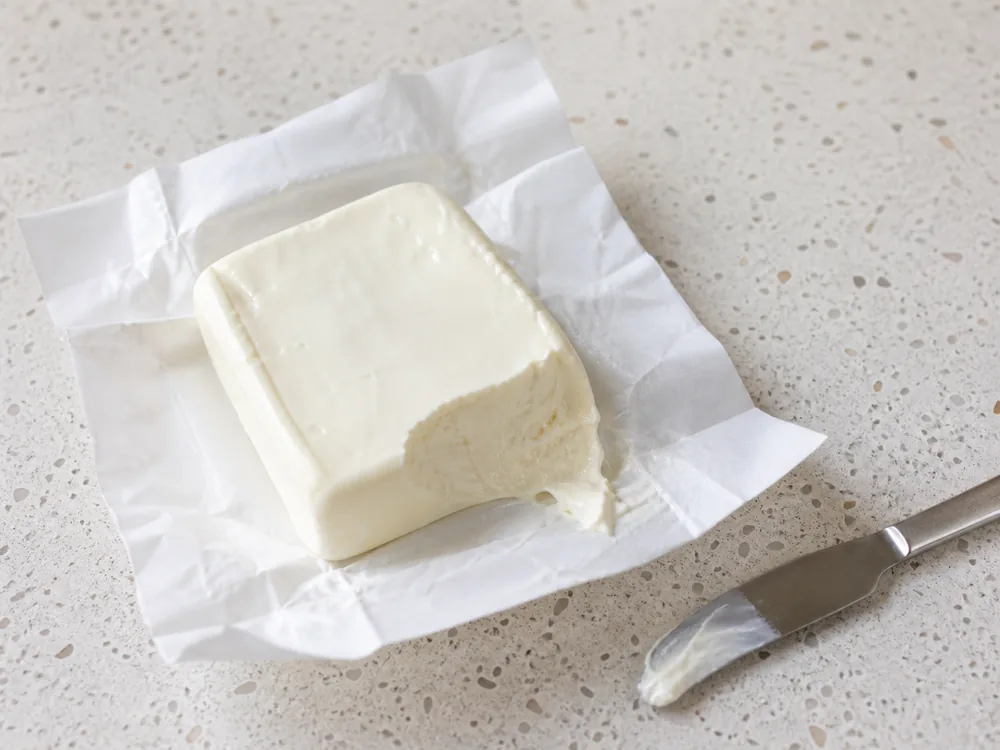
- Name: Note whether the package says Stracchino, Crescenza, or both.
- Product facts: Read the milk treatment, ingredients, nutrition panel, date, and storage range.
- Condition: Choose an intact cold package without a failed seal, swelling, or leakage.
- Quantity: Buy a format that fits the printed date and the dish you plan to make.
A deli portion adds another handling step, so keep the counter label and ask for the original product details when milk treatment or allergens affect your decision.
What Are the Best Everyday Uses for Stracchino?
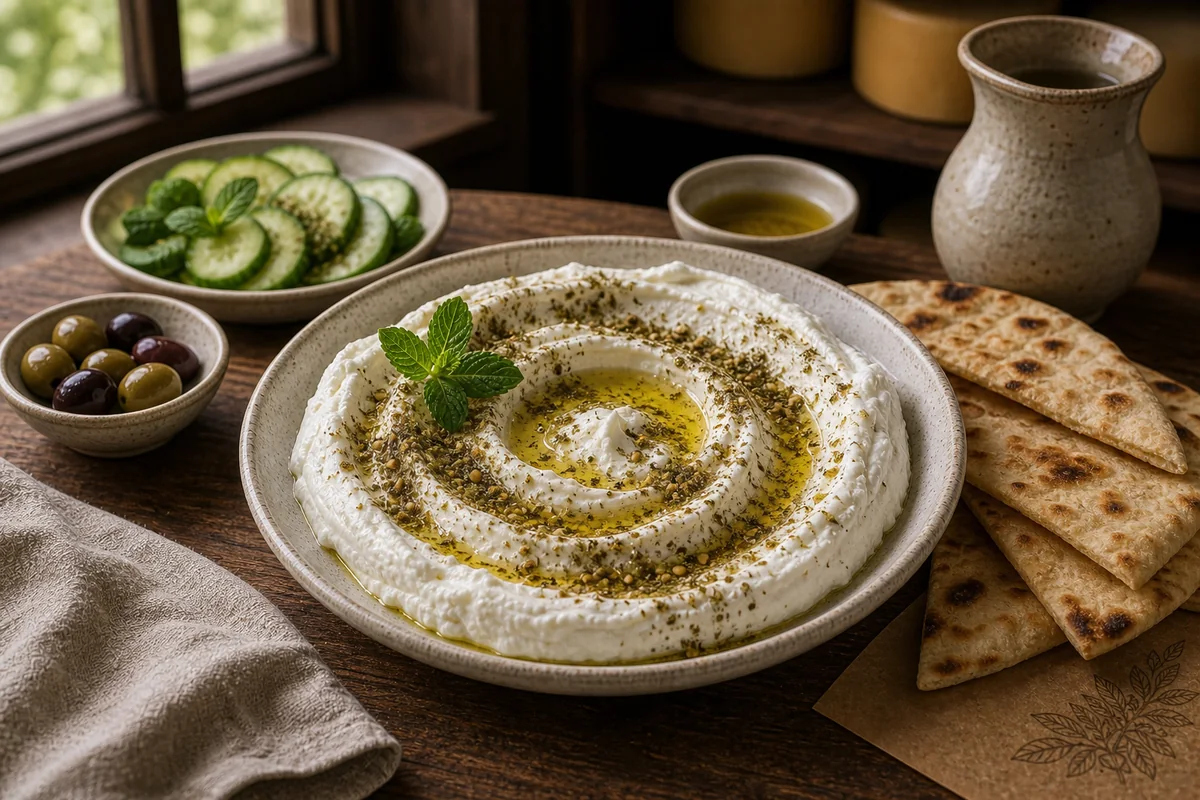
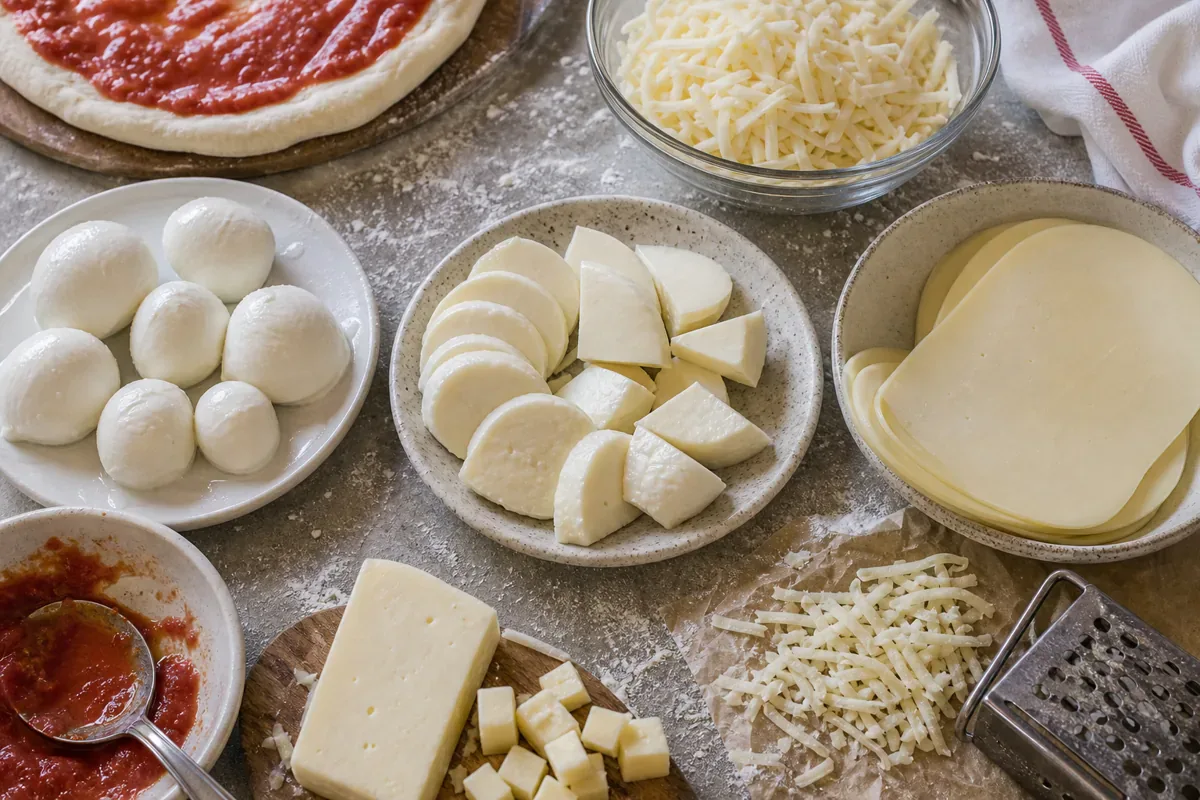
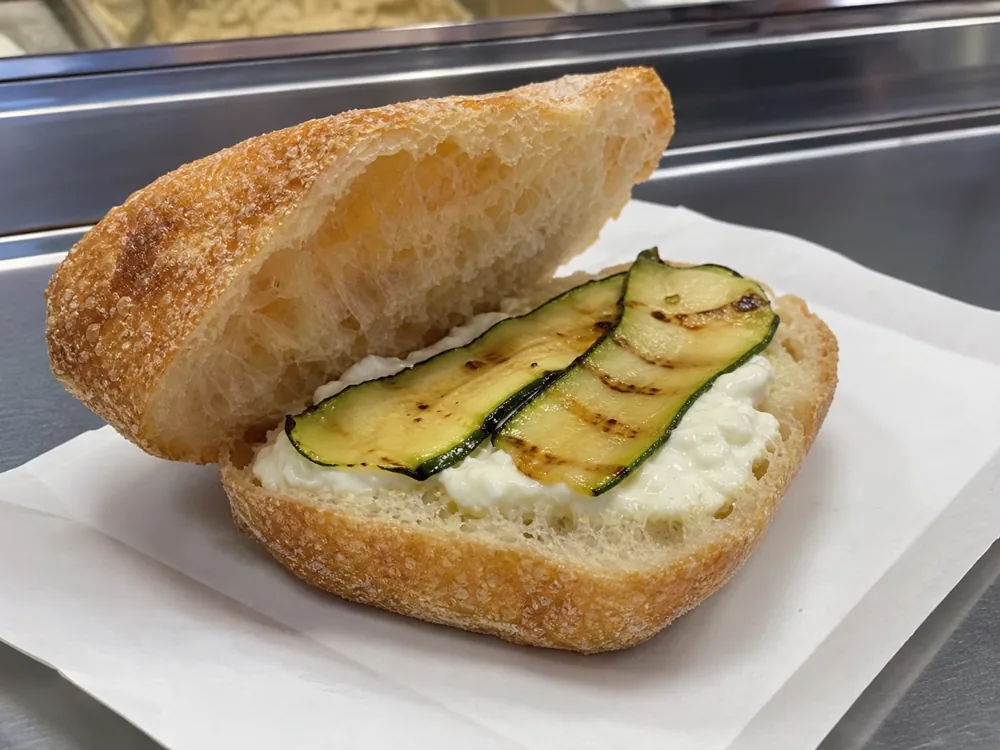
Nonno Nanni suggests bread and raw or cooked vegetables, while BelGioioso lists pizza, flatbreads, sandwiches, burgers, and baked dishes for a cheese valued for softening into food.
| Use | How It Works |
|---|---|
| Bread | Spread a thin layer on crusty bread or fold it into a warm flatbread. |
| Pizza | Use small amounts where a creamy pocket suits the crust and toppings. |
| Sandwiches | Pair with vegetables or cured meat when the package and local guidance suit the eater. |
| Baked dishes | Stir or dot it into a dish where gentle softening is useful. |
For more application ideas, compare Stracchino with cheeses chosen for creamy pizza toppings and soft sandwich fillings.
Is Stracchino the Required Cheese for Focaccia di Recco?
The current EU specification for Focaccia di Recco col formaggio PGI requires a fresh soft cheese made from pasteurized cow's milk and sets moisture, protein, fat, color, texture, and baking-performance conditions for the filling.
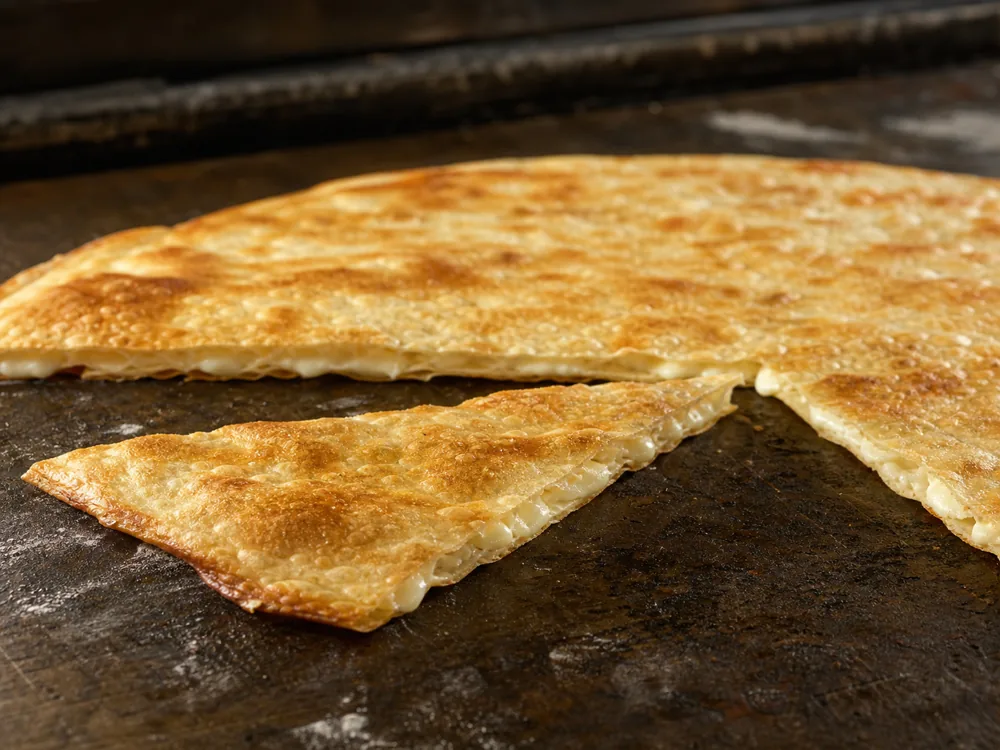
A home recipe can use a suitable stracchino or crescenza. The package name alone does not prove that the cheese meets the PGI filling specification or that the finished bread qualifies for the protected name.
How Should You Store Stracchino After Purchase?
Follow the exact package range. Nonno Nanni specifies 0 to 4°C for its Stracchino, while the FDA advises keeping a refrigerator at or below 40°F (4°C).
Keep the printed date and product label with an opened portion because the producer, format, seal, and starting date affect the remaining window, and the reviewed evidence does not support one universal two-to-four-day rule.
Return perishable food to refrigeration within two hours, or within one hour when the air temperature is above 90°F (32°C). Discard a package that has lost its seal or has an unsafe time and temperature history.
Is Stracchino Safe During Pregnancy?
Current CDC guidance lists soft cheese made from unpasteurized (raw) milk and unheated cheese sliced at a deli as riskier choices during pregnancy. It lists pasteurized soft cheeses heated to an internal temperature of 165°F (74°C) or until steaming hot, and deli-sliced cheeses heated to 165°F or until steaming hot, among the safer choices.
Served cold, a pasteurized stracchino is described as a fresh, soft, rindless cheese, a type the CDC list does not cover, so check the exact package and ask a midwife or doctor. The NHS lists pasteurised soft cheeses and any cheese that's been cooked until steaming hot as safe to eat, and says foods made from unpasteurised milk must be thoroughly cooked.
Stracchino vs Taleggio
Stracchino in the exact products reviewed is fresh, white, rindless, and creamy, while an aged washed-rind cheese such as Taleggio brings a different surface, aroma, and maturation basis.
Choose stracchino for a mild fresh layer or filling, or choose Taleggio when a recipe needs aged washed-rind character, while following the selected product's label and storage directions.