Cheese Profile

Almnäs Tegel Cheese: Swedish Brick Shape, Raw Cow Milk, and Aging

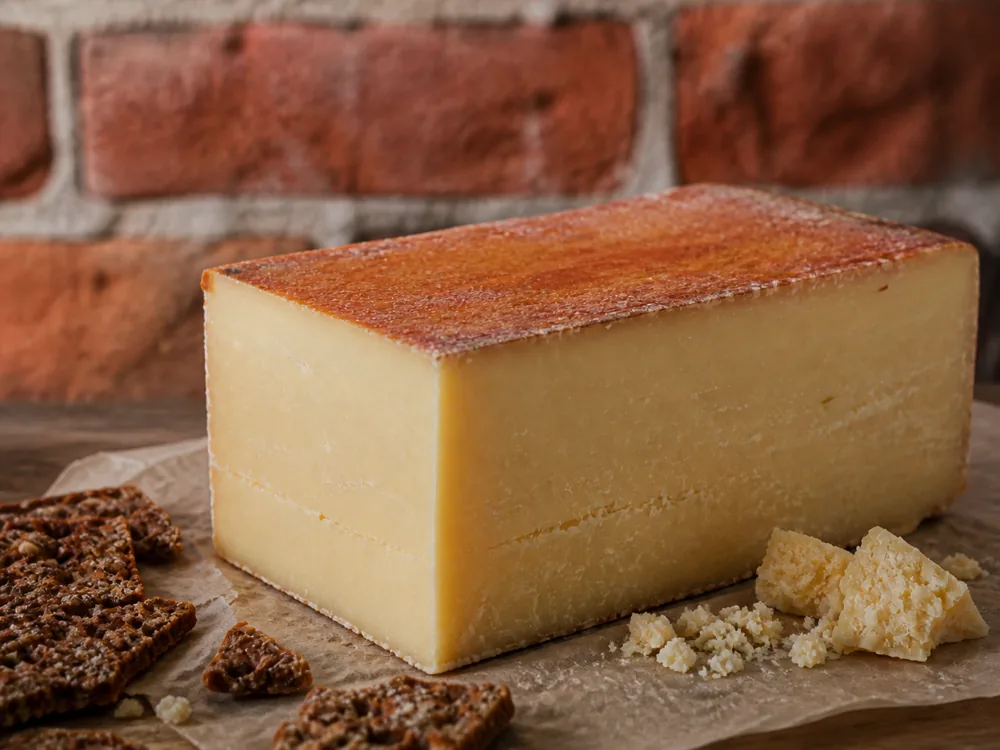
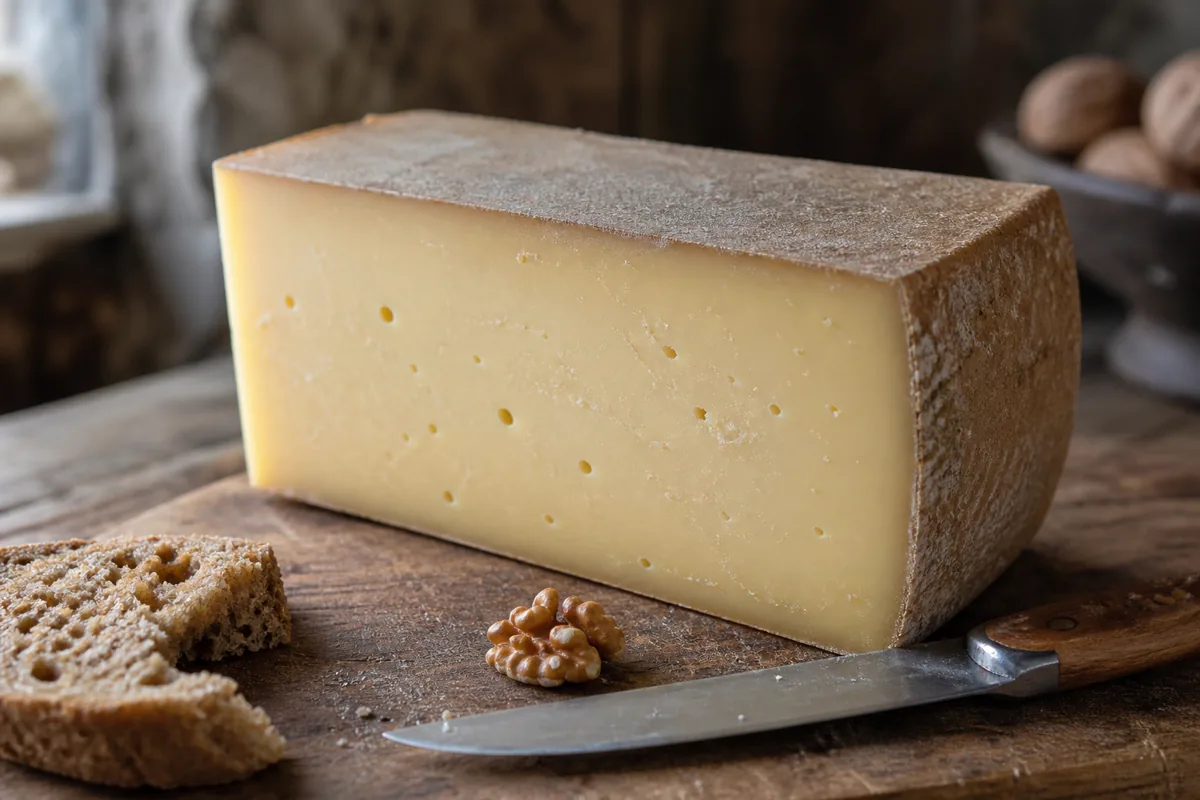
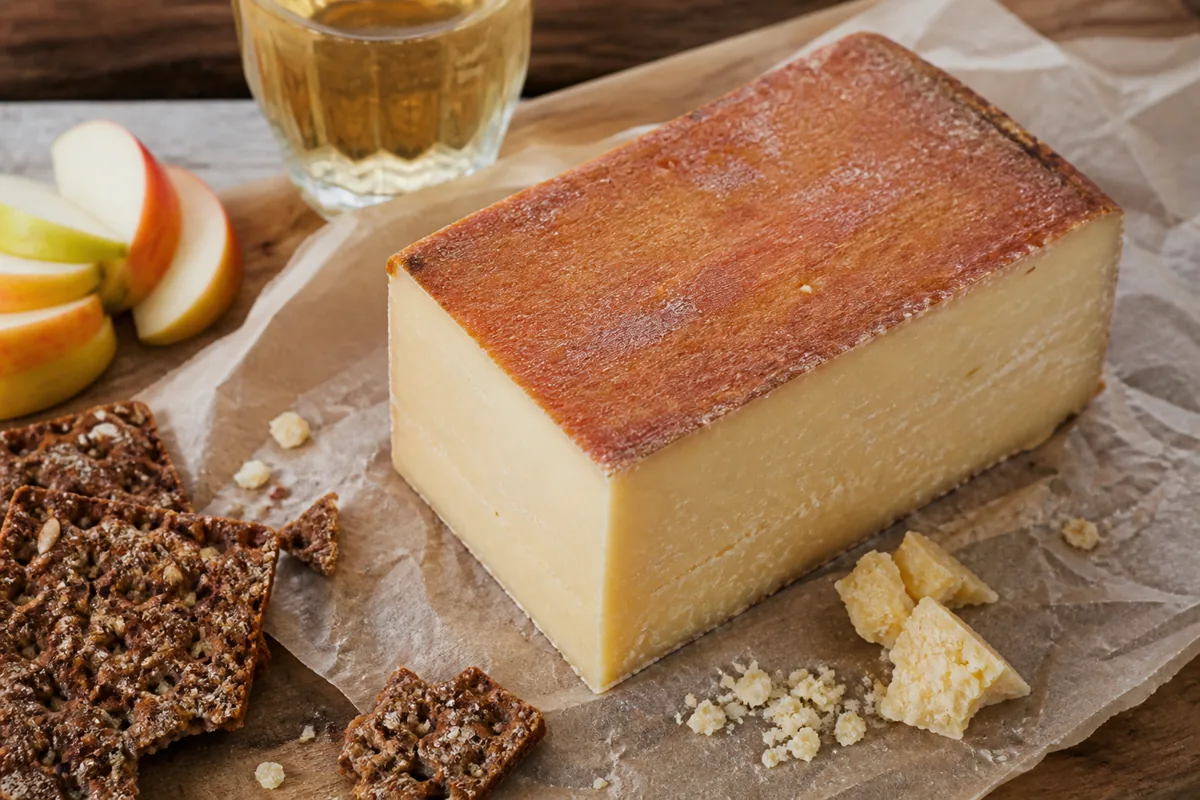
Brick-shaped Almnäs Tegel-style cheese wedge with reddish rind and dense paste - Almnäs Tegel | KnowTheCheese
ALMNäS TEGEL QUICK FACTS
OriginAlmnäs Bruk, Sweden
MilkRaw cow's milk
TextureHard, dense, pressed
RindReddish brown washed or brushed rind
AgingAbout 18 to 30 months
Fat ContentFull-fat aged cow cheese
Availabilityspecialty Nordic cheese shops and import counters
PricePremium specialty
PregnancyRaw milk, check medical guidance
Lactoselow

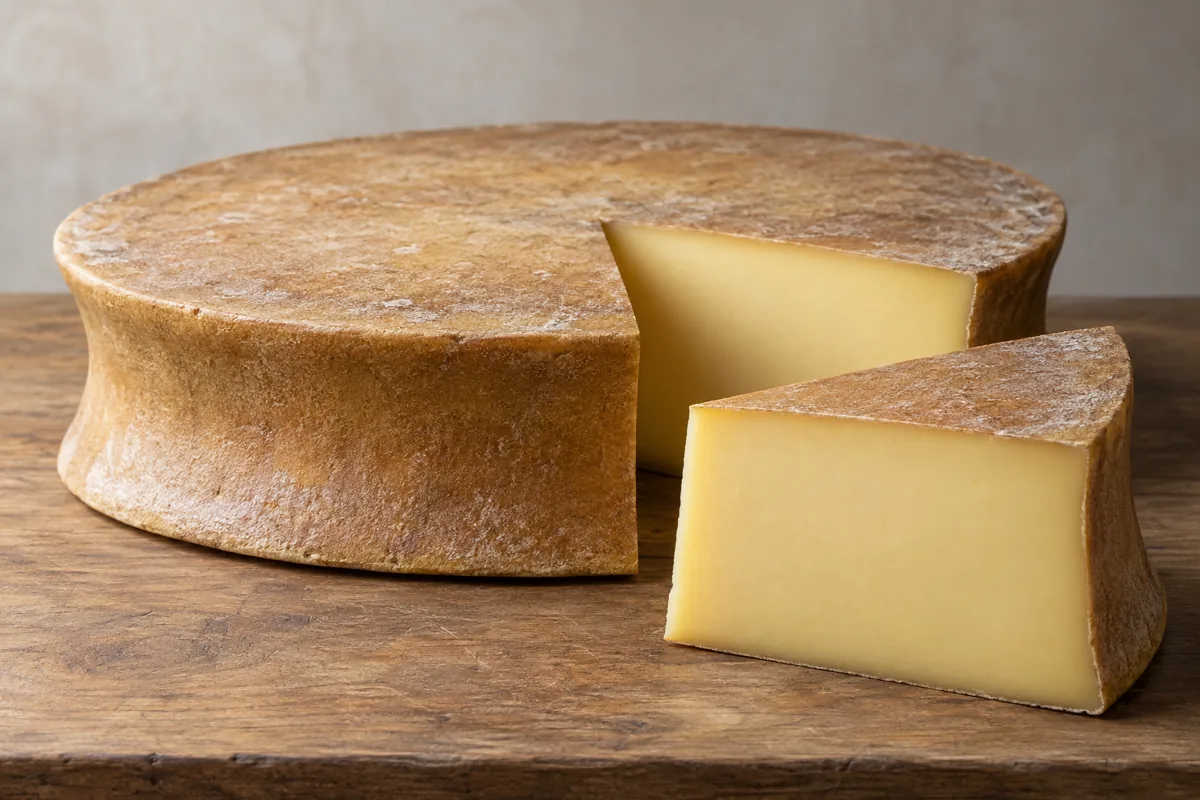
Almnäs Tegel is a Swedish raw cow's milk cheese shaped like a brick and aged long enough to behave more like a firm Alpine-style wheel than a young table cheese. The direct answer is that Tegel means brick, and the shape points back to Almnäs Bruk's own brick-making history.

That shape is useful, but it is not the whole cheese. The deeper buying job is to read a dense pressed paste, a reddish brown rind, and an aging range often described around 18 to 30 months.

Use this profile to identify the cheese, understand why it looks rectangular, choose the right serving role, and avoid treating it like a generic Swedish cheese list or a mild supermarket slice.

Almnäs Tegel Is a Swedish Brick-Story Cheese

Almnäs Tegel earns its route because the identity is unusually specific. It comes from Almnäs Bruk in Sweden, and the cheese uses the estate's old brick story as a visible cue. A searcher is usually trying to answer two things at once: what the cheese is, and why it looks like a block from a wall.

The answer should start with the cheese, not the novelty. Almnäs Tegel is an aged, hard-pressed raw cow's milk cheese. It belongs beside serious mountain-style cheeses, but its rectangular format and Swedish farm origin make it different from the round wheels most buyers expect.

That makes it a poor fit for a broad Swedish-cheese overview. The page promise is narrower. You are deciding whether this named brick-shaped cheese can fill an aged table, melting, shaving, or pairing role.

  • First clue: a rectangular brick-like form, not a round tomme or large Alpine wheel.
  • Second clue: firm dense paste from long aging.
  • Third clue: reddish brown rind instead of wax, blue mold, or bloomy white rind.
  • Main decision: use it as an aged hard cheese with a Swedish story, not as a mild snack cheese.

For a familiar reference, think closer to aged cooked mountain cheese or firm Alpine grating wheels than to a fresh spread. The Swedish origin changes the story, but the density and use case put it in that firmer cheese lane.

Almnäs Bruk Makes the Name Matter

The producer is part of the meaning. Almnäs Bruk is not a loose regional label. It is the farm and estate context that gives Tegel its name and shape. If a shop uses the name without Almnäs context, ask for the producer before paying a premium price.

That matters because rare imported cheeses can be sold on romance alone. With Almnäs Tegel, the name should connect to raw cow's milk, a hard pressed method, long aging, and the brick form. Those details make the wedge more than a visual stunt.

NOTE

Do not buy Almnäs Tegel only because the shape is unusual. The better reason is the combination of raw cow's milk, firm pressed texture, long aging, and Swedish estate identity.

The farm identity also changes how we compare it. A generic Swedish cheese page would cover many styles. This route has to stay with the named cheese and the specific buying cues that prove you are looking at Tegel.

If you want another cheese where origin and rind care matter, Appenzeller's wash-led identity is a useful contrast. Appenzeller reads as aromatic Swiss rind work. Almnäs Tegel reads as Swedish brick shape plus aged density.

The Brick Shape Is the Memory Cue

The brick shape is not decoration in the reader's mind. It is the fastest way to remember the cheese and separate it from other aged cow's milk wedges. The name Tegel means brick, so the visual clue and the name support each other.

Brick-shaped Almnäs Tegel-style cheese wedge with reddish rind and dense paste - Almnäs Tegel | KnowTheCheese
The brick shape is Almnäs Tegel's memory cue, but the dense aged paste is the reason to buy it.

Still, the shape should not override the eating check. A good piece needs a firm cut face, a clean aroma, and a rind that looks cared for. If the paste is cracked, dried out, or greasy at the surface, the brick story cannot rescue the eating quality.

The shape also affects serving. Rectangular wedges make clean slices and shards easier than round small-format cheeses. That helps on a board, where you want a few thin pieces rather than thick chunks that dull the flavor.

Raw Cow Milk and Scalded Curd Build the Structure

The production story matters because Almnäs Tegel is not soft, fresh, or spreadable. References describe it as a raw cow's milk cheese made in a hard-pressed style, with scalded curd helping drive moisture out before pressing and aging.

That method gives the cheese its table behavior. Less moisture means a firmer bite, better slicing, and more concentration as aging continues. It also explains why the cheese can feel closer to dense Alpine mountain wheels than to young Swedish sandwich cheese.

ALMNäS TEGEL USE SCORES
Melt Quality62/100
Flavor Intensity82/100
Sharpness54/100
Availability18/100

The raw-milk detail is not a garnish. It changes the safety and buying conversation. Pregnant readers and immune-risk diners should follow medical guidance and label details instead of assuming all long-aged cheeses fit the same rule.

In flavor terms, raw milk and aging can bring more layered savory notes, but condition still wins. A clean, well-kept wedge tastes more valuable than an older piece with tired edges.

Aging Turns the Paste Dense, Nutty, and Savory

Almnäs Tegel is usually discussed as an 18 to 30 month cheese. That range is a big clue for the eater. The cheese should not taste like a young mild block. It should show a dense paste, deeper savory flavor, and a finish that can move toward nuts, broth, caramel, and browned butter.

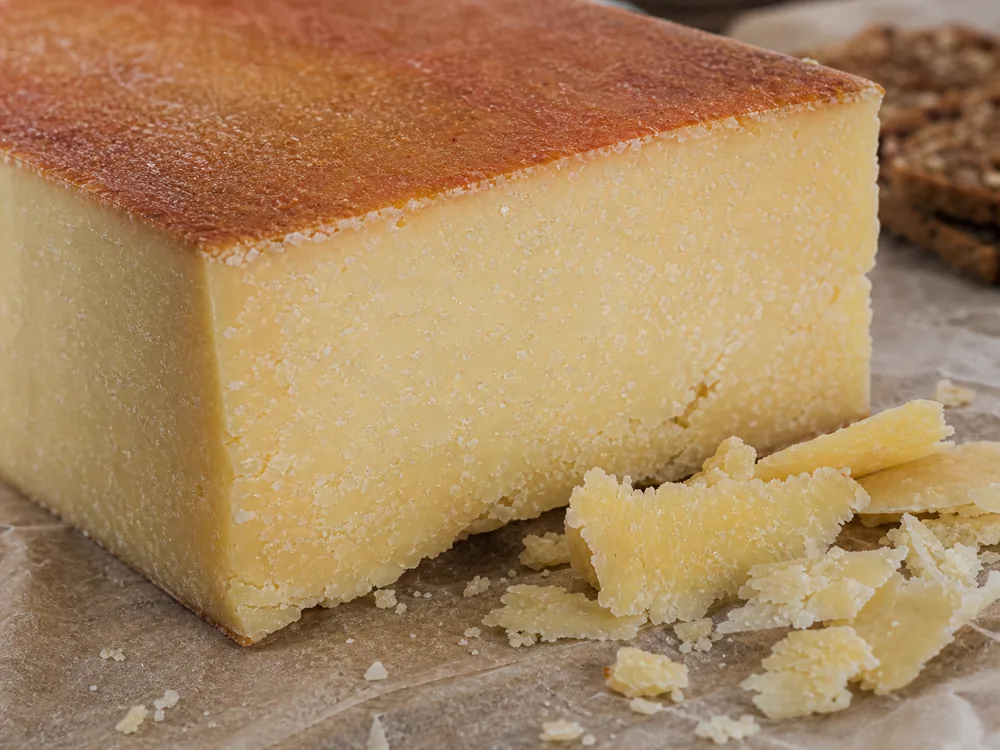
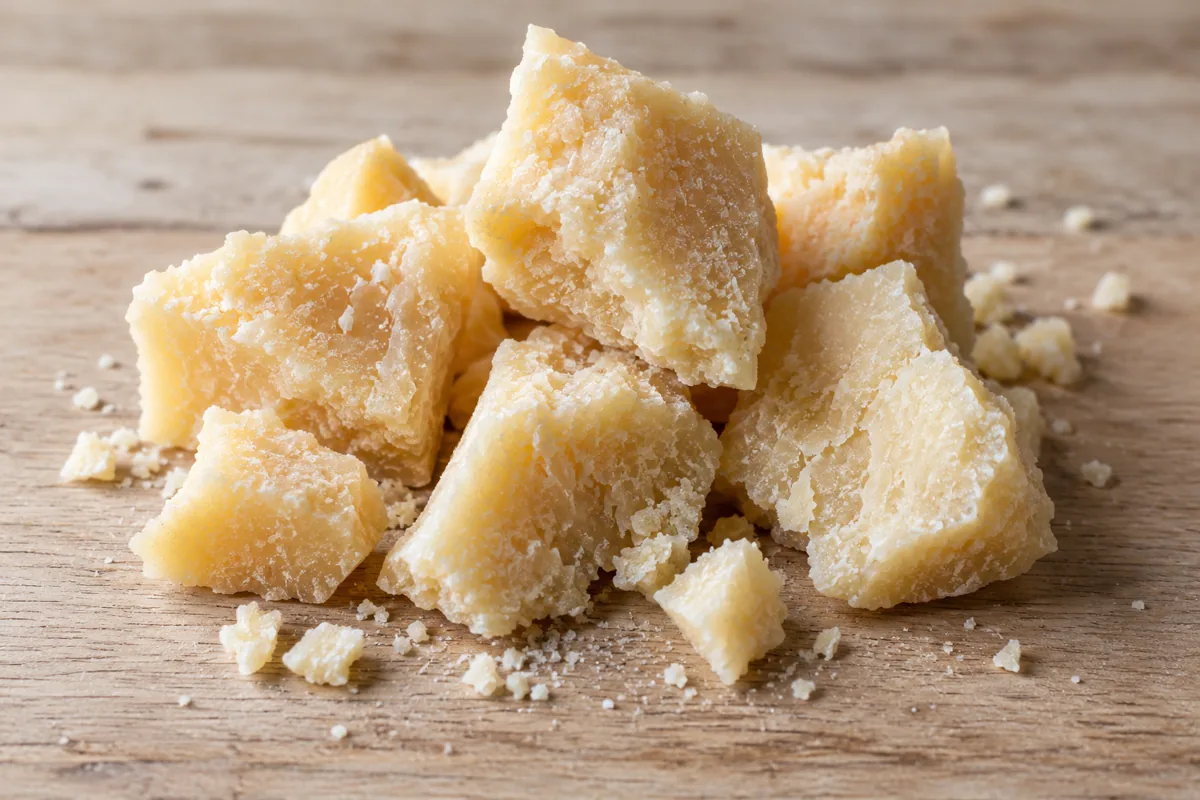
Dense aged Almnäs Tegel-style paste with tiny crystals and reddish rind - Almnäs Tegel | KnowTheCheese
Long aging should make Almnäs Tegel dense and savory, with enough firmness for thin slices and shavings.

You may find small crystals or crunchy points in an older piece. Those are useful when they feel integrated. They add texture and signal protein breakdown, much like the pleasant crunch in aged Dutch Gouda or Parmesan-style grating cheese.

ALMNäS TEGEL FLAVOR PROFILE
SALTYSWEETBITTERSOURUMAMICREAMY
Salty
52
Sweet
28
Bitter
10
Sour
16
Umami
78
Creamy
42

The rind should support that flavor instead of dominating it. A reddish brown surface can add rustic aroma, but it should not smell sour, chemical, or sharply ammoniated. The paste is the main event.

  • Good age sign: dense paste with savory depth and a clean nutty finish.
  • Good texture sign: thin slices bend slightly before breaking.
  • Useful crystals: tiny crunchy points that fit the flavor.
  • Bad age sign: stale rind, dry cracks, oiling, or bitter old-milk flavor.

Do not chase maximum age only. A 30 month wedge can be excellent, but a fresher well-kept piece may serve better if you want slices rather than hard shards.

Use It Like a Firm Alpine Cheese, with Limits

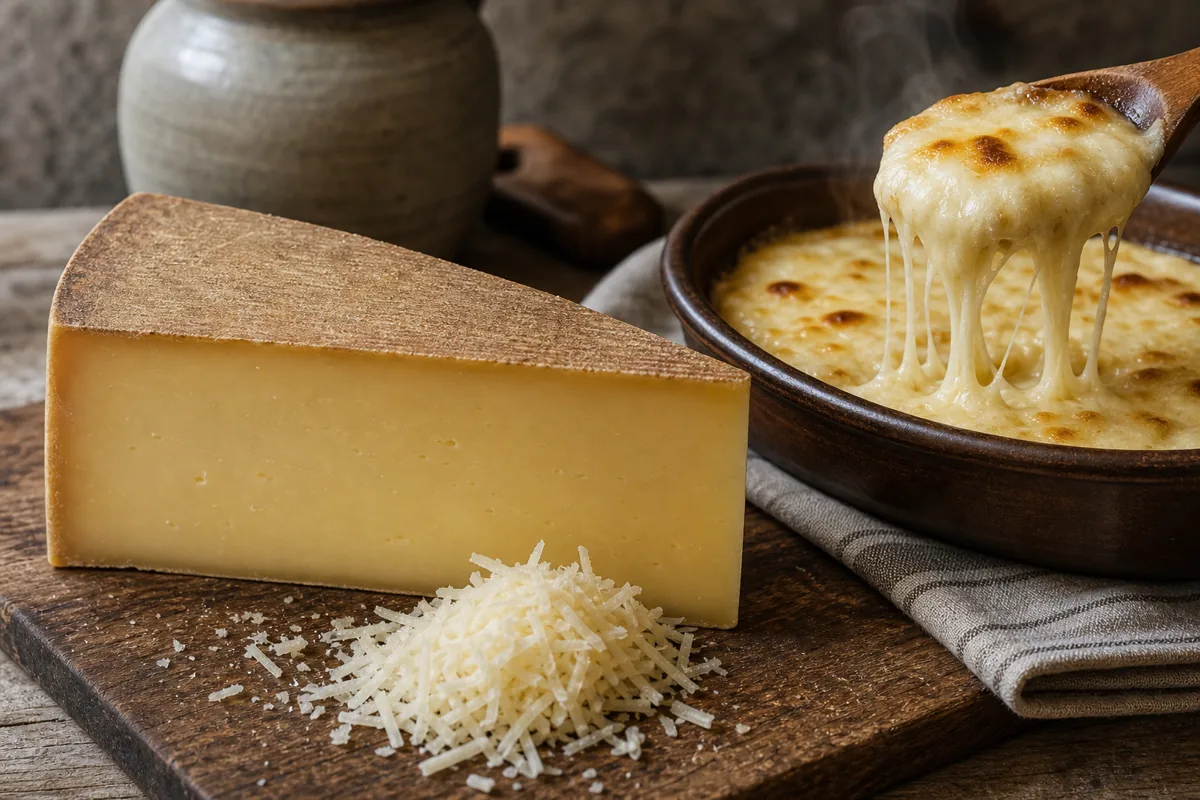
Almnäs Tegel can sit in the firm Alpine-style lane for cooking, but it is not a stretchy cheese. It melts better when grated or sliced thin, and it works best where flavor matters as much as flow.

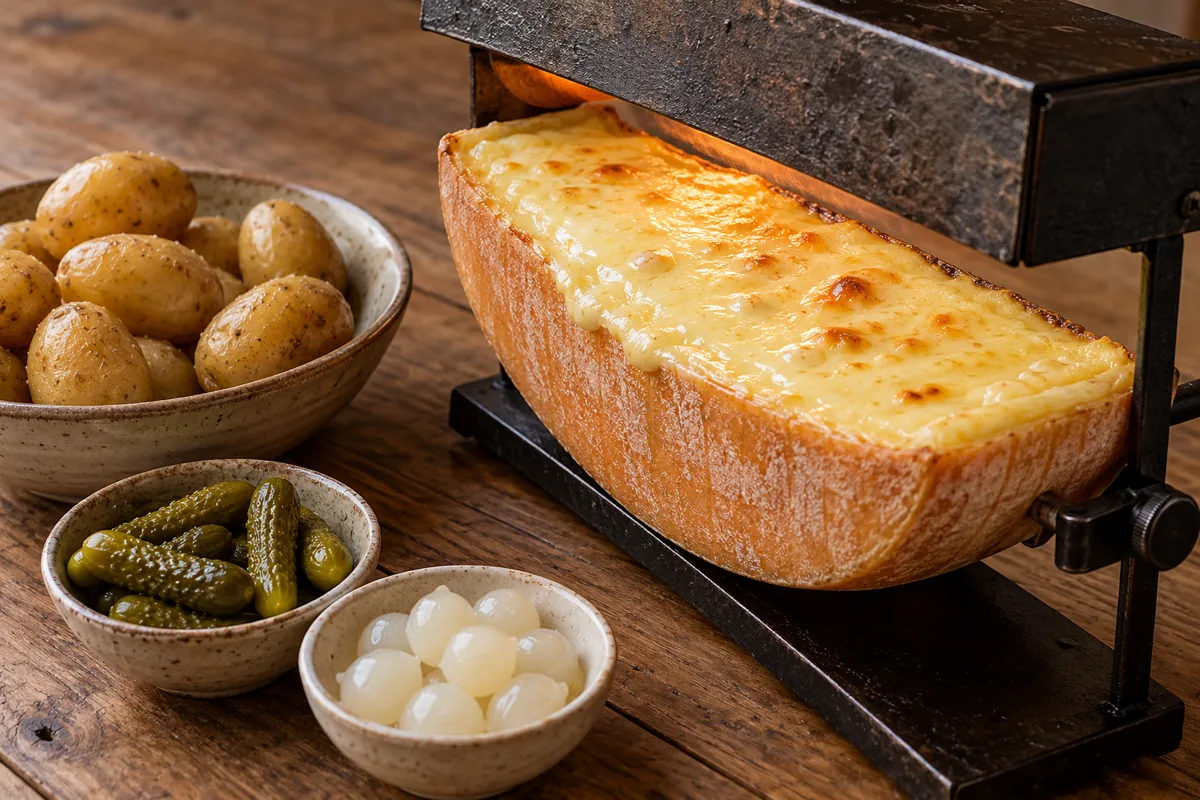
Use it in gratins, toast, potatoes, baked eggs, or a small fondue-style blend where its savory depth can show. If the whole recipe needs long pull or a blanket melt, use one of the stronger melting cheeses instead.

TIP

Grate Almnäs Tegel before heating. Thin pieces melt more evenly and keep the aged flavor from turning oily or clumpy.

On a board, cut it into thin slices, shards, or small batons. Thick blocks make the paste feel heavier and hide the aged aroma. Thin pieces let the cheese warm quickly and bring out the nutty side.

It can also stand beside sweeter Swiss wheels or table-melting Alpine cheese in a tasting. The comparison helps people see that Almnäs Tegel is dense and story-led, not holey, stretchy, or scrape-first.

Pairings Work Best When They Cut the Density

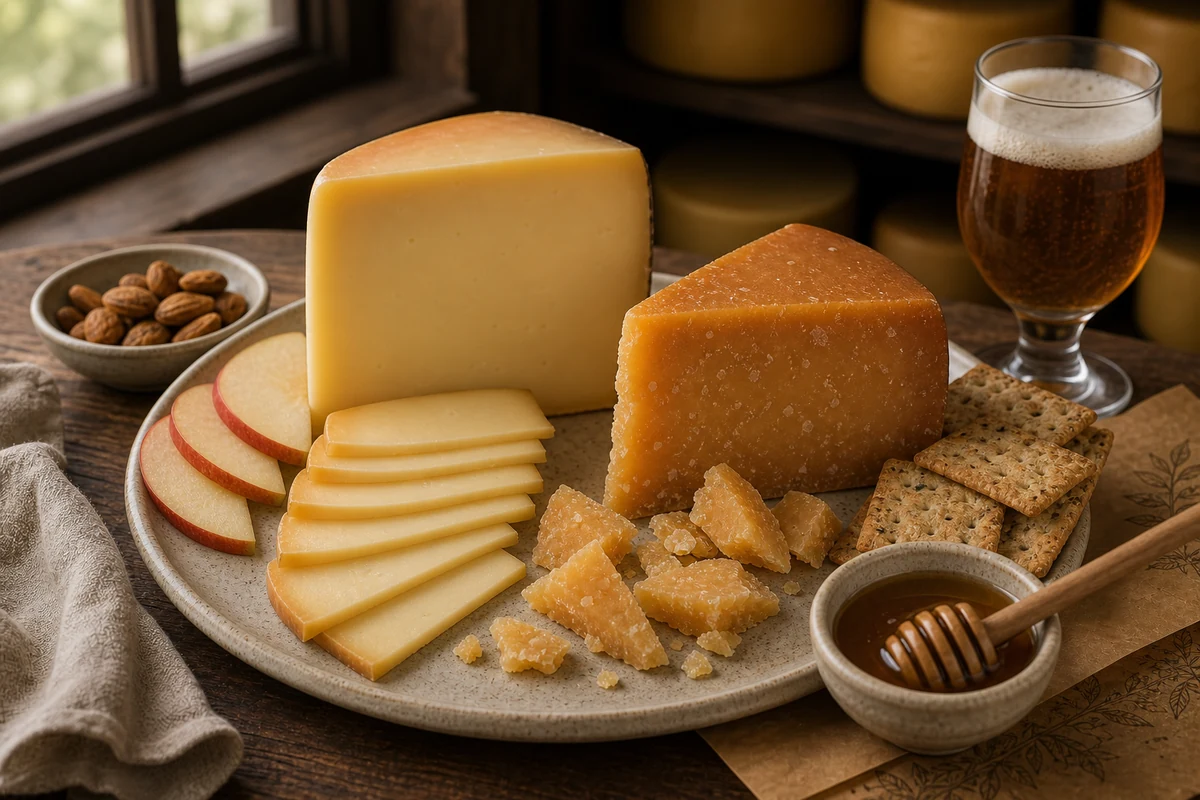
Pair Almnäs Tegel with foods and drinks that cut through aged cow's milk density. Apples, pears, rye crispbread, toasted nuts, pickles, mustard, and dry cider all make sense because they add either acidity, crunch, or clean sweetness.

Wine should do the same job. Bright whites, leaner reds, and oxidative or nutty bottles can work better than soft sweet wines. The same balance logic behind aged Gouda wine pairing applies here: sweetness alone can make a dense cheese feel heavier.

Serve it after milder cheeses and before very strong blues. If you put it after salty blue cheese, its nutty detail can get flattened. If you serve it before soft fresh cheeses, it may make them seem bland.

The best bite is small: cheese, crispbread, and one sharp or fresh accent. That keeps the brick-shaped cheese from becoming a heavy block on the plate.

Keep the Brick Wedge Clean, Thin, and Clearly Labeled

Buy Almnäs Tegel from a counter that can tell you the producer, milk treatment, and cut date. Because availability is limited, a clean fresh-cut wedge is better than a tired piece with an impressive story.

At home, wrap it in cheese paper or parchment inside a loose container, then keep it cold. Let slices warm briefly before serving. Do not trap it tightly in plastic for long periods, because the rind can sweat and the paste can pick up stale flavors.

BUYING TIPS
Best Value
A fresh-cut wedge with a clean reddish rind, dense paste, and clear Almnäs Bruk identity.
Premium Pick
A well-kept older piece with small crystals and no dry cracks.
What to Avoid
Anonymous brick-shaped cheese, harsh rind odor, greasy surface, stale edges, or missing raw-milk information.
Where to Buy
Nordic cheese specialists, import counters, and high-end cheese shops.
What to Look For
Producer name, brick form, raw cow's milk note, firm cut face, and age guidance.

Substitutes depend on the job. For Alpine cooking depth, use Gruyere's nutty structure or Comte. For a board with aged sweetness, use aged Gouda. For a harder grating job, Parmesan works better than Tegel because it is drier and more concentrated.

  • Closest cooking backup: Gruyere or Comte when smooth melt and nutty depth matter.
  • Closest board backup: aged Gouda when you want sweetness and crystals.
  • Hard grating backup: Parmesan when the dish needs dry umami shavings.
  • Safety note: check raw-milk guidance before serving it to pregnant or immune-risk guests.

The right substitute should copy the job, not the brick shape. If the shape is the only reason you want the cheese, wait for the real Almnäs Tegel. If the dish only needs nutty melt, another Alpine-style cheese can do the work.

SOURCES & REFERENCES

1.
Almnäs Tegel
Almnäs Bruk, 2026 Producer
Used for producer identity, brick-shaped positioning, milk, aging, and cheese description.

2.
Almnas Tegel
Culture Cheese Magazine, 2026 Cheese Reference
Used for retail-style description, texture, flavor, and serving context.

3.
Almnas Tegel
Cheese.com, 2026 Cheese Reference
Used for general cheese-family context and buying terminology.

Almnäs Tegel is a Swedish raw cow's milk cheese from Almnäs Bruk. It is shaped like a brick and aged into a dense, savory hard cheese.

The name Tegel means brick, and the shape refers to Almnäs Bruk's brick-making history. The shape is the memory cue, while the aged pressed paste is the eating reason.

It is commonly described as aged about 18 to 30 months, which gives it a dense texture and deeper nutty, savory flavor.

It melts best when grated or sliced thin. It works in gratins, potatoes, and warm dishes, but it is not a stretchy cheese.

Use Gruyere or Comte for Alpine-style melt and nutty depth, aged Gouda for board sweetness and crystals, or Parmesan for dry grating power.