Cheese Profile

Ami du Chambertin Cheese: Burgundy Washed Rind, Marc, and Ripeness

Burgundy washed-rind cheese with orange rind and custardy center - Ami du Chambertin | KnowTheCheese
AMI DU CHAMBERTIN QUICK FACTS
OriginGevrey-Chambertin, Burgundy, France
MilkCow milk; public references mention pasteurized or unpasteurized versions
TextureSoft, creamy, custardy when ripe
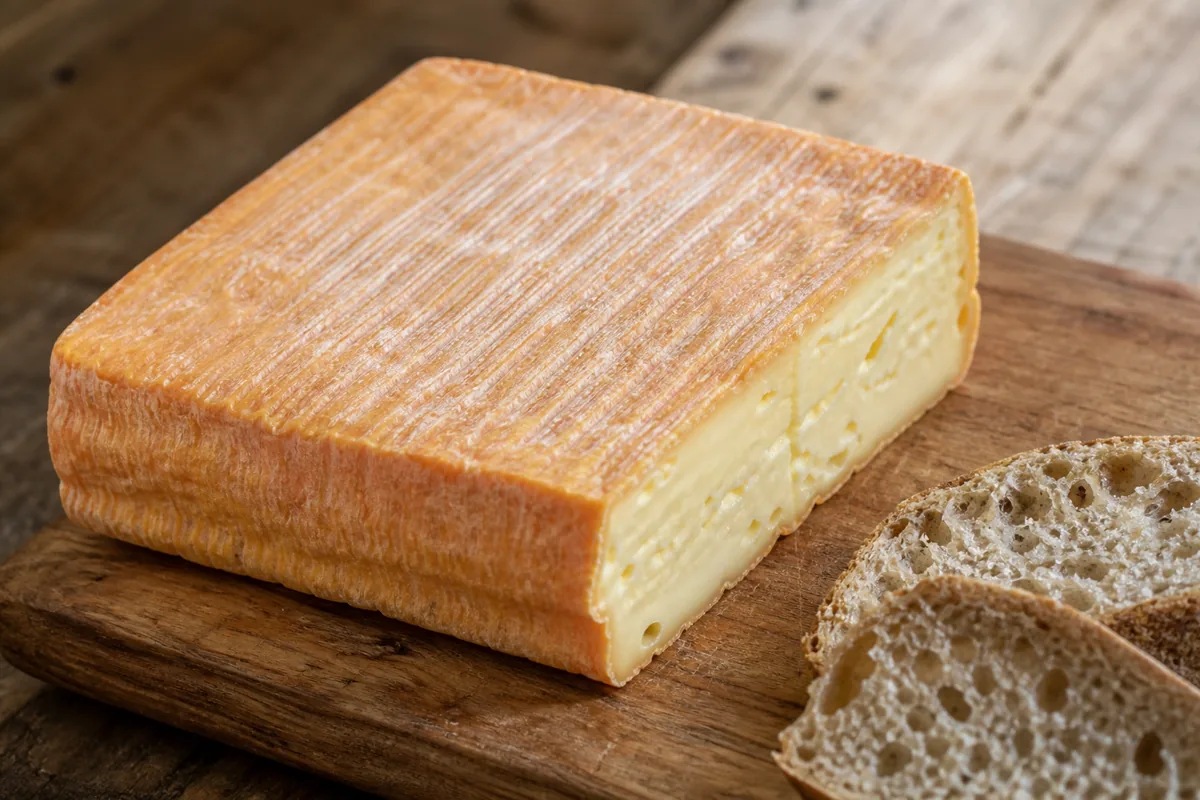
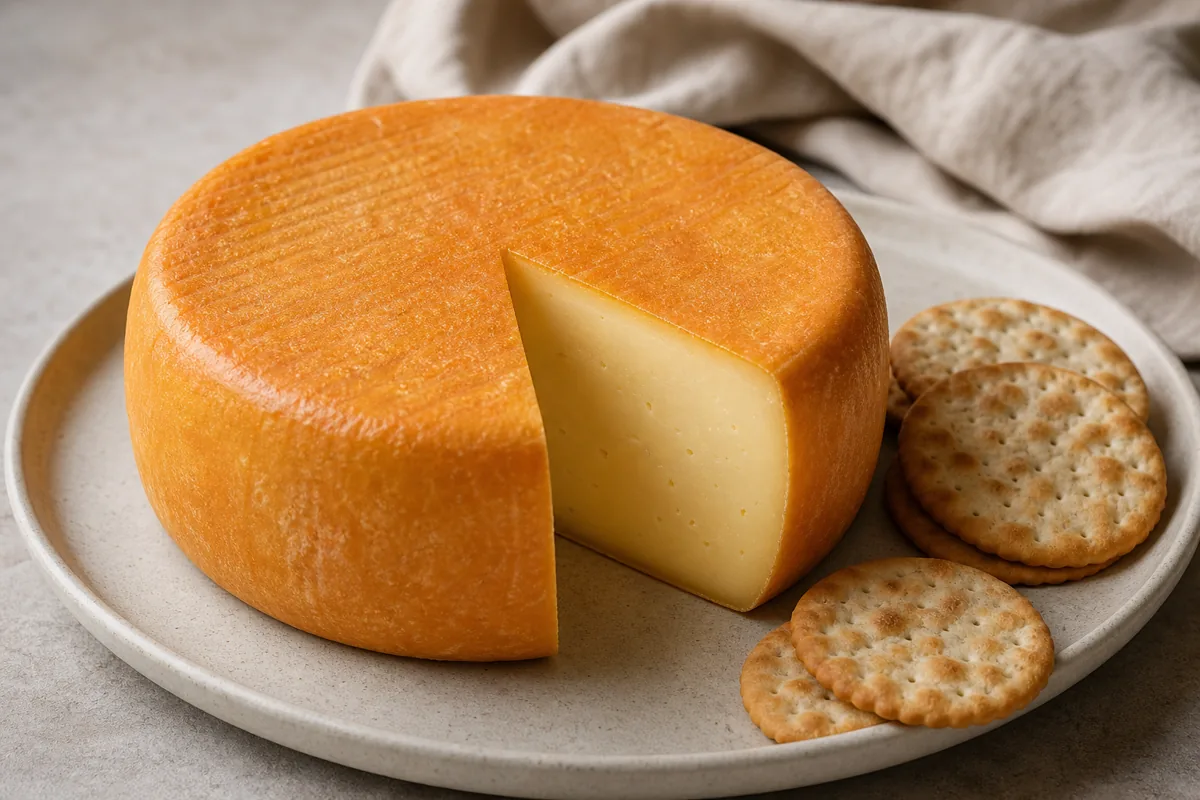
RindMoist orange washed rind
AgingSoft washed-rind ripening, outside inward
Fat ContentFull fat
AvailabilityFrench specialty cheese
Pricespecialty
PregnancyCheck the label and medical guidance
Lactoselow

Ami du Chambertin, often sold as L'Ami du Chambertin, is a soft washed-rind cheese from the Gevrey-Chambertin area of Burgundy. The direct answer is that it is an Epoisses-like French cow milk rind cheese with a moist orange rind washed with Marc de Bourgogne and a creamy, custardy paste when ripe.

The name can pull searchers toward wine, Burgundy travel, or the better-known Burgundy washed rind. This article keeps the job on the cheese: what it is, why the rind smells strong, how ripe it should be, and how to serve it without overwhelming the plate.

Use it as a Burgundy washed-rind decision page. If you want the wine village, this is not that guide. If you have the cheese in front of you, the rind, paste, wash, and ripeness cues below are the useful parts.

What is Ami du Chambertin cheese?

Ami du Chambertin is a French soft washed-rind cheese produced around Gevrey-Chambertin in Burgundy. Cheese.com describes it as an Epoisses-type gourmet cheese made from unpasteurized or pasteurized cow milk, with ripening that moves from the outside inward.

Retail and cheese-library sources often use L'Ami du Chambertin, with the French article attached. That spelling difference does not change the cheese. It does matter in search, because it helps you avoid confusing the cheese with the wine village or a restaurant listing.

The cheese is not a generic washed-rind lesson. Its specific facts are Burgundy origin, Marc de Bourgogne washing, Epoisses comparison, orange moist rind, and custardy paste.

  • Best first description: Burgundy soft washed-rind cow milk cheese.
  • Main rind cue: moist orange rind washed with Marc de Bourgogne.
  • Main texture cue: creamy, yielding, and sometimes spoonable when ripe.
  • Main flavor cue: milky, salty-sweet, vegetal, buttery, and savory with strong aroma.

Marc de Bourgogne washing creates the rind story

The wash is the cheese's moat. Cheese.com and several retailers describe the rind as washed with Marc de Bourgogne, a local pomace brandy. That wash encourages the sticky orange rind, deep aroma, and savory surface character that make the cheese feel close to Epoisses.

Good rind aroma can be bold. It may smell barnyardy, vegetal, boozy, or meaty. That does not mean the paste will taste as loud as the rind smells. A ripe piece should still have a creamy center with milky, salty, sweet, and buttery notes, while a firmer French washed rind such as Livarot's banded wheel gives a different texture cue.

The rind is edible when clean, but you do not need to force it on every bite. Try the paste alone, then rind and paste together. That gives you control over the strength.

This is also where pairing starts. A rind-led bite needs bread, acidity, or wine more than it needs extra fat.

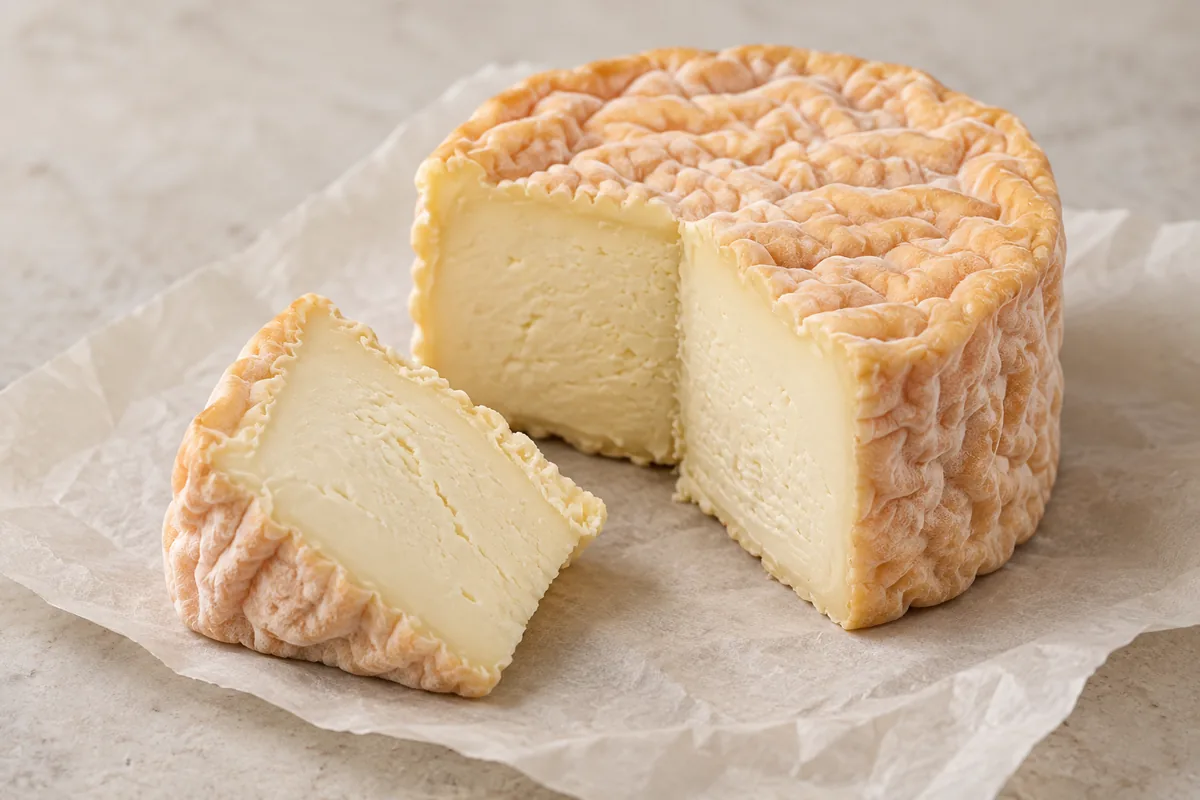
Sticky orange washed rind and custardy paste detail - Ami du Chambertin | KnowTheCheese
The sticky orange rind and custardy paste explain why the Marc-washed rind drives the cheese.

How is it different from Epoisses?

Ami du Chambertin sits in the same Burgundy washed-rind conversation as Epoisses, but it should not be written as a duplicate. Epoisses has its own protected identity and stronger name recognition. Ami du Chambertin is the neighboring cheese people usually find through specialty shops and cheese references.

The practical difference is buying confidence. If the label says Epoisses, use the Epoisses profile and expect that style. If it says Ami du Chambertin, look for the Gevrey-Chambertin origin story, Marc de Bourgogne wash, orange rind, and creamy paste described here.

NOTE

Use the Epoisses comparison to understand the style, not to erase Ami du Chambertin's own Burgundy identity.

For a milder orange-rind cheese, move away from this lane and choose a gentle monastery-style rind. Ami du Chambertin belongs with stronger washed-rind decisions.

  • Use Epoisses as: the closest style reference.
  • Use Ami du Chambertin as: its own Burgundy cheese with Gevrey-Chambertin identity.
  • Do not use either as: a generic Brie or Camembert substitute.

What does Ami du Chambertin taste like?

Expect more aroma than bite at first. Culture describes a smooth, creamy, yielding texture with salt-sweet balance, milky and lactic notes, plus hints of spice and bacon. Fairfield Cheese Company notes milky, vegetal, sweet flavor and a custardy, spoonable interior when ripe.

The best piece feels lush without collapsing into harshness. The rind should be tacky and aromatic. The paste should be ivory, creamy, and soft enough to spread as it warms. If the center is chalky, the cheese may be younger or too cold.

AMI DU CHAMBERTIN FLAVOR PROFILE
SALTYSWEETBITTERSOURUMAMICREAMY
Salty
54
Sweet
28
Bitter
8
Sour
24
Umami
76
Creamy
82

Compared with Alsatian washed-rind punch, Ami du Chambertin reads more Burgundy and brandy-washed. Compared with a bloomy Normandy wheel, it is less mushroom-soft and more pungent, sticky, and savory.

If you like the creamy body but not the rind strength, eat the center first. That gives you the cheese's milky side before the wash takes over.

How ripe should Ami du Chambertin be?

Ripeness decides whether this cheese feels elegant or punishing. A younger piece is firmer and cleaner, with less rind power. A ripe piece becomes yielding, custardy, and more aromatic. Some retailers describe it as spoonable when fully ripe.

Ask when you plan to serve it. For tonight, choose a piece that already gives slightly under gentle pressure. For a few days later, choose a cleaner, firmer piece and let it ripen in proper wrapping in the fridge.

Do not leave a whole ripe wheel out for hours. Strong washed-rind cheese changes fast once warm, and the aroma can outrun the texture.

A ripe piece also travels poorly. Buy it close to serving day if you need the custardy center for a dinner board.

Serve it like a strong Burgundy table cheese

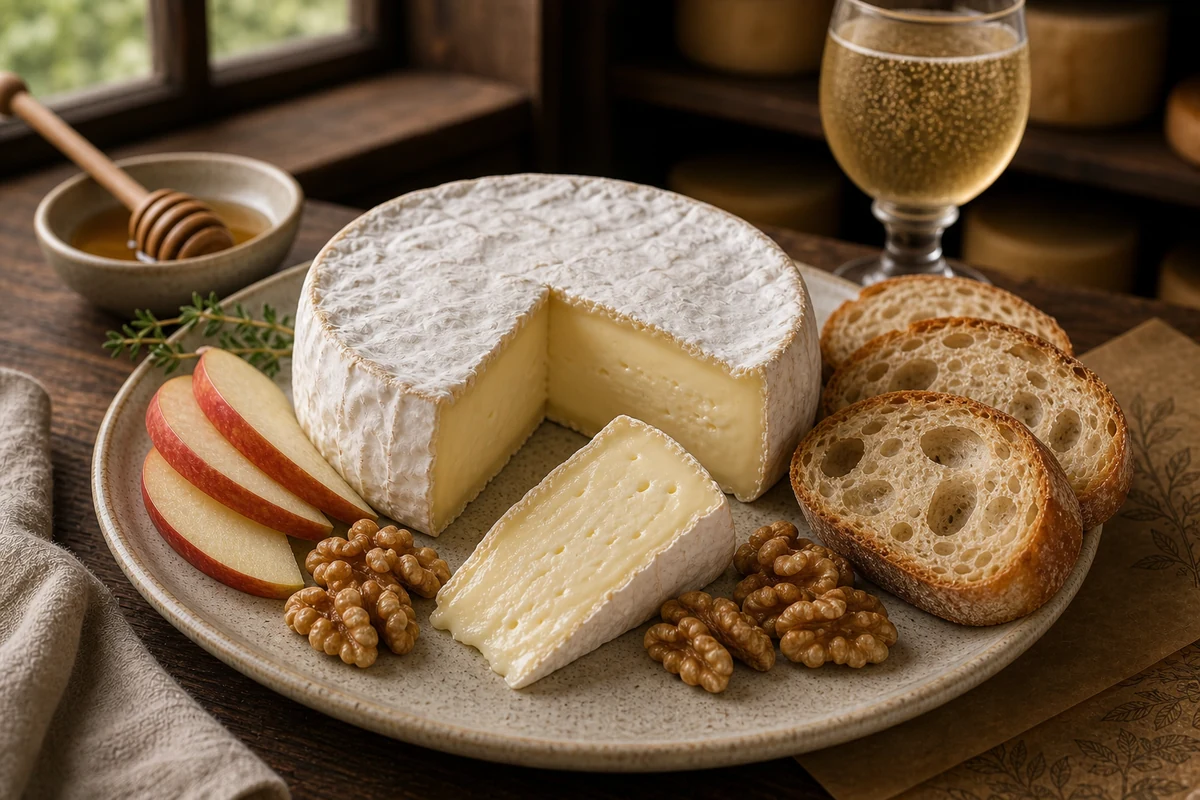
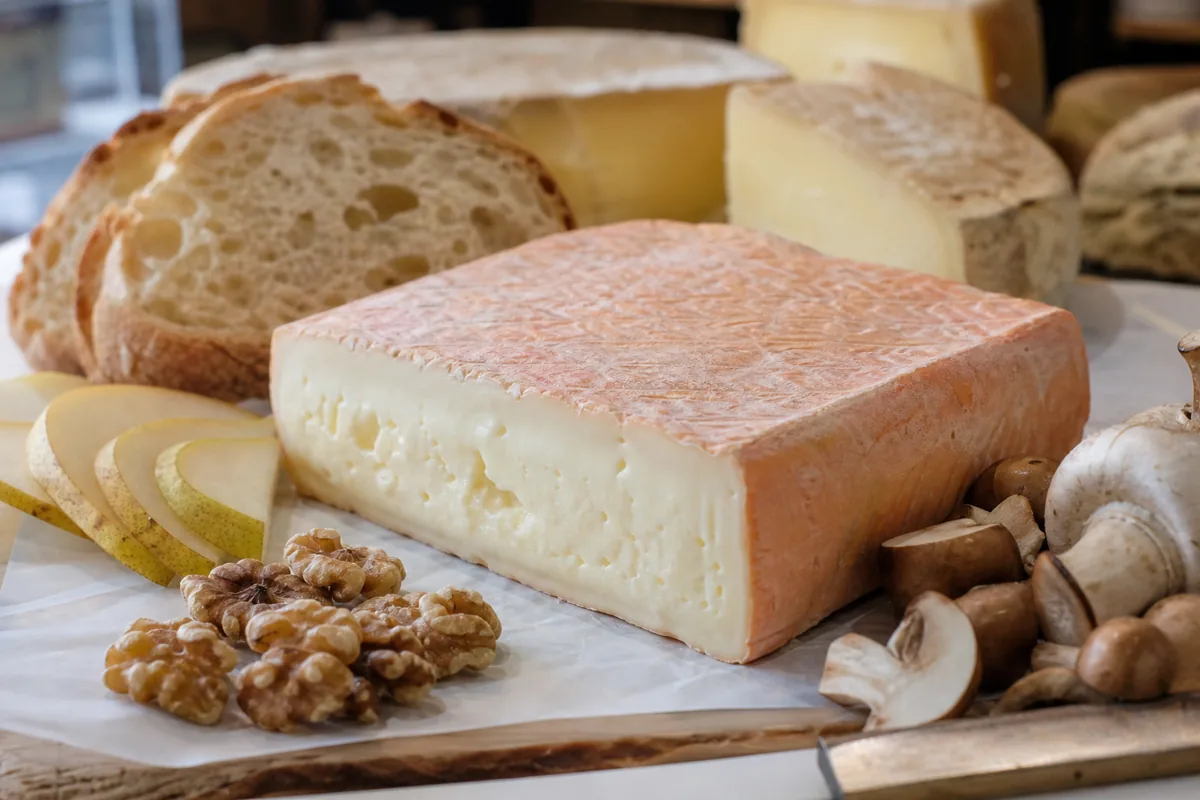
Ami du Chambertin wants plain carriers and careful contrast. Walnut bread, crusty baguette, mild chutney, cornichons, roasted potatoes, and a local-style red wine make sense because they let the cheese stay central without adding more funk.

Ami du Chambertin style washed-rind cheese plate with walnut bread chutney and red wine - Ami du Chambertin | KnowTheCheese
Walnut bread, chutney, cornichons, and red wine give a strong Burgundy washed-rind cheese enough structure on the plate.

Keep portions small. A thin wedge can flavor several bites. If you put a large runny piece on a board with mild cheeses, it will dominate the plate and the refrigerator afterward.

  • Best bread: walnut bread, country bread, or plain baguette.
  • Best contrast: mild chutney, cornichons, roasted potatoes, or apple.
  • Best drink lane: Burgundy-style red wine, farmhouse ale, or dry cider.
  • Avoid: sugary jam, delicate fresh cheeses beside it, and hot rooms.

If you need to cook with it, use a small amount over potatoes or toast. Do not bury it in a sauce where the rind becomes the only thing anyone tastes.

For a softer crowd-pleaser beside it, add a mild bloomy-rind wedge or a simple fresh fruit plate. That gives guests a choice without weakening the washed-rind centerpiece.

How should you buy and store Ami du Chambertin?

Buy by serving date. The cheesemonger should help you choose a piece for tonight or later in the week. Look for a moist orange rind, clean strong aroma, and paste that matches your timeline.

Store it in cheese paper or parchment with a loose outer wrap, then place it in a covered container. This is not optional politeness. Washed-rind aroma can move into butter, eggs, and fruit fast.

WARNING

If the rind smells sharply ammoniated, the paste tastes bitter, or the cheese leaks aggressively, skip it. Strong does not mean spoiled.

Unwrap the cheese briefly every day if you are holding a ripe piece, then rewrap it. That helps you catch over-ripeness before it ruins the serving plan.

Keep it away from delicate fresh cheeses such as fresh whey cheese. The rind aroma can make mild dairy taste stale before the Ami itself has gone bad.

What can you substitute for Ami du Chambertin?

The closest substitute is Epoisses when you want the Burgundy washed-rind experience. For less intensity, choose Taleggio or Port Salut. For a broader strong washed-rind plate, Munster can work, though it brings a different regional identity, and Langres with its sunken top can keep the French washed-rind mood in a different shape.

If the recipe only needs creamy melt, do not reach for the strongest washed-rind cheese. Fontina or young Gouda will be easier to control and cheaper to use.

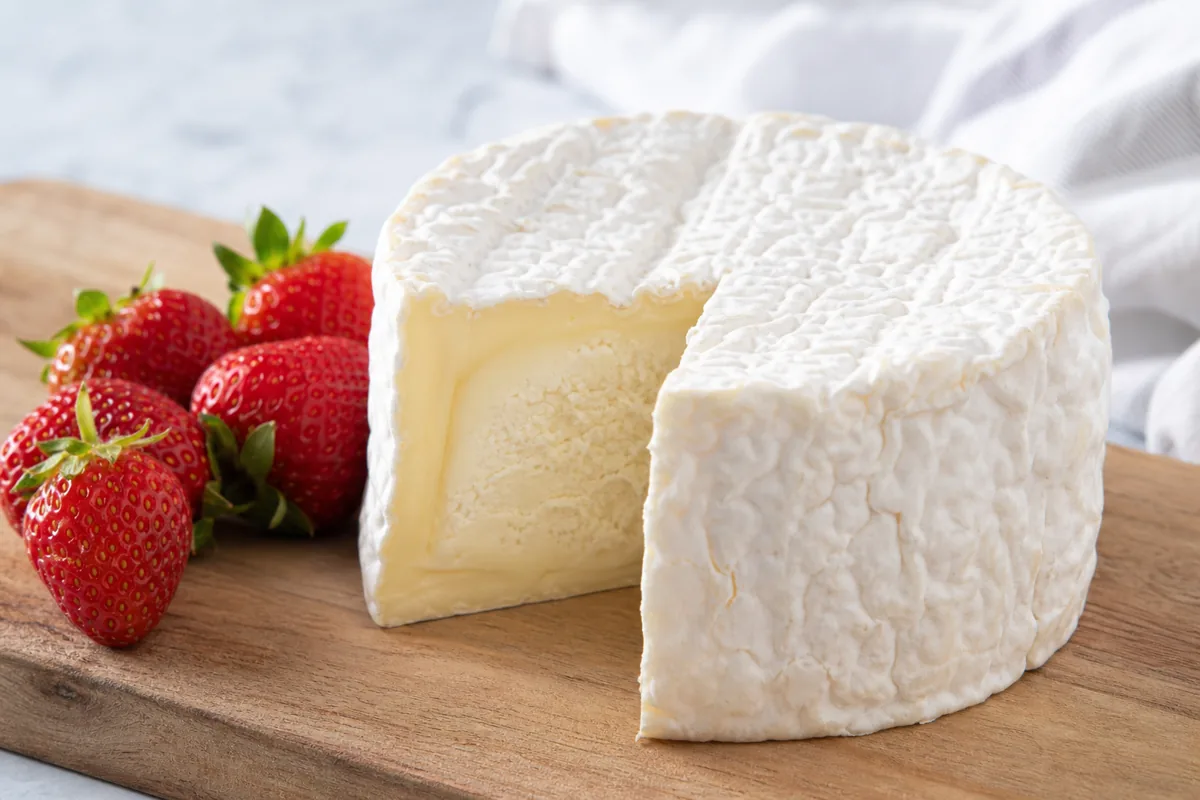
The best substitute depends on whether the reader needs Burgundy identity, washed-rind aroma, or just creamy texture. Those are different jobs. For a less pungent French soft cheese, a chalk-to-cream bloomy round is closer in format than in flavor.

SOURCES & REFERENCES

1.
Ami du Chambertin
Cheese.com, 2026 Cheese Reference
Used for Gevrey-Chambertin origin, cow milk, Epoisses-type comparison, Marc de Bourgogne wash, orange moist rind, outside-in ripening, ivory paste, sharp flavor, and buttery finish.

2.
L'Ami du Chambertin
Culture: The Word on Cheese, 2026 Cheese Reference
Used for texture, salt-sweet balance, milky/lactic notes, spice and bacon flavor notes, and washed-rind support.

3.
L'Ami du Chambertin
Fairfield Cheese Company, 2026 Retail Reference
Used for Burgundy production area, Marc de Bourgogne wash, sticky orange rind, custardy spoonable texture, and serving flavor language.

Ami du Chambertin is a soft washed-rind cow milk cheese from the Gevrey-Chambertin area of Burgundy, often compared with Epoisses.

Its rind is washed during ripening, often with Marc de Bourgogne in public references. That washed rind creates the orange color, sticky surface, and strong savory aroma.

No. It is an Epoisses-like Burgundy washed-rind cheese, but it is its own named cheese. Use Epoisses as the closest style comparison, not as the same cheese.

It usually tastes creamy, milky, salty-sweet, savory, and buttery, with possible vegetal, spice, or bacon-like notes and a stronger rind aroma.

Use Epoisses for the closest Burgundy washed-rind feel, Taleggio or Port Salut for a milder option, or Munster for another strong washed-rind plate.