Cheese Profile

Quesillo, Queso Oaxaca, and the Protected Reyes Etla Name

In Mexico quesillo means queso Oaxaca, but not in Nicaragua or Venezuela. Learn what the protected Reyes Etla name covers and how the ribbon is stretched.

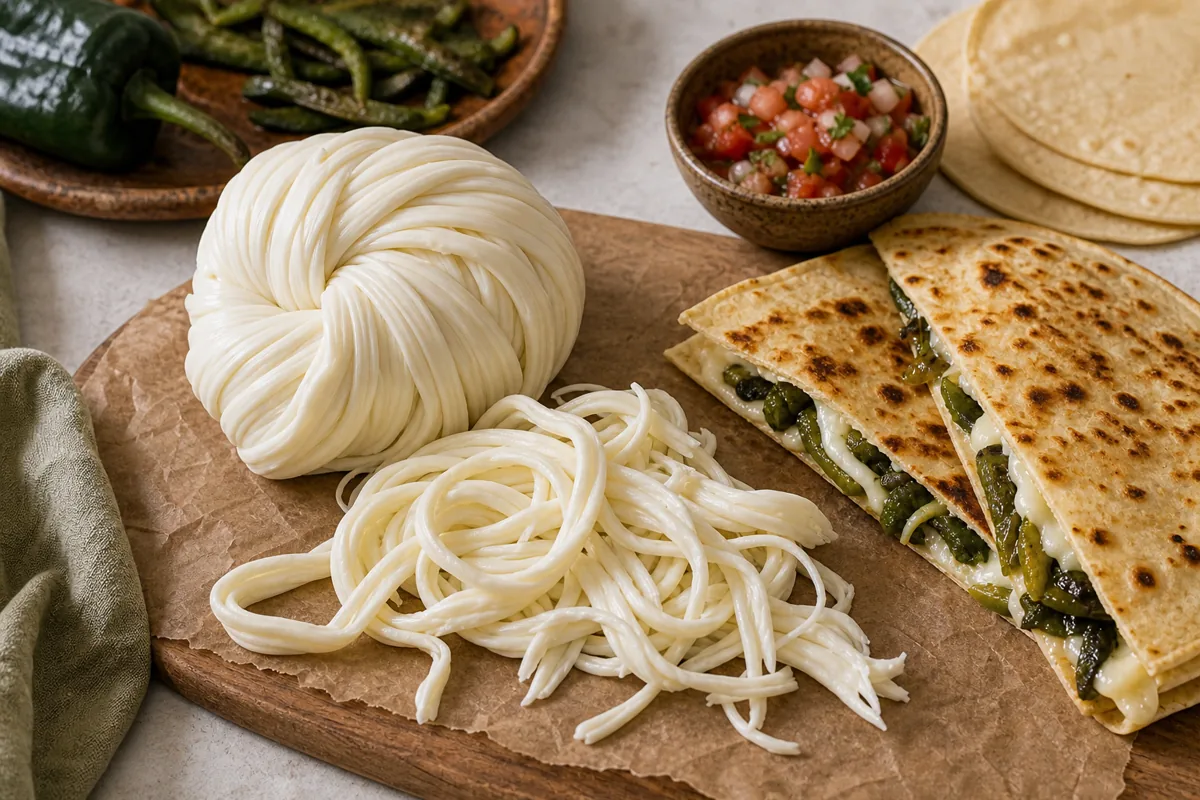
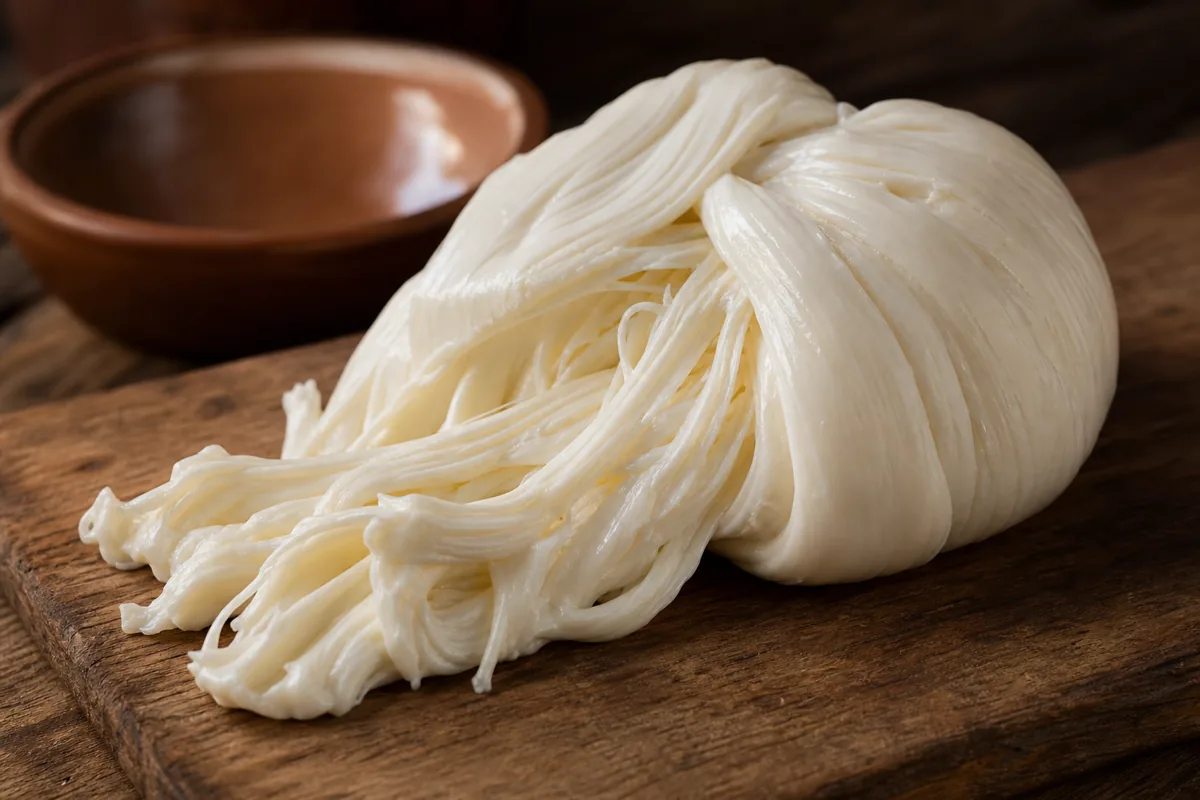
Ball of Oaxaca quesillo partly unrolled into strings - quesillo cheese | KnowTheCheese
QUESILLO QUICK FACTS
OriginOaxaca, Mexico
MilkCow's milk
TextureSupple, fibrous, and peelable when cool, then elastic when heated
RindNone
AgingFresh and unripened
AvailabilityMexican markets, Latin grocers, cheese counters, and some supermarkets
PregnancyCheck pasteurization and label
LactoseContains lactose unless the package states otherwise

Quesillo is a fresh Mexican stretched-curd cheese made as a long white ribbon and wound into a ball. In the United States, the same cheese is commonly sold as Oaxaca cheese or queso Oaxaca.

The ribbon is the useful part.

You can unwind a few strands for one quesadilla, spread them thinly across a tlayuda, or tuck thicker ropes into a chile without grating the whole ball. Gentle heat turns those layers into a smooth, elastic melt with a mild milky flavor.

One name now requires extra precision. Mexico granted Protected Geographical Indication status to Quesillo de Reyes Etla in April 2025.

That protected product comes from Reyes Etla in Oaxaca and follows a defined raw whole-milk method, while a generic package of queso Oaxaca is not automatically the protected cheese.

Cheese TypeFresh pasta filata cheese
ColorWhite to pale ivory
FlavorMild, milky, lightly salty, and gently tangy
BodyMoist layered ribbons with a fibrous tear
Heat BehaviorSmooth melt and long stretch with little browning
Best UsesTlayudas, quesadillas, memelas, empanadas, stuffed chiles, and other antojitos

What Is Quesillo?

Quesillo is Oaxaca's best-known pasta filata cheese. Cheesemakers acidify cow's milk curd until it can stretch in hot water, pull it into a broad band, cool it, and wind the band into a compact skein.

That method places it in the same technical family as mozzarella. The finished forms solve different kitchen problems.

Fresh mozzarella usually arrives as a moist ball and low-moisture mozzarella is sold as a block or shreds, whereas Quesillo arrives as a continuous layered ribbon that you can peel apart by hand.

Quesillo has no rind and does not depend on aging for flavor. Its freshness, moisture, and aligned fibers provide the qualities that matter at the counter and in the pan.

Mexican standards give queso Oaxaca a more exact commercial identity. NMX-F-733-COFOCALEC-2013 covers the name and specifications for products sold in Mexico.

The composition benchmark cited by Mexican consumer authorities sets maximum moisture at 51 percent, minimum milk fat at 20 percent, and minimum protein at 21.5 percent, which helps distinguish the named cheese from products formulated outside the category.

Those percentages describe the cheese as a product. They do not mean every package has the same calories, sodium, or serving size.

Read the nutrition panel on the cheese you are buying for those figures. A drier product may concentrate calories and sodium into a smaller weight even when the ball looks similar.


51%
Moisture maximum under the cited Mexican specification

20%
Milk Fat minimum under the cited Mexican specification

21.5%
Protein minimum under the cited Mexican specification

Fresh
Aging unripened cheese

What Does the Name Mean?

In a Mexican cheese case, quesillo usually means queso Oaxaca, but the word does not identify the same food everywhere in Latin America, so country and context matter.

Three Meanings of Quesillo
PlaceWhat the name usually identifies
MexicoA white stretched-curd cheese, especially the wound cheese associated with Oaxaca.
NicaraguaA popular dish of cheese served with a warm tortilla, cream, and vinegar-seasoned onion.
VenezuelaA caramel-topped custard dessert related to flan, made with whole eggs.

That distinction prevents a common search mistake. A Mexican grocery package labeled quesillo belongs in this cheese profile.

A Nicaraguan street-food menu or a Venezuelan dessert recipe is using the same word for a different preparation. The country name usually resolves the ambiguity faster than the ingredients do.

Even within Mexico labels vary, with Queso Oaxaca serving as the widely understood commercial name.

Quesillo is common in Oaxaca and in everyday speech. Queso de hebra, which means string or strand cheese, may appear in other regions.

The alternate names describe a shared physical idea rather than one universal recipe. Milk treatment, fat level, ribbon width, salting, and final moisture can still differ by producer.

Quesillo de Reyes Etla

Quesillo de Reyes Etla is the protected regional form under Mexico's April 29, 2025 declaration, which limits the geographical area to the municipality of Reyes Etla in the Etla district of Oaxaca's Valles Centrales.

The protected description calls for fresh cooked and stretched curd made only from raw whole milk, rennet, and salt. The permitted ingredient list is narrower than the range used for generic commercial queso Oaxaca.

The ribbon is wound into a rounded form that resembles a rosebud or flower, with the loose end tucked underneath. Smooth ribbons without grooves or cracks are part of the described appearance.

The protection covers a place, a product, and a defined method, so producers need authorization to use the protected indication rather than merely copying the ball shape elsewhere.

Raw whole milk matters here because it is written into the protected product definition. It also changes the buying decision.

Someone who needs pasteurized dairy should not assume that an authentic protected name makes the cheese suitable for them. The origin mark and milk-treatment statement answer separate questions.

READ THE FULL NAME

A package marked Quesillo de Reyes Etla should identify the protected product and its origin. A package marked only queso Oaxaca may still be good cheese, but it does not make the same geographical and production claim.

An Oaxacan family account credits 14-year-old Leobarda Castellanos Garcia with creating quesillo in Reyes Etla in 1885 after she added hot water to curd that had acidified too far and discovered that it could be stretched.

Oaxaca's state government presents this account through her descendants. It helps explain local identity, but it should be understood as family and regional history rather than a laboratory record of the first batch.

How Is Quesillo Made?

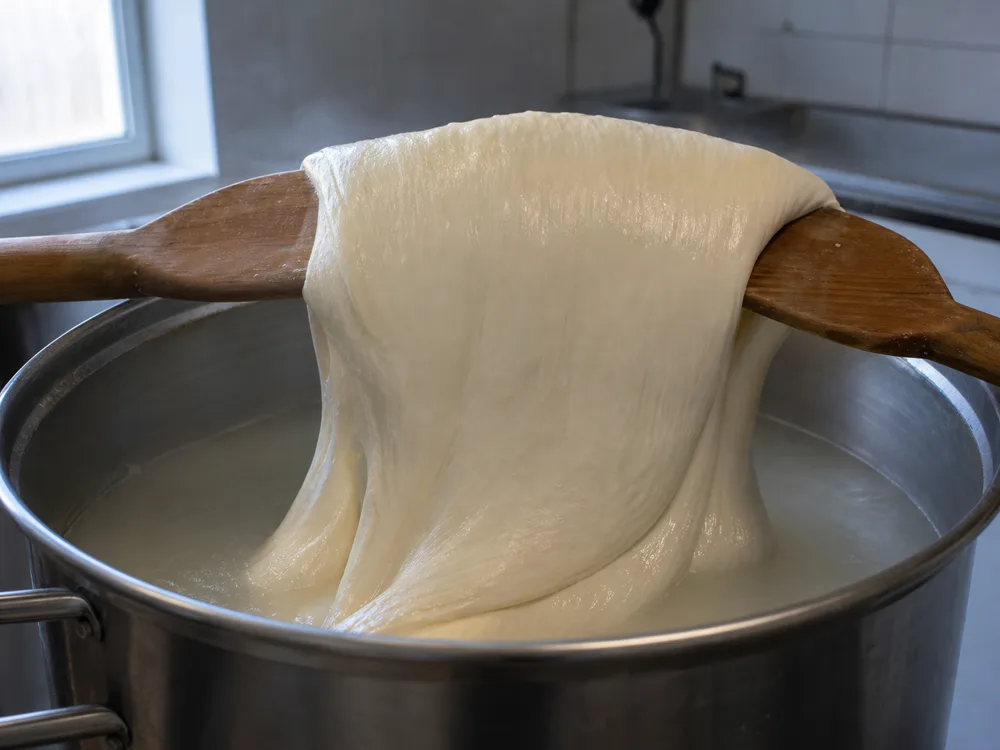
The decisive stage begins after milk has coagulated and the curd has developed enough acidity. At the right acidity, hot water softens the curd so its protein network can align instead of breaking into grains.

Mexican educational material describes hot water around 70 to 80 C being added to the curd before the cheesemaker stretches and folds the softened mass into threads or a broad ribbon.

Cold water stops further heating and helps the ribbon hold its form. Salt is added before or during the final handling, depending on the method.

Hot Quesillo curd stretched over a stainless dairy vat - Quesillo | KnowTheCheese
Hot water makes properly acidified curd pliable enough to stretch into the broad ribbon that becomes Quesillo.

Temperature alone cannot rescue the wrong curd. Curd that is not acidic enough resists stretching and tears.

Curd that has acidified too far can become weak, sour, or pasty, so cheesemakers judge how a small test piece softens and pulls before committing the whole batch.

Stretching also expels whey and aligns the casein network. Repeated pulling gives Quesillo its fibrous tear, but excessive working can squeeze out too much moisture and leave the finished ribbon rubbery.

The long band is then wound around itself. This winding creates many separable layers without chopping or shredding the cheese.

A compact ball is easier to transport while preserving a tucked end for the cook, and ribbon width and winding tension affect whether it peels cleanly or clings into a dense mass.

What Does Quesillo Taste Like?

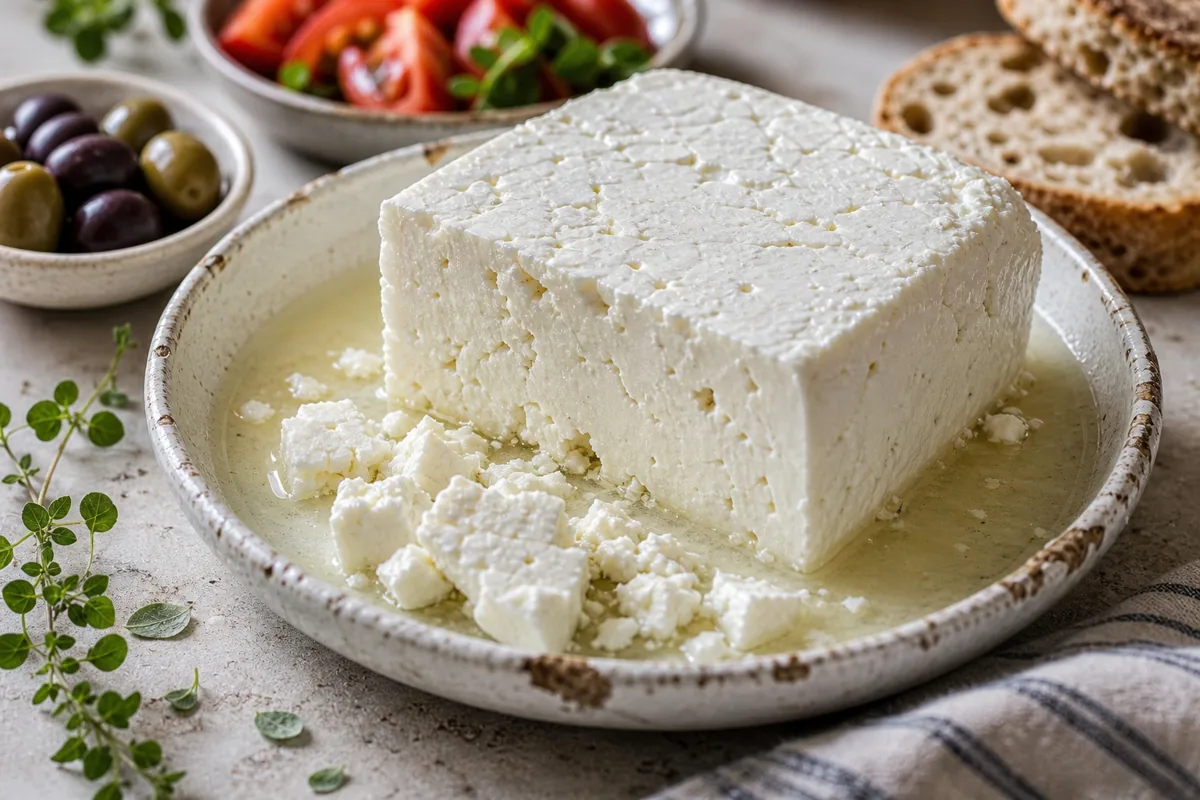
Fresh Quesillo tastes mild, milky, lightly salty, and gently tangy. It should not taste sharp like an aged cheddar or heavily brined like feta.

Its aroma stays close to fresh milk and cultured curd. A raw whole-milk example may show a fuller dairy note, but freshness should still lead.

Texture carries more of its identity than intensity does, and a cool piece should bend and separate along visible fibers.

It may squeak slightly when very fresh. The body should feel moist and elastic without becoming wet, slimy, or rubbery.

Heat softens the strands and increases their stretch. The cheese usually melts into connected ribbons instead of flowing into a perfectly level sauce.

It can blister where it touches a hot surface, but it is valued more for pull and coverage than for a deeply browned crust while a clean melt remains dairy-sweet rather than greasy or scorched.

Milk treatment, moisture, salt, and freshness all create variation. A protected raw whole-milk Reyes Etla cheese may taste fuller than a mass-market pasteurized product.

A cheese made with partly skimmed milk can feel leaner. A dry package can taste saltier simply because it has lost water.

Taste the cheese cool before cooking when possible because that quick check separates a naturally mild product from one whose flavor has been hidden by too much heat or salsa.

How to Unwind and Melt It

Start by finding the outer end of the ribbon. Pull it around the ball instead of yanking straight outward.

The cheese should unwind in a band, which you can leave broad or split lengthwise into finer strands. Work while it is cold enough to handle but not so cold that the ribbon feels rigid.

Choose strand thickness for the dish.

✓ DO
Use thin loose strands for a quesadilla so heat reaches the cheese before the tortilla burns.
Use broader ribbons for tlayudas when you want distinct pockets of chew and stretch.
Use compact ropes inside chiles or empanadas so the filling stays in place.
✗ DON'T
Pack a cold solid lump into a thin tortilla and expect the center to melt evenly.
Chop the entire ball before you know how much the recipe needs.

Moderate heat works better than a fierce flame because covering a pan briefly traps enough heat to soften the strands.

Direct high heat can tighten the exposed surface while the center remains cool. Turn the tortilla or lower the heat before dark spots become burnt patches.

Quesillo also releases moisture as it warms. Spread it in layers and leave room for steam when crispness matters.

A thick pile can make a tortilla soft before the cheese has melted through, so drier fillings and a preheated cooking surface help preserve contrast.

Do not judge doneness by a dramatic cheese pull. The cheese is ready when the separate ribbons have relaxed, joined, and warmed through.

Best Ways to Use Quesillo

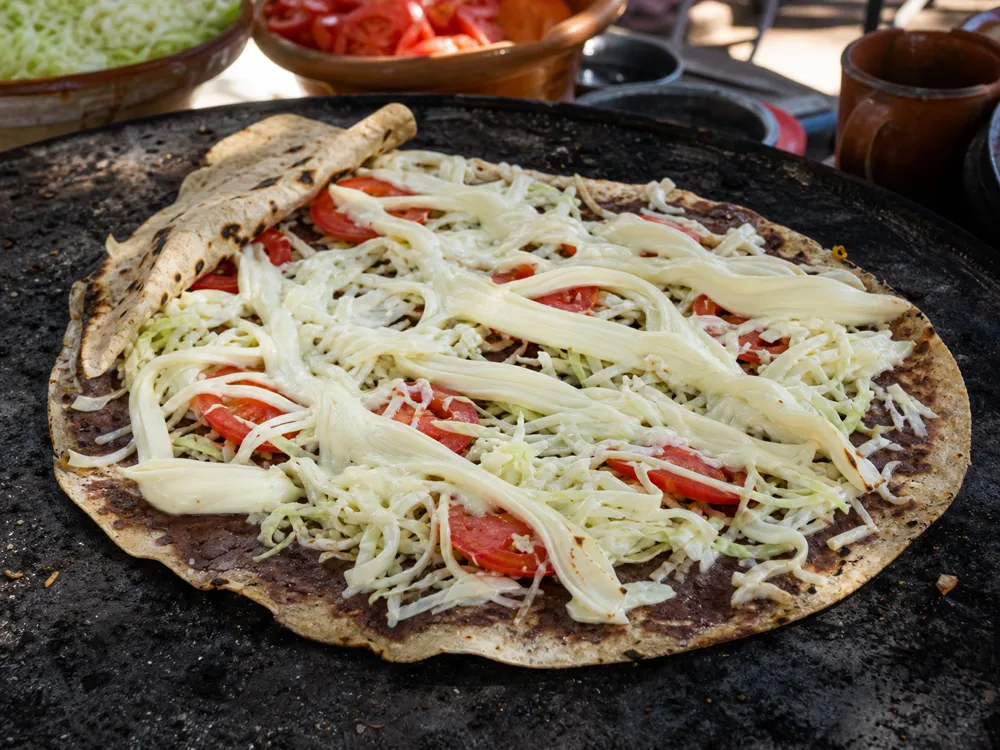
Tlayudas show why Quesillo has a ribbon form. Thin strands spread across a large toasted tortilla, catch on the beans and toppings, and melt without creating one heavy slab in the center.

Quesillo ribbons melting across an open Oaxacan tlayuda - Quesillo | KnowTheCheese
Loose Quesillo ribbons spread melt across a tlayuda while keeping visible strands among the beans and toppings.

Quesadillas need a finer pull arranged in a loose single layer over half the tortilla, then folded and cooked over medium heat.

The cheese should soften by the time the tortilla turns crisp and lightly spotted. If the tortilla colors first, the cheese layer is too thick or the heat is too high.

Memelas and other masa snacks need less cheese than a tlayuda. A few strands give creamy contrast without burying the toasted corn flavor.

For stuffed squash blossoms, empanadas, or chiles, a short rope is easier to contain than scattered shreds when placed away from an open seam where melted cheese could escape into the pan.

Quesillo can also finish eggs, beans, soups, and baked vegetables. Add it near the end when the goal is a soft pull.

It is a weaker choice for a dry grated topping because its moisture and mild flavor do not provide the concentrated seasoning of an aged cheese. It also adds less surface browning than a hard grating cheese.

Cold service works best with a small amount of fine strands because thick chilled ribbons can feel chewy while narrow fibers soften quickly against warm beans or a freshly cooked tortilla.

USE CONTRAST IN THE DISH

Quesillo supplies softness and stretch. Pair it with toasted masa, charred vegetables, beans, pickled onion, salsa, or another ingredient that brings crispness, acidity, or heat.

Quesillo vs Asadero and Mozzarella

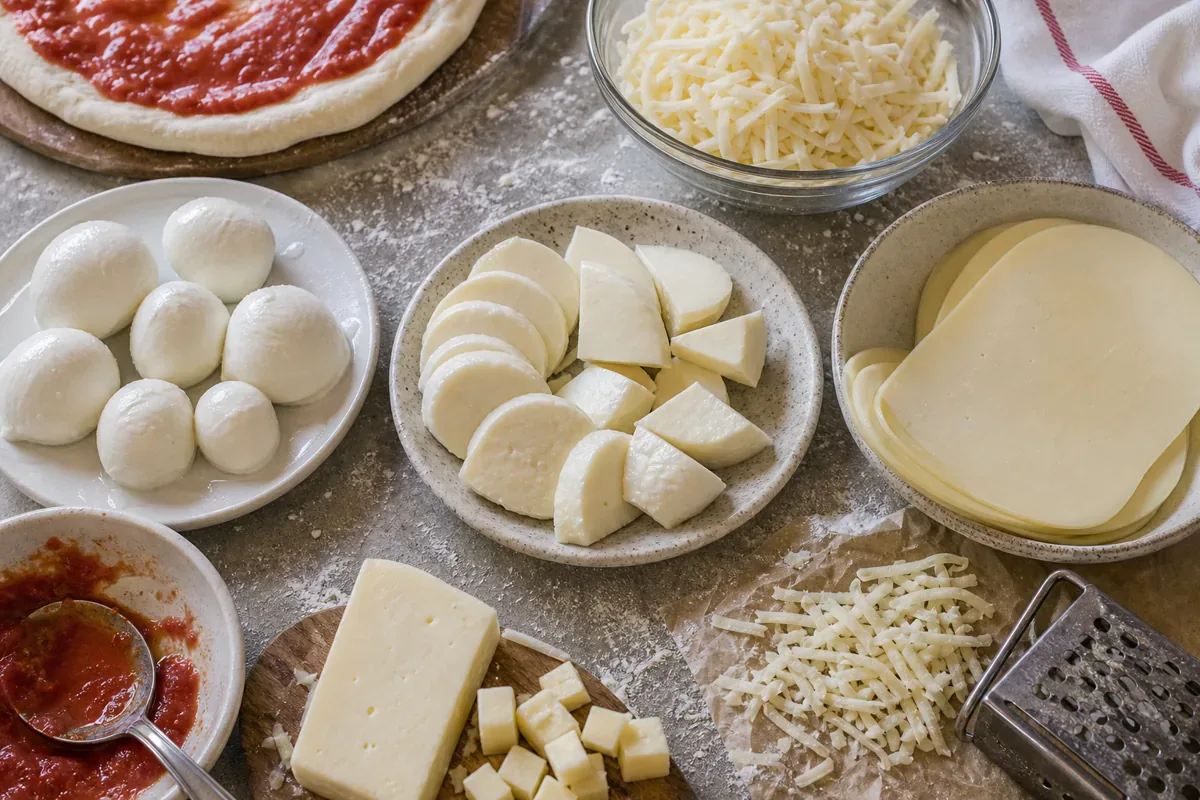
Quesillo, Asadero, and mozzarella all melt, but physical form and moisture change how you use them. The closest substitute depends on whether you need a hand-pulled ribbon, a Mexican melting cheese, or a predictable supermarket block.

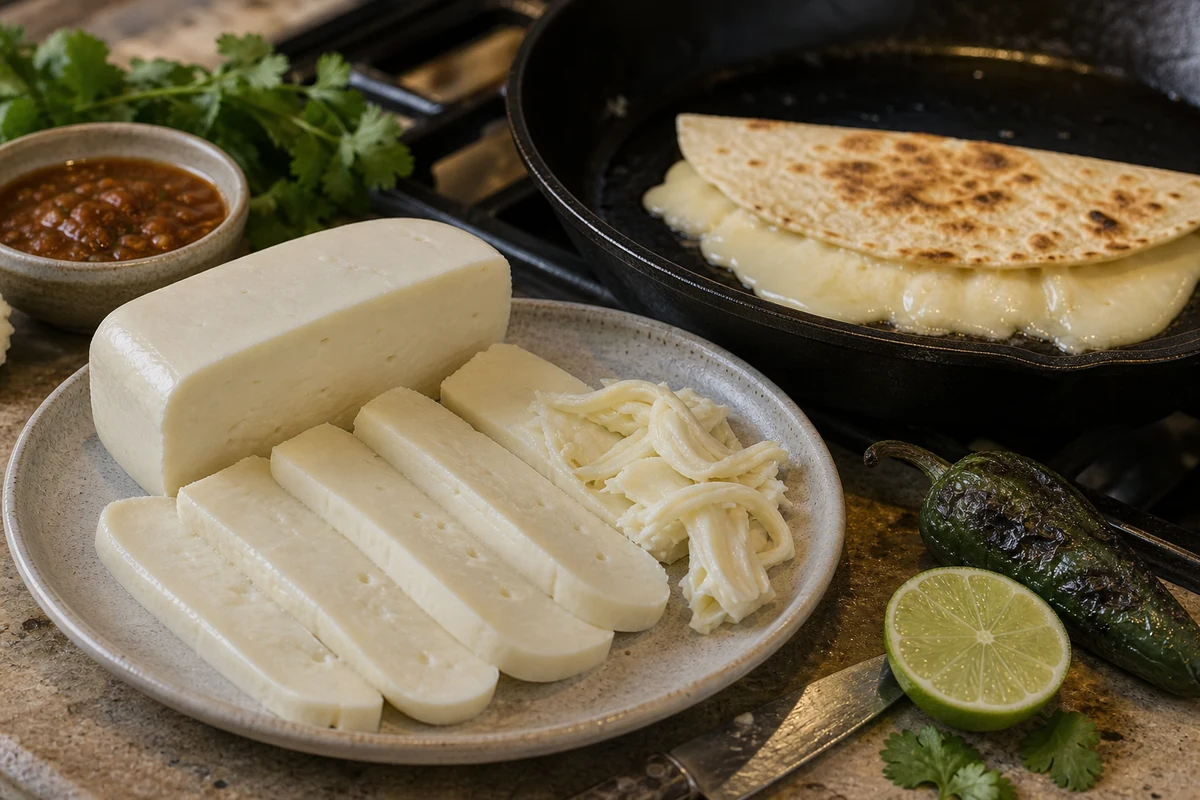
Quesillo, Asadero, and low-moisture Mozzarella compared by form - Quesillo | KnowTheCheese
Quesillo arrives as peelable ribbons, Asadero as a flexible piece, and low-moisture Mozzarella as a uniform block.
Choose by Cooking Need
NeedBest fit
Oaxacan dishes and hand-pulled coverageQuesillo keeps the regional ribbon form and tears into custom portions.
Mexican fundido or northern-style meltAsadero gives a smooth, supple melt without requiring a wound skein.
Pizza browning and predictable shreddingLow-moisture Mozzarella releases less water and browns more reliably.
Moist fresh slices for saladsFresh Mozzarella provides a tender juicy bite rather than peelable fibers.

Asadero is usually the closest Mexican substitute when melt matters more than shape. It suits fundido, fillings, and other dishes where a smooth Mexican melting cheese is the priority.

Low-moisture mozzarella is the easiest replacement for shreds and controlled moisture, while fresh mozzarella brings a milky flavor but does not unwind or portion like Quesillo.

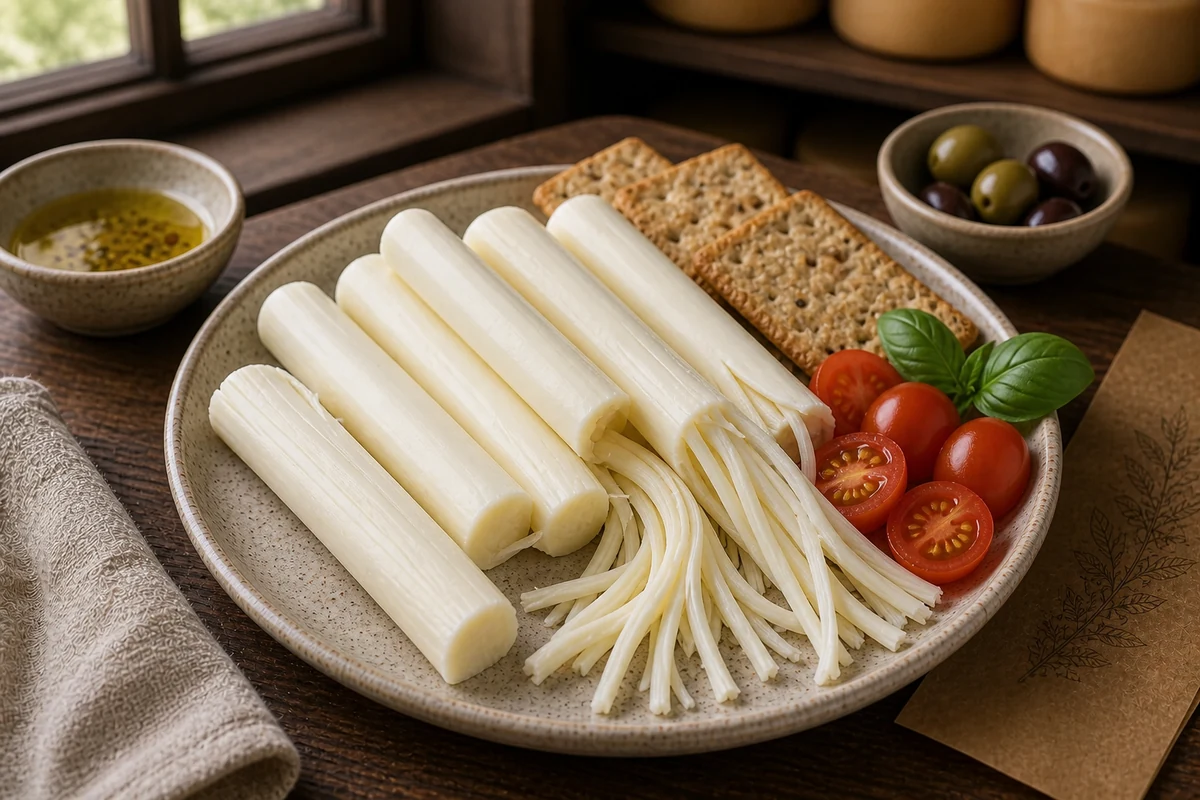
String cheese can fill a small emergency role because it peels and stretches. It is a standardized snack product, so it lacks the broad ribbon and regional cooking character of Quesillo.

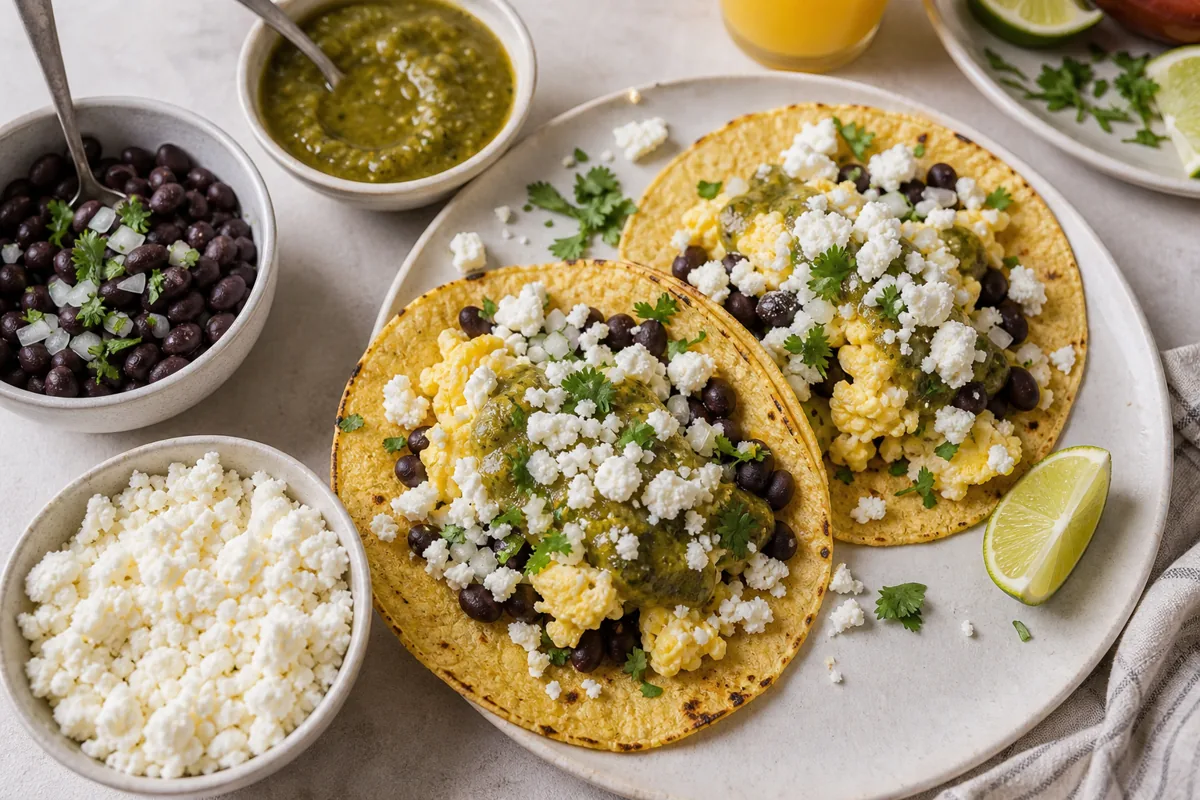
Do not replace Quesillo with queso fresco when the dish needs stretch. Queso fresco crumbles and softens, which makes it useful as a finishing cheese but unable to reproduce the elastic filling.

How to Buy Real Quesillo

Begin with the product name and ingredient list because queso Oaxaca and imitation queso Oaxaca are different categories in Mexico.

Mexican consumer guidance notes that imitation products may replace milk fat with vegetable fat or use protein concentrates and other additives. A lower price may reflect that formulation rather than a bargain on the same cheese.

Look for milk, cultures where used, rennet or enzymes, and salt in a conventional cheese. Ingredients vary by producer, so a longer list is not proof of fraud by itself.

The key question is whether the package honestly says cheese or imitation and identifies added vegetable fat, so compare the ingredient list with the product name before judging the wound shape.

BUYING TIPS

Check the category
Confirm that the package says Queso Oaxaca or Quesillo rather than an imitation dairy product.

Check the ribbon
Choose visible supple layers with a smooth surface and no widespread cracking.

Check the milk treatment
Look for pasteurized or raw milk wording when safety guidance or personal preference makes it relevant.

Check the protected name
Treat Quesillo de Reyes Etla as a specific protected origin, not a synonym printed on every Oaxaca-style cheese.

Freshness appears at the outer coil first. Good ribbons look moist and bend without snapping.

A small dry edge can be trimmed or used in a hot filling. A ball that is dry through several layers has already lost the handling quality you are paying for.

Vacuum packing can press the layers together without making the cheese defective, but a sound ball should still reveal a ribbon rather than crumble or break into chalky pieces after opening.

Liquid in a package is not automatically a warning because producer formats differ. Cloudiness, gas, leakage, or an off odor must be judged against the package instructions and use-by date.

Supple Quesillo ribbons compared with dry cracked outer strands - Quesillo | KnowTheCheese
Supple ribbons bend with a light sheen, while dull tightened strands with fine cracks show moisture loss.

At a cheese counter, ask when the ball was opened and whether it arrived packed in liquid, vacuum sealed, or tightly wrapped. High turnover matters because this is a fresh cheese.

A clear recent cut is more useful than a romantic story with no handling details, so ask to see the label if the seller makes a protected-origin or pasteurization claim.

How to Store Quesillo

Keep Quesillo refrigerated at 40 F or below and follow the package date. Leave an unopened vacuum-sealed product in its original packaging.

After opening, protect the ball from air so the outer ribbon does not become tough. Unwind only what you plan to use, then close the package before cooking.

Wrap the cheese closely in its original film or fresh food-safe wrap inside a sealed container, and keep it away from the refrigerator door where repeated warming speeds quality loss.

If the package includes liquid, follow the producer's instructions rather than replacing it with homemade brine. Extra salt or unclean water can change the texture and introduce contamination.

STORAGE GUIDE

Unopened package
Follow the printed use-by date
40 F / 4 C or colder

Opened ball
Use promptly while ribbons stay supple
Rewrap closely and refrigerate

Prepared filling
Cook or chill within 2 hours
Return leftovers to 40 F / 4 C or colder

Freezing
Reserve for cooked uses
Thaw in the refrigerator

Freezing can make the cheese release water and lose its clean fibrous tear. Frozen Quesillo can still work inside a cooked casserole or filling.

It is less satisfying when the dish depends on neat unwinding or a fresh elastic bite, so freeze small cooking portions rather than thawing and refreezing the whole ball.

Discard cheese with sour rotten odor, slime, unexpected colored mold, a swollen package, or liquid that looks abnormal for that product. Dryness is mainly a quality problem.

Slime, gas, and off odors can point to spoilage, and heating does not make spoiled fresh cheese suitable to eat.

Broader wrapping and refrigerator placement advice is covered in how to store cheese.

Nutrition and Safety

Quesillo supplies milk protein and fat, but exact nutrition varies by producer and moisture level. Use the Mexican composition standard to understand the category, then use the package panel for calories, saturated fat, sodium, and serving size.

The cheese contains milk protein and is unsafe for anyone with a cow's milk allergy. It also contains lactose unless the producer specifically labels it lactose-free.

Fresh cheese generally retains more lactose than a long-aged hard cheese, so people who manage lactose intake should use the exact label and their own tolerance rather than the cheese name alone.

Pasteurization deserves a deliberate check. Many commercial queso Oaxaca products use pasteurized milk.

The protected Quesillo de Reyes Etla definition requires raw whole milk, so protected origin and pasteurized milk are not interchangeable claims. Do not infer milk treatment from price, appearance, or the language used by a retailer.

Pregnant people, adults aged 65 or older, and people with weakened immune systems face greater risk from Listeria, so they should follow current medical and public-health advice for fresh cheese and raw milk.

A clearly pasteurized package that has stayed cold is the more cautious choice. Clean utensils and prompt refrigeration still matter after the package is opened.

CHECK THE LABEL
Choose clearly pasteurized Quesillo, keep it refrigerated, and follow current medical guidance. Protected Quesillo de Reyes Etla is defined as a raw whole-milk cheese.
THE BOTTOM LINE

Buy Quesillo for its peelable ribbon as much as its melt. Confirm the label, choose supple layers, pull only the amount you need, and use moderate heat so the strands soften before the tortilla or filling dries.

SOURCES & REFERENCES


1.
Diario Oficial de la Federacion, 2014 Government Standard
Used for the Mexican Queso Oaxaca denomination and scope.

2.
Procuraduria Federal del Consumidor, 2022 Government Consumer Study
Used for composition specifications, common ingredients, and the distinction between cheese and imitation products.

3.
Diario Oficial de la Federacion, 2025 Government Declaration
Used for protected origin, ingredients, process, and product form.

4.
Government of Oaxaca, 2024 State Government
Used for the Reyes Etla family account, current production context, taste, texture, and regional uses.

5.
Nicaraguan Institute of Tourism, 2015 Government Tourism
Used to distinguish the Nicaraguan tortilla, cream, cheese, and onion dish.

6.
Centers for Disease Control and Prevention, 2025 Public Health
Used for higher-risk groups and fresh dairy safety context.

Quesillo FAQ

These answers cover the name, protected form, substitutions, handling, and storage.

In Mexican cheese shops and many US markets, Quesillo and Oaxaca cheese usually identify the same wound stretched-curd style. Quesillo de Reyes Etla is a narrower protected name with a defined place and raw whole-milk method.

Winding keeps one long cheese ribbon compact while preserving separable layers. You can unwind a small amount, split it into strands, and keep the rest of the ball intact.

Yes. Quesillo softens into long elastic strands under moderate heat.

It gives excellent pull in quesadillas and tlayudas, but high moisture makes it less predictable for dry browning than low-moisture mozzarella.

Asadero is the closest Mexican melting substitute when regional form is less important. Low-moisture mozzarella is the easiest widely available substitute, while fresh mozzarella is wetter and does not peel into the same ribbons.

Find the outer end and unwind it around the ball. Keep the band broad for tlayudas or split it lengthwise into finer strands for quesadillas and small fillings.

Follow the producer's date, keep the opened cheese at 40 F or below, wrap it closely, and judge quality by supple ribbons rather than relying on one universal number of days.

No. Many commercial products use pasteurized milk, but the protected Quesillo de Reyes Etla definition requires raw whole milk. Read the exact package or ask the seller.