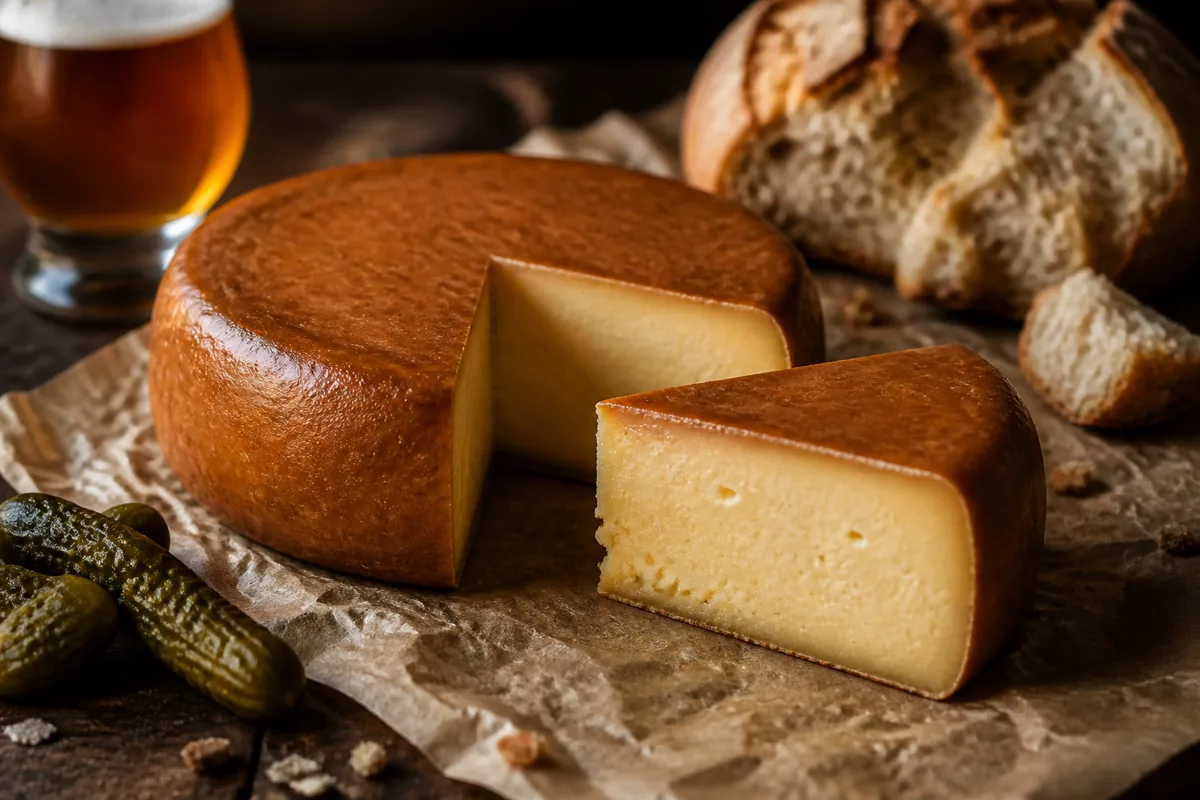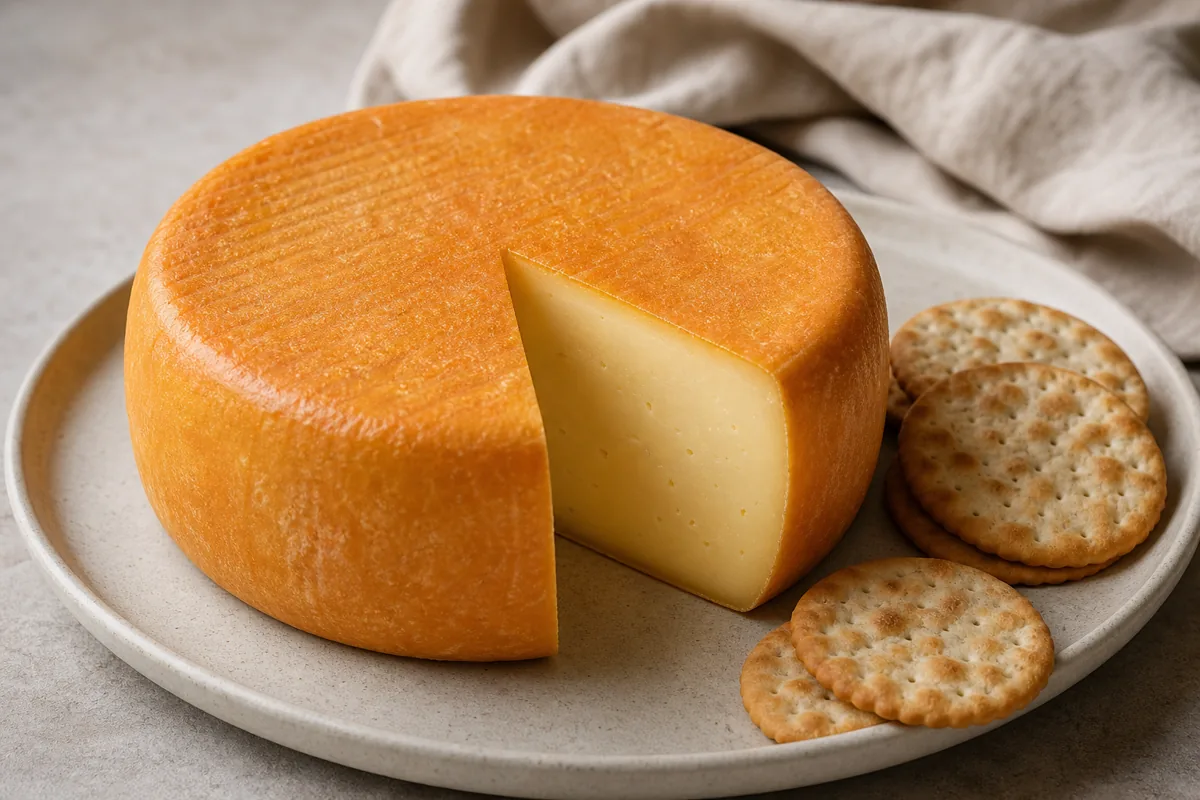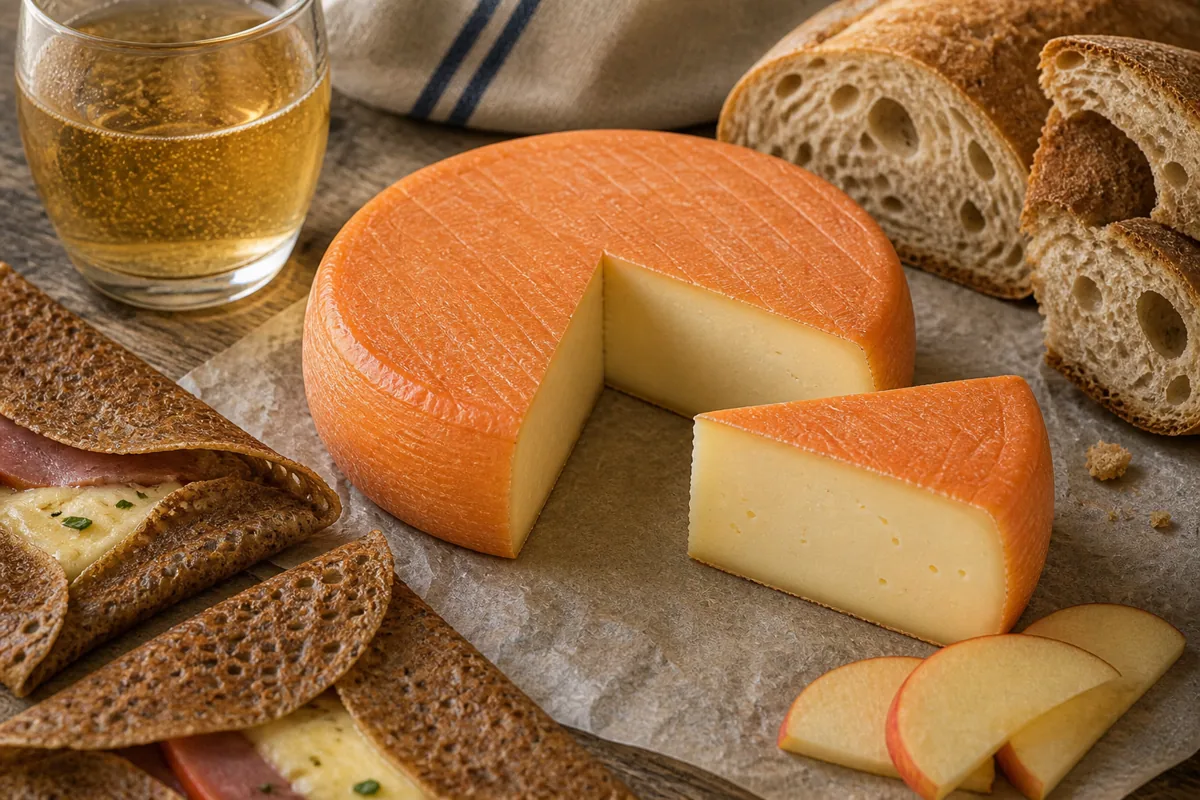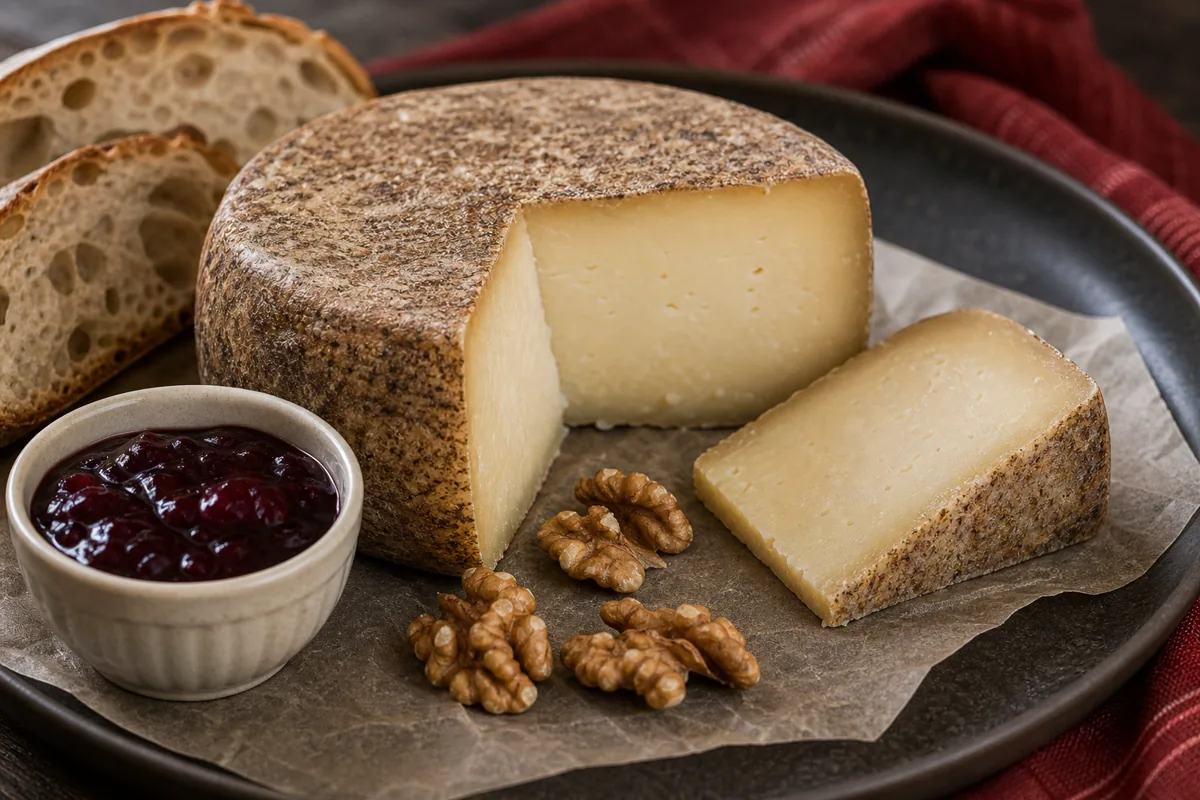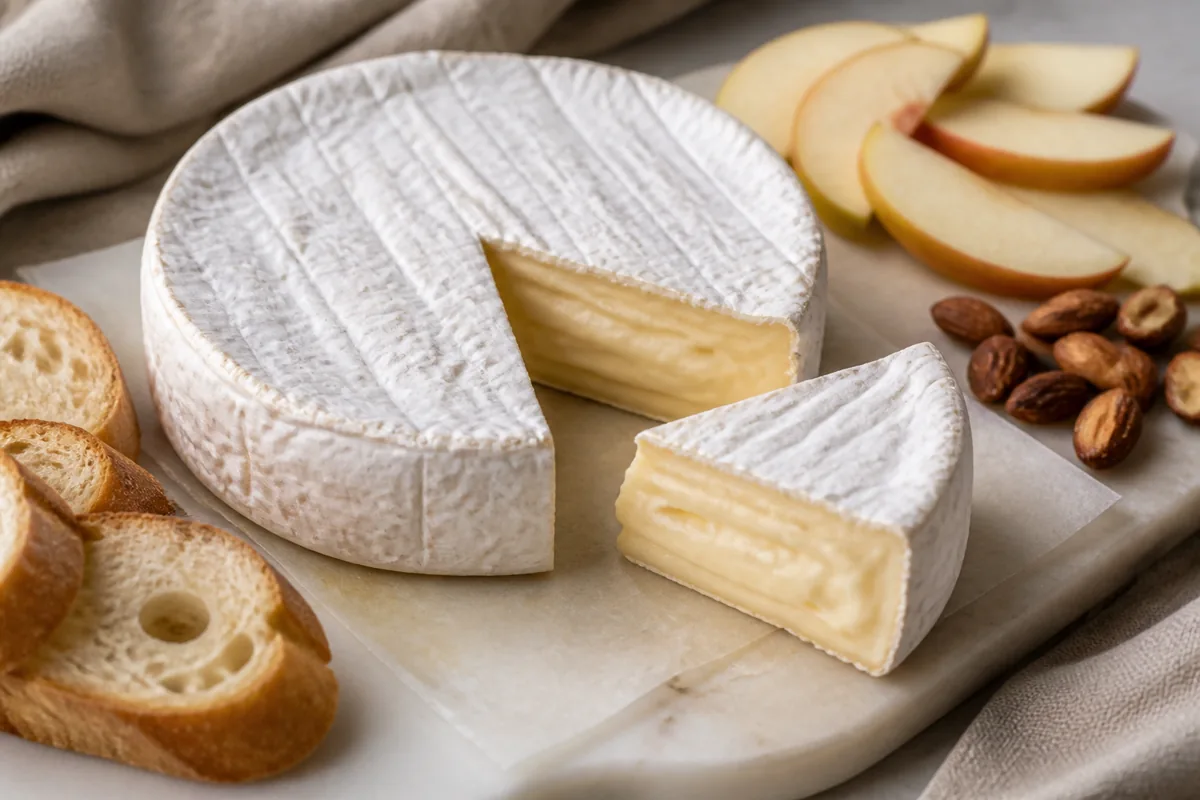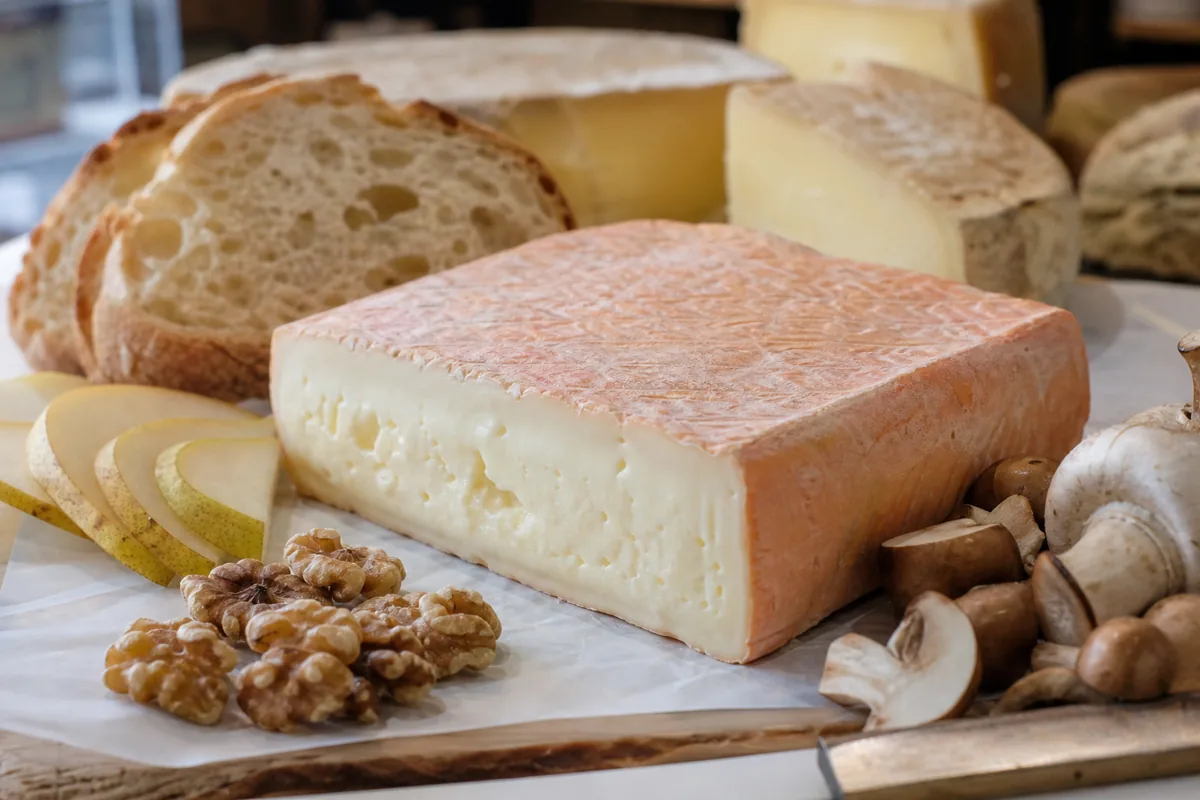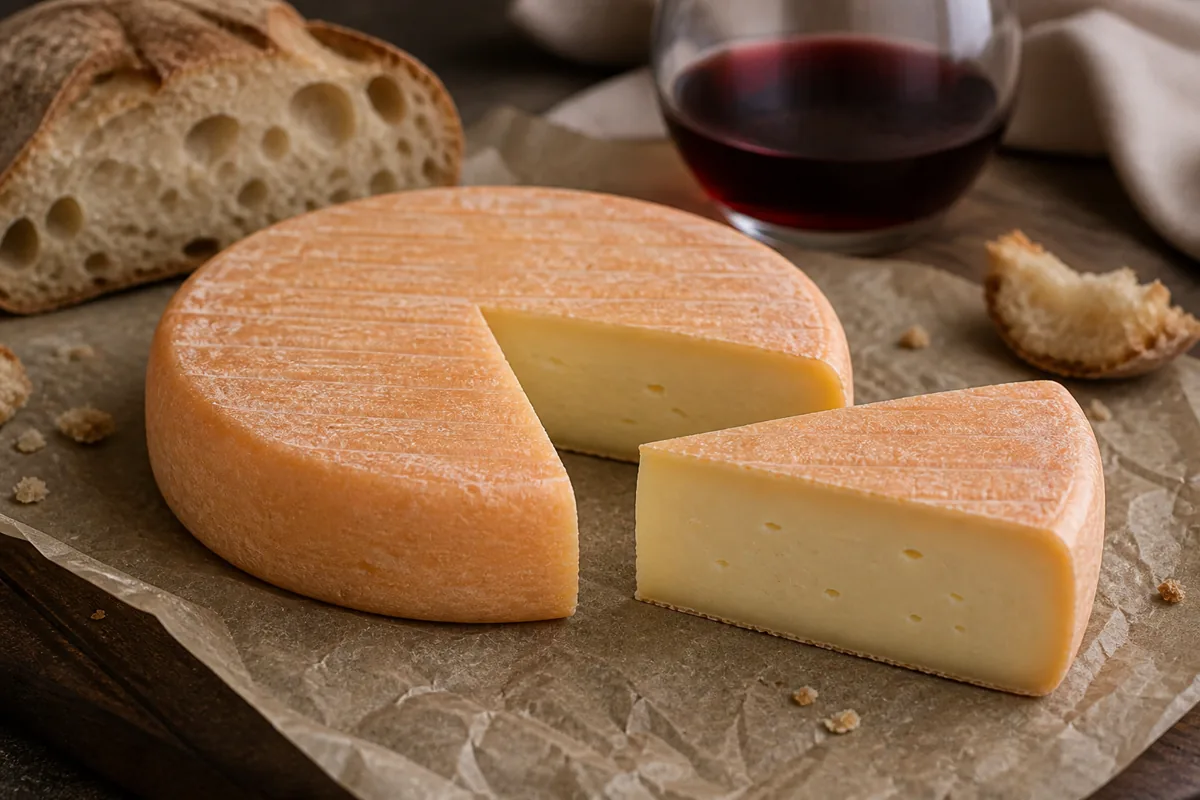
Abbaye de Citeaux is a Burgundy monastery cheese with a washed rind, creamy paste, and aroma that often sounds stronger than the cheese tastes. It gives a cheese board earthy rind aroma without the force of a much more pungent washed-rind wheel.
The useful contrast is place and milk.
Citeaux comes from a Cistercian abbey in Burgundy, not beer-washed Belval from northern France or Basque sheep-milk Belloc.
Buy it when you want a small, supple, washed-rind disc for Burgundy wine, bread, and a calm cheese course. Skip it when you need a hard grating cheese or a loud washed-rind challenge.
The practical questions are why the rind smells bigger than the paste tastes, how the Montbeliarde herd and small production affect availability, and how to serve the cheese without overwhelming its mild center.
In This Article
Why Is Abbaye de Cîteaux Hard to Find?
Abbaye de Cîteaux is scarce because the abbey makes it on a small schedule and sells much of the production locally. Culture reports about 300 cheeses made each Monday and Tuesday, while the abbey shop says it does not ship.
Most wheels therefore leave through the abbey shop or a limited specialist network rather than a broad national distributor. Availability outside France depends on an importer securing a small batch and moving it while the washed rind is still in good condition.
Rarity does not guarantee quality. Ask when an imported wheel arrived and when your wedge was cut, since a tired cut face can lose the creamy texture that makes the cheese worth seeking.
The official shop remains the clearest place to confirm current on-site sales. A retailer elsewhere should be able to identify the importer and storage history rather than relying on the abbey name as proof of freshness.
Small production also changes how you interpret an out-of-stock page. It may reflect the two-day make schedule, local shop demand, importer timing, or a batch between stages rather than a discontinued cheese.
Do not pay a rarity premium for a wedge with no arrival date. The value lies in a clean washed rind and supple paste, not in scarcity by itself.
If you are visiting the abbey, check the shop's current hours and stock before making a cheese-only journey. If you are buying abroad, ask whether the wheel arrived whole and was cut locally, because repeated handling shortens the useful retail window.
How Is Abbaye de Citeaux Made?
The cheese is made at Citeaux Abbey in Burgundy. Produits Laitiers describes it as raw Montbeliarde cow milk, lightly pressed, soft, and washed-rind.
The abbey shop says the monks sell cheese made from milk from their own Montbeliarde herd.
The herd connects the cheese to milk produced at Cîteaux rather than to a monastery name used only for marketing.
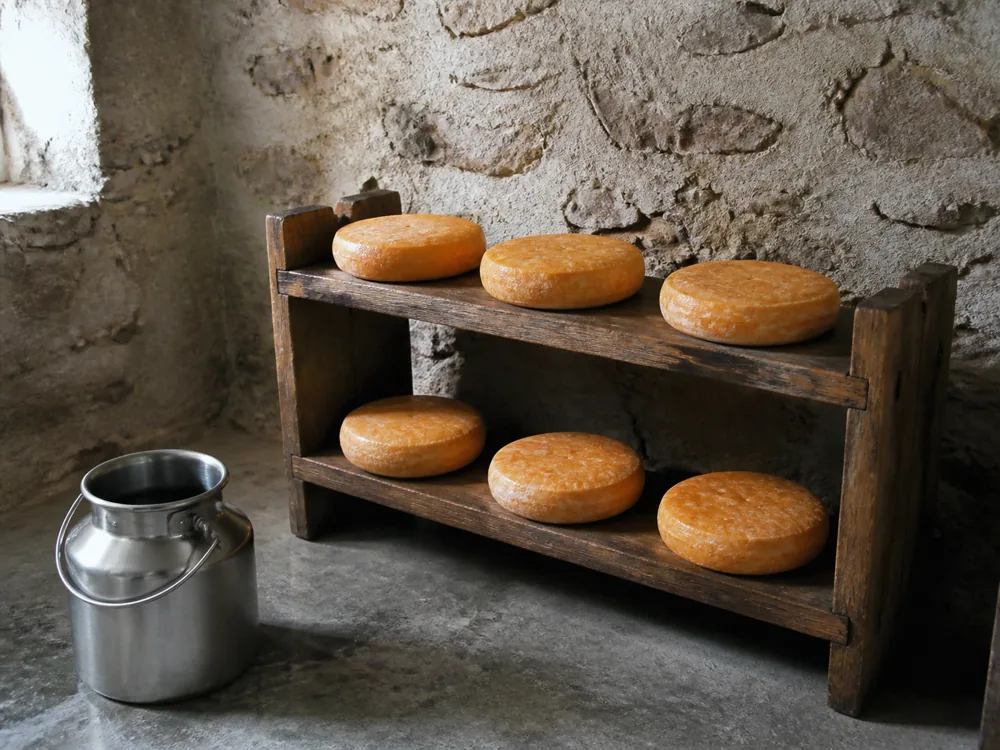
For buyers outside France, imported wedges should be judged by cut date, rind condition, and paste quality rather than rarity alone.
- Origin: Citeaux Abbey in Burgundy, France.
- Milk: Cow milk, with sources pointing to Montbeliarde cows.
- Rind: Washed, pale orange, earthy, and savory.
- Paste: Ivory, dense, smooth, and semi-soft.
- Scale: Small-batch enough that retail freshness matters.
Citeaux comes from Burgundy, so light regional wine and a supple washed-rind substitute make more sense than an Alpine, Basque, or northern beer-washed cheese.
The herd, rind care, and small scale explain more than the abbey name alone. A rare wedge can still be poor if the cut sat too long, while a plain-looking fresh wedge can taste better than its fame suggests.
Production history adds context without needing a long detour. French dairy references place the cheese's production start in 1925, which makes Citeaux a modern monastic cheese rather than a medieval relic.
The flat disc format gives the washed rind more influence over each slice than it would have in a huge aged wheel. Evaluate Citeaux through surface care, fresh milk character, and current condition rather than the crystals or dryness expected from a long-aged Alpine cheese.
A shallow disc has a high rind-to-paste ratio, so surface condition affects nearly every portion. Regular washing and turning must develop an even rind without letting moisture collect against one face.
References place affinage at about two months or more, while some secondary accounts give shorter cellar periods. Treat the exact batch label and seller information as the purchasing authority rather than blending those figures into one false universal age.
Montbeliarde milk does not guarantee one flavor on its own. Herd diet, milk handling, curd moisture, salt, rind care, and the condition at sale all sit between breed and the bite you taste.
Why Does Citeaux Smell Stronger Than It Tastes?
The rind often smells earthier than the paste tastes. Expect a washed-rind aroma first, then milk, cream, gentle acidity, and a smooth finish.
Cheese references list acidic, milky, and smooth flavor with barnyardy and earthy aroma.
Culture adds small holes in the ivory paste, which gives buyers a concrete visual cue.
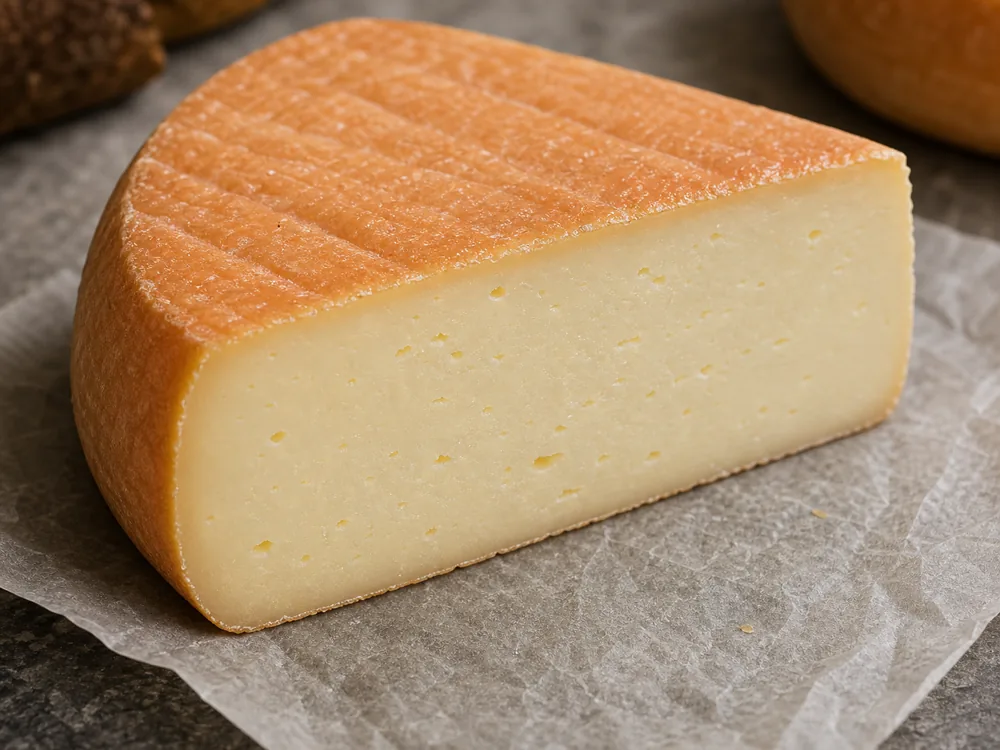
The texture should be semi-soft and pliable, not crumbly.
A good wedge bends and softens while the center remains dense enough to slice.
- Rind aroma: Earth, cave, barnyard, and washed-rind savor.
- Paste flavor: Milk, cream, gentle acidity, and light fruit.
- Texture: Dense, smooth, and pliable rather than runny.
- Best cue: Aroma leads first, but the paste should finish clean.
Compared with creamier Italian Taleggio, Citeaux usually feels cleaner and more restrained. Compared with softer Reblochon, it reads more monastic and cellar-led.
That restrained flavor is why Citeaux does not need a long list of condiments. The best service lets the creamy paste and earthy rind stay in proportion.
If the paste tastes chalky at the center, the cheese may be too young or poorly conditioned. If it is wet and collapsing near the rind, it may be too ripe for a clean board.
Serve Citeaux cool-room rather than warm. A short rest opens the aroma, while too much warmth can make the rind outrun the creamy center.
When the wheel is in good condition, the finish should be savory and clean. It should not leave a chemical edge after the rind aroma fades.
How Does Citeaux Change as It Ripens?
A younger Citeaux keeps a firmer center, lighter rind aroma, and more direct milk acidity. As it ripens, the paste relaxes from the outside inward and the surface gains earth, cellar, and savory depth.
That progression is visible on a cut wedge. An even ivory paste with gentle softening near the rind suggests useful maturity, while a chalky core beside a fully developed surface suggests the wheel still needs time.
An overripe piece moves in the other direction. The edge can become wet or collapsing, ammonia can replace clean earthiness, and the rind may dominate before the paste contributes milk or hazelnut.
Choose the stage for the job. A firmer piece is easier to portion on a mixed board, while a balanced ripe piece makes the stronger cheese-course impression.
Can You Eat the Rind on Abbaye de Cîteaux?
The washed rind is meant to be tasted when the cheese is in sound condition. Cut a narrow piece that includes both orange surface and ivory paste, then decide whether the rind improves the balance or dominates your particular wedge.
A clean rind adds earth, cellar savor, and a little salt to the creamy center. Trimming it away gives a milder bite, but it also removes the part that makes Cîteaux different from an ordinary semi-soft cow-milk cheese.
Condition matters more than a blanket yes or no.
Do not eat a rind that is slimy from poor storage, sharply ammoniated, sour, or visibly contaminated beyond the normal washed surface.
Taste one small rind-and-paste piece first. Keep the rind when it adds clean earthy savor, or trim part of it when the surface overwhelms the milk flavor.
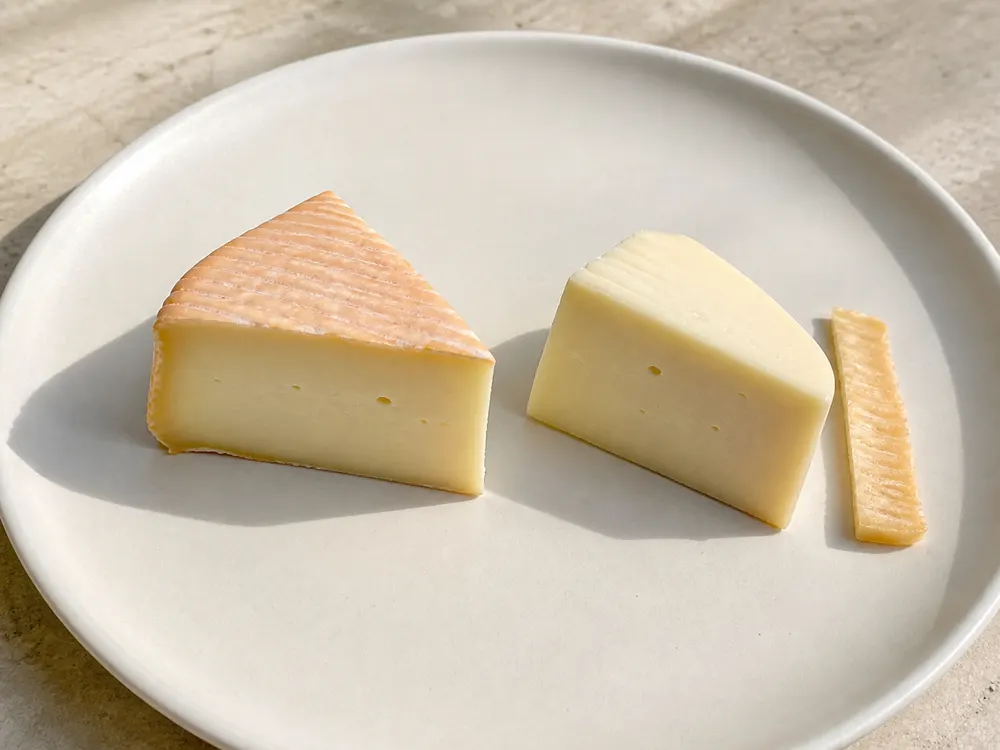
Guests may prefer different ratios, so offer some center-only pieces beside complete wedges.
That choice preserves the intended comparison without forcing the strongest surface flavor into every bite.
What Should You Pair with Abbaye de Citeaux?
Citeaux pairings should keep tannin low and freshness high. Light Burgundy, Volnay-style Pinot Noir, Beaujolais, bread, walnuts, and mild ham all make sense.
| Pairing | Type | Why It Works |
|---|---|---|
| Light Burgundy | Wine | Pinot Noir fruit keeps the rind from feeling heavy. |
| Volnay | Wine | A graceful Burgundy direction for creamy washed rind. |
| Beaujolais | Wine | Fresh red fruit works when the cheese is moderate. |
| Walnuts | Food | Nutty crunch supports the creamy paste without sugar. |
Match the cheese's body first, then use acidity or fruit to refresh the paste.
Light Burgundy should brighten the cheese rather than disappear behind the rind.
Avoid heavy oak, high alcohol, and very sweet chutney. Those partners can make washed-rind cheeses taste bitter, metallic, or strangely sweet.
For a larger plate, charcuterie board balance keeps cured meat in proportion. Mild ham works better than smoked or chili-heavy meats.
Fresh apple or pear can work when the wheel is ripe. Heavy jam usually pushes the rind into a sweet-earthy direction that feels less clean.
If you serve Citeaux with other cheeses, place it after bloomy rinds and before blue cheese. Salt and mold intensity can flatten its mild center quickly.
Bread matters more than crackers here.
Country bread gives the rind a plain base, while sweet crackers can make the earthy aroma taste clumsy.
- Best first bite: a small rind-and-paste piece on plain bread.
- Wine: light Burgundy or Beaujolais with moderate tannin.
- Board order: after bloomy rinds and before blue cheese.
- Best portion: modest wedges, because the rind carries the aroma.
How Should You Buy and Store Abbaye de Citeaux?
Buy Citeaux from a shop that can explain arrival date and cut date. The rind should smell earthy and savory, not sour, sharply ammoniated, or wet.
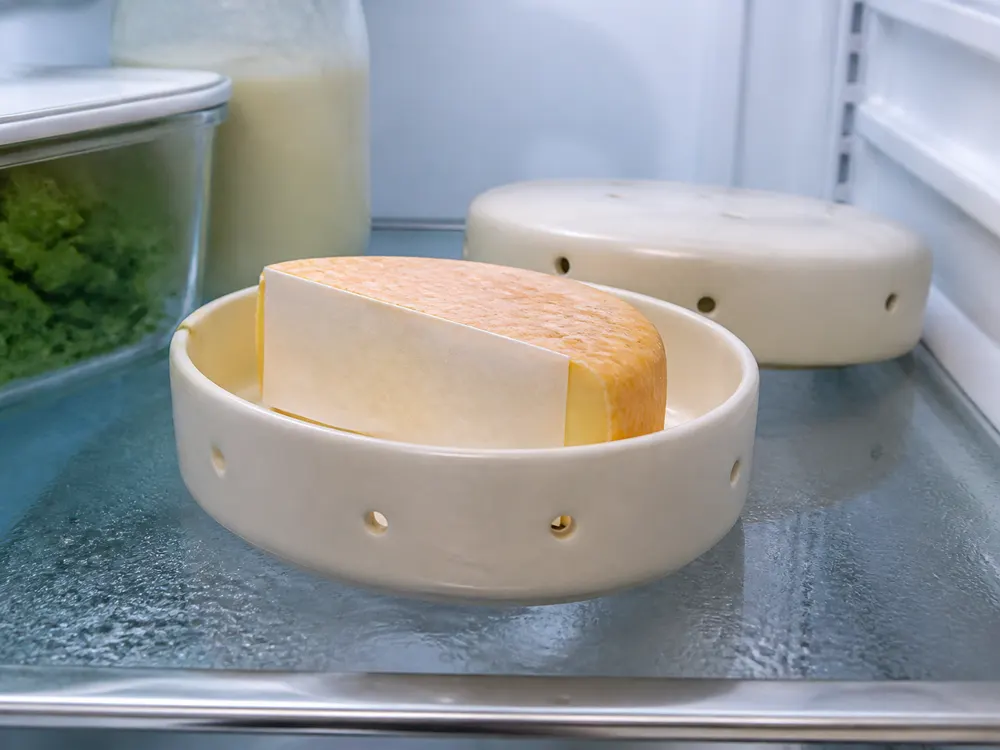
At home, use washed-rind wrapping that protects the cut face without sealing the rind in wet plastic. Bring out only what you plan to serve.
French dairy records describe Cîteaux as a raw-milk soft washed-rind cheese. Do not treat its two-month maturation as automatic safety clearance; use the exact label and the current pregnancy cheese guidance for your jurisdiction and serving method.
Rennet matters for some readers too.
Culture lists animal rennet, so vegetarian buyers should confirm before purchase instead of relying on the monastery name.
For portioning, cut smaller wedges than you would for a mild cheddar. Citeaux has enough rind aroma that a modest piece shows its full flavor.
That portion advice also protects the wine pairing. A small rind-and-paste bite lets light Burgundy stay fresh, while a large warm wedge can make the rind taste heavier than the wine can handle.
Keep the cheese in its own container because washed-rind aroma moves easily to butter and other dairy foods. Replace damp paper rather than layering fresh paper over trapped moisture.
Check the wedge each time you unwrap it. A gradual increase in earthiness is expected, but a sudden sour smell, free liquid, or tacky breakdown means the storage condition has changed.
What Can You Substitute for Abbaye de Citeaux?
The best substitute depends on the job. Use Reblochon for a softer French table cheese, milder monastery-style Port-Salut for an easier slice, or Taleggio for more washed-rind aroma.
If the abbey identity matters more than Burgundy, a gentler monastery cheese from Timadeuc is the better direction. It shares a monastery origin but shifts toward pasteurized cow milk, orange rind, and mild table service.
For guests who prefer bloomy rinds, creamy Brie is easier but less earthy.
It will not copy Citeaux's washed-rind savor or Burgundy identity.
If you cannot find Citeaux, do not chase an abbey name alone. Match the semi-soft paste, washed rind, and moderate aroma before matching the label story.
That is why Belval, Timadeuc, Reblochon, or Taleggio can each be right in different situations. The substitute should solve the plate, not copy the monastery name.
How Is Cîteaux Different From Other Abbey Cheeses?
An abbey name does not identify one cheese style. Cîteaux is a small Burgundy cow-milk disc with a washed rind, while Belloc is a dense Basque sheep-milk tomme and Belval uses a firmer northern French cow-milk paste with beer-led rind care.
| Cheese | Milk and place | What distinguishes it |
|---|---|---|
| Abbaye de Cîteaux | Montbéliarde cow milk, Burgundy | Shallow washed-rind disc with aroma stronger than its creamy paste |
| Abbaye de Belval | Cow milk, Pas-de-Calais | Beer-washed brown rind and firmer elastic center |
| Abbaye de Belloc | Sheep milk, French Basque Country | Natural-rind pressed tomme with nutty flavor |
Use that boundary when a retailer lists only “abbey cheese.” Milk, region, rind treatment, and paste texture identify the eating experience more reliably than the religious origin in the name.
The same rule improves substitution. Reblochon or Taleggio can approximate a supple washed-rind role, while Belloc cannot replace Cîteaux just because both names refer to an abbey.
Serve modest wedges so each portion includes both the creamy center and enough rind to show what distinguishes Cîteaux.