Cheese Profile

What Is Ailsa Craig Cheese, and Why Is It Only Sold in Summer?

Ailsa Craig is a rindless Scottish goat cheese from Dunlop Dairy, sold as a 180g parcel from May to September. Why the season is short and what to buy.

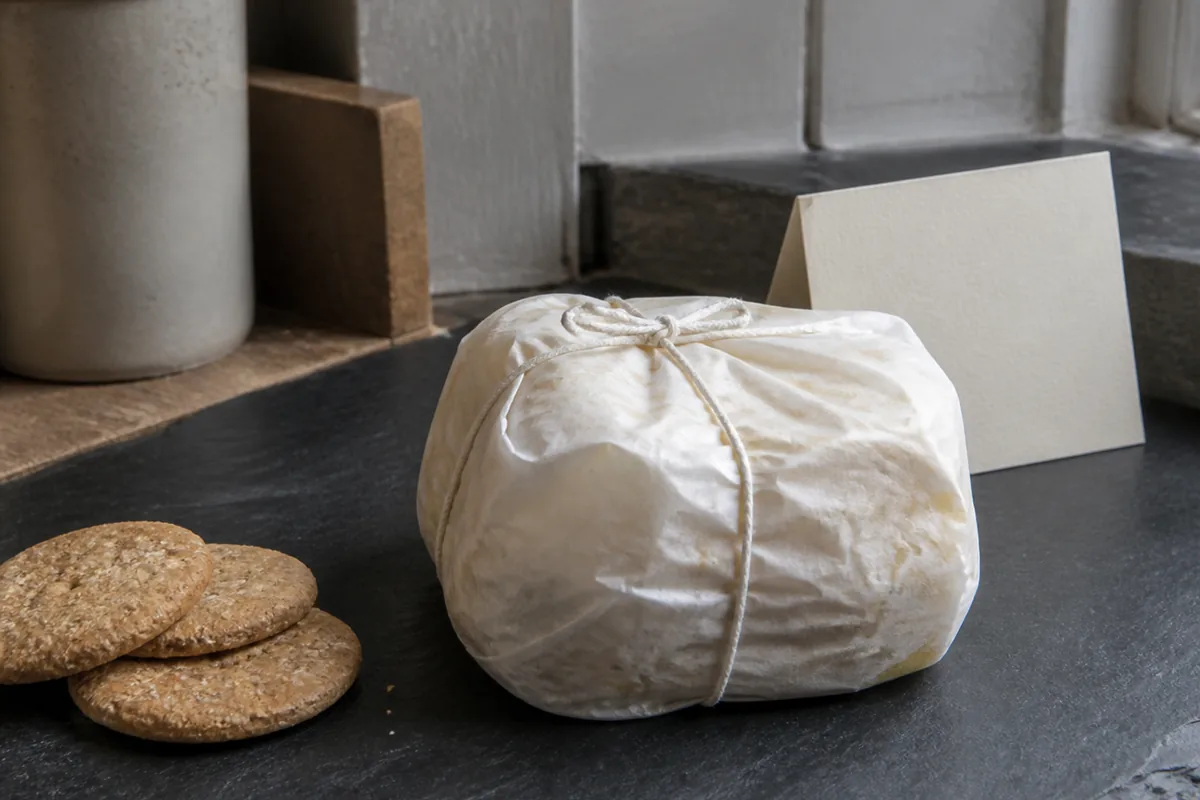
Rock-shaped cheese wrapped in waxed paper and tied with string on a slate counter - Ailsa Craig | KnowTheCheese
AILSA CRAIG QUICK FACTS
OriginClerkland Farm, Stewarton, East Ayrshire, Scotland
MilkPasteurised goat milk
TextureSemi-soft, creamy, melts on the tongue
RindNone, wrapped in paper instead
AgingSold young
FlavorMild and creamy with a light goat note
AvailabilityMay to September only
PriceAround 8.50 to 11.50 pounds for 180g

Ailsa Craig is a rindless Scottish goat cheese made by Dunlop Dairy at Clerkland Farm near Stewarton, in East Ayrshire. It is sold as a 180g parcel, shaped like the rock it is named after and wrapped in paper rather than left to grow a rind.

The thing most people hit first is that they cannot buy it. It appears around May and is gone by the end of September.

That window is not scarcity marketing. It is what a single farm's goats can actually supply.

What Is Ailsa Craig Cheese?

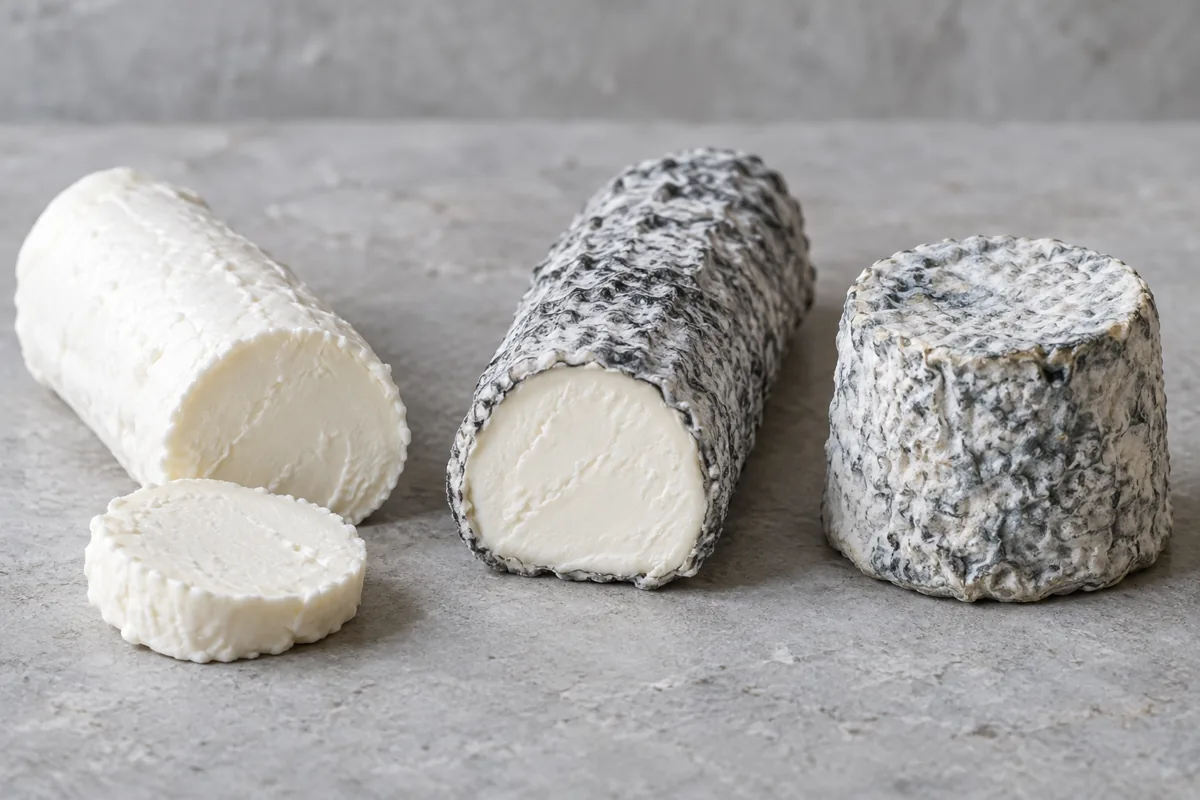
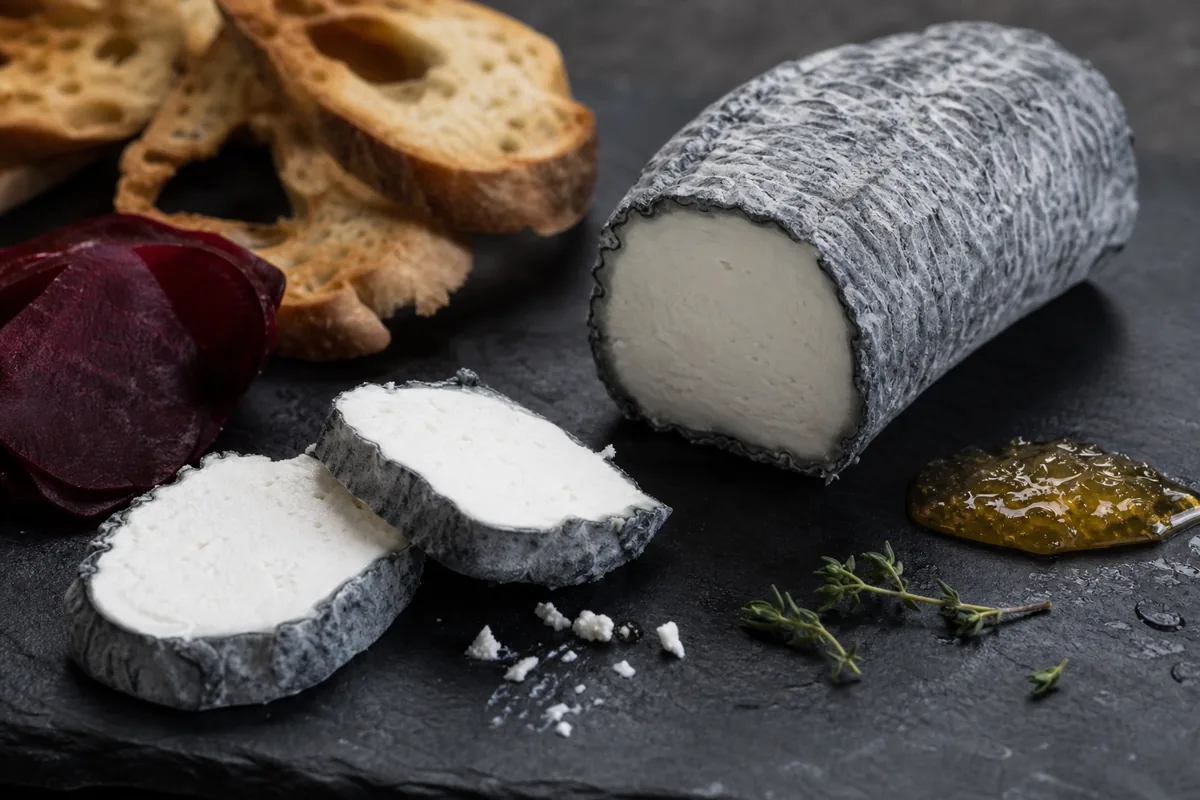
Ailsa Craig is a semi-soft cheese made from pasteurised goat milk with vegetarian rennet, sold young and eaten fresh. There is no bloomy white coat, no washed orange rind, and no ash line.

The name comes from the granite islet standing out in the Firth of Clyde, off the Ayrshire coast. The cheese is moulded into a rough rock shape to match it, then wrapped and tied like a small parcel.

That shape is the fastest way to recognise it on a counter. Nothing else in a Scottish chiller looks like a wrapped stone.

Dunlop Dairy is a single farm operation, not a brand with contract milk. The goat milk in this cheese comes from the same holding that makes it.

Retailers sell the 180g parcel at roughly £8.50 to £11.50. That is a lot per kilo, and it is also the whole cheese rather than a cut piece.

Why Can You Only Buy It Between May and September?

Most cheese is available all year because most dairies arrange for it to be, and this one has decided not to. Goats do not milk through the winter, and the dairy does not pretend otherwise.

Dairy goats are bred in autumn and kid in spring. Penn State Extension puts gestation at 145 to 155 days and the lactation that follows at an average of 284 days, with output peaking four to six weeks after the kids arrive.

On a farm with one herd, that produces a wall of milk in late spring and a slow decline into the cold months. The counter window sits on the strong part of that curve.

149
Gestation days average
Range of 145 to 155 days, so autumn breeding puts kidding in spring.
4 to 6
Peak milk weeks after kidding
The richest supply arrives well before summer ends.
284
Lactation days average
Long enough to reach autumn, not long enough to cover a Scottish winter.
5
On sale months
May to September, and some sellers close the window in August.

Large dairies get round this by staggering breeding so different does freshen at different times. Penn State recommends exactly that when a business needs year-round milk.

A small farm making a named seasonal cheese has no reason to. The result is a cheese that tastes of one part of one year rather than an averaged supply.

If you want it, buy it in season and eat it in season. There is no cold store version waiting for you in February.

What Does It Taste Like Without a Rind to Ripen It?

A rindless cheese has no surface doing anything to it, so what you taste is the curd and the salt and nothing else. It comes out mild, creamy and even the whole way through, with a light goat note that arrives late rather than leading.

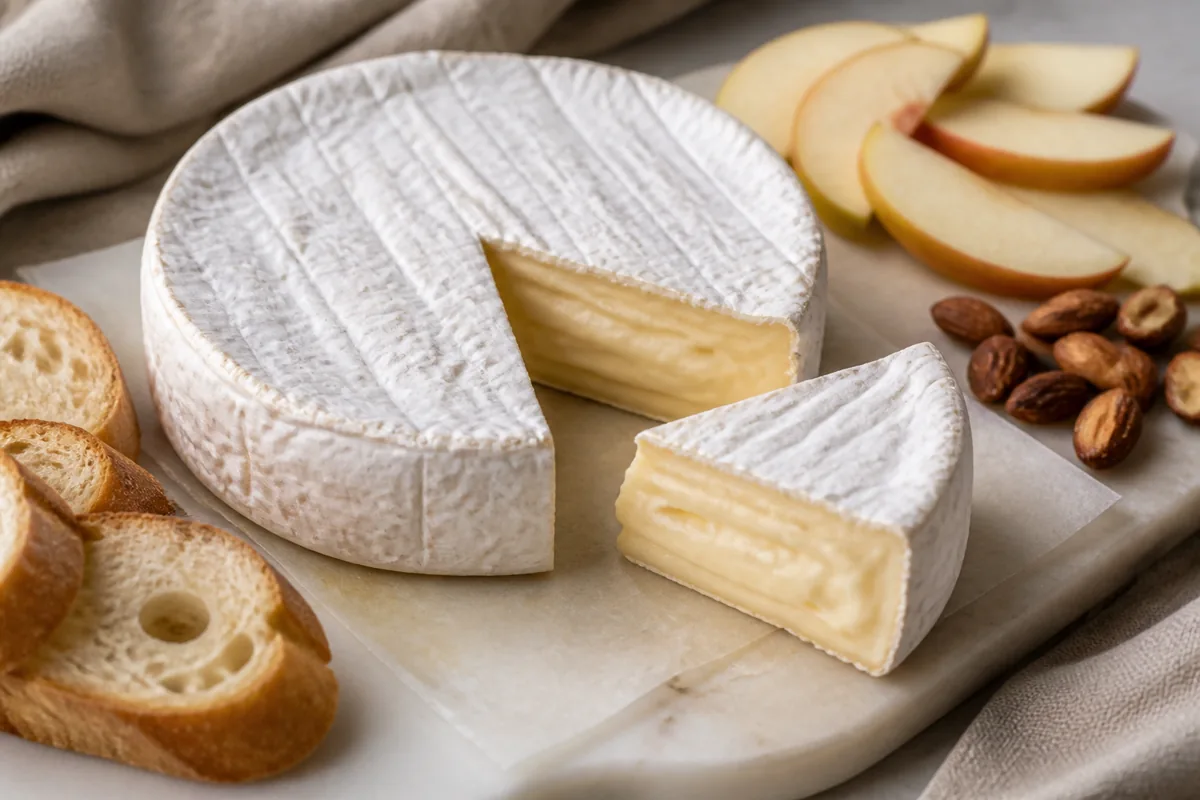
A rind is what makes most soft cheeses change. Mould or bacteria work inward from the surface, so a Brie or a washed-rind cheese has a ripened band under the skin and a firmer centre.

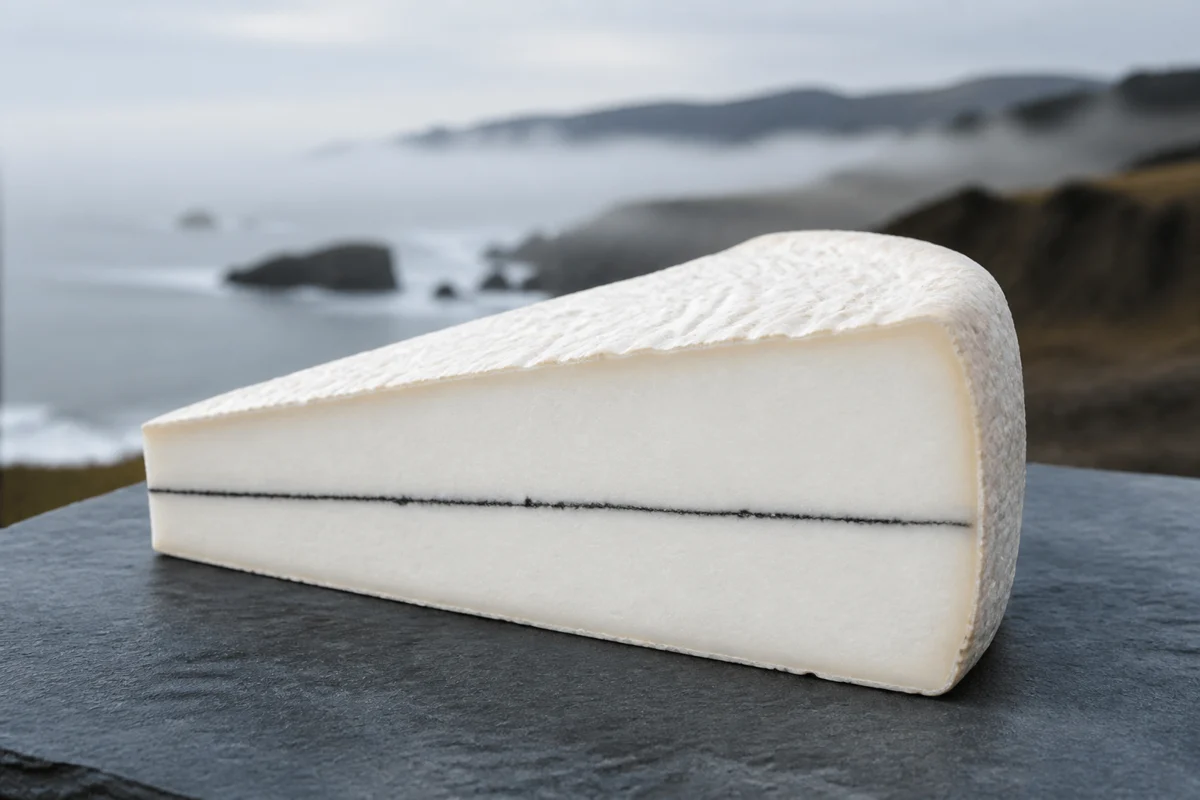
Cut face showing bright white paste running to the surface with no rind line - Ailsa Craig | KnowTheCheese
There is no darker band under the surface because nothing is ripening inward. The paste is the same from the middle to the edge.

Ailsa Craig has none of that. Cut it and the paste is the same bright white at the edge as it is in the middle.

The practical consequence is that it does not get stronger while you own it. A wrapped cheese with no rind organisms is close to what it was the day it was made, so there is no ripeness to judge and no window to hit.

It also means the goat character stays quiet. Much of what people call goaty in an aged cheese develops during ripening, and this one is sold before that starts.

If you have avoided goat cheese because of a sharp barnyard finish, this is the wrong cheese to test that on. It will not tell you whether you have changed your mind.

What Is the Difference Between Ailsa Craig and Paddy's Milestone?

These two cheeses are the closest thing to a laboratory comparison a cheese counter can give you, because the dairy holds everything else steady. What changes is the milk, and only the milk.

Dunlop Dairy makes both in the same rock shape and names both after the same islet. Paddy's Milestone is the local nickname for Ailsa Craig the rock, so the two cheeses are two names for one landmark.

Same rock, two milks
Ailsa CraigPaddy's Milestone
MilkPasteurised goatPasteurised cow, from the farm's Ayrshire herd
Paste colourBright chalk whitePale straw yellow
FlavourCreamy with a light goat note at the finishSofter and rounder, closer to plain fresh dairy
Shape and wrapRock-shaped parcel, no rindRock-shaped parcel, no rind
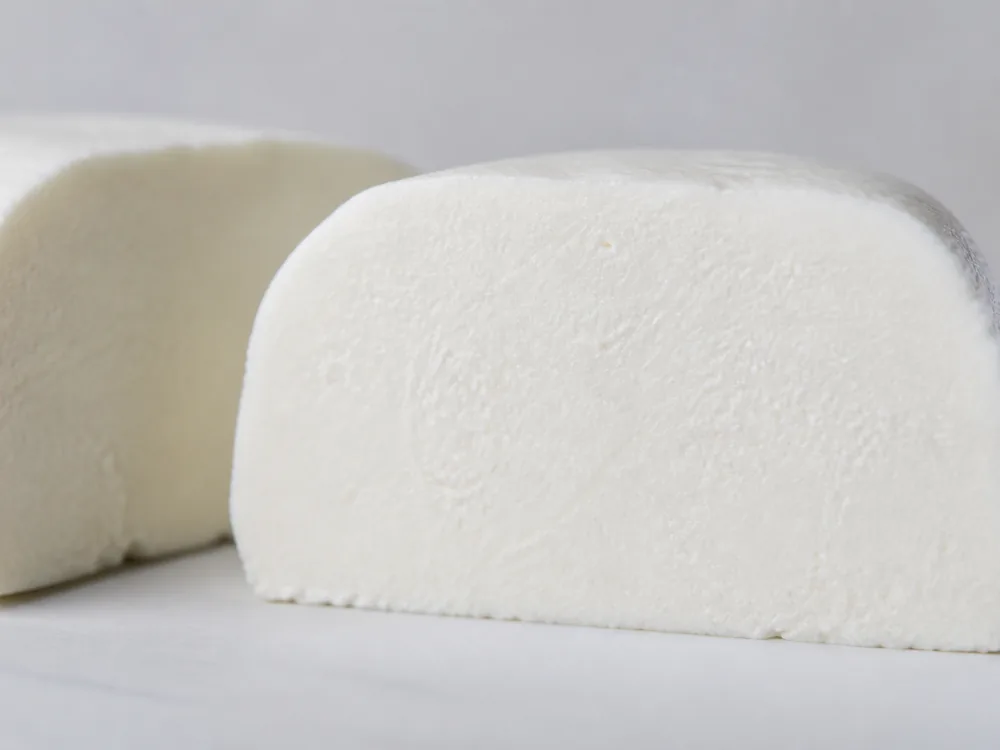
Two identically shaped cheeses cut open, one white and one pale yellow - Ailsa Craig | KnowTheCheese
Identical shape, different milk. The chalk-white paste is the goat cheese and the straw-yellow one is its cow-milk twin.

Because the shape gives you no clue, the label is the only thing that separates them. Ask which milk you are buying if the wrapping does not say.

Buying the pair is the cleaner way to taste what goat milk actually contributes. Same maker, same shape, same age, one variable.

Controlled comparisons like this are rare on a cheese counter, because two cheeses that differ only in milk almost never come from the same dairy.

What you are tasting for is the sharper, cleaner finish goat milk gives, and the slightly drier break it leaves in the paste.

A 180g Parcel Changes How You Serve It

A 180g cheese is one sitting for two people, not a board component you keep going back to.

That size settles most of the serving questions on its own. Open it when you intend to finish it, because a rindless cheese has no protective skin once the paper comes off.

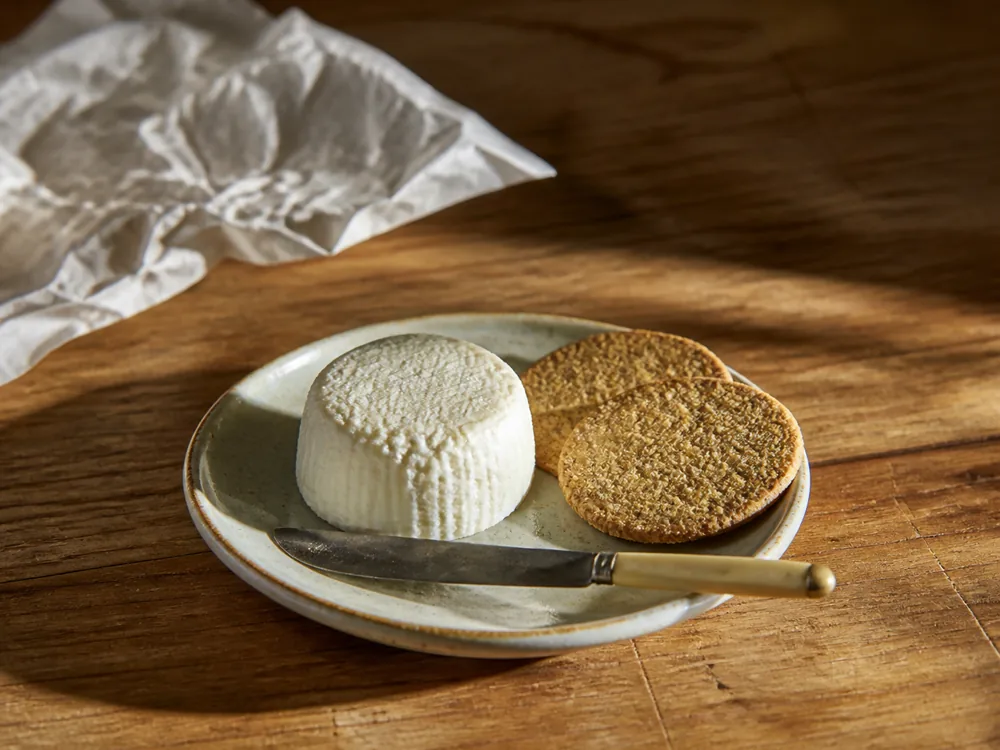
The small unwrapped cheese on a side plate with oatcakes for scale - Ailsa Craig | KnowTheCheese
At 180g the whole cheese fits a side plate. It is a portion, not a centrepiece.
  • Bring it out early: twenty minutes on the counter, because cold flattens a mild cheese faster than a strong one
  • Cut it, do not spread it: the paste is semi-soft, so slices hold and keep the texture worth paying for
  • Rewrap in the same paper: it is doing the job a rind would otherwise do
  • Finish within a few days: no rind means nothing is protecting the surface once it is open
  • Keep the plate plain: oatcakes and a crisp white leave room for a cheese this quiet

Do not build a five-cheese board around it. Put a strong blue or a washed rind next to it and you will lose it completely.

A 180 gram parcel is roughly two servings, which makes it a cheese for a small table rather than a centrepiece.

Serve it as the whole cheese course with bread and nothing else, or first on a board of two, and it holds its own.

BUYING TIPS
Buy in season
The make runs roughly May to September. Out of season what is on a shelf has been held.
Check for a rind
There should not be one. Any surface growth means the parcel has been open too long.
Look for evenness
The paste should be the same all the way through, since nothing ripens it from outside.
Ask about the pair
The dairy makes a cow version to the same recipe, and buying both is the useful tasting.

Is Ailsa Craig Vegetarian?

Yes. Dunlop Dairy uses vegetarian rennet across its cheeses, and UK retailers list Ailsa Craig with a vegetarian marker.

That matters more for goat cheese than people expect, because plenty of continental goat cheeses still set their milk with animal rennet. A Scottish farm cheese and a French one can look identical on a plate and differ on exactly that point.

The milk is pasteurised too. Between the pasteurisation and the vegetarian rennet, this is one of the easier artisan cheeses to hand to a mixed table without a conversation.

What Else Comes Off the Same Farm?

Ailsa Craig is one line from a dairy that milks both cows and goats, which is useful when the season has closed.

Cheese Milk What it is
Traditional Ayrshire Dunlop Cow The native regional hard cheese, close to cheddar but moister, in mild, mature and smoked
Bonnet Goat Hard, matured several months, the aged answer to Ailsa Craig's freshness
Glazert Goat Bloomy white mould ripened, so it does the ripening Ailsa Craig deliberately skips
Aiket Cow Camembert style with a white rind
Clerkland Crowdie Cow Fresh crumbly cheese made with the farm's Ayrshire milk
Paddy's Milestone Cow The same rock-shaped parcel in cow milk
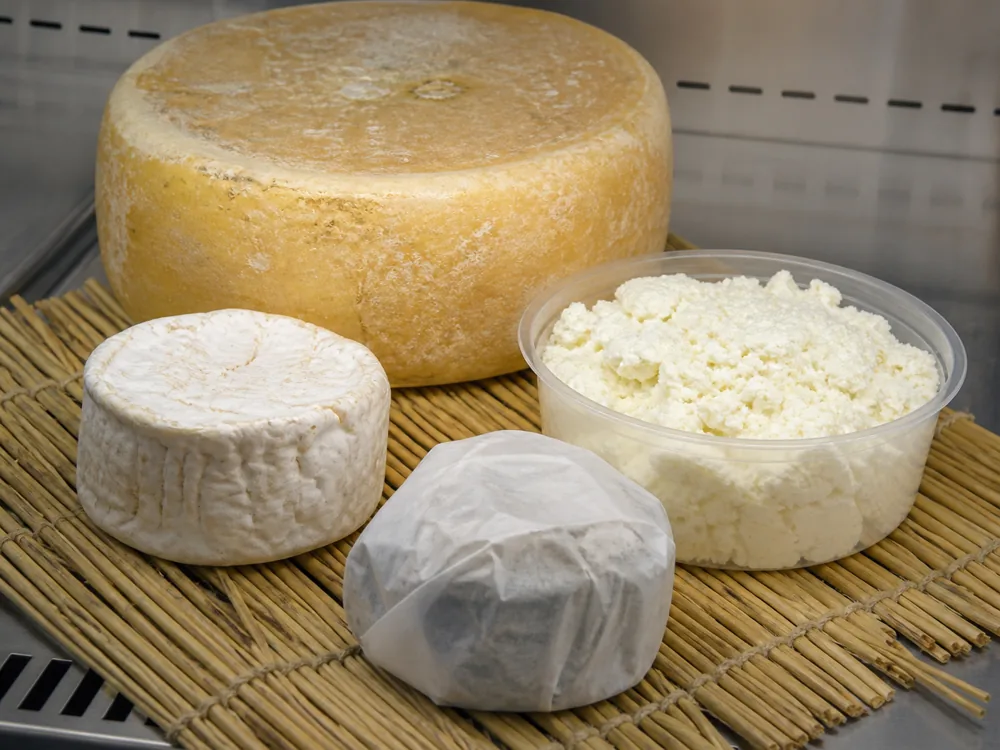
Farm shop chiller shelf with a hard truckle, a bloomy round, fresh cheese and a wrapped parcel - Ailsa Craig | KnowTheCheese
The same dairy covers hard, bloomy, fresh and rindless styles. Out of season, the shelf still has something from the same milk.

The dairy took a gold award at the Border Union Artisan Cheese Competition in 2026 for its Traditional Ayrshire Dunlop and its Clerkland Crowdie, and was named Slow Food Scotland Producer of the Year in 2025.

If you are travelling, the farm has a shop and tasting room near Stewarton. That is the only place the whole range sits in one chiller.

A single farm making several cheeses to related recipes is worth using as a tasting rather than treating as a catalogue.

Buying two from the same maker teaches you more about the milk than buying one each from two makers ever will.

What Can You Buy Instead Out of Season?

Substituting for a cheese this specific means giving up something, so the question is which thing you can afford to lose. Match the job rather than the name, because nothing else is a rindless rock-shaped goat parcel.

For the same mild fresh-goat character, a young log of chèvre is the closest common shelf equivalent and is available all year. It is tangier and denser, so expect more acidity than Ailsa Craig gives you.

For the same maker and milk in a form that keeps, Bonnet is the direct answer. Months of maturing make it firmer and considerably stronger, which is a different eating job rather than a replacement.

If what you liked was the creamy melt-on-the-tongue texture, look at a soft cow-milk cheese instead of chasing goat milk. Crowdie keeps the Scottish farm connection and the fresh dairy sweetness.

BUYING OUT OF SEASON

A shop still listing Ailsa Craig in January is either selling old stock or mislabelling something else. The season is the product, so check the date rather than the sign.

Avoid substituting a bloomy or ashed goat cheese if mildness was the point. Those ripen from the rind inward and will taste stronger the longer they sit, which is the exact behaviour this cheese was made to avoid.

SOURCES & REFERENCES


1.
Scottish Food Guide regional
Used for the farm, the cow and goat herds, vegetarian rennet, the full cheese range, the Ailsa Craig and Paddy's Milestone naming, and the 2025 and 2026 awards.

2.
Scottish Store and Deli retail
Used for the 180g format, the retail price, the season window, and the parcel wrapping.

3.
Provender Brown retail
Used for the vegetarian marker, the 180g weight, and the creamy flavour with a hint of goat.

4.
Penn State Extension Gov
Used for the 145 to 155 day gestation, the 284 day average lactation, the four to six week peak, and the staggered freshening advice.

Ailsa Craig Cheese FAQ

Three questions the body does not settle on its own.

Yes. It is named after the granite islet in the Firth of Clyde and moulded into a rough rock shape to match it.

There is no rind to eat or trim. The paper wrapping comes off and everything inside it is cheese.

Freezing wrecks a semi-soft paste, and a 180g cheese is small enough to finish instead. Buy it when you plan to eat it.