Cheese Profile

Alpha Tolman Cheese: Jasper Hill Alpine Style, Flavor, and Melt

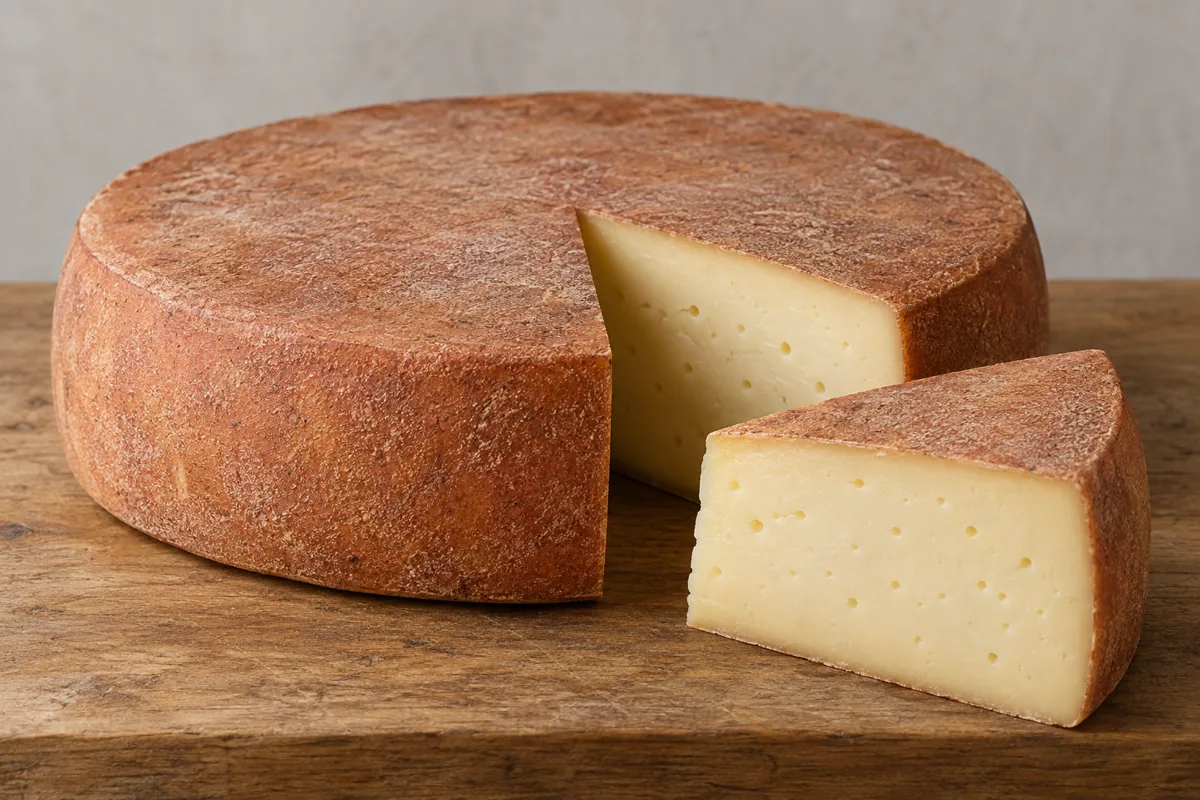
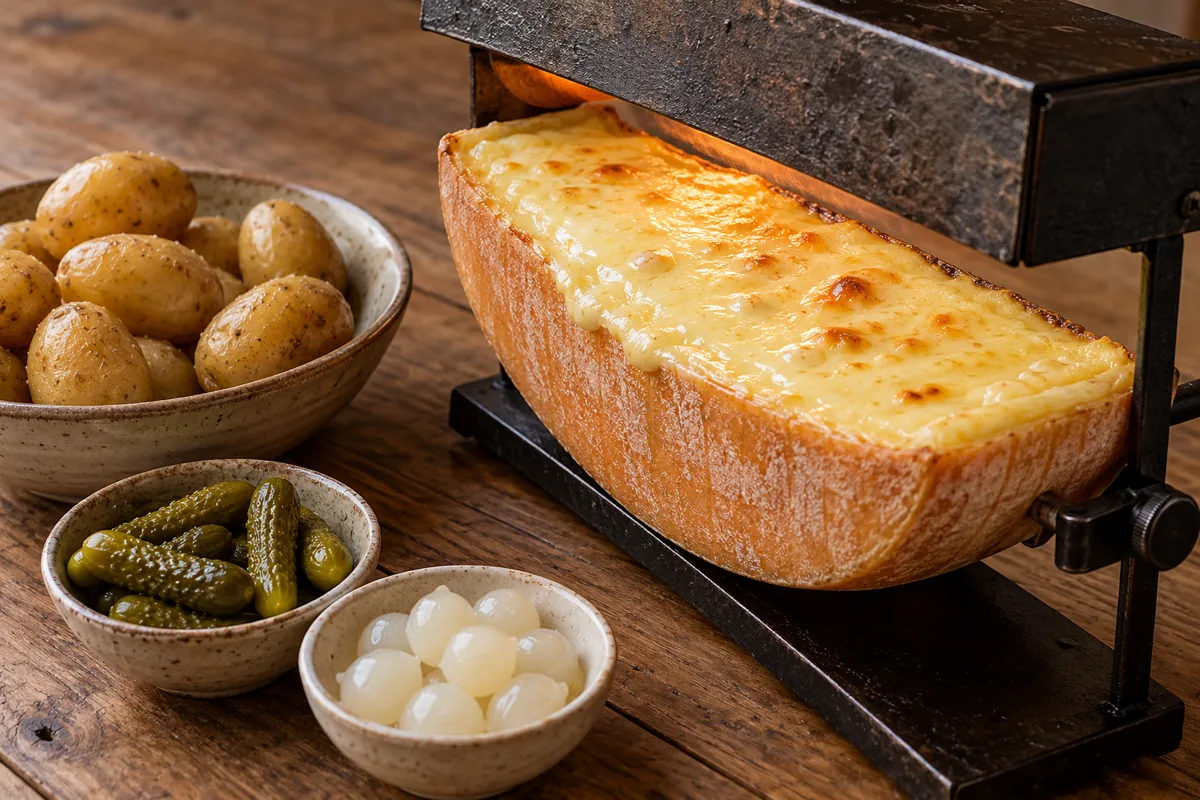
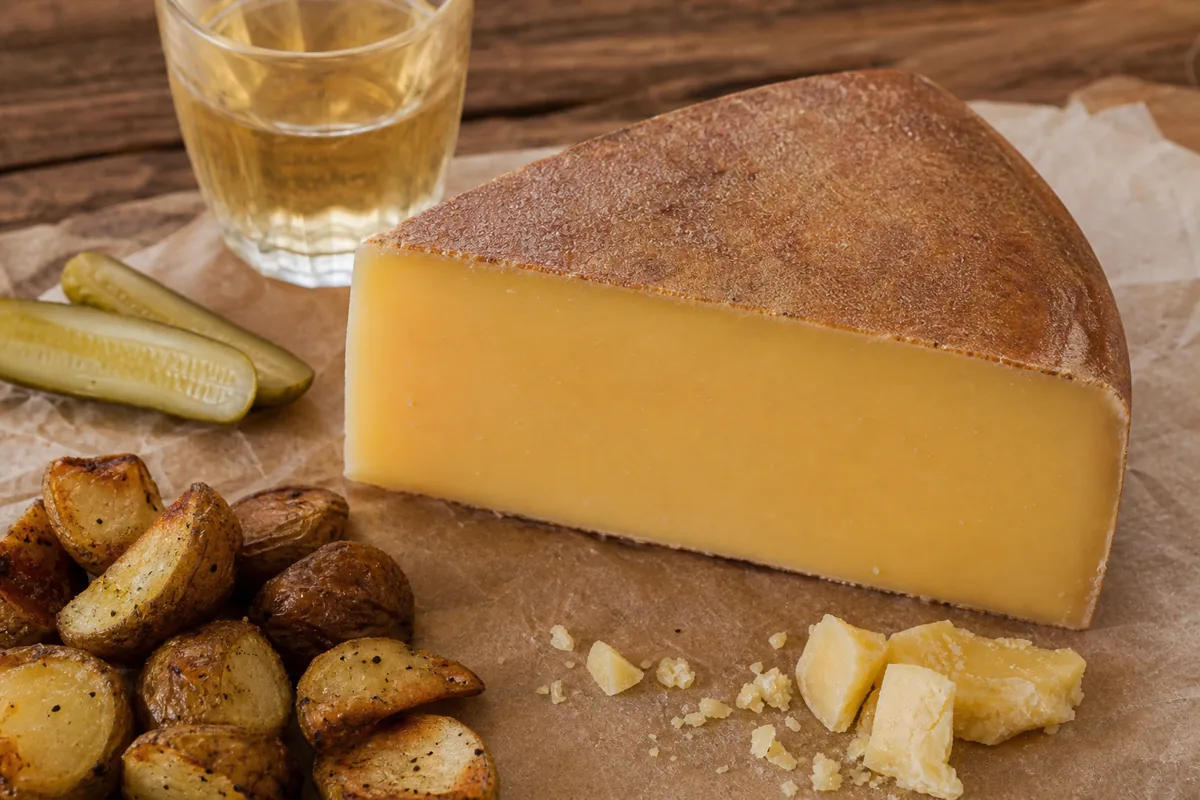
Alpha Tolman-style wedge with brushed rind, golden paste, potatoes, and pickles - Alpha Tolman | KnowTheCheese
ALPHA TOLMAN QUICK FACTS
OriginJasper Hill Farm, Vermont, United States
MilkRaw cow's milk
TextureSemi-hard to firm, dense, Alpine-style
RindWashed or brushed natural rind
AgingAbout 8 to 12 months
Fat ContentFull-fat
AvailabilityJasper Hill, specialty cheese shops, and select mail-order retailers
PricePremium specialty
PregnancyRaw milk, check medical guidance
Lactoselow

Alpha Tolman is Jasper Hill's Vermont raw cow's milk cheese built in an Alpine style. The direct answer is that it is a dense, aged, melt-friendly wheel with brothy, nutty, oniony flavor, not a generic Vermont cheddar or a Swiss cheese copy.

Searchers usually need three decisions fast. Who makes it, how strong does it taste, and will it melt for potatoes, toast, fondue-style blends, or a hot sandwich? Alpha Tolman can handle those warm jobs, but it melts as a smooth layer rather than stretching like mozzarella.

This profile keeps the route on Alpha Tolman itself: Jasper Hill origin, raw milk, Alpine inspiration, aging, rind, flavor, uses, storage, and substitutes.

Alpha Tolman Is Jasper Hill's Vermont Alpine-Style Wheel

Alpha Tolman belongs to Jasper Hill's Vermont cheese family, and that producer context matters. The cheese is named for Alpha Tolman, a Greensboro figure tied to the area's dairy history, but the modern eating job is clear: a raw cow's milk Alpine-style wheel made for dense flavor and useful melt.

Do not read Alpine-style as Swiss copy. It means the cheese borrows from cooked-curd mountain traditions, then expresses that structure through Vermont milk, Jasper Hill aging, and a brushed rind.

That first distinction keeps the article from drifting into a broad Jasper Hill overview. Jasper Hill makes other cheeses with different jobs. Alpha Tolman is the dense, savory, mountain-style answer for slicing, melting, and pairing.

  • Best first description: Vermont raw cow's milk Alpine-style cheese.
  • Main flavor lane: brothy, nutty, savory, and sometimes onion-like as it matures.
  • Main use lane: potatoes, toast, gratins, warm sandwiches, and boards.
  • Main limit: it melts smoothly but does not give long stretch.

If you already know Comte's cooked-curd depth or Appenzeller's aromatic Alpine lane, Alpha Tolman will feel familiar in structure. The Vermont identity and Jasper Hill rind work keep it from tasting identical.

Jasper Hill Makes the Vermont Alpine Context Essential

The producer is not a minor label note here. Jasper Hill is part of why people search Alpha Tolman by name. They want to know whether it is a farmstead American cheese, a cave-aged specialty, or simply another imported-style wheel.

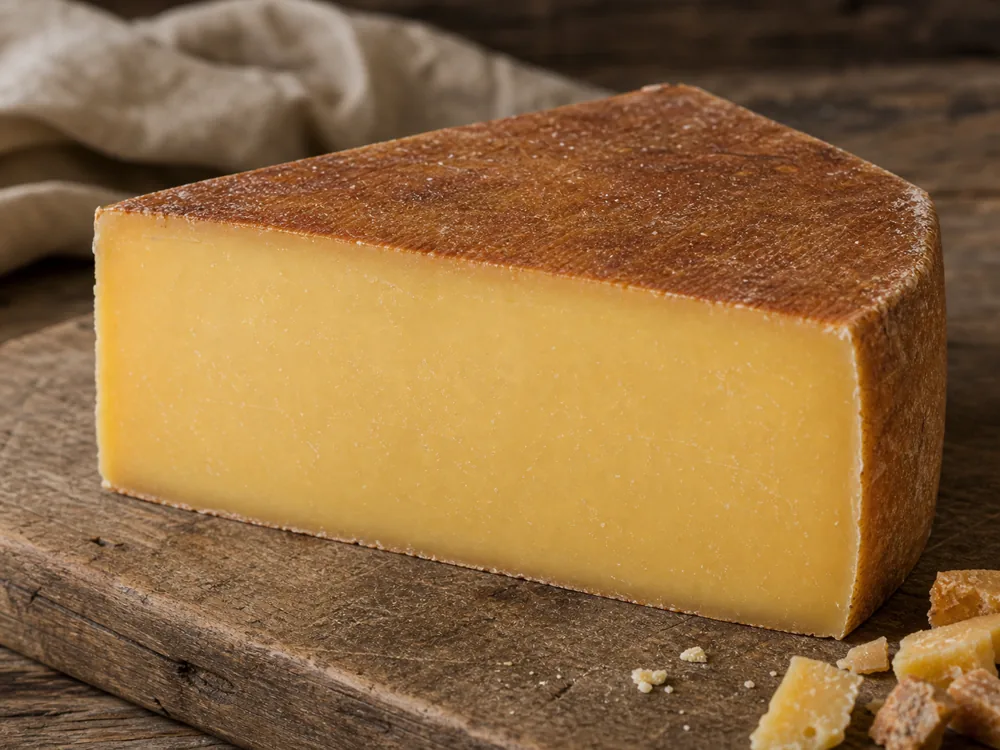
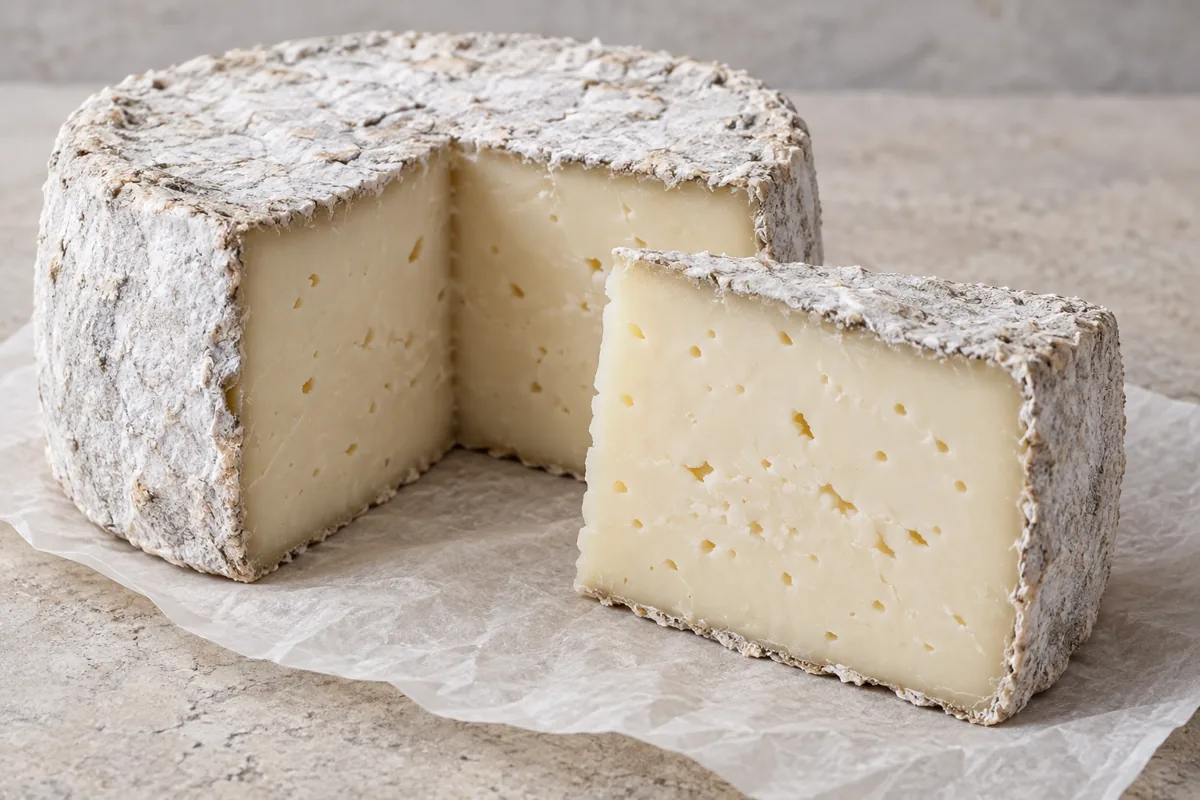
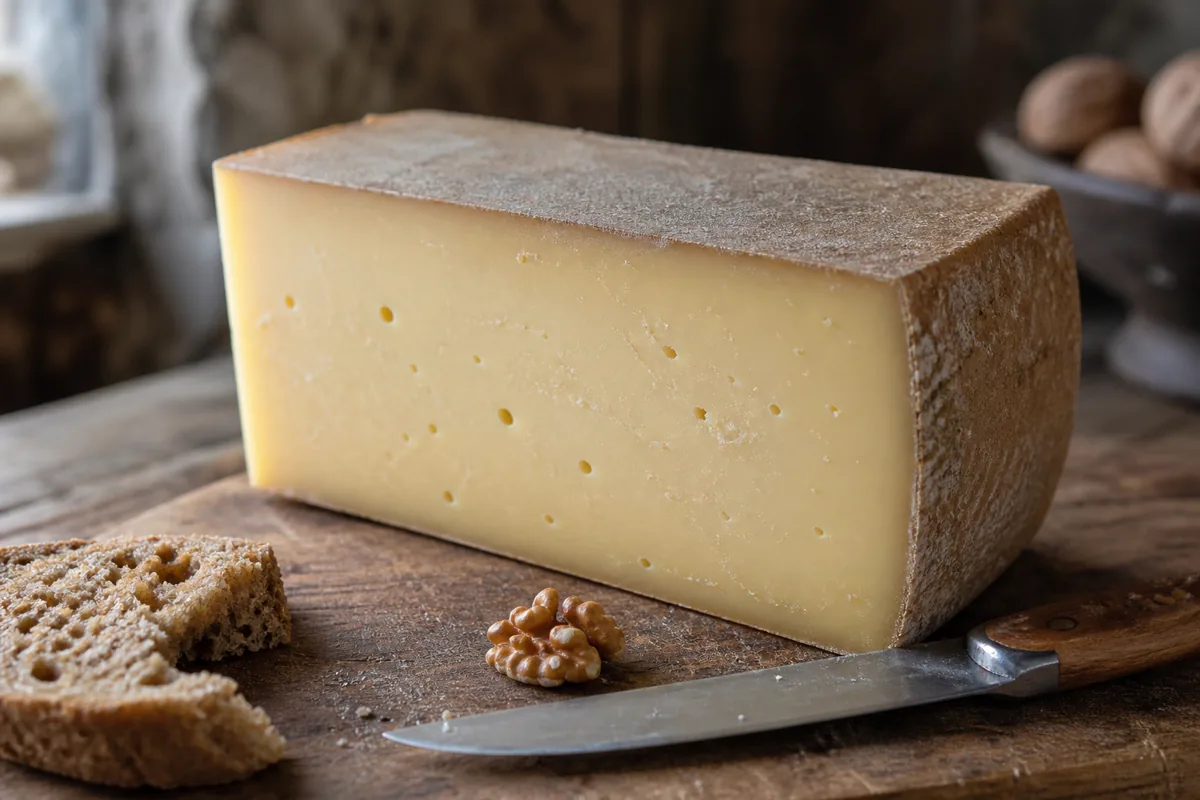
Alpha Tolman-style wedge with brushed rind and dense golden paste - Alpha Tolman | KnowTheCheese
Alpha Tolman should read as a dense Vermont Alpine-style wheel, with rind and paste doing different jobs.

The Vermont context changes the buying expectation. You are not looking for holes like sweet Emmental, a scrape-first Alpine face, or a hard grating wedge like Parmesan. You are looking for a firm table-and-melt cheese with enough rind-driven savor to make a dish taste deeper.

NOTE

Alpha Tolman is best understood as Jasper Hill's Vermont answer to Alpine-style cheese, not as a direct replacement for any one Swiss or French AOP wheel.

That is why bare flavor words are not enough. Nutty and savory could describe many cheeses. Alpha Tolman needs the Jasper Hill, Vermont, raw-milk, and Alpine-style pieces together.

Raw Milk and Cooked Curd Give It Mountain-Cheese Structure

Alpha Tolman is made from raw cow's milk and follows a cooked-curd, pressed-wheel logic associated with Alpine-style cheeses. That process lowers moisture, builds a dense paste, and gives the cheese enough body to slice, grate, and melt without collapsing into a soft rind cheese.

The raw-milk note is practical. It shapes flavor, but it also affects safety decisions. Pregnant readers and immune-risk diners should follow medical guidance and choose based on milk treatment, age, and storage condition rather than assuming all aged cheeses carry the same risk.

ALPHA TOLMAN USE SCORES
Melt Quality74/100
Flavor Intensity82/100
Sharpness42/100
Availability46/100

The cooked-curd structure explains why Alpha Tolman works in warm food. It has more body than a soft washed-rind cheese and more flow than many dry hard cheeses. That middle behavior makes it useful in potato dishes, onion soup, toast, and gratins.

Compared with floral Beaufort, Alpha Tolman often feels more brothy and practical. Compared with classic Gruyere structure, it may feel more American and oniony, with a different rind signature.

The Washed Rind Adds Savory Depth Without Taking Over

Alpha Tolman's rind matters, but it should not turn the cheese into a full washed-rind challenge. The rind or brushed surface helps build savory aroma and a more complex edge while the paste stays dense and sliceable.

This is where buyers can misread the cheese. A little cellar aroma is normal. A harsh ammonia smell, sticky sour rind, or cracked dry edge is not a sign of better maturity. It is a condition problem.

The rind is usually not the main serving target. Most people eat thin slices with some rind attached or trim a little if the edge tastes too strong. For cooking, trim tougher rind if it will not soften into the dish.

That separates Alpha Tolman from stronger washed-rind cheeses such as Taleggio or Limburger. It uses rind care for depth, not for a rind-first eating challenge.

Flavor Moves from Brothy Sweetness to Oniony Depth

Young to middle-aged Alpha Tolman can taste buttery, brothy, and nutty. More mature pieces can bring caramelized onion, roasted vegetable, and deeper savory notes. That range is why it can work both on a board and in cooked food.

The best piece should taste concentrated but not punishing. Salt should support the broth-like finish. Bitterness, stale rind, or sour dairy flavor means the wedge is past the useful window or was stored poorly.

ALPHA TOLMAN FLAVOR PROFILE
SALTYSWEETBITTERSOURUMAMICREAMY
Salty
46
Sweet
24
Bitter
8
Sour
14
Umami
82
Creamy
56

On a board, let it warm briefly and cut it thin. Thick pieces make the dense paste feel heavy before the oniony finish opens. Thin slices make the flavor read more layered.

  • Good flavor: broth, brown butter, nuts, onions, and a clean savory finish.
  • Good texture: firm enough to slice but not brittle or dusty.
  • Good rind: savory and earthy without nose-burning ammonia.
  • Bad sign: stale edge flavor that lingers longer than the cheese itself.

If you want a sweeter aged profile, older Gouda with crystals may be easier. If you want a sharper grating finish, Parmesan is the cleaner tool.

It Melts Better Than It Stretches

Alpha Tolman is a good melting cheese when you use it for the right melt. It softens into a savory layer and blends well with starch, onions, bread, and eggs. It does not give the long pull you expect from mozzarella or Oaxaca-style cheeses.

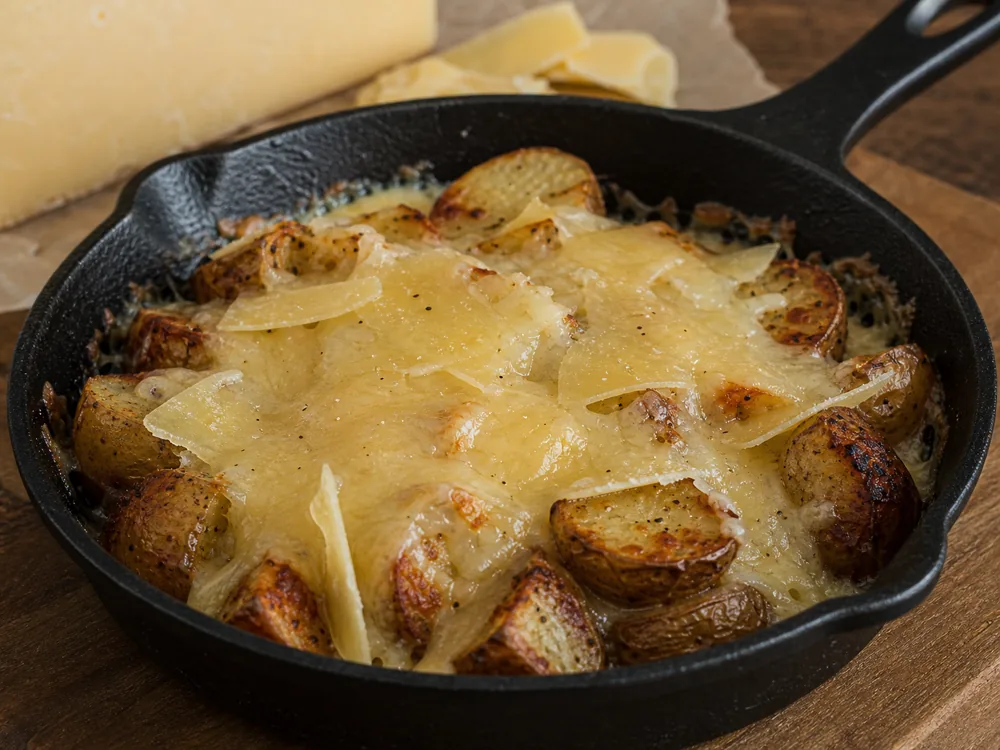
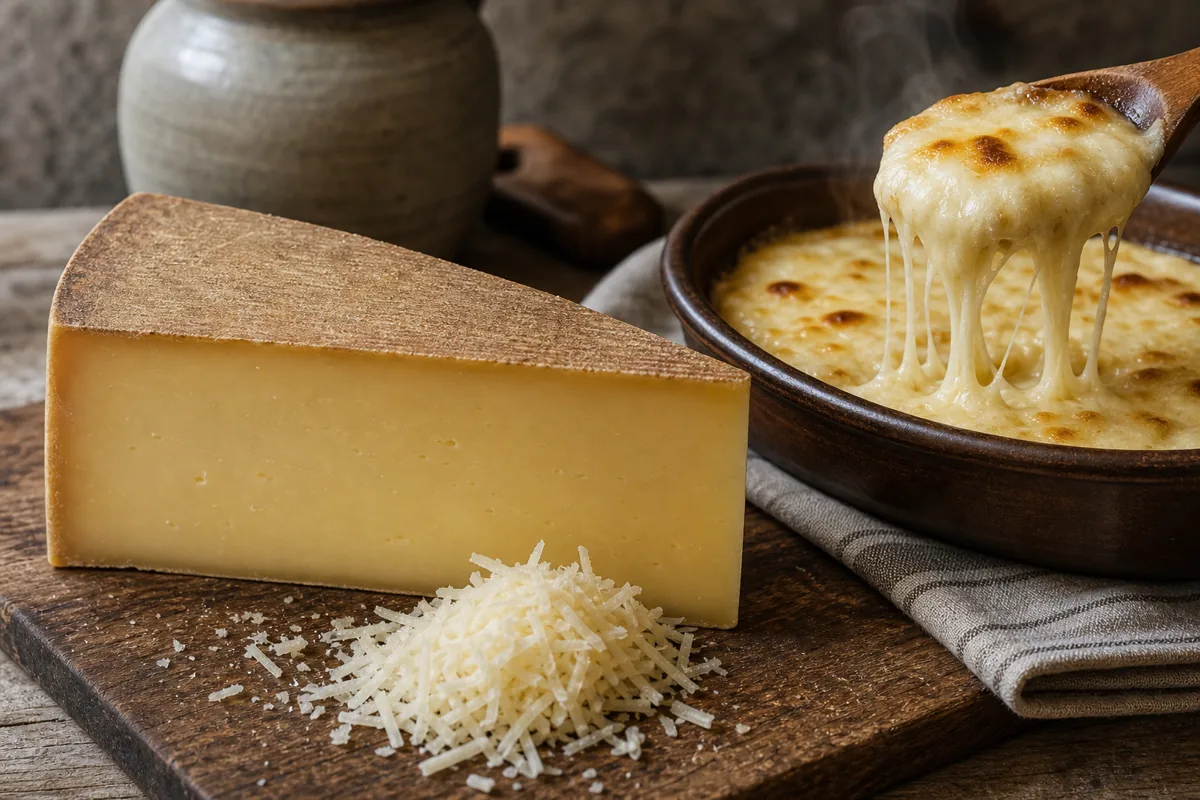
Melted Alpha Tolman-style cheese over roasted potatoes without long cheese pull - Alpha Tolman | KnowTheCheese
Alpha Tolman is strongest when it melts into potatoes, toast, and gratins rather than chasing long stretch.

Grate or slice it thin before heating. Dense aged cheese can turn oily or uneven if you throw thick chunks into a hot pan. Gentle heat gives the paste time to soften before the fat separates.

TIP

Use Alpha Tolman for smooth savory coverage, not pizza-style stretch. Grate it thin and heat it gently over potatoes, toast, or onions.

It belongs in the melting cheese conversation when flavor matters. For pure elasticity, choose a stretched-curd cheese. For fondue-style depth, blend Alpha Tolman with a smoother Alpine cheese if you want both savor and flow.

Its best hot uses are roasted potatoes, French onion soup, eggs, gratins, grilled sandwiches, and vegetable bakes. In each case, the cheese should make the dish taste deeper rather than simply cover it.

Pair It with Crisp Drinks, Potatoes, and Roasted Vegetables

Alpha Tolman likes pairings that lift dense savory flavor. Potatoes, roasted onions, pickles, crusty bread, apples, pears, and mustard all work because they add either starch, acidity, sweetness, or crunch.

Drinks should cut through the cheese instead of adding more weight. Dry cider, crisp white wine, brown ale, farmhouse beer, and lighter reds can all work. A soft sweet bottle may make the cheese feel heavier unless the plate has enough acid.

If you are building a broader Alpine board, place it beside Fontina's smooth Italian melt or rustic Tomme rind. That lets people taste how Alpine-style can move from creamy and gentle to cellar-driven and savory.

For wine logic, use the same practical test we use with aged cow's milk cheeses. The bottle needs enough lift to clear the fat and enough flavor to meet the savory finish.

Choose the Wedge by Melt Job and Raw-Milk Comfort

Buy Alpha Tolman from a shop that can cut it cleanly and tell you the age or source. A good wedge shows a firm golden paste, a brushed rind, and no stale surface. Mail-order pieces should arrive cold and wrapped for cheese, not sweating inside tight plastic.

Store it in cheese paper or parchment inside a loose container. Let slices warm for a short time before serving, then return the rest to the fridge. Dense cheese can handle a brief warm-up, but it still picks up refrigerator odors and surface dryness if neglected.

BUYING TIPS
Best Value
A fresh-cut Jasper Hill wedge with clean rind, dense paste, and clear Alpha Tolman labeling.
Premium Pick
A mature piece with brothy onion depth and no dry cracks.
What to Avoid
Harsh ammonia, sticky rind, stale edges, sweating plastic wrap, or vague Alpine-style labeling with no producer.
Where to Buy
Jasper Hill, specialty cheese counters, and select mail-order retailers.
What to Look For
Raw cow's milk note, Vermont origin, brushed rind, dense paste, and age guidance.

Substitutes should follow the job. Use Gruyere or Comte for smooth Alpine depth, Beaufort for a sweeter floral mountain profile, Fontina when you need softer melt, or Raclette when the whole meal is about direct heat and potatoes.

  • Closest cooking backup: Gruyere when you need nutty melt and dependable flow.
  • Closer French mountain backup: Comte or Beaufort when you want dense aged flavor.
  • Softer melt backup: Fontina when the dish needs gentler flow.
  • Safety note: because Alpha Tolman is raw milk, check medical guidance for pregnancy or immune-risk diners.

The best substitute copies the function. If you need Jasper Hill's Vermont identity, wait for Alpha Tolman. If you only need savory Alpine-style melt, another firm mountain cheese can cover the dish.

SOURCES & REFERENCES

1.
Alpha Tolman
Jasper Hill Farm, 2026 Producer
Used for producer identity, Vermont origin, style, milk, aging, and flavor positioning.

2.
Alpha Tolman
Culture Cheese Magazine, 2026 Cheese Reference
Used for cheese-library context, flavor, texture, and serving notes.

3.
Alpha Tolman
Cheese.com, 2026 Cheese Reference
Used for general cheese-family context and public profile support.

Alpha Tolman is Jasper Hill's Vermont raw cow's milk Alpine-style cheese. It is dense, savory, aged, and useful for both boards and warm dishes.

Alpha Tolman usually tastes brothy, nutty, buttery, and savory, with mature pieces showing onion-like or roasted vegetable depth.

Yes, Alpha Tolman melts well when grated or sliced thin, but it melts as a smooth savory layer rather than stretching like mozzarella.

Yes. Alpha Tolman is made with raw cow's milk, so pregnant readers and immune-risk diners should follow medical guidance and check the label and storage condition.

Use Gruyere or Comte for Alpine-style melt, Beaufort for sweeter mountain depth, Fontina for softer melt, or Raclette for potato-and-heat service.