Cheese Profile

Amarelo de Beira Baixa Cheese: Portuguese PDO Milk, Aging, and Uses

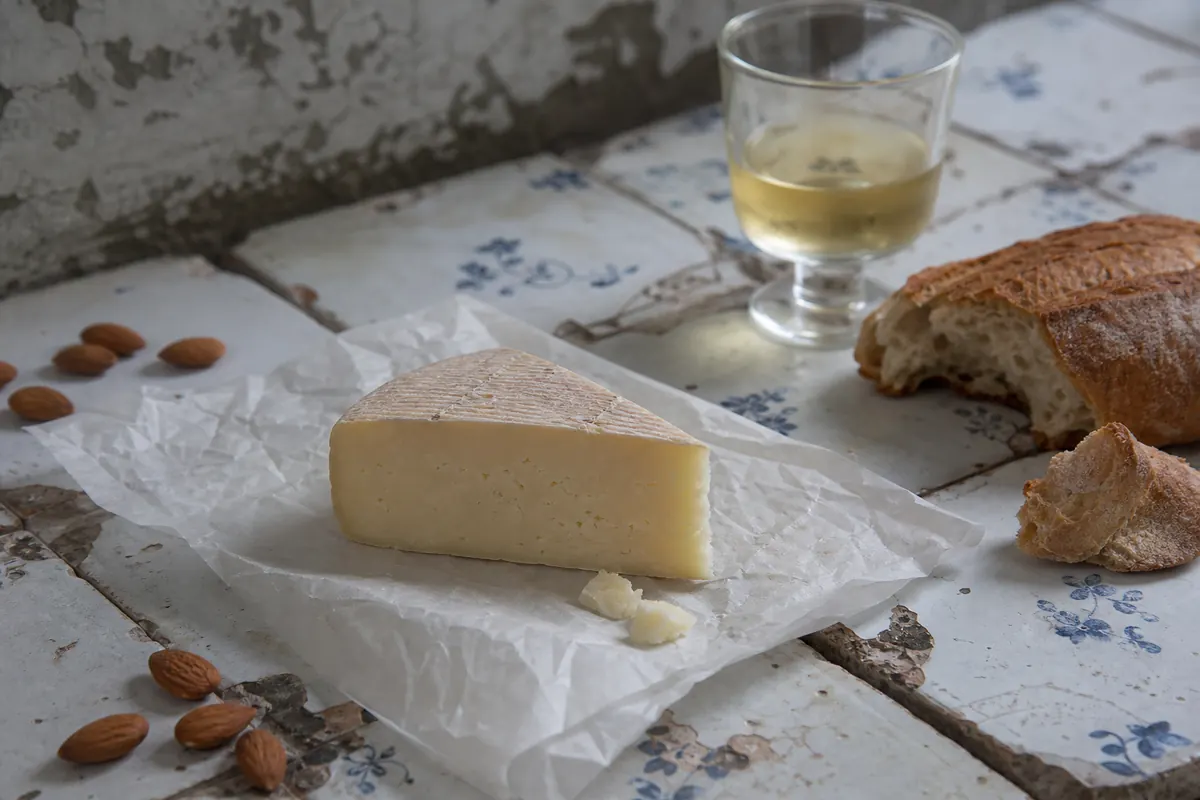
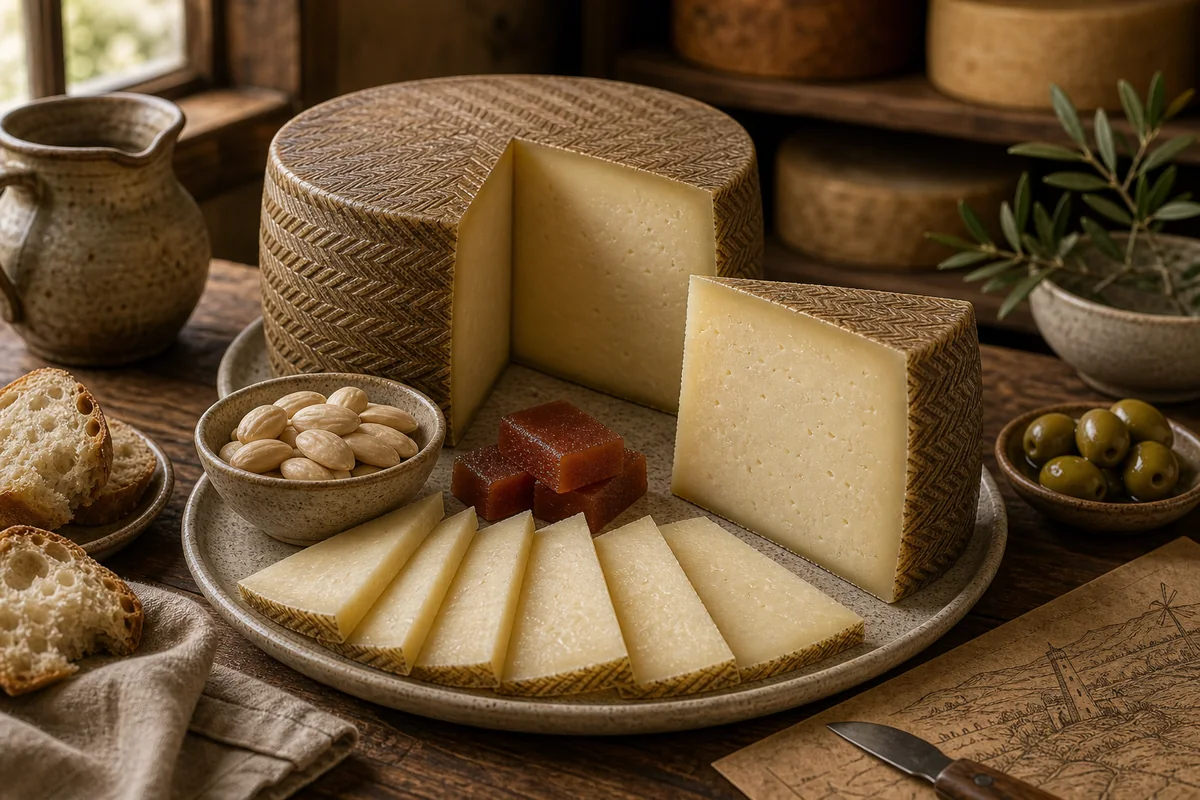
Portuguese yellowish sheep and goat cheese wedge with bread and red wine - Amarelo de Beira Baixa | KnowTheCheese
AMARELO DE BEIRA BAIXA QUICK FACTS
OriginBeira Baixa, Portugal
MilkRaw sheep and goat milk in PDO-style sources
TextureSemi-soft to semi-firm
RindNatural rind
AgingAbout 40-90 days, depending on source and producer
Fat ContentFull fat
AvailabilityPortuguese specialty cheese
Pricespecialty
PregnancyRaw milk, check medical guidance
Lactoselow

Amarelo de Beira Baixa is a Portuguese PDO cheese from the Beira Baixa region. The direct answer is that it is a yellowish sheep-and-goat milk cheese, set with animal rennet and matured until it lands between semi-soft and semi-firm.

That identity matters because many Portuguese cheeses use sheep milk, goat milk, thistle coagulant, or a regional name that sounds similar. Amarelo de Beira Baixa earns its own page through the milk mix, animal rennet, yellow paste, and Beira Baixa PDO context.

Use this page to understand the cheese at the counter. It explains what the name means, why the milk and rennet matter, how the texture should feel, and when to serve it instead of reaching for a broader goat-milk category.

What is Amarelo de Beira Baixa cheese?

Amarelo de Beira Baixa is a cured Portuguese cheese tied to Beira Baixa, an inland region near the Spanish border. Public references describe it as a PDO or DOP cheese, which means the name points to a protected regional style rather than a loose market nickname.

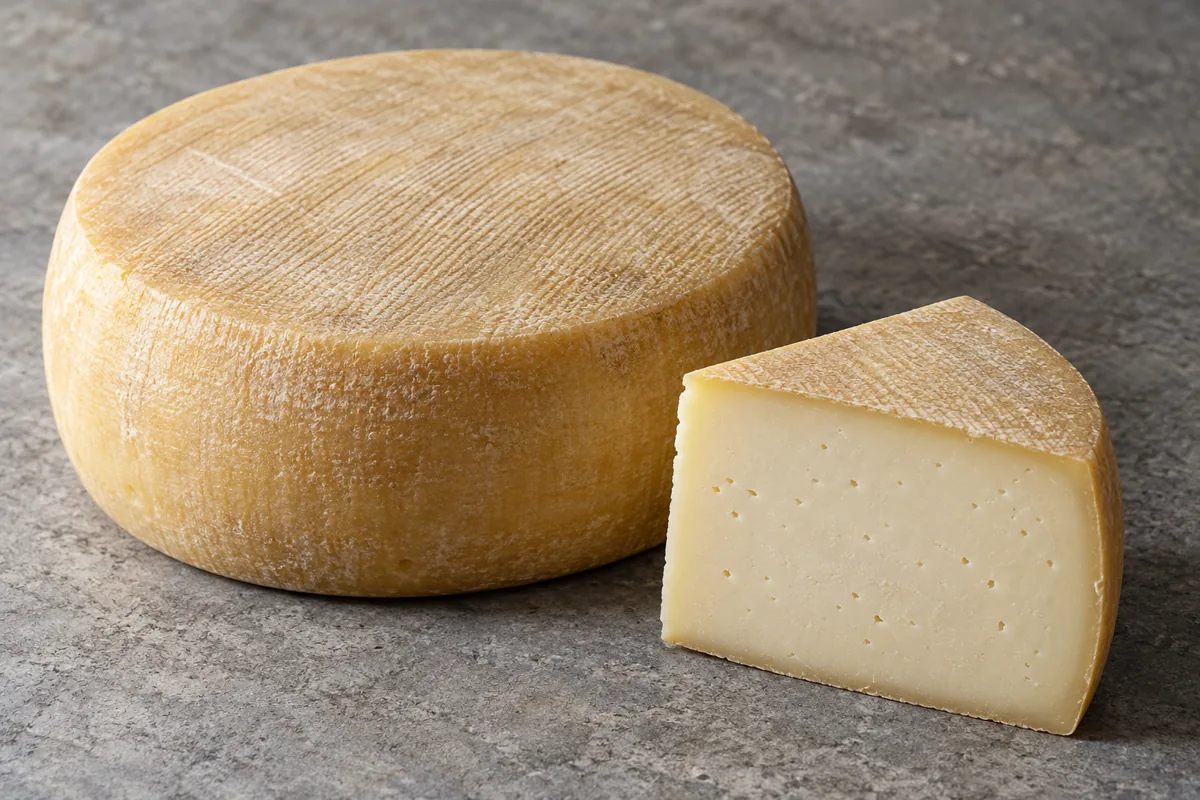
The word amarelo means yellow, and that clue is useful. The paste should look slightly yellowish, not snowy white like a very fresh goat cheese. Sources also describe small irregular eyes, a semi-soft or semi-firm body, and a flavor that can feel acidic, milky, toasted, and lightly piquant.

The page promise is narrow. Amarelo de Beira Baixa is not the same job as a quieter Portuguese table cheese, and it is not a stand-in for every Portuguese mountain or sheep milk cheese. It is the Beira Baixa yellow cheese with its own milk, shape, and maturation cues.

  • Best first description: Portuguese PDO sheep-and-goat cheese from Beira Baixa.
  • Main production cue: raw milk coagulated with animal rennet.
  • Main visual cue: yellowish semi-soft to semi-firm paste with small irregular eyes.
  • Main table cue: serve as a snack, starter, dessert cheese, or simple wine cheese.

The milk mix and animal rennet explain the PDO identity

The milk is the first non-swappable fact. Cheese.com describes Amarelo de Beira Baixa as made from raw sheep and goat milk, animal rennet, and salt. BeiraLacte describes a similar DOP Amarelo as raw sheep and goat milk, with some production using only sheep milk.

That animal rennet detail separates Amarelo from many Iberian cheeses that lean on vegetable coagulants. The practical result is not just a label fact. It helps explain why the cheese can taste milky, acidic, toasted, and buttery without the same sharper edge people expect from some Pyrenees sheep milk wheels.

Pregnancy and immune-risk advice should stay precise. Because major references list raw milk, check the actual label and follow medical guidance before serving it to anyone who needs to avoid raw-milk cheeses.

That label check also protects flavor expectations. A sheep-only producer version will not taste exactly like a mixed sheep-goat wheel, even when both sit under the same Amarelo name.

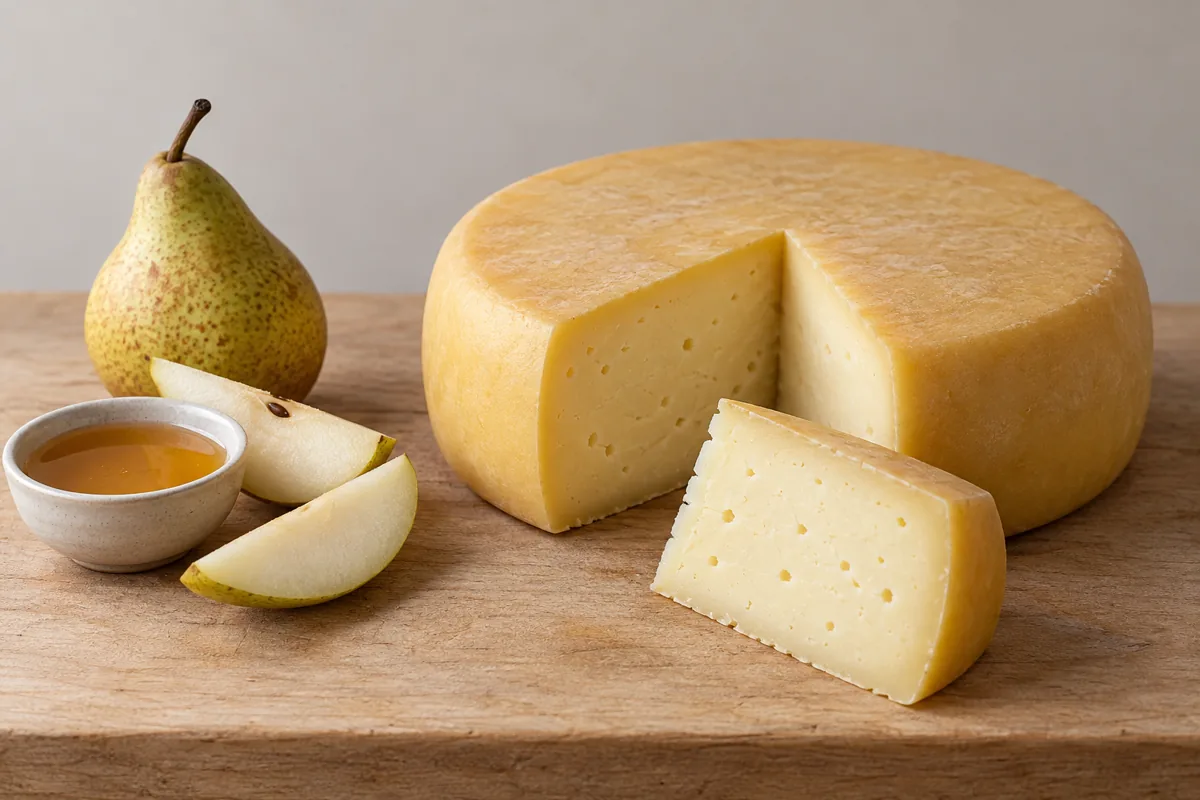
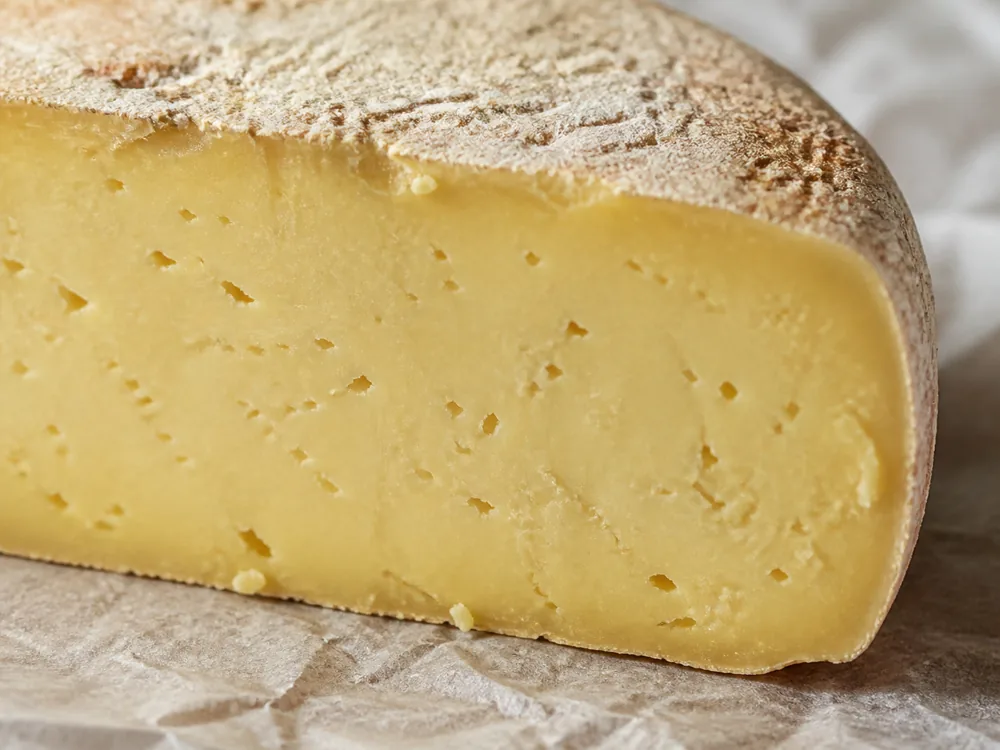
Yellowish semi-soft sheep and goat cheese paste detail - Amarelo de Beira Baixa | KnowTheCheese
The yellow paste and small irregular eyes support the PDO identity section better than a generic cheese-board image.

How long is Amarelo de Beira Baixa matured?

The maturation window is the second buying clue. Cheese.com gives a 45 to 90 day range, while BeiraLacte lists 40 days for its DOP Amarelo. The safe reader takeaway is that this is a cured cheese, not a fresh one, and producer details may shift the exact age.

Age changes how the cheese eats. Younger wheels should feel softer and more milky. Older pieces should taste more concentrated, with clearer acidity, a firmer cut, and a longer finish. If a shop sells it by the piece, ask how mature the wheel is before pairing it.

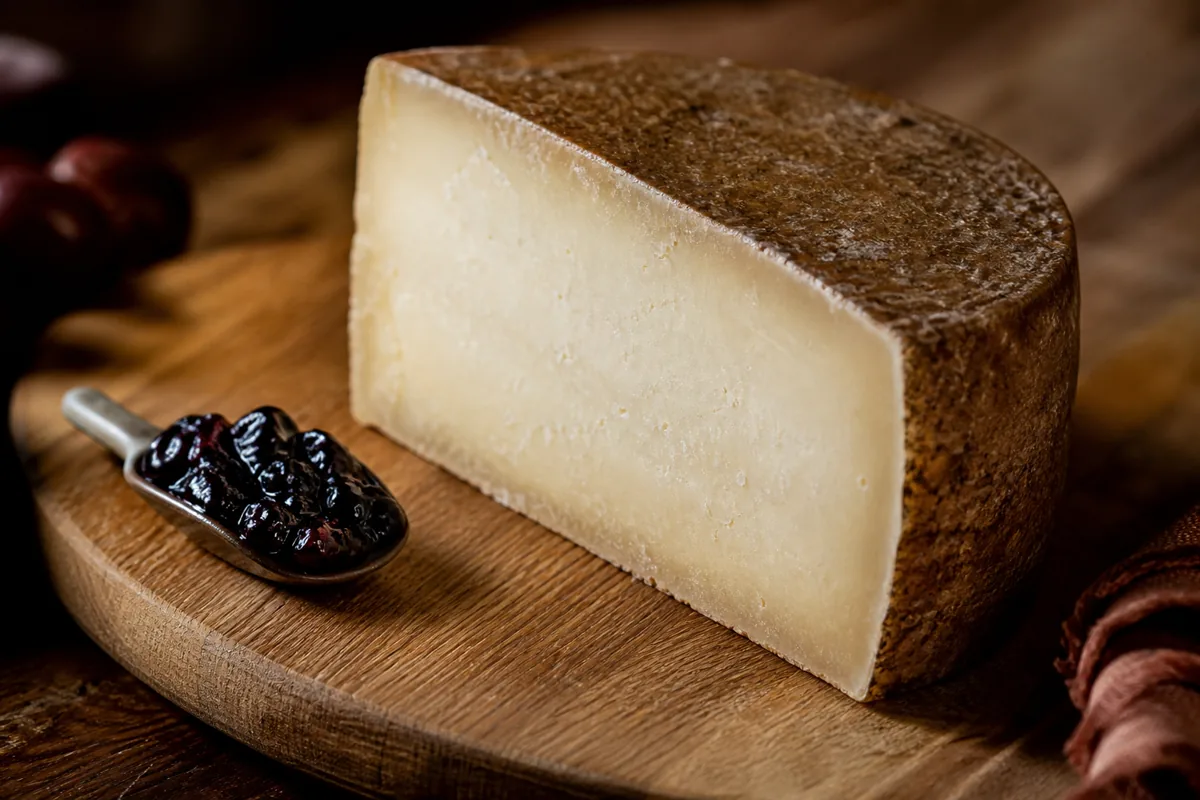
The shape also helps. Cheese.com describes Amarelo de Beira Baixa as cylindrical. A proper wedge should show enough paste to judge moisture, small eyes, and rind condition before you buy.

What does Amarelo de Beira Baixa taste like?

Expect a savory table cheese, not a sweet dessert spread. The flavor usually sits around milky, slightly acidic, toasted, buttery, and lightly piquant. The goat milk can bring lift, while the sheep milk adds roundness and fat.

Texture should be sliceable but not dry. A good piece bends toward semi-soft or semi-firm, with a yellowish paste and small irregular holes. If it is weeping, sharply sour, or harshly ammoniated, the issue may be storage or condition rather than the normal cheese profile.

AMARELO DE BEIRA BAIXA FLAVOR PROFILE
SALTYSWEETBITTERSOURUMAMICREAMY
Salty
48
Sweet
18
Bitter
10
Sour
38
Umami
54
Creamy
58

Compared with brined Greek crumble, Amarelo is less salty and more table-cheese driven. Compared with a firm Spanish sheep milk wedge, it is usually softer and more regional in its mixed-milk character.

The acidity should feel clean, not sour like spoiled milk. That clean edge is why the cheese works with bread and wine before it needs any recipe.

How is it different from other Beira Baixa cheeses?

Beira Baixa is not one cheese. The broader PDO family includes names such as Amarelo, Castelo Branco, and Picante da Beira Baixa. This guide focuses on Amarelo because the yellow paste, milk mix, and shorter cured-table-cheese use create a different reader job from a firmer smoky sheep cheese.

That distinction prevents a weak swap. Castelo Branco and Picante may share the region, but the shopper still needs to know whether the wheel in front of them is mild enough for a mixed board, old enough for a sharper finish, or too assertive for guests who wanted a gentle sheep cheese.

NOTE

If a label only says Queijo da Beira Baixa, ask which PDO type it is. The family name is not always enough to predict texture or strength.

For site routing, this page should receive the detailed Amarelo facts. A future region guide can summarize the family, but it should not duplicate the milk, rennet, maturation, and serving detail here.

  • Ask first: is this Amarelo, Castelo Branco, Picante, or a broader Beira Baixa listing?
  • Check next: mixed milk, sheep-only milk, and raw-milk label language.
  • Use last: rind condition and paste firmness to pick the serving day.

Serve Amarelo as a table cheese before you cook with it

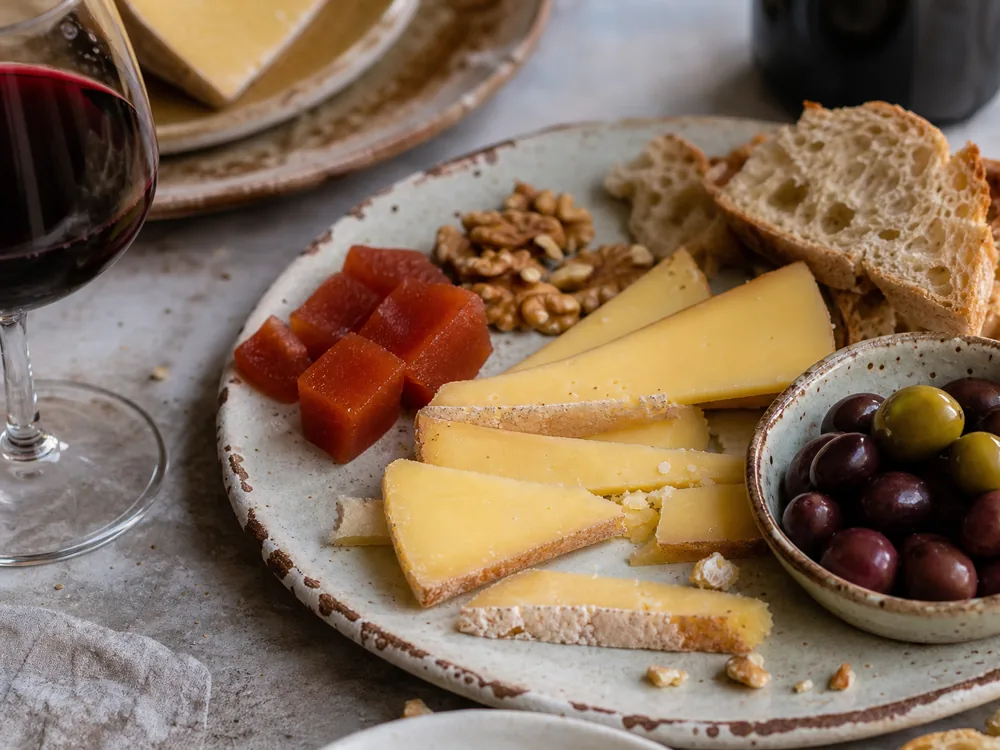
Amarelo de Beira Baixa works best when you let the table-cheese role lead. Slice it for bread, walnuts, olives, quince paste, cured pork, or a simple red wine. Cheese.com suggests it as a dessert, starter, or snack, which matches its balanced salty-acidic profile.

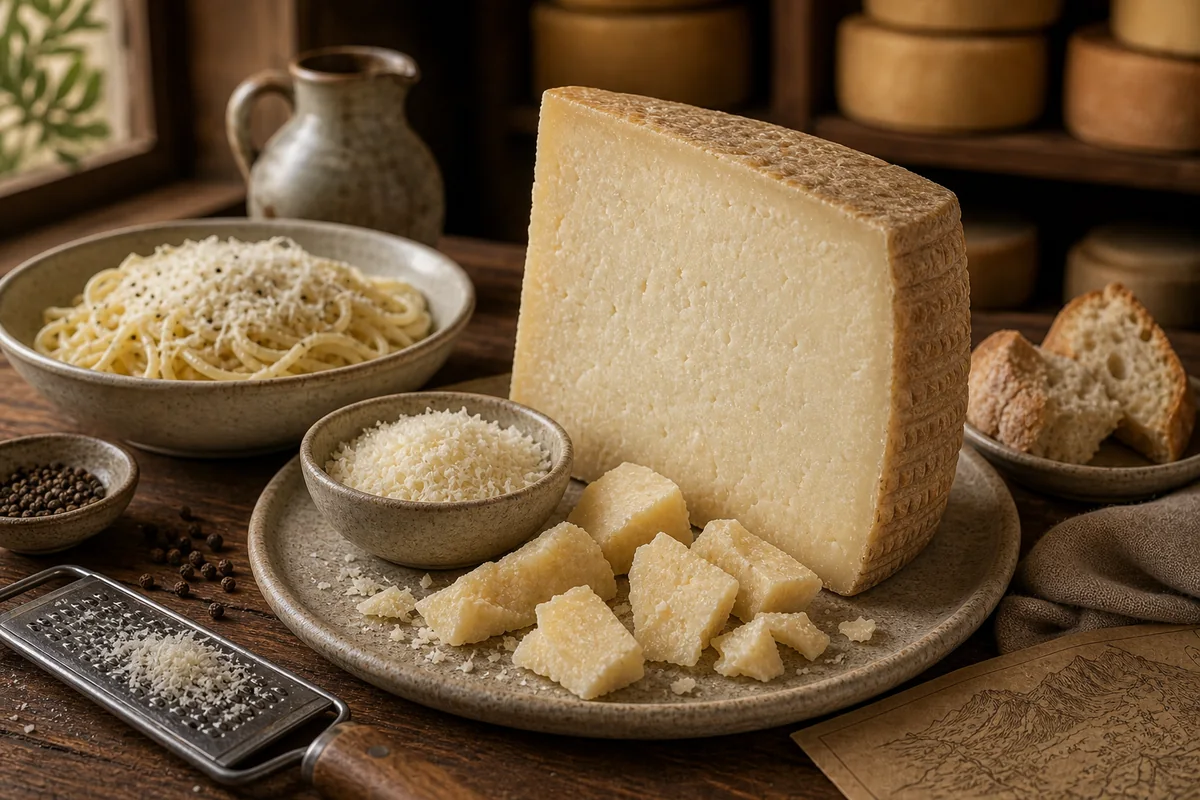
Amarelo de Beira Baixa style cheese slices with quince walnuts bread and red wine - Amarelo de Beira Baixa | KnowTheCheese
Thin slices, quince, walnuts, bread, olives, and red wine show why Amarelo works best as a table cheese before a cooking cheese.

Cooking is secondary. You can fold small pieces into warm bread, potatoes, or eggs, but high heat can bury the regional flavor. If you need a melting cheese first, choose a cheese built for that job instead of wasting a specialty PDO wedge.

  • Best low-effort plate: bread, olives, walnuts, and a medium-bodied red wine.
  • Best sweet contrast: quince paste or firm pear, not syrupy jam.
  • Best savory contrast: cured ham or roasted peppers.
  • Skip: heavy sauces that hide the milk mix and acidity.

Because the cheese is not common in every U.S. shop, buy enough for a simple plate first. Once you know the wheel's age and salt, decide whether it deserves a cooked use or whether a more available hard sheep cheese would be better for grating.

How should you buy and store it?

Buy by name, origin, milk, and condition. Look for Amarelo de Beira Baixa, Amarelo da Beira Baixa, or Queijo Amarelo da Beira Baixa. The label should help you confirm the Portuguese origin and whether the milk treatment fits your household.

At home, wrap the cut face in cheese paper or parchment plus a loose outer wrap, then keep it in the refrigerator's cheese drawer. Bring a small piece toward cool room temperature before serving so the aroma and texture can open without sweating.

TIP

If the paste smells clean but tastes muted, give the wedge 20-30 minutes out of the fridge before serving. If it smells sharp, sour, or dirty, do not wait for warmth to fix it.

Use the cut piece within several days after opening. Mixed-milk semi-soft cheeses can pick up fridge odors, so keep it away from onions, fish, and strong washed-rind cheeses.

What can you substitute for Amarelo de Beira Baixa?

The closest substitute depends on the job. For Portuguese context, choose another Beira Baixa cheese if you can find one. For a sheep-milk table role, a young Spanish sheep cheese or another mild sheep cheese works better than a strong blue or bloomy rind.

If the dish needs mixed-milk brightness, look for a gentle sheep-goat cheese with a sliceable body. If the plate only needs a semi-firm table cheese, young Pecorino Toscano can cover the broad serving role, though it will not copy the Portuguese PDO identity.

Do not substitute Feta when the plate needs a sliceable cured cheese. Feta is useful for brine and crumble, but its salt and moisture point to a different reader job. If you need a mild, flexible slice for a mixed board, young Dutch table cheese is less exact but easier for guests.

SOURCES & REFERENCES

1.
Amarelo de Beira Baixa
Cheese.com, 2026 Cheese Reference
Used for Beira Baixa origin, raw sheep and goat milk, animal rennet, PDO/AOP context, 45-90 day maturation, cylindrical shape, flavor, and serving suggestions.

2.
Queijo da Beira Baixa DOP Amarelo
BeiraLacte, 2026 Producer/Regional Reference
Used for DOP Amarelo description, semi-soft/semi-hard body, yellowish paste, raw sheep and goat milk, animal rennet, maturation, size, and flavor notes.

3.
Amarelo da Beira Baixa DOP
TradiFoods, 2026 Cheese Reference
Used as secondary support for DOP naming, raw sheep and goat milk, animal rennet, 45-90 day aging, yellow paste, texture, and flavor context.

It is a Portuguese PDO cheese from Beira Baixa, usually described as a raw sheep-and-goat milk cheese set with animal rennet and matured into a yellowish semi-soft to semi-firm wheel.

Major public references list raw sheep and goat milk. Check the exact label before buying, especially for pregnancy or immune-risk diners.

Sources commonly place it around 40 to 90 days, depending on producer and reference. Ask for the exact wheel age when buying by the piece.

It usually tastes milky, slightly acidic, toasted, buttery, and lightly piquant, with a yellowish sliceable paste and small irregular eyes.

Use another Beira Baixa cheese for regional context, young Manchego for a mild sheep-milk table role, or young Pecorino Toscano when you need a sliceable table cheese rather than an exact Portuguese match.