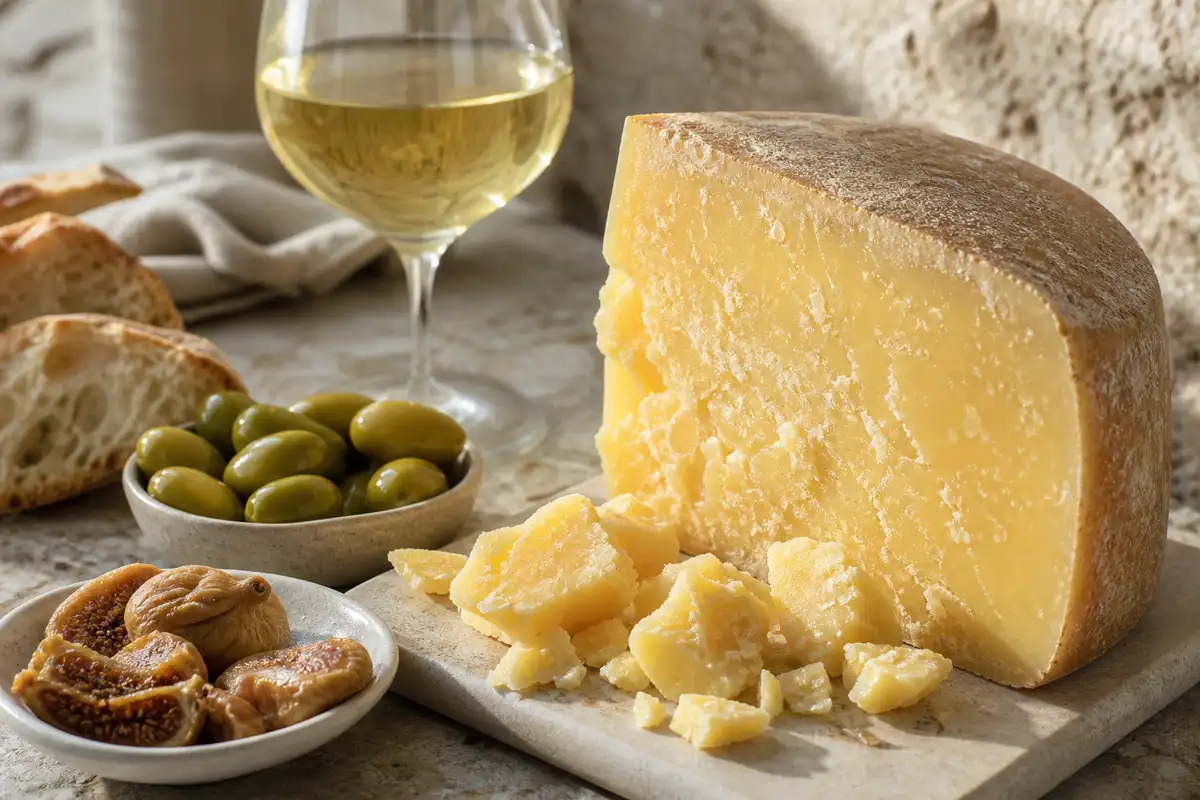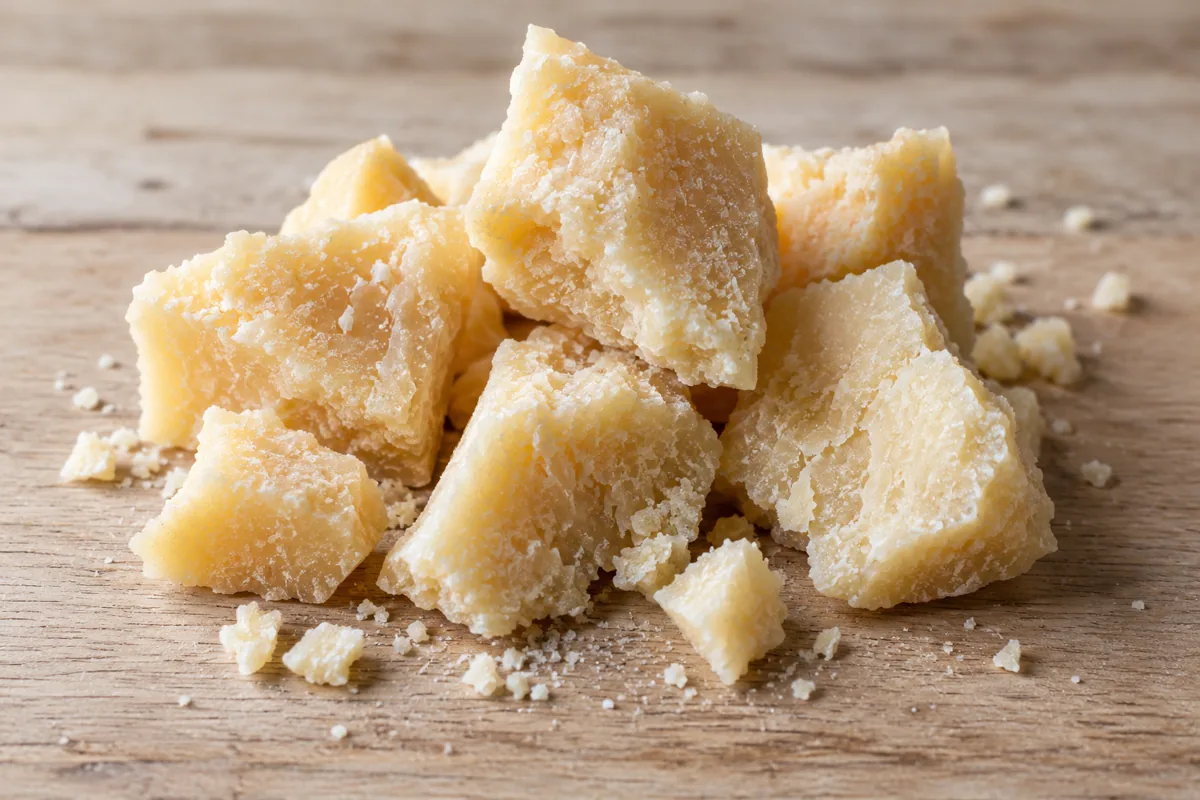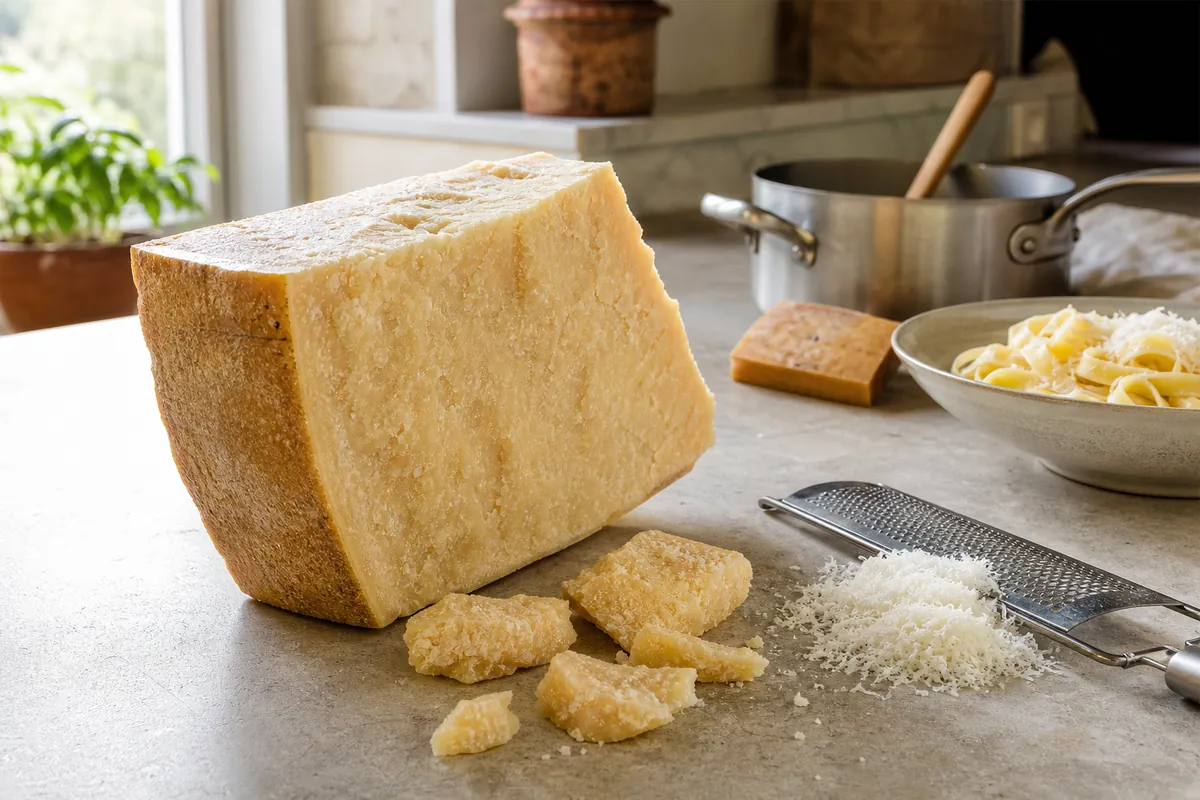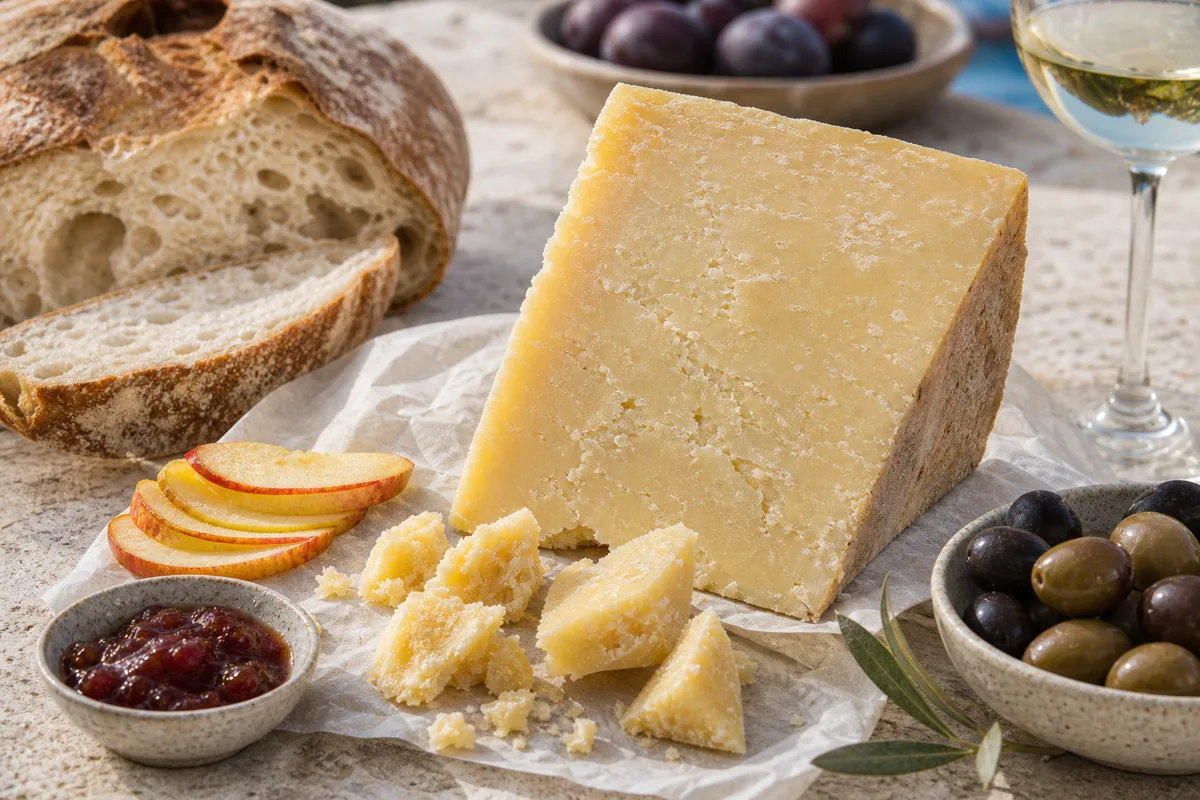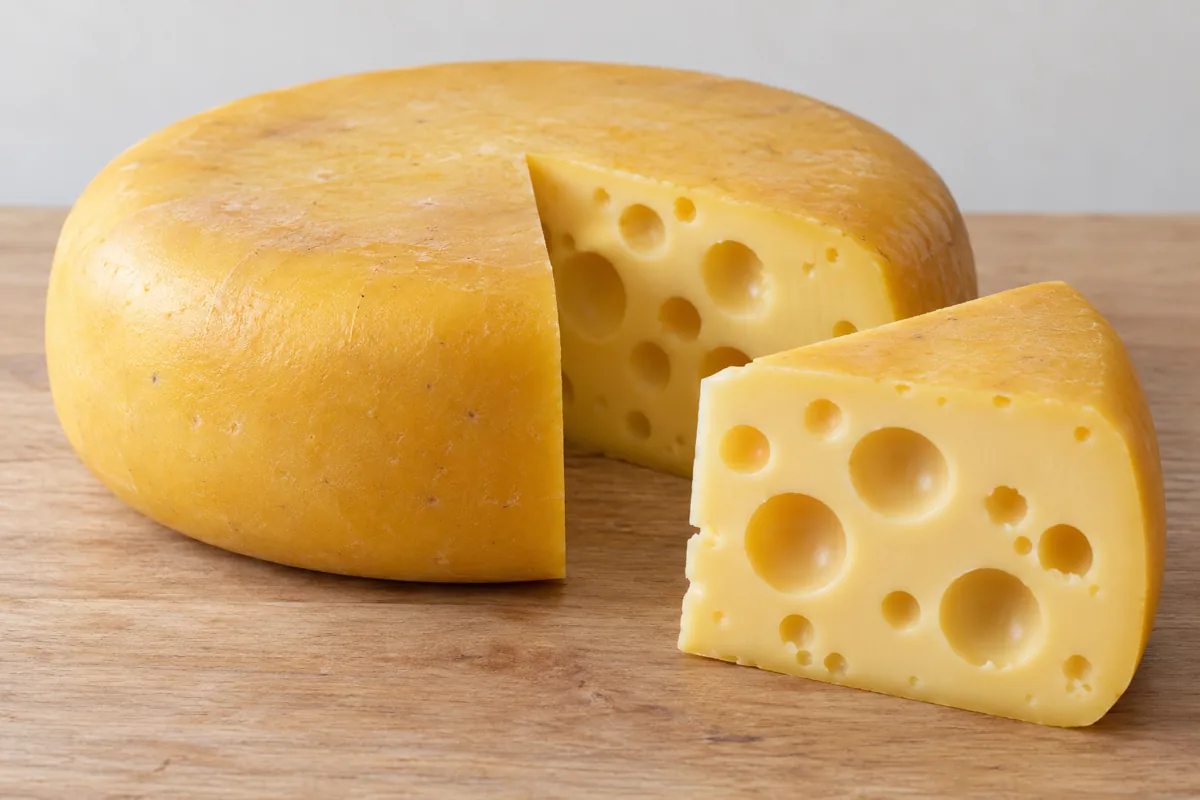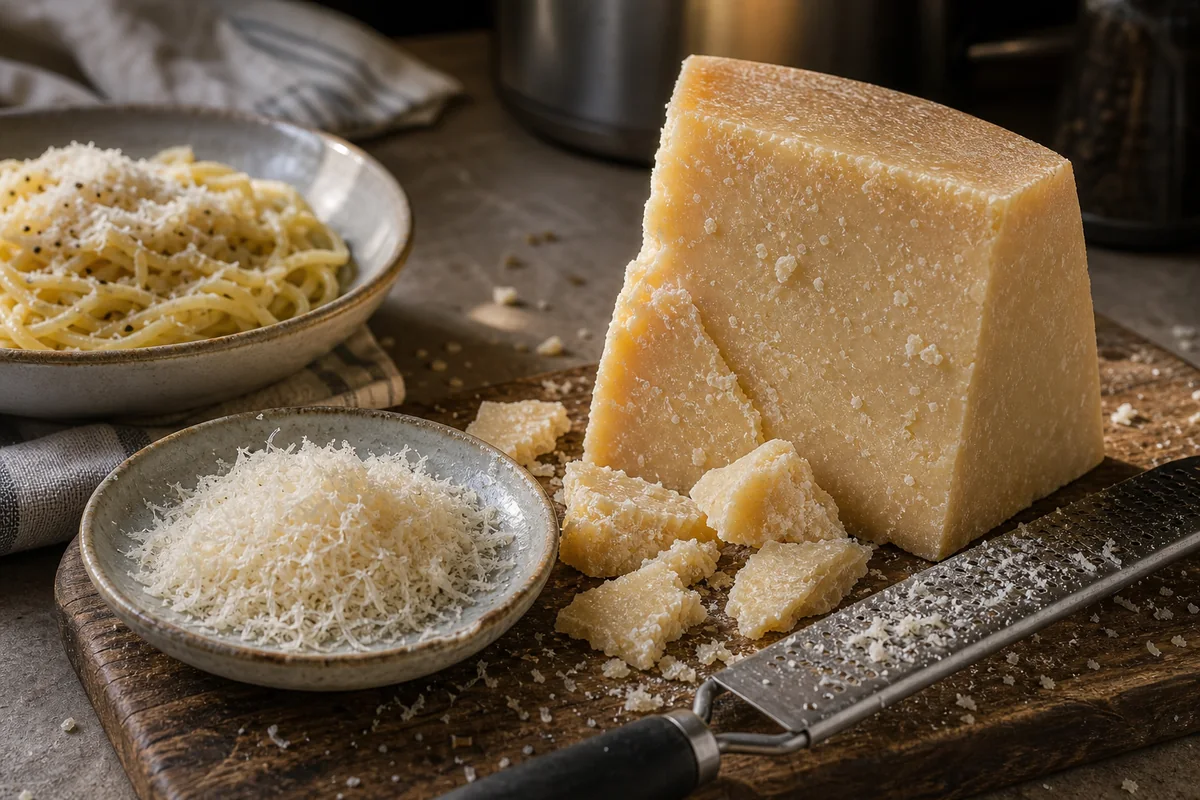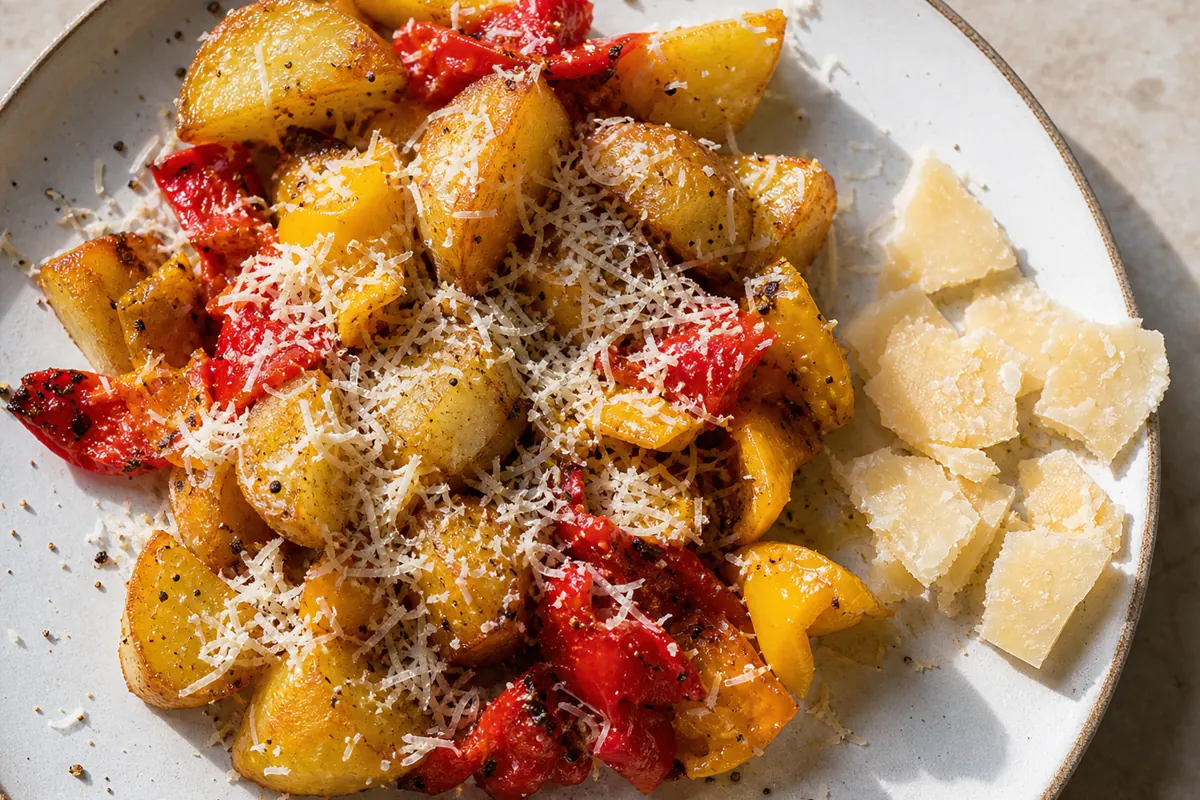
Tezacki Sir Extra Mature (Težački sir) is a hard cow's-milk cheese from the Croatian dairy Sirana Gligora, and you can grate it: Cheese.com, which lists it as pasteurised with a minimum age of 6 months, calls its brittle texture perfect for grating over hot dishes.
If you are shopping for it, three points are worth settling first: where the milk comes from, how long the cheese ages, and whether Gligora sells it under the name Extra Mature at all.
In This Article
Who Makes Tezacki Sir, and What Does the Name Mean?
Sirana Gligora makes it: Cheese.com names the dairy as the producer, and Gligora's webshop gives its address as Kolan, on the island of Pag. Pag cheese, one of Gligora's three best-known cheeses, is made only from sheep's milk of the island, while Težački uses cow's milk.
The name comes from the Croatian težaci, the hardworking peasants who made this style of cheese at home for generations. Gligora says the cheese grew out of the simplicity of farm life and a wish to keep cheese production natural.
The method builds on Kolan cheese: Težački follows the simple technology Ivan Gligora perfected through Kolan, and Gligora says Šime Gligora wanted to bring the process closer to natural methods. The company calls Težački a newer member of its range that quickly became one of its best-sellers.
Cheese.com credits the Tezacki Sir entry with a bronze medal at the World Cheese Awards in the UK in 2012 and a gold in 2014, while the extra mature entry mentions only the 2012 bronze.
Where Does the Milk for Tezacki Sir Come From?
Gligora says it buys the milk, 100% cow's milk, from partner farms in the Rakovica area, where the cows graze on fields near the Plitvice Lakes, while Cheese.com files the cheese under the Dalmatian hinterland and calls it a Dalmatian cow's-milk cheese.
Gligora's 650 g product page calls the cheese a hard cow's-milk cheese from continental Croatia. Because Gligora buys the milk, its description of where the milk comes from is more specific than a regional label on a reference listing.
Both accounts tie the flavour to grazing: Cheese.com says the slight sweetness comes from cows grazing on higher pastures, and Gligora says the untouched nature around its partner farms directly affects the quality and aroma of the cheese.
How Old Is Extra Mature Tezacki Sir?
Extra mature Tezacki Sir is aged at least 6 months by Cheese.com's extra mature entry, which credits that ageing with the cheese's quite brittle texture, while Gligora's own pages say Težački matures for between 2 and 6 months.
That puts the 6-month floor on Cheese.com's extra mature entry at the top of the producer's range. Cheese.com's entry for the regular Tezacki Sir gives a minimum of 4 months and a firm yellow paste with a few holes, a floor that sits inside that range.
On Gligora's own webshop, the name you will see is Težački Superior, which the dairy describes as its most refined expression, with longer ageing, fuller flavour development and deeper character. Both of its Težački product pages are titled Superior.
Cheese.com lists a second Težački with a 6-month floor, Tezacki Iz Maslinove Komine, aged in pressed olive skins that leave it a deep green firm rind and a supple paste. The extra mature entry carries a natural rind and no such colour.
The age printed on the pack is what separates the listings: at least 6 months fits Cheese.com's Extra Mature entry, while Gligora's own range for Težački runs from 2 to 6 months.
What Does Tezacki Sir Extra Mature Taste Like?
In Cheese.com's description, Tezacki Sir Extra Mature has a yellow paste with a full, nutty, sweet flavour and a rich, strong aroma. The other descriptions of Gligora's Težački cheeses differ from it more in flavour than in paste.
| Description | Paste and texture | Flavour and aroma |
|---|---|---|
| Cheese.com, Tezacki Sir Extra Mature | Yellow; brittle, flaky and open | Full-flavoured, nutty, sweet; rich, strong aroma |
| Cheese.com, Tezacki Sir (4-month minimum) | Yellow; firm and open, with a few holes | Acidic, creamy, pungent; rich, strong aroma |
| Gligora webshop, Težački Superior 650 g | Pale straw-gold; crumbly, lightly crystalline | Dried herbs, butter, ripe stone fruit, a soft savoury character; long savoury finish |
| Cheese.com, Tezacki Iz Maslinove Komine (olive skins, 6-month minimum) | Open, soft and supple; deep green firm rind | Full-flavoured, pronounced; aromatic |
Between the two Cheese.com entries, the shift from acidic and pungent on the 4-month regular entry to nutty and sweet on the 6-month extra mature entry fits the longer ageing.
Gligora's wording for its Superior runs in a third direction, with dried herbs, butter and ripe stone fruit on a cheese it calls the dairy's most rustic, herbaceous cow cheese.
How Do You Use Tezacki Sir Extra Mature, and What Wine Goes with It?
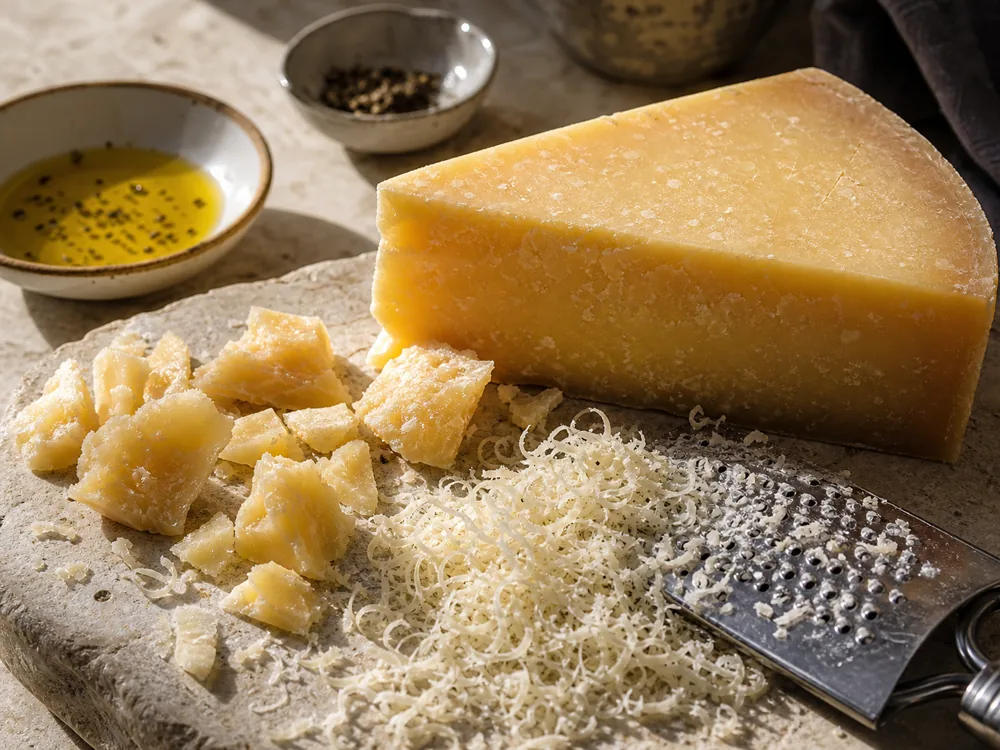
Grate it over hot food: Cheese.com's extra mature entry says the brittle texture is perfect for grating over hot dishes. Gligora's Superior page gives a second use, a cheese board with Pošip or Plavac Mali, herb honey drizzled over the cheese, or dried fruits and a glass of Croatian wine.
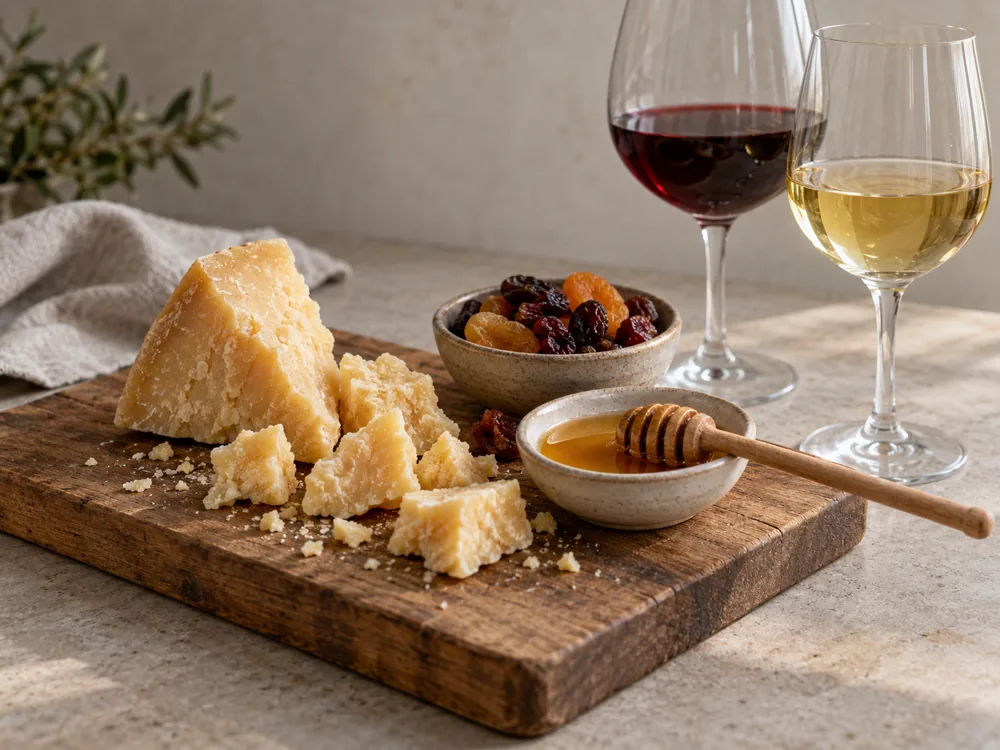
Both lists lean on Croatian wine, and if you want one bottle they both name, pour Plavac Mali.
| Pairing | Type | Why It Works |
|---|---|---|
| Malvasia | Wine | Cheese.com suggests a white Malvasia, naming Škaulj as the maker. |
| Plavac Mali | Wine | Cheese.com suggests a red from Plančić, and Gligora's webshop lists it too. |
| Pošip | Wine | Listed by Gligora's webshop for the Superior tier. |
| Herb honey | Food | Gligora suggests drizzling it over the cheese on a board. |
| Dried fruits | Food | Gligora lists them beside a glass of Croatian wine. |
What Sets Tezacki Sir Apart from Kolan and Pag Cheese?
Kolan is the closest relative. Gligora describes it as a hard cheese from 100% cow's milk, aged at least 4 months and inspired by the Trappists, and says Težački follows the technology perfected through Kolan.
Cheese.com's Kolan Extra Mature entry matches the Tezacki Sir Extra Mature entry on producer, milk, age floor and rind, so you cannot tell the two cheeses apart by those details.
To tell them apart, go by the milk's origin and the flavour words: Cheese.com's Kolan Extra Mature entry gives Simmental herds from the Zadar hinterland and a buttery aroma turning nuttier, against Gligora's partner farms near Rakovica and Cheese.com's nutty and sweet for Težački.
Pag cheese sits at the other end of the dairy's range: Gligora protects it with a PDO and describes the flavour of sea-sprayed, herb-rich pastures.
| Cheese | Milk | Age stated | Texture | Source |
|---|---|---|---|---|
| Tezacki Sir Extra Mature | Cow | 6 months or more | Brittle, flaky, open | Cheese.com |
| Kolan Extra Mature | Cow | 6 months or more | Dense, brittle | Cheese.com |
| Pag cheese (PDO) | Sheep | 6 to 12 months | Grainy | Gligora webshop |
Gligora's wine notes also differ by cheese: lighter reds for Kolan and a full-bodied Plavac Mali or Teran for Pag cheese.
If you need a stand-in, Kolan Extra Mature is the closest documented match because it shares the producer, the milk type and the age floor, while Pag cheese would change the milk from cow to sheep.
Is Tezacki Sir Extra Mature Vegetarian?
Cheese.com lists Tezacki Sir Extra Mature as vegetarian, made with vegetarian rennet, and as not vegan. If you avoid animal rennet, confirm the rennet on the label or with Gligora before you buy.
Can You Eat Tezacki Sir Extra Mature While Pregnant?
NHS lists pasteurised or unpasteurised hard cheeses, such as cheddar, gruyère and parmesan, among the foods that are safe in pregnancy, and CDC lists hard cheese made with pasteurized milk among its safer choices. Cheese.com files Tezacki Sir Extra Mature as a hard cheese made from pasteurised cow's milk, while Gligora's Težački pages call it a hard cow's-milk cheese.
NHS adds that most cheese bought in supermarkets is pasteurised and that the packaging confirms it, so check your pack for a pasteurisation statement.
How Do You Buy and Store Tezacki Sir Extra Mature?
Gligora sells Težački Superior as a 2.6 kg full wheel, a 650 g quarter wheel and a 190 g piece, and the 650 g size is exactly a quarter of the full wheel by weight.
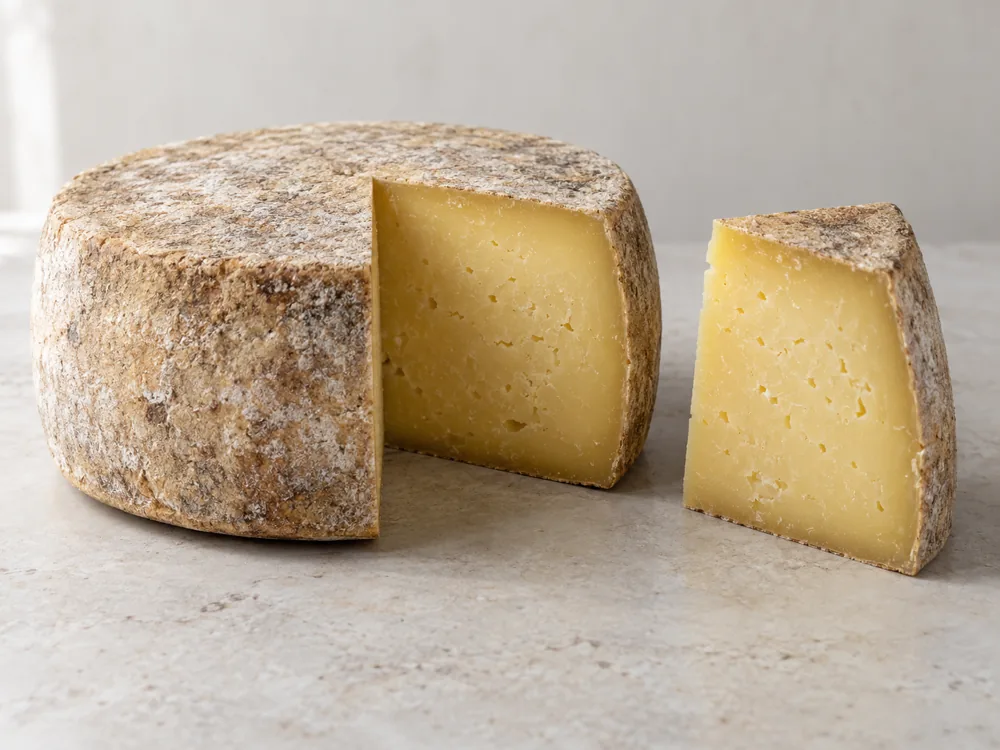
On a shelf, look for the face on the label: the Težački label carries a portrait of Jure Šmit, Šime Gligora's maternal grandfather and the first težak Šime ever met.
CDC advises keeping your refrigerator at 40°F or below and refrigerating perishable food, dairy included, within 2 hours, or within 1 hour when the food has been above 90°F. For how long a cut wedge keeps, check the label or ask the seller.